A luxury badge, a high purchase price, and sophisticated styling do not guarantee better nighttime visibility.
The Insurance Institute for Highway Safety (IIHS) demonstrated this in its 2016 headlight evaluations, when several luxury cars received Marginal or Poor ratings while less expensive mainstream models earned Acceptable or Good ratings.
These tests measured how effectively headlights illuminated the road ahead and whether low beams created excessive glare for oncoming drivers.
The comparisons below use specific historical model years and headlight configurations, not current vehicles. That distinction matters because ratings can change with trim levels, optional packages, and improvements made in later years.
1. Mercedes-Benz CLA vs. Honda Accord
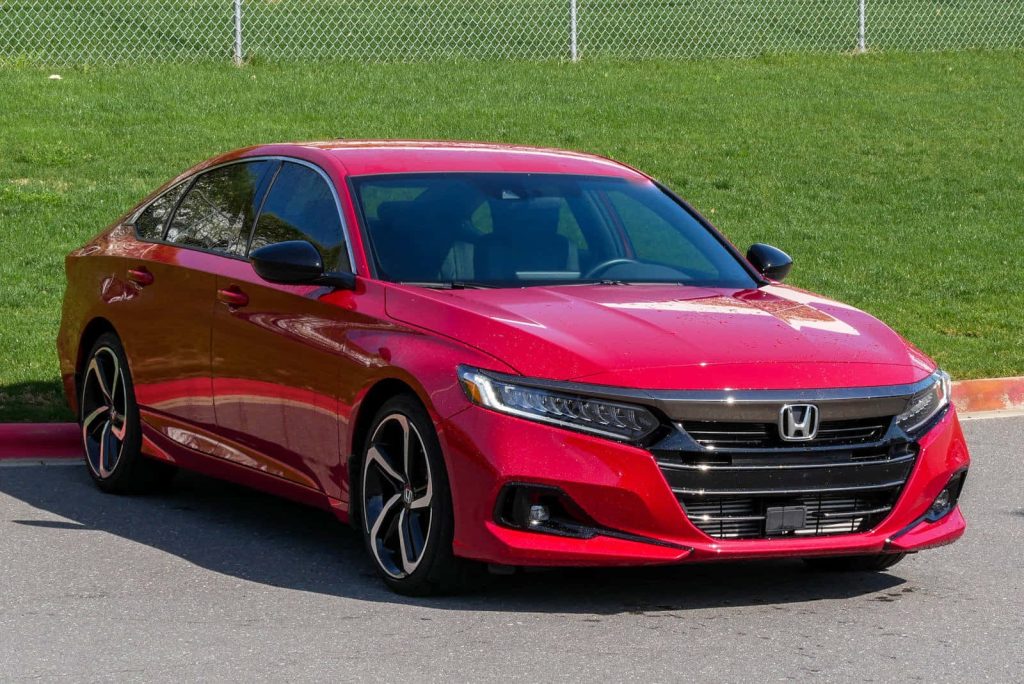
The 2019 Mercedes-Benz CLA with standard halogen reflector headlights received a poor rating from IIHS. In comparison, the 2016 Honda Accord sedan with its basic halogen headlights earned an acceptable rating.
The Accord was a mainstream family car, while the CLA was marketed as a luxury sedan, making this a clear example of price and branding failing to predict headlight performance.
The CLA’s weakness was not simply a lack of advanced lighting technology. IIHS found that its low beams provided inadequate visibility on both sides of a straight road and across all four curve tests.
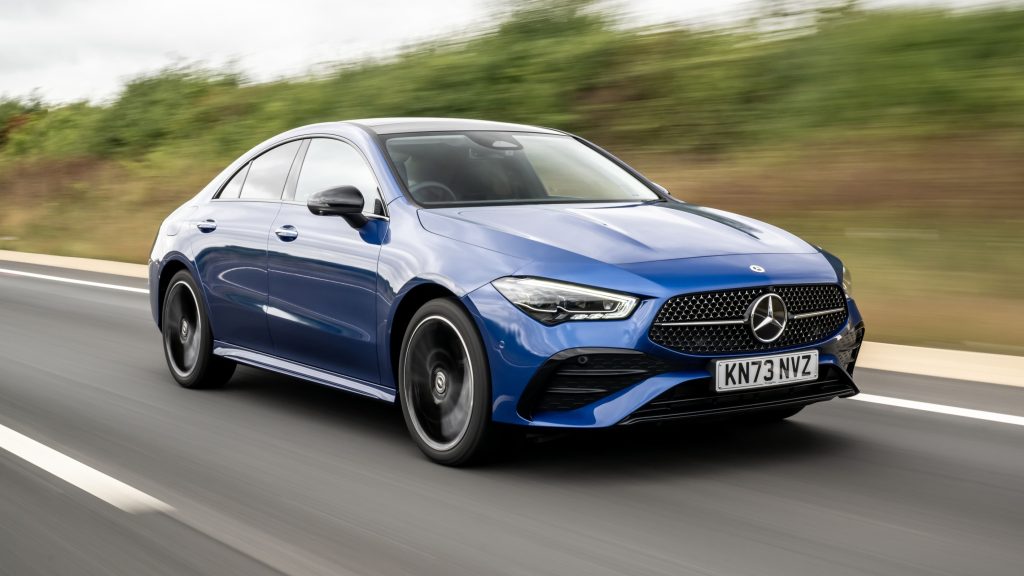
Its high beams improved visibility on the right side of the straightaway, but illumination remained inadequate on the left and on curves. The tested configuration did not have curve-adaptive headlights or high-beam assist.
The Accord delivered a better result despite using conventional halogen lamps. IIHS specifically identified its basic halogen system as Acceptable, while noting that an available LED setup with high-beam assist received a lower Marginal rating.
This result shows that adopting newer headlight technology does not necessarily guarantee better visibility or more effective illumination on the road.
For used-car buyers, the lesson is to verify the exact headlight equipment rather than assuming all versions of a model perform alike. These ratings concern older vehicles, so they should not be applied to a newer CLA or Accord without checking that model year’s IIHS record.
2. Cadillac ATS vs. Mazda6
The 2016 Cadillac ATS demonstrates that even sophisticated lighting hardware can deliver disappointing results. IIHS rated its available headlight systems poor, including configurations with adaptive low and high beams.
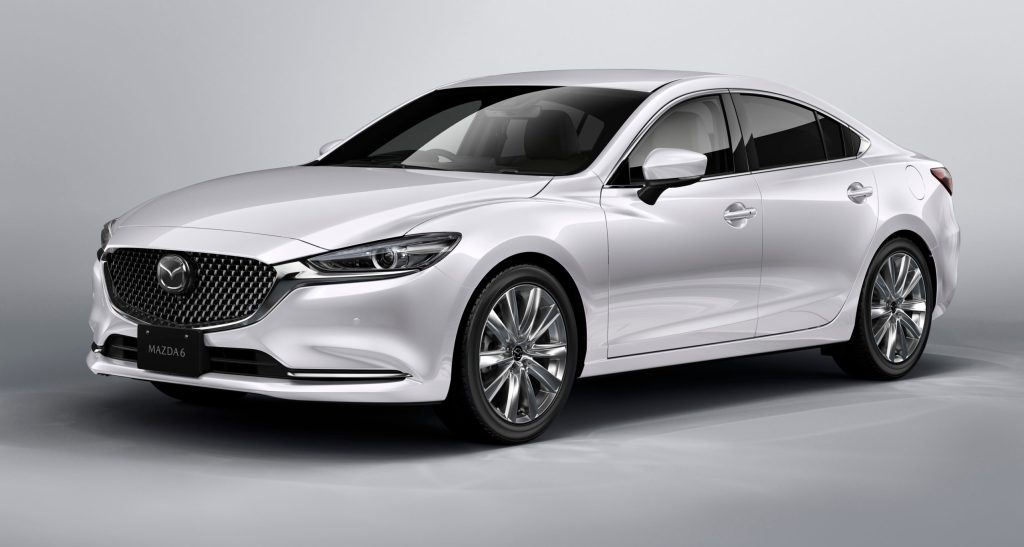
The 2016 Mazda6, a mainstream midsize sedan, had an available headlight system rated acceptable. The contrast is striking because the Cadillac carried a luxury-market position, yet its headlights did not achieve the same rating as the Mazda’s best-performing setup.
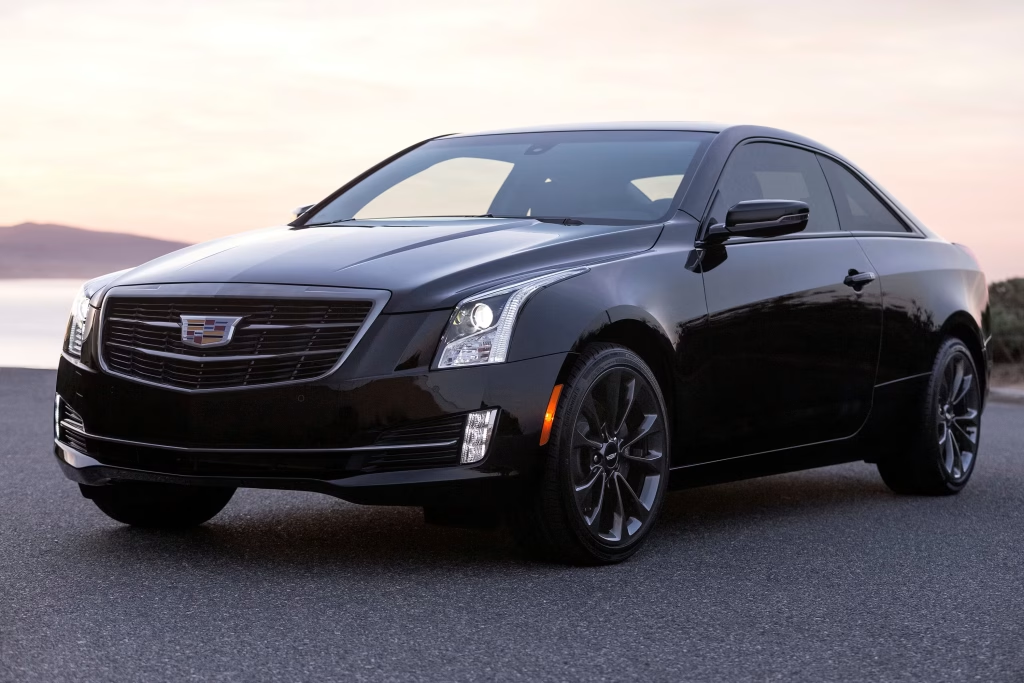
The Cadillac’s result is particularly instructive because adaptive headlights are designed to improve visibility by directing light as the vehicle turns. However, IIHS evaluates the light that actually reaches the road, not the sophistication of the technology’s name.
The institute’s 2016 report explained that the ATS still earned poor ratings even with adaptive low and high beams. That means the feature itself was not enough to overcome the system’s performance shortcomings.
The Mazda6’s acceptable rating placed its best available headlights above the Cadillac’s poor-rated systems in the same broad testing era.
That does not mean every Mazda6 headlight option was superior to every Cadillac configuration or that the Mazda was the better vehicle in every safety category. This comparison is specifically about headlight performance.
When buying either a used sedan, shoppers should check the actual equipment fitted to the vehicle and look up the rating for that configuration. Headlight performance can differ between trims and packages, even within one model year.
Buyers should also inspect lens clarity and headlight aim, since damage or poor maintenance can compromise real-world illumination regardless of the original rating.
The key lesson is that advanced features and premium branding do not guarantee strong performance. Independent test results provide a more reliable basis for evaluating a vehicle’s capabilities.
3. Mercedes-Benz C-Class vs. Volkswagen Jetta
The 2016 Mercedes-Benz C-Class received a Poor rating for its tested halogen headlights, while the 2016 Volkswagen Jetta had an available headlight system rated Acceptable by IIHS.
While the Mercedes-Benz C-Class targeted the premium compact luxury segment, the Volkswagen Jetta catered to a wider range of mainstream buyers. Their differing ratings highlight the importance of evaluating headlight performance independently rather than assuming that upscale interiors, prestigious branding, or additional features automatically translate into better nighttime visibility.
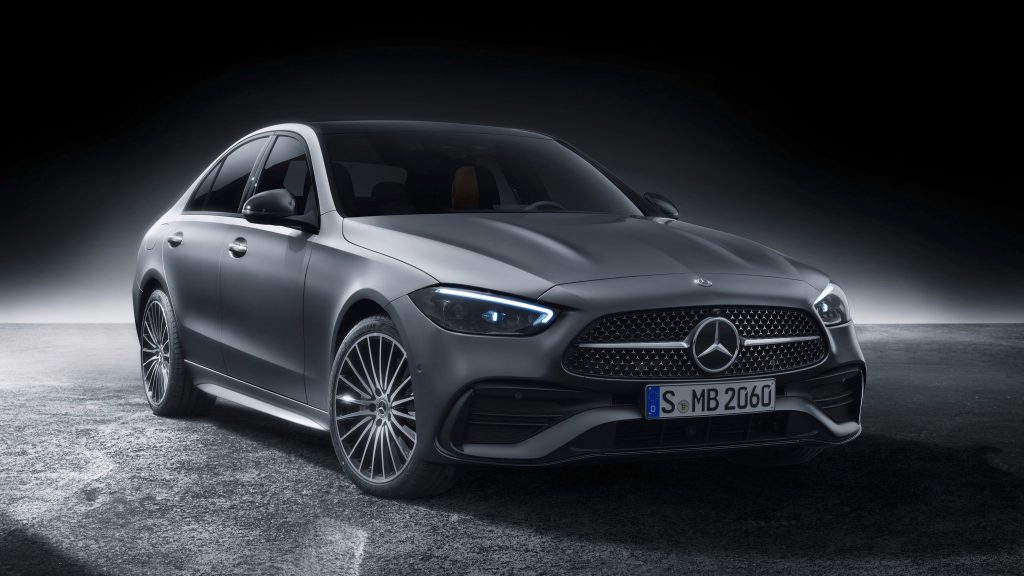
IIHS reported that the C-Class could receive a Poor rating even with adaptive low and high beams. That matters because buyers may reasonably assume that headlights that move with the steering wheel must illuminate every bend effectively.
In practice, the IIHS test considered illumination on straight roads and curves, along with the potential for excessive low-beam glare. A system could include adaptive hardware and still fall short of the institute’s performance standards.
The Jetta appeared among the 2016 models with an available acceptable-rated headlight system. It did not earn that rating simply because it was cheaper or used a particular technology.
IIHS assessed how the system illuminated the road and whether its low beams exceeded glare limits. The result placed the Jetta’s best-rated setup above the C-Class’s poor-rated configuration in this specific category.
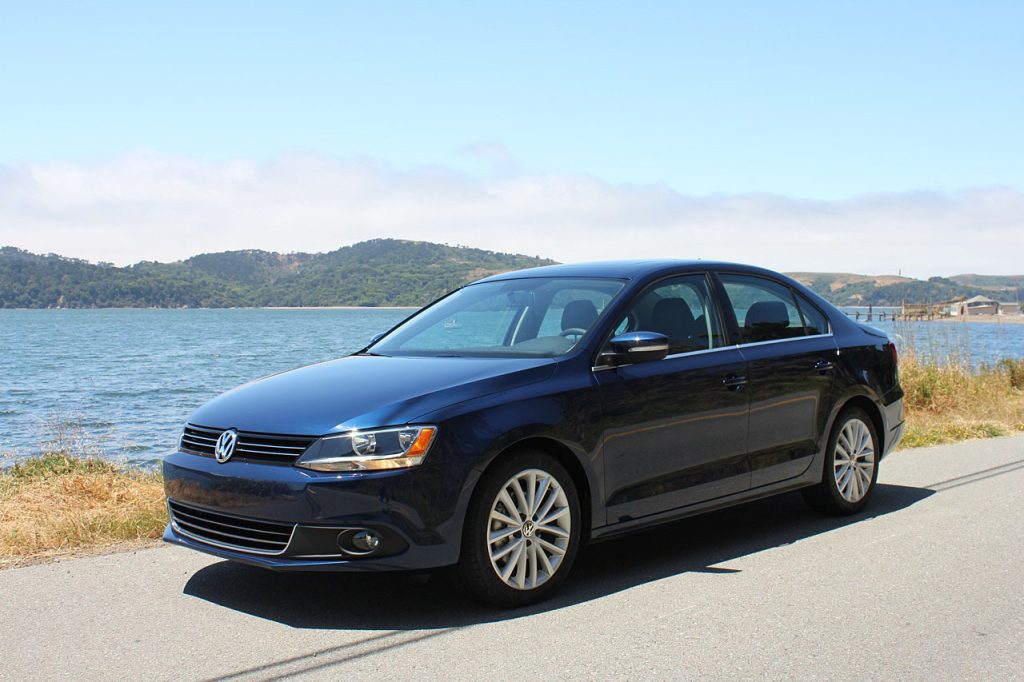
Buyers considering a used Jetta should note that the published rating applies to the best headlight option available for that model year. Versions equipped with different lighting systems may perform differently, making it important to verify the exact configuration of the vehicle being considered.
The same caution applies to the Mercedes. Confirm the exact headlights fitted before using these ratings to compare individual vehicles. Neither rating should be treated as a judgment on crash protection, reliability, or every other aspect of vehicle safety.
4. BMW 3 Series vs. Toyota Prius
The 2016 BMW 3 Series, with its standard halogen reflector headlights, received a poor rating, while the 2016 Toyota Prius v, equipped with the Advanced Technology package and LED projector headlights, earned a good rating.
The comparison highlights a notable difference in headlight performance, with the luxury sports sedan’s standard system falling short of the lighting setup available on the more affordable hybrid wagon. It demonstrates that vehicle price and class do not necessarily determine how well headlights perform.
IIHS identified the BMW 3 Series halogen system as the lowest-scoring headlight system in its initial 2016 evaluations. The institute reported that its low beams illuminated only about 130 feet on the right side of the straightaway.
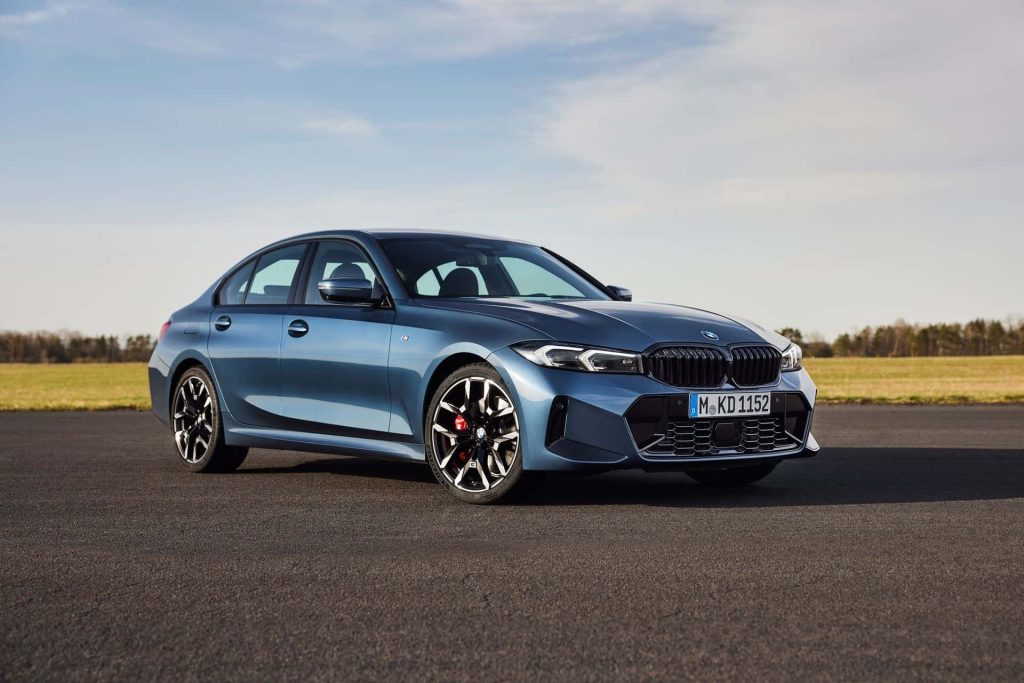
The BMW’s high beams also fell short of 400 feet of illumination. An optional curve-adaptive LED system with high-beam assist performed somewhat better, earning a Marginal rating instead of Poor. However, the improved result still indicated that the upgraded headlights had significant room for improvement.
The Prius V’s good rating came with important conditions. Buyers needed the highest trim level and its Advanced Technology package to obtain the LED headlights and high-beam assist associated with that result.
IIHS also rated other Prius V configurations lower, including a poorly rated halogen setup. The model name alone, therefore, does not guarantee good-rated headlights.
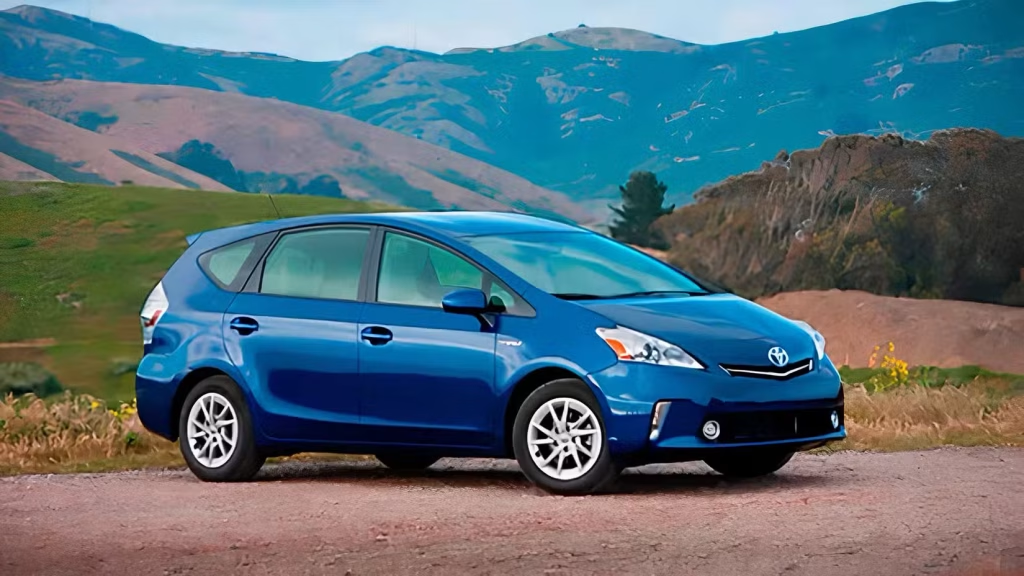
This comparison shows why equipment details matter more than assumptions about price. A well-equipped mainstream vehicle can outperform a luxury car’s base lighting system, but the result may reverse when different headlight packages are compared.
Anyone shopping for either model should identify the installed lighting system and check the relevant IIHS rating. For the Prius v, the Advanced Technology package is especially important to verify.
5. Audi A4 vs. Subaru Outback
The 2016 Audi A4 received a Marginal rating for its HID projector headlights, while the 2016 Subaru Outback built after November 2015 had an available headlight system rated Acceptable.
The Subaru is a mainstream wagon with raised ride height, rather than a traditional luxury sedan, but its better headlight rating shows that premium positioning does not automatically deliver superior illumination.
IIHS found that the Audi’s low beams provided only fair visibility on both sides of the straightaway. On curves, visibility was fair in several test situations and inadequate on the gradual left curve.
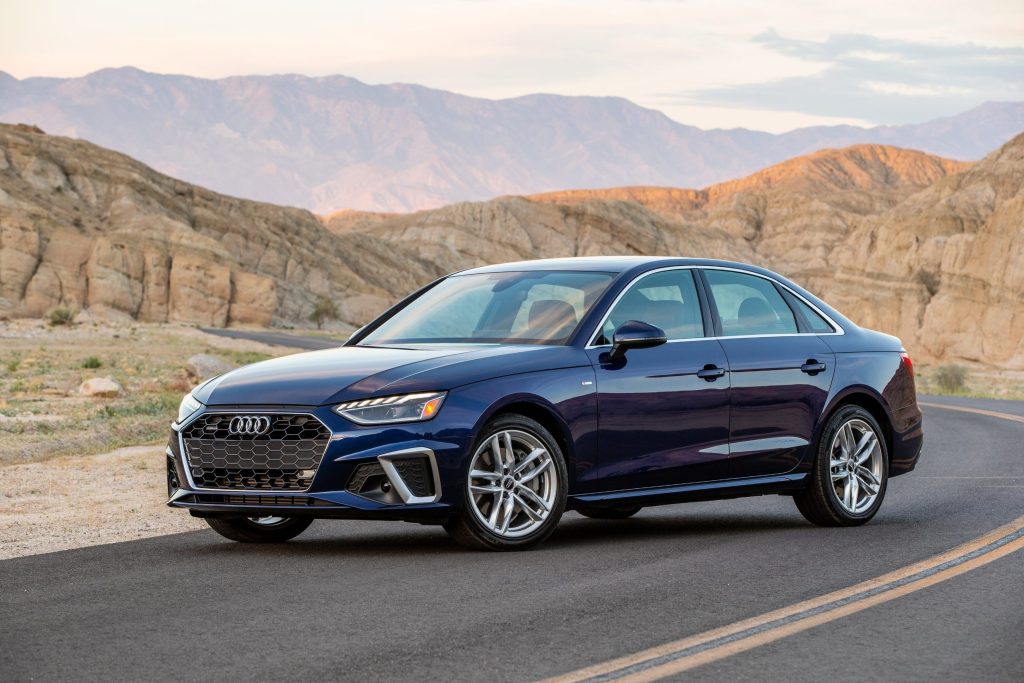
Its high beams also had limitations, including inadequate visibility on the left side of the straightaway and on the sharp right curve. The system did not exceed the institute’s low-beam glare threshold, but its illumination still fell short of a higher rating.
The 2016 Subaru Outback was listed among vehicles offering an Acceptable-rated headlight system, but the rating applied only to models built after November 2015. This distinction is important for used-car buyers because production updates introduced during a model year can affect a vehicle’s equipment and safety ratings, even when the model name remains unchanged.
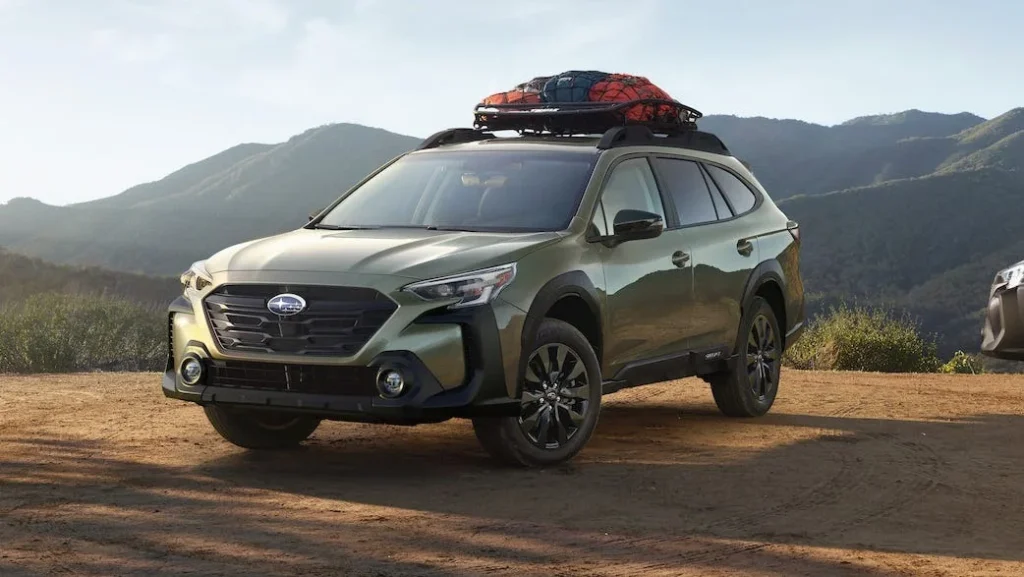
For used-car buyers, the practical question is not whether the Audi or Subaru is better in every respect. It is whether the exact vehicle being considered has the headlight configuration tested by IIHS.
Confirm the production date and equipment, then inspect the lenses and aim. A marginal rating is not the same as a poor rating, but it still signals that the tested system did not provide the performance achieved by acceptable-rated alternatives.
6. Acura TLX vs. Nissan Maxima
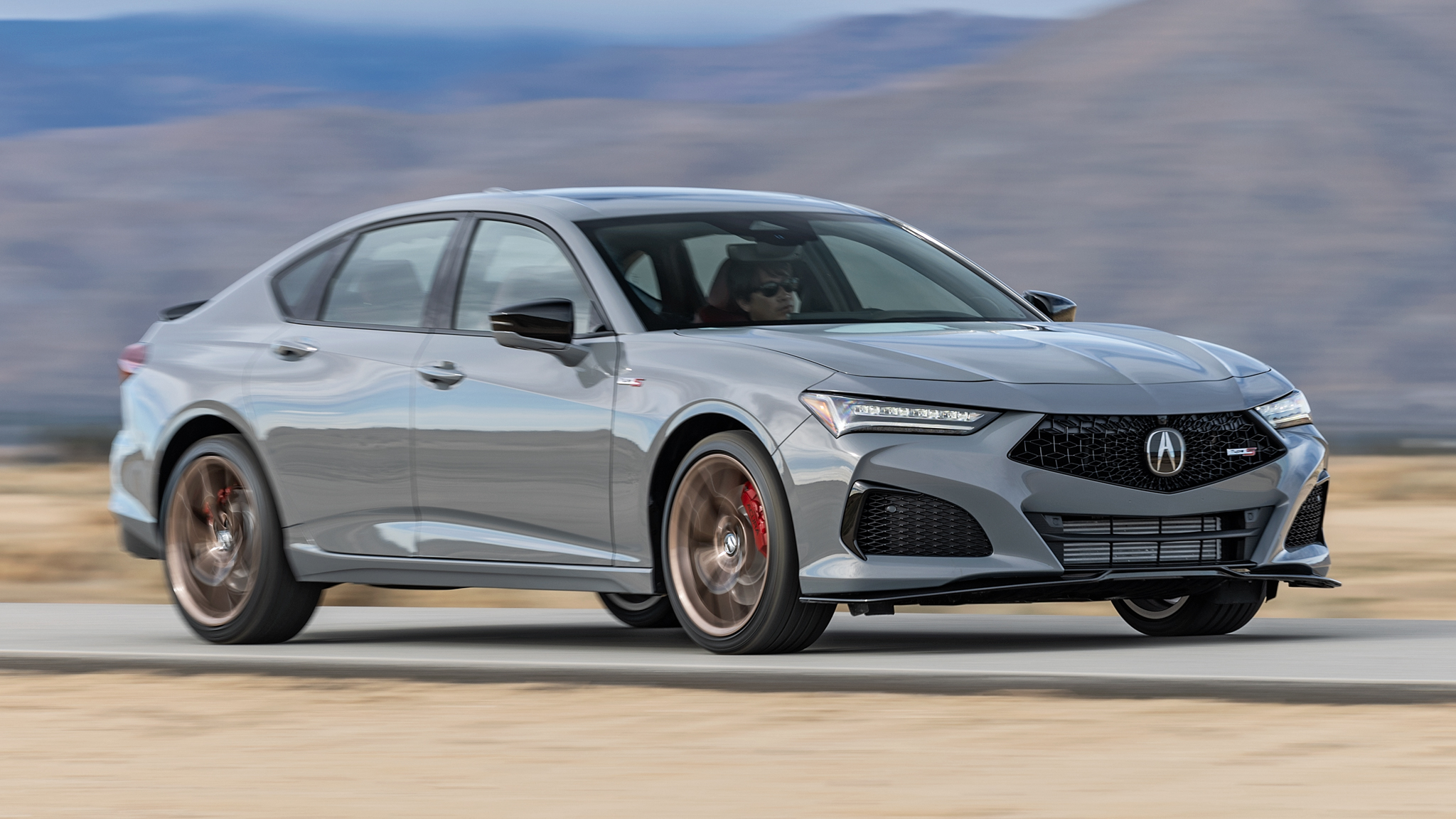
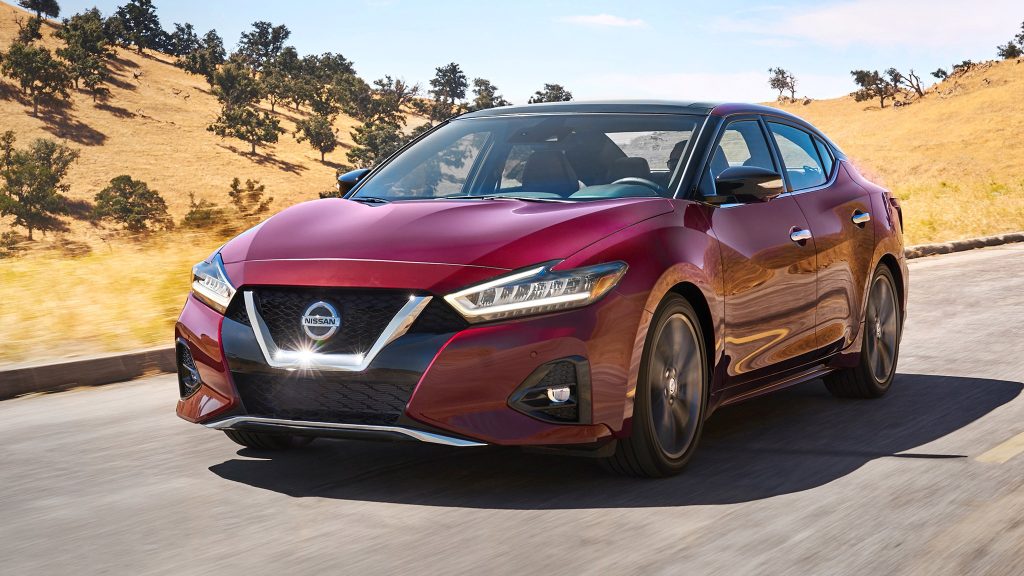
The 2016 Acura TLX had a best-available headlight system rated Marginal by IIHS, while the 2016 Nissan Maxima appeared among the midsize cars with an available Acceptable-rated system.
Both were midsize sedans, but the Acura occupied the luxury market, and the Nissan was sold as a mainstream alternative. The comparison reinforces the point that a higher market position does not ensure better nighttime illumination.
The TLX’s result was not a poor rating, but it still fell short of acceptable. In the 2016 evaluations, IIHS placed the best available TLX headlights in the Marginal category.
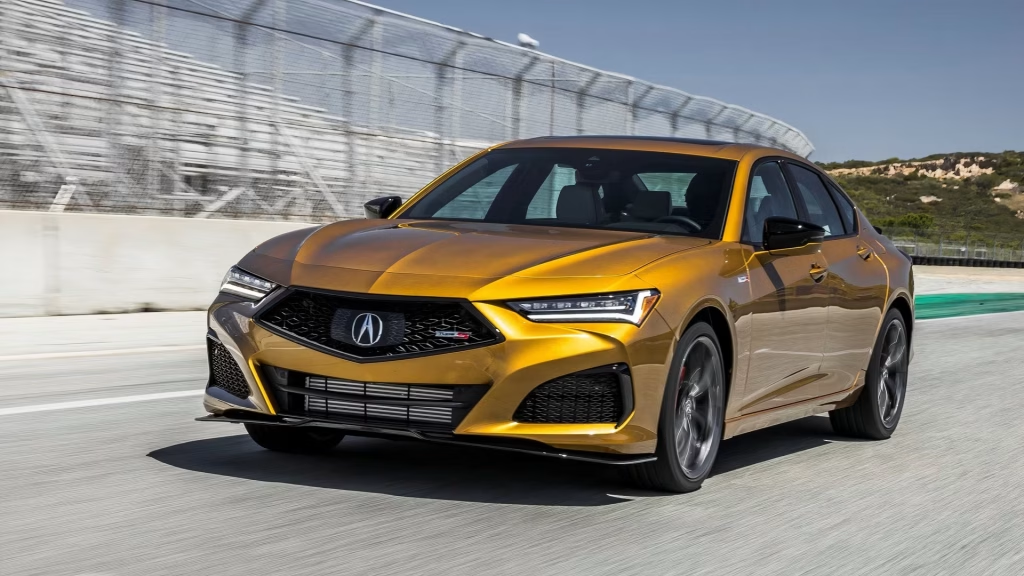
The institute’s rating system considered how far the low and high beams illuminated the road in straight-line and curved approaches, while also accounting for excessive glare from low beams. A system that provides reasonable visibility in one situation may still be penalized for limitations elsewhere.
The Maxima’s Acceptable rating applied to its best available headlight system, not necessarily every headlight option. That distinction is essential when comparing used examples.
The rating does not establish that every Maxima illuminated the road better than every TLX, and it does not mean the Nissan was safer in every crashworthiness or crash-avoidance category. It is a focused comparison of the tested headlights.
For buyers considering either sedan, check the exact model year, trim, and installed lighting equipment against the IIHS record. Also inspect headlight lenses for clouding or damage and confirm that the beams are properly aimed.
The TLX’s luxury badge should not be used as a substitute for checking its headlight rating, just as the Maxima’s mainstream positioning should not be taken to mean its equipment was inferior.