
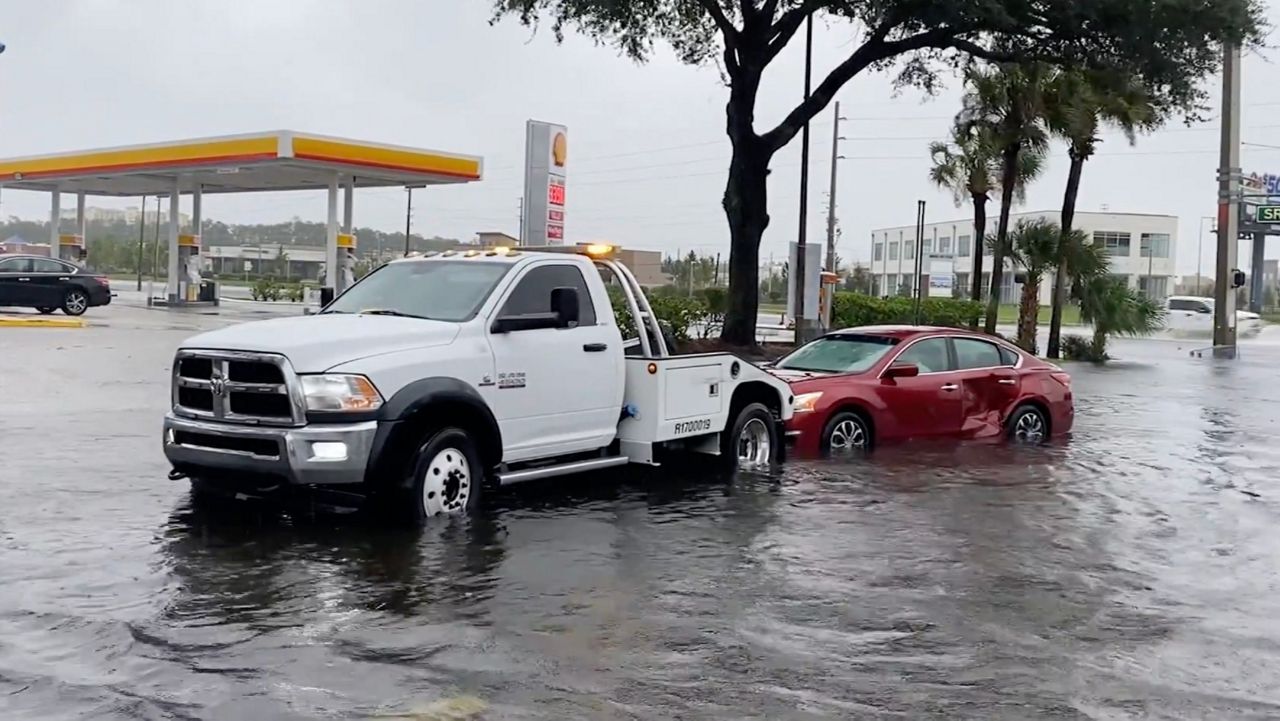
Buying a used car can feel like finding a bargain until a mechanic uncovers problems hidden beneath its polished exterior. A vehicle may start easily, drive smoothly, and look immaculate while concealing structural damage, worn suspension components, leaking fluids, or expensive engine trouble.
A pre-purchase inspection helps buyers identify these warning signs before signing a deal. In the United States, where used vehicles range from high-mileage commuters to aging SUVs, a thorough mechanical assessment can prevent costly surprises.
Understanding the most common inspection failures helps buyers recognize genuine bargains, negotiate repairs confidently, and avoid vehicles that could become expensive liabilities.
1. Structural Damage From a Previous Accident
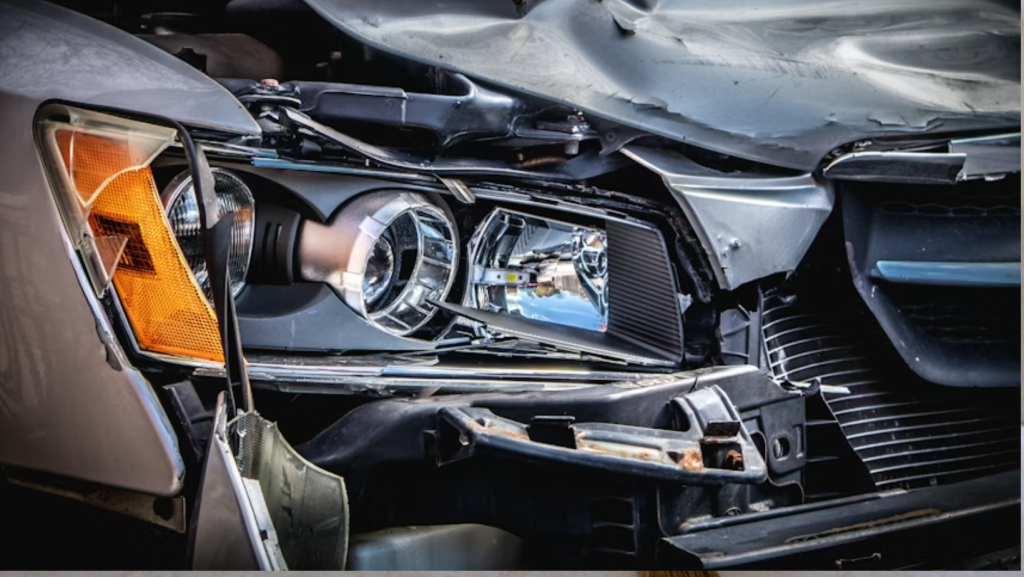
A vehicle can receive fresh paint, replacement panels, and professional detailing without having its underlying structure properly repaired. That is why structural damage is one of the most serious findings during a pre-purchase inspection.
A mechanic examines frame rails, suspension mounting points, floor panels, and other structural sections for evidence of collision damage or questionable repairs.
Uneven panel gaps, mismatched paint, overspray on rubber seals, and disturbed bolts can suggest previous bodywork. These signs do not automatically prove structural damage, but several appearing together justify further investigation. A paint-thickness gauge may help identify areas that have received additional paint or body filler.
Modern passenger vehicles commonly use unibody construction, where the body and structural framework work together. Improper repairs can affect alignment, handling, and crash protection. Vehicles with separate frames should also be examined for bending, cracks, corrosion, and poor-quality welding.
Why the car may fail: Structural components that have been significantly weakened or repaired incorrectly can compromise occupant safety. Correcting such damage may require specialist equipment, manufacturer-approved procedures, and substantial expense.
What buyers should do: Ask an independent collision-repair specialist to assess suspicious areas and provide a written report. The Federal Trade Commission recommends combining a vehicle history report with an independent inspection because history records may not reveal every accident or hidden defect.
If structural damage is confirmed, establish whether a safe, documented repair is possible before considering the purchase. Cosmetic damage may be negotiable, but compromised structural sections should never be dismissed simply because the exterior looks immaculate.
2. Engine Oil Leaks and Internal Engine Trouble
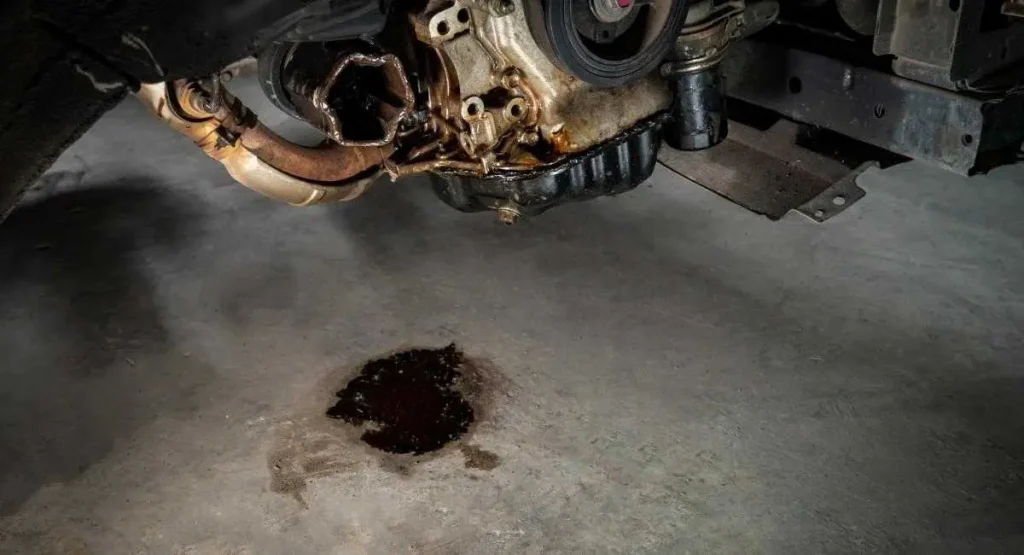
An engine can develop serious problems without producing dramatic smoke or loud knocking noises. Sometimes the first warning is a small puddle beneath the vehicle, an oily coating around a gasket, or a burning smell after a road test. A mechanic should inspect valve covers, seals, the oil pan, and accessible engine surfaces for leakage.
Not every leak means an engine is failing. A minor seep may require a relatively straightforward seal replacement, while a substantial leak can lead to low oil levels and inadequate lubrication. Oil reaching hot exhaust components also deserves immediate attention.
The condition of the engine oil and cooling system can provide additional clues. Persistent coolant loss, overheating, or evidence of oil mixing with coolant may indicate a head-gasket or other internal problem.
However, milky residue beneath an oil cap can sometimes result from condensation during short trips, so it should not be treated as conclusive evidence of engine failure.
When symptoms justify further testing, a mechanic may recommend compression or cylinder leak-down tests. These procedures help evaluate cylinder sealing and may reveal problems involving valves, piston rings, or head-gasket integrity.
Why the car may fail: Low oil pressure, severe leakage, internal knocking, or evidence of significant internal wear can lead to expensive repairs.
What buyers should do: Request a cold start and have the engine examined again after the road test. Ask for a written diagnosis and repair estimate rather than accepting vague assurances from the seller.
If the oil-pressure warning appears, the engine overheats repeatedly, or serious internal damage is suspected, postpone the purchase until the cause is established.
3. Transmission Slipping, Shuddering, or Delayed Engagement
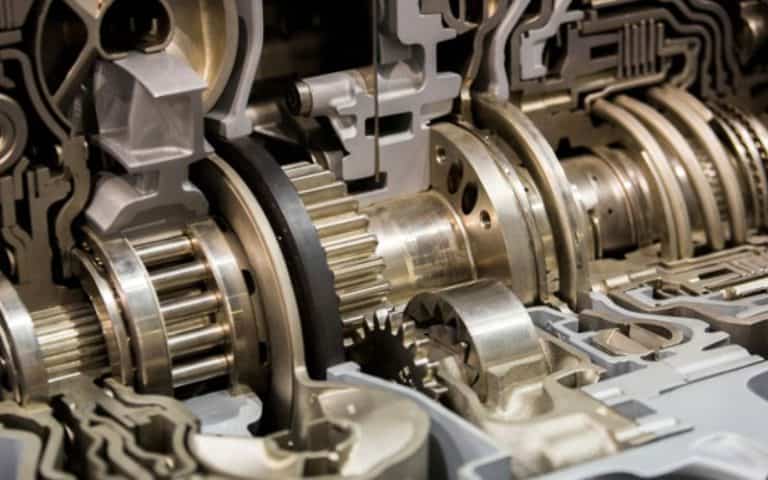
Transmission problems can remain hidden during a brief test drive, particularly when symptoms become more noticeable after the vehicle warms up. During an inspection, a mechanic evaluates gear engagement, acceleration, deceleration, and the transition between forward and reverse.
An automatic transmission may show delayed engagement, harsh shifts, repeated shuddering, or engine speed rising without a matching increase in road speed. Manual transmissions can reveal trouble through clutch slippage, grinding noises, or difficulty selecting gears.
Continuously variable and dual-clutch transmissions have different operating characteristics, so symptoms must be assessed against the manufacturer’s specifications.
An unusual shift does not automatically mean the transmission needs replacement. Software behavior, temperature, worn engine mounts, and other driveline components can affect how a vehicle feels. A proper diagnosis should distinguish these possibilities from internal transmission damage.
The inspector should check for fluid leaks, scan relevant control modules, and review service records. Fluid color alone cannot determine transmission health, and maintenance requirements vary between manufacturers and transmission designs.
Why the car may fail: Worn internal components, a damaged clutch, faulty control systems, or persistent slipping can result in substantial repair expenses.
What buyers should do: Test the vehicle under different driving conditions, including gentle acceleration and deceleration. If shifting feels abnormal, request a specialist diagnosis before negotiating. A seller’s claim that the transmission simply needs a fluid change should not replace proper testing.
If the vehicle repeatedly loses drive, produces severe grinding, or engages unpredictably, avoid committing to the purchase until a qualified technician identifies the fault and estimates the repair cost.
4. Brake Problems That Reduce Stopping Performance
A vehicle must stop predictably, making the braking system one of the most important parts of a pre-purchase inspection. A mechanic examines brake pads, rotors, calipers, hydraulic lines, hoses, fluid, and the parking brake for wear, leakage, and damage.
Brake pads naturally wear with use, but the remaining friction material must be measured. Deeply grooved rotors, excessive corrosion, or measurements outside manufacturer limits may require replacement. A sticking caliper can cause uneven wear, while damaged brake hoses or leaking lines can compromise hydraulic pressure.
The road test provides further clues. Grinding, persistent squealing, vibration during braking, or a pedal that feels unusually soft deserves investigation. These symptoms can have several causes, including worn friction components, rotor problems, or faults elsewhere in the braking system.
Brake fluid also requires attention. Many manufacturers specify periodic replacement because brake fluid can absorb moisture over time. Vehicles equipped with antilock braking systems may need an electronic scan to identify faults that a visual inspection cannot reveal.
Why the car may fail: Severely worn pads, leaking hydraulic components, damaged brake lines, or malfunctioning electronic braking systems can make the vehicle unsafe.
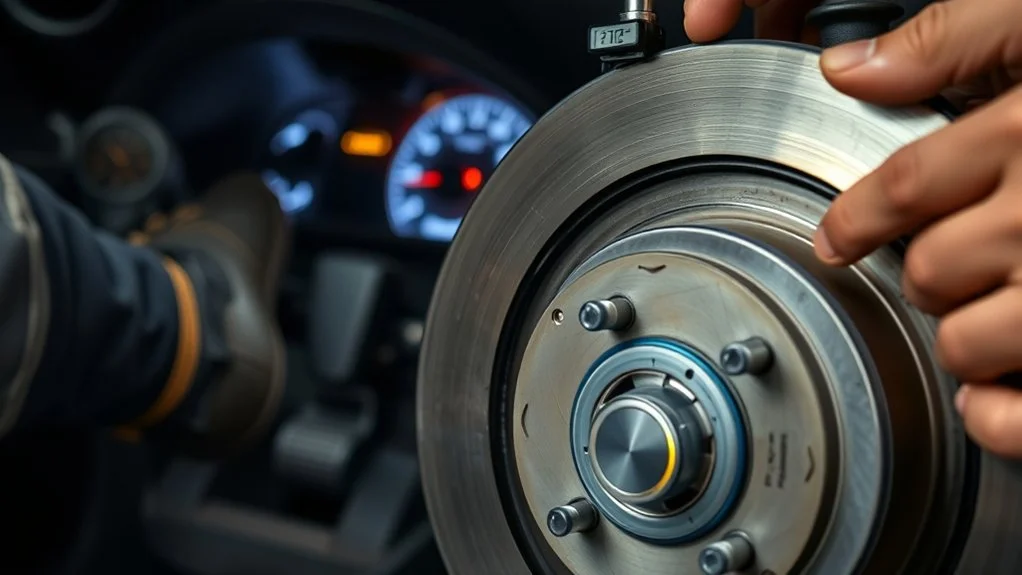
What buyers should do: Ask for measurements of the pads and rotors, along with a written estimate for necessary repairs. Do not assume that recently serviced brakes are automatically in good condition.
If the pedal sinks under steady pressure, the vehicle pulls sharply while braking, or a serious hydraulic defect is suspected, the road test should stop until the problem is assessed. Routine pad replacement may be manageable, but an unresolved braking-system defect is a strong reason to delay the purchase.
5. Suspension Wear and Steering Defects
Suspension and steering components determine how a vehicle responds to bumps, corners, and sudden changes in direction. Their condition also affects tire wear and braking stability. During an inspection, a mechanic checks ball joints, tie-rod ends, control-arm bushings, wheel bearings, struts, shock absorbers, and steering linkages.
Some warning signs are easy to overlook. A vehicle may wander on the highway, clunk when crossing a speed bump, or bounce excessively after hitting uneven pavement. Other clues include uneven tire wear, abnormal steering play, and fluid leaking from a strut or shock absorber.
These symptoms require diagnosis rather than guesswork. Pulling to one side, for example, may result from incorrect tire pressure, alignment problems, brake faults, damaged suspension components, or previous collision damage. A wheel alignment will not correct a bent component or a worn joint.
Inspectors should also compare ride height at each corner and examine adjustable suspension systems where fitted. One corner sitting unusually low could indicate a broken spring or another suspension fault. Air-suspension vehicles may require additional checks for leaking air springs or compressor problems.
Why the car may fail: Loose steering joints, broken springs, damaged suspension mounts, and severely worn wheel bearings can compromise control and safety. Some defects also prevent proper alignment, causing premature tire wear.
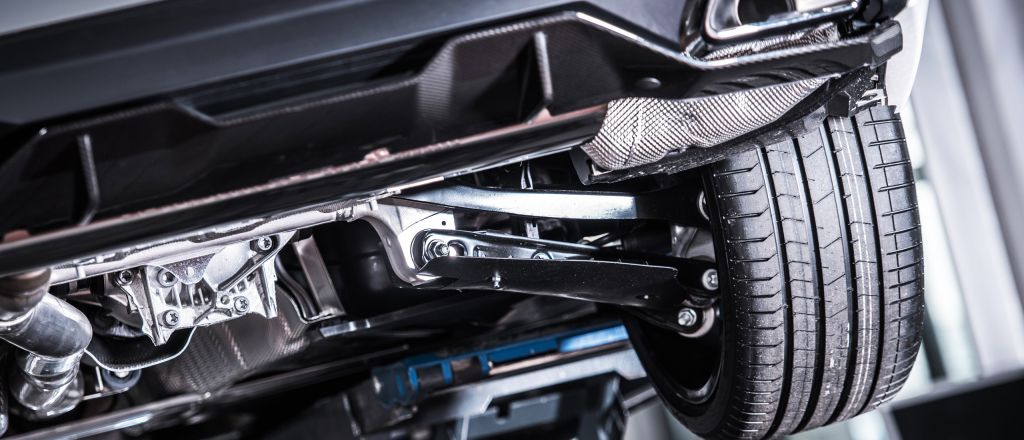
What buyers should do: Request a written list of defective components and estimated repair costs. Ordinary shock absorber replacement may be manageable, but serious steering looseness or damaged structural mounting points deserve much greater caution.
Do not accept a recommendation for alignment alone until the mechanic confirms that the suspension and steering components are mechanically sound. If a safety-critical joint has excessive play, have it repaired and verified before the vehicle is driven again.
6. Rust, Corrosion, and Hidden Underbody Damage
Rust becomes a serious inspection concern when it weakens structural components rather than merely affecting appearance. In the United States, vehicles driven in regions where road salt is used can be particularly vulnerable. Coastal exposure, trapped moisture, damaged protective coatings, and neglected drainage areas can also contribute to corrosion.
A mechanic should inspect the underbody, rocker panels, wheel arches, floor pan, subframes, brake lines, and suspension mounting points. Surface rust may be manageable, but corrosion that penetrates metal or weakens a load-bearing section can create significant safety concerns.
The exterior alone cannot establish the extent of the damage. Rust may develop beneath plastic trim, carpets, underbody coatings, or previously repaired panels. Fresh undercoating is not automatically suspicious, but unusually thick material covering questionable areas deserves closer examination.
The inspector should also look for water trapped in the trunk, spare-tire well, door bottoms, and other drainage areas. Corrosion around structural joints and suspension attachments requires particular attention because these sections must withstand substantial forces during normal driving.
Why the car may fail: Severely corroded structural metal, brake lines, or suspension mounting points can make a vehicle unsafe and expensive to repair. Depending on the location, corrosion may also prevent reliable wheel alignment.
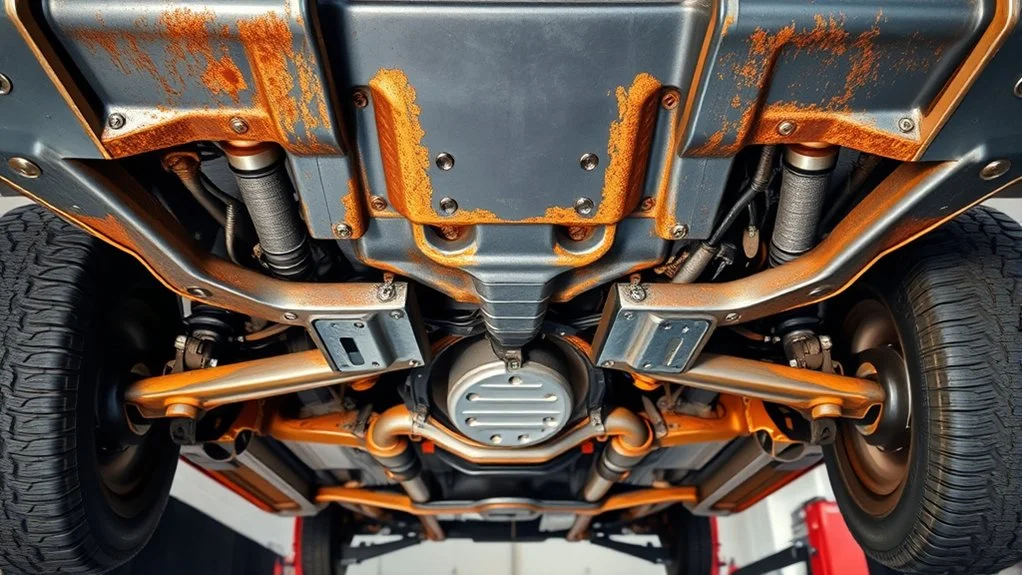
What buyers should do: Request an inspection on a lift and ask for photographs of suspicious areas. The mechanic should distinguish surface corrosion from metal that has lost strength.
If critical structural sections are perforated or weakened, do not accept fresh paint or undercoating as proof of a proper repair. A qualified specialist should determine whether restoration is technically sound and economically reasonable. When significant corrosion cannot be assessed confidently, choosing another vehicle may be the more sensible decision.
7. Electrical Faults and Persistent Dashboard Warning Lights
Modern vehicles depend on electronic systems for engine management, airbags, antilock braking, stability control, infotainment, and numerous convenience features. An electrical fault can therefore range from an inconvenient window switch to a defect affecting an important safety system.
An inspector should observe the dashboard during startup and check whether warning lights remain illuminated. A check-engine light, airbag warning, charging-system indicator, or ABS warning may signal a problem requiring diagnosis. The mechanic should determine which system has reported the fault instead of assuming the warning is harmless.
A diagnostic scan is useful, but its capabilities depend on the equipment. A basic code reader may access powertrain information without communicating with every electronic module. Manufacturer-capable diagnostic tools may be needed to investigate advanced safety systems or intermittent faults.
The inspection should also cover headlights, brake lights, turn signals, power windows, door locks, mirrors, climate controls, and backup cameras. Battery condition, alternator output, wiring, and electrical grounds deserve attention because a single charging problem can produce several confusing symptoms.
Recently cleared diagnostic codes may also limit the available evidence. However, cleared codes do not automatically prove that the seller deliberately concealed a fault.
Why the car may fail: Unresolved airbag, braking-system, charging, or engine-management faults can create safety risks and unexpected repair expenses.
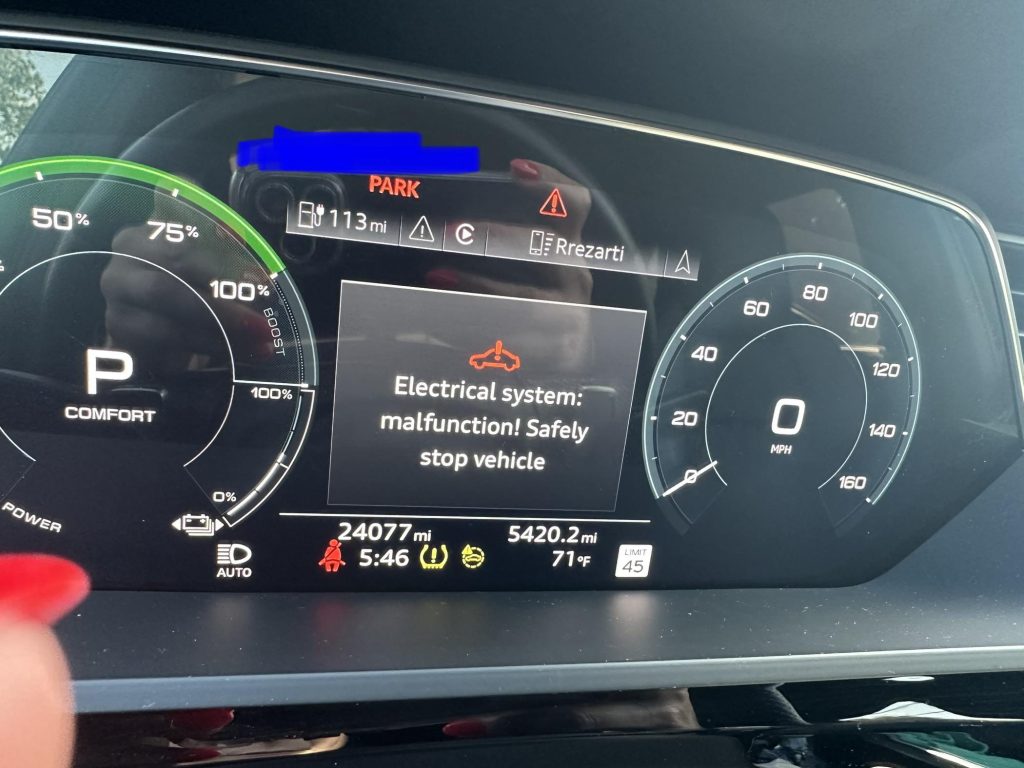
What buyers should do: Request a diagnostic report that identifies the affected systems and recommends further testing where necessary. Confirm that essential equipment functions correctly and obtain written repair estimates.
If an airbag warning or another critical safety-system fault remains unresolved, postpone the purchase until a qualified technician diagnoses the cause. A warning light disappearing temporarily is not proof that the underlying defect has been corrected.
8. Flood Damage and Signs of Water Intrusion
Flood damage can be difficult to identify because a vehicle may look clean and run normally after its interior has dried. Water can nevertheless corrode electrical connections, damage control modules, contaminate mechanical components, and cause faults that emerge weeks or months later.
Begin by checking the cabin for musty odors, water stains, damp carpeting, mud beneath seats, and corrosion on exposed metal. Inspect the trunk, spare-tire well, and accessible areas beneath floor coverings. Unusually clean or mismatched carpeting can also justify further investigation, particularly when other warning signs are present.
Electrical equipment deserves special attention. Water exposure can affect connectors, wiring, sensors, and electronic modules at different rates. A window, display, or other component that works during the inspection does not guarantee that corrosion will not cause problems later.
Under the hood, waterlines, unusual deposits, and corrosion in unexpected locations may support suspicions of flooding. However, individual clues must be assessed in context. If the engine ingested water while operating, internal damage may have occurred even if the vehicle subsequently starts.
The Federal Trade Commission warns that flood-damaged vehicles can be cleaned and transported to other states for resale. Vehicle history reports may reveal previous damage, but they cannot identify every incident.
Why the car may fail: Extensive water exposure can damage wiring, safety electronics, bearings, interior materials, and engine components. Repair costs can be difficult to predict when multiple systems are affected.

What buyers should do: Arrange a specialist inspection if flooding is suspected. Compare the physical evidence with title documents and available history records. The National Insurance Crime Bureau’s vehicle database can provide additional information about certain flood-damaged vehicles, although its records are not exhaustive.
If significant water damage is suspected and its extent cannot be established, walking away is generally safer than relying on the vehicle’s clean appearance or a short, successful test drive.
9. Tire Damage, Uneven Wear, and Wheel Problems
Tires provide important clues about a vehicle’s maintenance and mechanical condition. Their tread, sidewalls, and wear patterns can reveal problems involving inflation, alignment, suspension components, or previous impacts. A mechanic should examine all four road tires and the spare, if one is provided.
In the United States, tread depth is commonly measured in thirty-seconds of an inch. The familiar 2/32-inch threshold is the legal minimum in many jurisdictions, although state requirements vary. Buyers should not confuse reaching a legal minimum with having ideal wet-weather traction.
Inspectors should measure tread at several points across each tire. Excessive wear along one edge may suggest alignment or suspension problems, while wear concentrated in the center or shoulders can be associated with inflation issues. These patterns are clues rather than definitive diagnoses because driving conditions and tire history also influence wear.
Sidewalls require equally careful attention. Bulges, cuts, exposed cords, and significant cracking may indicate damage or deterioration. A bulge can signal internal structural damage and should not be treated as a cosmetic defect. The tire’s manufacturing date can help establish its age, but condition, storage, and manufacturer guidance also matter.
Wheels should be examined for cracks, bends, damaged fasteners, and evidence of poor repairs. A damaged wheel may cause vibration or air loss.
Why the car may fail: Unsafe tires, damaged wheels, and severe uneven wear can compromise handling and require immediate expenditure. Repeated abnormal wear may also reveal an unresolved mechanical problem.
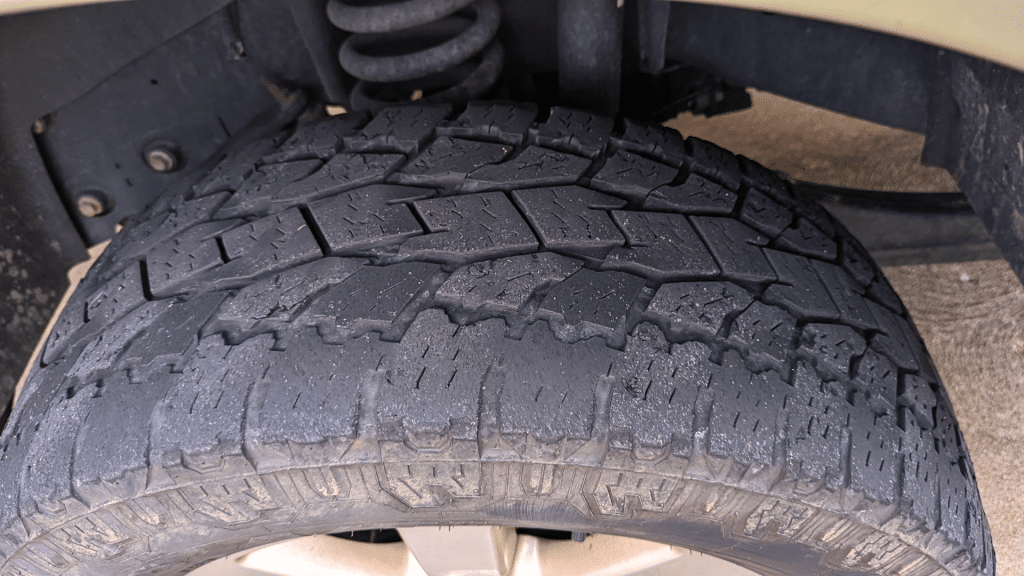
What buyers should do: Request individual tread-depth measurements and an assessment of each tire’s condition. Include necessary replacement costs in the purchase calculation, but establish why uneven wear occurred before negotiating.
A fresh set of tires will not correct bent suspension components, damaged steering parts, or improper alignment. If a wheel is cracked or a tire has serious structural damage, have the defect addressed before the vehicle is driven again.
10. Inconsistent Mileage and Missing Maintenance Records
A vehicle can appear mechanically sound while presenting serious questions about its mileage or maintenance history. Service records help establish whether important work was completed and whether the odometer reading is consistent with the vehicle’s documented past.
Compare the displayed mileage with service invoices, previous inspection records, and available vehicle history information. Readings that move backward or conflict substantially require investigation. A replacement instrument cluster may explain a discrepancy if the work was documented properly, but an unexplained difference should never be ignored.
Interior wear can provide context, although it cannot reliably establish mileage. A well-maintained vehicle driven extensively on highways may have a cleaner cabin than a lower-mileage vehicle used in demanding conditions. Similarly, a low odometer reading does not guarantee that scheduled maintenance was performed.
Review records for important services, including timing-belt replacement where applicable, transmission maintenance, coolant replacement, and other work specified by the manufacturer. Requirements vary by engine, model, and year, so a generic service schedule should not replace the correct maintenance information.
A vehicle history report may contain title information, recorded mileage, and certain accident or insurance records. The Federal Trade Commission recommends using these records alongside an independent inspection, rather than treating either source as conclusive by itself.
Why the car may fail: Unexplained odometer discrepancies, conflicting documents, or missing evidence of critical maintenance can conceal neglect and create uncertainty about future repair costs.

What buyers should do: Request service invoices and compare mileage entries chronologically. Obtain a vehicle history report through an approved provider and investigate discrepancies before making an offer.
In the United States, also check the vehicle’s VIN through the National Highway Traffic Safety Administration’s recall lookup to identify reported unrepaired safety recalls.
If the seller cannot explain a substantial mileage inconsistency or provide credible documentation, do not proceed until the issue has been resolved.
