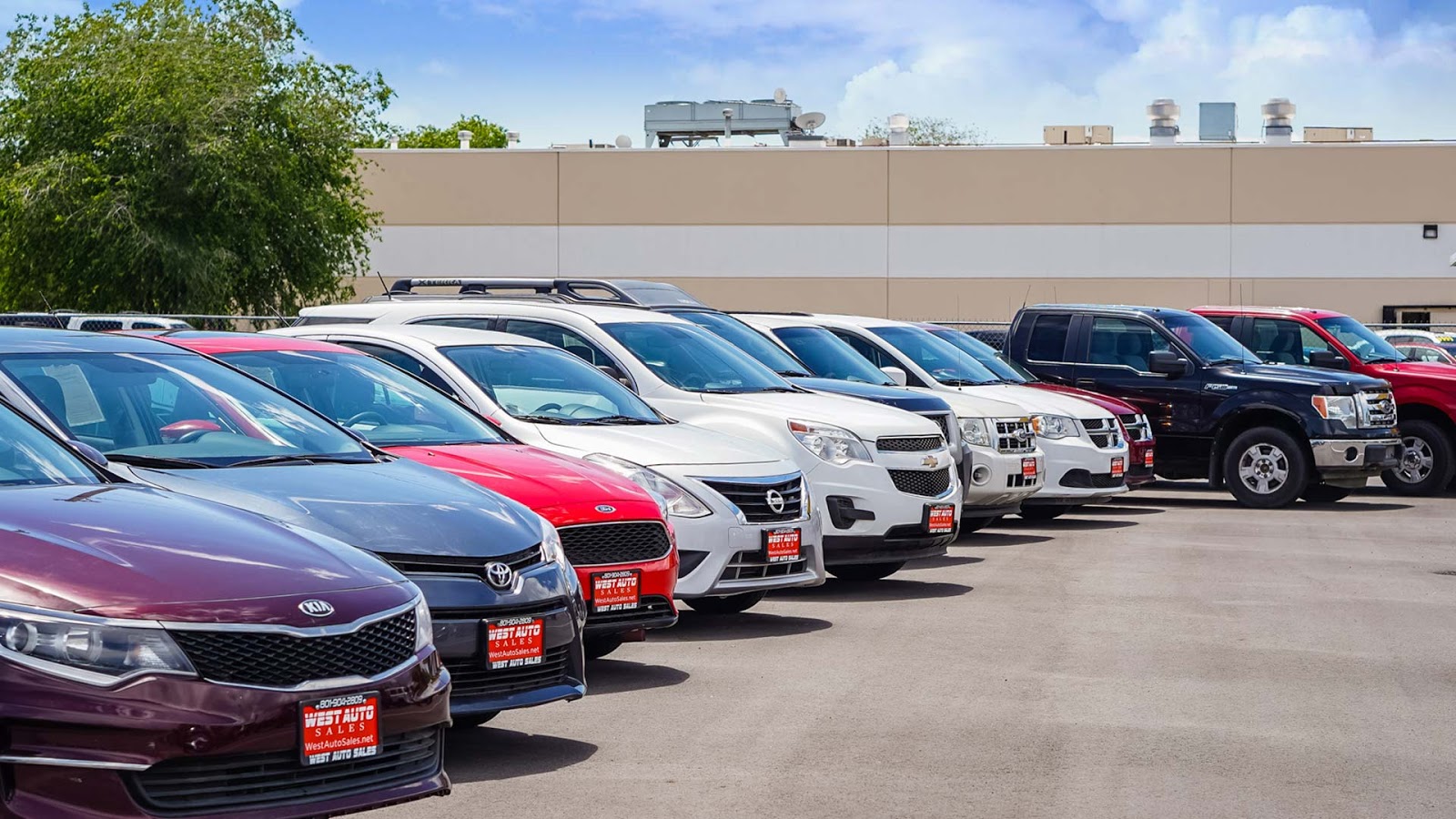
Wholesale used-vehicle prices declined in September 2026 as depreciation accelerated across the U.S. market, creating challenges for dealerships, vehicle owners, and shoppers. Higher fuel costs are also influencing purchasing decisions, encouraging some buyers to consider more economical vehicles instead of large pickups and fuel-hungry SUVs.
According to Cox Automotive, the latest figures point to a market where vehicle values are moving in different directions depending on fuel efficiency, demand, and operating costs.
The changes could affect trade-in offers, dealer inventory strategies, and the affordability of used transportation as consumers weigh purchase prices against long-term ownership expenses.
September Wholesale Prices Reveal Growing Market Pressure
Cox Automotive’s Manheim Used Vehicle Value Index fell to 205.9 in September. After seasonal and other adjustments, the index declined 1.1% from August and stood 0.6% below September 2025.
Without those adjustments, wholesale prices dropped 1.3% month over month and 1.2% year over year. The figures suggest that depreciation was stronger than the usual seasonal pattern for September, when wholesale vehicle values commonly soften as the market moves into autumn.
The Manheim index tracks wholesale used-vehicle prices and is closely watched because it provides an indication of market conditions before they fully influence retail transactions. Dealers typically acquire many used vehicles through auctions, so changes in wholesale prices affect acquisition costs, inventory valuations, and potential profit margins.
When wholesale values decline, dealerships must be careful about how much they pay for vehicles. A model purchased at auction for a relatively high price may lose value before it reaches a retail buyer, forcing the dealer to reduce its asking price or accept a smaller profit. The risk increases when vehicles remain unsold for extended periods.
Cox Automotive reported that wholesale auction sales conversion reached 55.2% in September, down 1.1 percentage points from August and 1.9 percentage points below the recent three-year September average.
The three-year-old vehicle index also declined 1.7% during the month, exceeding its typical seasonal drop of approximately 1.5%. These results indicate that wholesale buyers and sellers were finding it harder to agree on prices.
Seasonality was not the only influence. Cox Automotive identified higher fuel expenses, elevated interest rates, and broader economic uncertainty as factors weighing on the market.
The absence of an Atlantic hurricane in September may also have reduced an occasional source of used-vehicle demand, since storms can damage cars and trucks and increase replacement purchases in affected regions. That factor provides context but does not, by itself, explain the decline.
The market is not necessarily experiencing a collapse in demand. Used vehicles remain essential for consumers who need transportation but cannot afford new-car prices.
Cox Automotive projected approximately 38.5 million used-vehicle sales in the United States for 2026, including around 20.5 million retail transactions. Those projections suggest relatively stable sales volumes despite pressure on wholesale values.
For dealers, the immediate challenge is managing inventory in a market where certain vehicles may lose value faster than expected. Careful auction bidding, quicker stock turnover, and realistic retail pricing can help limit losses when depreciation accelerates.
Rising Fuel Costs Shift Demand Away From Some Trucks and SUVs
Fuel expenses can significantly affect the appeal of a used vehicle, especially for drivers who travel long distances or use their vehicles for work. When gasoline and diesel prices rise, buyers may reconsider the cost of operating a large pickup or SUV and look more closely at vehicles that offer better fuel economy.

Cox Automotive reported particular pressure on diesel-powered vehicles. Although diesel vehicles represented just over 3% of wholesale inventory, their days’ supply increased to 39 days, approximately 27% above the year-earlier level.
Days’ supply estimates how long existing inventory would take to sell at the prevailing sales pace. An increase can indicate that vehicles are taking longer to find buyers, potentially requiring more competitive pricing.
Diesel trucks have traditionally attracted buyers who need substantial towing capacity, durability, or the ability to handle demanding commercial work. Higher fuel costs do not eliminate those requirements, and many buyers will continue to need vehicles capable of hauling equipment or towing trailers.
However, shoppers who primarily use large pickups for commuting may become more sensitive to the expense of filling their tanks.
Large pickups and SUVs have also faced downward pressure on wholesale values. Their purchase prices, fuel consumption, and maintenance expenses can make ownership more costly, particularly when household budgets are already strained by financing costs. This can affect how much shoppers are willing to pay and how quickly certain models sell.
The impact will vary by region and vehicle use. A contractor who depends on a heavy-duty truck may prioritize towing capability over fuel economy, while an urban commuter might choose a smaller vehicle to reduce daily expenses.
Dealers therefore need to consider local demand and the intended use of a vehicle before deciding how aggressively to bid for it.
Higher interest rates add another layer of pressure. Financing costs influence monthly payments, and a vehicle that appears affordable at its advertised price can become more expensive once interest is included. When buyers must also account for fuel, insurance, and maintenance, they may set stricter limits on their budgets.
Compact cars can benefit from these changing priorities. Cox Automotive identified compact cars among the segments showing resilience as midsize cars, pickups, and SUVs faced weaker conditions.
That does not guarantee price increases for every economical model, but it indicates that demand can remain stronger in segments that help buyers control running costs.
For used-car dealers, this shift makes vehicle selection increasingly important. Stocking a large number of fuel-intensive vehicles may create greater exposure to depreciation if local demand weakens. A balanced inventory that reflects customer needs can help reduce the risk of holding vehicles that take too long to sell.
Used EVs Show Greater Resilience as Buyers Reconsider Running Costs
Electric vehicles were a notable exception to September’s broader wholesale weakness. Cox Automotive’s used EV index rose 0.6% from August and 4.3% year over year.
By comparison, the index for non-electric vehicles fell 1.7% month over month and 1.6% year over year. The figures show that used EV values were holding up better than the wider market during the period.
Higher fuel costs may encourage more shoppers to consider electric vehicles because charging can cost less than buying gasoline for drivers with affordable home electricity. However, savings depend on electricity rates, access to charging, insurance costs, driving patterns, and the vehicle’s purchase price.
People who rely heavily on public fast chargers may face a different ownership calculation from those who can charge at home overnight.
Cox Automotive also reported stronger EV activity at wholesale auctions. Manheim EV transactions in the third quarter increased 22% from the second quarter and 45% from a year earlier. Electric vehicles represented a record 4.9% of Manheim transactions in the quarter, up from 3.9% in the previous quarter.
Used retail EV sales reached approximately 124,000 units, an 11.4% year-over-year increase and the highest quarterly level recorded, while accounting for around 2.8% of used retail sales.
These figures indicate growing activity, but they do not mean every used electric vehicle is gaining value. Battery condition, driving range, charging speed, warranty coverage, and competition from newer models can significantly affect individual prices.
Buyers should compare the condition and equipment of specific vehicles rather than assume the broader index guarantees a particular resale value.
The supply of off-lease EVs may also influence the market as earlier lease agreements expire and more vehicles return to dealerships. A larger selection could provide shoppers with additional choices, but it could also increase competition among sellers and place pressure on models that struggle to stand out.
For consumers considering a used vehicle, falling wholesale prices may eventually translate into better retail opportunities, although the timing will vary. Dealers have different acquisition costs and inventory turnover rates, so advertised prices may not immediately reflect changes at auction.
Shoppers should compare similar models, check vehicle histories and maintenance records, and calculate expected fuel or charging expenses alongside financing costs.

Owners preparing to trade in a vehicle face the opposite challenge. Falling wholesale values can reduce dealer offers, particularly for models experiencing weaker demand. Obtaining multiple appraisals and comparing trade-in offers with private-sale prices can provide a clearer picture of a vehicle’s current market value.
Cox Automotive lowered its year-end outlook for the Manheim Used Vehicle Value Index, projecting that it would finish 2026 approximately 0.2% higher than at the end of 2025, compared with the 2% increase forecast in July.
That revision points to a market with limited annual price growth rather than a uniform collapse in used-vehicle values.
Fuel prices, financing costs, inventory levels, and consumer confidence will continue to influence which vehicles hold their value. For dealers, disciplined purchasing and realistic pricing will be essential.
For buyers, September’s results reinforce the importance of evaluating both the purchase price and the long-term cost of ownership, particularly when choosing between a large truck and a more fuel-efficient alternative.