
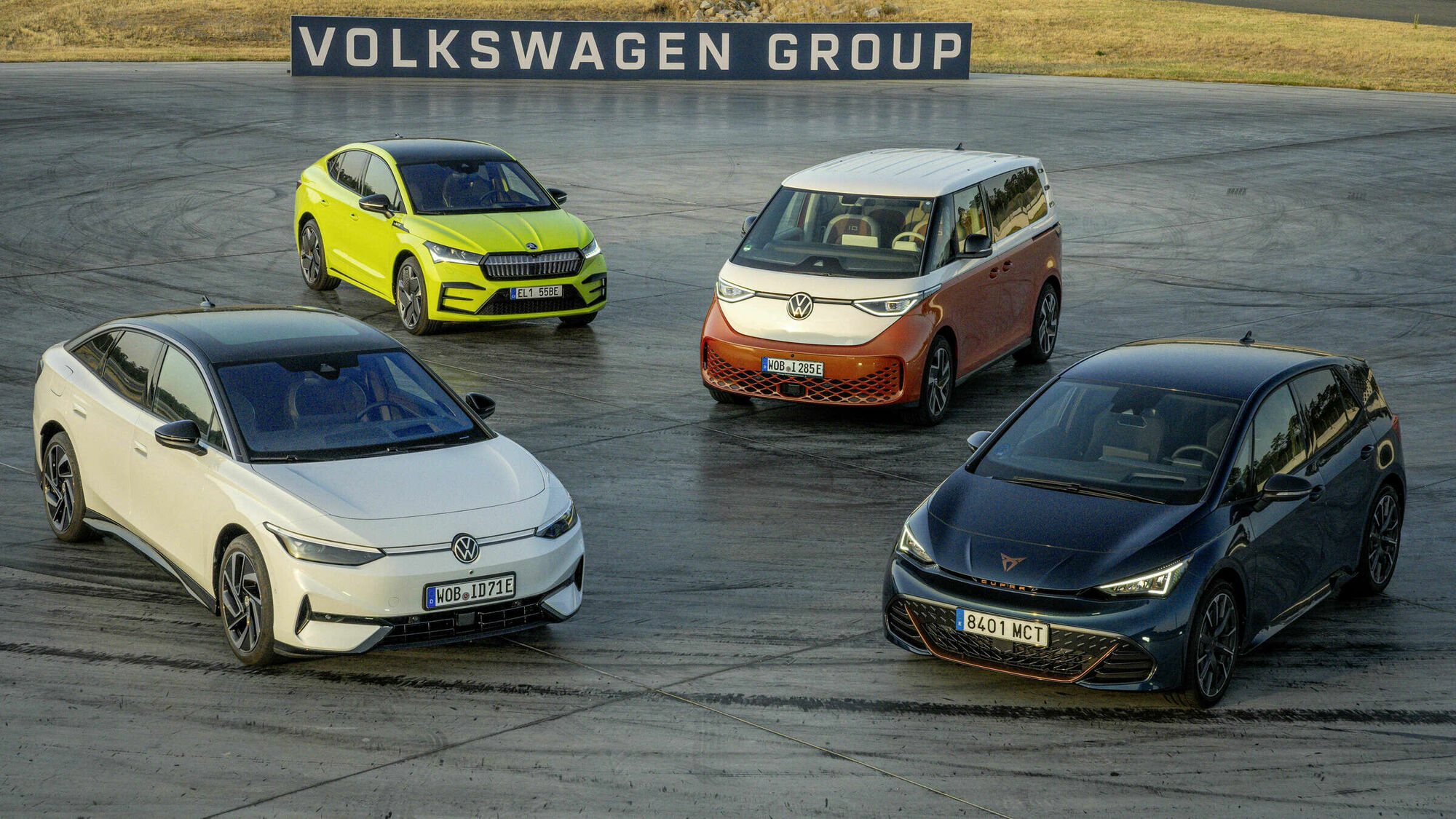
Volkswagen Group recorded a sharp decline in global vehicle deliveries during the third quarter of 2026, with weakening demand in China driving much of the downturn. The German automaker delivered 1.885 million vehicles worldwide between July and September, down 14.3% from the same period in 2025.
It was the company’s steepest quarterly decline in more than four years, highlighting the pressure facing established manufacturers in a market increasingly shaped by local competition, changing consumer preferences, and the transition to electric vehicles.
Deliveries also fell in North America and Western Europe, indicating that the challenge was not limited to China. For U.S. readers, the results illustrate how weakness in a major overseas market can affect a global automaker’s performance, investment decisions, and competitive strategy.
China’s Market Slump Drives Volkswagen’s Quarterly Decline
China remains Volkswagen Group’s largest individual market, making its performance especially important to the company’s global results. During the third quarter, deliveries in China fell 38.5% year over year to 405,800 vehicles.
For the first nine months of 2026, deliveries in the country declined 30.2%, from 1.974 million to 1.379 million vehicles. The scale of the contraction helps explain why Volkswagen’s worldwide total weakened so sharply despite more resilient results in some other markets.
Volkswagen has faced growing competition from Chinese manufacturers offering a wide range of vehicles, particularly electrified models.
Domestic companies have expanded their product portfolios and compete on pricing, technology, software features, and speed of product development. For international automakers, matching those offerings while maintaining profitability has become increasingly difficult.
The downturn in China extends beyond the shift from petrol-powered cars to electric vehicles. Volkswagen reported that the combustion-engine segment experienced a particularly sharp decline, while demand grew for its second-generation plug-in hybrids and range-extender models, suggesting that buyers are showing greater interest in alternative powertrain options.
That split suggests buyers’ preferences are changing unevenly across powertrains, putting pressure on manufacturers whose sales mix depends heavily on conventional vehicles.
Volkswagen’s extended executive committee member Martin Sander described the decline in China’s wider market as an industry-wide challenge.
The company is not alone in facing difficulties there. Porsche and Mercedes-Benz also reported weaker deliveries in China during the same period, reflecting the wider challenge for German automakers trying to defend their positions against local competitors.
China’s importance extends beyond the number of vehicles sold. The market is central to global automotive manufacturing, technology development, and supplier networks.
A sustained downturn can affect production planning, factory utilization, and the allocation of investment across regions. Volkswagen must therefore respond not only to lower sales but also to the competitive changes driving those results.
North America and Europe Also Face Pressure
Although China was the main source of Volkswagen’s decline, deliveries weakened in other important markets as well. North American deliveries fell 5.8% in the third quarter, while Western Europe recorded a 2.8% decline.
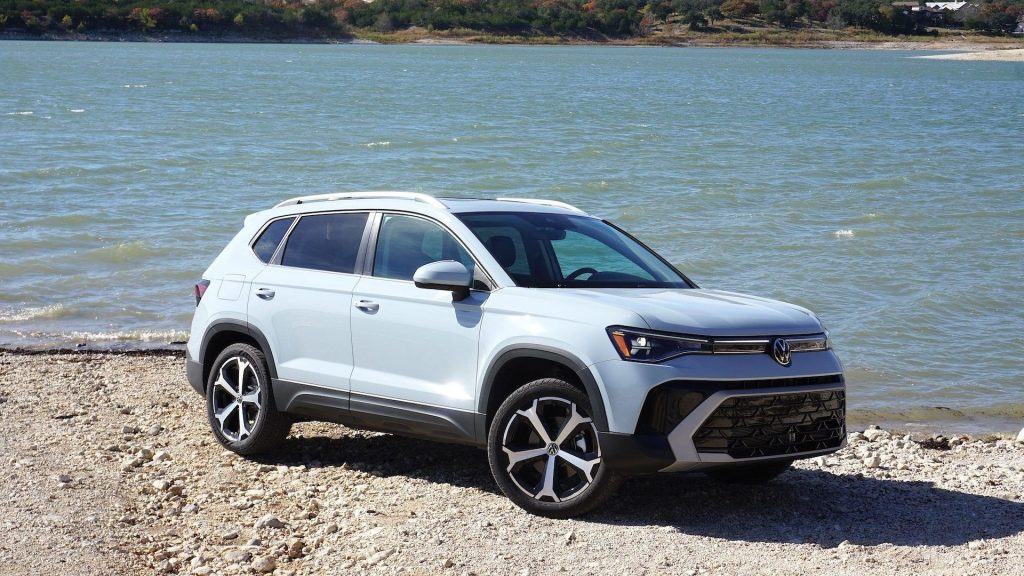
Central and Eastern Europe was an exception, with deliveries rising 1.4%. The regional differences show that Volkswagen’s performance depends on several markets, each facing different economic conditions and consumer trends.
For the United States, the decline in North America is particularly relevant because Volkswagen must compete with established domestic brands, Japanese manufacturers, and newer electric-vehicle companies.
American buyers continue to weigh purchase prices, financing costs, fuel economy, technology, and vehicle size when choosing a new car. Automakers must balance those preferences with the expense of developing new platforms and meeting changing emissions and safety requirements.
Volkswagen’s U.S. lineup spans conventional cars, SUVs, and electric models, but global delivery figures do not show how each individual model performed in America.
The reported 5.8% North American decline covers a broader regional business and should not be interpreted as a matching fall in U.S. sales alone. Country-level figures and model-specific results are needed to identify which vehicles contributed most to the change.
The results also show why automakers cannot rely on a single region to offset weakness elsewhere. Strong performance in one market may not be enough to compensate for a major downturn in another, particularly when the affected market accounts for a substantial share of global deliveries.
Volkswagen’s experience demonstrates how regional shifts can quickly influence a manufacturer’s worldwide results.
For American consumers, the effects may emerge through product planning rather than immediate changes to dealership prices.
Automakers facing weaker global demand may reconsider where they allocate development budgets, which models receive updates and how quickly new technologies reach different markets. Those decisions depend on more than quarterly deliveries, but sustained weakness can influence future priorities.
Pricing is another area to watch. When competition intensifies, manufacturers may increase incentives or adjust product offerings to attract customers.
However, Volkswagen’s delivery figures alone do not establish that discounts will rise in the United States. Local inventory, demand, financing conditions, and the performance of individual models will determine whether buyers see any direct impact.
Electric Vehicles Show Different Trends Across Regions
Volkswagen reported a 4.7% year-over-year drop in global electric vehicle deliveries during the third quarter, totaling around 240,200 units. However, regional performance varied considerably. Europe recorded nearly 20% growth in fully electric vehicle deliveries, while softer demand in China weighed on the company’s global figures, highlighting the uneven pace of electric vehicle adoption across major markets.
The European performance suggests that Volkswagen’s electric models continue to find customers in a market where fuel prices and a wider selection of more affordable electric vehicles are influencing purchasing decisions.
The company said demand for entry-level electric models had strengthened, and it reported receiving nearly 150,000 orders for its Electric Urban Car Family shortly after its launch. Those orders indicate interest in the new range, although orders should not be treated as completed deliveries.
China presents a different challenge. Local manufacturers have developed competitive electric vehicles with extensive digital features and frequent model updates. International brands must respond to this competition while managing the costs of developing and producing vehicles for multiple markets.
A model that attracts buyers in Europe may not achieve the same results in China, where customer expectations, price competition, and the available alternatives differ.
For Volkswagen, the regional split reinforces the need to adapt its product strategy to local conditions.
The company must continue developing electric vehicles while improving the competitiveness of its combustion-engine and hybrid offerings where demand remains significant. The challenge is to make those investments without allowing costs to rise faster than sales and revenue.
The delivery figures also need to be understood in context. They measure vehicles handed over to customers, rather than orders alone, and can be influenced by production schedules, inventory, and the timing of new model launches.
One quarter cannot establish a permanent trend, but the size of the decline makes the results an important indicator of the pressures facing the group.
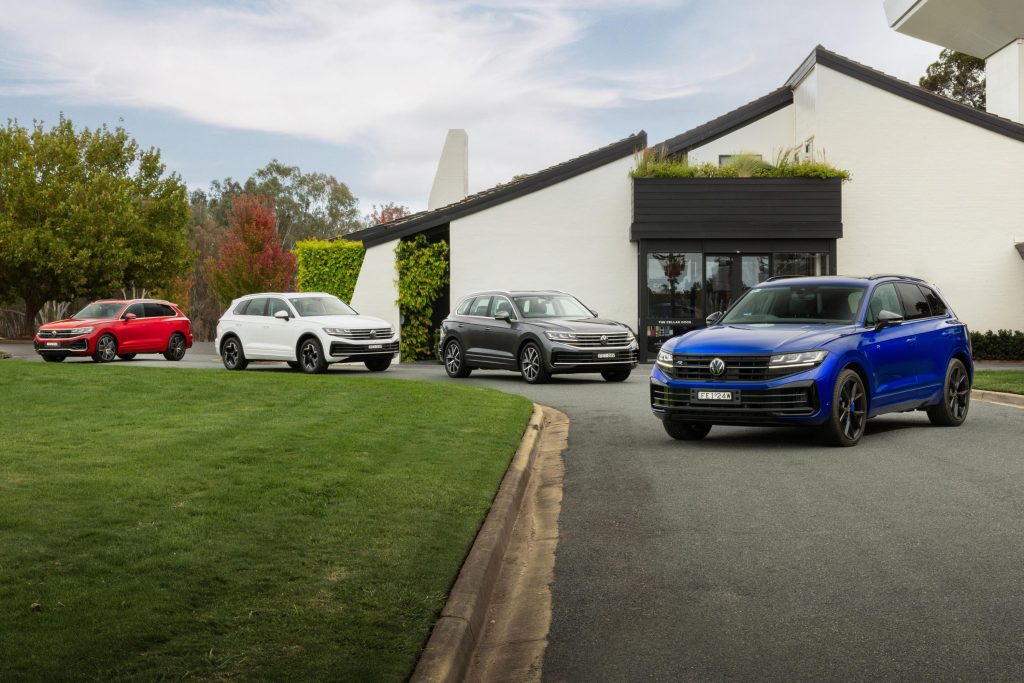
Volkswagen delivered approximately 6.011 million vehicles worldwide in the first nine months of 2026, down 9% from 6.604 million in the same period last year. That broader decline suggests the third-quarter setback was part of a difficult year rather than an isolated three-month fluctuation.
The next challenge for Volkswagen is to respond to declining deliveries without weakening its ability to compete in future vehicle technologies. The company must address pressure in China, maintain its position in Europe, and improve performance in North America while managing investment across multiple brands and powertrains.
For U.S. readers, the key lesson is that the automotive industry’s competitive pressures are increasingly global. A downturn in China can affect a manufacturer headquartered in Germany, while decisions made in response may influence products and investment plans in North America.
Volkswagen’s 14.3% quarterly decline highlights the difficulty of managing a global business when consumer demand and competitive conditions are shifting at different speeds across regions.
