
Owning a car comes with plenty of expenses, and maintenance costs can quickly add up. When your vehicle needs repairs, one important decision is whether to bring it to an authorized dealership or an independent auto repair shop. Each option has its own benefits and drawbacks. Understanding the differences can help you make a smarter choice, save on repair costs, maintain your warranty, and keep your car in good condition for years to come.
Dealerships have direct access to manufacturer support, specialized equipment, and factory repair procedures. Independent shops often offer lower prices, flexible service options, and personal attention. The trick is knowing which jobs deserve dealership expertise and which ones another qualified mechanic can handle just as well. Here are five services worth getting at a dealership and five that independent shops often handle better.
5 Services Worth Doing at a Dealership
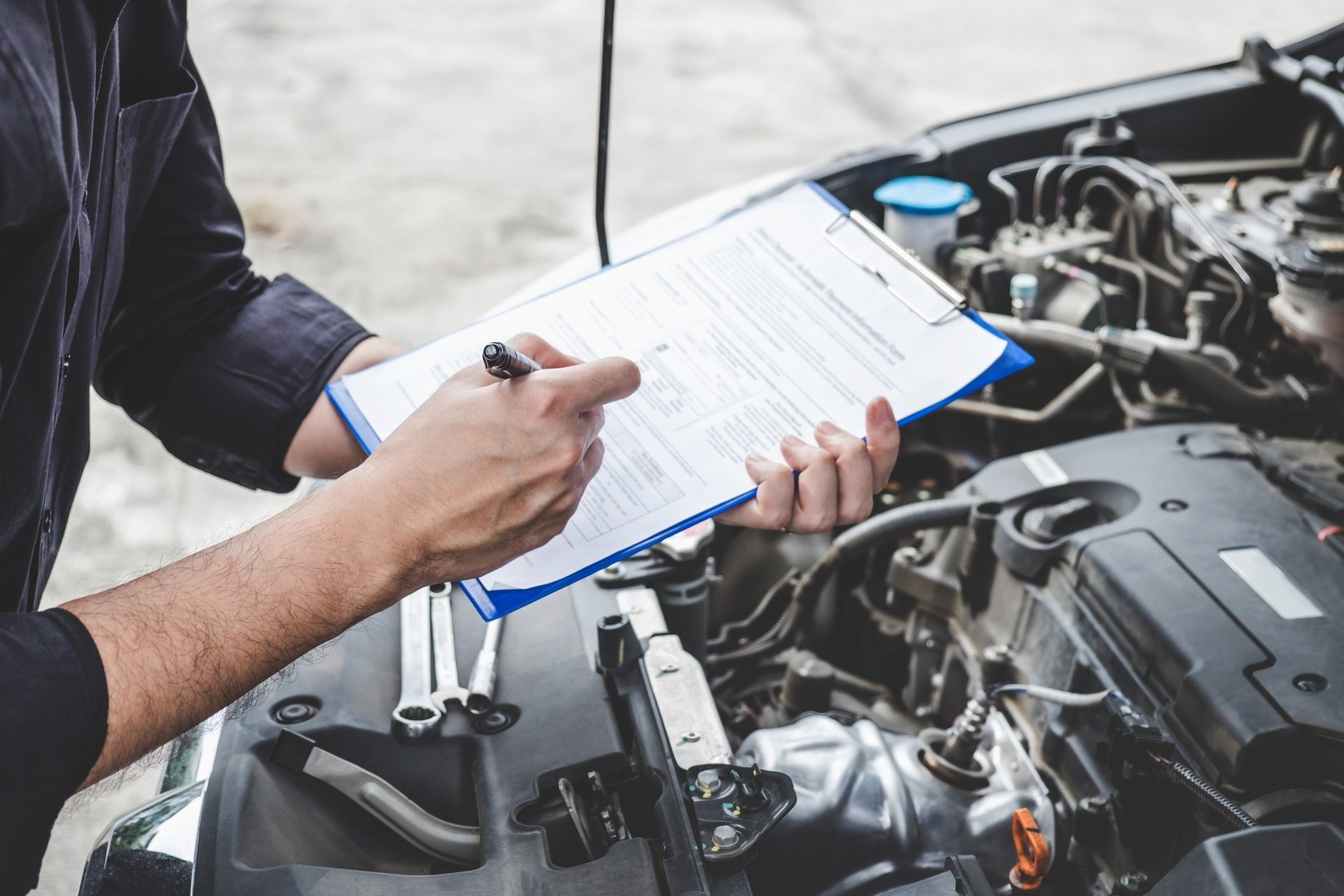
1. Warranty Repairs and Service Bulletins
When your vehicle develops a problem while it is still covered by its factory warranty, an authorized dealership is usually the most practical place to start.
The service department can check your vehicle’s coverage, confirm whether the fault qualifies for a repair, and submit the necessary paperwork to the manufacturer. When the repair is approved, you generally avoid paying for covered parts and labor.
Consider a relatively new SUV that develops a transmission fault after 25,000 miles. Rather than paying an independent mechanic to diagnose and repair the problem immediately, contact the dealership first.
If the issue falls under the manufacturer’s warranty, the authorized service department can arrange the repair according to the applicable coverage terms.
Technical Service Bulletins, commonly called TSBs, also make dealership visits worthwhile. These documents describe known problems and recommend specific repair procedures.
A bulletin might address an unusual engine noise, a recurring dashboard warning, or an infotainment system that freezes.
A TSB is not automatically a free repair, but a dealer can determine whether the recommended work is covered by warranty or another manufacturer program.
In the United States, having your car serviced at an independent repair shop does not automatically void its warranty. Vehicle owners can generally choose where to have routine maintenance performed, as long as the required service guidelines are followed and proper records are kept.
Independent mechanics can perform qualifying maintenance when they follow manufacturer requirements and use appropriate parts and fluids.
Still, warranty-related faults deserve careful handling. Before approving paid work elsewhere, ask the dealership to check your coverage and any applicable service bulletins. That simple step could save you an unnecessary repair bill.
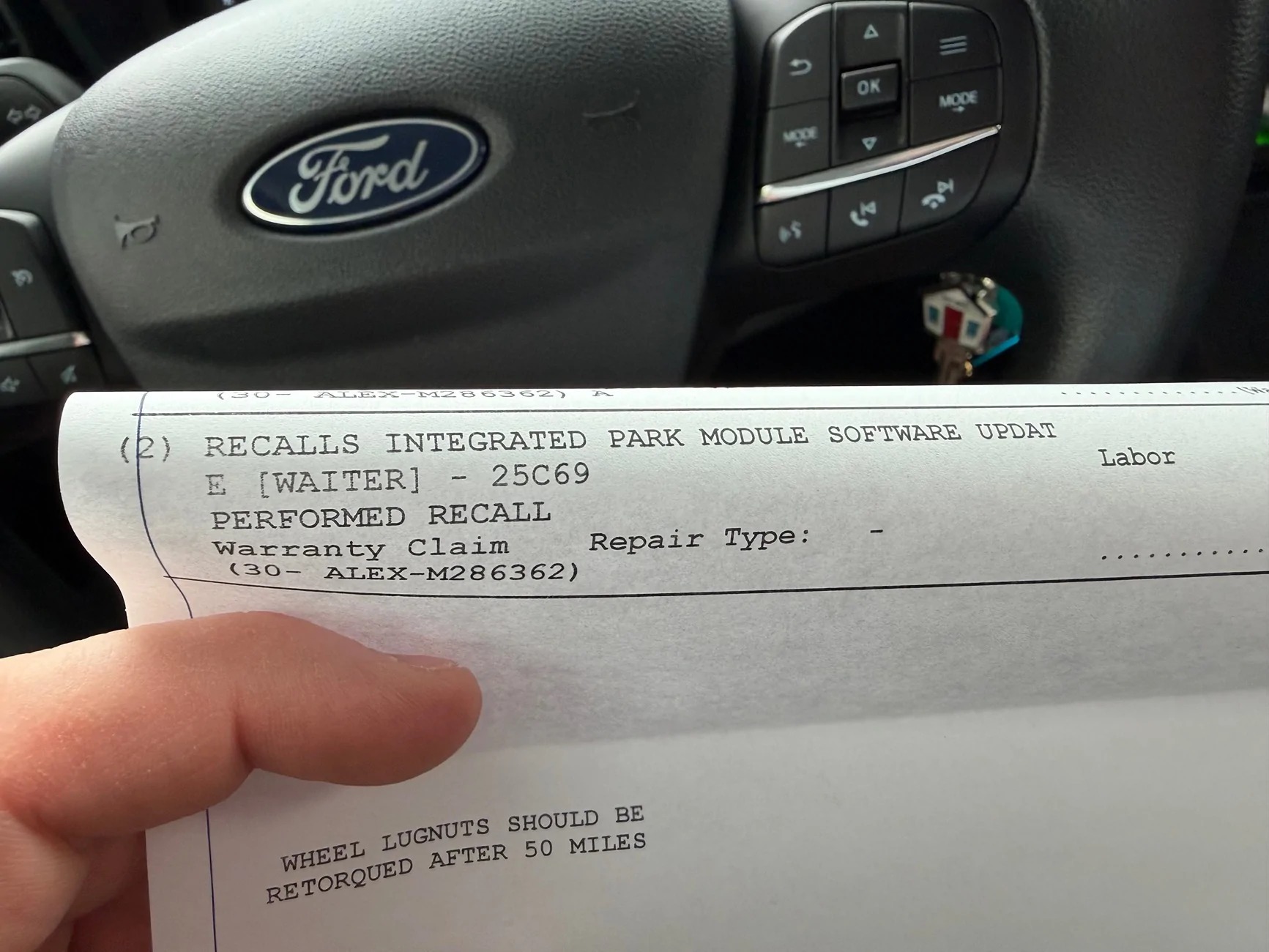
2. Safety Recalls and Software Updates
A safety recall is one dealership service drivers should take seriously. When a manufacturer identifies a safety-related defect, it may issue a recall requiring inspection, replacement parts, or a software correction.
Eligible recall repairs are generally performed at no charge by an authorized dealer in the United States. The process is particularly useful when a defect affects brakes, airbags, steering, fuel systems, or another safety-related component.
For example, a recall might require replacing a faulty airbag inflator or updating software that controls a particular vehicle function. The dealership can identify the approved remedy and document that the work has been completed.
Software updates deserve similar attention. Modern vehicles rely on electronic systems to manage engine performance, transmission behavior, driver assistance features, battery charging, and infotainment functions.
Some updates are available through over-the-air installations, while others require specialized equipment and manufacturer-authorized access.
An independent repair shop may have advanced diagnostic tools, but access to certain factory software, security credentials, or programming procedures can vary by vehicle and repair.
An authorized dealership is often the simplest option when the manufacturer requires a particular procedure. There is no need to pay for a general service appointment just to discover whether a recall exists.
In the United States, drivers can check their vehicle identification number through the National Highway Traffic Safety Administration’s recall lookup service.
If a recall is open, contact the dealership and ask about parts availability and appointment scheduling. If the vehicle has an urgent safety defect, follow the manufacturer’s instructions about whether it is safe to drive.
For routine maintenance, an independent mechanic may offer better value. For free recall remedies and manufacturer-specific updates, the dealership often makes more sense.
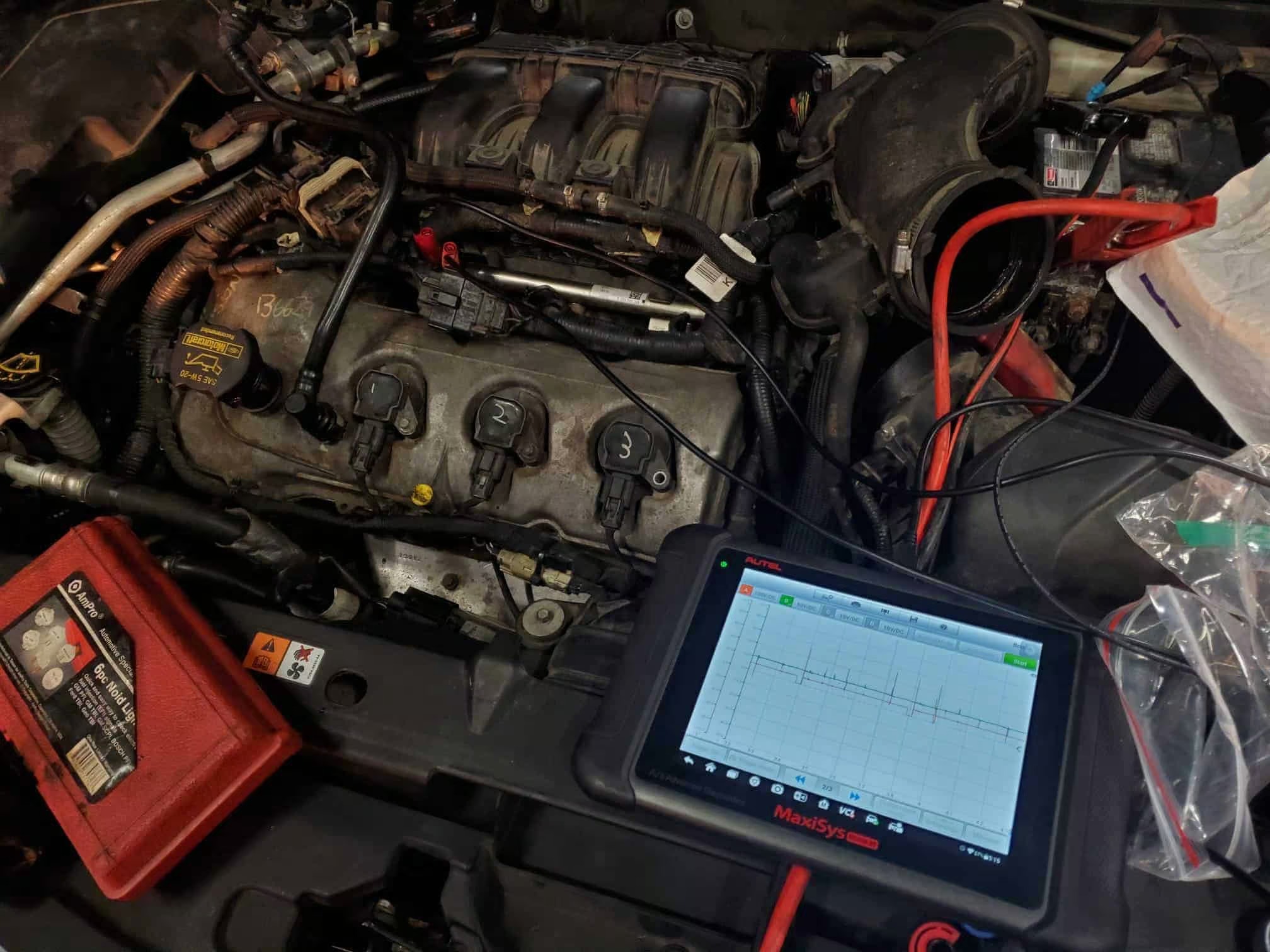
3. Intricate Electrical Diagnostics & Module Programming
Modern vehicles are computers on wheels, and some repairs need the manufacturer’s own tools. According to the supplied sources, vehicles, especially luxury and electric models, require factory-specific diagnostic tools, like BMW’s ISTA or the VW and Audi ODIS system, and online access to factory servers to flash or program immobilizers, keys, and control units.
What does that mean in plain English? A generic code reader can tell you a fault exists, but it may not let a technician reprogram a new module, pair a replacement key, or install the latest software.
Those steps often require a secure connection to the manufacturer. Some independent shops invest in advanced scan tools and subscriptions, and many can handle a lot. But for newer models with specialized systems, the dealer often has the edge.
How do you decide? Ask the shop directly: “Do you have factory-level software for my brand, and can you program this module?” A good independent will tell you honestly if they can’t.
If an independent can’t do the job, go to the dealer instead of paying for guesswork. It also helps to get a diagnosis before authorizing parts.
Replacing modules without a proper diagnosis is expensive, since many electronic parts can’t be returned once installed.
Know your car, and match the job.
4. Goodwill Assistance for Major Out-of-Warranty Failures
Here’s a tip many owners never hear. The warranty ends, and then a big component fails. A transmission, or a hybrid battery. What now?
The supplied sources say that maintaining a strict dealer service history gives you the best leverage to ask the manufacturer for goodwill financial assistance.
Goodwill is a discretionary payment or discount. It isn’t a right, and it’s up to the manufacturer. But companies sometimes help loyal customers when a failure happens shortly after a warranty expires, especially when the car has been well cared for.
Why does dealer history help? A complete record shows the car was maintained on schedule, and it shows the dealer can vouch for the owner. That can make the request stronger.
The same paperwork from an independent shop, with receipts and proof of required services, can also help, so don’t assume it’s useless. Still, the sources favor dealer history.
How should you ask? Act quickly. Contact the dealer’s service manager, explain the failure, and ask them to submit a goodwill request. Have your records ready. Stay polite and specific.
Results vary by brand, age, mileage, and how recently the warranty ended. Treat goodwill as a possible bonus, not a plan.
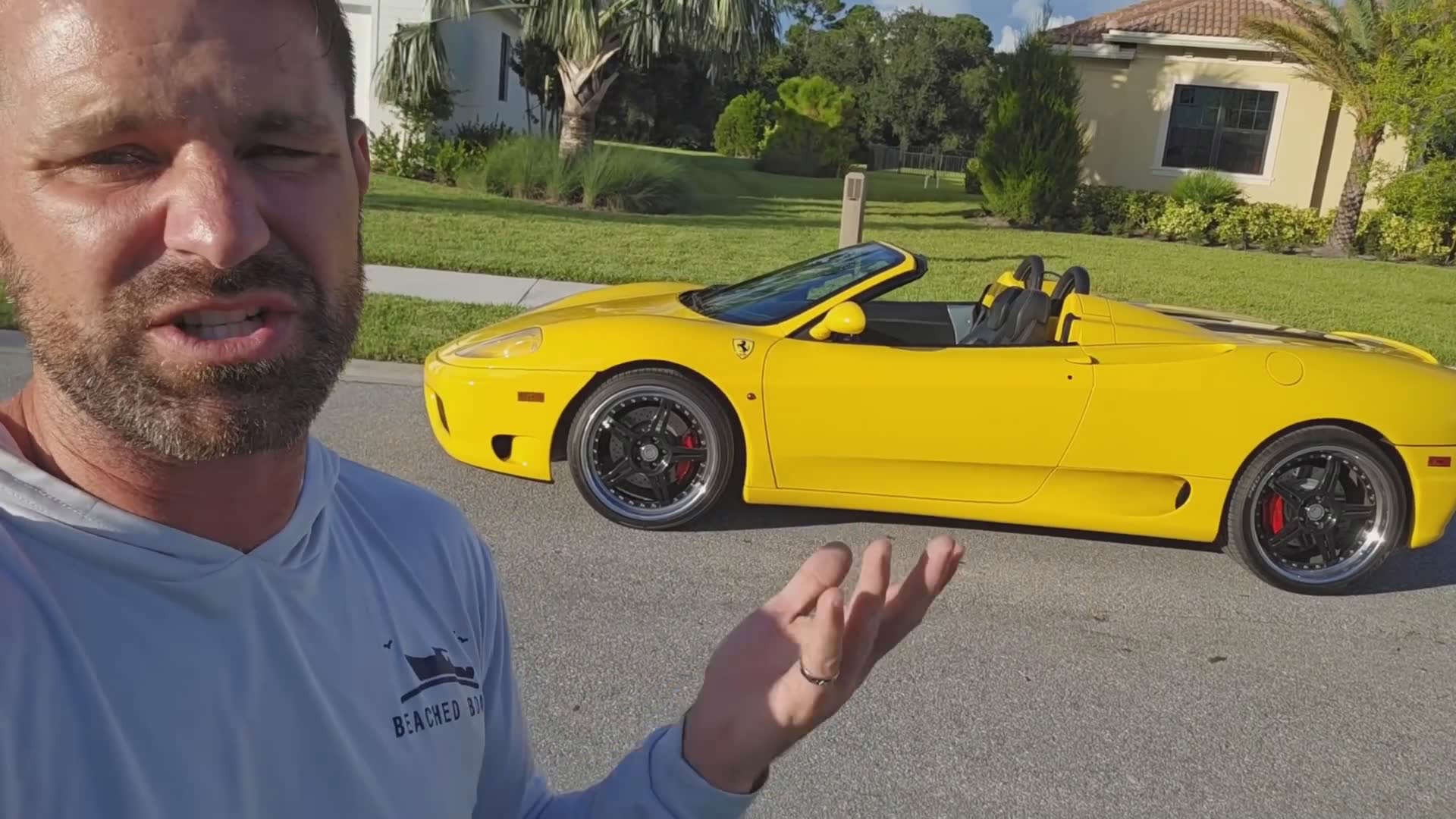
5. Resale Value Documentation (for High-End / Exotic Cars)
Picture two identical Porsches for sale. One has a thick folder of dealer stamps, and the other has a handful of receipts from different shops. Which would you trust more?
The supplied sources say a clean, stamp-by-stamp dealership service history on luxury or performance brands, like Porsche, Lexus, or BMW, lowers buyer risk and often commands a higher price at resale.
Why do buyers care? High-end cars can be expensive to repair, and a documented history shows someone looked after it. A dealer’s record is easy to verify, since it’s stored in the manufacturer’s system.
Be balanced, though. A complete set of receipts from a respected specialist can also impress buyers, especially for brands with strong independent communities.
What matters most is a continuous, well-documented history with quality parts and regular service. If you plan to sell in a few years, think ahead.
Use the dealer for scheduled services on a high-value car if you want that history. If you prefer an independent shop, choose a well-known specialist, keep every invoice, and note the parts used.
Also check whether you want to sell as certified pre-owned, since certification programs have their own rules.
Paperwork can be worth real money.
5 Services an Independent Mechanic Does Better (and Cheaper)
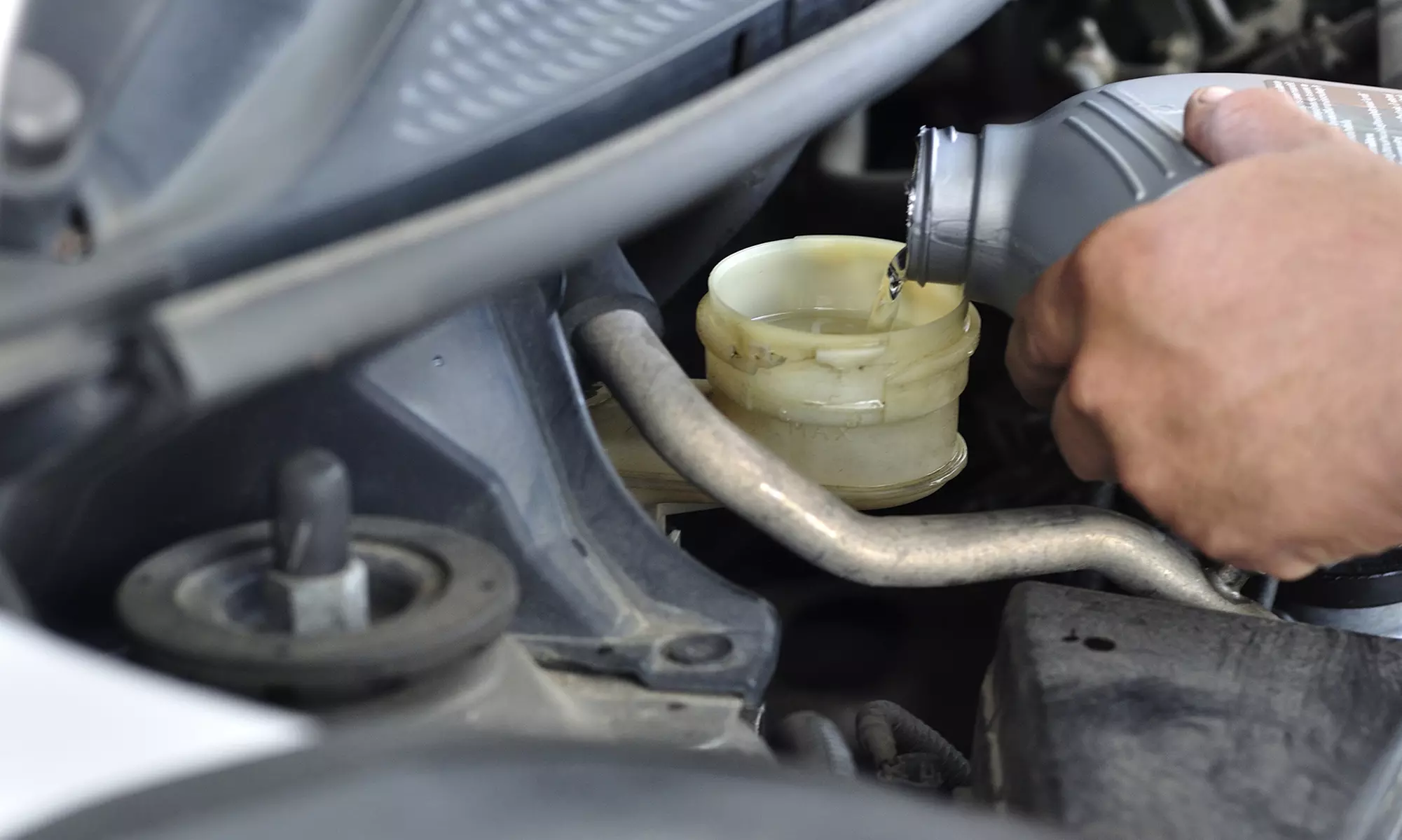
1. Routine Maintenance (Oil Changes, Fluid Flushes, Basic Brakes)
Oil changes, air filter replacements, brake pad changes, tire rotations, and other routine services rarely require a dealership visit. A qualified independent mechanic can perform these jobs using the correct parts, fluids, tools, and manufacturer specifications.
The potential savings can be attractive. Independent garages often have lower operating expenses than franchised dealerships, although actual prices vary by location, vehicle type, and service provider.
Dealerships may also have affordable maintenance packages, making it a good idea to compare written quotes before deciding where to go. For example, imagine your car needs a routine oil change along with a replacement engine air filter.
The dealership quotes one price, while a reputable independent shop offers the same work for less. If both providers use the specified oil grade, an appropriate filter, and the correct service procedure, the cheaper option may be perfectly reasonable.
The same principle applies to brake maintenance. An independent mechanic can inspect pads, rotors, calipers, and brake fluid, then explain which items require attention.
Ask for a breakdown separating necessary repairs from preventive recommendations. There are exceptions. Some newer vehicles require specialized tools, electronic service procedures, or particular steps to reset maintenance systems.
Certain brake jobs also involve electronic parking brakes or manufacturer-specific calibration requirements. Choose a shop equipped to handle those needs rather than selecting a provider based on price alone.
Before booking, ask whether the estimate includes parts, labor, shop fees, and applicable taxes. Confirm that the shop will use fluids meeting the vehicle’s specifications and provide an invoice describing the work.
Routine maintenance is about consistent care, not a fancy waiting room. When an independent mechanic offers the correct service at a fair price, there is often little reason to pay extra simply because the business carries your car’s brand name.
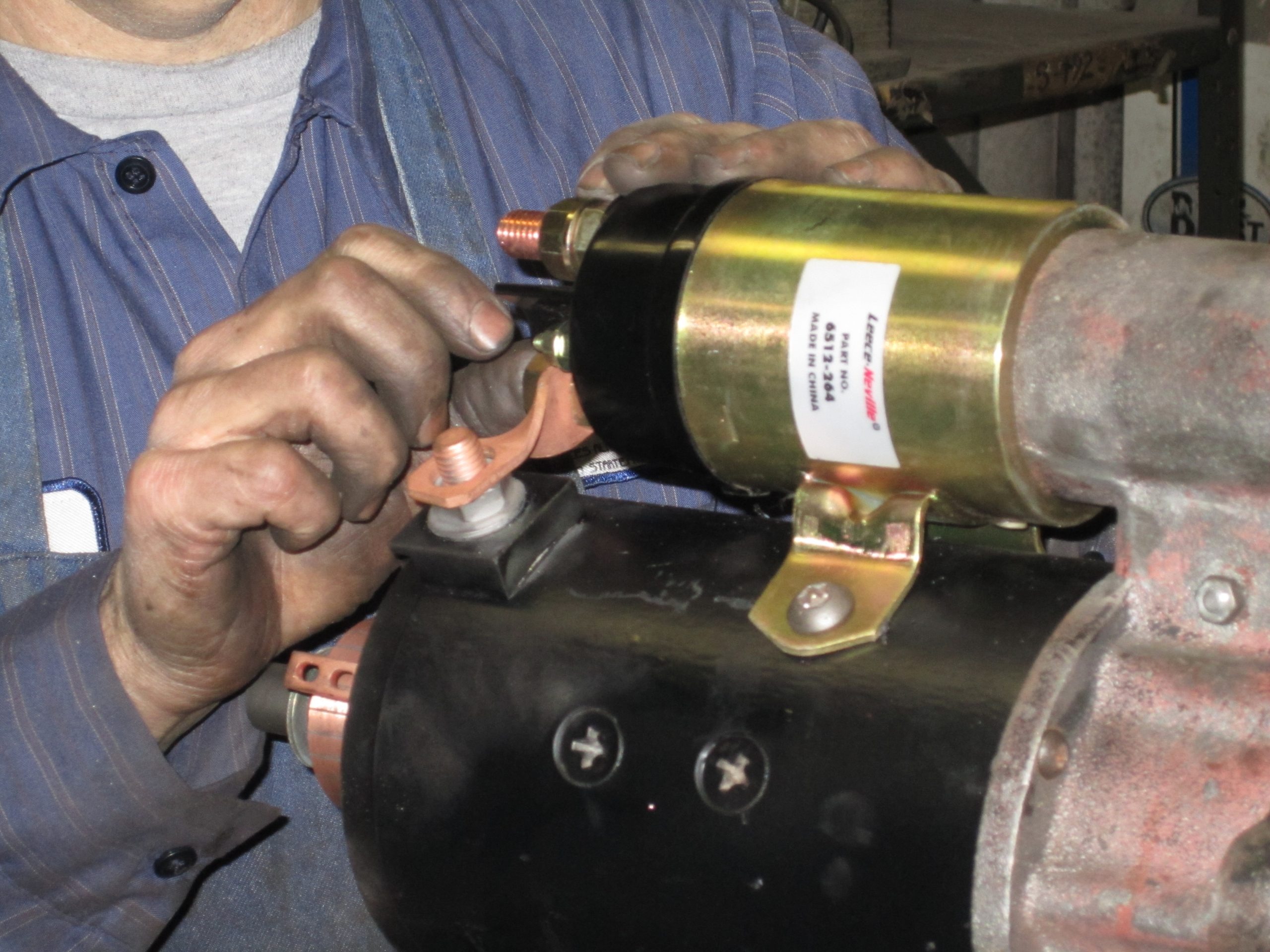
2. Out-of-Warranty Mechanical Repairs (Suspension, Alternators, Starters)
Once a vehicle is outside its factory warranty, independent mechanics can become an excellent option for ordinary mechanical repairs.
Suspension components, alternators, starters, water pumps, and other common parts can often be replaced without the need for dealership-only facilities.
Independent shops may offer several repair choices. Depending on the vehicle and the fault, you might choose original equipment manufacturer parts, reputable aftermarket components, or an approved remanufactured unit.
This flexibility can help you balance price, durability, and availability. Imagine that your older sedan begins making a clunking noise over bumps.
An inspection reveals worn suspension links and damaged bushings. Rather than automatically replacing an entire assembly, a skilled mechanic may identify the failed components and explain whether individual replacement is practical.
That approach can prevent unnecessary spending, but cheaper repairs are not always better. Some parts are designed to work as matched assemblies, and replacing only one component may lead to additional labor or premature wear.
A trustworthy mechanic should explain the options and any trade-offs before starting work. Ask for the part brand and warranty terms.
Find out whether the quoted price includes alignment, programming, or related work when required. If the diagnosis is uncertain, paying for a proper inspection is usually wiser than buying parts based on guesswork.
Independent repair shops can also specialize in recurring faults affecting particular makes and models. Their experience may help them recognize familiar symptoms and recommend proven solutions.
The goal is not to avoid dealerships at all costs. It is to obtain a reliable repair at a fair price.
For many out-of-warranty vehicles, a well-equipped independent garage provides exactly that, particularly when the repair does not require restricted factory access or specialized brand procedures.
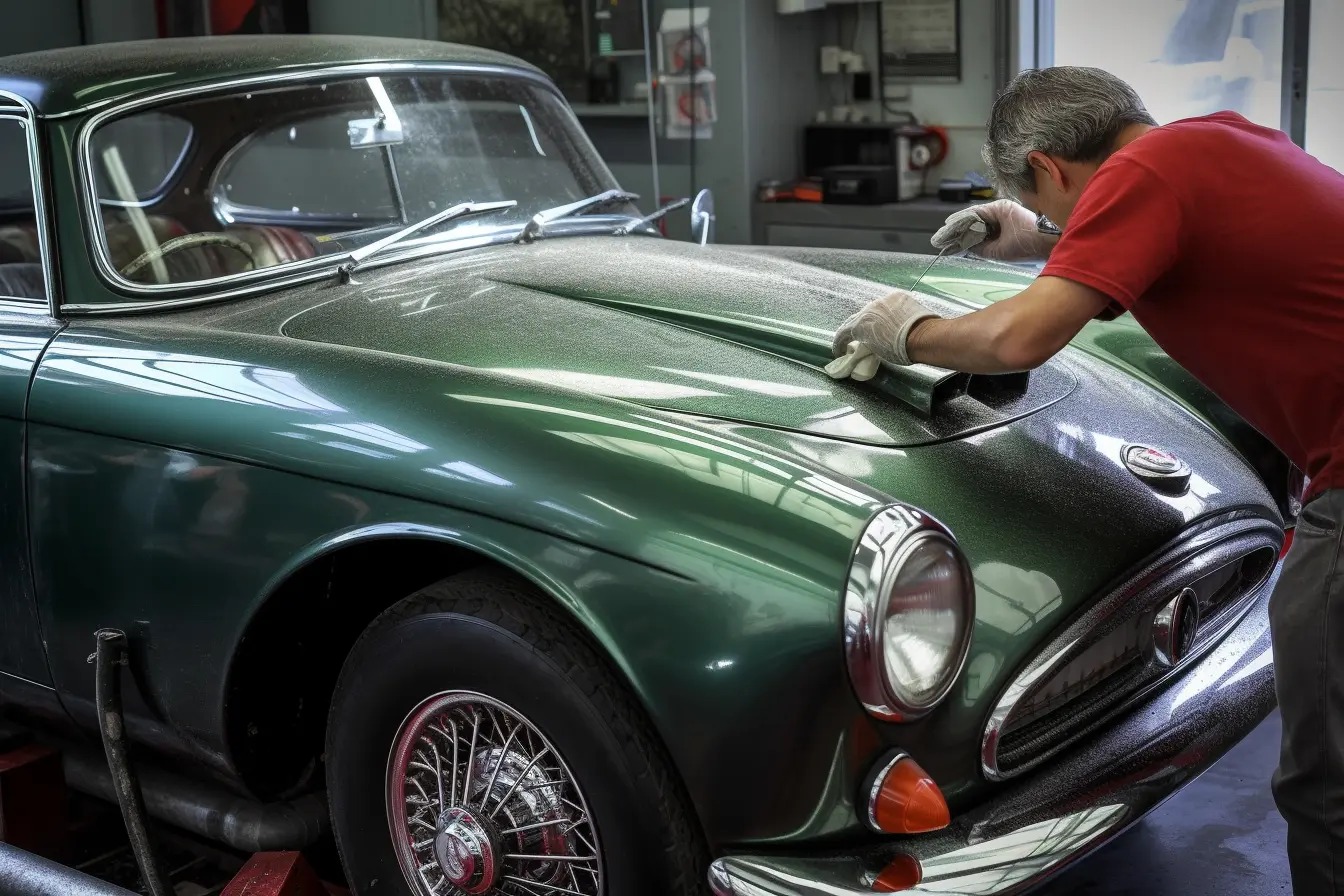
3. Older or Classic Vehicle Servicing
Some mechanics can feel a car’s problem in the steering wheel. That’s the strength of an independent specialist who works on older vehicles.
According to the supplied sources, independent specialists often employ veteran mechanics who are deeply familiar with older mechanical systems, while dealership technicians are trained mostly on current, computer-heavy models.
Think about the difference. A technician who has rebuilt carburetors, adjusted points, and diagnosed vacuum leaks has skills that newer techs may never need.
Dealerships focus on the models they sell now, and they may not stock parts for cars that are decades old.
For older cars, having an experienced mechanic can make a big difference. They often know where to source hard-to-find parts, whether through salvage yards, specialized suppliers, or automotive enthusiast communities. This can help reduce repair costs and avoid long delays waiting for replacement parts.
How do you find the right person? Look for shops that specialize in your brand or era. Visit owner forums and car clubs for recommendations. Ask how many similar cars they’ve worked on.
Classic cars often require extra time and attention because replacement parts can be difficult to find and certain repairs may take longer than expected. Before approving any work, ask your mechanic for a realistic completion date and an estimated price range so you can plan ahead and avoid unexpected costs.
The right independent can keep an older car on the road and keep its character intact.

4. Personalized Communication and Flexibility
Ever tried to talk to the person fixing your car? At many dealerships, you speak to a service advisor, who relays information from the technician.
According to the supplied sources, at an independent shop you usually talk directly to the owner or the technician working on your car, allowing flexible options, second opinions, and transparent walk-throughs of the actual parts.
This level of personal attention can make a big difference. You can ask what caused a part to fail, inspect the damaged component, and discuss different options, such as fixing it immediately, postponing the repair, or choosing a more affordable replacement. A reliable independent mechanic will clearly explain which repairs need immediate attention and which ones can safely wait.
Flexibility matters too. A small shop may be able to adapt to your schedule, offer different part options, or help you prioritize repairs on a budget.
Of course, not every independent is great, and not every dealer is impersonal. The point is to pick a shop where communication is clear.
Questions to ask: Can I see the old parts? What’s urgent and what’s optional? Is there a written estimate? What’s the warranty?
When you trust the person under your hood, you tend to make better decisions.

5. Custom Aftermarket Upgrades and Modifications
If you love tuning, your dealership may not share your enthusiasm. The supplied sources say dealerships are strictly bound by corporate and factory compliance rules, so they will generally refuse to install modified, performance-oriented, or non-stock aftermarket hardware.
That’s where independents come in. A performance shop or specialist can install wheels, suspension upgrades, exhaust systems, and other modifications, and can often advise on what works well together.
Before making any modifications to your vehicle, there are three important factors to consider.
First, legal requirements. Any aftermarket parts you install must comply with your state’s regulations on emissions, lighting, noise levels, and vehicle equipment. Otherwise, you could run into problems during inspections.
Second, warranty coverage. Certain modifications may affect your manufacturer’s warranty. If a modification is found to have caused a specific mechanical problem, the manufacturer may have grounds to deny coverage for the related repair.
Third, insurance coverage. Make sure to inform your insurance provider about any changes made to your vehicle. Failing to disclose modifications could complicate insurance claims or affect your coverage.
Choose a shop with real experience in the type of work you want. Ask to see past projects, ask about parts brands, and get a written quote.
Keep documentation for every part and installation. If you sell the car later, clear records help buyers trust the work.
Modify smart, and enjoy the ride.