
The Insurance Institute for Highway Safety (IIHS) released its latest driver death rate analysis on July 30, 2026. The report examined 2023 model-year vehicles and equivalent earlier models involved in fatal crashes between 2021 and 2024.
It identified six vehicles with a recorded driver death rate of zero, rather than eight. The following article covers all six, using the exact configurations named in the report. A zero rate does not guarantee that a vehicle can never be involved in a fatal crash.
It means the study recorded no driver deaths for that configuration within its defined data and exposure period.
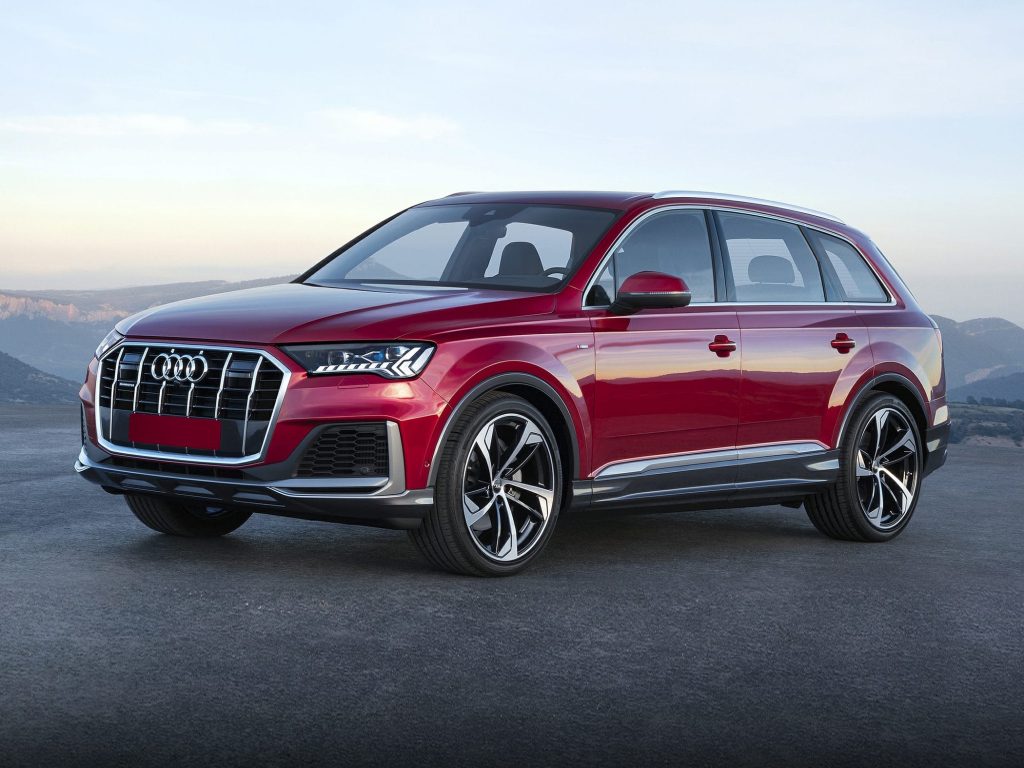
1. Audi Q7 Four-Wheel Drive
The Audi Q7 four-wheel-drive SUV recorded zero driver deaths per million registered vehicle years in the latest IIHS analysis. The qualifying data covered the 2020 through 2023 model years, combining the 2023 model with earlier versions considered equivalent in design and safety features.
This makes the finding relevant to shoppers researching used Q7 models from that period, although it should not be treated as a prediction for every later generation.
As a large luxury SUV, the Q7 offers three rows of seating and a substantial passenger compartment. Its size is relevant to crash protection, but size alone cannot explain its reported result. Structural performance, seat belts, airbags, driver-assistance technology, road conditions, and driver behavior all affect the likelihood of a fatal collision.
The study draws on fatal crash records from the National Highway Traffic Safety Administration and vehicle registration information. IIHS adjusts the rates for driver age and gender to improve comparisons between vehicle models. It also sets minimum exposure requirements so that estimates are not calculated from samples that are too small to support meaningful conclusions.
For a used-car buyer, the Q7’s result is encouraging, but the vehicle’s condition remains important. Check the specific model year’s crash-test ratings, recall status, tires, and operation of its safety equipment before buying. A zero estimate in historical data is not a guarantee of future safety, and it should not replace a careful assessment of the individual vehicle.
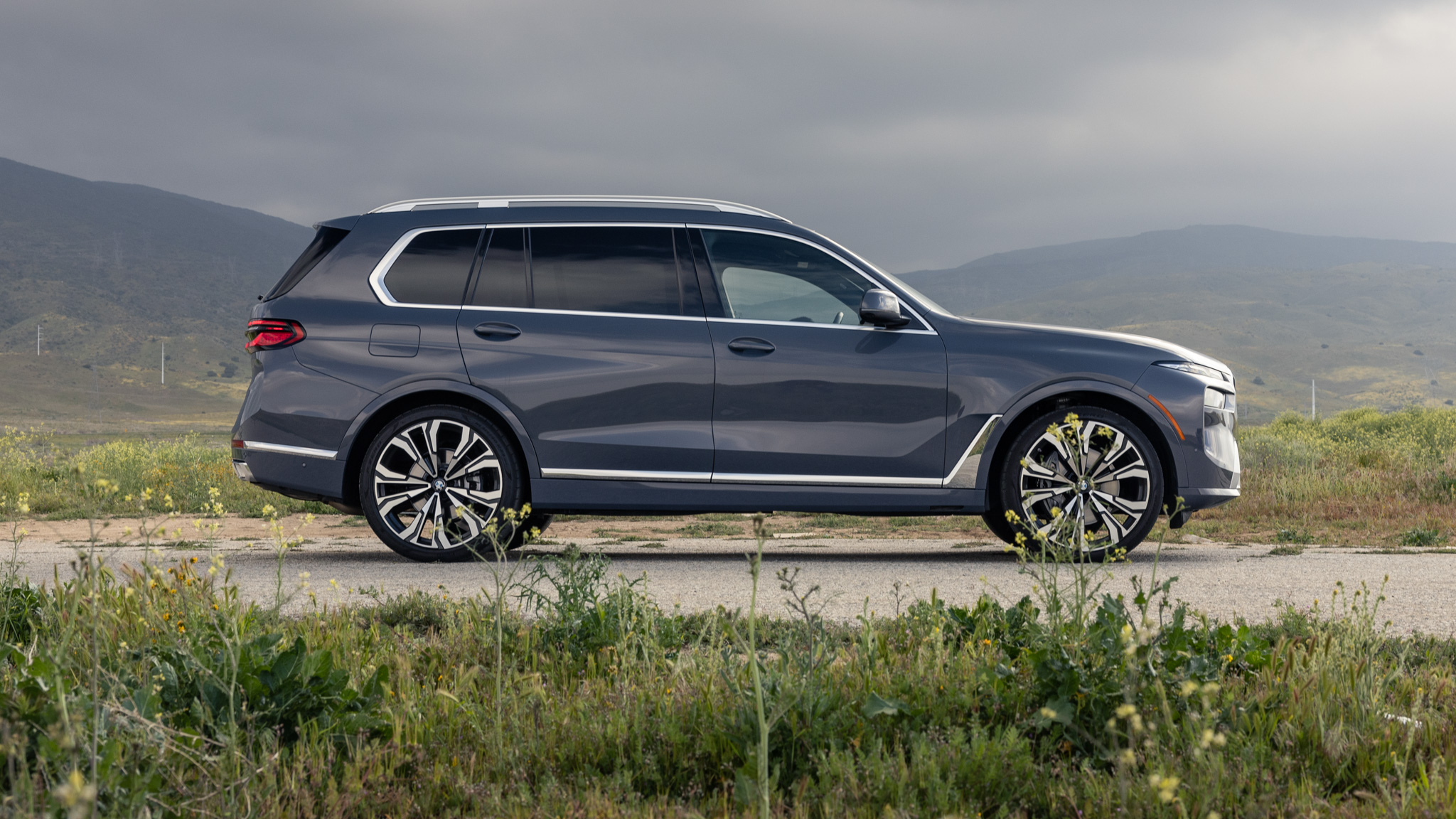
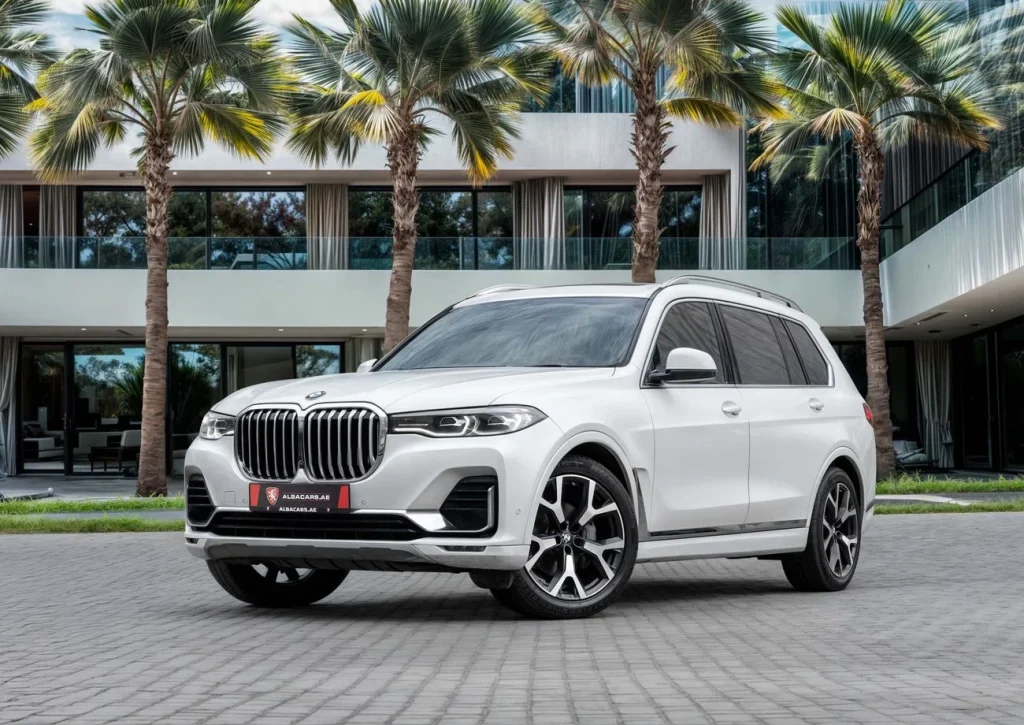
2. BMW X7 Four-Wheel Drive
The BMW X7 four-wheel-drive model also recorded zero driver deaths per million registered vehicle years. Its result places it among the six vehicles at the bottom of the IIHS driver death rate table.
The applicable model-year span is 2020 through 2023, meaning the estimate incorporates earlier versions that retained equivalent designs and safety features.
BMW’s largest SUV combines three rows of seating with a broad range of safety and driver-assistance technologies, depending on the model year and trim.
Those systems can help drivers respond to hazards, but the IIHS result does not isolate the contribution of any single feature. It is a real-world statistical measure, not a controlled experiment proving that one particular system caused the zero rate.
The distinction between driver safety and protection for other road users is especially important. The IIHS calculates separate rates for drivers killed in a particular model and drivers of other vehicles killed in crashes involving it.
The X7 recorded zero deaths for its own drivers, but its other-driver death rate was 11 per million registered vehicle years. The two figures measure different outcomes and should not be confused.
For American families considering a used X7, this is useful evidence alongside crash-test scores and recall records. Nevertheless, the historical result applies to the specified four-wheel-drive configuration and model-year span.
Buyers should not automatically transfer it to a two-wheel-drive vehicle, a substantially redesigned successor, or another BMW model. Safe driving, correctly functioning restraints, and appropriate vehicle maintenance remain essential.
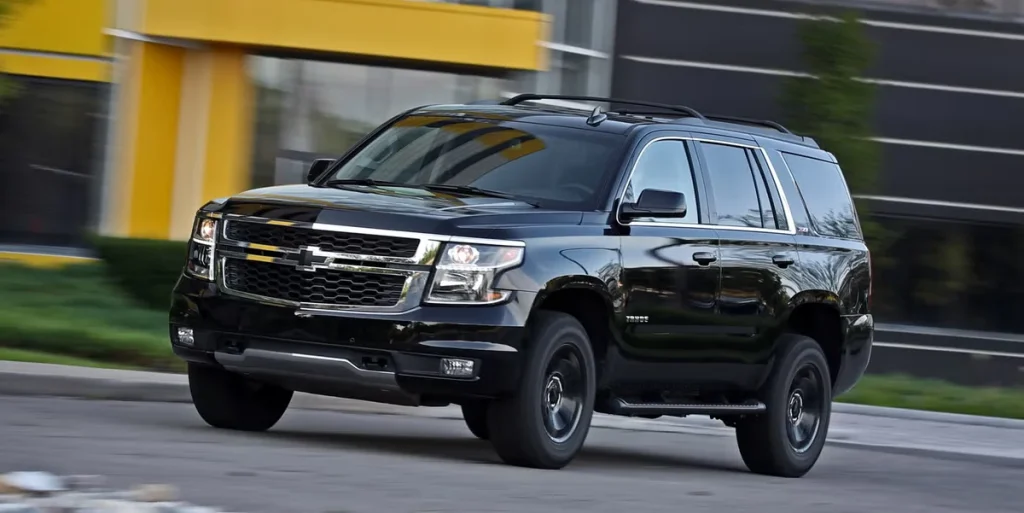
3. Chevrolet Tahoe Four-Wheel Drive
The Chevrolet Tahoe four-wheel-drive SUV is one of the six vehicles with a driver death rate of zero in the 2026 IIHS report. Its qualifying model-year span was 2022 through 2023. That narrower range matters because the estimate should not be applied indiscriminately to older Tahoes or later versions with different designs and equipment.
The Tahoe is a large, three-row SUV commonly used for family transportation and towing. Its substantial size can influence the consequences of a collision, but its dimensions do not make it immune to crashes.
The performance of its structure and restraints, the presence of effective crash-avoidance technology, and the circumstances of an impact all influence occupant outcomes.
The report’s central statistic is deaths per million registered vehicle years, not deaths per million miles driven. A registered vehicle year represents a vehicle being registered for a year, so the measure does not directly account for the distance each vehicle travels.
Drivers who cover different annual mileage can face different exposure to road risks, an important limitation when interpreting comparisons.
The Tahoe also illustrates why a favorable driver death rate should not be confused with harmlessness to other motorists. Large SUVs can impose substantial crash forces on smaller vehicles. IIHS therefore publishes an other-driver death rate separately, allowing readers to consider the risks a vehicle may pose to people outside it.
Anyone shopping for a used Tahoe should check the precise model year, drivetrain, safety equipment, and maintenance history. The zero rate is a notable historical finding, but it does not guarantee that an individual Tahoe will prevent a fatal collision or protect every occupant equally well.
4. Mercedes-Benz GLB-Class Four-Wheel Drive
The Mercedes-Benz GLB-Class four-wheel-drive SUV recorded zero driver deaths per million registered vehicle years in the IIHS study. Its qualifying model-year span was 2020 through 2023.
That makes the result particularly interesting because the GLB is a smaller luxury SUV than several other vehicles on the list. The report’s findings show that zero recorded driver deaths were not limited to the largest SUVs.
The GLB offers a more compact alternative to full-size luxury SUVs while providing a practical cabin and available driver-assistance features. Equipment varies by model year and trim, so buyers should confirm which technologies are actually fitted to a particular vehicle.
The IIHS death rate does not establish that every GLB has identical equipment or that every configuration performs the same way in a crash.
Its result should also be interpreted in light of the study’s sample requirements. IIHS included models with at least 100,000 registered vehicle years of exposure during the study period or at least 20 driver deaths.
These thresholds help ensure that the institute has enough data to calculate an estimate, although they cannot remove every source of statistical uncertainty.
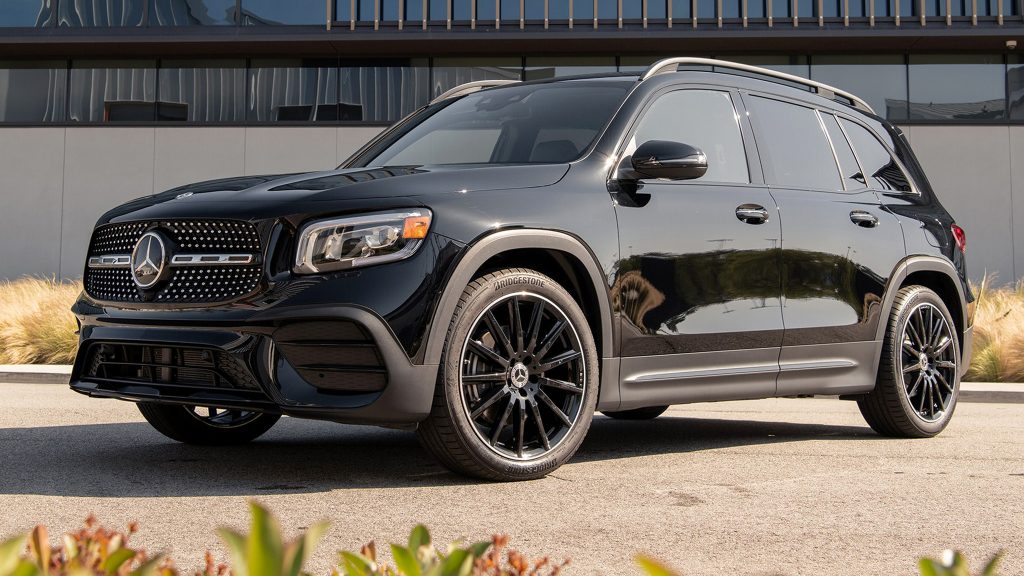
For shoppers, the GLB’s historical result offers another data point when comparing compact luxury SUVs. It is worth reviewing alongside crash-test results, available automatic emergency braking, headlight performance, and recall information. Buyers should also distinguish the four-wheel-drive model covered by the report from other versions.
Most importantly, the study’s zero figure does not mean a GLB is incapable of being involved in a fatal crash. It means no driver deaths were recorded for the qualifying configuration in the data used to calculate the rate. That is a meaningful finding, but not a guarantee.
5. Mercedes-Benz GLE-Class Two-Wheel Drive
The Mercedes-Benz GLE-Class two-wheel-drive model recorded zero driver deaths per million registered vehicle years. Its inclusion is notable because it demonstrates that the six vehicles did not all require four-wheel drive to achieve a zero recorded rate.
The IIHS report specifically identifies the two-wheel-drive GLE, so the result should not be casually transferred to the four-wheel-drive version.
The GLE is a midsize luxury SUV with a range of powertrains and equipment depending on the model year. Its cabin, restraints, and available crash-prevention technology are all relevant to safety, but the death rate itself does not identify which features contributed most to the finding.
It is based on real-world fatal crash records and vehicle registration exposure, not on a single crash test.
One important caveat is that a zero-point estimate does not mean the actual risk is zero. IIHS provides confidence bounds to show the uncertainty surrounding its estimates.
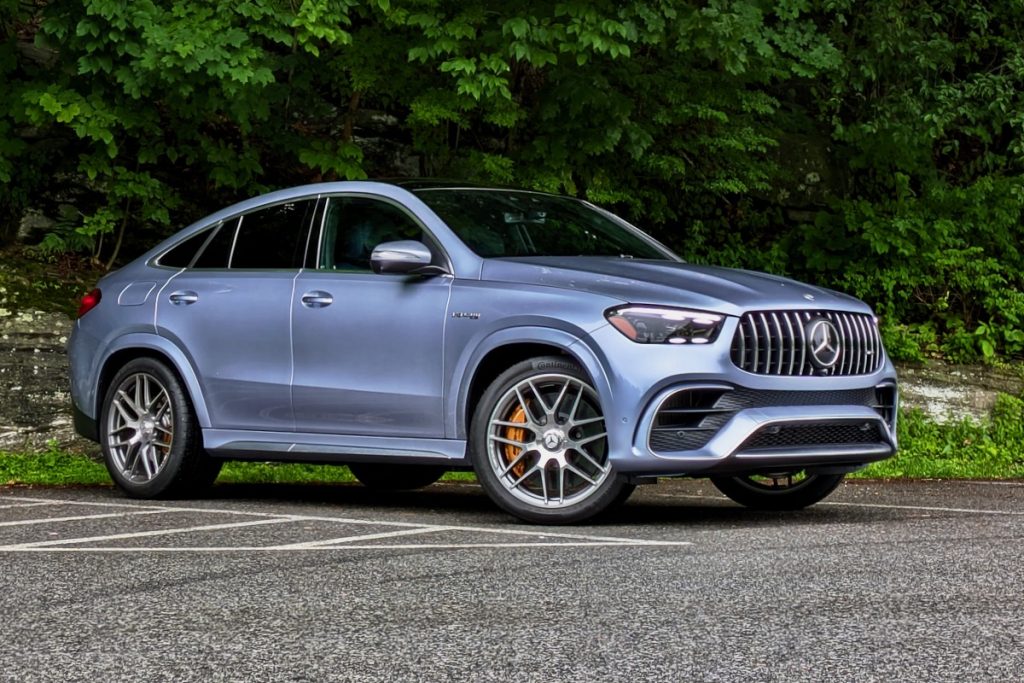
For the GLE-Class two-wheel-drive configuration, the upper 95% confidence bound is positive, indicating that the available data cannot establish zero risk with absolute certainty.
For prospective owners, the GLE’s result is best used as part of a broader safety comparison. Check the exact vehicle’s crash-test ratings, confirm its safety features, and investigate outstanding recalls. A well-maintained vehicle with functioning restraints and crash-avoidance systems is preferable to one whose safety equipment has been neglected.
The finding applies to the model years represented in the study, not automatically to all newer GLEs. Changes to a vehicle’s structure, technology, or configuration can affect how relevant historical data are to a later version.
6. Toyota Tundra CrewMax Four-Wheel Drive
The Toyota Tundra CrewMax four-wheel-drive pickup completes the six-vehicle list. Unlike the other five models, it is a pickup truck rather than an SUV.
The IIHS analysis recorded zero driver deaths per million registered vehicle years for the qualifying configuration, covering the 2023 model and equivalent earlier versions where the design and safety features remained substantially unchanged.
The CrewMax cab is designed to provide a spacious passenger area, making the Tundra a practical choice for buyers who need a pickup for work, recreation or family use. Its size and construction are relevant to collision outcomes, but they cannot guarantee safety. Crashes involving other vehicles, fixed objects or rollovers can produce very different injury risks.
The Tundra’s finding also highlights why driver death rates should not be treated as a complete measure of road safety. A vehicle can record a low death rate for its own drivers while posing different risks to people in other vehicles.
IIHS calculates other-driver death rates for precisely this reason. Across all models in the 2026 report, the average driver death rate was 37 per million registered vehicle years, while the average other-driver death rate was 53.
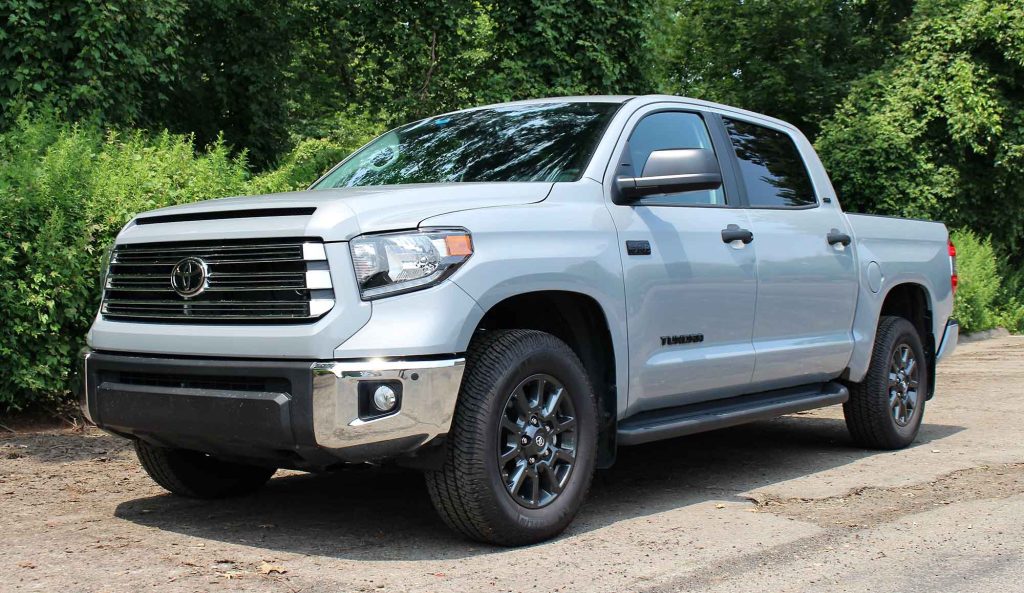
For a used Tundra buyer, the zero driver death rate is worth considering, but the exact model year and configuration must match the study. Buyers should also review towing-related maintenance, tire condition, brake performance, recalls, and crash-test results for their particular truck.
The result is encouraging, not conclusive. It does not establish that every Tundra is safer than every competing pickup, nor does it guarantee that a driver will survive every collision. The most responsible interpretation combines real-world fatality data with vehicle-specific safety ratings and careful driving.
