A car earning an Insurance Institute for Highway Safety (IIHS) Top Safety Pick award is not guaranteed to keep that recognition when testing standards become tougher.
The IIHS regularly updates its evaluations to reflect changing crash risks, improvements in vehicle technology, and the growing importance of protecting passengers in different types of collisions.
A model that performed well under one year’s requirements may struggle to qualify when the institute introduces stricter crash tests, more demanding headlight evaluations, or revised pedestrian protection criteria.
Understanding these changes requires looking beyond the award badge itself. The key is identifying which vehicles lost eligibility, which requirements changed, and what their results actually reveal about safety.
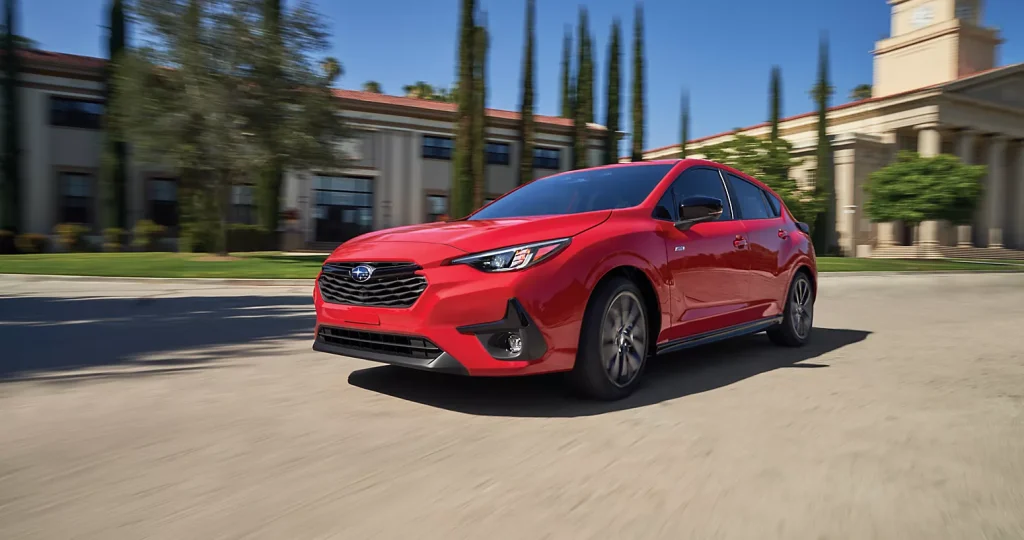
1. Subaru Impreza
The Subaru Impreza’s absence from the 2025 IIHS award list is a useful example of why safety recognition must be evaluated year by year. The 2024 Impreza four-door wagon earned a Top Safety Pick award, but it was not listed among the 2025 winners.
That distinction matters because the institute strengthened its requirements for rear-seat protection in 2025, making it more difficult for vehicles to qualify.
The updated moderate overlap front test is particularly important. It places a crash-test dummy in the second row behind the driver, allowing researchers to examine injury risks for rear passengers rather than concentrating primarily on the person behind the steering wheel.
The assessment considers factors such as seat-belt performance and the risk of injuries to the chest and other body regions. Under the 2025 award rules, vehicles needed a good rating in this updated test to qualify for either award.
For shoppers considering a used Impreza, however, the missing award should not automatically be interpreted as proof that the vehicle became less safe. A change in award status can reflect new requirements, unavailable qualifying evidence, or differences in the model years being assessed.
IIHS did not identify the Impreza in its published 2025 award list as a vehicle that specifically failed the revised test. Its 2024 recognition remains meaningful evidence of the model’s performance against the standards applicable that year.
Buyers should check the precise model year and individual crash-test ratings before concluding.
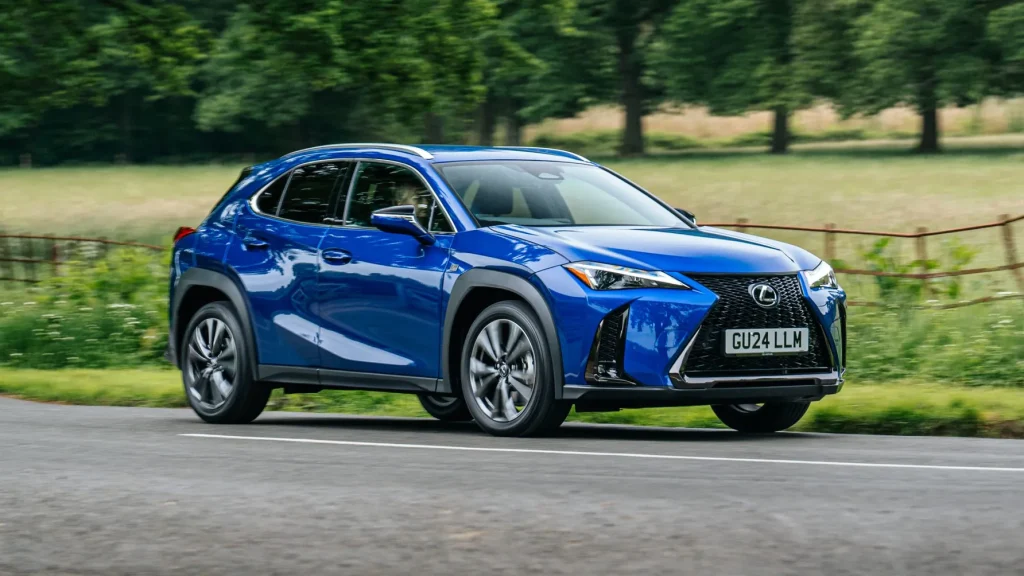
2. Lexus UX
The Lexus UX presents a different case because it combines a premium badge and compact crossover packaging with an award that did not carry forward into the 2025 IIHS results. The 2024 Lexus UX earned a Top Safety Pick, according to the institute’s official award list.
It does not appear among the 2025 winners. That comparison is worth noting, but it does not establish that a particular crash test caused the model to lose recognition.
The revised criteria provide important context. In 2024, a vehicle could qualify for the lower-tier Top Safety Pick with a good rating in the original moderate overlap front test. The institute’s 2025 rules made a good result in the updated moderate overlap test mandatory for both award levels.
The revised assessment added a rear-seat dummy to better measure how effectively a vehicle protects people sitting behind the front occupants. This change placed greater emphasis on restraint systems and injury prevention for second-row passengers.
For a UX buyer, the practical lesson is to distinguish between a model’s crashworthiness and its eligibility for an annual award. A Top Safety Pick designation is a benchmark tied to a specific set of requirements, not a permanent certification that automatically transfers to every later model year.
The 2024 award remains valid for the vehicle configuration recognized at that time. To assess a particular used UX, shoppers should consult the applicable IIHS ratings, verify its equipment and model year, and avoid assuming that the absence of a 2025 award means the vehicle performed poorly in every safety category.
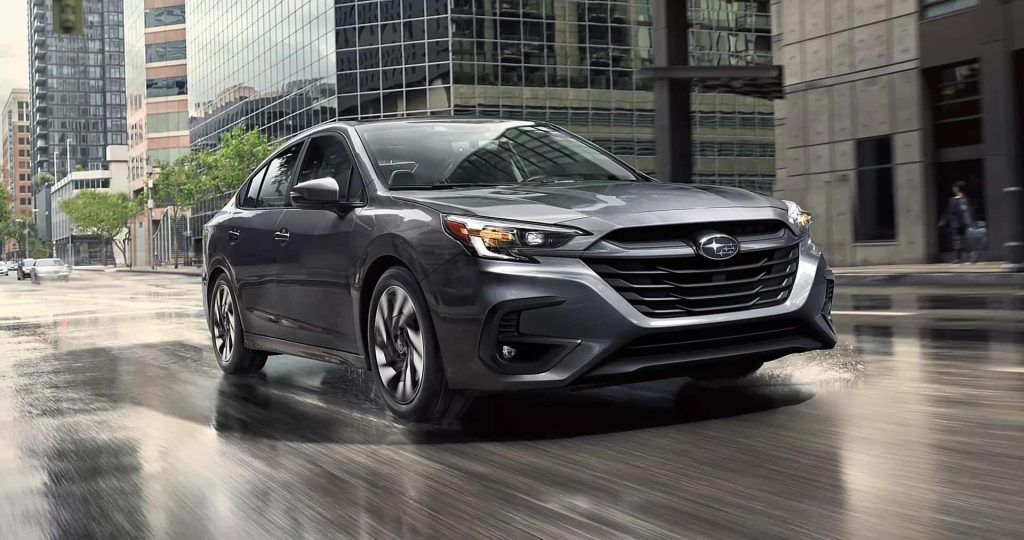
3. Subaru Legacy
The Subaru Legacy demonstrates how a vehicle can retain strong crash-test performance while facing a different award threshold. The sedan appeared on the IIHS 2024 Top Safety Pick list, but it did not appear among the institute’s 2025 award winners.
The distinction is significant because the 2025 criteria placed greater emphasis on rear-seat protection, requiring a qualifying result in the updated moderate overlap front test.
That test simulates a frontal collision at 40 mph, with 40% of the vehicle’s front width overlapping the other vehicle. The revised procedure adds a dummy in the second row behind the driver, representing a small woman or a 12-year-old child.
Researchers assess how well the rear restraint system controls movement and reduces the risk of injuries during the collision. This change addresses a safety gap that can remain hidden when a vehicle performs well in tests focused primarily on front occupants.
For the Legacy, it is important not to turn the absence of a 2025 award into an unsupported claim that the sedan failed this particular test.
The annual winner lists establish whether a model qualified, but they do not by themselves establish the exact reason for every omission. The Legacy’s 2024 award reflects the criteria in force at that time, while the revised requirements set a different benchmark for later recognition.
Consumers considering a used Legacy should check the ratings for their specific model year and examine individual crash-test results rather than relying on the award label alone.
A vehicle’s structural performance, restraint systems, headlights, and crash-prevention equipment all contribute to its safety assessment. The broader lesson is that a past award remains useful historical evidence, but it cannot replace a review of the standards applicable to the vehicle being purchased.
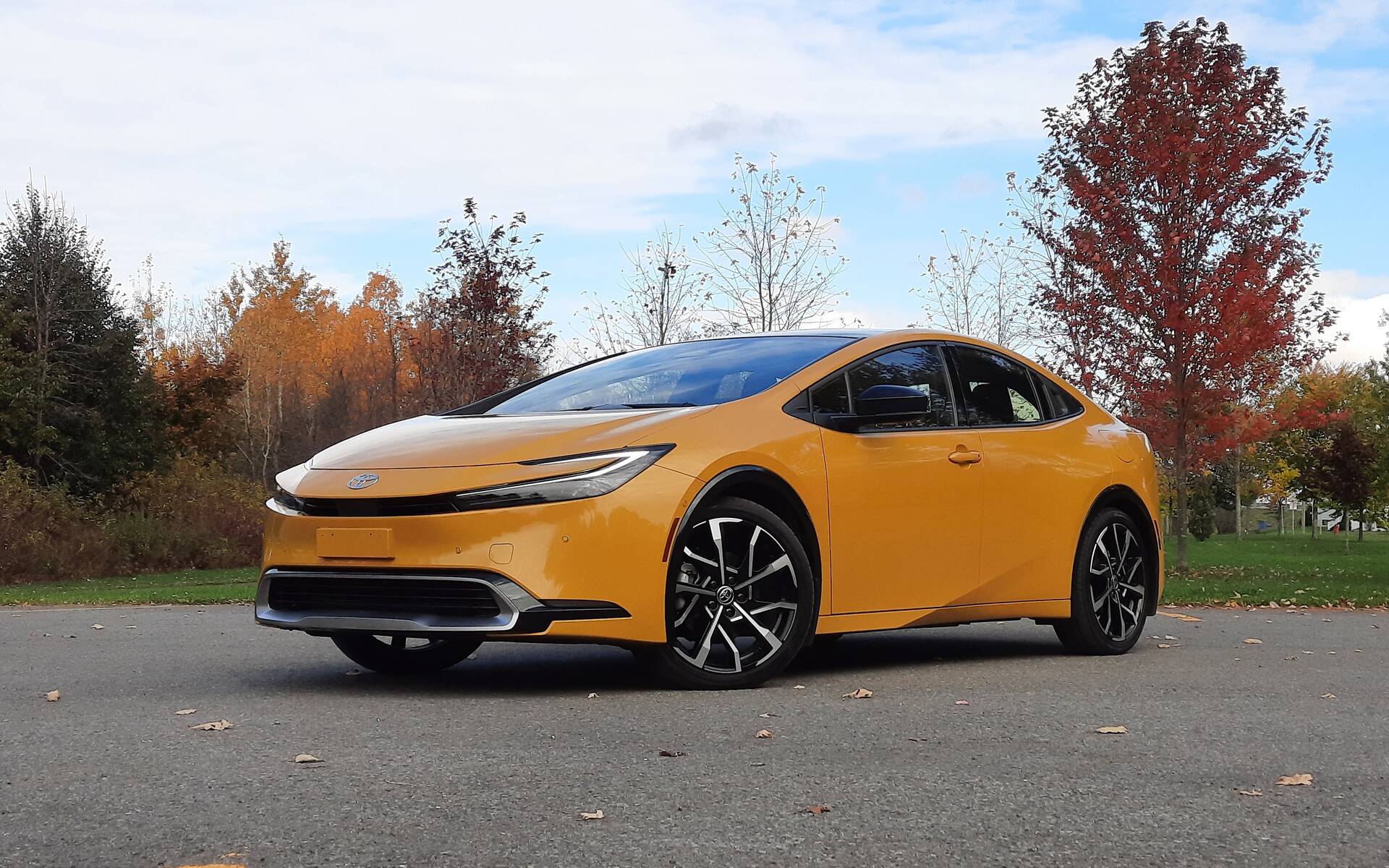
4. Toyota Prius Prime
The Toyota Prius Prime offers another example of how award eligibility can change even when a vehicle belongs to a model family associated with safety recognition. The Prius Prime appeared on the IIHS 2024 Top Safety Pick list, whereas it was absent from the 2025 winners.
The standard Toyota Prius, meanwhile, earned a 2025 Top Safety Pick+ award. These are separate vehicles for award purposes, so the Prius’s recognition should not automatically be transferred to the plug-in hybrid version.
The distinction matters because the Prius Prime has a plug-in hybrid powertrain and its own vehicle configuration. Although it shares elements of its design with the regular Prius, IIHS awards depend on the specific model and qualifying test results.
Buyers should therefore avoid assuming that two closely related vehicles receive identical ratings simply because they share a nameplate.
The 2025 criteria also changed the bar for rear-seat protection. Under the revised rules, a vehicle needed an acceptable rating in the updated moderate overlap front test to qualify for Top Safety Pick, while Top Safety Pick+ required a good rating.
Both awards also required good ratings in the small overlap front and updated side tests, acceptable or good pedestrian front crash prevention performance, and acceptable or good headlights across all trims.
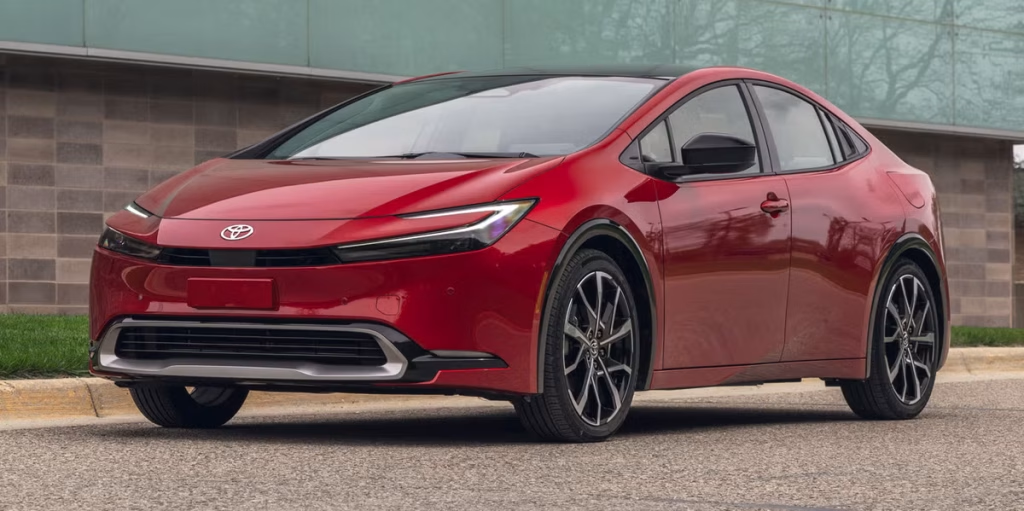
The Prius Prime’s absence from the later award list does not, by itself, prove that rear-seat performance was the reason. A missing test result or another unmet requirement can also prevent qualification.
For shoppers, the sensible approach is to verify the exact model year and plug-in hybrid variant in the IIHS database. The standard Prius’s award is encouraging information about that vehicle, but it is not a substitute for checking the Prius Prime’s own ratings.
5. Toyota Prius
The Toyota Prius illustrates why award comparisons need to distinguish between the standard model and its plug-in hybrid sibling. The conventional Prius earned a 2024 Top Safety Pick award and subsequently qualified for the higher Top Safety Pick+ designation for 2025.
It therefore should not be described as a car that lost its award when the requirements became stricter. Its results provide a useful contrast to vehicles that did not appear on the later award list.
What changed in 2025 was the minimum performance required for the two awards. Both categories required a good rating in the small overlap front and updated side tests, along with acceptable or good headlights and pedestrian front crash prevention.
The updated moderate overlap front test became a key distinction between the two awards. Vehicles needed a good rating to qualify for Top Safety Pick+, while an acceptable rating was sufficient for Top Safety Pick.
The Prius’s progression demonstrates that tougher standards do not automatically remove every previous winner from the list. Vehicles can retain recognition or move into a higher award category when their tested performance meets the new requirements.
It also reinforces the need to check the exact model and year rather than treating the Prius and Prius Prime as interchangeable.
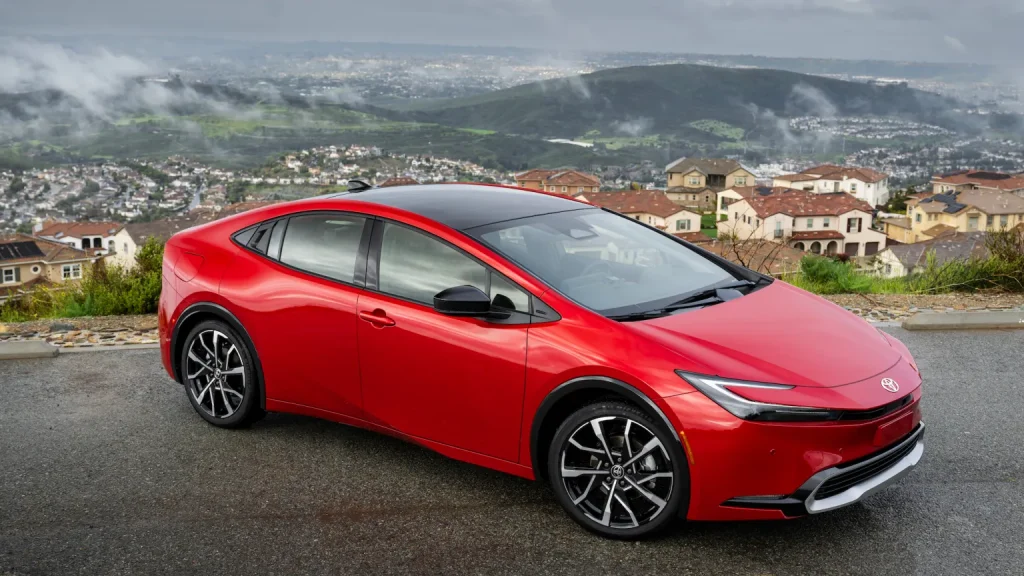
For American buyers, the most useful information is the specific vehicle’s rating and equipment. Headlight performance, pedestrian detection, and crash protection can differ between configurations and model years.
The Prius’s 2025 Top Safety Pick+ designation is evidence that the qualifying version met the institute’s stricter criteria, but it does not establish that every Toyota hybrid has the same performance. Buyers should verify the rating attached to the exact vehicle they intend to purchase.
6. Volkswagen ID.4
The Volkswagen ID.4 shows why the loss of an annual award should be investigated rather than assumed. The electric SUV earned a 2024 Top Safety Pick designation, but it did not appear among the 2025 award winners in the IIHS listing. That establishes a change in award status, not the precise reason for it.
The ID.4’s absence needs to be considered against the revised requirements for 2025. Under those rules, the institute assessed not only frontal and side-impact protection but also headlight performance and pedestrian front crash prevention.
A vehicle could no longer qualify for Top Safety Pick simply by performing well in the original moderate overlap test. It needed an acceptable rating in the updated version, which evaluates protection for rear-seat occupants as well as those in front.
Electric vehicles add another reason to examine the actual test results instead of relying on assumptions about their construction. A battery-powered vehicle’s weight and rigid structure do not automatically guarantee superior injury protection in every crash scenario.
The IIHS evaluates specific aspects of crashworthiness and crash avoidance, allowing buyers to compare documented results rather than relying on powertrain technology or marketing claims.
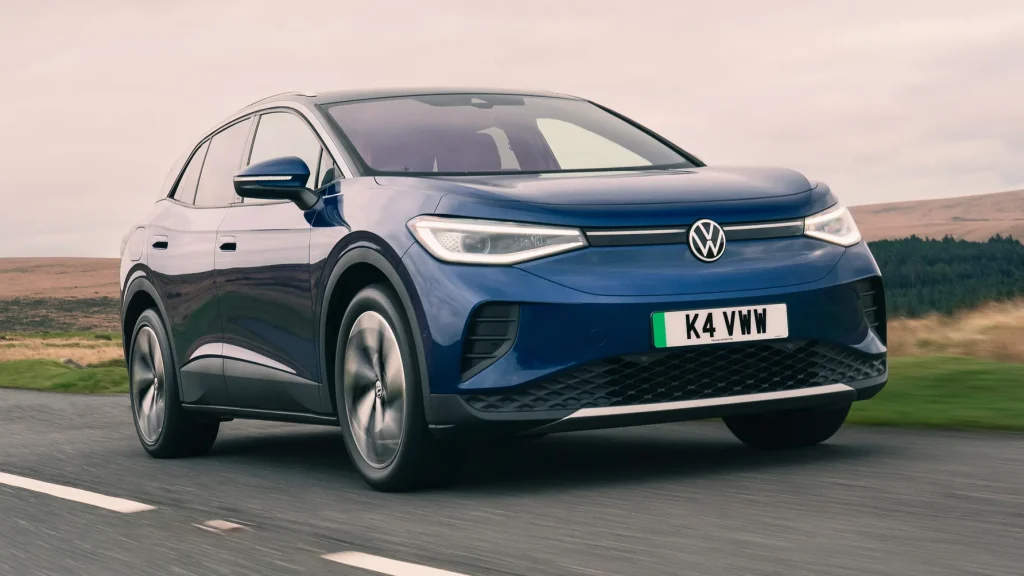
The 2024 award remains a valid record of the ID.4’s performance under the standards used that year. However, the missing 2025 designation does not establish that the SUV failed the revised rear-seat test, nor does it mean the vehicle suddenly became less safe.
Prospective buyers should consult the IIHS ratings for the relevant model year and build configuration, paying particular attention to the individual test results and available safety equipment.
7. Lexus RX
The Lexus RX rounds out this comparison by highlighting the difference between maintaining a strong safety record and qualifying for a particular year’s award.
The 2024 Lexus RX earned a Top Safety Pick designation, but it was absent from the 2025 winners. The IIHS award lists confirm that difference, although they do not independently identify a single test failure as the cause.
For a luxury SUV, the institute’s revised criteria are especially relevant because an award depends on a combination of crashworthiness and crash-prevention performance. The 2025 rules required a good rating in the small overlap front and updated side tests.
For the updated moderate overlap front test, Top Safety Pick required an acceptable result, while Top Safety Pick+ required a good result. Headlights and pedestrian front crash prevention also had to meet the institute’s minimum thresholds.
The RX’s absence from the later award list should not be interpreted as evidence that its safety systems deteriorated or that it became dangerous to drive. Award eligibility is based on the applicable model, configuration, test results and annual criteria.
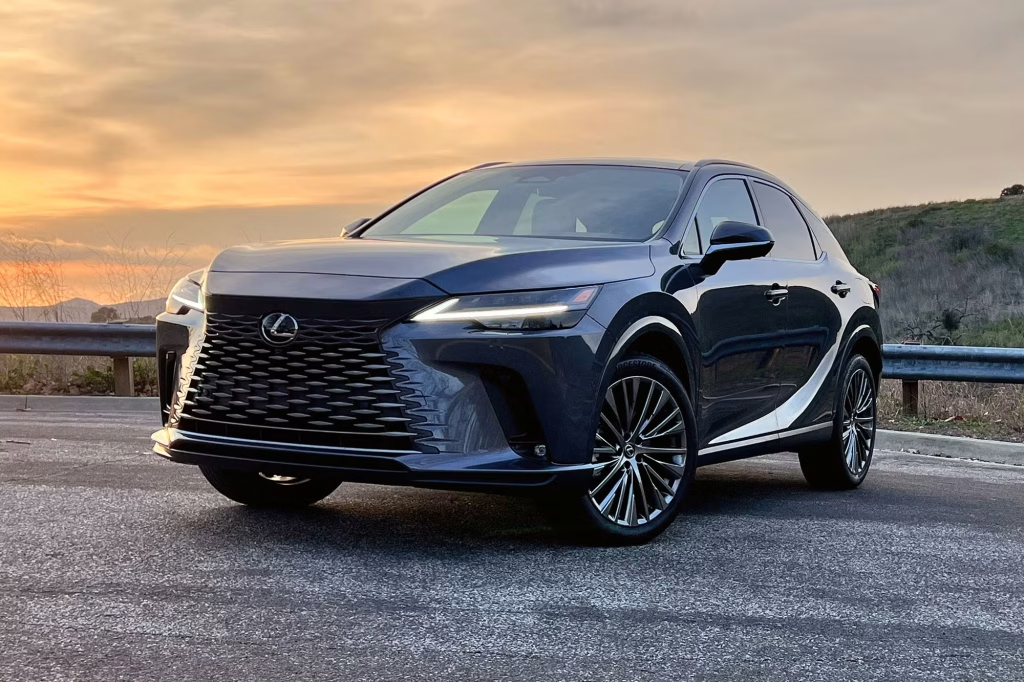
A model can miss recognition because it does not meet a requirement, because qualifying evidence is unavailable, or because the institute has not awarded it under the current rules. Without a specific documented test result, assigning one explanation to the RX would be speculation.
For shoppers in the United States, the sensible approach is to check the IIHS record for the exact RX model year and trim. The institute’s individual ratings offer more useful detail than a badge alone, particularly for buyers comparing used luxury SUVs.
The 2024 award is meaningful, but the absence of a 2025 award should prompt closer examination rather than an automatic judgment about the vehicle’s safety.