
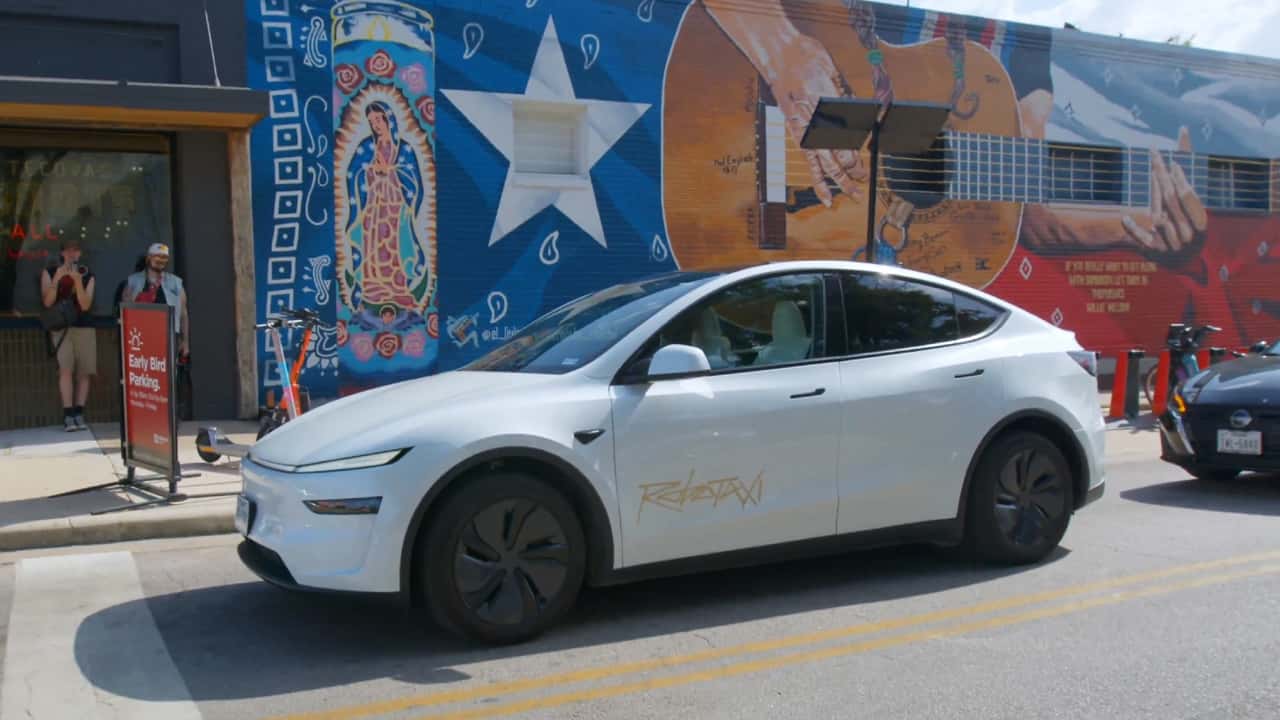
Federal safety regulators are reviewing allegations that Tesla robotaxis exceeded posted speed limits in active school zones, raising questions about how automated driving systems respond to some of the most sensitive areas on public roads.
The National Highway Traffic Safety Administration (NHTSA) opened defect petition file DP26010 on October 9, 2026, after receiving a petition on September 23.
The filing concerns model-year 2026 Tesla Model Y robotaxis and Cybercab vehicles operating with Tesla’s Automated Driving System engaged. Importantly, this is a review of a petition, not a formal defect investigation or a finding that Tesla’s vehicles violated traffic laws.
School zones are a particularly important test for automated driving because the posted speed limit may change according to the time of day, flashing warning signals, or local restrictions.
Children may enter the roadway unexpectedly, and drivers must account for school crossings, parked vehicles, and other hazards. A system that recognizes a road’s normal speed limit but fails to respond correctly when a school-zone restriction is active could create a serious safety concern.
The petition places that issue at the center of the federal review. NHTSA must assess the evidence and decide whether the allegations justify a broader investigation. Until that decision is made, the claims remain allegations, and the agency has not concluded that a defect exists.
What NHTSA Is Reviewing in the Tesla Robotaxi Petition
According to NHTSA’s opening summary, the petition alleges that Tesla’s Automated Driving System exceeds posted speed limits in active school zones. The vehicles covered are the 2026 Model Y and Cybercab operating as robotaxis with the automated driving system engaged.
The agency estimates that approximately 1,000 vehicles fall within the petition’s scope. That figure represents the estimated population covered by the filing, not a confirmed count of vehicles actively carrying passengers.
The supporting material is limited. The petitioner supplied three links to video footage, while NHTSA’s record lists four related reports, including one report submitted to the agency and three reports drawn from social media.
The publicly available summary does not establish that every report represents a separate verified violation, nor does it provide a complete account of the circumstances shown in each video.
NHTSA’s record lists no crashes, injuries, or fatalities associated with the reports included in the petition. That is an important distinction when assessing the status of the case. The absence of recorded harm does not settle whether the alleged speeding occurred, but the current file does not establish that these incidents caused a collision or injured anyone.
The agency opened DP26010 to evaluate the allegations and determine whether to grant or deny the petition. Under the applicable federal process, a decision is expected within 120 days of receipt, placing the anticipated deadline around January 21, 2027.
The outcome could determine whether the matter proceeds to a formal defect investigation or the petition is denied.
Why School-Zone Speed Limits Pose a Distinct Challenge for Automated Driving
School zones require more than simply following the speed limit displayed on a road under normal conditions. Restrictions can apply only during specified hours or when warning lights are activated, meaning a vehicle must interpret the relevant signs and signals in the correct context.
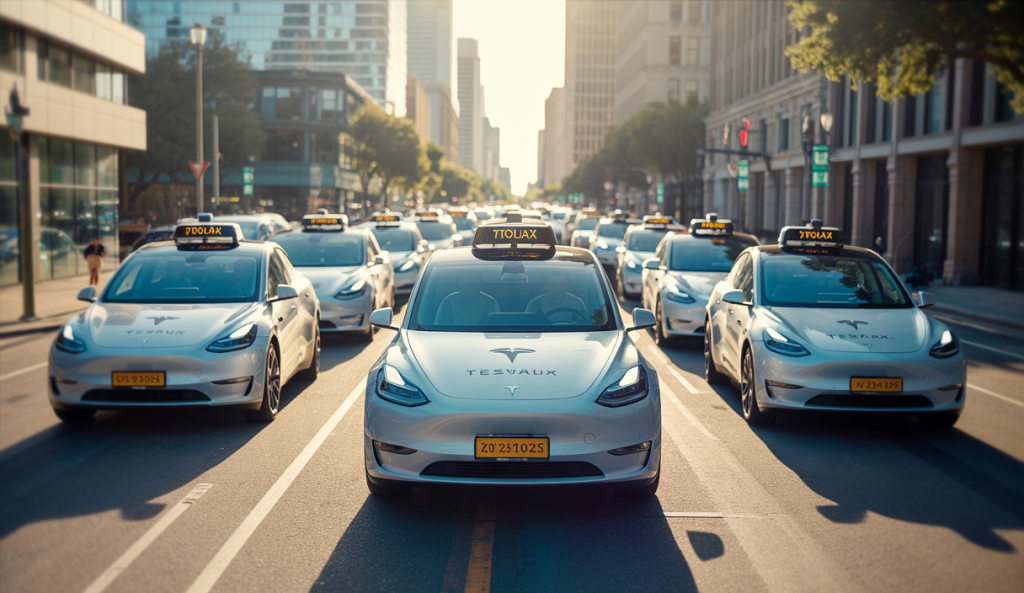
The system must then adjust its speed in time, rather than continue at the limit that applies outside the restricted area.
For a human driver, this requires attention to changing road conditions and local traffic rules. For an automated driving system, it requires reliable perception, interpretation, and control.
The system must identify the school-zone restriction, determine when it is in effect, and maintain a speed that complies with it while responding to pedestrians, crossings, and nearby traffic.
These demands make school zones an important setting for evaluating automated driving. A vehicle may perform well on ordinary roads but still encounter difficulties when signs are partially obscured, markings are inconsistent, or restrictions change according to time and conditions.
This makes the specific allegation in DP26010 important because it addresses whether the system follows a speed limit that applies only under certain conditions and within a designated location.
However, the petition alone does not establish why the alleged behavior occurred. The available public summary does not determine whether the videos show a genuine system error, a misunderstanding of the posted restriction, a limitation in the evidence, or another explanation.
NHTSA’s review will need to assess the underlying material before concluding. The distinction between an allegation and a verified technical failure is especially important in automated-driving cases.
A video may provide a useful starting point, but regulators need to establish the circumstances, the vehicle’s operating mode, and the applicable speed limit to assess whether a violation occurred.
They may also need additional information from the manufacturer or other sources to understand whether the reported behavior reflects a broader problem.
The stakes extend beyond Tesla. As automakers and mobility companies expand automated driving services, regulators must evaluate how these systems behave in environments where errors can expose vulnerable road users to greater risk.
School zones are one such environment because children may be difficult to predict and have less experience judging vehicle speed and distance.
What the Review Could Mean for Tesla’s Robotaxi Plans
For Tesla, the petition adds another regulatory issue as the company develops its robotaxi business. The review focuses on vehicles operating with the Automated Driving System engaged, rather than establishing a problem with every Model Y or every vehicle using Tesla software.
The scope is specifically defined by the model years, vehicles, and operating conditions identified in the petition.
The Cybercab is also subject to a separate federal review concerning its compliance with vehicle safety standards and Tesla’s self-certification process. That separate matter concerns whether the vehicle meets applicable federal requirements, including questions raised by its design without conventional steering controls.
It is distinct from DP26010, which concerns alleged speeding in active school zones. The two matters should not be treated as a single investigation or as evidence that the allegations in either case have been proven.
For a robotaxi service, safety performance is central to public confidence and regulatory acceptance. Customers must be able to trust that an automated vehicle will recognize changing restrictions and respond appropriately around schools, crossings, and other sensitive locations.
Fleet operators also need to demonstrate that their systems can handle unusual conditions, not just routine journeys.
A decision to grant the petition would allow NHTSA to proceed with a formal defect investigation, during which the agency could gather further information and examine whether a safety-related defect exists.

A denial would mean the petition was not pursued on the grounds presented, but it would not necessarily settle all broader questions about automated driving. Neither outcome should be interpreted as a recall, as no recall has been announced in connection with this petition review.
The next major milestone is NHTSA’s decision on whether to grant or deny the petition, expected around January 21, 2027.
Until then, the public record remains limited to the allegations and supporting reports identified in the filing. Tesla’s vehicles have not been found defective through this petition process.
The case highlights a key challenge for automated driving systems. Following standard traffic rules is not enough if a system cannot reliably identify when stricter limits apply. School-zone restrictions help protect children and other vulnerable road users, making any alleged failure to comply with these rules worthy of careful investigation.
NHTSA’s review will determine whether the available evidence warrants a broader investigation, while the underlying question remains whether automated systems can consistently recognize and obey changing speed limits in the places where compliance matters most.
