

Stellantis shipped an estimated 1.286 million vehicles worldwide in the third quarter of 2026, a 1% decline from the same period last year, as a planned summer production shutdown weighed on North American volumes.
The company’s regional results varied, with shipments in North America declining 12% while Enlarged Europe posted 10% growth. The European increase was supported by battery-electric vehicles and several recently introduced small models.
The figures, released on October 13, are preliminary shipment estimates rather than a complete account of retail sales or profitability. Stellantis is scheduled to report its full third-quarter financial results on October 28, when investors will get a clearer picture of revenue, margins, inventory, and the costs behind its ongoing turnaround.
North America Takes the Biggest Hit
Stellantis reported 357,000 shipments in North America for the three months ended September 30, down from 404,000 a year earlier.
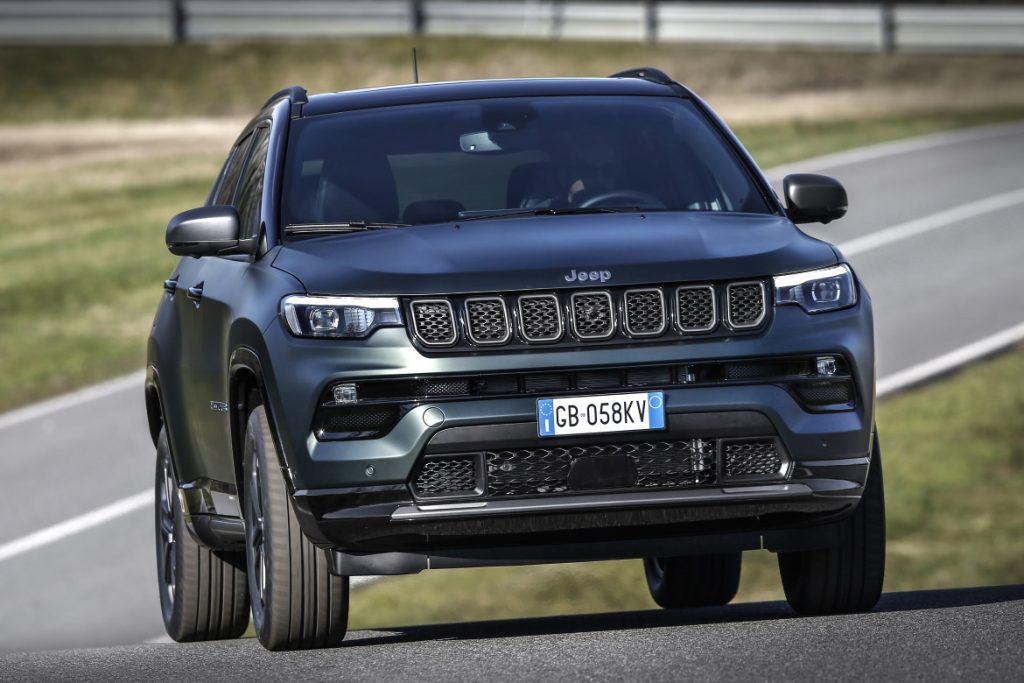
The reduction of approximately 47,000 vehicles was mainly attributed to planned production downtime during the summer, which particularly affected the Jeep Grand Cherokee and Jeep Compass. Shipments of each model fell by roughly 25,000 units year over year, according to the company.
The distinction between shipments and retail sales matters. Shipments count vehicles sent to dealers, distributors, or directly to retail and fleet customers.
They are an important indicator of the flow of vehicles through the business and generally influence when revenue is recognized, but they do not show precisely how many vehicles customers registered or purchased during the quarter. A factory shutdown can therefore reduce shipments in a period even if the effect on consumer demand is less direct.
For Jeep, the decline highlights how production timing can influence quarterly comparisons. A planned shutdown is not necessarily evidence that demand has collapsed, but it does mean fewer vehicles were available to move through the distribution network during the quarter.
The coming financial report should provide more context on dealer inventories and whether deliveries to customers followed the same pattern.
One notable exception in North America was Ram, which recorded an increase of approximately 17,000 shipments compared with the same period last year.
Stellantis attributed the improvement to demand for new and refreshed products and a broader range of powertrains, including the HEMI V8 option for the Ram 1500 and the new Ram 1500 TRX. The stronger Ram result partially offset the declines among Jeep models, though it was not enough to prevent a regional drop.
That contrast is important for a company whose North American business relies heavily on trucks and SUVs. Different products can perform very differently during the same quarter, and a temporary production pause can compound those differences.
The shipment figures alone cannot determine whether the decline will continue into the fourth quarter. Production schedules, dealer inventory, sales incentives, and customer demand will all play a role in shaping the next set of results.
Europe Grows as New Models and EVs Lift Shipments
Enlarged Europe was Stellantis’ strongest region in the quarter. Shipments increased by approximately 54,000 units, or 10%, to 588,000 vehicles from 534,000 a year earlier.

The company said growth came from both its own brands and vehicles sold under its partnership with Chinese automaker Leapmotor, with battery-electric vehicles making a significant contribution.
Several models built around Stellantis’ Smart Car platform helped support the increase. The company identified the Citroën C3 and C3 Aircross, Opel and Vauxhall Frontera, and Fiat Grande Panda as important contributors, accounting for about 26,000 additional shipments.
The new Fiat 500 Hybrid and Jeep Compass also added volume. Stellantis’ electric light commercial vehicles contributed to growth as well, though gains were partly offset by lower shipments of other models.
Leapmotor added another 34,000 vehicles year over year, bringing its European shipments to around 44,000 for the quarter. Stellantis distributes Leapmotor vehicles in Europe through its partnership with the Chinese company.
The arrangement gives Stellantis an additional source of electric models to sell in the region and allows the group to use its commercial reach without relying entirely on vehicles developed under its own established marques.
The European results show that the group’s 1% decline does not indicate a slowdown across every part of its business, as performance varied by region and vehicle segment.
A 10% increase in Europe helped offset falling volumes elsewhere, but growth in one region cannot automatically compensate for weaker performance in another. Product mix, pricing, factory utilization, and the cost of selling vehicles vary across markets.
The increase also should not be read as proof that all Stellantis brands or electric models are growing. The company’s own release attributes the gains to specific nameplates and battery-electric shipments, while some established models experienced declines.
The full financial report will be needed to understand how the additional volume translated into revenue and profitability.
Weakness in Other Regions Keeps Global Shipments Slightly Lower
Outside North America and Europe, Stellantis reported declines in two regions and broadly flat shipments in another. Middle East and Africa shipments fell 21%, from 95,000 to 75,000 vehicles.
The company pointed to weaker conditions in Turkey and the impact of regional conflict, while a planned start of local small-van production in Turkey also affected shipments. Asia-Pacific volumes slipped 6%, from 16,000 to 15,000 vehicles. South America was effectively flat at 251,000 vehicles, compared with 252,000 a year earlier.
These regional differences help explain why global shipments declined only 1% despite the sharper North American drop. Europe added 54,000 units, while North America lost 47,000.
The Middle East and Africa shed another 20,000, and the smaller changes in Asia-Pacific and South America had a limited effect on the consolidated total. Stellantis’ estimated worldwide shipments came to 1.286 million vehicles, compared with 1.300 million in the third quarter of 2025.
The company is navigating a wider business reset after years of pressure on market share and financial performance. Chief Executive Antonio Filosa announced a turnaround plan in May, and Stellantis has been working to adjust its product strategy, powertrain choices, and spending across its many brands.
Reuters reported that the company was presenting new vehicles and concepts at the Paris Motor Show during the same week as the shipment update. Those launches are intended to refresh the portfolio, but new products take time to reach customers and prove their commercial value.
The immediate question for North America is whether the third-quarter reduction was primarily a timing issue caused by factory downtime or whether underlying demand and inventory trends will add further pressure.
The reported data point strongly to planned shutdowns as a key cause, but they do not answer every question about retail sales, pricing, or dealer stock.
Stellantis’ full third-quarter results, due October 28, should offer more detail on revenue, adjusted operating performance, cash flow, and management’s outlook. Until then, the shipment report offers a snapshot of production and distribution rather than a complete verdict on the company’s financial health.
The headline is a modest global decline, a steep North American fall, and a stronger European quarter driven by new models and electric vehicles. For U.S. buyers, the numbers are not a direct forecast of showroom availability or transaction prices.
A lower shipment total can reflect when factories build vehicles, while dealer inventories and local demand determine what shoppers actually find on lots.
Fleet customers and individual buyers should watch the next quarterly update for clearer evidence of whether Jeep supply is recovering and whether Ram’s gains continue beyond the launch period.
Whether that mix improves in the final months of 2026 will depend on production normalizing, demand holding up, and new products converting into sustained customer sales.
