
Commercial vans and heavy-duty pickups keep deliveries moving, support construction crews, and carry equipment across the United States. Yet new crash-avoidance ratings from the Insurance Institute for Highway Safety (IIHS) suggest that many of these work vehicles do not prevent front-end collisions as effectively as safer passenger vehicles.
The Chevrolet Express 2500 and GMC Savana 2500 received poor ratings in both vehicle-to-vehicle and pedestrian crash-prevention tests, while the Mercedes-Benz Sprinter 2500 was the only tested vehicle to earn a good rating in the vehicle-to-vehicle evaluation.
Other models performed better in pedestrian tests, showing that safety results vary by scenario and technology. The findings give fleet managers new evidence to consider when buying vehicles.
IIHS Finds Major Differences in Crash-Avoidance Performance
The IIHS evaluated seven cargo vans and four Class 3 heavy-duty pickups. Class 3 trucks have a gross vehicle weight rating between 10,001 and 14,000 pounds, a category that includes the Chevrolet Silverado 3500HD and GMC Sierra 3500.
The new ratings focus on front crash prevention, assessing whether warning systems and automatic emergency braking can help avoid or reduce collisions with other vehicles and pedestrians.
The testing protocols are the same as those used for passenger vehicles, allowing the institute to apply a familiar rating scale of good, acceptable, marginal, or poor.
The 2025 Mercedes-Benz Sprinter 2500 earned a good rating in vehicle-to-vehicle front crash prevention. The Chevrolet BrightDrop 400 was rated acceptable, while most other vans and pickups received marginal or poor scores.
The Express and Savana were rated poor in both categories because they lack automatic emergency braking. They offer optional forward collision warning, but warnings alone cannot slow a vehicle when a driver fails to respond.
These results do not mean that every tested work vehicle is unsafe in every crash situation. The evaluations measure specific crash-avoidance functions, not the complete crashworthiness of the vehicle or the protection it provides in every type of collision.
They do, however, highlight differences in how well available technology responds when a collision becomes likely.
For fleet operators, those differences matter because vehicles may travel thousands of miles a month through traffic and loading zones where motorcycles and pedestrians are nearby. Early warnings and automatic braking may prevent a collision or reduce its severity, protecting people inside and outside the vehicle.
These ratings help buyers compare vans that offer similar cargo space but differ in their ability to warn drivers or brake automatically. IIHS plans to add headlight and rear automatic emergency braking ratings for Class 3 models, with larger Class 4 through Class 6 trucks to be assessed later.
Why the Express and Savana Fell Behind
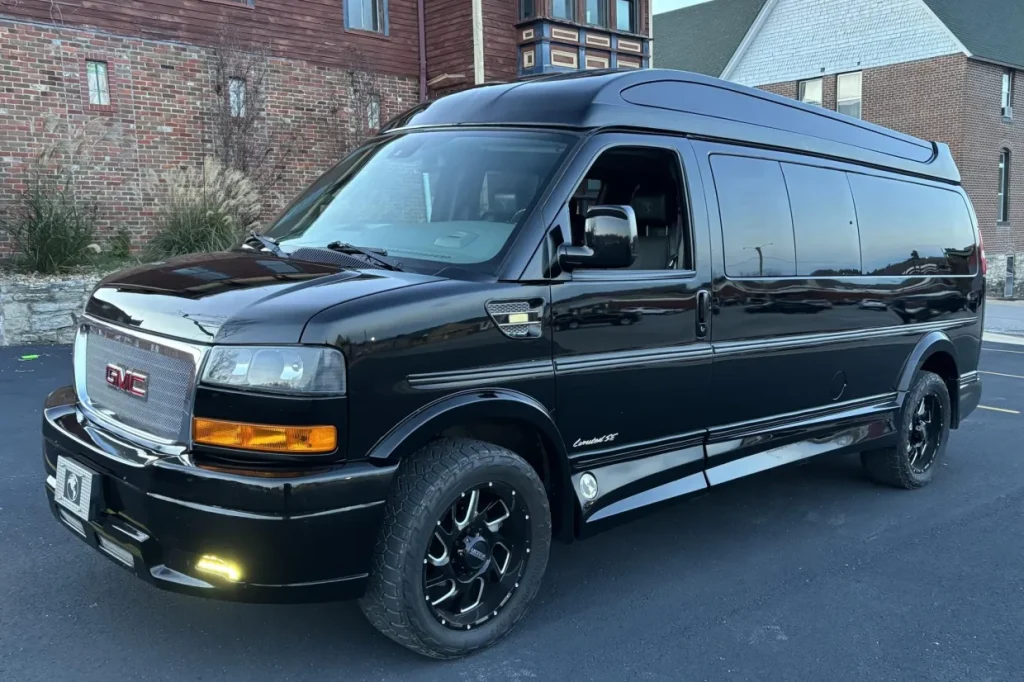
The Chevrolet Express 2500 and GMC Savana 2500 received poor ratings in both front crash-prevention evaluations. IIHS attributes the results to the vans’ lack of automatic emergency braking.
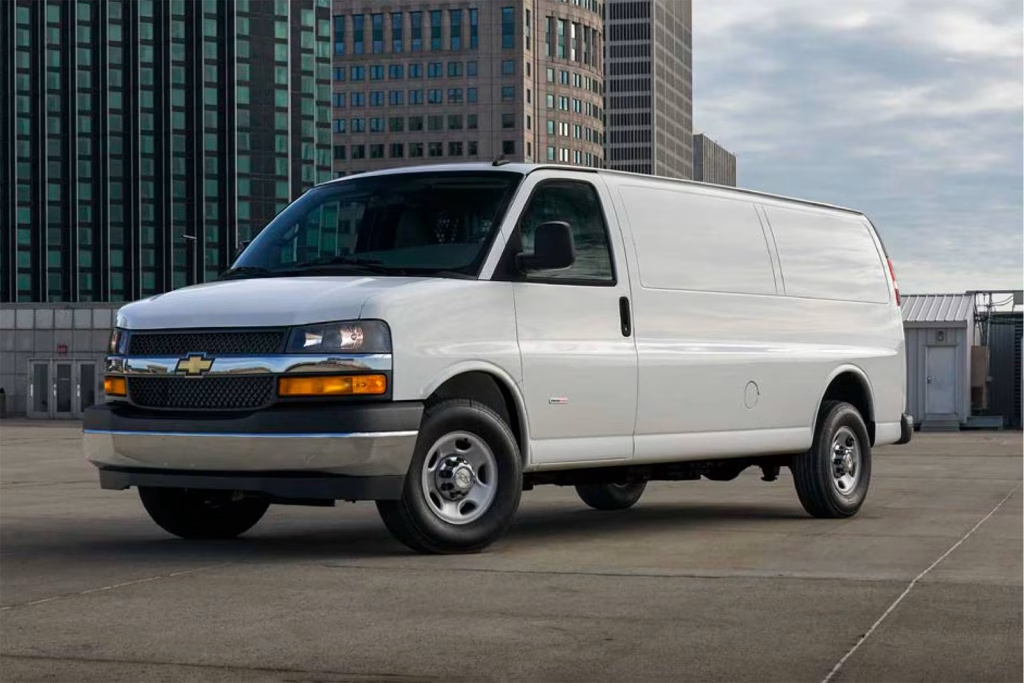
Both offer an optional forward collision warning system, but the tested configurations do not have the braking technology that can intervene when the driver fails to react in time.
The distinction between a warning and automatic braking is important. A warning system can alert a driver to an approaching collision, but its effectiveness depends on the driver noticing the alert and responding quickly.
Automatic emergency braking can apply the brakes if the system determines that a crash is imminent. Depending on speed and circumstances, it may prevent impact or reduce the force of a collision. It cannot guarantee that every crash will be avoided.
The vehicle-to-vehicle evaluation uses passenger-car and motorcycle targets at different speeds, plus a semitrailer for forward-collision warning.
Motorcycles presented a significant challenge, as several systems failed to issue warnings or apply the brakes in most trials, while others received reduced credit because their warnings came too late. The presence of automatic emergency braking alone does not guarantee reliable detection or timely intervention.
Pedestrian testing showed a different set of challenges. The protocol represents daytime and nighttime situations involving an adult or child crossing the road, along with an adult walking in the vehicle’s lane.
The BrightDrop 400 and Rivian RCV-Delivery 500 earned good ratings in pedestrian crash prevention. The Sprinter 2500 received an acceptable rating, while the Express and Savana remained poor. The Ford Transit T250 and Ram ProMaster 2500 received marginal pedestrian ratings.
The contrast matters because a vehicle’s performance against another vehicle does not automatically predict its performance against a pedestrian. Different targets, lighting conditions, and detection challenges can affect results. Buyers should examine both ratings rather than treating a strong score in one test as proof of comprehensive crash avoidance.
Heavy-Duty Pickups Also Show Weaknesses
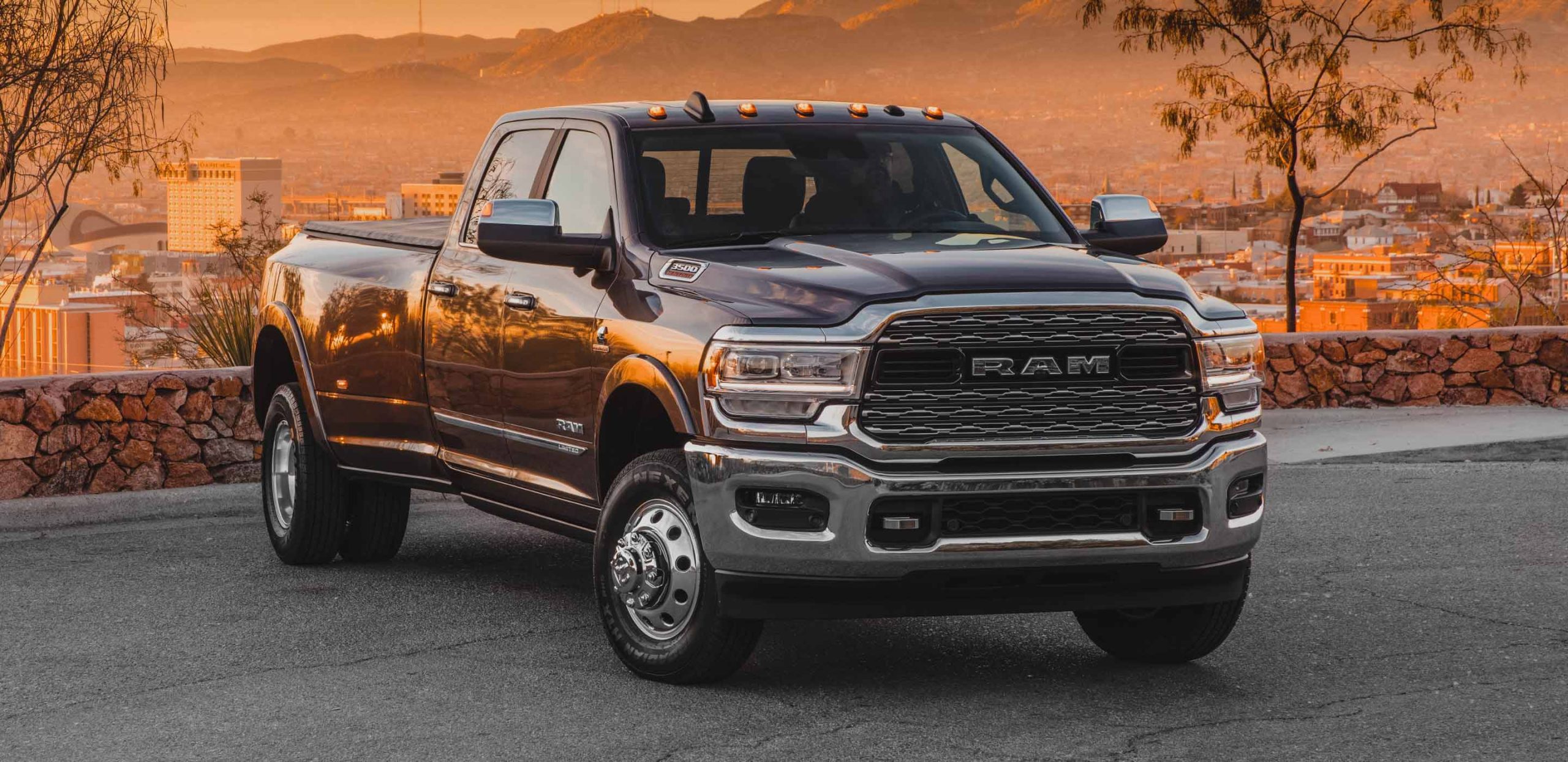
The pickup results raise concerns for businesses that use heavy-duty trucks for towing, construction, utility work, and equipment transport. The Chevrolet Silverado 3500HD and GMC Sierra 3500 both received poor vehicle-to-vehicle ratings and marginal pedestrian ratings.
The Ford F-350 also received a poor vehicle-to-vehicle rating, although its pedestrian performance was rated acceptable. The Ram 3500 was rated marginal in vehicle-to-vehicle crash prevention and acceptable in pedestrian crash prevention.
The difference between the two tests is especially important for tall, heavy vehicles. IIHS found that some systems struggled to detect a child-sized pedestrian in daylight. The institute suggests the issue may relate to the child dummy’s lower height and the elevated front ends of pickups.
Sensors mounted near the rearview mirror may detect the target at a distance, then lose track of it as the vehicle approaches. Some systems also struggled in nighttime trials involving an adult pedestrian, with results varying depending on speed and whether low-beam or high-beam headlights were used.
The physical design of a heavy-duty truck can create visibility and sensing challenges, making reliable detection and emergency braking valuable. However, these ratings cover crash avoidance, not occupant protection, seat belts, airbags, crash structure, or headlights.
The institute began its commercial vehicle assessment program in June 2026 with a separate review of driver-protection equipment. That evaluation looked at standard front and side airbags, seat-belt pretensioners, force limiters, and effective seat-belt reminders.
Some commercial vehicles do not have the same equipment required or commonly found in passenger vehicles, because many passenger-vehicle safety rules do not apply to delivery vans, box trucks, and certain larger work vehicles.
The scale of the issue extends beyond the vehicles’ occupants. IIHS reports that 6,215 people were killed in crashes involving heavy- or medium-duty vehicles or light vans in the United States in 2024, representing 16 percent of all roadway fatalities that year.
That figure includes many vehicle types and does not mean all those deaths involved the models in this test. It does show why improving crash avoidance in commercial fleets can affect road users well beyond the companies that own the vehicles.
For fleet buyers, the practical lesson is to compare specific safety ratings alongside price, payload, operating costs, and service requirements. A good rating in one category should not obscure a poor score in another.
The Sprinter’s good vehicle-to-vehicle result and the BrightDrop and Rivian vans’ good pedestrian ratings show that stronger performance is possible.
As IIHS expands its program, more detailed ratings could give businesses a clearer basis for choosing safer work vehicles and encourage manufacturers to make effective crash-avoidance technology more widely available.
