
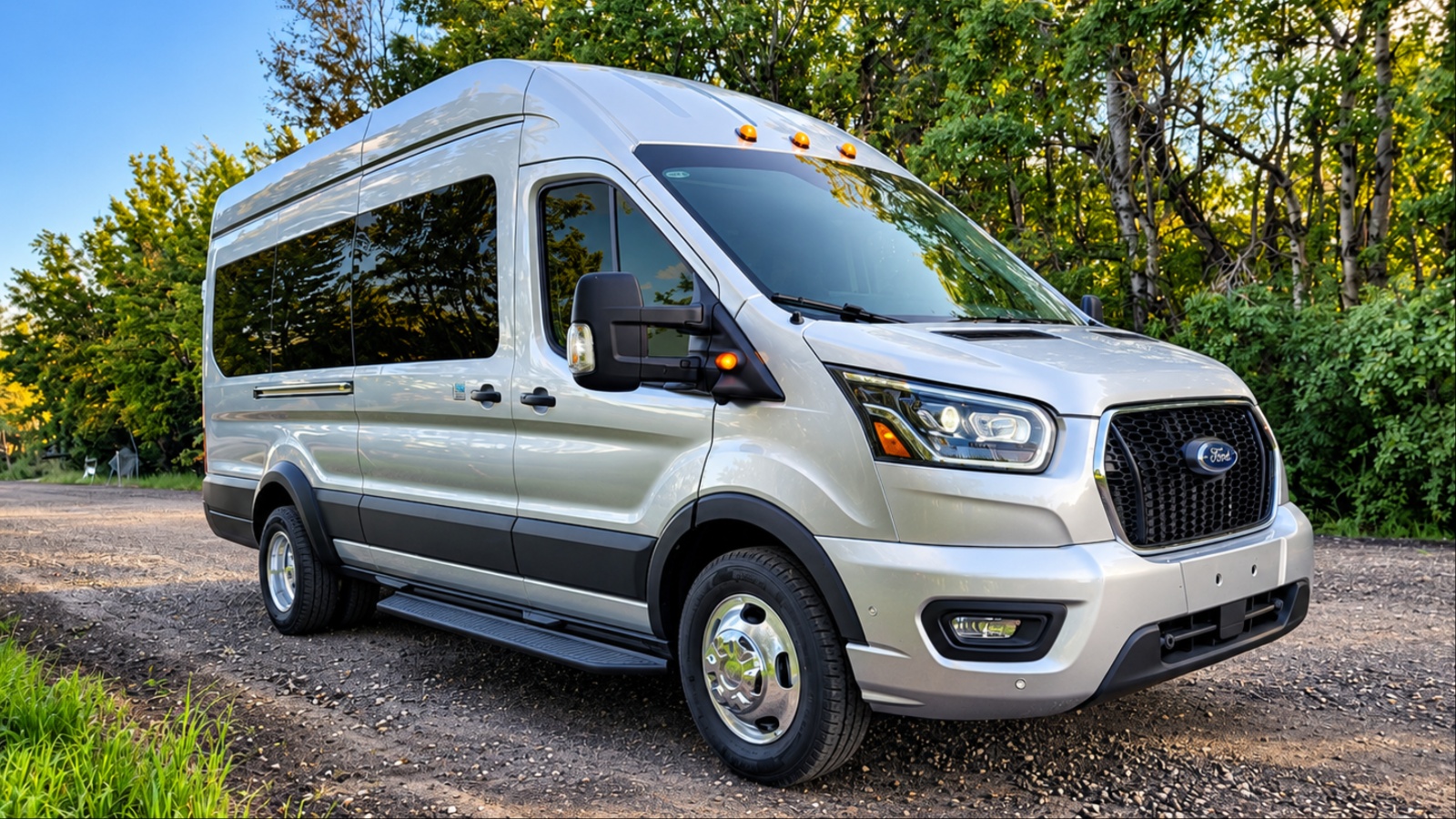
Finding a vehicle that seats twelve or more passengers from the factory can be challenging, especially as modern automakers focus on SUVs, crossovers, and smaller family vehicles. Yet several passenger vans and commercial platforms continue to offer high-capacity seating for large families, shuttle operators, schools, community organizations, and businesses.
The key is distinguishing genuine factory-configured passenger vehicles from cargo vans converted by aftermarket specialists. Seating capacity also varies by model year, market, wheelbase, and trim level. This guide examines six vehicle options known for accommodating large groups, with attention to seating layouts, practicality, comfort, and purchasing considerations.
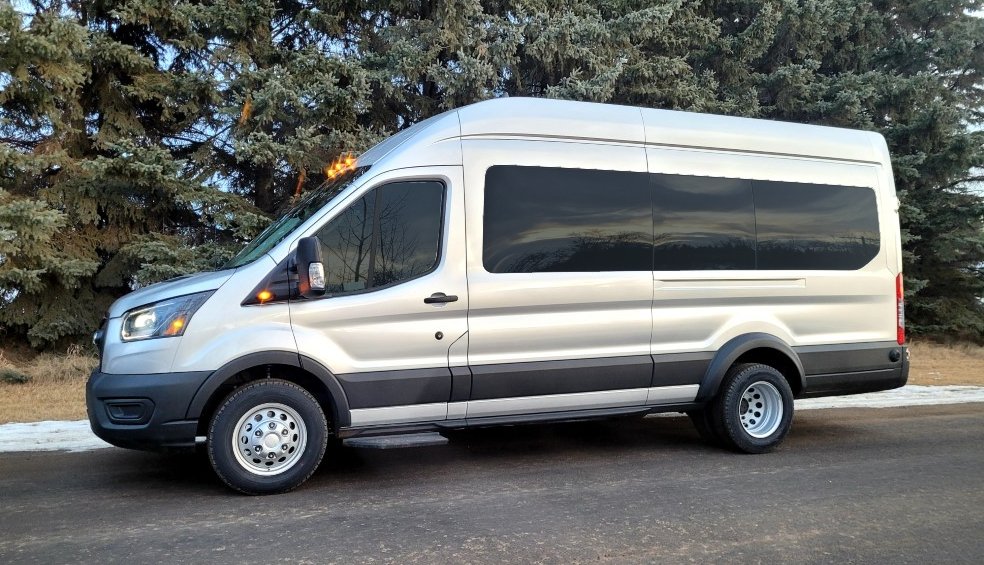
1. Ford Transit Passenger Van
The Ford Transit Passenger Van remains a practical choice for organizations that need to transport a large number of people without moving to a full-size bus. Depending on the model year, roof height, body length, and market, passenger versions have offered seating for up to 15 occupants, including the driver.
This makes the Transit relevant to hotels, airport shuttle providers, tour companies, churches, and larger households that regularly travel together. Buyers should confirm the seating capacity of the exact version being considered, since not every Transit configuration accommodates the same number of passengers.
One of the Transit’s strongest advantages is its range of body configurations. Ford has offered different lengths and roof heights, giving fleet managers flexibility when choosing between passenger capacity, luggage space, and vehicle dimensions.
A longer body can provide additional room for passengers and their belongings, while a high roof makes movement inside the cabin more comfortable when boarding or arranging seats. The available configuration depends on the model year and market, so specifications from an older vehicle should not automatically be applied to a newer one.
The cabin layout is particularly important when a van carries twelve or more people regularly. Factory passenger versions generally provide rows of seats arranged to accommodate groups, with access through side doors and a rear entry. Depending on the configuration, passengers may have different amounts of legroom and space between rows.
Buyers should inspect the seating arrangement in person whenever possible, especially if the van will transport adults on longer journeys. A high seating count does not automatically mean that every seat offers equal comfort, convenient access, or sufficient space for personal belongings.
The Ford Transit also offers practical advantages for commercial operators. Its van-based construction makes it suitable for regular passenger transportation, while its range of body styles can help businesses select a vehicle that fits their routes and parking facilities.
Drivers should consider turning space, height, rear visibility, and the availability of appropriate driver-assistance features. For airport transfers or tourism services, luggage capacity matters just as much as the advertised passenger count. A vehicle configured for its maximum number of occupants may require careful planning to accommodate everyone’s bags.
For buyers comparing high-capacity passenger vans, the Transit deserves consideration because it combines flexible dimensions with established commercial-vehicle functionality. However, the exact factory seating specification should be verified using the vehicle identification number, original build documentation, or official specifications for the relevant model year.
Check whether the listed capacity includes the driver, what safety equipment is fitted, and whether local regulations permit the intended use. The right Transit is not simply the van with the most seats, but the configuration that balances passenger needs, luggage requirements, operating costs, and day-to-day usability.
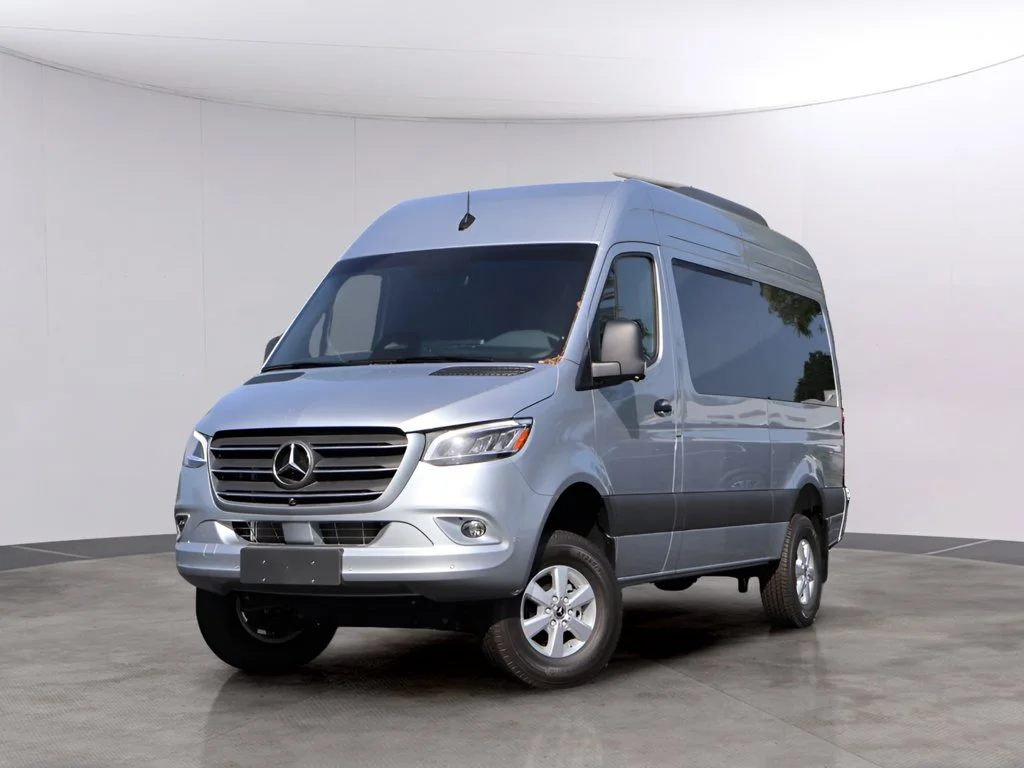
2. Mercedes-Benz Sprinter Passenger Van
The Mercedes-Benz Sprinter Passenger Van is a prominent option for organizations seeking a large passenger vehicle with a commercial foundation. Depending on the market and configuration, passenger versions have offered seating for up to 15 people in the United States, including the driver.
Its availability in different lengths and roof heights allows operators to select a version suited to school transportation, hotel transfers, group travel, or private shuttle services. As with the Transit, seating figures are configuration-specific, so buyers must distinguish the passenger model from cargo versions and from vehicles converted after leaving the factory.
A major consideration with the Sprinter is interior space. Its tall-body versions can make entry and movement inside the cabin more convenient, especially when passengers are boarding frequently throughout the day. The precise amount of headroom, however, depends on the model and roof design. Seat spacing and aisle access also vary with the installed layout.
Organizations that carry older adults, children, or passengers with mobility needs should assess the ease of getting in and out, the height of the entry step, and the availability of suitable accessibility equipment before choosing a vehicle.
The Sprinter’s broad commercial applications make it relevant to businesses that need a dependable passenger transport platform. Tour companies may value the ability to carry a group in one vehicle, while hotels and transportation contractors may prioritize frequent-stop convenience and luggage arrangements.
A high-capacity configuration can reduce the number of vehicles required for certain trips, but the total operating benefit depends on passenger demand, fuel consumption, maintenance, insurance, and local operating restrictions. Businesses should calculate costs using their expected annual mileage rather than relying solely on the vehicle’s purchase price.
Safety equipment and driver ergonomics deserve close attention when evaluating a Sprinter. Available features can differ substantially by model year, trim, and market, so buyers should not assume that every used example has the same systems. Inspect the condition of seat belts, seat mounts, tires, brakes, doors, and emergency exits where fitted.
For commercial fleets, a documented maintenance history and an inspection by a qualified technician are important. A passenger van carrying a full group places different demands on tires and brakes than a lightly loaded vehicle used for occasional family travel.
The Mercedes-Benz Sprinter is worth considering when the priority is a spacious, professionally oriented passenger van with multiple body and seating possibilities. Its suitability depends on the exact build, the operator’s budget, and the availability of service support in the region.
Before purchase, confirm the approved seating capacity and gross vehicle weight rating, then calculate how passengers, luggage, and equipment affect the allowable load. A well-selected Sprinter can serve demanding transport needs, but the highest-capacity layout is only appropriate when it meets the group’s comfort, safety, and cargo requirements.
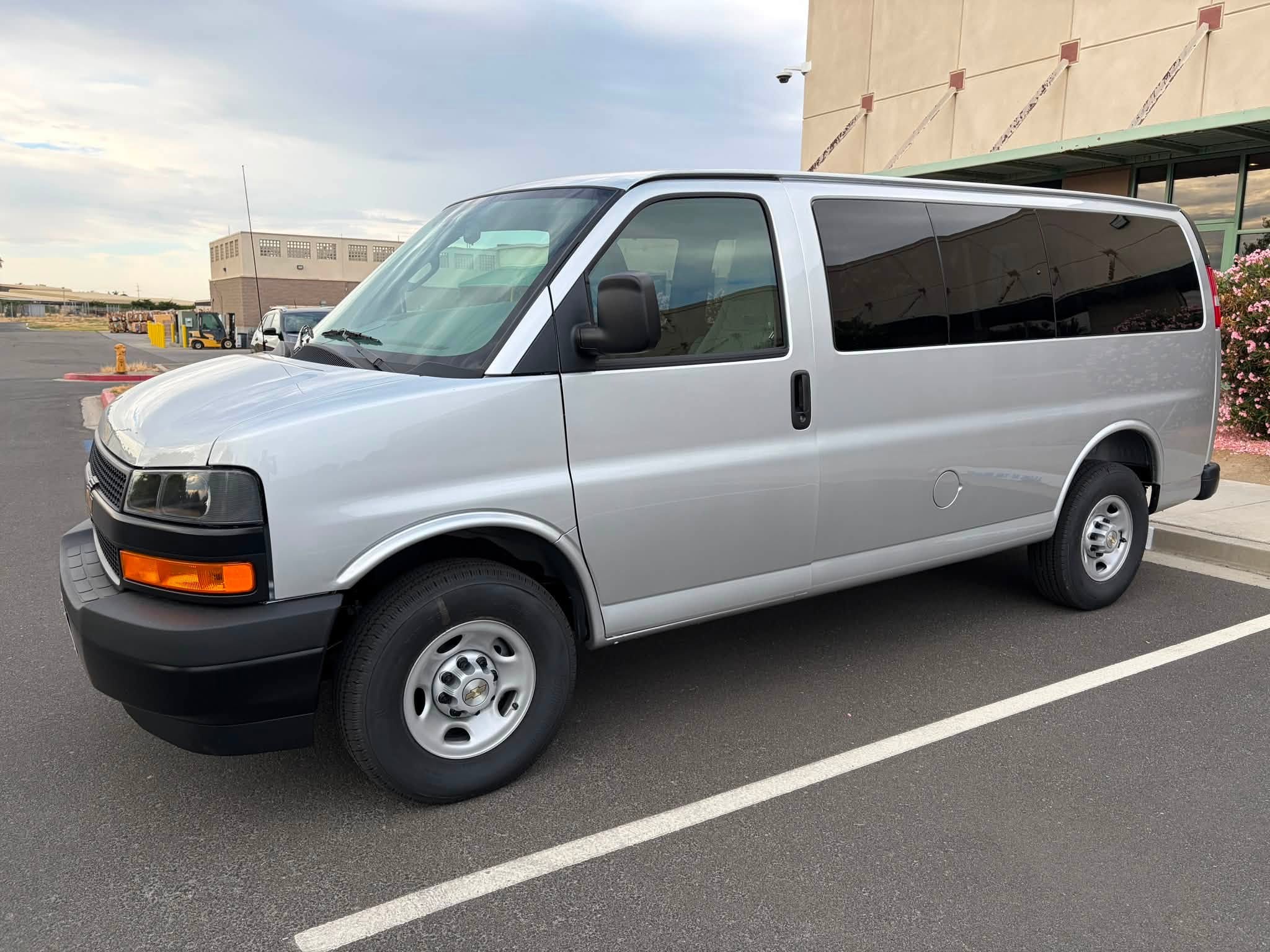
3. Chevrolet Express Passenger Van
The Chevrolet Express Passenger Van is a traditional full-size American van that has served families, businesses, and transportation providers for decades. Certain passenger configurations have offered seating for up to 15 occupants, including the driver, making the Express a relevant choice for anyone seeking a factory-built vehicle with a high seating capacity.
Its straightforward design appeals to organizations that prioritize practical transportation over the styling and features associated with newer passenger vehicles. Buyers should verify the precise seating arrangement by model year and trim, since capacity is not identical across every version.
The Express is built around a conventional van layout, with a large cabin and multiple rows of seating. This arrangement suits group transport, community activities, staff shuttles, and other journeys where keeping everyone in one vehicle is useful.
The longer passenger versions generally provide more space for the seating layout than shorter models, but additional seats can reduce the area available for luggage. A full group travelling to an airport or sporting event may need a separate luggage solution, particularly when every passenger brings a large suitcase or equipment bag.
A key advantage of the Chevrolet Express is its familiar commercial-vehicle design. Businesses that already maintain work vans may find its general layout easier to incorporate into an existing fleet. Parts availability and service access depend on the location, age of the vehicle, and powertrain, so local support should be checked before purchasing.
Used examples can vary widely in condition because some have served demanding commercial duties for years, while others have accumulated mileage through less intensive use. A detailed service history helps buyers understand how the vehicle has been maintained.
Comfort should be assessed with the same care as seating capacity. The Express does not provide the same cabin architecture as every modern high-roof van, and interior space can feel different depending on passenger height, seat position, and the number of occupied rows.
During a test drive, check visibility, climate control performance, door operation, and the ease of reaching rear seats. For regular long-distance journeys, pay particular attention to seating support, cabin noise, and ventilation throughout the passenger area. These practical details can influence the experience of a full group more than exterior appearance.
The Chevrolet Express Passenger Van remains a useful candidate for buyers who want a large, conventional van rather than a minibus. Its factory seating capacity, however, must be confirmed for the specific vehicle, and buyers should not assume that every Express sold under the same model name seats fifteen.
Check the certification label, seat-belt installation, vehicle weight limits, and applicable passenger-transport rules. For a business, school, or organization, the right example is one that offers the necessary seats while retaining sufficient capacity for occupants and cargo within its approved weight limits.
4. GMC Savana Passenger Van
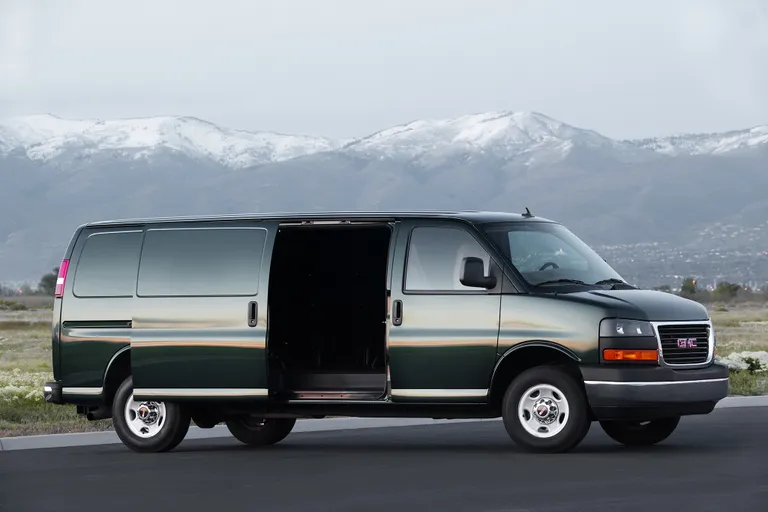
The GMC Savana Passenger Van is closely related to the Chevrolet Express and offers a similar approach to large-group transportation.
Depending on model year and configuration, certain Savana passenger models have accommodated up to 15 occupants, including the driver. This capacity makes the van relevant to commercial shuttle services, community organizations, extended families, and businesses that move employees between locations.
Since the Savana and Express share much of their underlying design, buyers should compare their exact equipment, condition, price, and service history rather than assume that the badge alone indicates a major difference in passenger capability.
The Savana’s full-size body provides the space needed for multiple rows of factory seating. Its passenger layout can work well for short urban trips, scheduled shuttles, and longer group journeys, provided the seating arrangement suits the intended occupants.
Door access, rear-row entry, and the amount of space remaining behind the seats all deserve attention. Operators who regularly carry luggage, tools, sports equipment, or event supplies should test the vehicle with a realistic load. A fifteen-seat specification describes the available seating, not the amount of baggage that can be carried alongside a full passenger load.
For fleet buyers, the Savana’s familiar commercial format can simplify vehicle planning. Companies may find it easier to compare operating requirements against other full-size vans already in their fleet, particularly when their mechanics and service providers know this type of platform.
Yet maintenance needs depend on mileage, usage, age, and the individual vehicle’s mechanical condition. Before purchasing a used Savana, arrange an inspection of the drivetrain, cooling system, suspension, steering, brakes, tires, and underbody. Vehicles used for constant stop-and-go shuttle duties may show different wear patterns from vans used mainly for occasional group trips.
The passenger experience depends on more than the number of installed seats. Rear climate control, seat-belt condition, interior cleanliness, and convenient boarding can make a substantial difference to daily operations. Buyers should inspect each row instead of evaluating the van from the front cabin alone.
Ask whether the vehicle’s original seating remains in place and whether any modifications have been approved and documented. Any missing seat belts, damaged seat anchors, or questionable changes to the interior should be addressed before the vehicle carries passengers.
The GMC Savana Passenger Van is a sensible option for organizations seeking a high-capacity van with a conventional design and a substantial history in commercial transportation. Its strengths are most relevant when the seating layout, purchase price, service access, and cargo requirements align with the operator’s needs.
Verify the specific model’s factory capacity, legal passenger classification, and permitted weight before committing to a purchase. A properly maintained Savana can be a practical transport asset, but buyers should compare real operating costs and interior usability rather than selecting a vehicle solely because it advertises fifteen seats.
5. Toyota HiAce Minibus
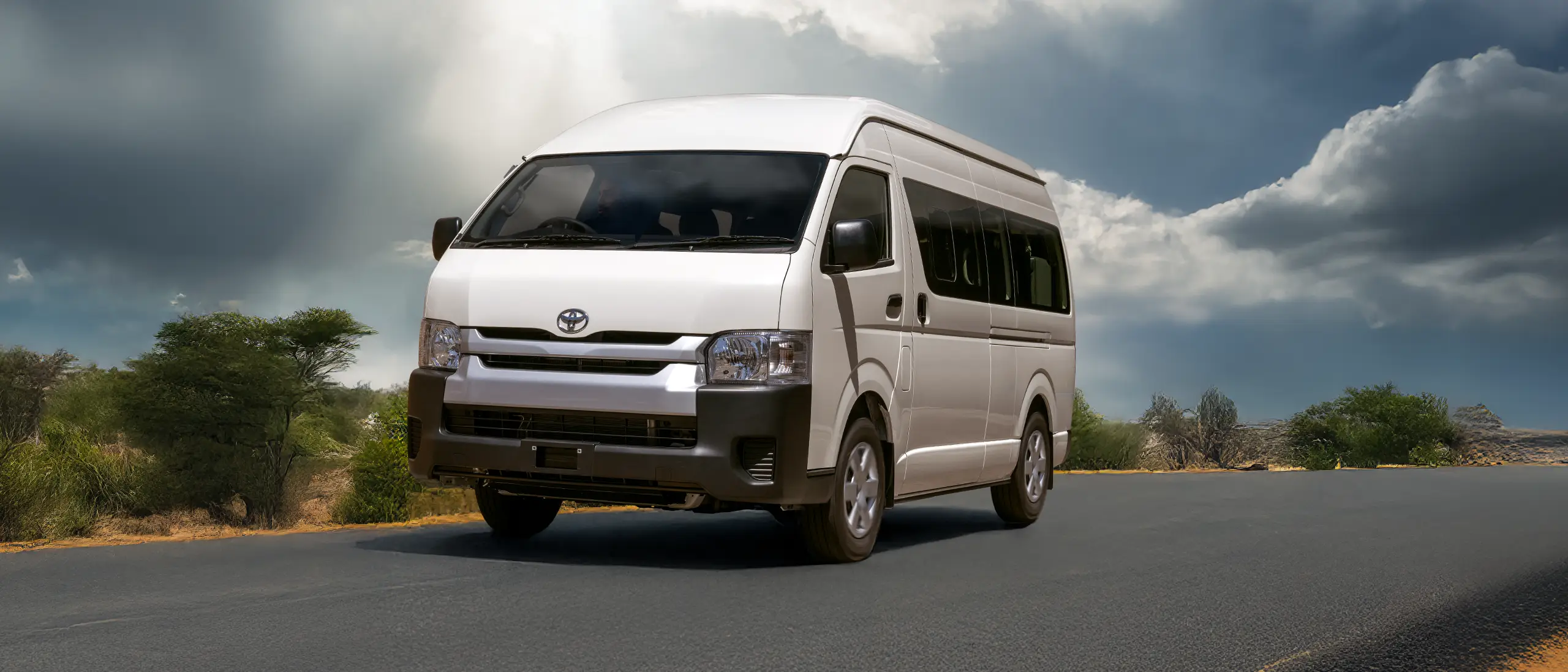
The Toyota HiAce is a long-running commercial van nameplate with passenger-oriented versions sold in numerous international markets. Depending on the generation, body style, and country, certain HiAce variants have been offered with seating for twelve or more people.
This makes it relevant to buyers in regions where passenger minibuses are common for school transport, tourism, hotel transfers, and shared transportation. However, the HiAce is not available with the same seating specifications everywhere. Buyers must distinguish a factory-built passenger version from a cargo model that has been modified by a local conversion company.
Passenger capacity is closely linked to the HiAce generation and the type of body sold in the relevant market. Some versions prioritize compact dimensions for urban use, while longer passenger configurations provide room for additional seating. The arrangement of seats, doors, and luggage space can vary significantly between versions.
A twelve-seat model may be suitable for a family or small tour operator, while a larger minibus configuration may better serve organizations carrying groups throughout the day. Checking the manufacturer’s specifications for the exact country and model year is essential before comparing seating numbers.
The HiAce has established a strong presence in commercial transportation in many countries, particularly where vans and minibuses support tourism and local passenger services. Its usefulness comes from the combination of a van-style body, multiple passenger configurations, and suitability for regular transport duties.
Operators should consider the routes on which the vehicle will work. Narrow streets, tight parking areas, steep roads, and frequent passenger stops can influence the choice between a smaller passenger van and a longer minibus. A higher seat count can be helpful, but only if the vehicle remains appropriate for its operating environment.
For people travelling in a HiAce, the quality of the seating layout matters as much as the advertised capacity. Buyers should examine legroom, headroom, ventilation, entry steps, seat-belt availability, and access to the rear rows. Luggage capacity is particularly important for airport transfers and tourist services, where each occupant may bring a suitcase.
Some passenger models devote much of the interior to seats, leaving limited room for bulky bags. Operators may need to choose a different factory layout or arrange a separate luggage vehicle when passenger comfort and baggage capacity are equally important.
The Toyota HiAce deserves a place on the shortlist for international buyers seeking a passenger van or minibus that can accommodate twelve or more people in selected factory configurations. Its exact suitability depends on local availability, official seating specifications, and the quality of the support network.
Before purchasing, verify the original equipment, the approved number of occupants, and the vehicle’s weight limits. Also check whether local regulations classify the vehicle as a passenger van, minibus, or commercial passenger vehicle, since licensing and inspection requirements may differ by category.
6. Iveco Daily Minibus
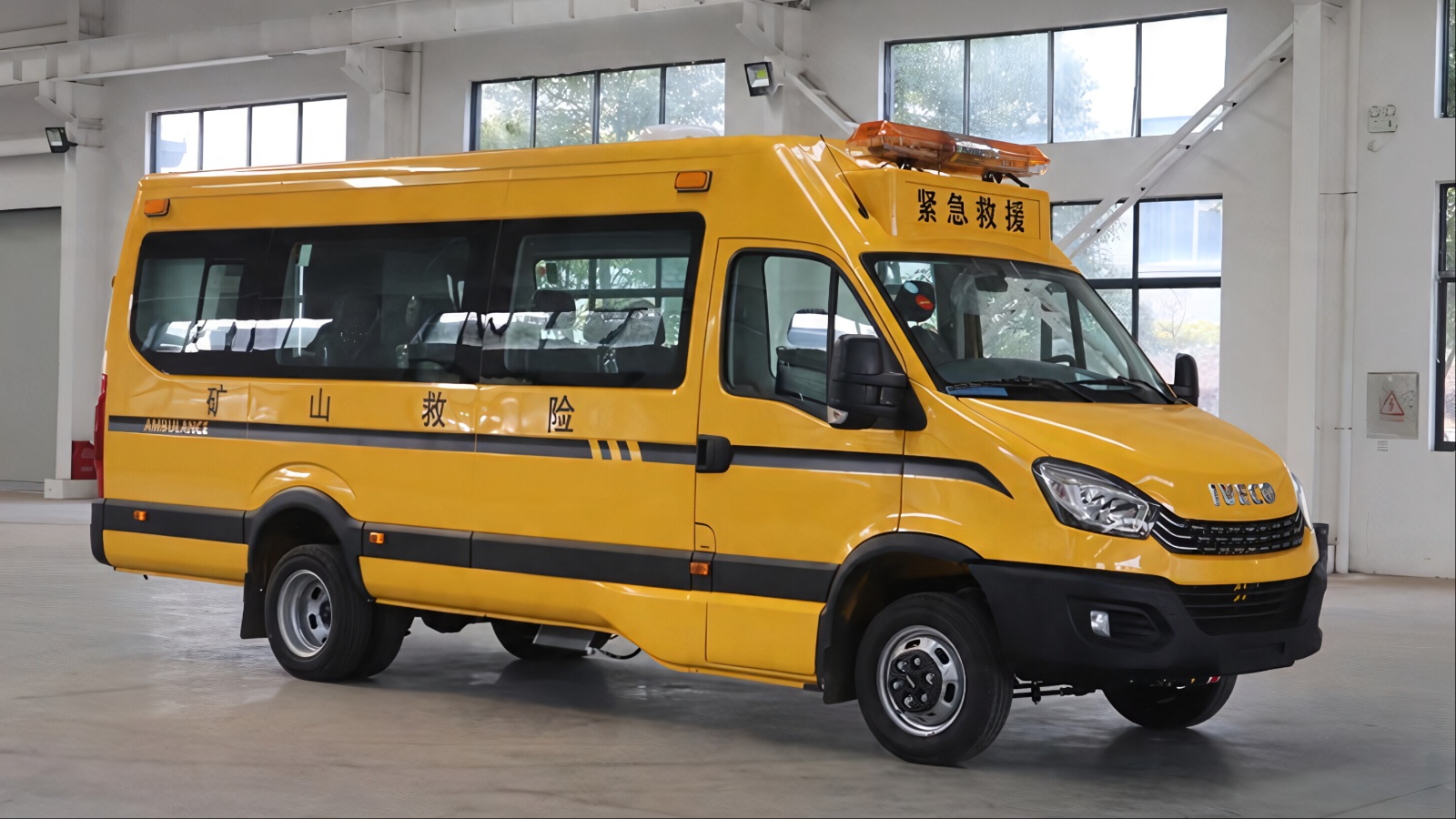
The Iveco Daily is a commercial vehicle platform available in passenger-oriented minibus forms in various markets. Depending on the body configuration and local specification, Daily minibuses can accommodate well over twelve people, making them relevant to professional passenger transport and larger group operations.
The platform is used for a variety of commercial applications, and passenger versions can be supplied with seating arrangements suited to shuttle services, tourism, institutional transport, and other organized travel.
Buyers should check the actual factory specification because the name Daily covers several vehicle types rather than a single fixed passenger configuration.
A key feature of the Daily platform is its range of body sizes and commercial configurations. Depending on the market, passenger models may be based on different lengths, roof heights, and vehicle weight categories. These variations affect both the available seating layout and the space remaining for luggage.
A longer minibus may accommodate a larger group, but its dimensions can make it harder to manoeuvre in confined areas. Operators should assess the roads, parking facilities, passenger demand, and baggage requirements of their regular routes before selecting a particular configuration.
The Daily minibus is especially relevant to organizations that transport people as a regular business activity. Tour operators may need seating for groups travelling between hotels and attractions, while companies may use minibuses for employee transportation.
Educational institutions and community organizations may also consider vehicles in this category, subject to local regulations and the vehicle’s approved use. When comparing options, buyers should evaluate purchase costs alongside fuel consumption, scheduled servicing, tire replacement, insurance, and downtime.
The most suitable model is the one that can handle the expected workload without creating unnecessary operating expenses.
Passenger comfort should be assessed carefully because a high-capacity minibus may spend long periods on the road. The spacing between seats, accessibility of the rear rows, ventilation, air conditioning, and the condition of interior fittings all affect the passenger experience.
For longer journeys, operators should also consider luggage storage, overhead space where fitted, and access for passengers who may have difficulty climbing steps. Safety equipment and emergency-exit arrangements depend on the specific vehicle and its approval category, so they should be checked against local passenger-transport requirements.
The Iveco Daily Minibus is a strong candidate for buyers who need more capacity than a conventional passenger van can provide. Its suitability depends on whether a factory-built version with the required number of seats is available in the buyer’s market and whether the operator can accommodate its dimensions and running costs.
Confirm the manufacturer’s seating specification, vehicle classification, gross vehicle weight rating, and any restrictions associated with commercial passenger service. For organizations moving large groups regularly, these checks help determine whether a Daily minibus is a practical long-term investment rather than simply a vehicle with an impressive seat count.
