
Buying a used Subaru with more than 100,000 miles can be a smart decision for drivers seeking all-wheel drive, everyday comfort, and practical performance without paying new-car prices. However, long-term ownership costs deserve careful attention before making a purchase.
RepairPal provides useful annual repair and maintenance estimates that help shoppers compare different Subaru models. These figures offer a starting point for understanding potential expenses, but they do not predict the exact cost of maintaining a high-mileage vehicle.
This guide examines ten Subaru models, their estimated annual costs, important mechanical considerations, and practical tips for choosing wisely.
1. Subaru Crosstrek: $492 Average Annual Repair Cost
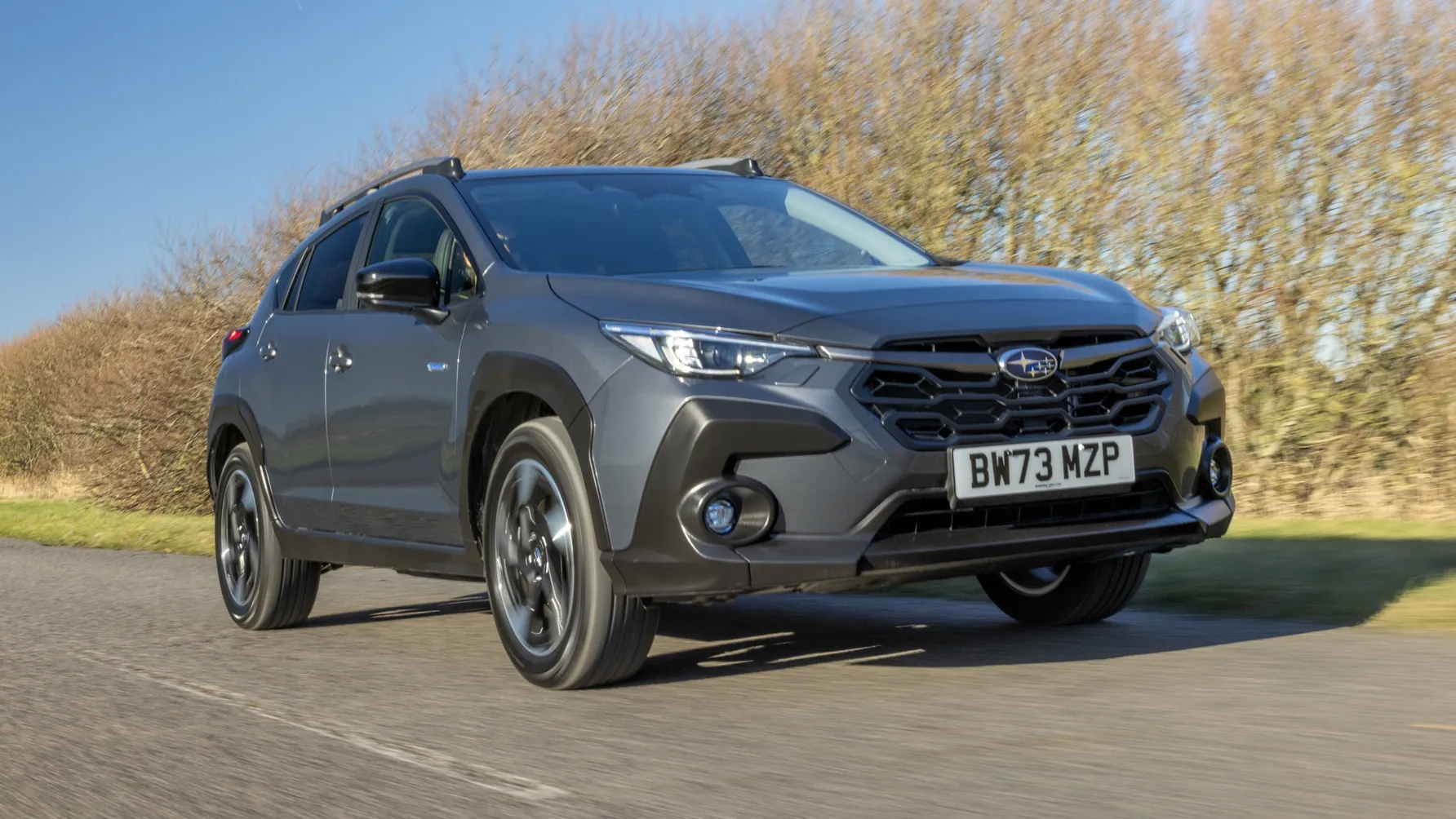
The Subaru Crosstrek is a strong starting point for shoppers who want a compact vehicle with useful ground clearance and standard all-wheel drive on many model years. RepairPal lists its average annual repair cost at $492, below the average of $652 for all vehicle models.
The published estimate also sits below the compact SUV average of $521. These figures make the Crosstrek a promising option for cost-conscious drivers, though a specific vehicle’s maintenance history still determines its likely expenses.
At higher mileage, buyers should check the engine, transmission, suspension, steering, and cooling system carefully. A test drive should reveal smooth acceleration, predictable braking, and no unusual vibrations or warning lights.
Listen for wheel-bearing noise and inspect the tires for uneven wear, which can indicate alignment or suspension problems. Since Subaru’s all-wheel-drive system depends on compatible tire circumference, mismatched tire sizes or significantly different tread depths deserve attention before purchase.
The Crosstrek’s practical dimensions make it suitable for commuting, weekend trips, and light outdoor use. Its raised ride height helps on rougher roads, while its compact footprint makes parking easier than in larger SUVs.
Running costs also depend on the selected engine and transmission, the age of the vehicle, and local labor rates. Buyers should compare the equipment and mechanical condition of individual examples rather than assuming that every Crosstrek will have identical maintenance needs.
A vehicle inspection should include a review of service invoices, fluid condition, brake wear, underbody corrosion, and evidence of previous collision repairs.
Ask whether recommended services have been completed and whether any warning lights have recently been cleared. A seller who can document regular maintenance provides a clearer picture of the vehicle’s past. If the service history is incomplete, budget for a more detailed inspection and the possibility of immediate maintenance after taking ownership.
For shoppers prioritizing a lower published annual repair estimate, the Crosstrek deserves serious consideration. Its $492 figure is the lowest among the models in this article with the listed current RepairPal annual estimates.
That does not mean every example will be inexpensive after 100,000 miles, but it offers a useful starting point for comparison. Choose a well-maintained vehicle, verify its condition with an independent mechanic, and set aside money for age-related repairs.
2. Subaru Legacy: $563 Average Annual Repair Cost
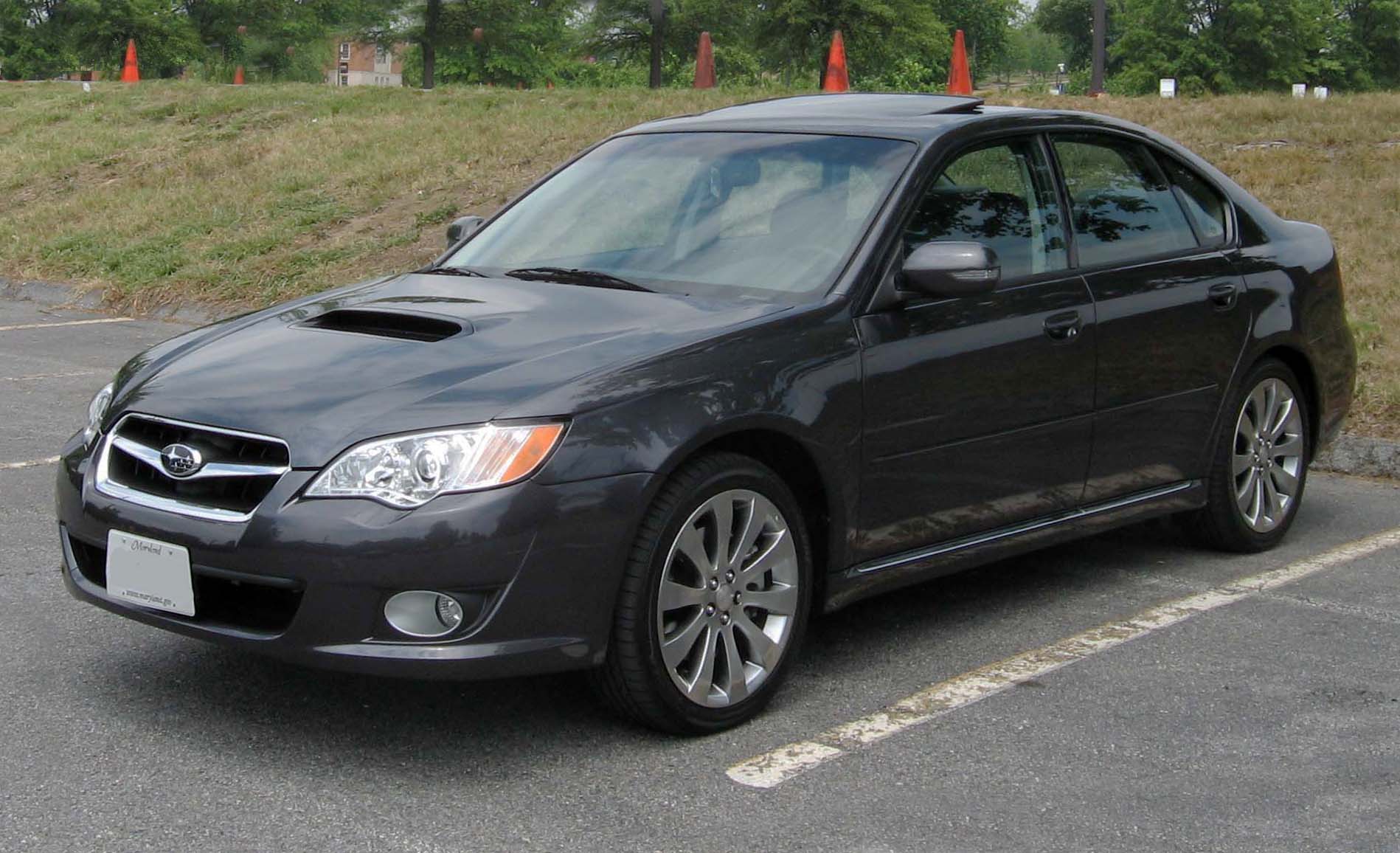
The Subaru Legacy is a midsize sedan designed for drivers who value a comfortable ride, a spacious cabin, and practical everyday transport.
RepairPal lists its average annual repair cost at $563, which is below the $617 Subaru brand average and the $652 average across all vehicle models. This estimate makes the Legacy worth considering for buyers who prefer a sedan over an SUV. However, the exact cost of maintaining a high-mileage example depends on its engine, model year, service record, and mechanical condition.
At 100,000 miles, inspect the cooling system, engine seals, suspension, brakes, and transmission operation. RepairPal identifies cooling-system problems associated with head-gasket failure among reported Legacy concerns.
This does not mean every Legacy will develop the problem, but it makes a careful inspection particularly valuable. Look for coolant loss, signs of overheating, unexplained fluid contamination, and evidence of previous engine repairs. A qualified mechanic can investigate concerns before they become expensive surprises.
The Legacy can appeal to commuters who spend long hours on highways and drivers who need a practical family sedan. Its relatively low stance compared with a crossover may make entry and exit comfortable for some people, while the cabin offers useful passenger space.
Many versions feature all-wheel drive, providing additional traction in suitable conditions. Buyers should confirm the drivetrain and equipment of the exact model year rather than assuming all examples have identical specifications.
A sensible purchase plan includes checking the maintenance schedule for the specific engine and transmission. Ask for records of oil changes, coolant service, spark plug replacement, brake work, and other required maintenance.
Inspect the tires for uneven wear and make sure the transmission responds smoothly during acceleration and deceleration. Warning lights, rough running, or signs of overheating should be investigated before money changes hands.
The Legacy’s $563 average annual repair estimate makes it a competitive candidate for buyers who want a conventional sedan with all-wheel-drive capability. Its real value, however, depends on the condition of the particular vehicle.
A carefully maintained example with a clean inspection report can make more financial sense than a cheaper car with unresolved mechanical issues. Compare several vehicles, review their service records, and calculate likely immediate maintenance costs before settling on a purchase.
3. Subaru Tribeca: $563 Average Annual Repair Cost
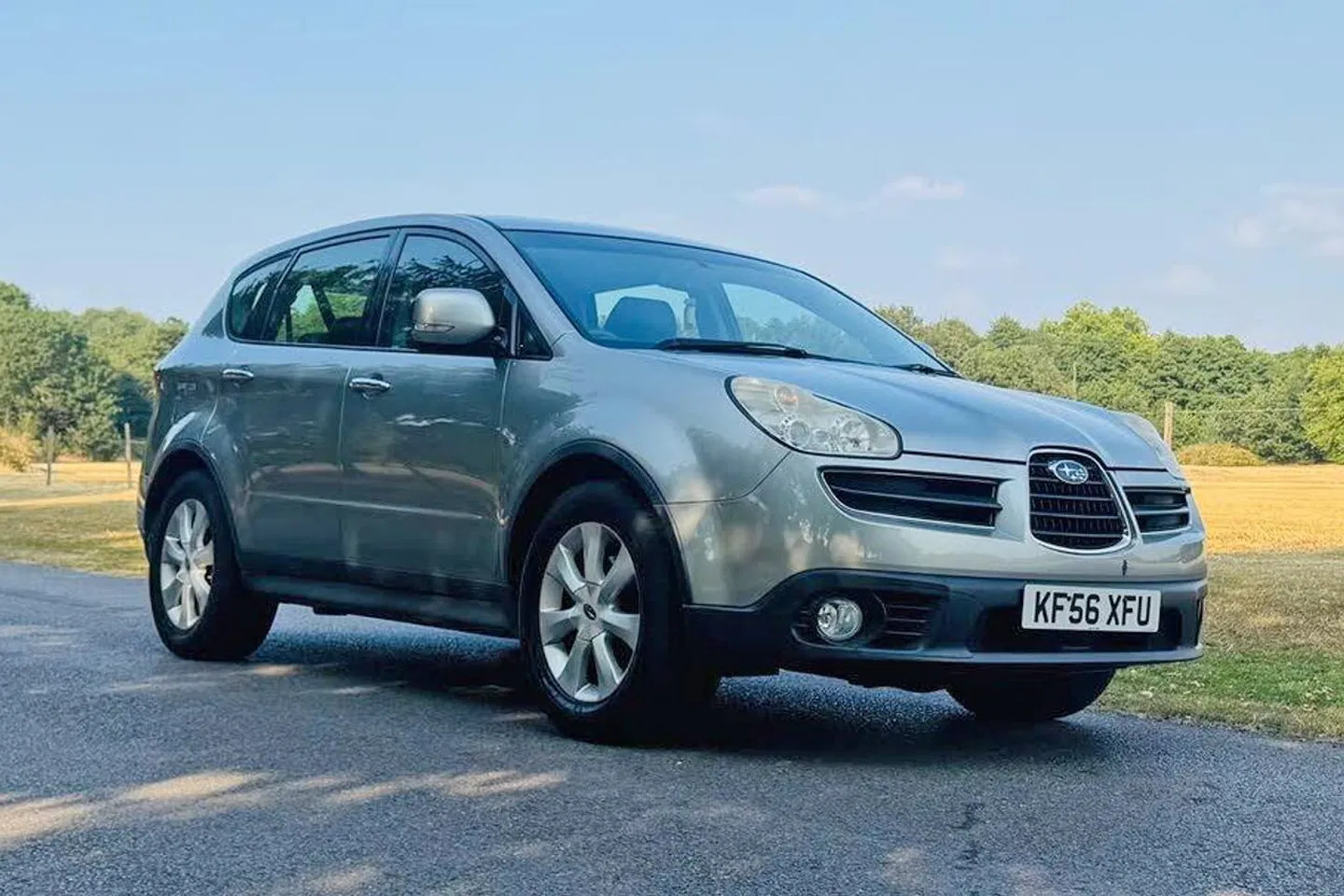
The Subaru Tribeca is an older midsize SUV that may interest shoppers looking for a used family vehicle at a lower purchase price.
RepairPal lists its average annual repair cost at $563, which is below the brand-wide estimate of $617. Its published figure is also below the vehicle average of $652. The Tribeca is no longer a current Subaru model, so age, parts availability in the buyer’s area, and the condition of each surviving example deserve close attention.
The biggest challenge with an older SUV is that its condition may matter more than its original specification. Rubber hoses, suspension bushings, engine seals, cooling system components, and electrical parts can deteriorate with time.
Inspect the underside for corrosion, check for fluid leaks, and listen for clunks over uneven roads. A professional inspection should also assess the transmission, steering system, air conditioning, and all-wheel-drive components where fitted.
The Tribeca offers a more substantial cabin than Subaru’s smaller cars and may suit families needing additional passenger room. Its size can be useful for highway journeys, shopping trips, and general daily transport.
Yet fuel consumption, tire replacement, and age-related repairs should be included in the ownership calculation. A lower used-car price does not automatically make an older SUV economical if it requires several repairs shortly after purchase.
Before buying, check whether the vehicle has been maintained consistently and whether the seller can provide invoices for major work. Ask about cooling-system repairs, transmission servicing, suspension replacements, and any recurring dashboard warnings.
Because older models can have limited service histories, a pre-purchase inspection is especially valuable. Confirm that essential parts are available locally and obtain estimates for any repairs the mechanic identifies.
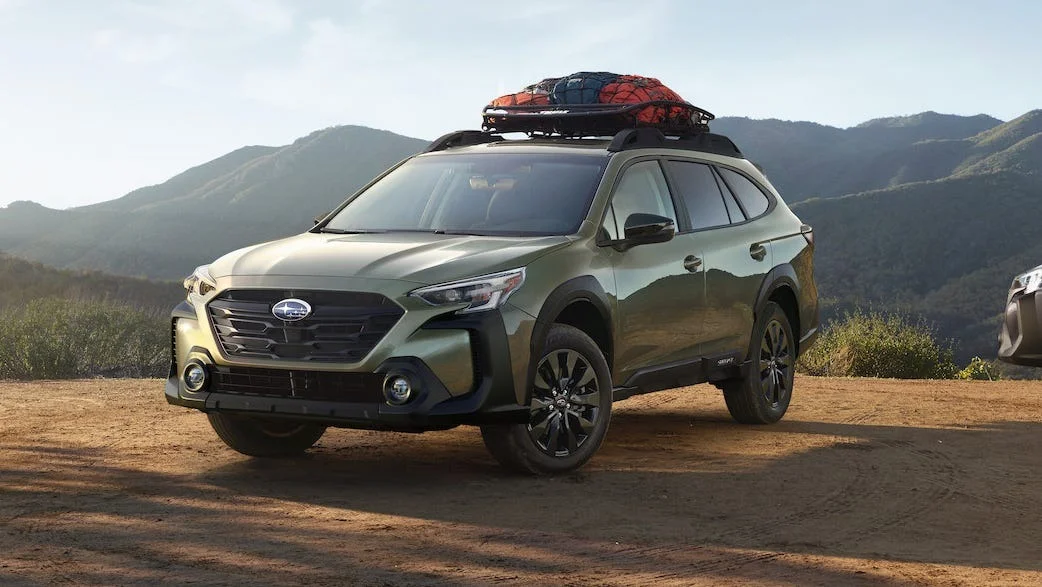
4. Subaru Outback: $607 Average Annual Repair Cost
The Subaru Outback combines the everyday practicality of a wagon with a raised ride height and useful cargo space. RepairPal lists its average annual repair cost at $607, slightly below the Subaru brand average of $617 and below the vehicle average of $652.
This makes it a relevant option for drivers who need more storage than a sedan provides. However, the Outback has been sold across many generations, so model year and mechanical configuration can make a significant difference.
A high-mileage Outback should receive a thorough inspection of its engine, transmission, cooling system, suspension, and all-wheel-drive components. RepairPal lists vibration or shudder during acceleration among reported Outback problems, along with cooling-system concerns associated with head-gasket failure.
These reports are reasons to investigate the vehicle carefully, not evidence that every model suffers from the same faults. A road test and inspection by a Subaru-experienced mechanic can help identify signs of trouble.
The Outback’s spacious interior and adaptable cargo area make it useful for families, road trips, pets, and outdoor equipment. Its ground clearance can help on gravel roads and uneven driveways, while all-wheel drive offers traction advantages in appropriate conditions.
The trade-off is that a larger vehicle may need more expensive tires than a compact car, and suspension or drivetrain repairs can increase costs when components wear out.
Check the vehicle’s service records and look for evidence of regular oil changes, correct fluid servicing, brake maintenance, and timely replacement of worn parts.
Inspect the cargo area for signs of water intrusion and examine the underbody for rust or damage. During the test drive, pay attention to unusual noises, delayed gear engagement, vibration, or temperature changes. Have any symptoms diagnosed before negotiating the final price.
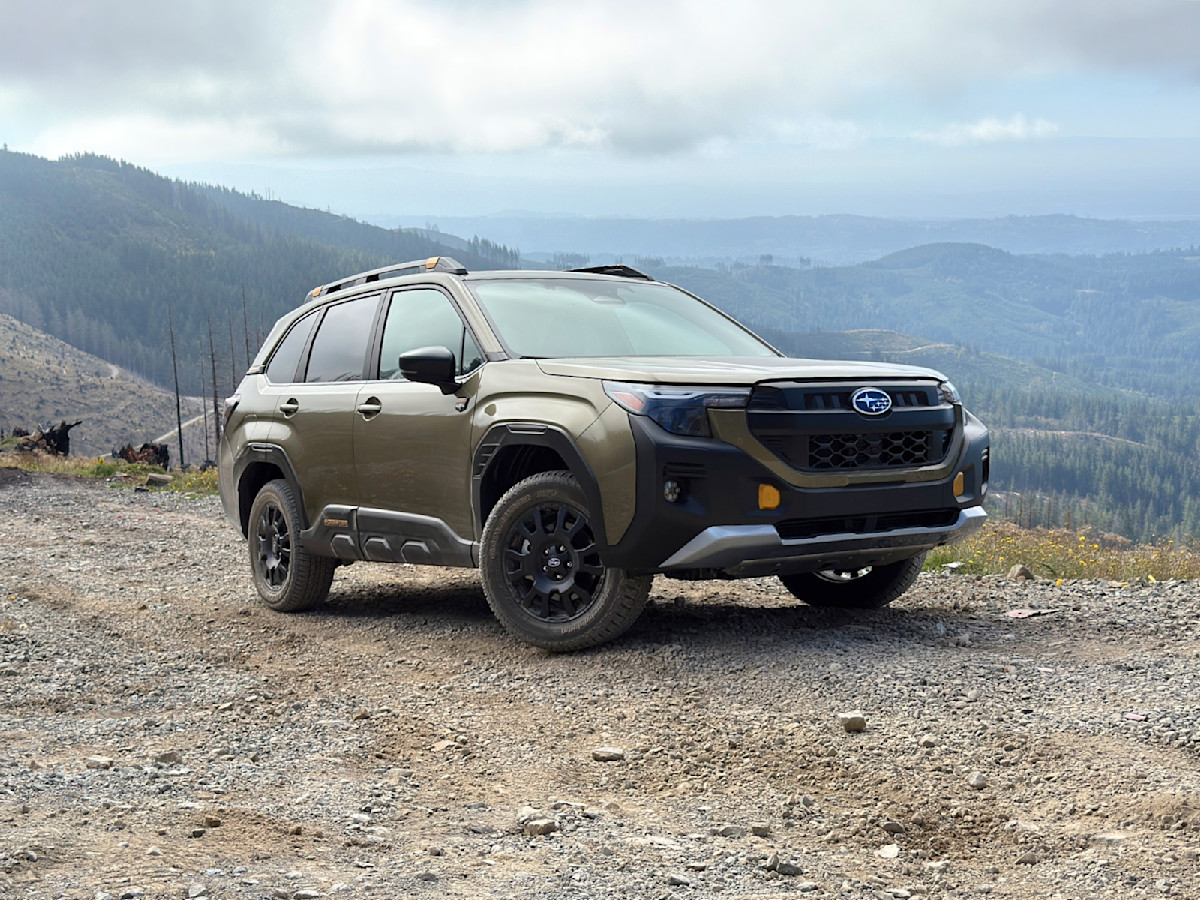
5. Subaru Forester: $632 Average Annual Repair Cost
The Subaru Forester is a compact SUV with an upright cabin, practical cargo capacity, and a driving position that many buyers find convenient. RepairPal lists its average annual repair cost at $632, a little above Subaru’s $617 brand average but below the $652 average across all vehicle models.
The estimate places the Forester near the middle of the brand’s cost range in this comparison. Buyers should assess the exact generation because engine, transmission, age, and maintenance history influence long-term expenses.
After 100,000 miles, inspect the engine for leaks, listen for abnormal noises, and check whether the cooling system maintains a stable operating temperature.
Examine the suspension for worn bushings, leaking dampers, and loose components. Transmission behavior deserves attention during both gentle and firm acceleration. A full diagnostic scan may identify stored faults that are not immediately obvious during a short test drive.
The Forester’s roomy cabin and useful visibility make it suitable for families, commuters, and people who regularly carry luggage or outdoor gear.
Its raised seating position can make access easier for many drivers, and the cargo area accommodates everyday shopping and larger items. Operating costs will vary according to tire choice, driving conditions, engine specification, and local labor rates. Regular servicing remains essential for keeping wear-related problems under control.
Before purchasing, request service invoices and verify that required maintenance has been performed at the appropriate intervals. Ask about previous engine, transmission, cooling-system, and suspension repairs.
Check for uneven tire wear, corrosion beneath the vehicle, and signs of poorly repaired accident damage. If a seller cannot explain a recurring warning light or refuses an independent inspection, consider other vehicles with clearer histories.
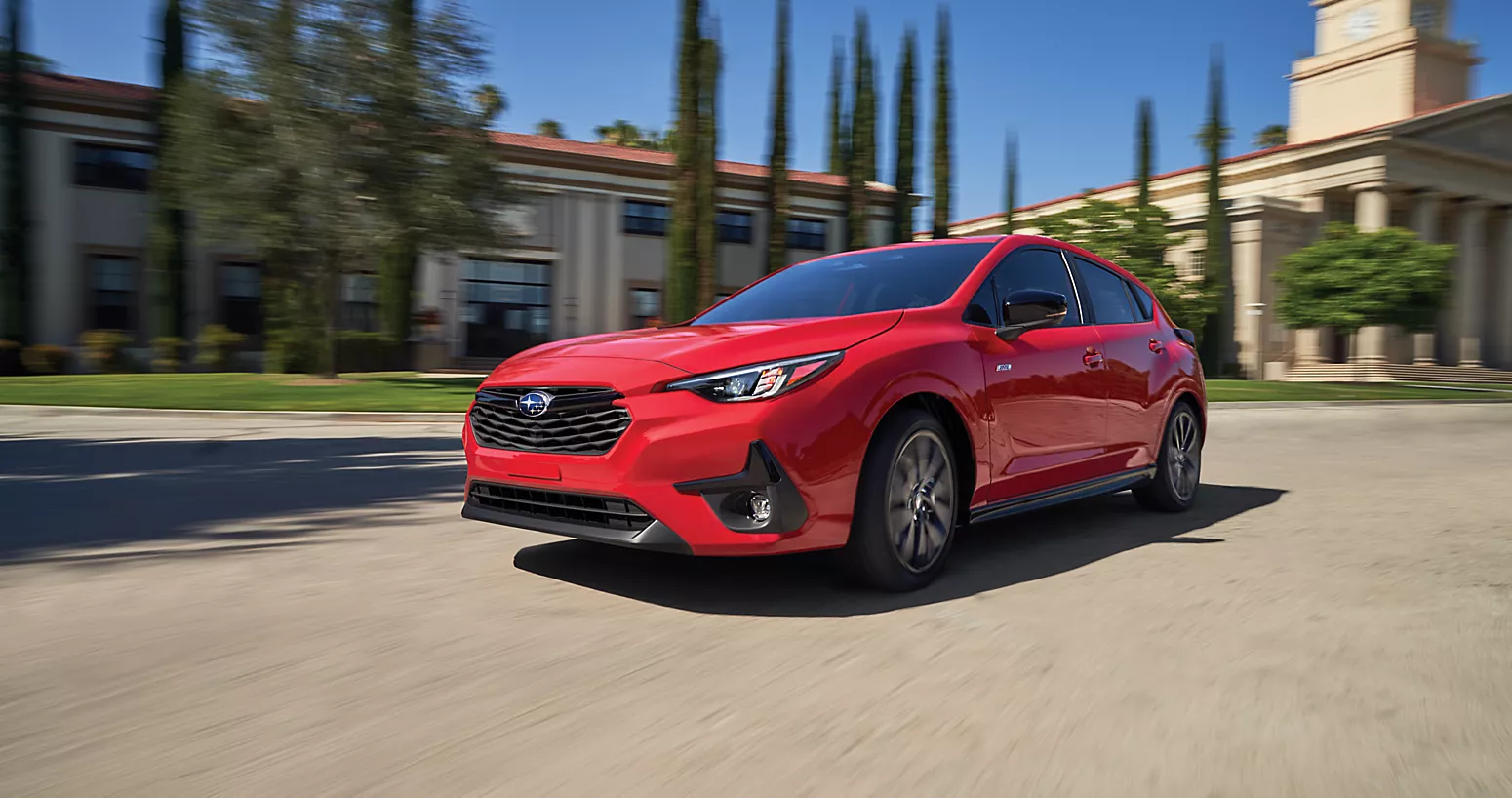
6. Subaru Impreza: $653 Average Annual Repair Cost
The Subaru Impreza is a compact car that offers everyday practicality in sedan and hatchback forms, depending on the model year.
RepairPal lists its average annual repair cost at $653, slightly above the Subaru brand average of $617 and close to the vehicle average of $652. Its compact size can make it convenient for commuting and urban driving, but its annual estimate shows why buyers should not assume a small car always has low repair expenses.
A high-mileage Impreza needs careful evaluation of the engine, transmission, brakes, suspension, wheel bearings, and electrical systems. RepairPal lists oxygen-sensor-related concerns among reported Subaru problems and also describes ignition and misfire issues for some Impreza applications.
The exact risks vary by year and configuration. A mechanic should scan the vehicle for diagnostic trouble codes and check whether previous repairs have resolved the underlying cause rather than merely clearing a warning light.
The Impreza can suit drivers who want a manageable footprint, useful passenger space, and a straightforward daily driver. Hatchback versions provide convenient cargo access, while sedan versions may appeal to buyers who prefer a separate trunk.
All-wheel drive is a feature on many model years, but shoppers should verify the drivetrain of the specific vehicle. Fuel economy, tire condition, and the price of replacement parts should also be included in the ownership budget.
Inspect the car for signs of neglect, including overdue maintenance, leaking fluids, uneven tire wear, worn brakes, and damaged suspension components.
Ask whether the spark plugs and other scheduled service items have been replaced when required. Check that the air conditioning, windows, lights, and dashboard systems function correctly. A detailed inspection is worthwhile because smaller electrical or mechanical problems can add up when several repairs are needed at the same time.
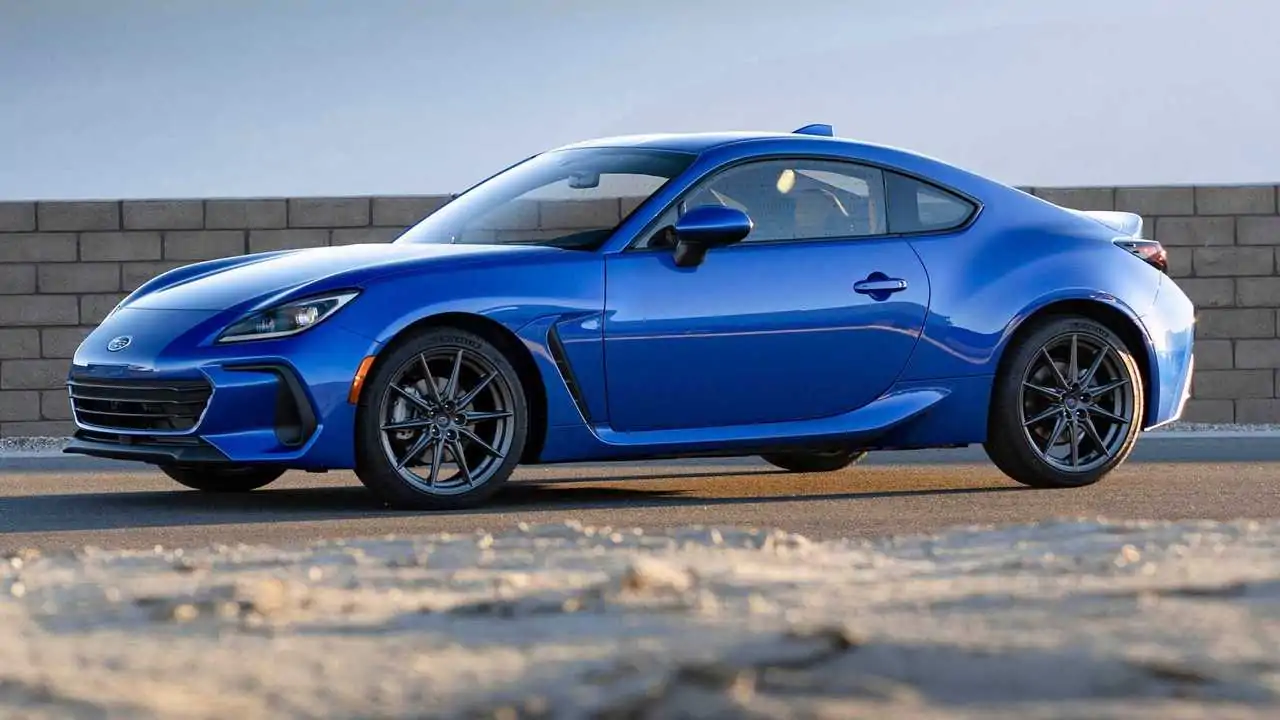
7. Subaru BRZ: $672 Average Annual Repair Cost
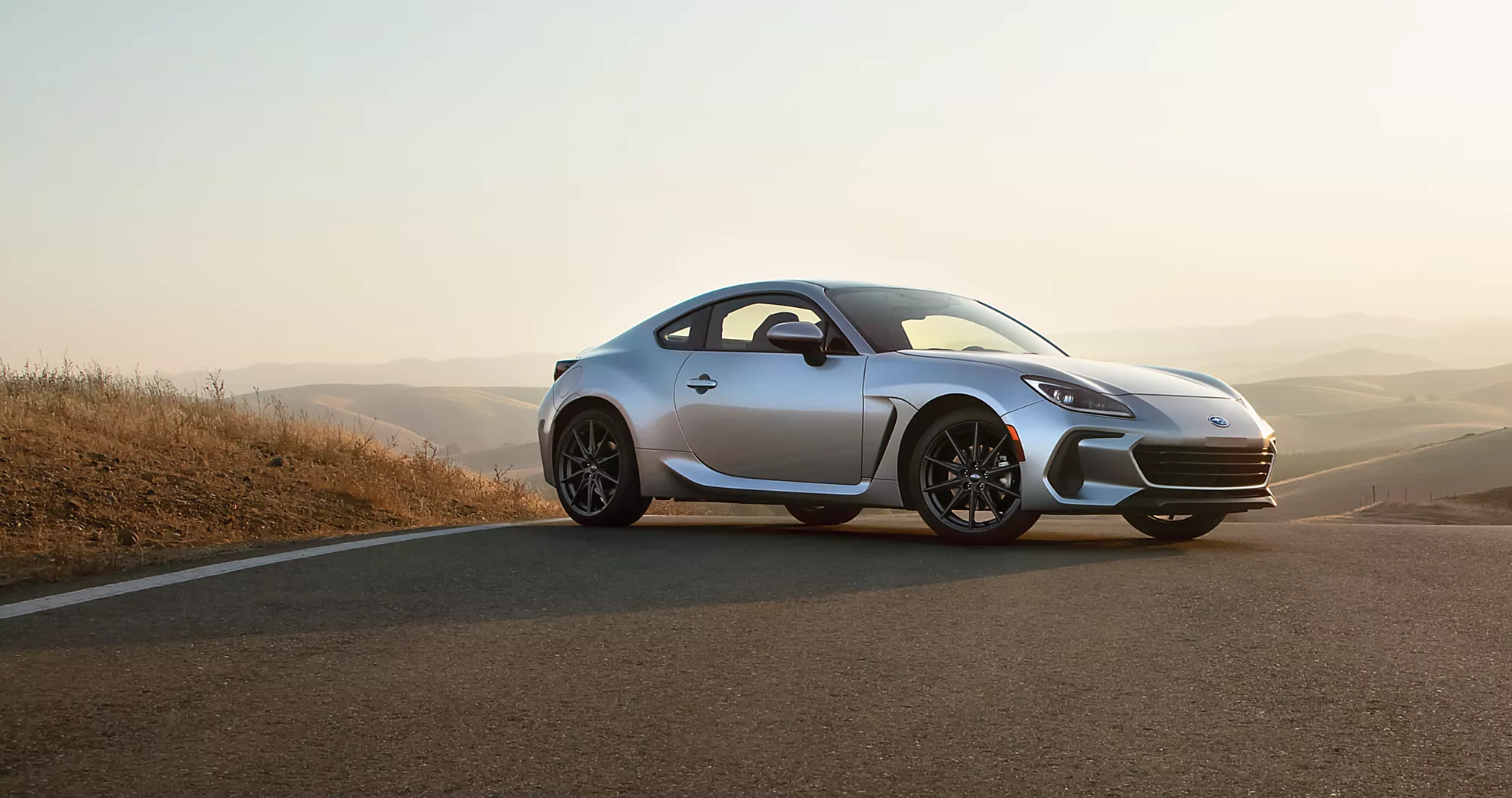
The Subaru BRZ is a compact rear-wheel-drive sports coupe aimed at drivers who value responsive handling and an engaging driving experience.
RepairPal lists its average annual repair cost at $672, above the Subaru brand average of $617 and the all-vehicle average of $652. This estimate does not make the BRZ automatically unsuitable for long-term ownership, but it suggests that budget-conscious shoppers should examine its condition and maintenance history carefully.
At higher mileage, the engine, cooling system, clutch on manual versions, transmission, suspension, and brakes should receive close attention.
Sports cars may have experienced harder driving than ordinary commuter vehicles, so inspect for signs of track use, modifications, accident repairs, and irregular maintenance. Look for uneven tire wear, damaged underbody panels, fluid leaks, and unusual engine noises. A pre-purchase inspection should assess whether modifications have been installed correctly.
The BRZ offers a different ownership proposition from Subaru’s practical sedans and SUVs. Its low seating position, compact cabin, and performance-focused setup prioritize driving enjoyment over cargo capacity and ground clearance.
Tire replacement and brake work may cost more if the vehicle has been driven aggressively or fitted with performance parts. Insurance premiums can also differ substantially by driver, location, and vehicle specification, so buyers should request quotes before committing.
Check for documented oil changes and any maintenance required by the specific model year. Ask whether the vehicle has been modified, whether original components are included, and whether any mechanical work has been completed by a qualified shop.
During the test drive, listen for drivetrain noise and assess clutch engagement, steering response, braking stability, and transmission operation. Have any signs of overheating, rough running, or vibration investigated before purchase.
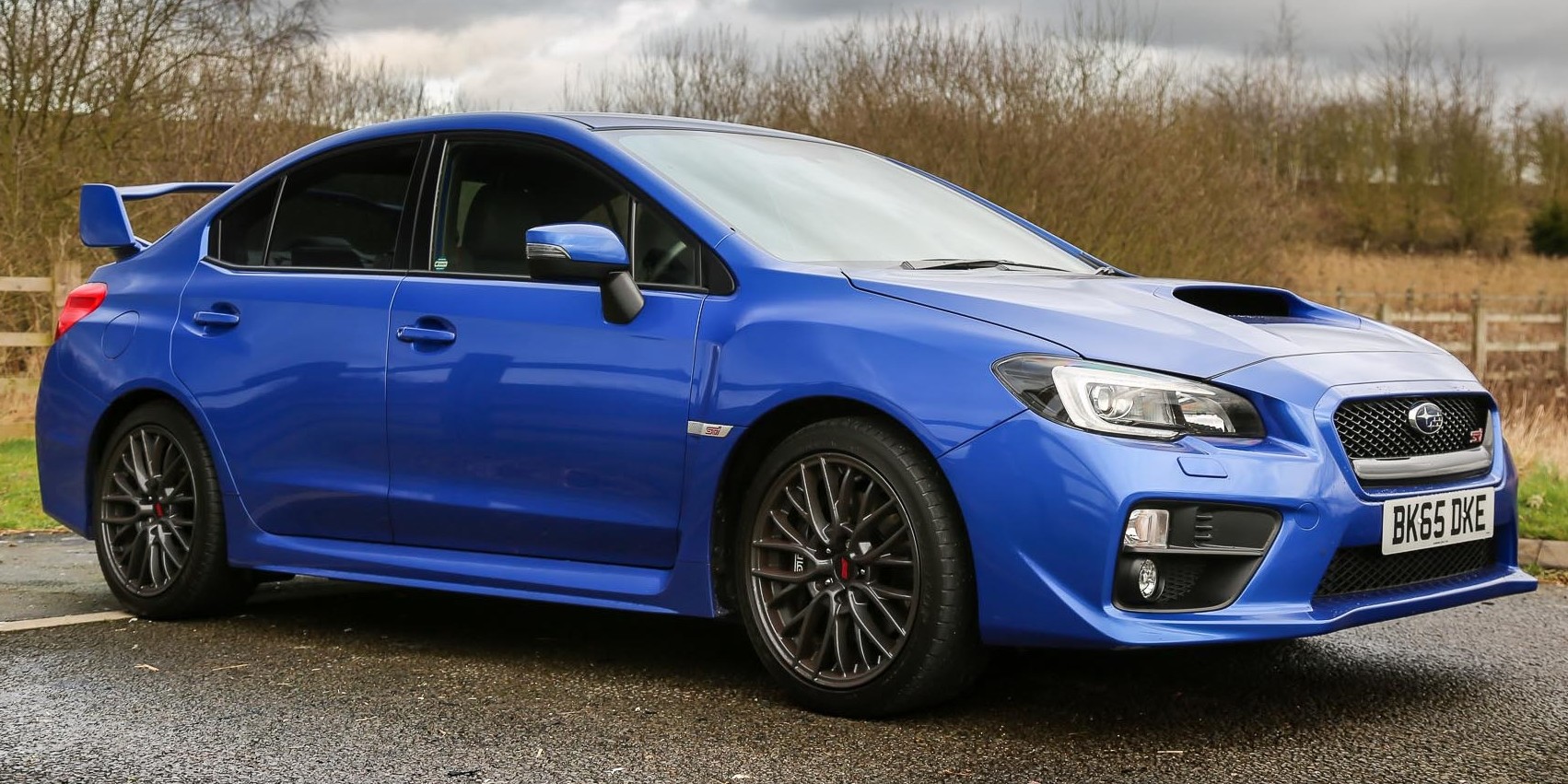
8. Subaru WRX: $682 Average Annual Repair Cost
The Subaru WRX is a performance-oriented sedan known for turbocharged power on many model years and a driver-focused character.
RepairPal lists its average annual repair cost at $682, higher than the Subaru average of $617 and the all-vehicle average of $652. Buyers considering a WRX with more than 100,000 miles should be particularly careful about maintenance documentation, modifications, and evidence of hard use. The cost estimate is a model-wide average, not a prediction for every WRX.
A high-mileage WRX deserves an inspection focused on engine health, turbocharger operation where fitted, cooling performance, transmission, clutch, suspension, and signs of oil leaks. Ask whether the engine computer has been tuned or whether aftermarket intake, exhaust, or boost-related components have been installed.
Poorly executed modifications can complicate diagnosis and affect reliability. A qualified mechanic should investigate abnormal smoke, knocking, misfires, boost irregularities, or signs of overheating.
The WRX can provide strong acceleration and confident handling for drivers who enjoy performance vehicles. Those qualities can come with additional expenses when the car has been driven aggressively or modified beyond its original specification.
Performance tires, brakes, clutch components, and other parts may need more frequent attention depending on driving style. Insurance costs, fuel requirements, and local repair labor rates should also be checked before choosing a high-mileage example.
Request detailed service records and ask about previous engine or transmission work. Check that oil changes have been performed regularly and that repairs associated with warning lights have been properly diagnosed.
A road test should include gentle acceleration, normal cruising, braking, and operation at different engine speeds without pushing an unfamiliar vehicle hard. Have a mechanic inspect the underside for leaks, damaged components, and signs of previous collision repairs.
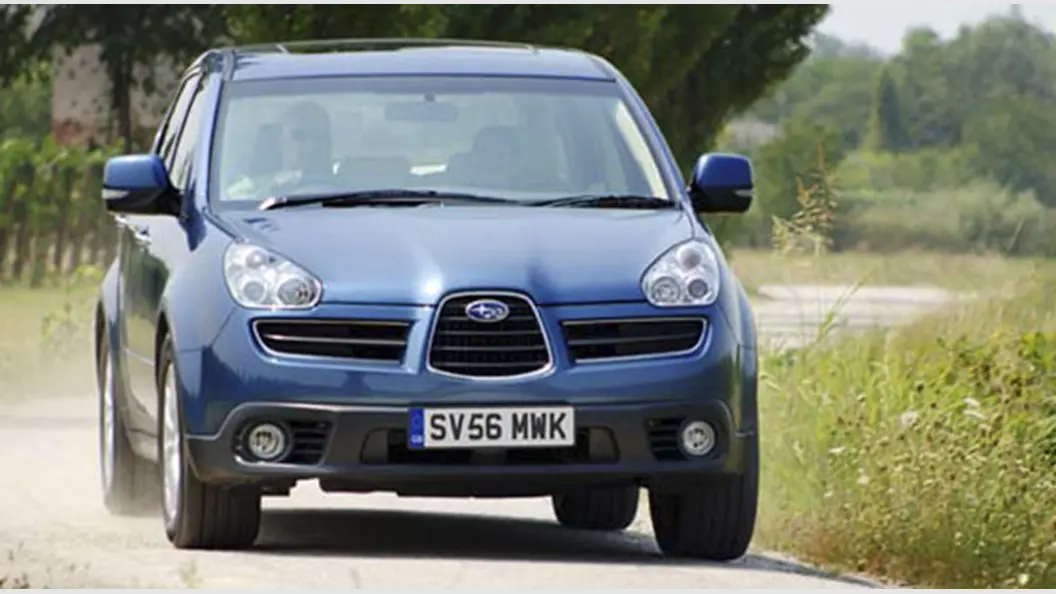
9. Subaru B9 Tribeca: $487 Average Annual Repair Cost
The Subaru B9 Tribeca is an earlier version of the Tribeca nameplate and is relevant to buyers researching older, used Subaru SUVs. RepairPal lists its average annual repair cost at $487, below the $617 Subaru brand average and the $652 vehicle average.
This figure is distinct from the $563 estimate listed for the later Tribeca model page. Buyers should confirm the exact model and year when comparing figures, since similarly named vehicles may have different published averages.
Age is a major consideration with an older SUV. Even if the engine and transmission appear to work well, rubber seals, hoses, electrical connectors, suspension components, and cooling-system parts may have deteriorated over time. Inspect for rust, fluid leaks, worn tires, and damaged underbody components.
A mechanic should test the vehicle thoroughly and check for stored diagnostic codes, especially when service records are incomplete or the car has spent years in a region with harsh winters.
The B9 Tribeca may appeal to shoppers seeking a roomy used vehicle at a lower initial price than a newer SUV. Cabin space, seating configuration, and cargo needs should be assessed in person because the vehicle’s age and design may not suit every household.
Fuel economy and the cost of maintaining an older vehicle can offset savings at purchase. Buyers should also confirm that local workshops can source suitable parts and perform repairs on the specific model.
Ask the seller for invoices covering routine servicing, cooling-system work, transmission maintenance, and suspension repairs. Check that the air conditioning works, all dashboard indicators function correctly, and the engine reaches a stable operating temperature.
Examine the interior for water damage and check whether electronic features operate as intended. If several repairs are overdue, obtain written estimates before negotiating the purchase price.
The B9 Tribeca’s $487 estimate is attractive on paper, but it should not be treated as proof that every surviving example will be inexpensive to own. A much older vehicle can face age-related repairs that are not captured by a simple average.
The best candidate is one with a strong maintenance history, limited corrosion, and a clean independent inspection. Consider total expected spending rather than focusing solely on the annual figure.
