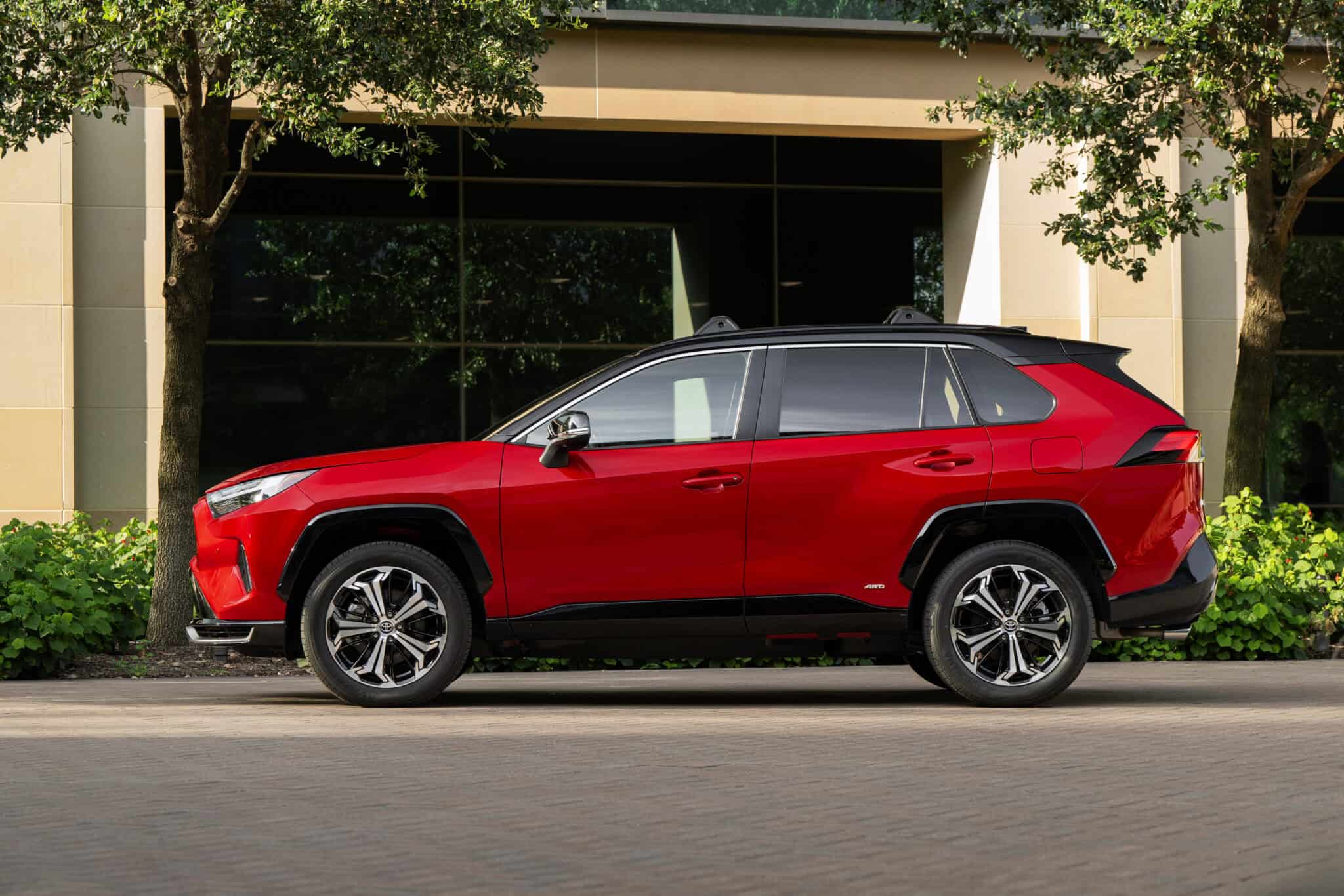
Toyota is recalling 30,978 model-year 2026 RAV4 Plug-in Hybrid SUVs in the United States because a software problem could cause the powertrain to lose drive power at higher speeds.
The recall, identified by the National Highway Traffic Safety Administration (NHTSA) as campaign 26V-659 and by Toyota as 26TA22, covers vehicles equipped with a specific version of motor-control software.
Toyota says dealers will correct the issue with a free software update, and owner notification letters are expected to begin November 22, 2026. The problem highlights the importance of electronic control systems in modern plug-in hybrids, where software helps coordinate electric motors and the gasoline engine.
Which RAV4 Plug-In Hybrids Are Affected?
The recall covers 30,978 model-year 2026 Toyota RAV4 Plug-in Hybrid vehicles in the U.S. The affected production period runs from July 22, 2025, through August 19, 2026, although not every vehicle built during that period is necessarily included.
Toyota says the recall applies to vehicles with a particular version of the motor generator electronic control unit software. The company has stated that other Toyota and Lexus models sold in the U.S. are not included in this campaign.
Owners should check their individual vehicle identification number (VIN) rather than assume that every 2026 RAV4 Plug-in Hybrid is affected. The VIN-specific lookup is available through Toyota’s recall website and NHTSA’s official recall database. A vehicle’s model year alone cannot confirm whether it falls within the recall.
The RAV4 Plug-in Hybrid combines a gasoline engine with electric propulsion and a rechargeable battery. Its control systems coordinate power delivery between the engine and electric motors, helping the SUV transition between operating modes. In this recall, the issue is linked to the electronic control unit responsible for managing the motor generators.
Toyota’s recall documentation identifies a potential initialization problem in the control unit. If the software does not complete its startup process correctly, the motor-control mode needed under certain higher-speed conditions may not be available.
The system can then enter a fail-safe mode or shut down, potentially causing a loss of motive power while the SUV is moving.
The issue is therefore not simply a reduction in electric driving range or a minor infotainment glitch. A powertrain shutdown at highway speed can create a dangerous situation, especially when surrounding traffic is moving quickly or following closely.
Why the Software Fault Creates a Safety Risk
Modern plug-in hybrids depend on electronic systems to coordinate the gasoline engine, electric motors, battery, and power electronics. These components must communicate correctly as driving conditions change. A software fault affecting one part of that coordination can prevent the powertrain from delivering propulsion as intended.
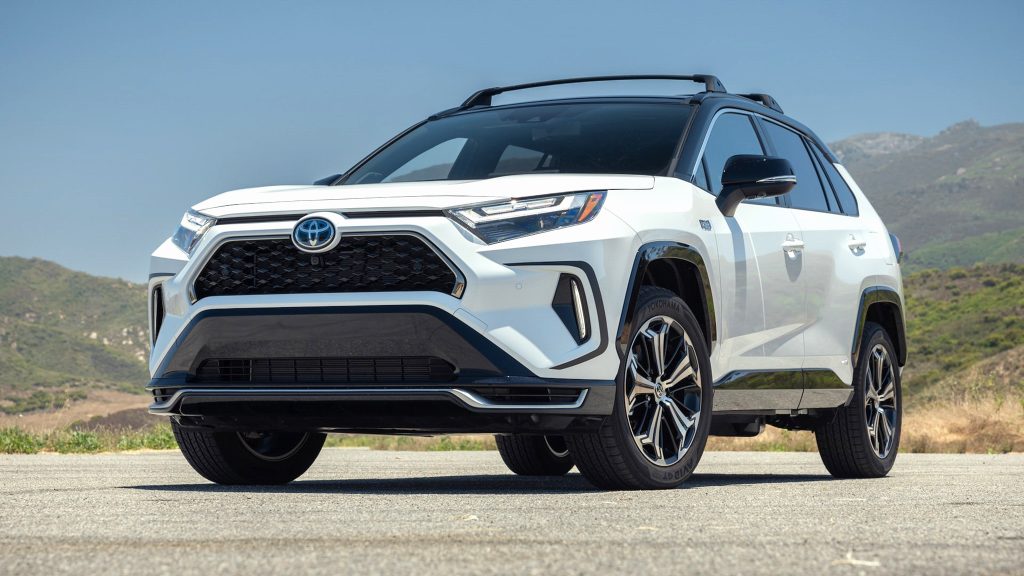
In the RAV4 Plug-in Hybrid recall, the motor generator control unit may fail to initialize correctly. According to the recall reporting, the control mode needed at higher speeds can become unavailable, prompting warning lights and a transition into fail-safe operation or a system shutdown.
A shutdown can leave the driver without propulsion while moving, increasing the risk of a collision.
Toyota’s investigation followed reports of warning lights and reduced vehicle operation. The company’s testing identified a possible failure during the rear motor’s startup process. Further testing involving the front motor generators, which use the same control program, showed that the problem could result in a complete system shutdown under certain conditions.
As of September 30, Toyota had counted 38 field technical reports and 58 warranty claims from U.S. sources that related or might relate to the condition.
The recall report noted that no crashes or injuries had been linked to the defect at the time. However, the absence of reported incidents does not necessarily mean the problem poses little risk. These figures reflect only the cases Toyota had identified and documented by that point.
The distinction between a software fault and a mechanical failure is important. The recall does not establish that the engine or electric motors themselves are physically defective. Instead, the problem concerns the electronic control system that manages their operation. Toyota’s planned remedy is a software update rather than replacement of the motor generators.
However, owners should not assume that a software-related recall is unimportant. The safety concern comes from what the fault can cause while driving, not whether the underlying cause is mechanical or electronic. Unexpected loss of propulsion can be hazardous on highways, busy roads, and other routes where maintaining speed is important.
Toyota and NHTSA have not issued a general do-not-drive instruction for this recall, according to the available recall report. Owners should still check their vehicle’s status promptly and arrange the repair when eligible.
If warning lights appear or the vehicle begins behaving abnormally, drivers should prioritize getting out of moving traffic when safe and contact a Toyota dealer for guidance.
How Toyota Will Fix the Problem
Toyota’s remedy is a software update to the affected motor generator electronic control unit. Authorized Toyota dealers will perform the update at no charge to owners.
The company notified dealers about the recall on October 7, 2026, and owner notification letters are expected to be mailed from November 22 through December 6, according to the recall details reported by Drive Edition. Toyota’s initial public announcement said owners would be notified by early December.
Owners do not need to wait for a letter to check whether their vehicle is included. They can enter their VIN on Toyota’s recall website or NHTSA.gov/recalls. The VIN is generally visible through the lower corner of the windshield and on the label inside the driver’s door jamb. It can also be found on vehicle registration and insurance documents.
If the lookup confirms an open recall, owners should contact an authorized Toyota dealer to arrange the free repair. They should ask the service department to confirm that the appointment is for recall campaign 26TA22 or NHTSA campaign 26V-659.
The dealer can explain the service procedure and expected appointment duration. Toyota has not specified a universal repair time in its public announcement, so owners should confirm the schedule with the dealership.
The repair should not be confused with routine maintenance or an optional software upgrade. It is a safety recall remedy, and the update is provided without charge. Owners should keep the service paperwork showing that the recall has been completed and verify that the campaign is marked as repaired in the vehicle’s recall record.
A recall lookup is also useful for people considering a used 2026 RAV4 Plug-in Hybrid. Before purchasing, buyers should check the VIN for open campaigns and ask for documentation if the seller says the update has already been performed.
A vehicle that has been repaired should have a completed recall record, while an open campaign needs attention even if the SUV appears to operate normally.
What Current and Prospective Owners Should Know
For current owners, the priority is to confirm whether the vehicle is affected and arrange the update. The absence of a warning light does not prove that the software issue is absent, because the fault may occur only under particular conditions.
Owners should rely on the VIN lookup and dealer confirmation rather than trying to determine eligibility from the vehicle’s behavior.
If a warning appears while driving, the driver should avoid abrupt maneuvers, signal, and move out of fast-moving traffic when it is safe to do so. If propulsion is lost or the vehicle cannot be operated normally, the owner should contact roadside assistance or a Toyota dealer rather than continuing a journey that could create additional risk.
Toyota’s U.S. customer support line is 1-800-331-4331. NHTSA’s Vehicle Safety Hotline is 1-888-327-4236.
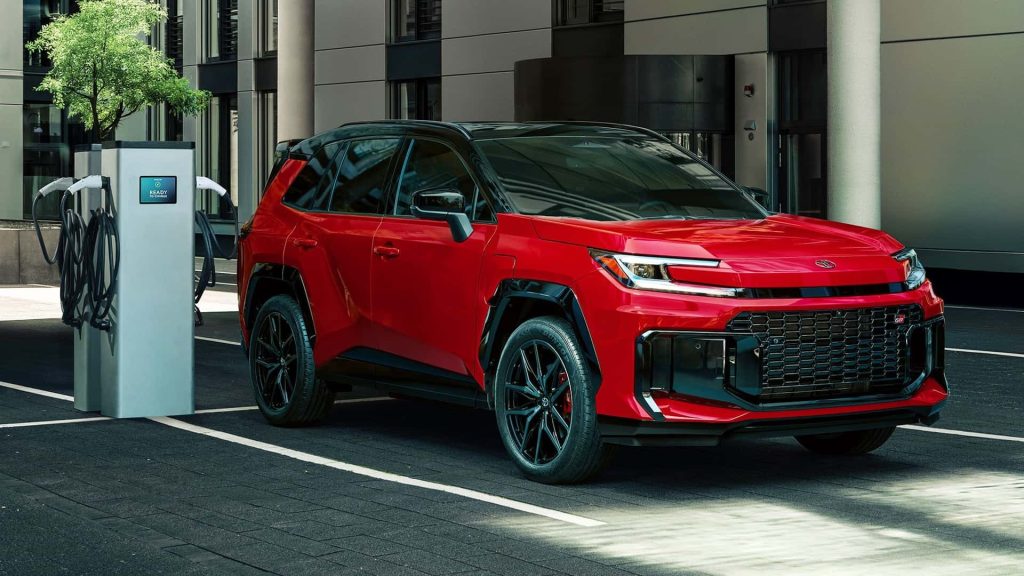
The recall also matters to shoppers comparing plug-in hybrids. These vehicles offer the ability to drive on electric power for some journeys while retaining a gasoline engine for longer trips.
But their operation depends on multiple electronic systems working together, and a control-system defect can affect the vehicle’s ability to deliver power even when the mechanical components are intact.
That does not mean shoppers should avoid plug-in hybrids as a category. It reinforces the importance of checking recall histories, completing manufacturer-recommended repairs, and verifying the status of any vehicle before buying it. NHTSA’s recall database allows consumers to check by VIN and provides information about open safety campaigns.
Toyota’s recall affects nearly 31,000 U.S. vehicles, and the proposed fix is a no-cost software update rather than a hardware replacement.
The central concern is the possibility of losing propulsion at higher speeds, which can increase crash risk even though the recall report does not identify crashes or injuries associated with the defect.
Owners should verify their VIN, arrange the update through an authorized dealer, and retain confirmation that the repair has been completed.
The campaign also demonstrates why software quality is becoming increasingly important in electrified vehicles.
As powertrains rely on electronic controls to manage engines, motors, and batteries, seemingly small programming faults can have consequences for vehicle operation. For affected RAV4 Plug-in Hybrid owners, completing Toyota’s recall remedy is the most direct way to address the identified problem.