
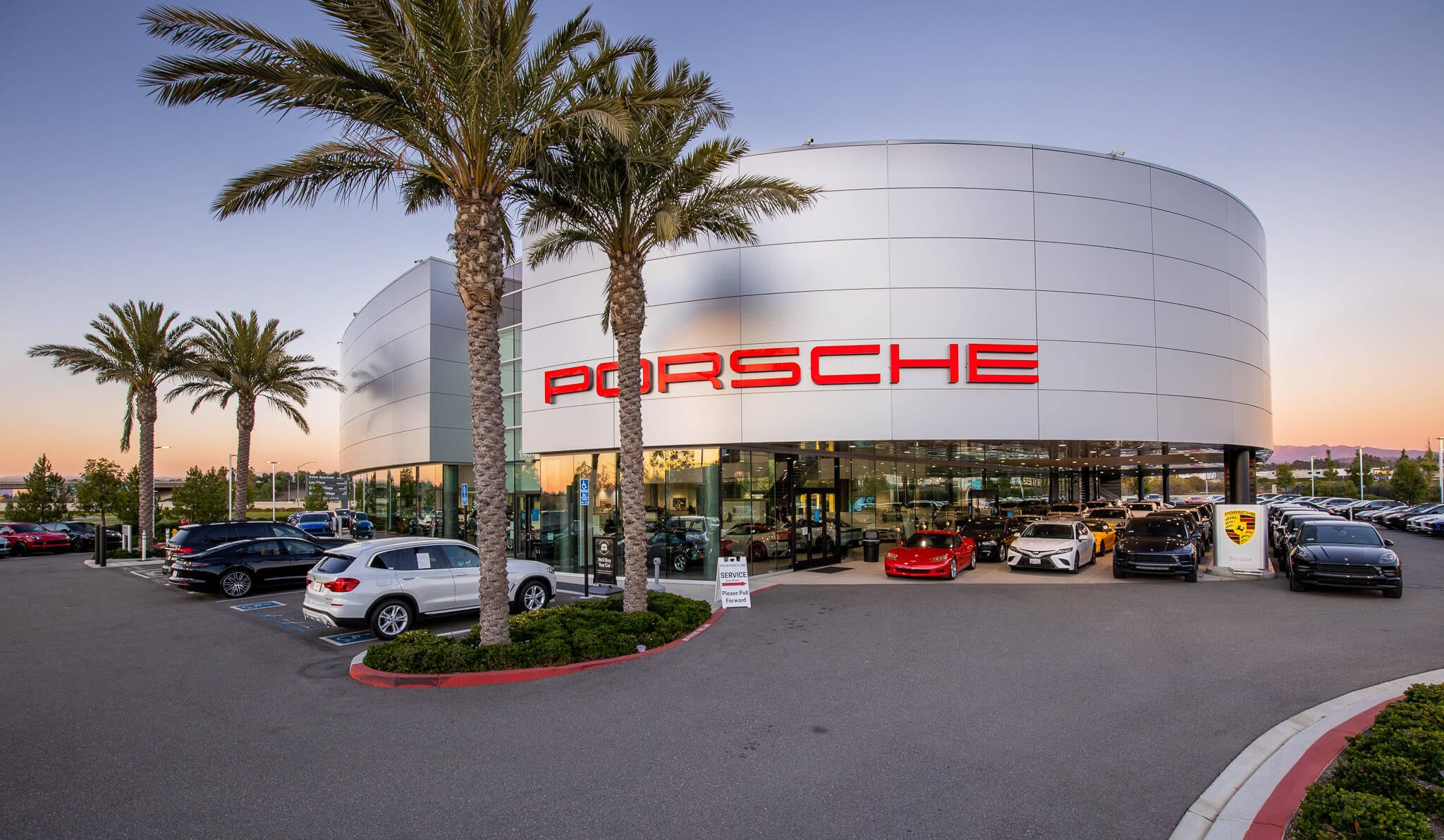
A dispute between Porsche and dealership group The Collective is raising an important question in the U.S. automotive industry. How much authority should automakers have to require franchised dealers to invest in showroom facilities, customer service, and brand standards? The issue highlights the tension between manufacturers seeking a consistent brand experience and dealers facing the financial burden of meeting those expectations.
The case comes as dealerships face pressure to modernize showrooms and service operations while managing construction costs, staffing expenses, and uncertain returns.
In a report published October 13, 2026, CBT News examined the financial risks dealers face when deciding whether to meet manufacturer requirements or challenge them. The dispute highlights the tension between a luxury brand’s desire for consistent retail standards and a dealer’s need to protect the economics of its business.
The Porsche Dispute Puts Franchise Requirements Under Scrutiny
Porsche operates in the United States through a franchised dealer network. Under this model, independent businesses invest in dealership facilities, employ sales and service staff, maintain inventory, and sell and service vehicles under agreements with the manufacturer.
Those agreements typically set standards for how the brand is represented, including requirements related to showroom design, customer experience, service capability, and other operational matters.
The dispute discussed by CBT News involves The Collective, a dealer group, and Porsche’s requirements for its franchise network. The report focuses on the financial consequences of manufacturer demands and the risks of either accepting the required investment or declining to make it.
It does not provide a complete account of the complaint, all parties named in the case, the precise contractual provisions at issue, or a court ruling establishing wrongdoing. Those details should not be assumed without examining the underlying filings.
That distinction matters because a lawsuit records allegations and legal arguments, not necessarily facts a court has accepted.
A dealer may contend that a manufacturer has imposed unreasonable or financially damaging conditions, while the manufacturer may argue that its requirements are necessary to protect the brand and deliver a consistent customer experience.
The legal outcome depends on the applicable franchise agreement, relevant state law, the evidence, and the court’s interpretation.
Luxury automakers have particular reasons to maintain consistent retail environments. Showrooms, service departments, trained technicians, specialized diagnostic equipment, and customer amenities can all contribute to how buyers perceive a brand.
Porsche dealers may also need facilities capable of servicing vehicles with different powertrains and increasingly sophisticated electronics. But upgrades can require substantial capital, and the benefits may take years to materialize.
For an independent dealer, the central question is whether the investment is likely to generate enough additional sales, service revenue, customer retention, or long-term franchise value to justify the cost.
A facility requirement that makes sense for a high-volume location may be harder to justify at a smaller store or in a market where demand is weaker. Dealers must assess the economics of their own operations rather than assume that a brand-wide standard produces the same return everywhere.
Facility Investments Can Create a Difficult Financial Calculation
The financial challenge extends beyond construction costs. A dealership renovation may require architectural planning, permits, temporary service arrangements, equipment purchases, and staff training.
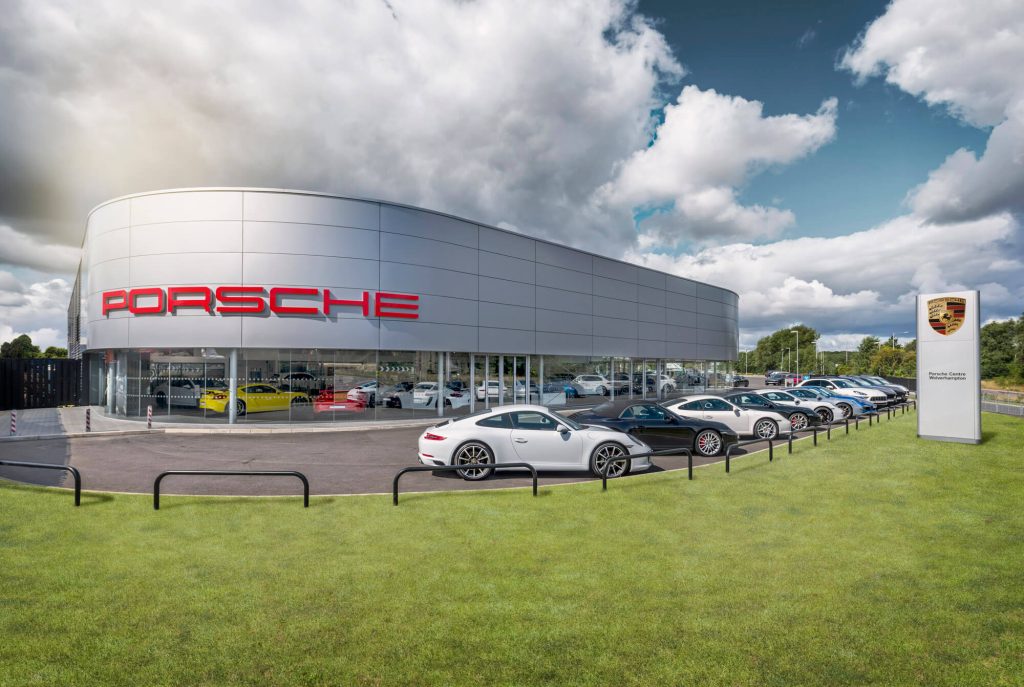
Owners must also consider the revenue they might lose if construction disrupts sales or service operations. If a project is financed, interest payments add to the total expense, while the expected benefits may take years to appear.
Chris Hunsicker, president of Hunsicker Coaching International, discussed the Porsche dispute with CBT News and advised dealers to weigh construction costs against expected sales, gross profit, and potential returns over 10 years.
He also recommended considering whether a franchise could generate business that benefits the dealer’s other brands. The point is that an investment should be evaluated as a long-term business decision, not simply as a requirement to satisfy a manufacturer.
Consider a hypothetical dealership that must invest $5 million in a facility upgrade. If the project generates an additional $400,000 in annual gross profit, the simple payback period would be 12.5 years before financing costs, taxes, maintenance, and other expenses.
If the upgrade also protects the franchise from a potential loss of vehicle allocation or preserves its long-term value, the business case could look different. Conversely, if additional sales fail to materialize, the investment could place considerable pressure on the dealer’s cash flow.
This is why dealers need realistic assumptions about future demand. Luxury vehicle sales can fluctuate with interest rates, household wealth, product launches, and consumer confidence.
Service operations may provide more consistent revenue, but they also require technicians, parts inventory, specialized tools, and ongoing training. A new showroom alone does not guarantee enough additional business to justify the expense.
Dealers must also consider the opportunity cost. Capital invested in a manufacturer-mandated facility cannot simultaneously fund another dealership acquisition, improve service capacity elsewhere, or reduce debt.
For multi-brand dealer groups, the choice may involve comparing the returns from several franchises rather than evaluating one location in isolation.
Manufacturer requirements can nevertheless have a legitimate business rationale. Consistent facilities may support customer confidence, improve service delivery, and reinforce the brand’s positioning.
Modern diagnostic equipment can be particularly important as vehicles become more electronically complex. The disagreement is often about whether the expected benefits justify the cost, how the requirements are implemented, and what remedies are available if a dealer believes the burden is unreasonable.
The legal question depends on the actual agreement and applicable law. A dealer’s disagreement with a costly requirement does not, by itself, establish that the manufacturer has acted unlawfully.
Equally, a contractual requirement does not automatically resolve every dispute over how it was imposed or enforced. The specific facts and legal provisions matter.
What the Dispute Could Mean for Dealer-Manufacturer Relationships
The Porsche dispute illustrates a broader tension within the U.S. franchise system. Automakers depend on independently owned dealerships to sell vehicles, maintain customer relationships, and provide service.
Dealers, in turn, rely on manufacturers for vehicles, warranty reimbursement, technical information, brand authorization, and continued access to the franchise. That interdependence can make disputes particularly difficult to manage.
Hunsicker warned CBT News that litigation can damage long-standing business relationships and potentially affect future opportunities.
Dealers considering a challenge therefore need to evaluate more than the immediate legal claim. They must assess the cost of litigation, the risk of disrupting communication with the manufacturer, and the potential impact on future investments or transactions.
That does not mean a dealer should automatically accept every demand. It means the decision should be based on a clear understanding of the available options.
Before beginning litigation, an owner may want to seek clarification of the requirement, negotiate a revised timetable, request a different facility plan, or explore whether the manufacturer will recognize local market conditions. Whether any alternative is available depends on the contract and the manufacturer’s policies.
State franchise laws may also matter. Many states regulate aspects of the relationship between vehicle manufacturers and franchised dealers, including certain termination, relocation, and sales practices.
However, those laws differ, and not every facility dispute receives the same treatment. Dealers should obtain legal advice from professionals familiar with the relevant state statute and franchise agreement before concluding that a particular demand violates the law.
For manufacturers, disputes over expensive requirements can raise questions about how standards are communicated and applied. Clear timelines, transparent criteria, and a process for considering exceptional circumstances may help avoid misunderstandings.
Requirements that are applied consistently can support brand identity, but dealers may still need time to secure financing, obtain permits, or complete construction without interrupting essential operations.
For dealership groups considering acquisitions, the issue is especially relevant. A prospective buyer should review outstanding facility obligations, required capital expenditure, franchise renewal conditions, and any unresolved disagreements with the manufacturer during due diligence.
A store that appears profitable today may require substantial investment in the next several years. Ignoring those obligations can lead to an inaccurate valuation and unexpected cash demands after a transaction closes.
The Porsche case also underscores the importance of measuring returns from technology and customer-experience investments. Dealers are being asked to modernize operations while managing tighter margins and rising expenses.
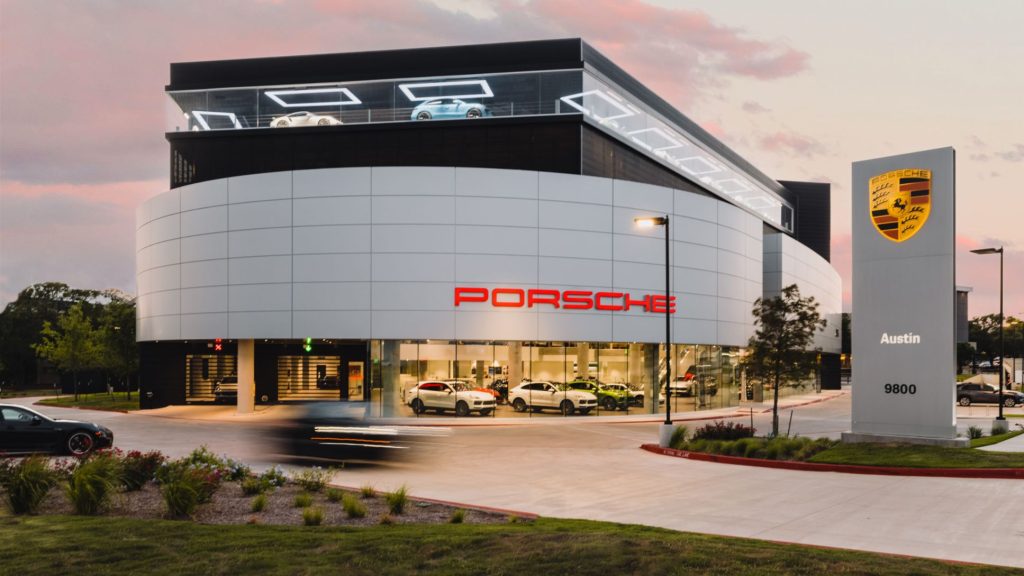
Hunsicker separately identified artificial intelligence as an area where dealers should focus on measurable improvements to employee efficiency or customer experience rather than adopting tools simply because they are new.
At this stage, the available reporting does not establish a court finding against Porsche or provide enough detail to describe every disputed contractual term as fact. The case should be understood as a dispute that raises financial and legal questions, not as proof that the manufacturer has violated dealership law.
For U.S. dealers, the practical lesson is to quantify the cost of every major franchise requirement, test the expected return against realistic assumptions, and understand the contractual consequences of declining or delaying an investment.
For manufacturers, the challenge is to maintain consistent brand standards while recognizing that independent dealers operate businesses with their own financial constraints.
The outcome of the Porsche dispute could provide useful guidance, but its significance will depend on the claims actually before the court and how those claims are resolved.
