
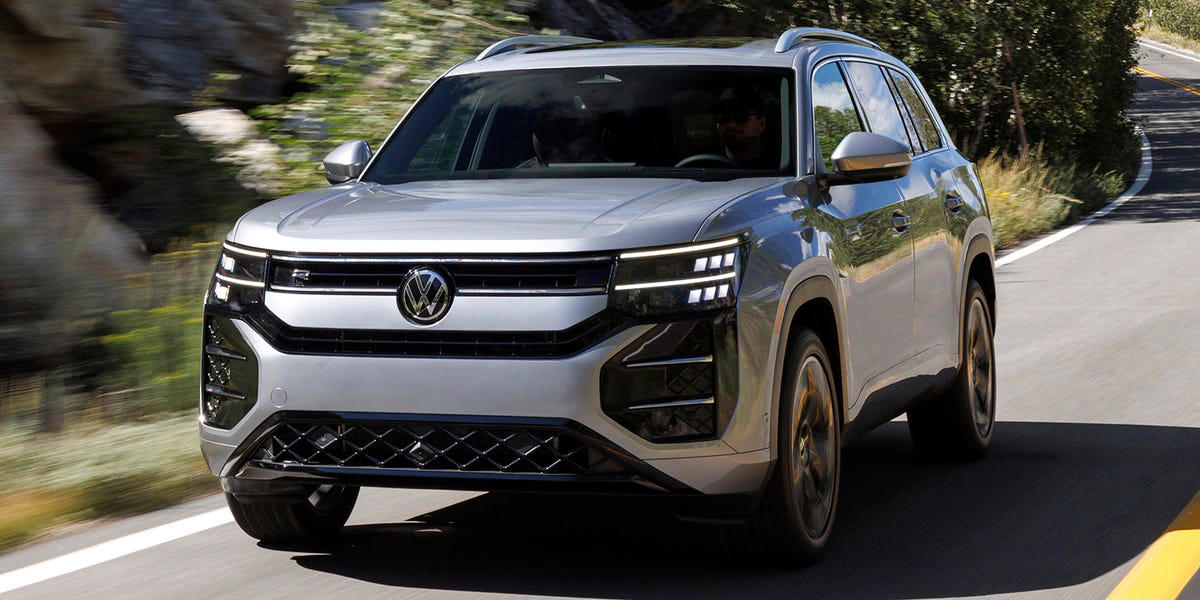
The pricing and equipment changes are also important to the comparison. Volkswagen lists the 2027 Atlas from $41,610 on its U.S. consumer website, while the reviewed higher trims cost considerably more.
Shoppers should compare prices using the same trim, drivetrain, destination charge, and equipment, rather than assuming the base price represents a similarly equipped rival.
More Horsepower Does Not Automatically Mean Better Acceleration
The 2027 Atlas receives an updated 2.0-liter turbocharged four-cylinder engine producing 282 horsepower and 258 lb-ft of torque, paired with an eight-speed automatic transmission. That represents a 13-horsepower increase but a 15-lb-ft reduction in torque compared with the outgoing model.
Front-wheel drive remains standard, with Volkswagen’s 4Motion all-wheel-drive system available.
The changes reflect a different approach to extracting performance from a relatively small engine. Volkswagen has revised the engine’s turbocharging, fuel delivery, and combustion strategy to improve efficiency while increasing peak horsepower.
The updated engine also uses a variable-geometry turbocharger, which adjusts airflow through the turbine to help the engine respond across different operating conditions.
In practice, the additional horsepower does not guarantee quicker acceleration. Horsepower describes the rate at which an engine can perform work, while torque influences the turning force available to accelerate the vehicle.
Both matter, alongside transmission calibration, vehicle weight, gearing, and traction. Independent testing by Car and Driver recorded a 0-to-60-mph time of 7.6 seconds for an Atlas SEL Premium R-Line, slightly slower than the previous model it tested.
For family buyers, this is not necessarily a deal-breaker. The Atlas is designed to carry passengers and luggage, not compete with performance SUVs. However, acceleration matters when merging onto highways, overtaking slower traffic, or climbing steep grades with a full load.
Buyers should test-drive the vehicle under conditions resembling their regular journeys rather than assuming a higher horsepower rating guarantees a stronger driving experience.
The Atlas retains a maximum towing capacity of 5,000 pounds when properly equipped. That provides useful flexibility for owners who tow small recreational trailers or other compatible loads.
Actual towing suitability still depends on the trailer, payload, hitch equipment, passenger and cargo weight, and the limits specified in the owner’s manual.
Better Fuel Economy, but the Hybrid Gap Remains
Volkswagen has improved the Atlas’s EPA-estimated fuel economy, although the gains are incremental rather than transformative. Front-wheel-drive versions are rated at approximately 22 mpg city, 29 mpg highway, and 25 mpg combined.
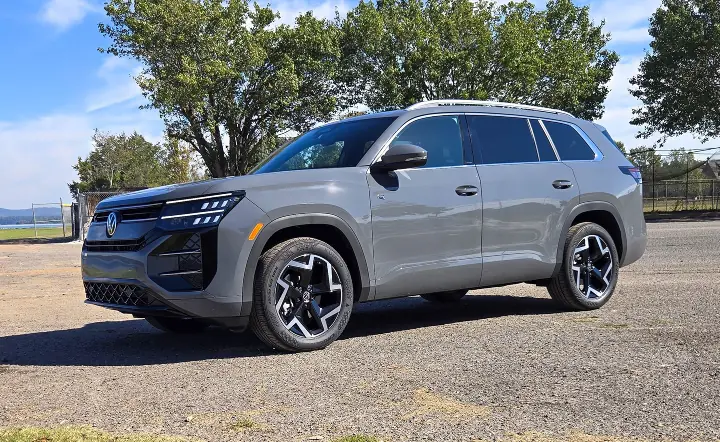
All-wheel-drive versions are rated at 20 mpg city, 27 mpg highway, and 23 mpg combined. The precise figures can vary with configuration, so buyers should check the rating for their chosen trim.
Those improvements help reduce fuel use without requiring drivers to change how they refuel. Nevertheless, the Atlas remains a gasoline-only model for 2027, even as several competing three-row SUVs offer hybrid powertrains.
Toyota’s Grand Highlander Hybrid and the hybrid versions of the Hyundai Palisade and Kia Telluride give shoppers alternatives that can reduce gasoline consumption, particularly in city driving. Their availability, prices, and fuel-economy ratings vary by configuration.
Volkswagen says hybrid versions of the Atlas and Tiguan are planned for their mid-cycle refreshes, approximately two to three years away, according to its statement to WardsAuto.
The company has not provided a final U.S. launch date or detailed specifications for the Atlas hybrid. Buyers should therefore treat the timing as a plan rather than a confirmed dealership arrival date.
The delay could matter for households that cover substantial annual mileage. Even a modest difference in fuel economy can accumulate over several years, depending on gasoline prices and driving habits. Buyers should calculate expected fuel costs using their likely mileage and local prices rather than relying on a headline rating alone.
A hybrid also brings trade-offs. Purchase prices, availability, and maintenance requirements differ, and the best choice depends on how a vehicle will be used. But without a hybrid option, the Atlas must compete through its space, comfort, features, and driving experience rather than offering the same potential fuel savings as electrified rivals.
A More Premium Cabin Strengthens the Atlas’s Family Appeal
The interior receives one of the most substantial updates for 2027. Volkswagen has redesigned the dashboard, added more upscale materials and ambient lighting, and moved the gear selector to the steering column, freeing up room in the center console.
A physical volume knob returns, addressing a practical complaint about the previous model’s touch-sensitive control. Most trims receive a 15-inch infotainment display, while the base model uses a 12.9-inch screen.
The cabin continues to be one of the Atlas’s strongest selling points. Its three rows offer generous passenger space, and the vehicle provides up to 95.4 cubic feet of cargo capacity with the second and third rows folded.
Family-oriented equipment includes a power liftgate, rear sunshades, multiple USB-C ports, and dual wireless charging on applicable configurations. Higher trims add features such as massaging front seats, Nappa leather, and a premium Harman Kardon audio system.
Safety equipment also expands. The 2027 Atlas adds a front-center airbag, bringing the total to seven, and includes Volkswagen’s IQ. DRIVE driver-assistance suite. Features include automatic emergency braking with pedestrian detection, blind-spot monitoring, lane-keeping assistance, and adaptive cruise control.
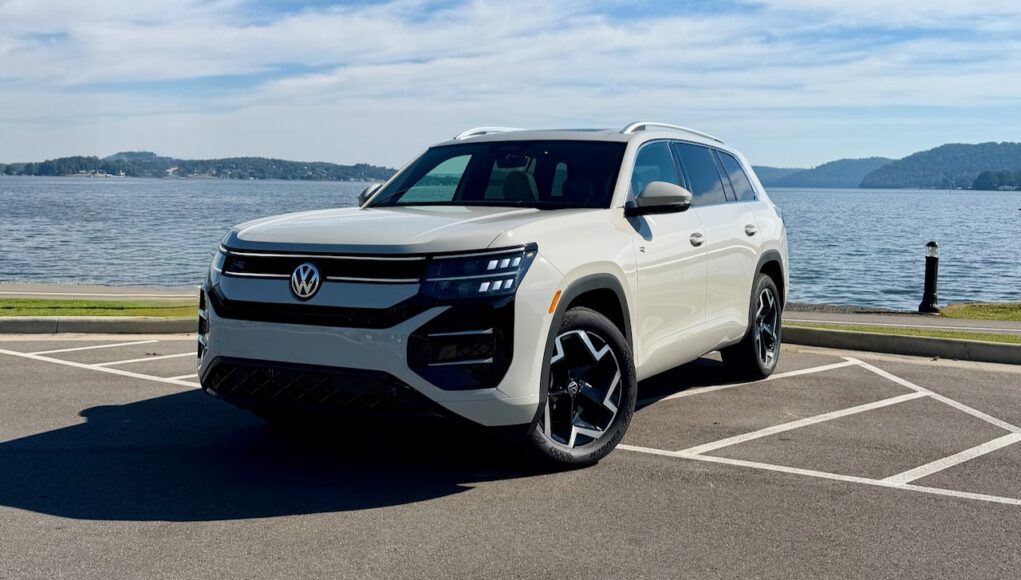
Drivers should still review the equipment list for their chosen trim and understand the limits of driver-assistance systems.
The updated cabin and technology help justify the Atlas’s higher price, but shoppers should compare the full package against similarly equipped competitors. The Honda Pilot, Hyundai Palisade, Kia Telluride, and Toyota Grand Highlander all target families that prioritize three-row practicality.
The Atlas brings generous space and a more polished interior, but its lack of a hybrid option may weigh against it for fuel-conscious buyers.
The 2027 Volkswagen Atlas is a meaningful update, with improved cabin technology, more horsepower, and slightly better fuel economy. Yet its engine changes do not produce a clear acceleration advantage, and the absence of a hybrid leaves a gap in a segment where electrified options are becoming more common.
For buyers who value space, comfort, and conventional gasoline operation, it remains worth considering. Those prioritizing fuel savings should compare hybrid rivals before making a decision.
