
For the first time in the 32-year history of the Wards 10 Best Engines & Propulsion Systems awards, not a single winner relies exclusively on a conventional internal-combustion engine. Announced on October 13, 2026, the results include four battery-electric systems, four conventional hybrids, and two plug-in hybrids, selected from 26 nominees.
The list ranges from electric crossovers to a hybrid Chevrolet Corvette producing 1,250 horsepower. The result is more than a milestone for electrification.
It shows how powertrain engineering has shifted toward combining electric motors, batteries, combustion engines, and sophisticated control software to deliver performance, efficiency, and smoother everyday driving.
Why No Conventional Gas-Only Powertrain Made the List
The 2026 awards mark a clear change in a competition that began in 1995. For decades, the list recognized conventional gasoline engines alongside emerging hybrid and electric systems.
Electrification gradually became more prominent, but this year all ten winners use electric propulsion in some form. The result reflects the technologies automakers are developing and refining, rather than indicating that combustion engines have suddenly become obsolete or that every new vehicle will be electrified.
The 26 nominees included a mixture of battery-electric vehicles, conventional hybrids, and plug-in hybrids. Wards judges evaluate powertrain performance in real-world driving, considering horsepower, torque, noise, vibration and harshness, observed efficiency, and new technology.
These criteria help explain why the award is not simply a contest to identify the most powerful engine or the vehicle with the highest official fuel-economy figure.
A powertrain must work well as an integrated system. A powerful engine can lose its appeal if it responds poorly at low speeds, produces excessive vibration, or delivers power inconsistently.
Similarly, an electric vehicle can offer rapid acceleration but still need effective thermal management, smooth power delivery, and efficient use of battery energy. The awards recognize systems that combine these characteristics in a production vehicle.
The change is also significant because electrification no longer belongs exclusively to economy cars. Electric motors are increasingly used to improve response in sports cars, provide additional torque in larger vehicles, and reduce fuel consumption in family crossovers.
Hybrids can preserve the convenience of gasoline refueling while adding electric assistance, while plug-in hybrids can offer electric-only driving for some daily journeys.
That range of applications is reflected in the winners. Four vehicles use battery-electric propulsion, four combine combustion engines with electric assistance without relying on plug-in charging, and two use plug-in hybrid systems.
The categories have different strengths, so the awards should not be interpreted as suggesting that one powertrain type suits every buyer or driving pattern.
The Ten Winners Show How Different Electrified Systems Have Become
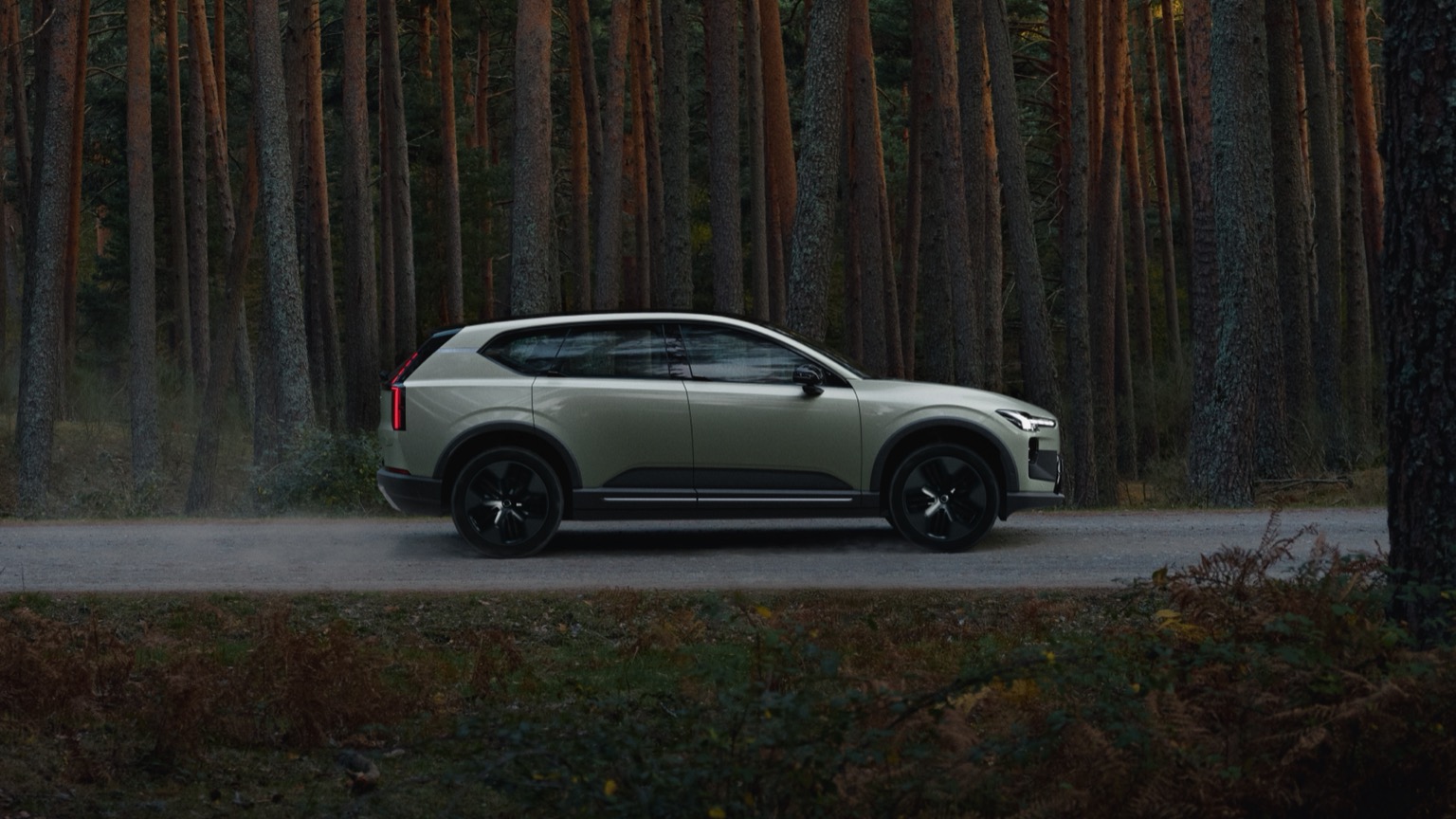
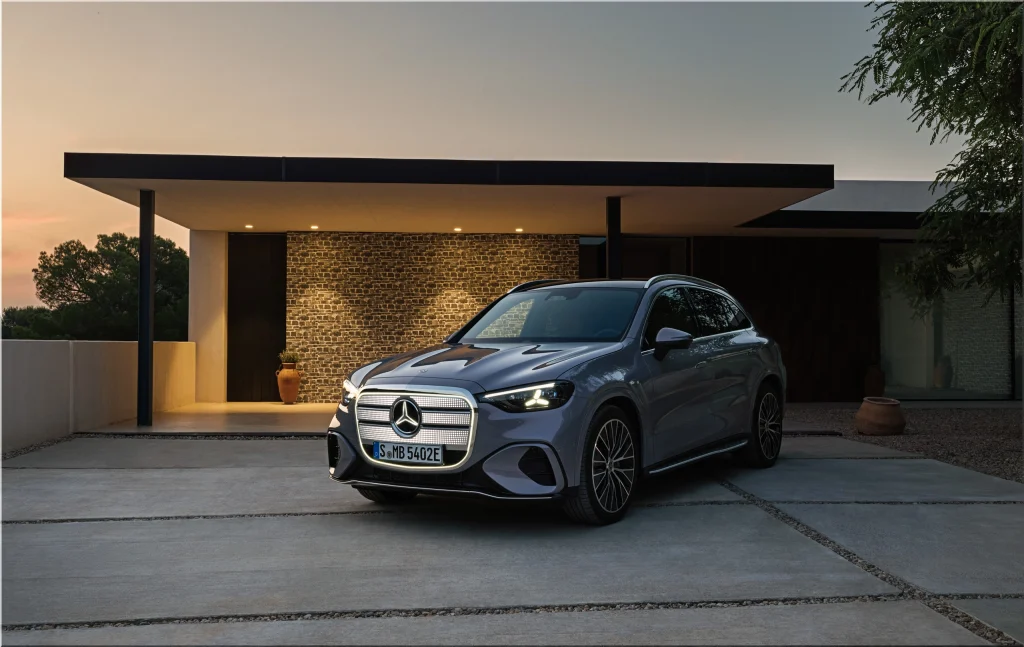
The four battery-electric winners are the Mercedes-Benz GLC 400 4Matic Electric, Rivian R2 Performance, Subaru Trailseeker, and Volvo EX60 P10 AWD.
Each uses dual-motor propulsion, demonstrating how manufacturers are applying electric drive to premium crossovers, adventure-oriented vehicles, and performance-focused SUVs. Dual motors can enable all-wheel drive by powering the front and rear axles independently, while electronic control helps manage how torque is distributed.
Battery-electric vehicles also eliminate the need for an onboard gasoline engine and conventional multi-speed transmission. Their performance depends on electric motors, battery output, software, and thermal management.
Instant motor response can provide strong acceleration, but engineers must also manage battery temperature, energy consumption, and sustained output. These challenges become especially important in vehicles designed for high performance or demanding driving conditions.
The Rivian R2 Performance and Subaru Trailseeker show that electric propulsion is being applied to vehicles aimed at active lifestyles, while the Mercedes-Benz GLC and Volvo EX60 demonstrate its role in premium crossovers.
The award results do not mean these vehicles have identical capabilities. Range, charging speed, towing limits, pricing, and efficiency remain important differences for shoppers to compare.
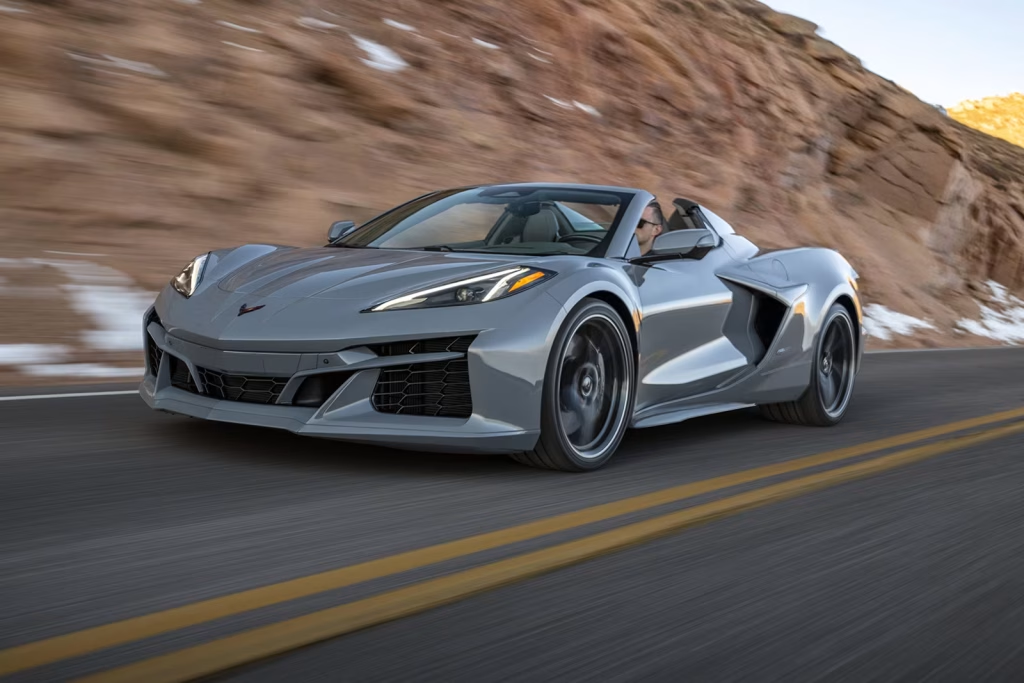
The four conventional hybrid winners are the Chevrolet Corvette ZR1X, Hyundai Palisade Hybrid, Nissan Rogue Hybrid, and Porsche 911 Carrera GTS T-Hybrid. Their inclusion is particularly revealing because they use electrification for different purposes.
The Palisade and Rogue apply hybrid technology to mainstream family SUVs, where smooth response and fuel economy matter. The Corvette and Porsche use electric assistance as part of performance engineering.
The Corvette ZR1X pairs a twin-turbocharged 5.5-liter V8 with an electric motor powering the front axle. Chevrolet lists combined output at 1,250 horsepower.
The electric motor adds propulsion at the front while the combustion engine drives the rear, creating an all-wheel-drive performance system. This illustrates how electrification can increase power and change how a sports car delivers it, rather than serving only as a way to reduce fuel use.
Porsche’s 911 Carrera GTS T-Hybrid follows a different route. Its 3.6-liter flat-six works with an electrified turbocharging system and an electric motor integrated into the powertrain.
The technology is designed to improve response and performance while retaining the character of a rear-engine sports car. The system demonstrates that hybrid engineering can target the delay associated with turbocharger response and deliver a more immediate connection between accelerator input and power.
The Hyundai Palisade Hybrid uses a turbocharged 2.5-liter four-cylinder engine with electric assistance, while the Nissan Rogue Hybrid uses a turbocharged 1.5-liter three-cylinder hybrid system. Their place on the list suggests that hybrid technology is being engineered for practical everyday vehicles as well as expensive performance models.
In these applications, the challenge is balancing useful acceleration, fuel economy, smooth transitions between power sources, and the demands of a larger vehicle.
The two plug-in hybrid winners are the BMW M5 Touring and Toyota RAV4 PHEV GR Sport. Plug-in hybrids combine a combustion engine and electric motor with a battery that can be charged from an external power source.
Depending on the battery charge and operating conditions, they can cover some trips using electric power alone before relying more heavily on the combustion engine.
The BMW M5 Touring combines a 4.4-liter turbocharged V8 with plug-in hybrid technology, demonstrating how an electrified system can support high performance in a large sport wagon.
The Toyota RAV4 PHEV GR Sport applies the concept to a more practical SUV format. These vehicles have different priorities, but both show why plug-in hybrid systems cannot be judged only by their electric range or gasoline engine specifications. Their performance depends on how effectively the two sources of propulsion work together.
What the Results Reveal About the Future of Powertrain Engineering
The most important lesson from the 2026 results is that electrification has become a flexible engineering tool rather than a single technology. Automakers can use electric motors to reduce fuel consumption in a family SUV, improve acceleration in a sports car, or replace combustion entirely in a battery-electric vehicle.
The best solution depends on the vehicle’s intended use, the buyer’s driving habits, and the compromises the manufacturer is willing to make.
Hybrid systems illustrate this flexibility particularly well. An electric motor can deliver torque quickly from low speeds, helping a vehicle accelerate before its combustion engine reaches its most effective operating range. Regenerative braking can recover some kinetic energy that would otherwise become heat, storing it for later use.
The engine can then operate more efficiently under suitable conditions. These benefits depend on the system’s design, battery capacity, vehicle weight, and driving environment, so hybrid technology does not produce identical results in every model.
Battery-electric systems face a different engineering challenge. Without a combustion engine, they need sufficient battery output and effective cooling to sustain performance, while software manages energy use, traction, and power delivery.
Dual-motor arrangements can provide all-wheel drive and precise torque control, but they also introduce additional components and control requirements. Engineers must balance acceleration with driving range, charging capability, vehicle weight, and cost.
Plug-in hybrids add another layer of complexity because they must function as both electric and gasoline-powered vehicles. Their usefulness depends partly on whether owners charge them regularly.
A driver who frequently charges at home and makes short trips may use electric power for much of the daily commute. Someone who rarely plugs in may carry the extra weight of a battery without receiving the same practical fuel-saving benefit.
These awards show that automotive progress cannot be measured by horsepower alone. The Corvette ZR1X stands out with an impressive 1,250 horsepower, while family-focused models such as the Palisade Hybrid and Rogue Hybrid take a different approach. Their engineering priorities center on balancing everyday performance with fuel efficiency and a comfortable driving experience. Each vehicle reflects a different definition of what makes a car innovative and well-designed.
Wards’ emphasis on observed efficiency, refinement, and technology allows these different systems to be assessed on more than peak output.
The 2026 list does not establish that internal-combustion-only engines have no future. It shows that none of the 26 nominated powertrains judged worthy of recognition this year was a conventional combustion-only system.
Manufacturers will continue to make decisions based on regulations, customer demand, production costs, charging access, and regional market conditions.
For U.S. buyers, the practical takeaway is to evaluate electrified vehicles according to how they will be used. Drivers who cannot charge at home may prefer a conventional hybrid over a plug-in model.
Buyers prioritizing long-distance driving may value refueling convenience, while those with reliable home charging may find a battery-electric vehicle suits their routine. Performance enthusiasts can now consider electrification as a source of additional capability rather than simply an efficiency measure.
The 2026 Wards awards capture a turning point in automotive engineering. Electric motors and batteries are no longer confined to a handful of specialized models. They are helping define family transportation, premium crossovers, plug-in SUVs, and high-performance sports cars.
The defining competition is increasingly about how intelligently engineers combine technologies to deliver the right balance of power, efficiency, refinement, and usability.
