Choosing a vehicle involves more than comparing its purchase price, fuel economy, and safety ratings. The cost of repairing it after a crash can also influence insurance expenses.
The Highway Loss Data Institute (HLDI), affiliated with the Insurance Institute for Highway Safety, analyzes real-world insurance claims to compare collision losses across vehicle models. Its published study of 2020 through 2022 models identified several pickups, SUVs, and vans with substantially below-average collision losses.
The Toyota Tundra double cab topped the list with a relative loss index of 48, compared with 100 for the average passenger vehicle.
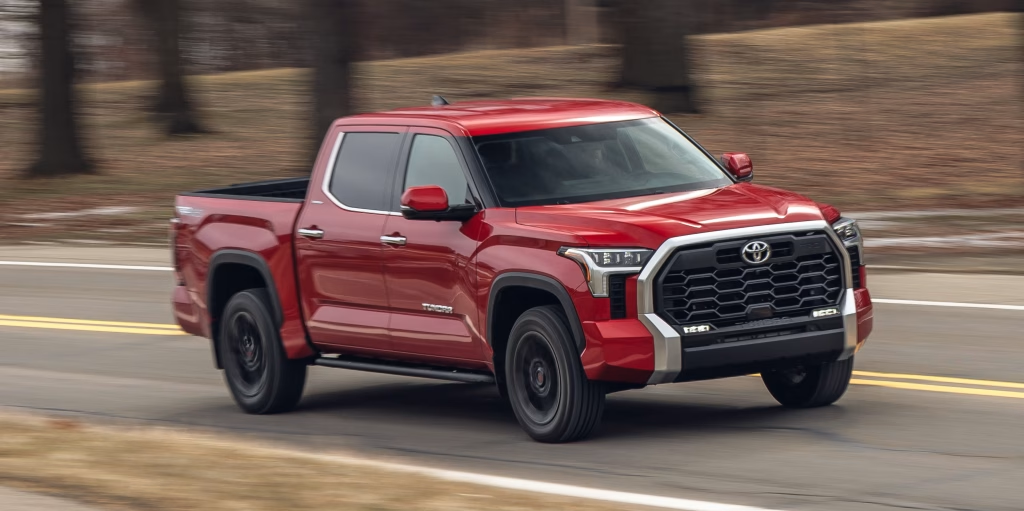
1. Toyota Tundra Double Cab Long Wheelbase: Collision-Loss Index of 48
The Toyota Tundra double cab with a long wheelbase recorded the lowest collision-loss result in HLDI’s 2020 through 2022 model-year study. Its index of 48 means its measured collision losses were approximately 52% below the all-passenger-vehicle benchmark. The analysis included 1,347 insured vehicle years for this specific configuration.
That result is notable because a full-size pickup can be expensive to repair after a serious crash. The Tundra’s low measured losses show why insurance outcomes cannot be predicted simply by looking at vehicle size or purchase price. Claim frequency and the average payment per claim both influence the result.
The double cab configuration provides seating for passengers behind the front row, making it suitable for owners who need a combination of passenger space and pickup-bed utility. The long-wheelbase specification also matters because HLDI separates certain body and drivetrain configurations instead of treating every version of a model as identical.
For a buyer, the finding provides a useful starting point when comparing collision coverage. However, the sample exposure of 1,347 insured vehicle years is much smaller than the exposure recorded for some high-volume passenger cars.
The result should therefore be understood in the context of the study rather than as a promise that every Tundra will generate low repair bills.
Actual insurance prices still depend on the driver’s location, claims history, coverage limits, deductible, and insurer. The Tundra’s index is evidence of below-average collision losses in the studied vehicles, not a direct quotation for a new policy.
Owners should compare insurance quotes for the exact cab, wheelbase, drivetrain, and model year they intend to buy. That is especially important when choosing between a work-oriented truck and a more expensive trim with different equipment.
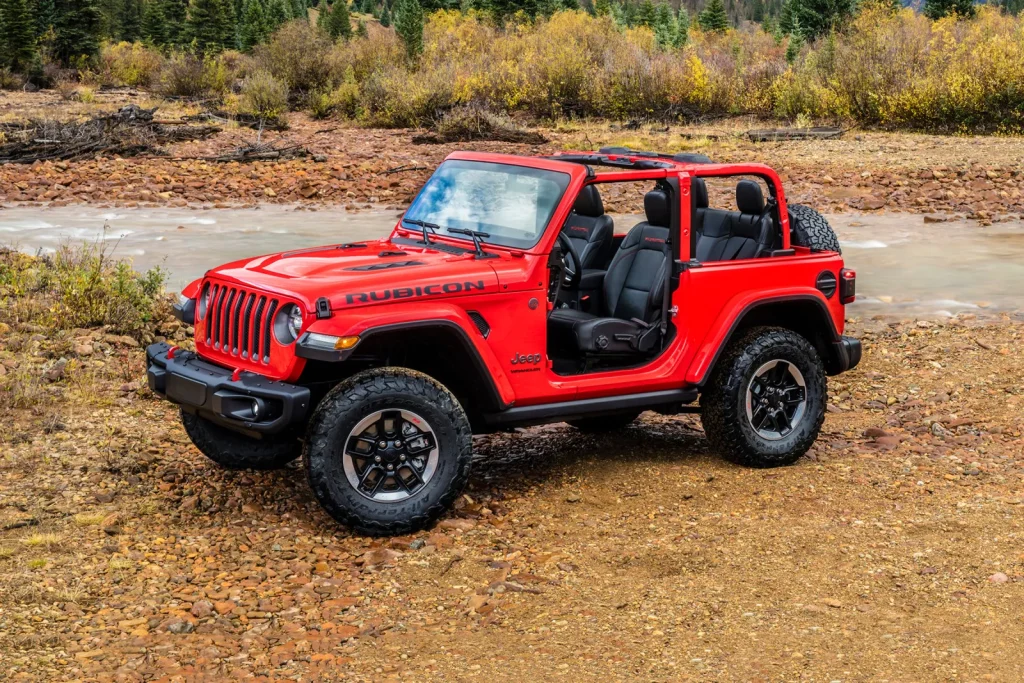
2. Jeep Wrangler Two-Door 4WD: Collision-Loss Index of 53
The two-door, four-wheel-drive Jeep Wrangler recorded a collision-loss index of 53 in HLDI’s study, placing it second among the ten vehicle series with the lowest measured collision losses. The analysis covered 2020 through 2022 models and included 97,759 insured vehicle years, giving this result a substantially larger exposure base than the Tundra entry.
A score of 53 corresponds to collision losses approximately 47% below the passenger-vehicle benchmark. This result reflects the combined effects of how frequently collision claims occurred and how much insurers paid for those claims. It does not mean the Wrangler is 47% safer in a crash, nor does it promise that its insurance premiums will be 47% cheaper.
The Wrangler’s two-door configuration differs from the four-door Unlimited, so buyers should not assume that the reported result applies equally to every Wrangler. Body style, drivetrain, trim, and model year can influence vehicle repair costs and the claims experience insurers observe.
Its off-road-oriented design may appeal to drivers who want a vehicle for recreational trails as well as ordinary roads. However, owners should consider how they use it. Off-road impacts, modifications, larger tires, and altered suspension components can create repair expenses that are not represented by a general model-series index.
When shopping for coverage, request quotes for the exact Wrangler configuration and disclose any modifications required by the insurer. Collision coverage pays for damage to the insured vehicle resulting from a covered crash, subject to the policy deductible and terms.
The HLDI result makes the two-door Wrangler a noteworthy candidate for comparison shopping. Nevertheless, buyers should evaluate crash-test performance, safety equipment, repairability, and personal insurance quotes separately.
A low collision-loss result is useful financial evidence, but it is not a substitute for examining the vehicle’s safety or suitability for everyday driving.
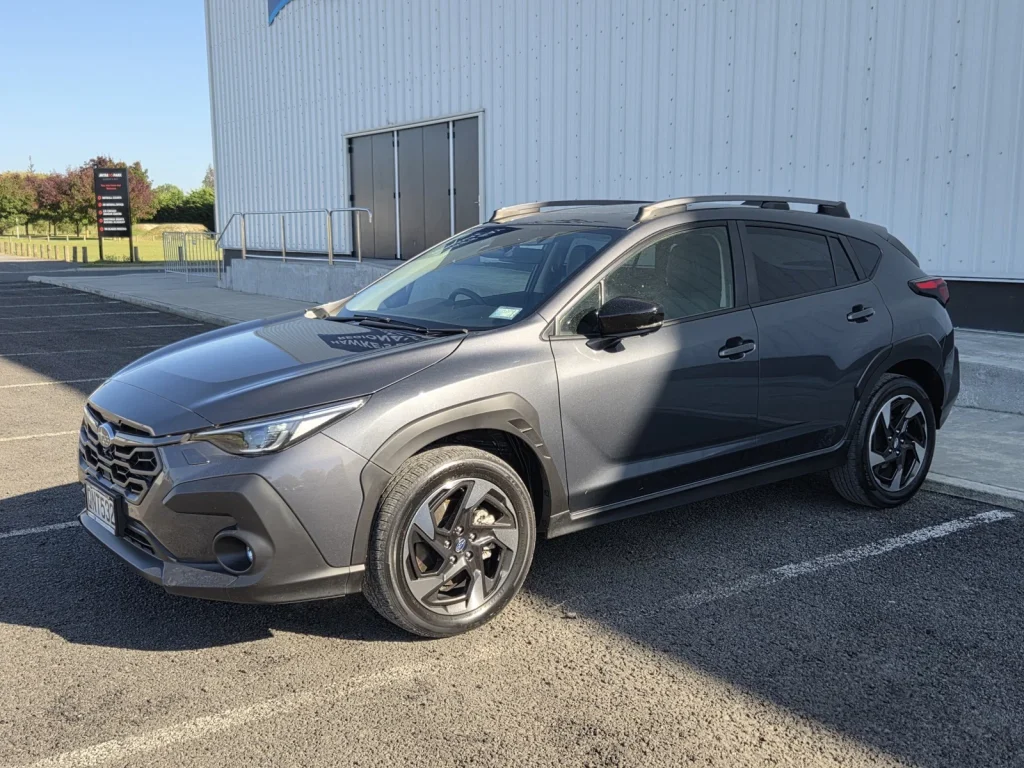
3. Subaru Crosstrek 4WD: Collision-Loss Index of 54
The four-wheel-drive Subaru Crosstrek recorded an index of 54, meaning its measured collision losses were approximately 46% below the all-passenger-vehicle average in HLDI’s 2020 through 2022 study. The data covered 19,934 insured vehicle years for this configuration.
Unlike the full-size pickups at the top of the list, the Crosstrek is a compact vehicle designed for commuting, everyday errands, and light outdoor use. Its smaller footprint may appeal to drivers who want the higher seating position of a crossover without moving into a large SUV.
The result is particularly useful because collision-loss calculations account for both the frequency of claims and their severity.
A vehicle can record relatively low losses because fewer collision claims are filed, because claims cost less on average, or through a combination of those factors. HLDI’s table provides a separate index for each measure, although the headline score here represents their combined effect.
Buyers should remember that the study’s configuration labels and model years matter. A different drivetrain, later redesign, or substantially changed equipment package may have a different claims history.
HLDI itself cautions that earlier results may not predict a redesigned vehicle’s experience as accurately as they predict an unchanged design.
For practical shopping, obtain insurance estimates before deciding between the Crosstrek and competing small SUVs. Compare collision deductibles and premiums, and ask whether optional safety equipment affects the quote. Also examine crash-test results independently because lower insurance losses do not automatically establish superior occupant protection.
The Crosstrek’s index of 54 makes it one of the strongest entries in this collision-loss comparison. It provides a data-backed reason to include the model on a shortlist, especially for drivers who want a compact, all-wheel-drive vehicle. The final decision should still account for purchase price, reliability, safety, and the cost of the specific insurance policy.
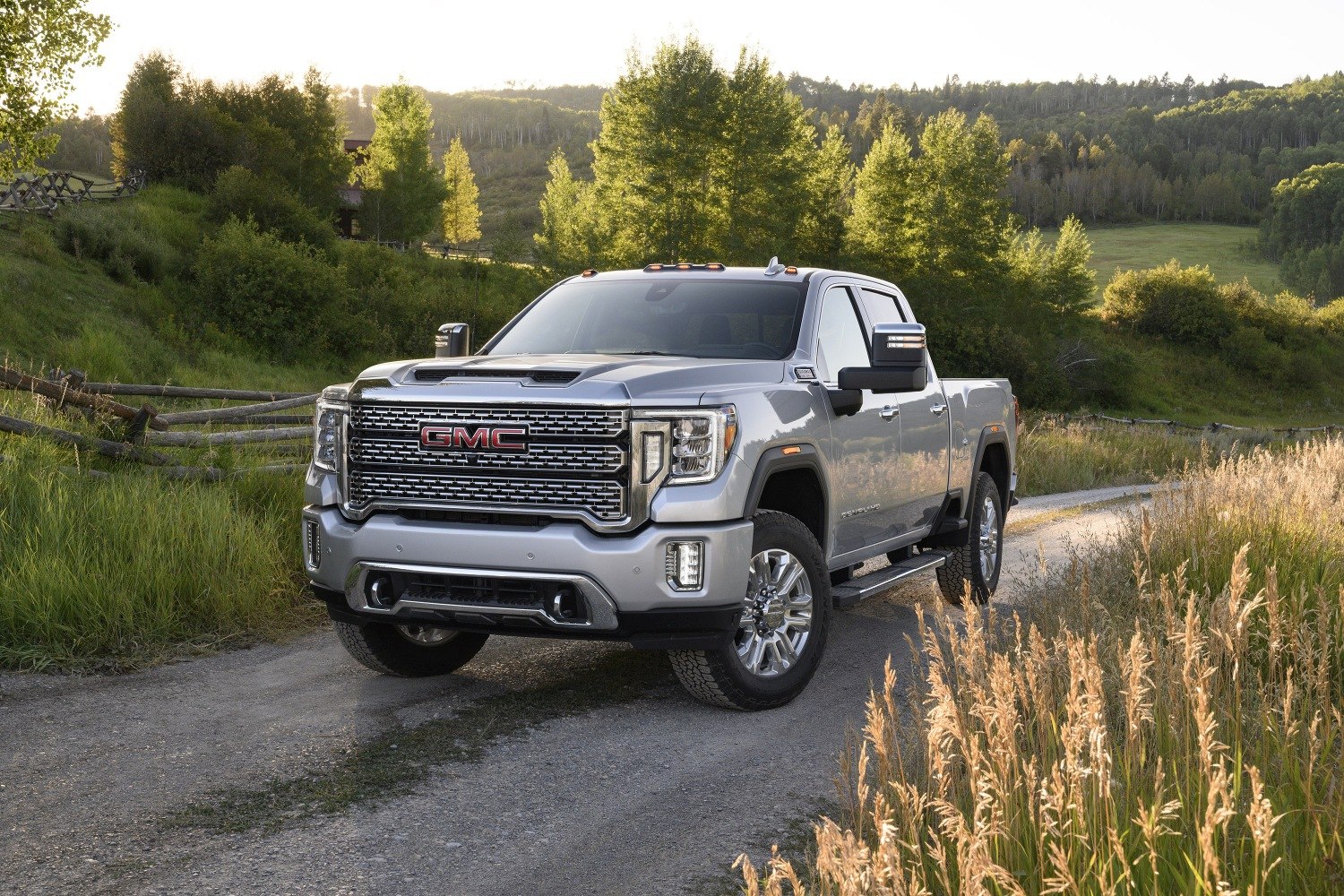
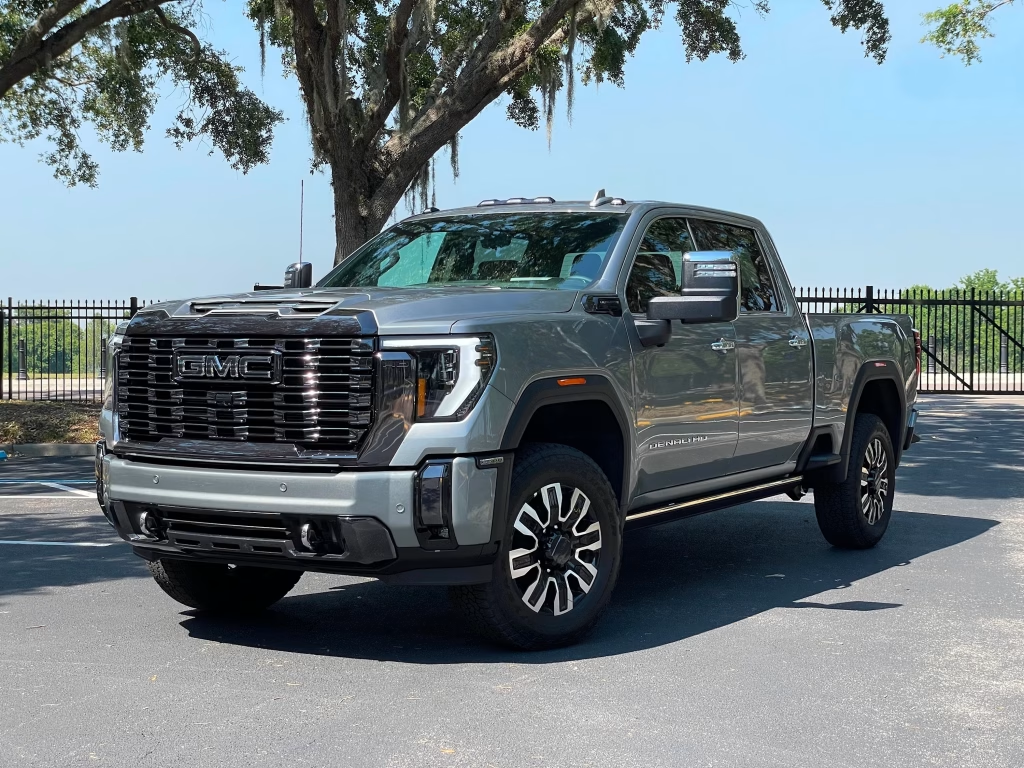
4. GMC Sierra 2500 4WD: Collision-Loss Index of 55
The four-wheel-drive GMC Sierra 2500 recorded a collision-loss index of 55 in HLDI’s 2020 through 2022 model-year study. That places its measured collision losses approximately 45% below the all-passenger-vehicle average. The reported exposure was 1,318 insured vehicle years.
The Sierra 2500 belongs to the heavy-duty pickup category, serving drivers who may need substantial towing and hauling capability. Its presence in the low-loss group shows that a vehicle’s size and intended use do not, by themselves, determine the insurance losses associated with collision claims.
Nevertheless, the specific configuration is important. The HLDI entry refers to the Sierra 2500 with four-wheel drive, not every Sierra trim, engine, or model year. A different cab style or equipment package may carry a different repair profile.
The relatively limited exposure in this entry also means it should not be interpreted with the same confidence as a result supported by hundreds of thousands of insured vehicle years.
People buying a heavy-duty pickup should obtain quotes using the exact vehicle identification number when possible. Insurers may consider the vehicle’s value, intended use, annual mileage, garaging location, and other rating factors. If the truck will be used commercially, personal-use estimates may not apply.
The index does not mean that every crash involving a Sierra 2500 produces a cheap repair. Heavy-duty vehicles can have expensive components, and damage to advanced driver-assistance equipment, body panels, or specialized parts can still generate substantial bills.
For buyers who genuinely need a heavy-duty truck, the HLDI result is a useful reason to compare collision coverage rather than dismissing the vehicle as inherently expensive to insure. It should be one part of the decision, alongside capability, safety equipment, maintenance expenses, and real quotes from multiple insurers.
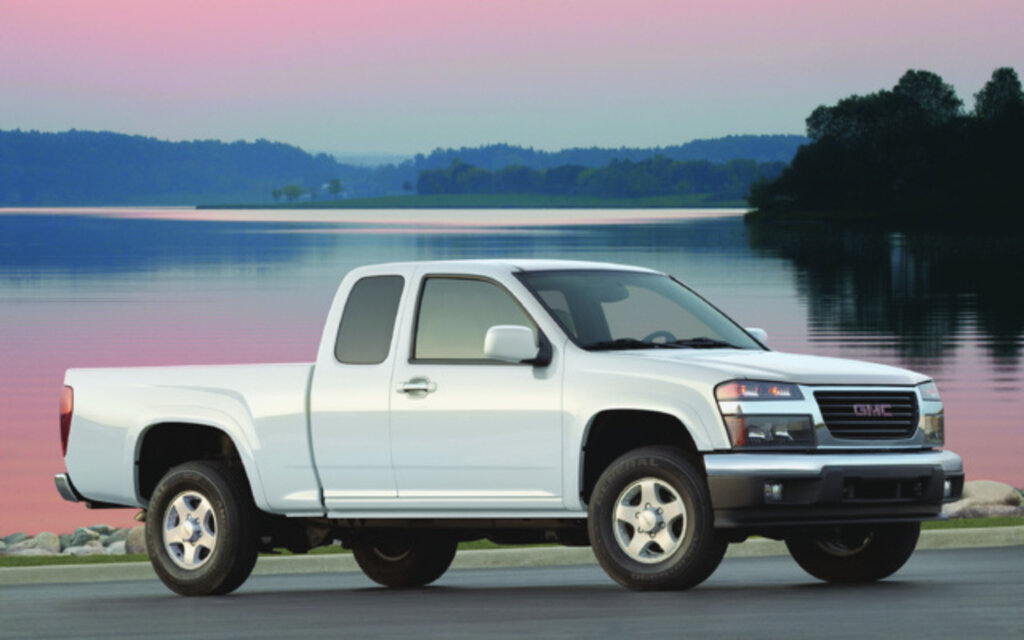
5. GMC Canyon Extended Cab 4WD: Collision-Loss Index of 55
The GMC Canyon extended cab with four-wheel drive shared a collision-loss index of 55 with the Sierra 2500. HLDI’s 2020 through 2022 study therefore placed both GMC configurations at approximately 45% below the all-passenger-vehicle benchmark. The Canyon result was based on 2,620 insured vehicle years.
The Canyon is a smaller pickup than the Sierra 2500, making it a different proposition for drivers who want a truck bed without the dimensions of a heavy-duty model. Its extended cab offers additional interior space, although passenger accommodations vary by generation and configuration.
The HLDI score combines claim frequency with claim severity. It is not a measure of crash-test performance, and it does not say that the Canyon is less likely to injure occupants. Nor does the figure represent the percentage a buyer can expect to save on an insurance policy.
That distinction matters because insurers price individual policies using multiple factors. A driver’s age, location, driving record, deductible, coverage limits, and claims history can influence the premium. Vehicle trim, repair costs, and safety equipment may also affect the quote.
Canyon shoppers should compare insurance costs for the exact cab and drivetrain they intend to purchase. If considering a used truck, inspect the frame, suspension, bed, and underbody for damage or corrosion. Previous towing, off-road use, and aftermarket modifications may also affect the vehicle’s condition and its suitability for the buyer.
The low-loss result makes the extended-cab Canyon worth considering in a collision-coverage comparison. Still, the sample is relatively modest compared with high-volume passenger vehicles, so buyers should avoid treating the index as a universal prediction.
Request several quotes before choosing a policy, and compare the deductible as well as the premium. A lower annual payment may involve more out-of-pocket expense after a crash. The best financial choice depends on the complete policy, not the vehicle’s HLDI score alone.
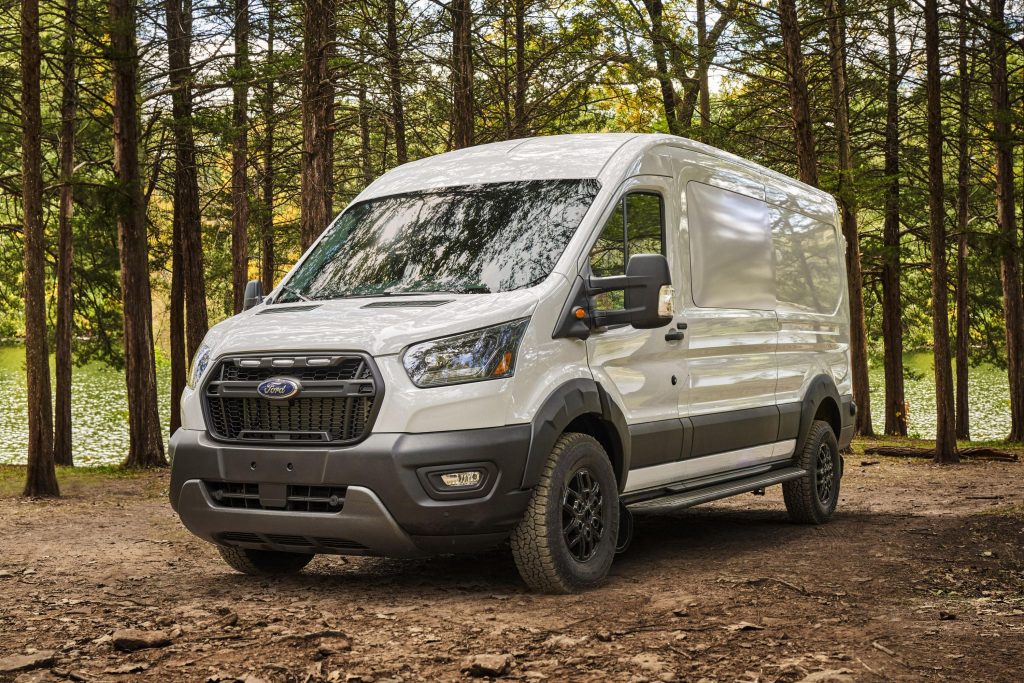
6. Ford T-350 Transit 4WD: Collision-Loss Index of 55
The four-wheel-drive Ford T-350 Transit recorded a collision-loss index of 55 in HLDI’s 2020 through 2022 study. The result placed it among the vehicles with the lowest measured collision losses, approximately 45% below the passenger-vehicle average. The reported exposure was 2,315 insured vehicle years.
The Transit is a versatile van platform used in several configurations, including passenger and cargo applications. HLDI’s entry is specifically identified as the T-350 Transit with four-wheel drive, so the result should not automatically be applied to every Transit variant.
Large vans can serve families, community organizations, and people who need to transport equipment or passengers. Their body shape and intended use differ substantially from those of ordinary cars, which makes comparisons within the same vehicle class particularly important.
HLDI’s broader research shows that collision losses vary by vehicle class and size, reflecting differences in both claims and repair costs.
For buyers, the index is a useful starting point rather than a guarantee of a cheap policy. A passenger van used privately may be rated differently from a vehicle used for business, and coverage requirements can differ according to its use. Owners should tell insurers how the vehicle will actually be operated rather than relying on a generic quote.
Before buying a used Transit, inspect the body, doors, suspension, tires, and any specialized equipment. Repair costs can rise when a vehicle has been converted for passenger transport, camping, or another purpose. Confirm that modifications are properly documented and acceptable to the insurer.
The 55 index reflects the studied vehicle series, not the repair cost of every individual collision. Buyers should obtain quotes for the exact model and intended use, then compare coverage limits, deductibles, and exclusions. That approach offers a clearer picture of insurance expenses than relying on a ranking alone.
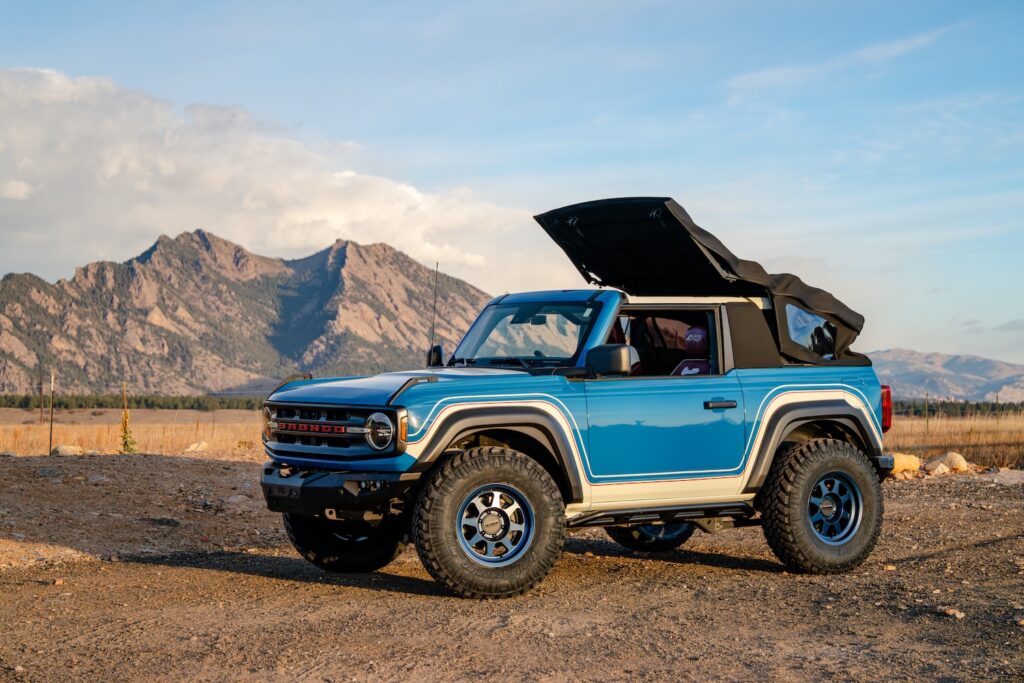
7. Ford Bronco Two-Door 4WD: Collision-Loss Index of 57
The two-door, four-wheel-drive Ford Bronco recorded a collision-loss index of 57 in HLDI’s 2020 through 2022 model-year study. That result corresponds to measured collision losses approximately 43% below the all-passenger-vehicle average. The entry covers 2021 and 2022 models and includes 12,251 insured vehicle years.
The modern Bronco returned to the U.S. market for the 2021 model year, bringing a body-on-frame off-road SUV with removable body panels and a range of equipment packages. Its two-door format is distinct from the four-door version, and buyers should not assume that the same insurance-loss result applies to both configurations.
The Bronco’s off-road capability can be appealing, but intended use matters when assessing ownership expenses. Trail driving can expose the vehicle to rocks, underbody impacts, damaged tires, and body-panel repairs. Aftermarket lifts, larger tires, and other modifications may also affect the insurance quote or coverage terms.
HLDI’s score is encouraging, but it does not establish that the Bronco is safer than other SUVs or that every driver will receive a low premium. Collision-loss results measure the financial experience of claims, not the likelihood of injury in a crash. Crashworthiness and crash-avoidance ratings should be reviewed separately.
Prospective buyers should ask insurers whether accessories and modifications are covered, particularly if the Bronco will be used off-road. Check policy language for exclusions involving competitive driving or certain recreational activities. For a used example, inspect the frame, suspension, underbody, and removable roof components for damage or poor repairs.
The two-door Bronco deserves a place on a shortlist for drivers who value its capability and want to compare collision costs. Still, its insurance price depends on personal rating factors, coverage choices, and vehicle specifications. Obtain quotes before committing to a purchase, and compare them with alternatives that meet the same needs.
8. Ford T-150 Transit Cargo 4WD: Collision-Loss Index of 56
The four-wheel-drive Ford T-150 Transit cargo van recorded a collision-loss index of 56 in HLDI’s 2020 through 2022 study. That places its measured collision losses approximately 44% below the all-passenger-vehicle benchmark. The report recorded 1,168 insured vehicle years for this specific configuration.
Cargo vans are designed around utility rather than passenger-car styling. They can carry tools, supplies, and equipment, making them relevant to tradespeople and owners who need substantial enclosed storage.
The Transit cargo model’s result should not be confused with the passenger version or other Transit configurations, which can differ in equipment, weight, and use.
Insurance treatment is especially important for a cargo van. A privately operated vehicle and one used for a business may require different coverage. Personal auto insurance may not cover every commercial use, so buyers should describe their actual driving and cargo-related activities when requesting a quote.
The HLDI score is also not a measure of theft losses, liability claims, or damage to someone else’s vehicle. It specifically reflects collision losses involving damage to the insured vehicle, including both how often claims occur and how much insurers pay. Comprehensive and liability coverage are separate categories.
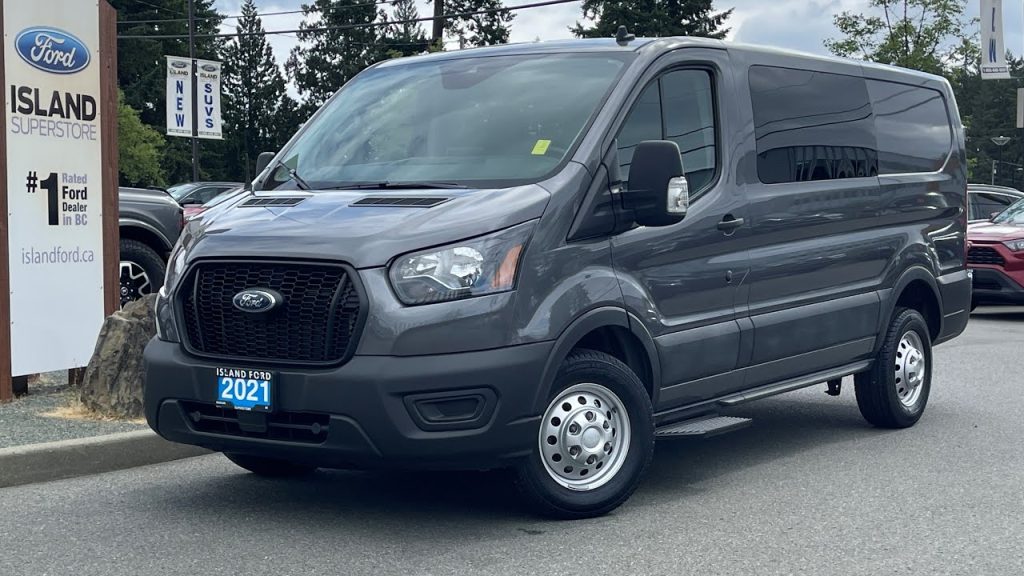
Before purchasing a used cargo van, examine the bodywork, doors, tires, suspension, and underbody. Check for evidence of heavy loads, poorly repaired crash damage, or modifications that could affect its value. If shelves, partitions, or other equipment have been installed, confirm whether the insurer covers those additions.
The Transit cargo van’s index of 56 makes it a notable option in HLDI’s comparison, but the limited exposure means the score should be interpreted carefully. Actual insurance premiums will depend on vehicle details, location, driver history, and policy terms.
For anyone choosing a work van, the best next step is to request a commercial-use quote where appropriate and compare deductibles, liability limits, and coverage for equipment. The published result offers useful evidence, but the insurer’s written quote determines the real cost.