
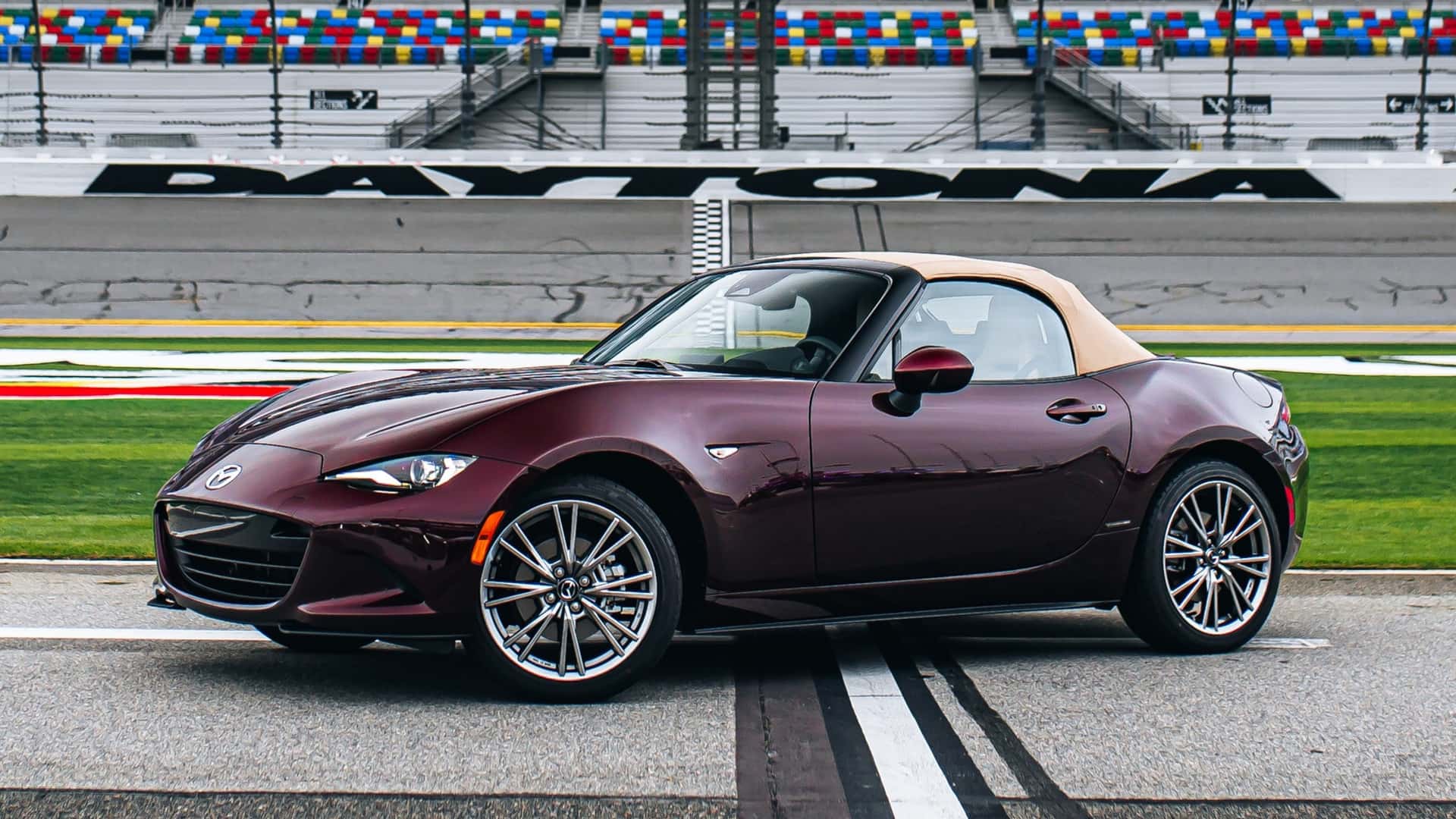
Mazda has earned a reputation for combining enjoyable driving dynamics with practical ownership costs, but keeping a vehicle running beyond 100,000 miles requires more than a dependable engine.
Repair bills, maintenance requirements, parts prices, and the likelihood of major mechanical problems all influence long-term expenses. RepairPal’s reliability data offers a useful starting point for identifying Mazda models with relatively low annual repair and maintenance costs.
However, these figures represent model-wide averages rather than guaranteed expenses for high-mileage vehicles. A car’s service history, age, driving conditions, and mechanical condition ultimately determine whether it remains affordable to own.
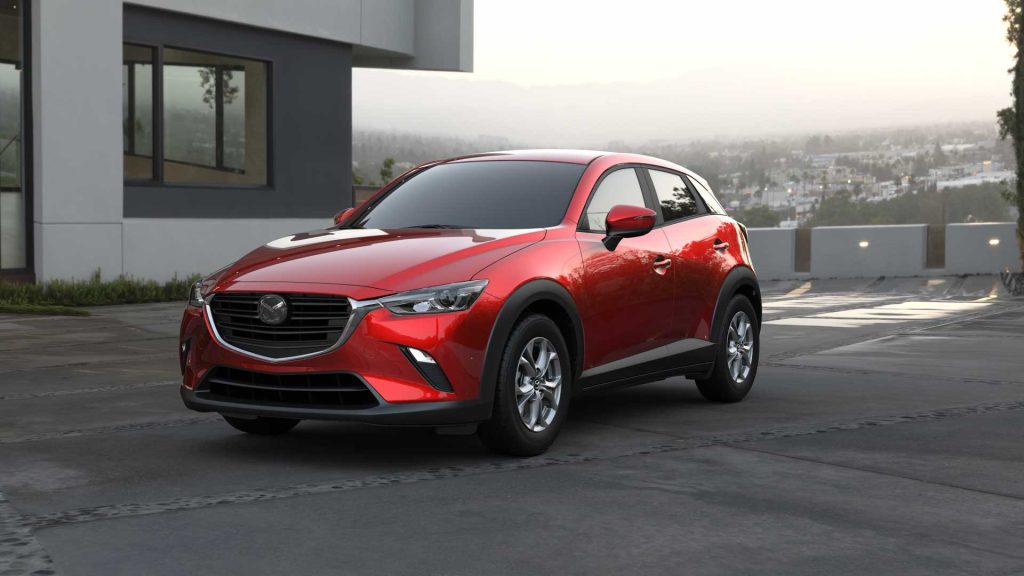
1. Mazda CX-3: An Affordable Small SUV to Maintain
RepairPal average annual repair cost: $345
The Mazda CX-3 makes a compelling case for drivers who want SUV styling and everyday practicality without the running expenses associated with larger vehicles.
RepairPal estimates its average annual repair and maintenance cost at $345, substantially below the $652 average across all vehicle models in its reliability database. Its reliability rating of 4.5 out of 5 also makes it an appealing option in the subcompact SUV segment.
Sold in the United States from the 2016 through 2021 model years, the CX-3 generally uses a 2.0-liter four-cylinder engine paired with a six-speed automatic transmission.
Front-wheel drive is standard on many versions, while all-wheel drive is available on selected configurations. Its compact dimensions and relatively straightforward mechanical layout make it worth considering as an affordable used crossover.
At 100,000 miles, however, buyers should examine the individual vehicle rather than relying exclusively on its reliability rating. Inspect the suspension, brakes, tires, cooling system, transmission operation, and engine for fluid leaks.
A test drive should reveal whether the transmission shifts smoothly and whether the suspension produces unusual noises over uneven pavement.
Rust also deserves attention, particularly if the vehicle has spent winters in regions where road salt is commonly used. Corrosion around suspension mounting points and brake lines can create expensive problems that a simple engine inspection might miss.
Service records should confirm regular oil changes and show whether worn components have already been replaced.
The $345 annual estimate is a comparison point, not a guarantee for an older CX-3. A neglected vehicle may require several repairs within a short period. Nevertheless, a well-maintained example offers a promising combination of compact SUV practicality and relatively modest reported repair expenses.
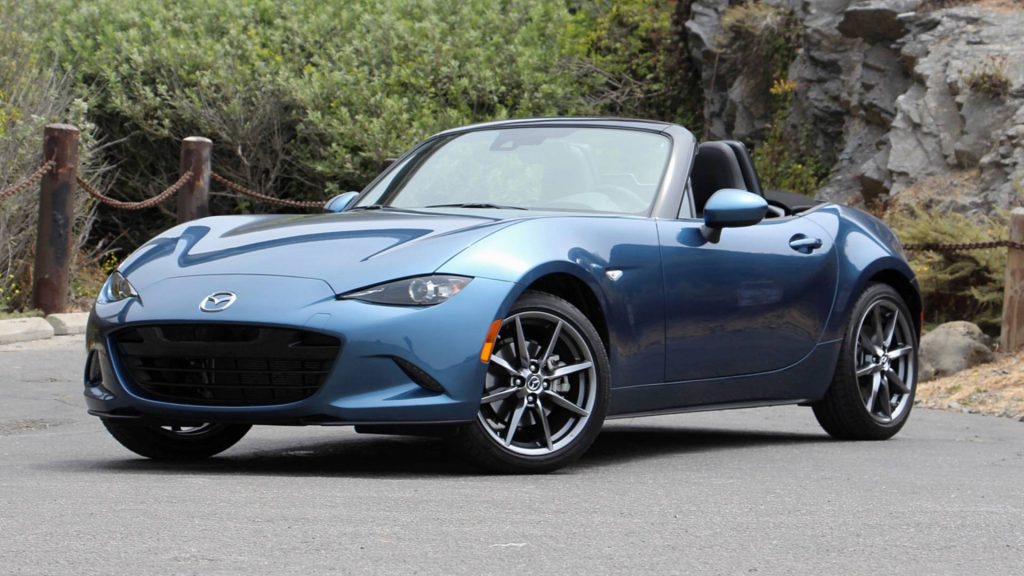
2. Mazda Miata: A Lightweight Roadster With Modest Repair Costs
RepairPal average annual repair cost: $349
A two-seat sports car might seem like an unusual choice for affordable ownership, yet the Mazda Miata challenges the assumption that enjoyable driving necessarily brings expensive repair bills. RepairPal estimates its average annual repair and maintenance cost at $349, considerably below its $652 average across all vehicle models.
The Miata’s appeal comes partly from its lightweight engineering philosophy. Rather than relying on a large engine, substantial vehicle weight, or a complicated performance drivetrain, it emphasizes a compact four-cylinder engine, rear-wheel drive, and responsive handling.
Earlier American-market generations generally used naturally aspirated engines, although specifications differ by model year.
Crossing 100,000 miles does not automatically make a Miata expensive to maintain. Its previous use is particularly important, however.
Some examples have spent years on relaxed weekend drives, while others may have experienced track sessions, aggressive driving, or inconsistent maintenance. Track use can accelerate wear on tires, brakes, suspension components, and the clutch.
Before purchasing one, inspect the clutch on manual-transmission models, check the cooling system, examine suspension components, and look for oil leaks.
The transmission and differential should also be checked for unusual noises or operating problems. A mechanic familiar with the model can identify wear that may not become obvious during a short test drive.
Convertible-specific checks deserve attention, too. The roof should open and close correctly, its seals should remain intact, and the cabin should show no evidence of water intrusion. Older examples may require suspension bushings, tires, or other age-related replacements even when the engine remains healthy.
RepairPal’s $349 estimate does not cover every possible expense associated with an aging sports car. Fuel, insurance, tires, and scheduled servicing contribute to the real ownership budget. Still, a carefully maintained Miata demonstrates that a fun car can have relatively restrained average repair costs.
3. Mazda3: A Practical Compact Car With Manageable Repair Bills
RepairPal average annual repair cost: $433
For drivers who spend considerable time commuting, the Mazda3 offers a useful combination of everyday practicality, responsive handling, and relatively affordable maintenance.
RepairPal estimates annual repair and maintenance expenses at $433, compared with $526 for the average compact car and $652 across all vehicle models. Its reliability rating is 4.0 out of 5, ranking ninth among 36 compact cars in the cited assessment.
The Mazda3 has been sold in the United States as both a sedan and a hatchback, giving used-car shoppers two body styles to consider.
Depending on the model year and trim, American-market examples have used naturally aspirated four-cylinder engines or turbocharged alternatives. Manual and automatic transmissions have also been available, although the choices vary across generations.
That variety matters when buying a vehicle with more than 100,000 miles. A naturally aspirated model may appeal to someone prioritizing straightforward ownership, while a turbocharged version offers stronger acceleration but introduces additional components that deserve careful inspection. Neither configuration should be judged by mileage alone.
Before purchasing, request service records and check the engine for oil leaks, worn mounts, and unusual noises. During the test drive, pay attention to transmission behavior, braking performance, and suspension sounds. Uneven tire wear can indicate alignment problems or deteriorating suspension components.
RepairPal identifies illuminated airbag warning lights among reported Mazda3 problems, with damaged wiring associated with the seat-belt pretensioner sensor identified as a possible cause. An airbag warning should be investigated by a qualified technician because simply clearing the code does not establish that the safety system works correctly.
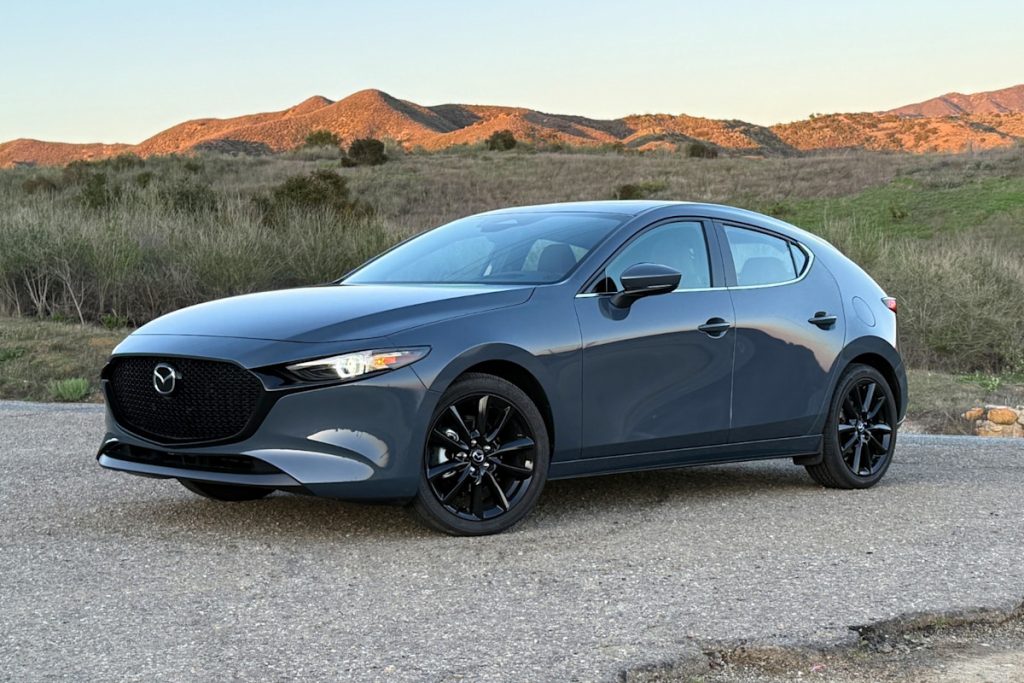
Specifications also vary by year. Certain 2022 Mazda3 configurations offered a 2.0-liter four-cylinder engine producing 155 horsepower, while other versions used different engines.
The $433 annual estimate makes the Mazda3 worth comparing with other compact cars. However, the next year’s expenses could be considerably higher if the vehicle needs suspension work, tires, or transmission repairs.
A documented service history and independent inspection are essential before committing to a high-mileage example.
4. Mazda CX-5: A Family SUV With Below-Average Repair Costs
RepairPal average annual repair cost: $447
A family SUV must handle commuting, shopping, highway journeys, and passenger duties without making every repair an expensive surprise. The Mazda CX-5 makes a strong case for buyers seeking that balance.
RepairPal reports average annual repair and maintenance costs of $447, compared with $573 for midsize SUVs and $652 across all vehicle models. Its reliability rating is 4.5 out of 5, ranking first among 26 midsize SUVs in the cited assessment.
Introduced in the United States for the 2013 model year, the CX-5 occupies a useful middle ground between smaller crossovers and larger family SUVs.
American-market versions have used four-cylinder gasoline engines, with naturally aspirated and turbocharged options available depending on the year and trim. Front-wheel drive is offered on many versions, while all-wheel drive is available on numerous configurations.
At 100,000 miles, condition should determine whether a particular CX-5 represents good value. Buyers should review maintenance records, check for fluid leaks, and investigate any history of overheating or warning lights.
A test drive should include low-speed turns, highway acceleration, braking, and uneven pavement to reveal potential mechanical problems.
RepairPal identifies premature rear-brake wear, including grinding noises and caliper-related concerns, among reported CX-5 problems. These reports do not mean every vehicle will develop the issue, but they make a careful brake inspection worthwhile.
Its repair data also includes estimates for jobs such as timing-chain tensioner replacement, illustrating how an individual mechanical repair can cost far more than a typical annual average.
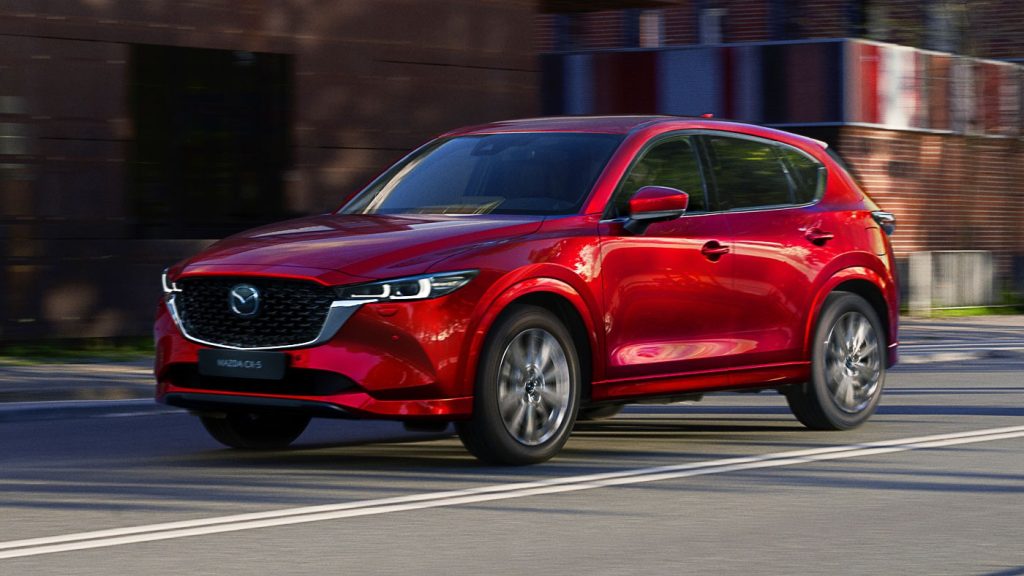
The 2024 U.S.-market CX-5 offered a standard 2.5-liter four-cylinder engine producing 187 horsepower. A turbocharged 2.5-liter option produced up to 256 horsepower on premium fuel.
The $447 annual estimate is an encouraging benchmark for used-SUV shoppers, but it cannot predict the expenses of a specific vehicle. Tires, brakes, previous repairs, and drivetrain condition can substantially change the cost of ownership. A documented service history and independent pre-purchase inspection remain essential.
5. Mazda6: A Midsize Sedan With Reasonable Long-Term Expenses
RepairPal average annual repair cost: $481
Not every driver approaching 100,000 miles wants a small hatchback or crossover. The Mazda6 offers a different proposition, combining generous passenger space, a comfortable highway ride, and responsive handling.
RepairPal estimates its average annual repair and maintenance cost at $481, below the $526 average for midsize cars and the $652 figure across all vehicle models. Its reliability rating is 4.0 out of 5, ranking sixth among 24 midsize cars.
The Mazda6 was sold in the United States through the 2021 model year. Depending on the year and trim, buyers can find naturally aspirated four-cylinder engines or turbocharged 2.5-liter versions in later generations.
Most examples use a six-speed automatic transmission, although manual versions were available in certain earlier configurations.
Because the model is discontinued in the United States, used-car shoppers can find vehicles at different ages and price points. The challenge is separating well-maintained examples from those carrying years of deferred maintenance.
At 100,000 miles, inspect the suspension, brakes, engine mounts, cooling system, and transmission. Look for oil seepage and confirm that the engine accelerates smoothly without unusual noises. The air-conditioning system, infotainment equipment, and electrical features also deserve attention because repair bills are not limited to the engine and transmission.
RepairPal reports a 9% probability of a repair being severe for the Mazda6, compared with 12% for midsize cars and all vehicle models in its cited data. This is a statistical measure of repair severity, not a prediction that an individual vehicle will avoid major repairs.
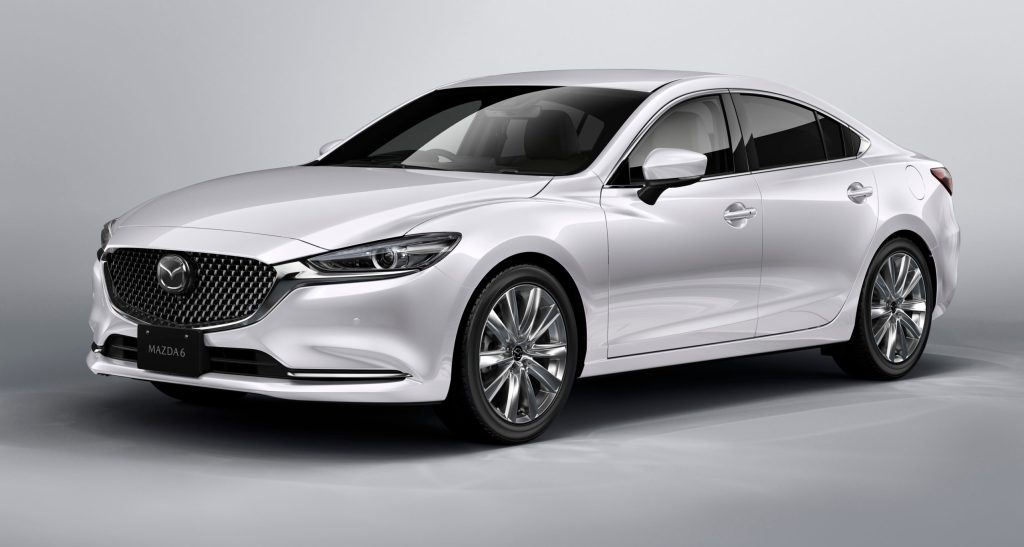
Turbocharged versions deserve additional scrutiny because the turbocharger, oil system, and previous servicing habits can influence repair costs. A naturally aspirated model may suit budget-conscious buyers who do not need additional power.
The $481 annual benchmark is encouraging for anyone seeking a spacious sedan. However, a well-documented maintenance history and satisfactory inspection are more valuable than the average when evaluating an individual high-mileage car.
6. Mazda2: A Small Car With a Strong Reliability Rating
RepairPal average annual repair cost: $449
The Mazda2 is worth considering for drivers who prioritize compact dimensions, easy parking, and uncomplicated daily transportation. RepairPal estimates average annual repair and maintenance costs at $449. Its reliability rating is 4.5 out of 5, placing it third among 21 subcompact cars in the cited database.
American buyers primarily encountered the Mazda2 in the 2011 through 2014 model years. Its compact footprint makes navigating crowded streets easier, while its modest four-cylinder engine avoids the complexity of larger, high-output powertrains. Manual and automatic transmissions were available depending on the model year and configuration.
At 100,000 miles, the vehicle’s history matters more than the odometer alone. Frequent stop-and-go traffic can increase brake wear, while repeated short journeys and cold starts can affect other components. A vehicle with consistent highway use may have experienced a different pattern of wear.
During an inspection, check the clutch on manual cars and test automatic gear changes. Listen for wheel-bearing hum and suspension rattles, and examine tire wear for signs of alignment problems. The engine should start cleanly, idle consistently, and show no signs of overheating.
Rust deserves particular attention because these cars are now relatively old. Inspect the underside, suspension mounting points, brake lines, and wheel arches, especially if the vehicle has spent winters in states that use road salt. Test the air conditioning and electrical accessories as well.
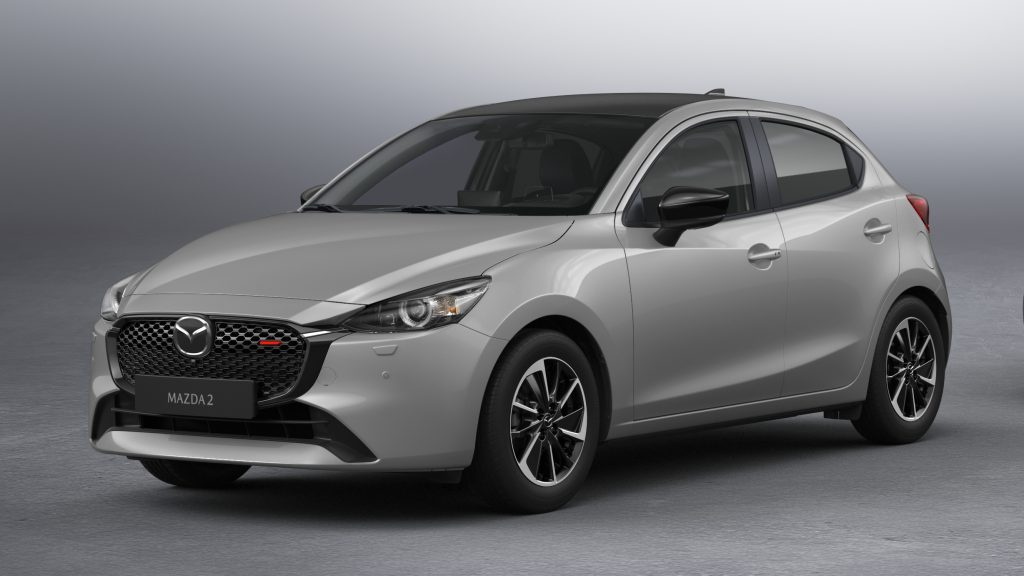
RepairPal’s $449 estimate represents average annual repair and maintenance expenses across its available data. It does not include fuel, insurance, registration, or every scheduled service.
For buyers comfortable with an older economy car, the Mazda2 can provide practical transportation at a reasonable cost. A clean example with maintenance records is a better choice than the lowest-priced vehicle with an uncertain history.
7. Mazda CX-9: A Three-Row SUV With Competitive Repair Costs
RepairPal average annual repair cost: $539
Families needing three rows of seating often expect higher maintenance expenses when choosing a larger SUV. The Mazda CX-9 offers a useful counterpoint.
RepairPal estimates its average annual repair and maintenance cost at $539, compared with $784 for full-size SUVs and $652 across all vehicle models. Its reliability rating is 4.0 out of 5, ranking first among 14 full-size SUVs in the cited database.
Sold in the United States from the 2007 through 2023 model years, the CX-9 changed considerably between generations. Earlier versions used a naturally aspirated V6, while later examples adopted a turbocharged 2.5-liter four-cylinder engine paired with a six-speed automatic transmission.
These differences matter because engine design and maintenance requirements vary by generation.
A CX-9 approaching 100,000 miles can suit families who need passenger capacity without moving to a truck-based SUV. Its additional weight and equipment make tire condition, braking performance, and suspension wear particularly important.
Inspect all three seating rows, rear-seat folding mechanisms, the air-conditioning system, and the power liftgate if fitted.
Transmission behavior deserves close attention. RepairPal identifies hard shifting and transmission slipping among reported CX-9 problems, including concerns associated with six-speed automatic-equipped models. Hesitation, harsh engagement, or inconsistent gear changes warrant professional diagnosis before purchase.
On turbocharged versions, examine the engine for oil leaks and investigate any history of overheating, warning lights, or unusual exhaust smoke. An independent mechanic should inspect the cooling system, engine mounts, transmission, and drivetrain.
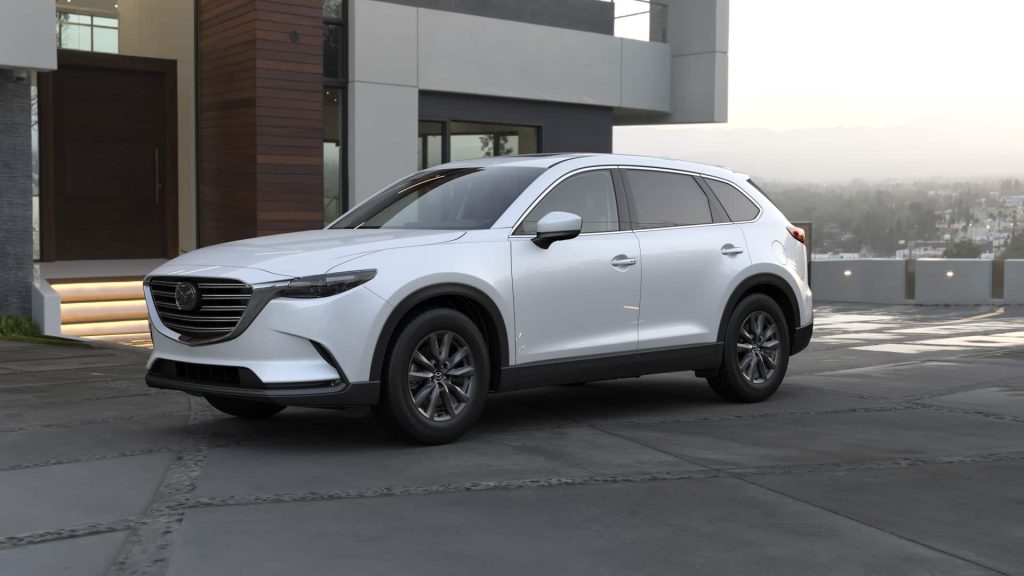
The 2023 U.S.-market CX-9 produced up to 250 horsepower on premium fuel or 227 horsepower on regular fuel. Seating capacity reaches seven, depending on configuration.
Its $539 annual estimate compares favorably with the cited full-size SUV average, but it does not eliminate the possibility of expensive repairs. Documented servicing and a thorough inspection are especially important for a high-mileage family vehicle.
8. Mazda Tribute: An Older SUV With a Moderate Repair-Cost Benchmark
RepairPal average annual repair cost: $523
For shoppers working with a limited budget, an older SUV can provide useful cargo space and a higher seating position without the purchase price of a newer crossover.
The Mazda Tribute is one option worth considering, particularly for buyers comfortable owning a discontinued model. RepairPal estimates its average annual repair and maintenance cost at $523, below its $652 average across all vehicle models.
Sold in the United States across several generations, the Tribute shares much of its underlying engineering with the Ford Escape. American-market versions offered four-cylinder and V6 engines, with all-wheel drive available on selected configurations. Buyers should confirm the exact model year and powertrain because mechanical specifications vary.
At this age, deterioration caused by time can matter as much as mileage. Rubber hoses, engine mounts, suspension bushings, electrical connectors, and cooling-system components may need replacement even when a vehicle has not been driven extensively.
RepairPal identifies engine misfires associated with damaged fuel-injector wiring among reported Tribute problems. It also lists failure of the differential pressure feedback EGR sensor as a known issue. These reports do not establish that every vehicle will develop either fault, but they provide useful starting points for diagnostic checks.
Rust deserves particular attention. Examine the underside, rocker panels, wheel arches, brake lines, and suspension mounting points. Serious structural corrosion can make an inexpensive SUV uneconomical to repair, even if its engine runs well.
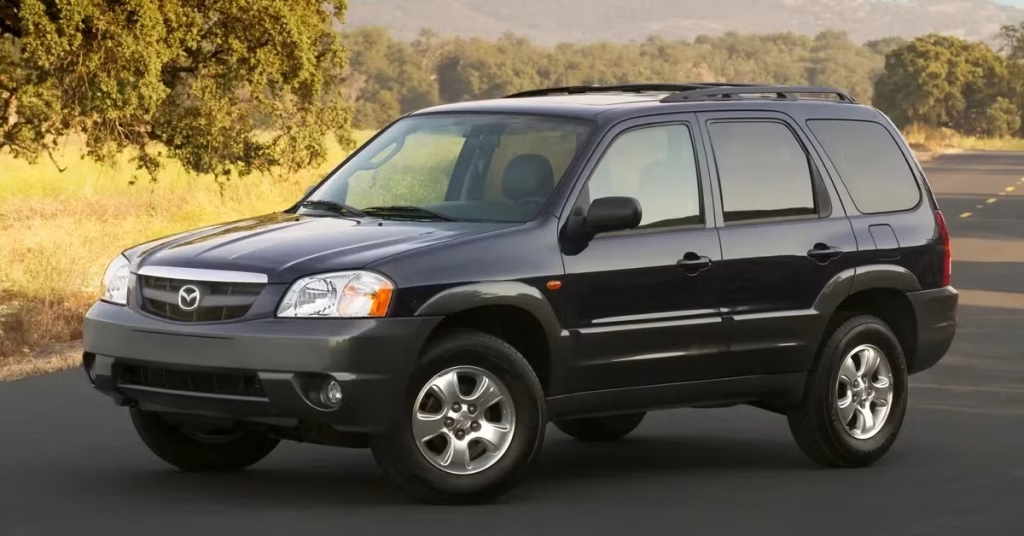
During a test drive, check for transmission slipping, harsh shifts, suspension knocks, and signs of overheating. Test the air conditioning, power windows, and four-wheel-drive or all-wheel-drive system where fitted.
The $523 annual estimate is a comparison point, not a prediction for an aging Tribute with more than 100,000 miles. Because these vehicles are now older, buyers should budget for age-related repairs and arrange a comprehensive pre-purchase inspection.
9. Mazda MX-5 Miata: A Sports Car With a Different Repair-Cost Estimate
RepairPal average annual repair cost: $429
RepairPal’s separate MX-5 Miata reliability listing reports an average annual repair and maintenance cost of $429, below the $456 average for subcompact cars and the $652 average across all vehicle models. Its reliability rating is 4.0 out of 5, ranking eighth among 21 subcompact cars.
This listing provides a different cost estimate from the $349 figure cited for the Miata earlier in this article. The figures come from separate RepairPal model listings and should not be interpreted as costs for two different vehicles or combined into a single average without confirming the underlying data.
The Miata’s lightweight, two-seat layout and compact four-cylinder engines make it appealing to driving enthusiasts. Because it has evolved through several generations, a high-mileage example can differ considerably from a newer model in its engine, equipment, and maintenance requirements.
Usage history is especially important. Regular track driving can accelerate wear on brakes, tires, suspension components, and the clutch. Ask about modifications, previous accidents, and the type of driving the vehicle has experienced.
RepairPal identifies ticking noises associated with valve lash adjusters and infrequent oil changes among reported Miata problems. It also lists an illuminated check engine light caused by an improperly tightened fuel cap on certain models. These examples highlight the importance of routine maintenance and diagnostic checks.
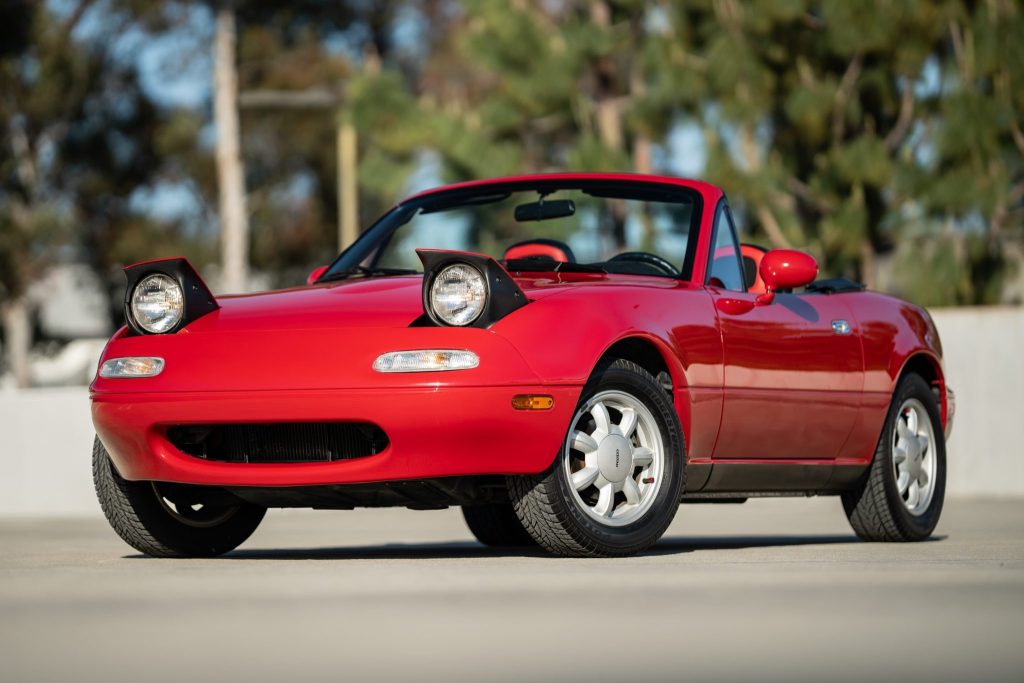
Inspect the cooling system, engine oil condition, transmission, differential, clutch where applicable, and suspension. Convertible models need checks for roof damage, leaking seals, and water intrusion. Older examples should also be examined for corrosion underneath the body.
The $429 estimate excludes insurance, fuel, registration, and scheduled maintenance. A well-documented Miata can be an enjoyable second car or daily driver, but its actual ownership costs depend on condition and servicing.
10. Mazda CX-7: A Used Crossover With a Repair-Cost Advantage
RepairPal average annual repair cost: $470
The Mazda CX-7 closes the list with a lower annual repair-cost estimate than the midsize SUV average, although its reliability rating suggests buyers should approach it cautiously.
RepairPal estimates average annual repair and maintenance costs at $470, compared with $573 for midsize SUVs and $652 across all vehicle models. Its reliability rating is 3.5 out of 5, ranking 16th among 26 midsize SUVs.
Sold in the United States from the 2007 through 2012 model years, the CX-7 combined crossover practicality with a sportier driving character. American-market versions included a naturally aspirated four-cylinder engine and a turbocharged 2.3-liter four-cylinder, depending on the year and configuration.
The turbocharged engine deserves particular attention when shopping for a vehicle with more than 100,000 miles. RepairPal identifies turbocharger failure and engine noise associated with a worn timing chain among reported CX-7 problems.
Turbocharger faults can cause reduced power and expensive repairs, while timing-chain noise requires professional diagnosis rather than being dismissed as a minor annoyance.
A pre-purchase inspection should examine the turbocharger and its oil lines on equipped models, investigate unusual engine noises, and check for leaks, overheating, and stored diagnostic trouble codes. Service records should demonstrate consistent oil changes and appropriate maintenance.
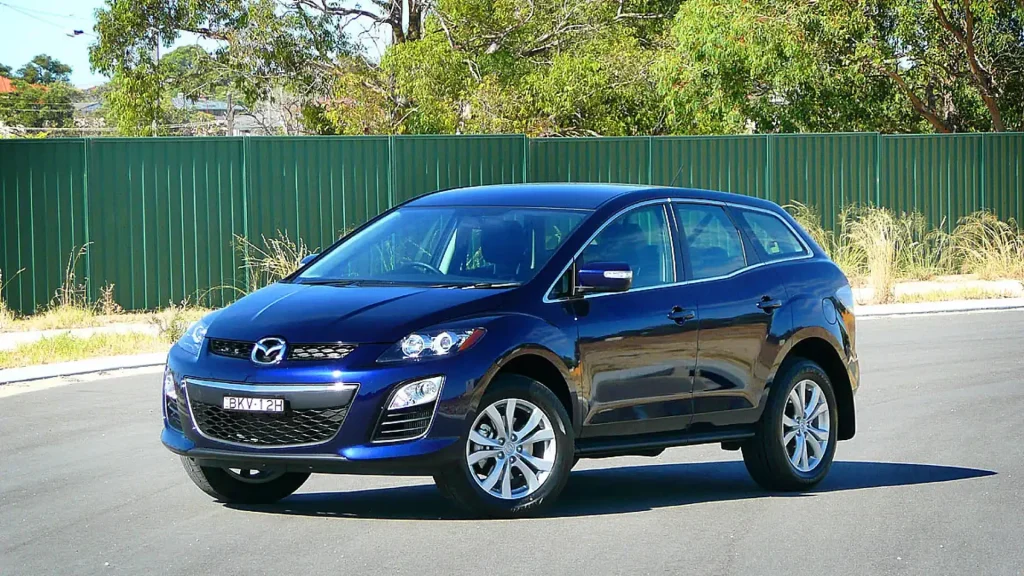
The transmission, suspension, brakes, and cooling system also need attention. During the test drive, listen for wheel-bearing noise and suspension knocks, confirm that acceleration is smooth, and check whether the vehicle tracks straight under braking. Inspect the underside for corrosion around structural components and suspension mounting points.
The turbocharged 2.3-liter engine produced 244 horsepower in its original American-market application, while later naturally aspirated versions used a 2.5-liter four-cylinder. Buyers should confirm the exact specifications of the vehicle being considered.
The $470 annual estimate looks attractive, but RepairPal reports repair frequency above the average for midsize SUVs. Relatively modest average costs therefore do not necessarily mean fewer visits to a repair shop. A specialist inspection and financial reserve for unexpected repairs are essential when considering a high-mileage CX-7.
