
Electric cars have changed how drivers think about long-distance travel, but advertised range does not always reflect what happens on the highway. Driving at a steady 70 mph uses energy differently from slower city driving, making independent road tests valuable for buyers who regularly travel between cities.
This ranking examines 20 electric vehicles by estimated real-world highway range, focusing on battery efficiency, aerodynamics, vehicle size, and practical touring ability. The figures are rounded reference estimates rather than verified results from a single standardized test, so exact performance may vary with model year, trim, weather, tires, and road conditions.
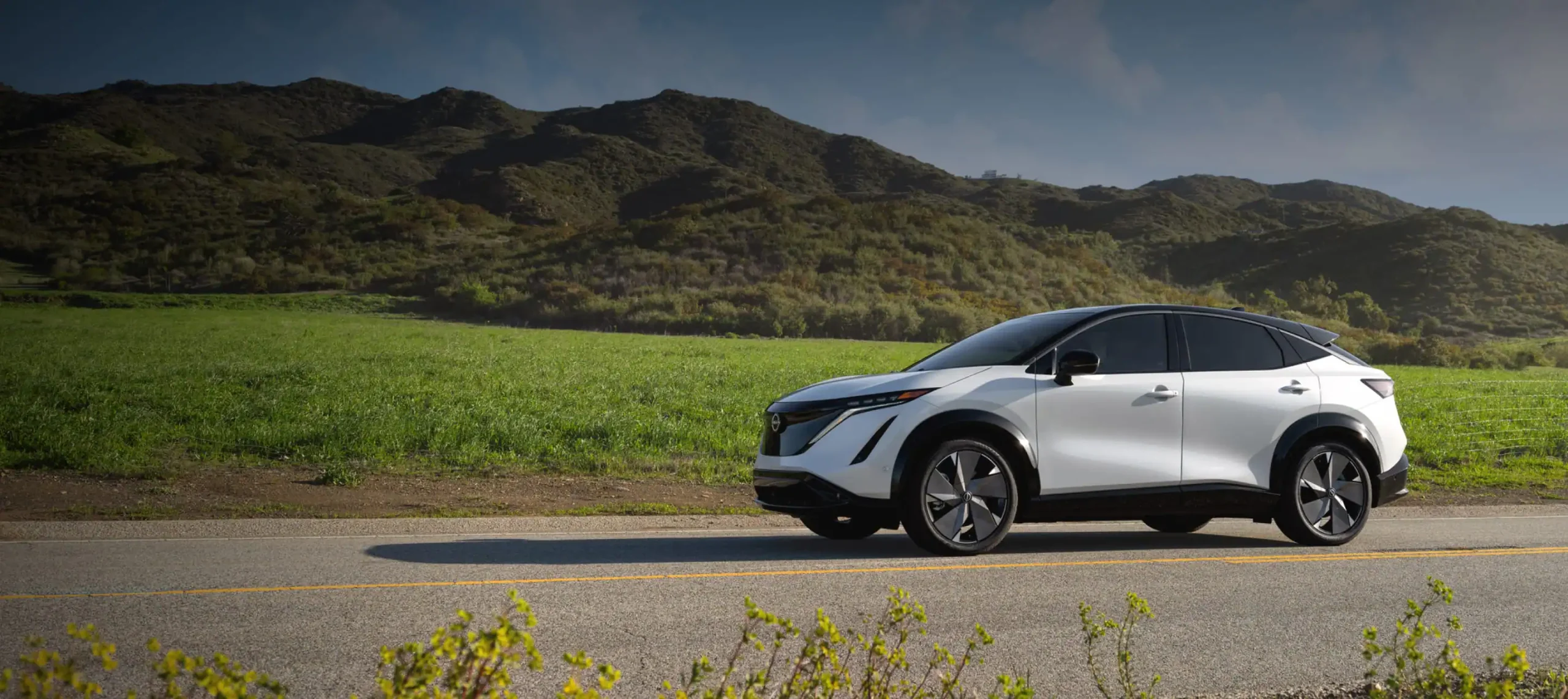
20. Nissan Ariya: Approximately 220 Miles
The Nissan Ariya offers a comfortable cabin, a quiet ride, and a practical crossover body. Its highway range depends heavily on battery size, front-wheel or all-wheel drive, and wheel selection. Higher-powered all-wheel-drive configurations generally use more energy, particularly when cruising at sustained speeds.
The Ariya’s upright profile also creates more aerodynamic resistance than a low-slung electric sedan. A driver covering long interstate distances should pay attention to the exact battery version and available charging stops rather than relying solely on the manufacturer’s maximum range figure.
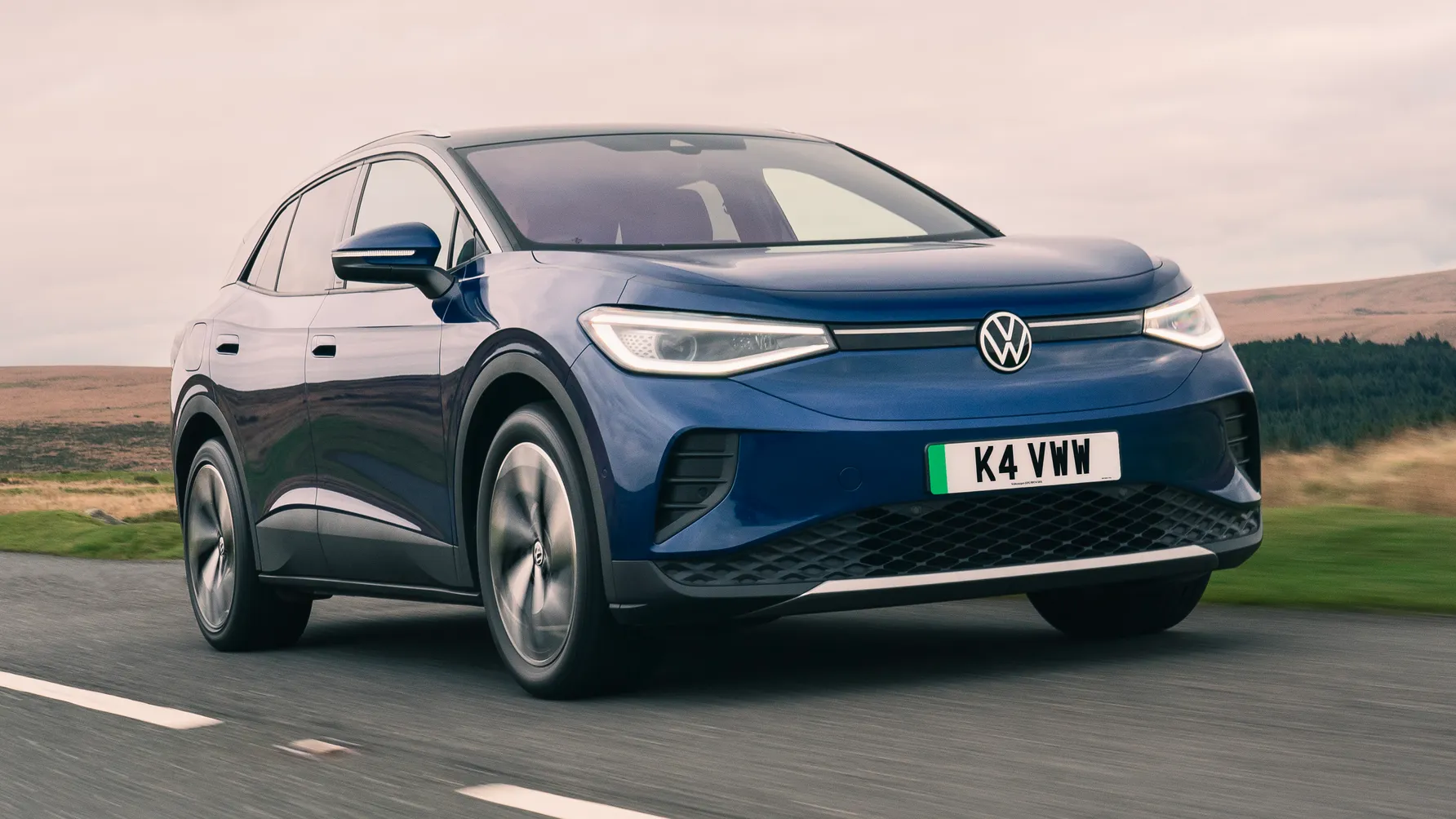
19. Volkswagen ID.4: Approximately 225 Miles
The Volkswagen ID.4 is designed around everyday practicality rather than maximum highway distance. Its spacious seating, useful cargo area, and relatively conventional controls make it appealing to households moving from petrol-powered crossovers.
Highway efficiency varies across rear-wheel-drive and all-wheel-drive models, battery generations, and wheel packages. A representative estimate near 225 miles illustrates how a practical electric SUV may offer useful travel capability without matching the efficiency of purpose-built electric sedans.
Prospective buyers should verify the specific trim because different versions can have significantly different range ratings.
At 70 mph, the ID.4 must overcome the aerodynamic resistance associated with its relatively tall body. Its actual consumption can rise on cold days or during high-speed driving in windy conditions. Drivers planning extended journeys should identify charging locations before leaving and keep a reasonable battery reserve for unexpected delays.
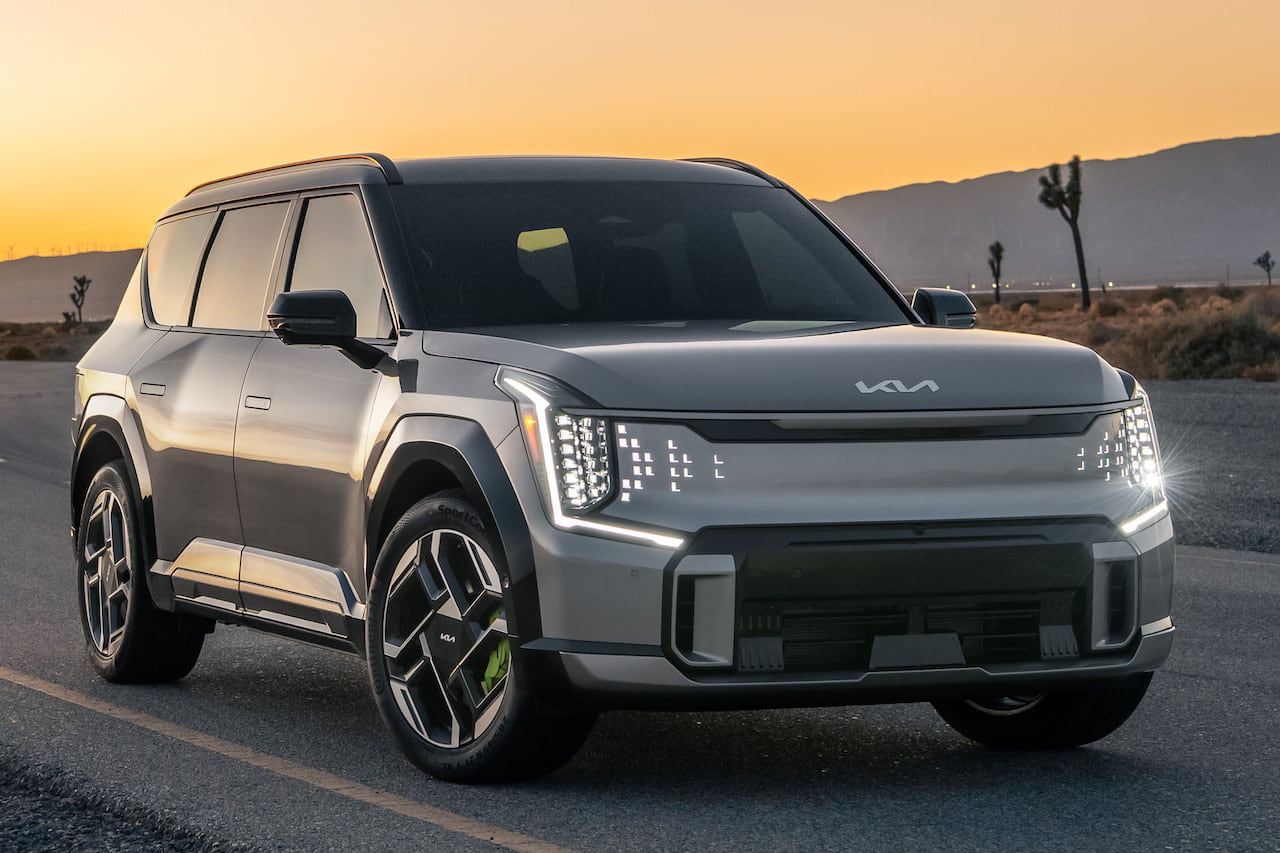
18. Kia EV9: Approximately 230 Miles
The Kia EV9 brings three-row seating to the electric family vehicle market. Its size allows families to carry passengers and luggage without moving to a traditional large petrol SUV, but the tall body and substantial weight place greater demands on the battery at highway speeds.
The precise range depends on battery configuration, drivetrain, wheels, and trim. A large electric SUV can still be a capable touring vehicle, yet buyers should expect energy use to reflect its dimensions. The range estimate here is a broad comparison point rather than a guaranteed test result for every EV9 version.
The EV9’s strongest appeal lies in passenger space and family versatility. Adults can use the rear seating area more comfortably than in many smaller crossovers, while the broad cabin helps accommodate everyday family equipment.
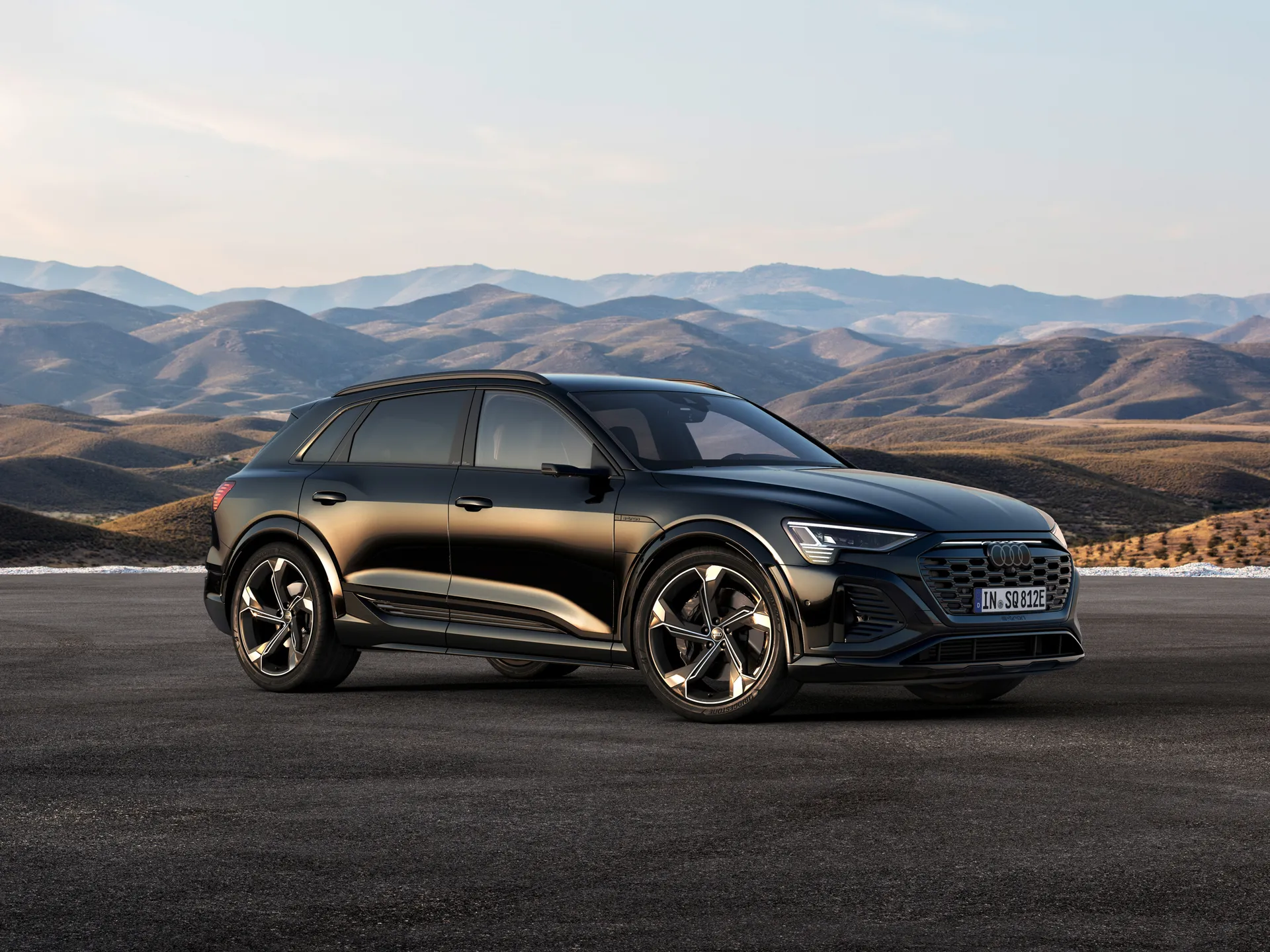
17. Audi Q8 e-tron: Approximately 245 Miles
The Audi Q8 e-tron prioritizes a refined cabin, a quiet ride, and premium comfort. Its substantial construction and relatively large body mean it needs considerable energy to maintain highway speed. Battery capacity helps compensate for that demand, but a large battery does not automatically guarantee class-leading distance.
Equipment, wheel diameter, temperature, and driving style can all influence consumption. The model’s production history includes different configurations and model-year updates, so a buyer should check the precise vehicle rather than treating a single estimate as applicable to every example.
The Q8 e-tron’s appeal is strongest for drivers who value luxury and relaxed long-distance travel. Seats, cabin insulation, and ride quality can reduce fatigue during extended trips. However, the cost of running a large electric SUV includes more than electricity, since tire replacement and insurance may also be significant.
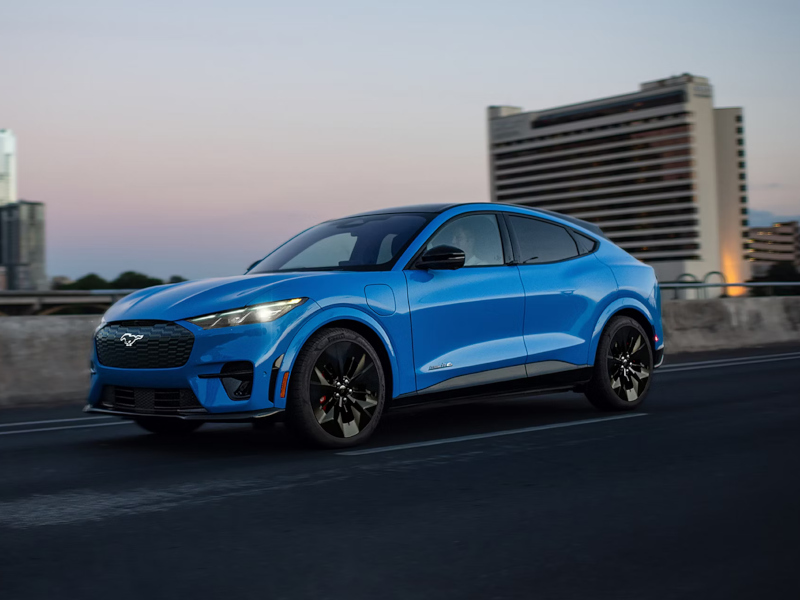
16. Ford Mustang Mach-E Extended Range: Approximately 250 Miles
The Ford Mustang Mach-E combines sporty styling with the everyday usability of a family crossover. Extended-range versions offer a larger battery, but actual highway distance changes with drivetrain, model year, wheels, and weather.
All-wheel-drive variants can consume more energy than comparable rear-wheel-drive versions because they use additional motors and may carry extra weight.
The estimate of around 250 miles represents a general comparison point, not a verified result for every Extended Range model. Buyers should look at the exact vehicle’s efficiency data and independent highway tests before making a purchase decision.
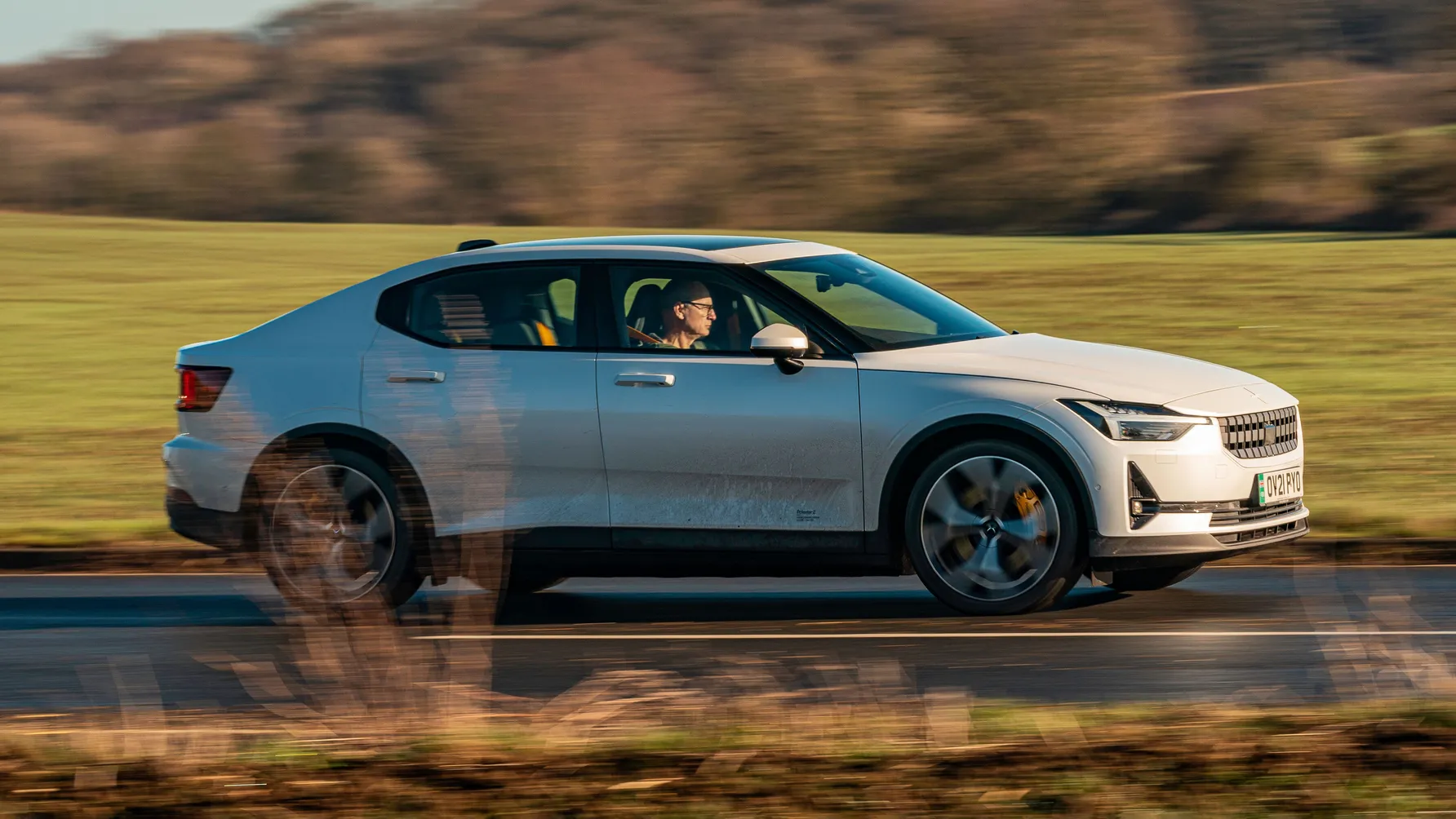
15. Polestar 2 Long Range: Approximately 250 Miles
The Polestar 2 offers a restrained design, a solid cabin, and a driving experience that emphasizes stability. Long Range versions have been offered with different motor configurations and battery specifications over time, so the exact model year matters.
Rear-wheel-drive versions can offer favorable efficiency, while dual-motor versions provide stronger traction and acceleration. The fastback shape helps distinguish it from taller electric SUVs, but the vehicle’s wheel package and mechanical setup still affect energy use. The estimated 250-mile highway figure should be treated as an approximate guide rather than a definitive result.
For drivers who enjoy a composed ride and a relatively compact footprint, the Polestar 2 can be a useful everyday and touring car. Its hatchback-style rear opening makes it easier to load bulky items than a traditional sedan trunk, while its interior design is simple and modern. Long-distance owners should compare charging speed and route coverage alongside range.
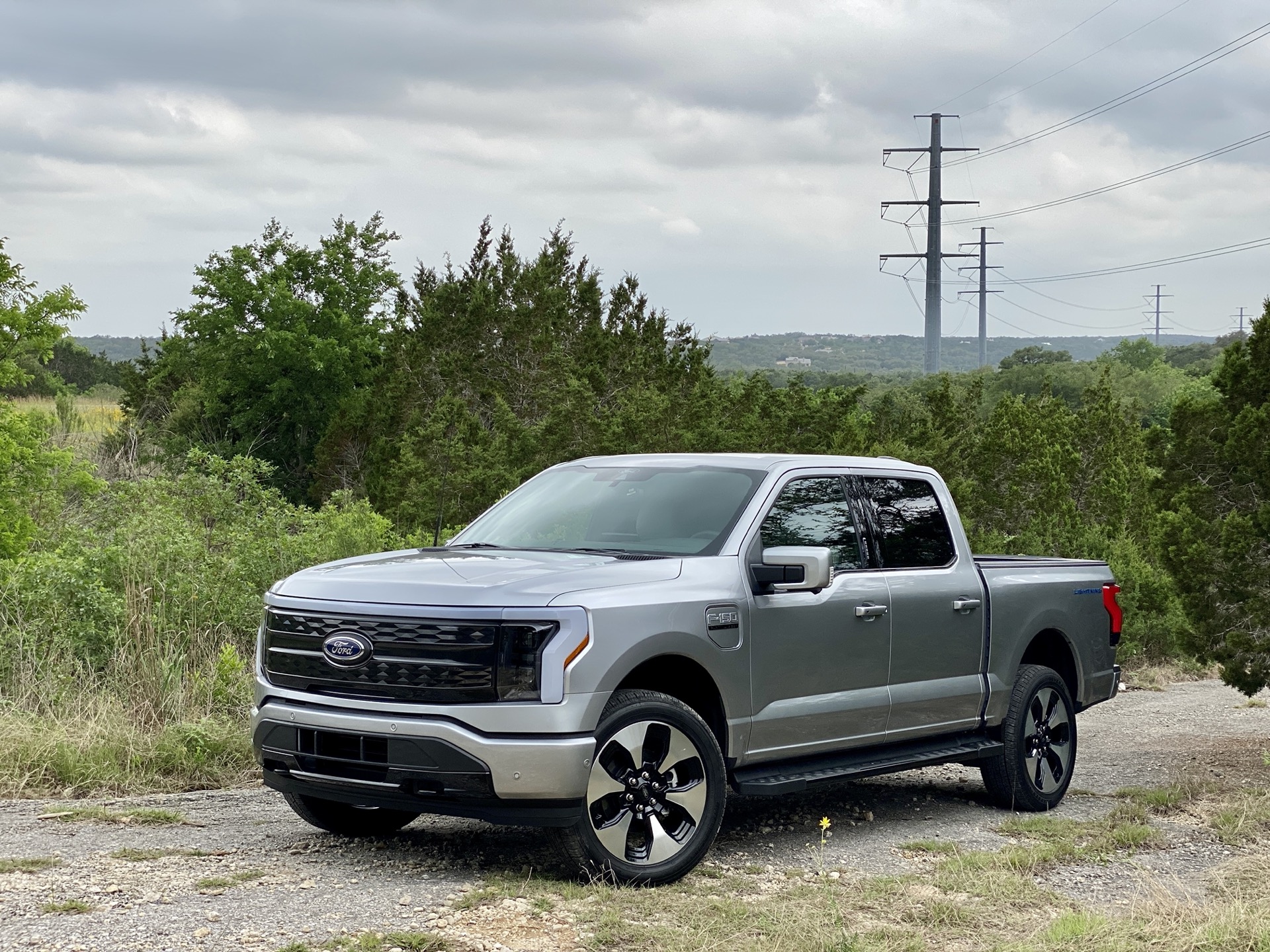
14. Ford F-150 Lightning Extended Range: Approximately 250 Miles
The Ford F-150 Lightning demonstrates how electric power can work in a full-size pickup. Its extended-range battery provides substantial stored energy, but the vehicle’s size, frontal area, and weight create high energy demand at highway speed.
Carrying heavy loads or towing a trailer can reduce range considerably, with towing often having a larger effect than ordinary variations in passenger weight. The approximate 250-mile figure is intended as a broad unloaded highway reference, not a towing estimate. Different battery options and model years must be considered when evaluating the truck.
The Lightning’s practical strengths include a spacious cabin, a useful cargo bed, and the ability to power selected equipment through its onboard electrical outlets. These features can be valuable for contractors, outdoor activities, and households that need a versatile truck.
Highway planning becomes more important when towing, since suitable charging stations may be less accessible to a truck with a trailer attached. Drivers should assess trailer weight, aerodynamic shape, route elevation, charger access, and turnaround space before departure.
A pickup’s useful working ability may justify shorter travel intervals, but its range should be evaluated against the owner’s actual workload.
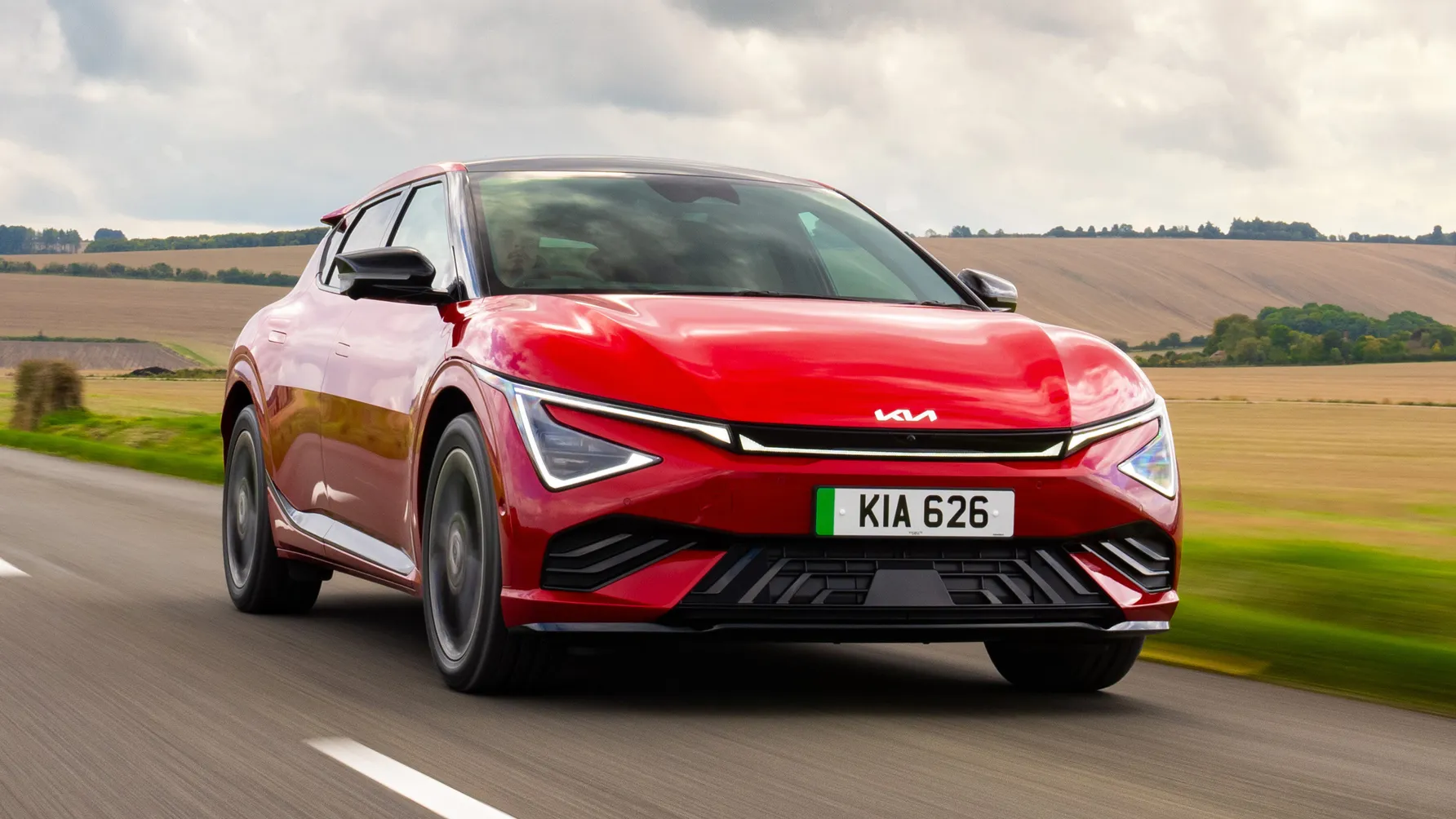
13. Kia EV6 Long Range: Approximately 280 Miles
The Kia EV6 combines a relatively low profile with a practical hatchback-style body. Long Range versions can deliver strong efficiency, though the result varies between rear-wheel-drive and all-wheel-drive models.
The vehicle’s aerodynamic shape helps it compete with taller crossovers, while its battery and charging system make it suitable for road trips when compatible fast chargers are available.
An approximate highway estimate near 280 miles is useful for broad comparison, but it should not be interpreted as a confirmed result for every trim. Model year, tires, temperature, and speed can shift the actual distance.
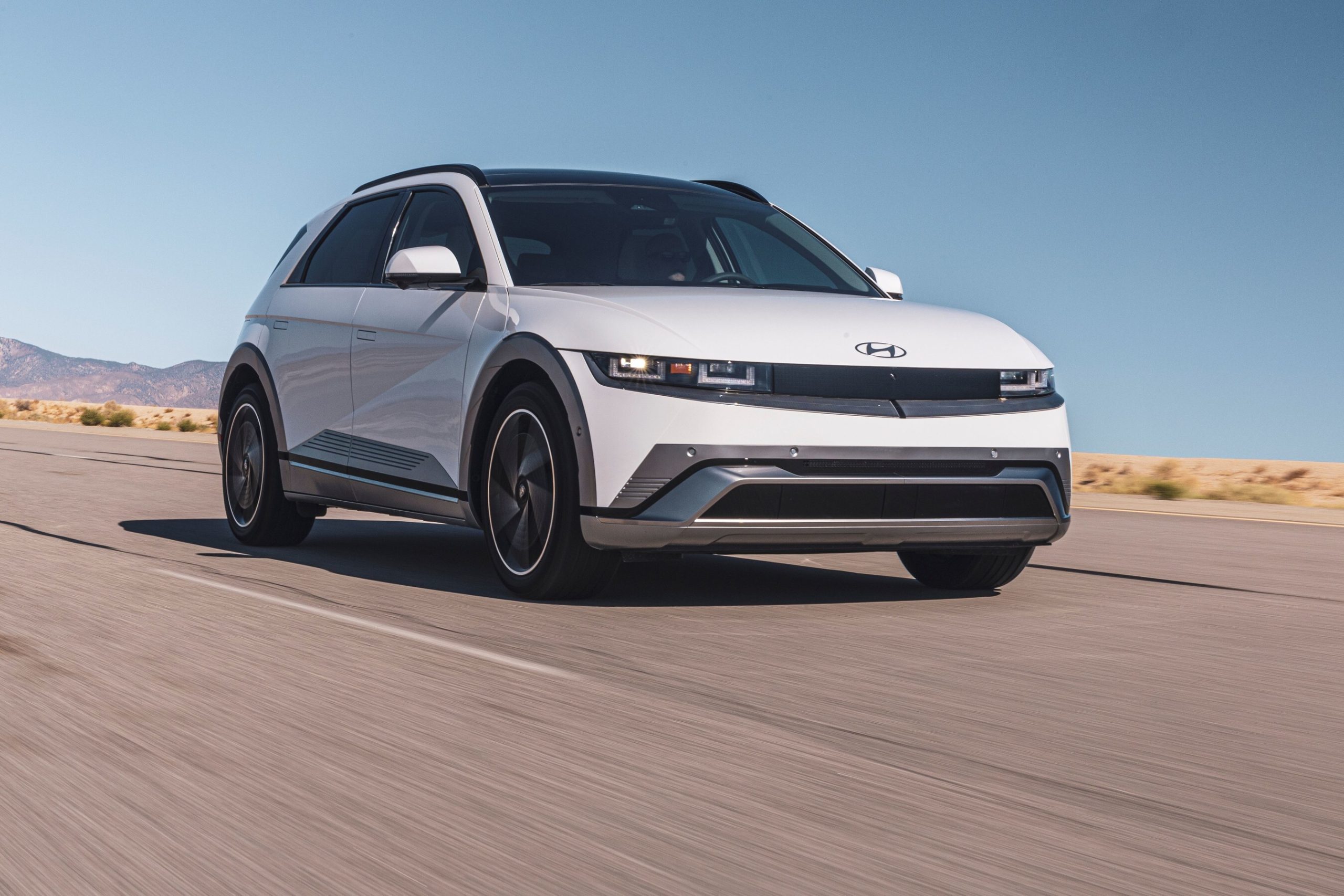
12. Hyundai Ioniq 5 Long Range: Approximately 275 Miles
The Hyundai Ioniq 5 offers a spacious cabin, a long wheelbase, and a distinctive design. Its flat floor helps create a roomy interior, while its battery options provide flexibility for different budgets and driving needs.
Highway range varies by drivetrain and wheel size, and the squared-off body can use more energy than a streamlined sedan under certain conditions.
A figure near 275 miles is an illustrative estimate for comparison, not a universal highway result. Buyers should examine the specific model’s battery size and independent range measurements before deciding how comfortably it will cover their regular journeys.
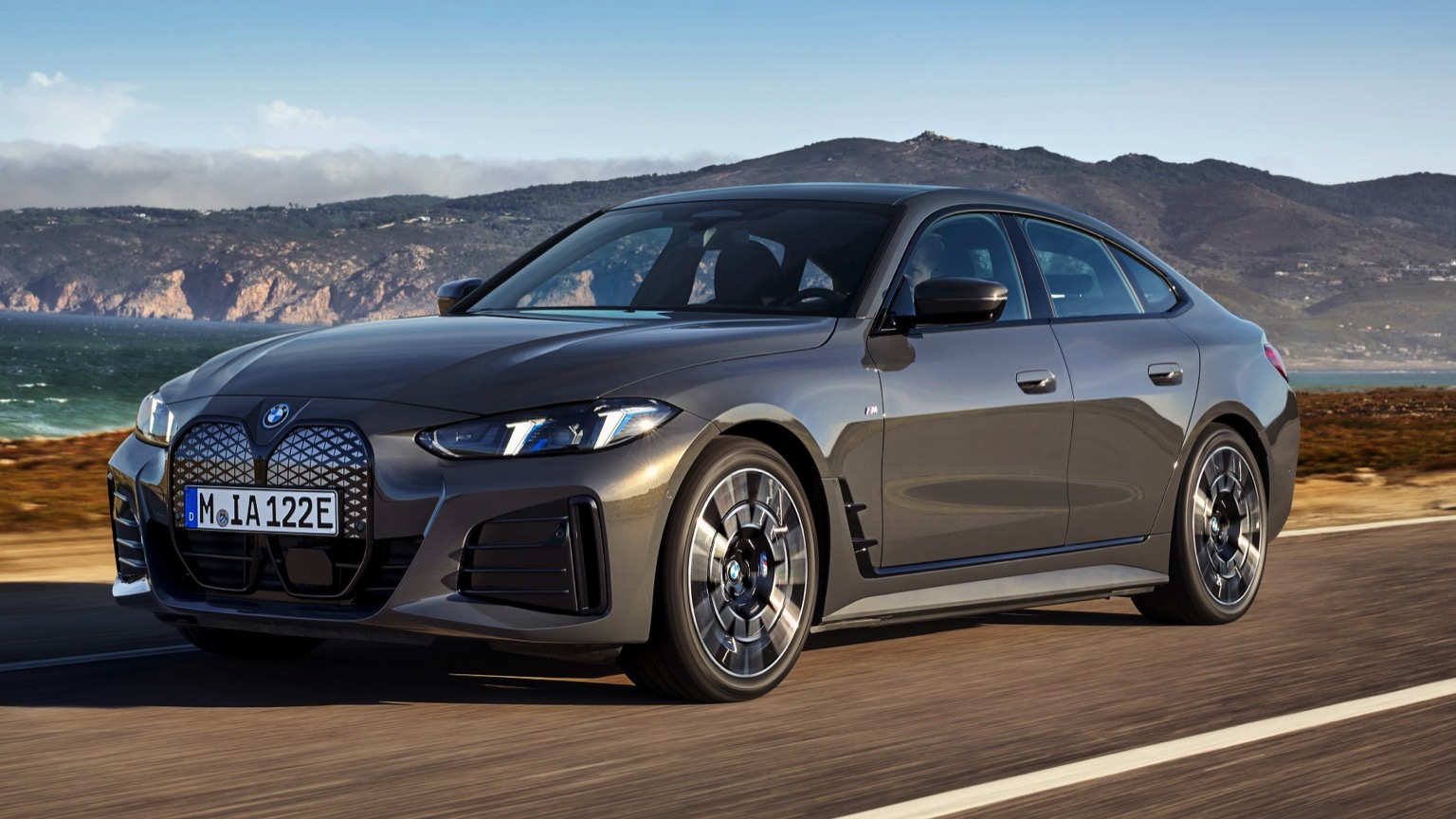
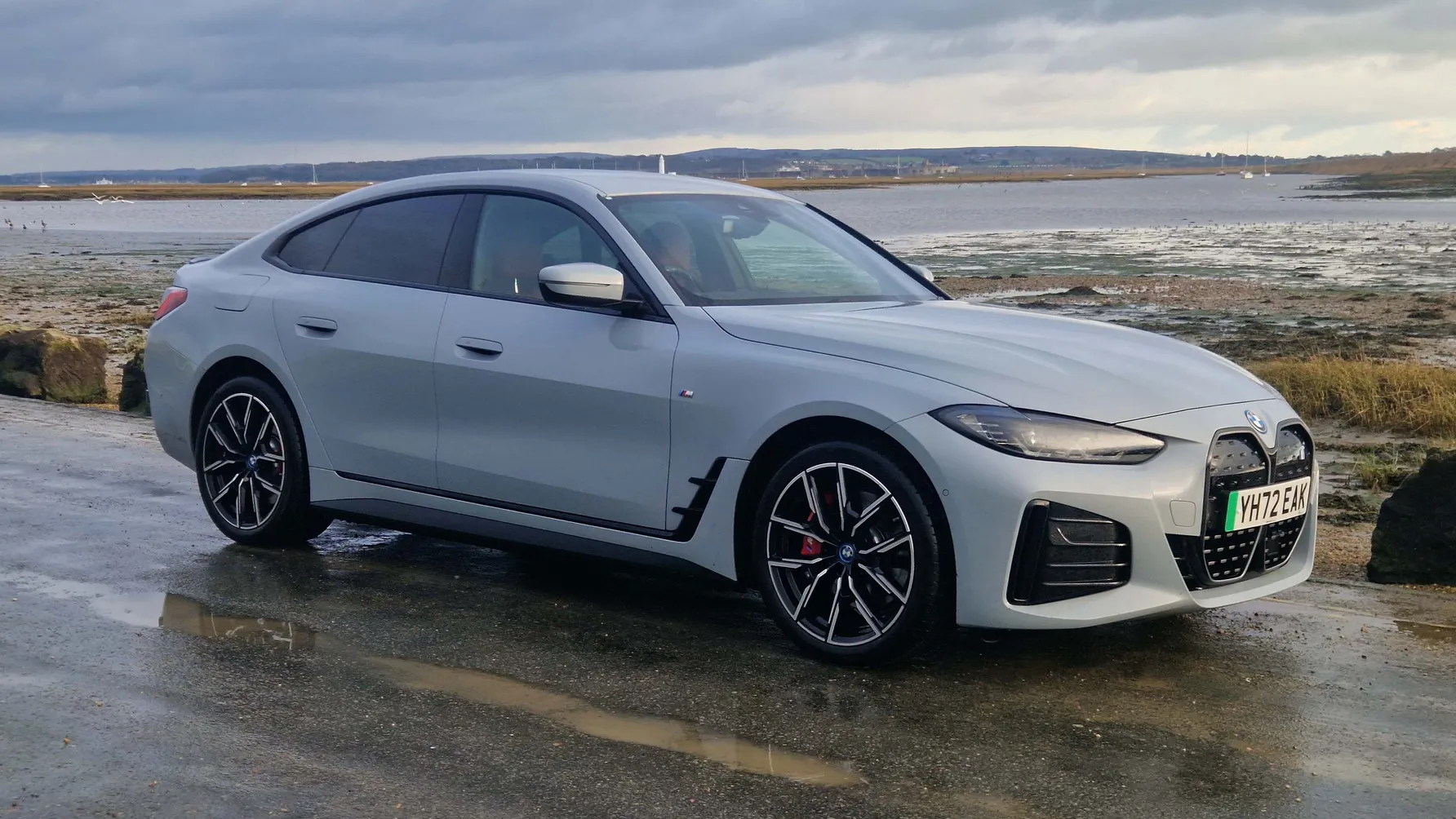
11. BMW i4 eDrive40: Approximately 285 Miles
The BMW i4 eDrive40 combines a traditional luxury-sedan layout with electric propulsion. Its relatively low body and streamlined profile help limit aerodynamic drag, making it well suited to steady highway cruising. The eDrive40 configuration uses a single electric motor, while other i4 versions offer different performance and drivetrain characteristics.
Wheel choice and tire specification can affect efficiency, so buyers should avoid assuming every i4 delivers identical range. The approximate 285-mile estimate provides a general indication of its highway potential, but it is not a substitute for a controlled test of the exact trim.

10. Porsche Taycan: Approximately 290 Miles
The Porsche Taycan is engineered to deliver strong performance alongside precise handling. Its low body, carefully shaped exterior, and advanced powertrain help manage energy consumption at speed, but results vary widely by battery, body style, trim, and wheel choice.
A high-performance version can use more energy under enthusiastic driving than a more efficiency-focused configuration. The approximate 290-mile highway estimate should therefore be regarded as a broad reference rather than a claim that every Taycan can travel the same distance at 70 mph. Independent tests of the exact version are essential for a dependable comparison.
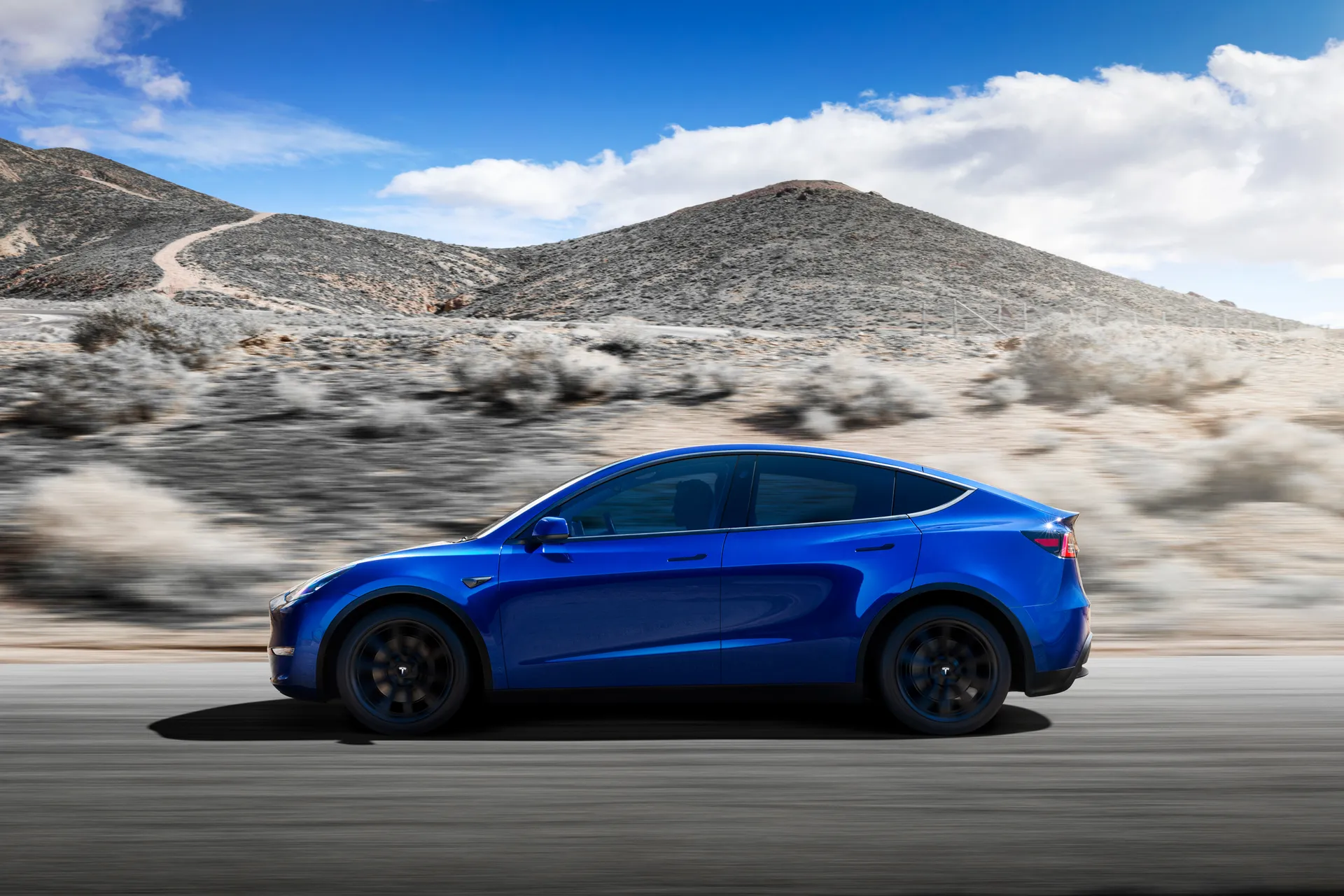
9. Tesla Model Y Long Range: Approximately 270 Miles
The Tesla Model Y Long Range has become a common choice for buyers seeking a practical electric family vehicle. Its blend of cargo space, passenger room, and access to Tesla’s charging network in supported markets makes it suitable for daily use and longer journeys.
Highway efficiency varies by drivetrain, wheel size, production year, and local weather. The approximate 270-mile estimate is intended to represent a plausible real-world highway comparison, not a verified result for every Long Range version. Owners should consult range tests for their particular configuration and remember that displayed driving estimates change with conditions.
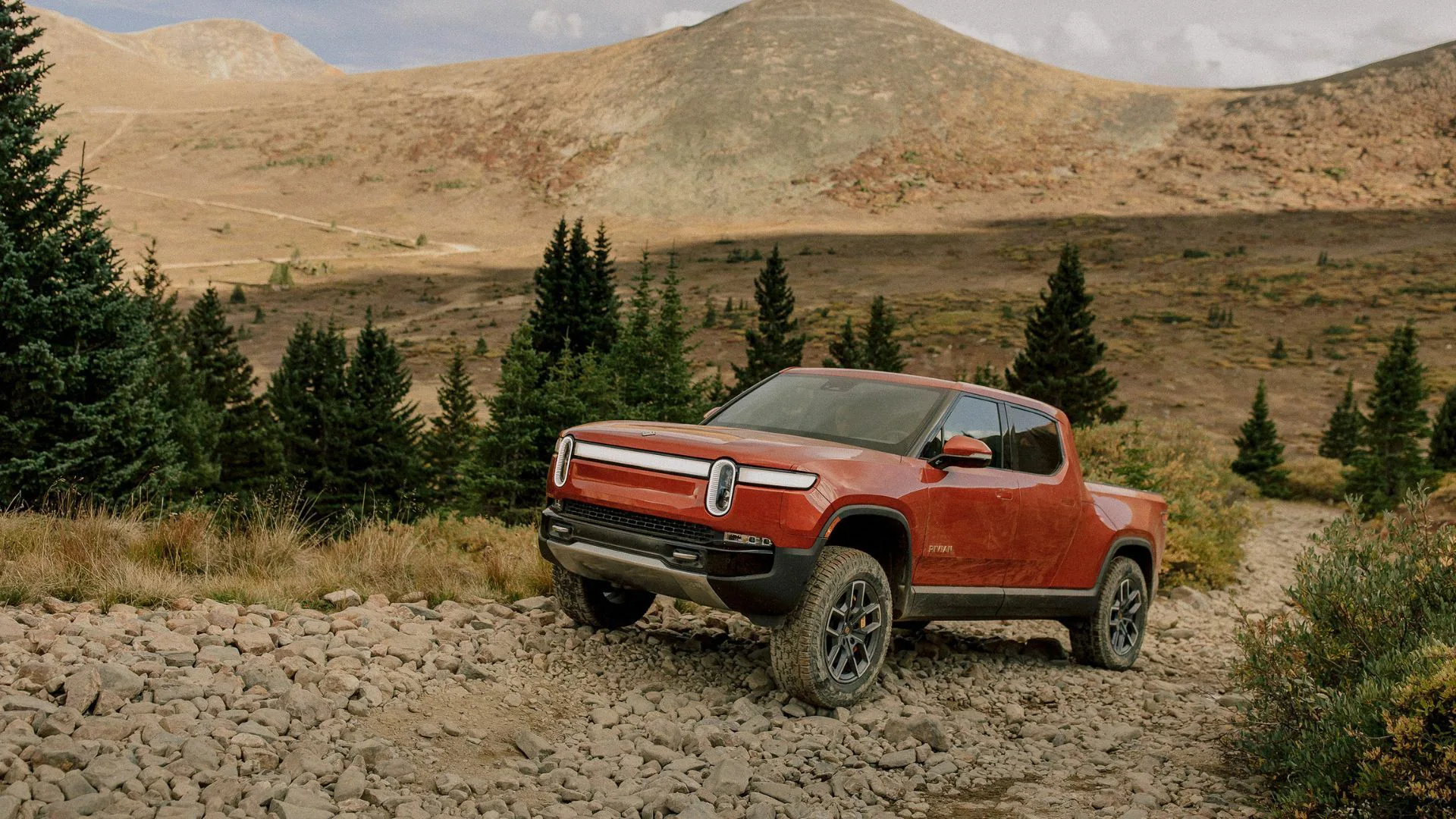
8. Rivian R1T Max Pack: Approximately 300 Miles
The Rivian R1T is designed for drivers who want electric performance alongside off-road utility. Max Pack versions carry a larger battery than smaller-pack configurations, supporting longer trips between charges. Its pickup body, substantial weight, and available off-road tires can increase energy use compared with a streamlined sedan.
The approximate 300-mile estimate is a broad reference for highway travel, not a verified universal test result. Battery generation, wheel and tire package, temperature, payload, and driving speed can all make a significant difference to the actual distance.
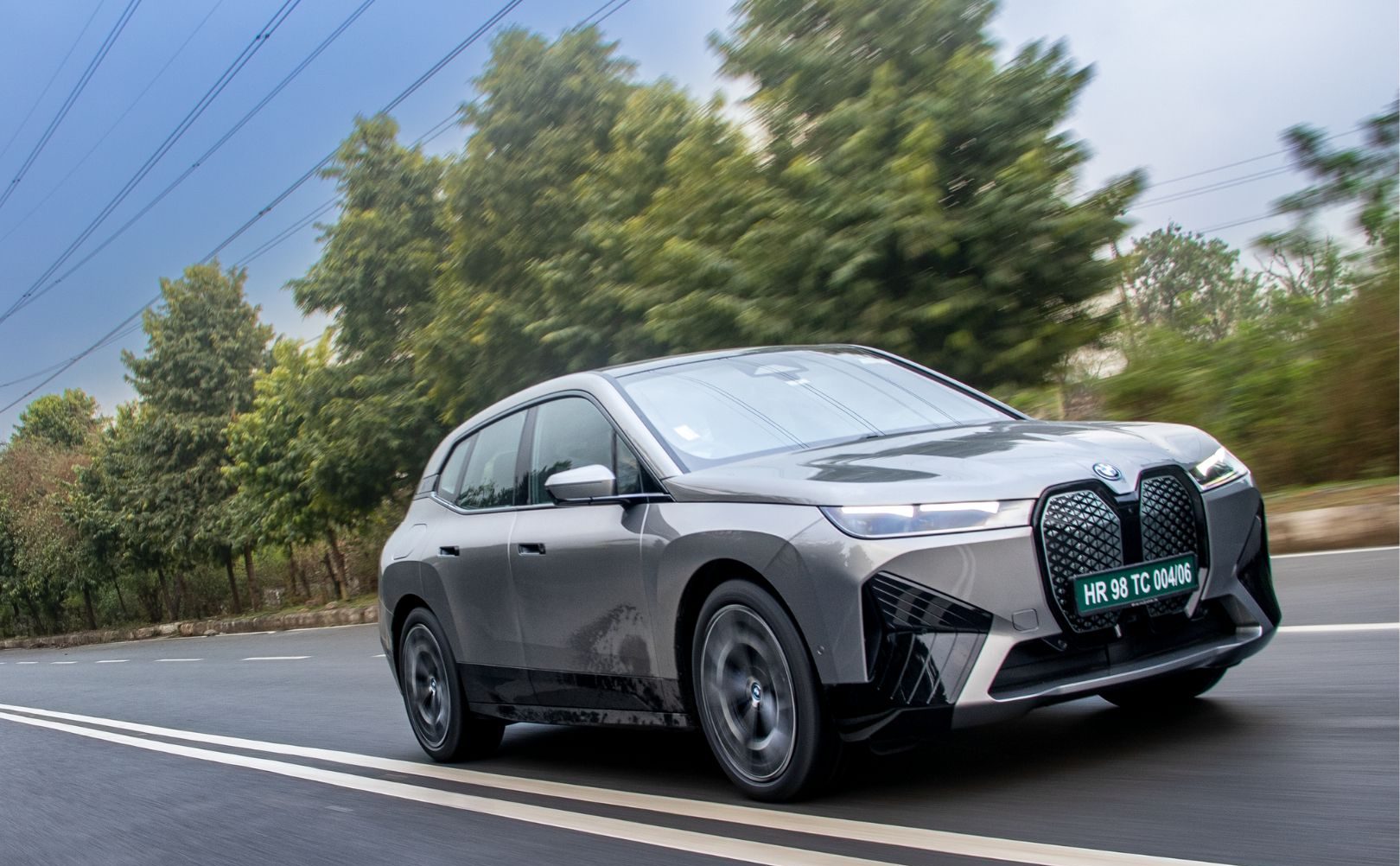
7. BMW iX xDrive50: Approximately 305 Miles
The BMW iX xDrive50 combines a large battery with a spacious cabin and premium equipment. Its electric motors provide strong acceleration, while its suspension and cabin insulation are intended to support comfortable long-distance driving.
The xDrive50’s real-world range depends on wheel size, temperature, road conditions, and driving style.
Its broad body and considerable mass create a greater energy demand than many smaller electric cars, so the approximate 305-mile estimate should be treated as a rounded comparison figure rather than a confirmed 70 mph test result for every model year.
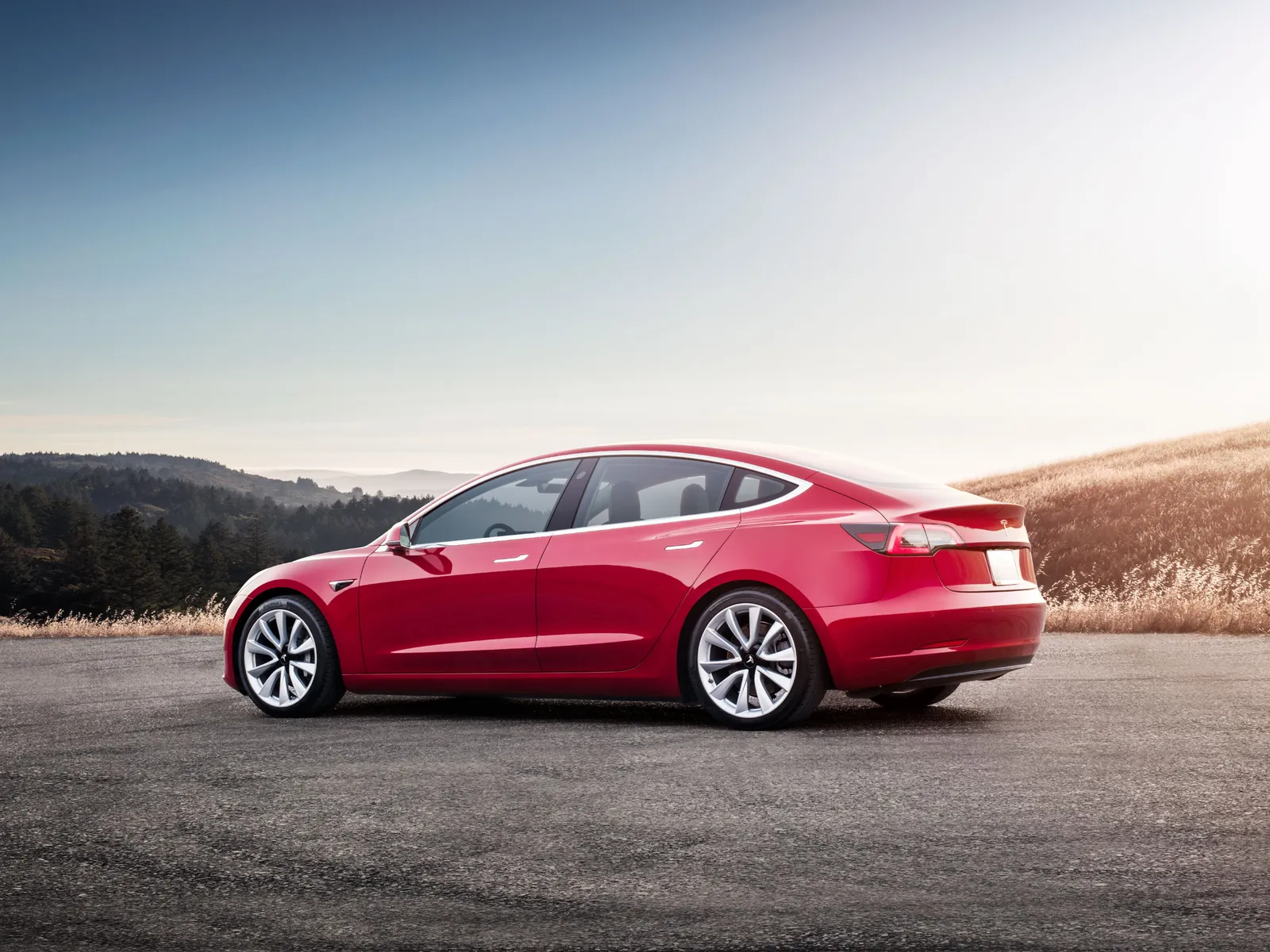
6. Tesla Model 3 Long Range: Approximately 300 Miles
The Tesla Model 3 Long Range is designed around efficiency, compact dimensions, and useful battery capacity. Its relatively low body helps reduce aerodynamic drag at sustained highway speeds, giving it an advantage over many taller vehicles.
Range differs between rear-wheel-drive and all-wheel-drive versions, and model-year updates can change battery capacity, motor efficiency, and other components.
An estimate near 300 miles offers a broad reference for highway comparison, but actual results depend on the exact version and conditions. A driver should not assume that the maximum advertised range is available at 70 mph in every environment.
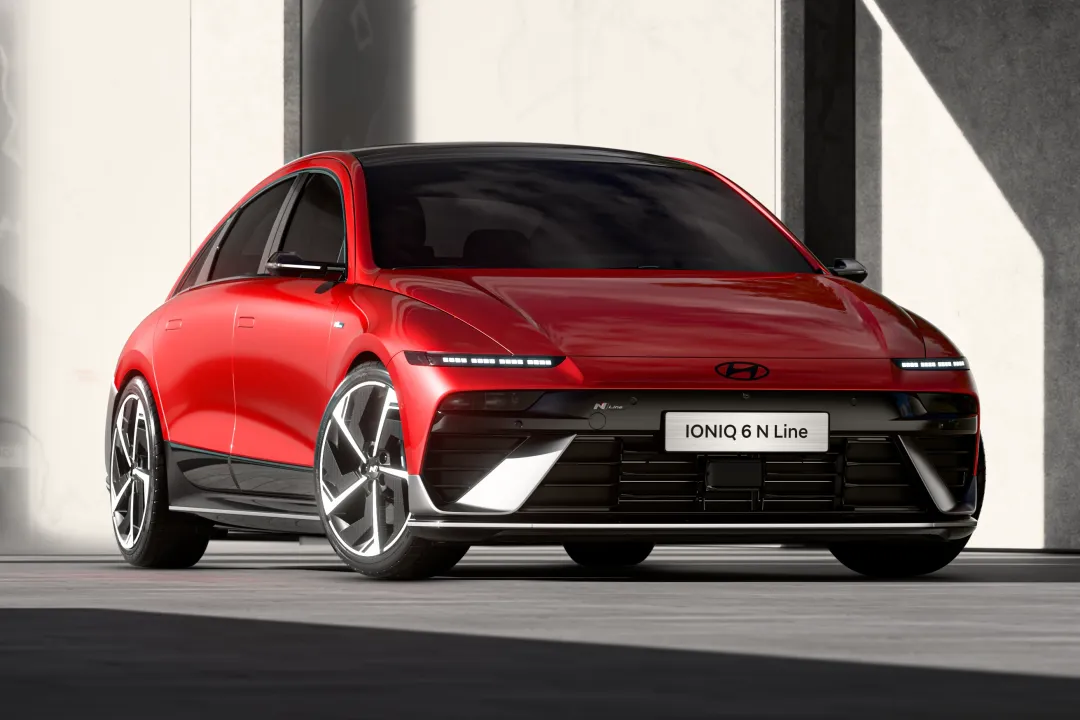
5. Hyundai Ioniq 6 Long Range: Approximately 305 Miles
The Hyundai Ioniq 6 Long Range stands out for its streamlined body, which is designed to reduce air resistance. At sustained highway speeds, that characteristic can be especially valuable because aerodynamic drag rises sharply as speed increases.
Rear-wheel-drive versions may deliver better efficiency than more powerful all-wheel-drive configurations, depending on their specification.
The approximate 305-mile figure is a general comparison estimate, not a verified result for every trim. Battery size, wheel selection, ambient temperature, and route conditions remain important factors when estimating real travel distance.
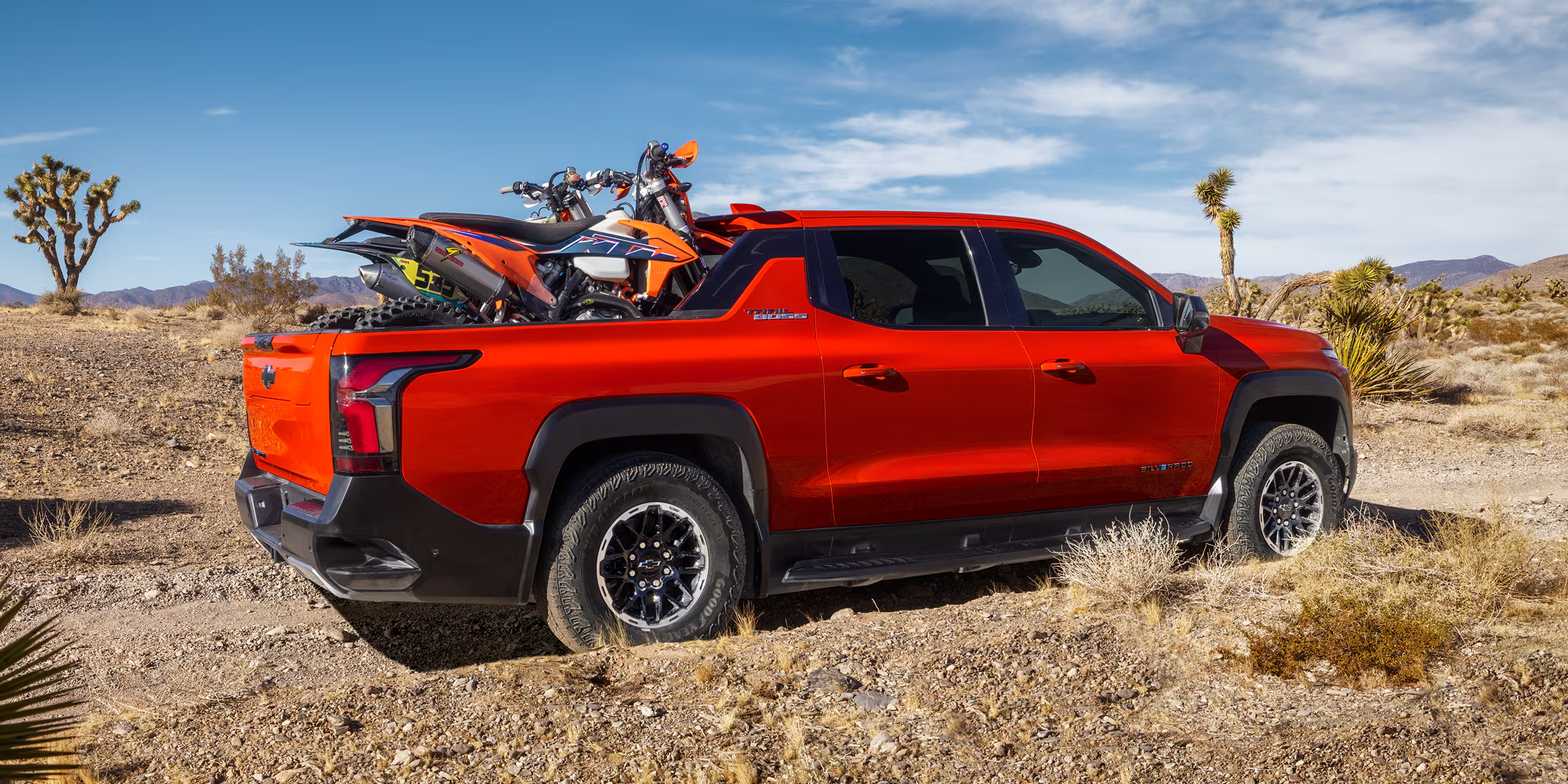
4. Chevrolet Silverado EV: Approximately 300 Miles
The Chevrolet Silverado EV uses a large battery to support the demands of a full-size electric truck. Depending on version, it offers substantial power, a large cabin, and practical hauling capability. Its highway range varies by battery configuration, trim, wheel package, payload, and weather.
The approximate 300-mile figure is a broad comparison point, not a verified 70 mph result for every Silverado EV. Some versions may perform differently, so buyers should check the official specifications and independent testing associated with the exact model they intend to purchase.
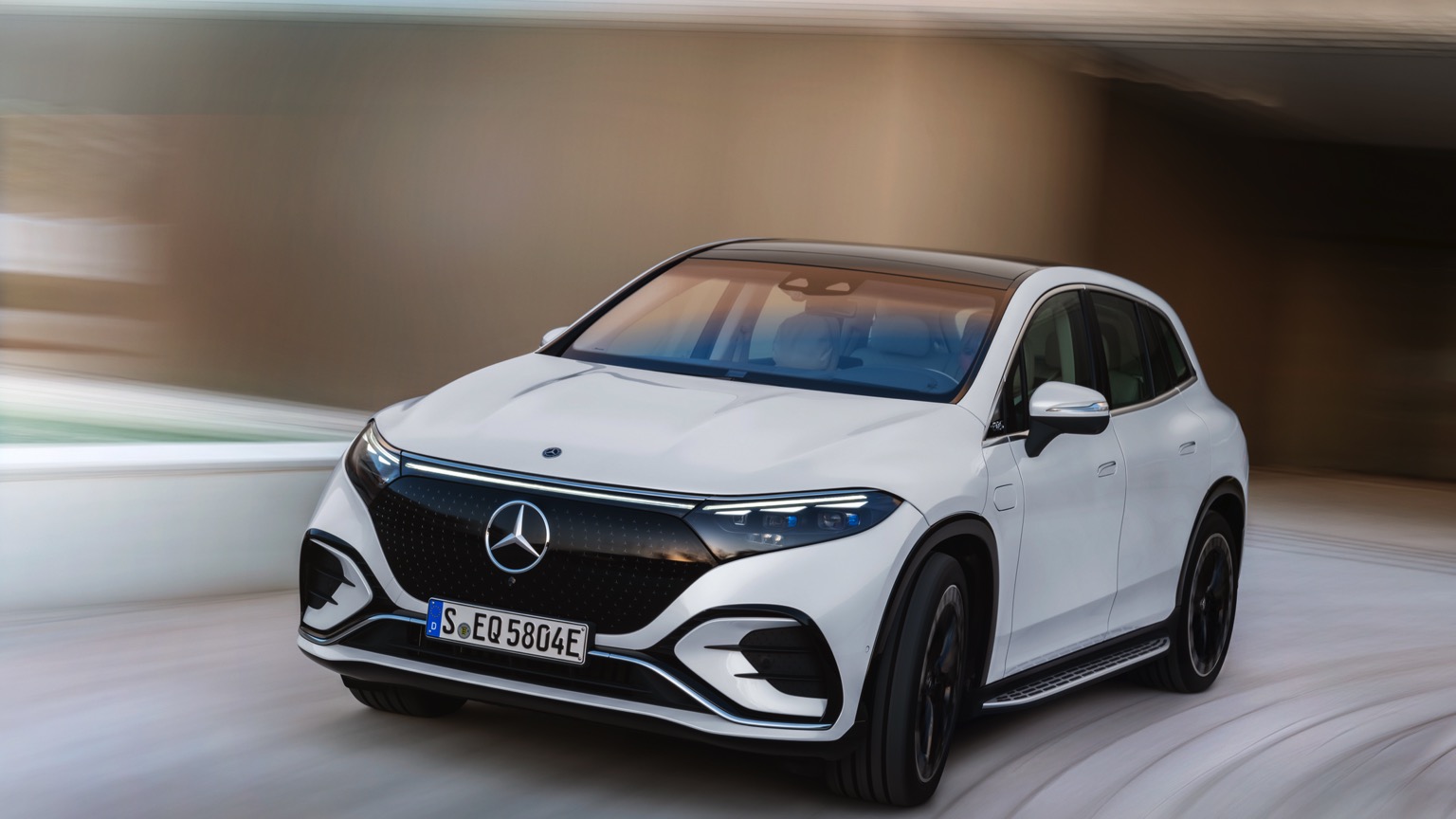
3. Mercedes-Benz EQS 450+: Approximately 350 Miles
The Mercedes-Benz EQS 450+ combines a large battery with a low, highly streamlined body. This design helps limit aerodynamic drag, making the vehicle well suited to sustained cruising. Its spacious cabin, refined suspension, and quiet interior are aimed at drivers who value comfort during extended journeys.
The approximate 350-mile highway figure is a broad estimate and should not be interpreted as a standardized result for every EQS model year. Wheel choice, weather, battery condition, and speed can all influence the final distance, and different EQS versions may have materially different efficiency.
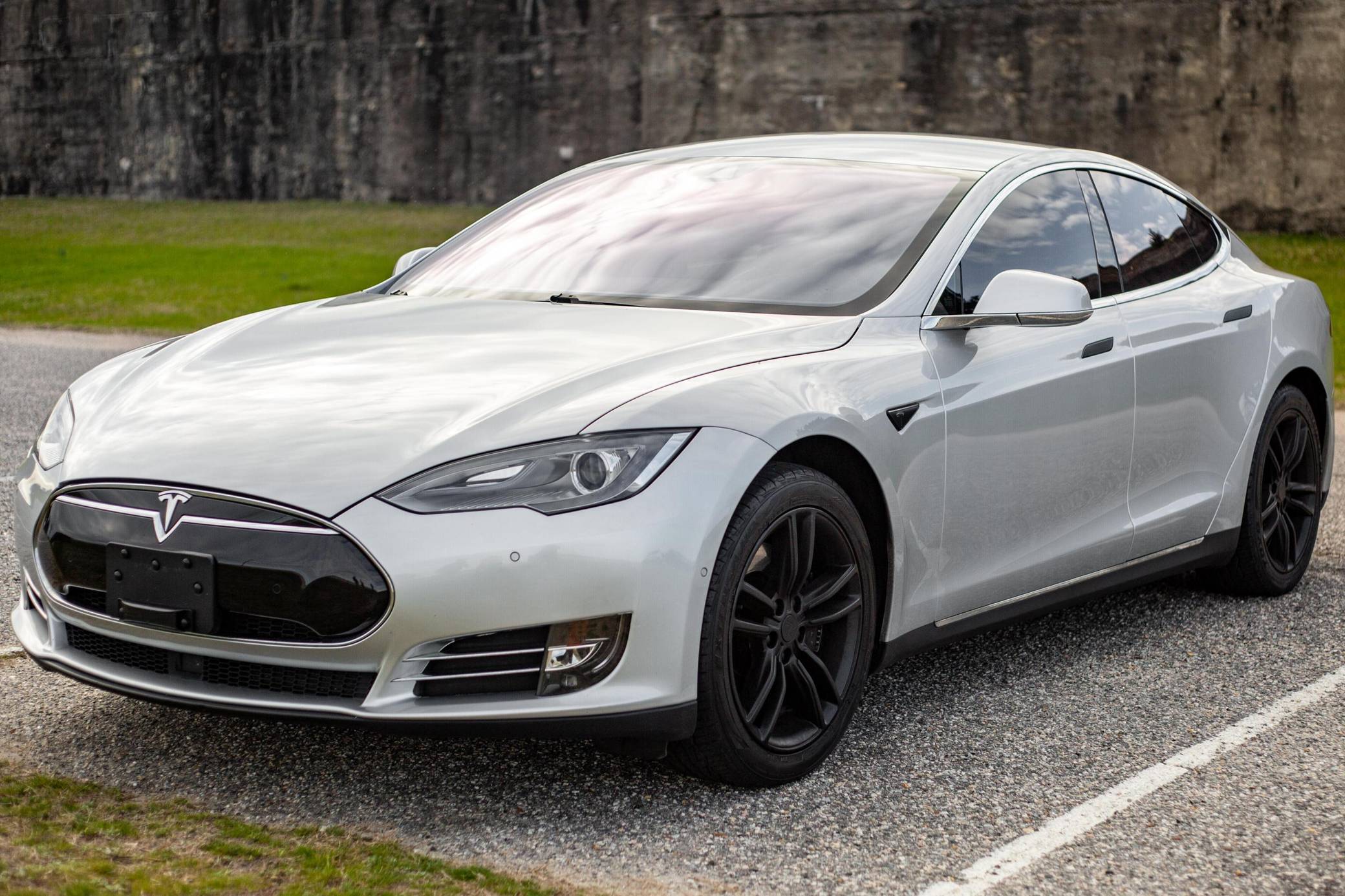
2. Tesla Model S Long Range: Approximately 345 Miles
The Tesla Model S Long Range has long been associated with long-distance electric travel. Its low profile, large battery, and efficient powertrain support highway performance, while the liftback design provides useful cargo access.
Range depends on model year, drivetrain specification, wheel choice, and software or hardware updates. An estimate around 345 miles is a broad illustrative reference rather than a confirmed result for all versions at exactly 70 mph.
Buyers should compare independent measurements of the exact model with its official range rating and consider the conditions under which each figure was obtained.
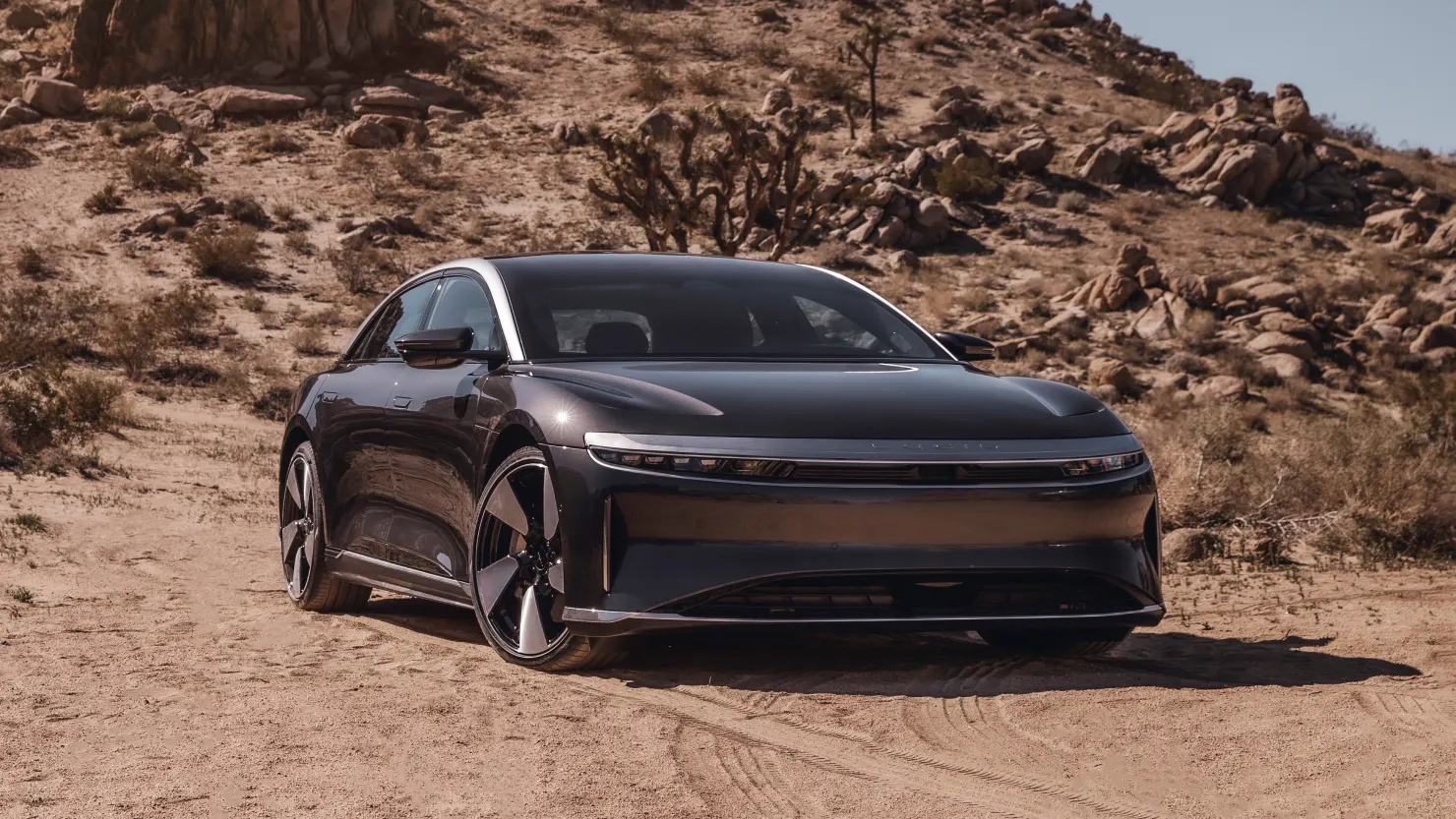
1. Lucid Air Grand Touring: Approximately 410 Miles
The Lucid Air Grand Touring represents the efficiency-focused end of the long-range electric sedan segment. Its low body, carefully developed aerodynamics, and high-capacity battery help it achieve substantial distance between charging stops.
The powertrain is designed to balance strong performance with efficient energy use, giving the car a strong theoretical advantage for long highway journeys.
The approximate 410-mile estimate is a rounded reference, not a verified universal measurement at exactly 70 mph. The exact result depends on model year, wheel selection, battery configuration, weather, road surface, and test method.
