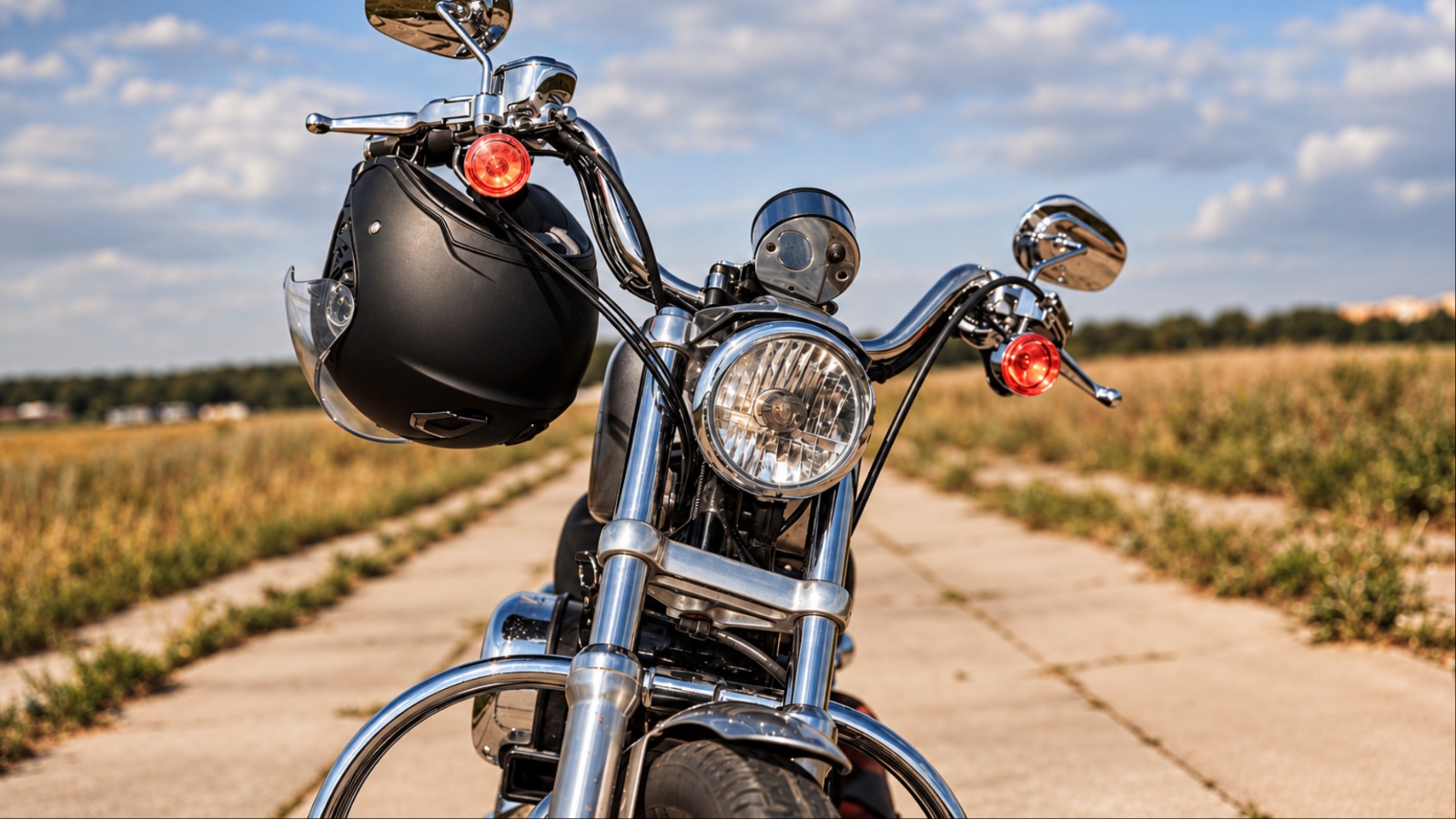
Motorcycle law in the United States is not set in one place. Each state writes its own rules for who may ride, what protective gear they must wear, how the bike must be equipped, and where they may position themselves on the road. Cross a state line and a perfectly legal setup can turn into a citation, which catches many riders off guard, especially those who travel for rallies, group rides, or long-distance tours.
This guide covers nine areas where state laws differ the most. Each section explains the range of approaches, gives examples where they are well established, and offers practical advice on staying compliant wherever you ride. Laws change often through new legislation and court decisions, so treat this as a starting point. Confirm current rules with the state motor vehicle agency or state police website before you ride.
1. Helmet Requirements
Helmet laws are probably the best-known example of state-by-state variation. A group of states and the District of Columbia require every rider and passenger to wear a helmet.
Many others require helmets only for certain riders, usually those under a specific age such as 18 or 21, or those with a learner’s permit or limited riding experience. A small number of states have no helmet requirement for adult riders at all, though riders in those states are often advised to wear one anyway.
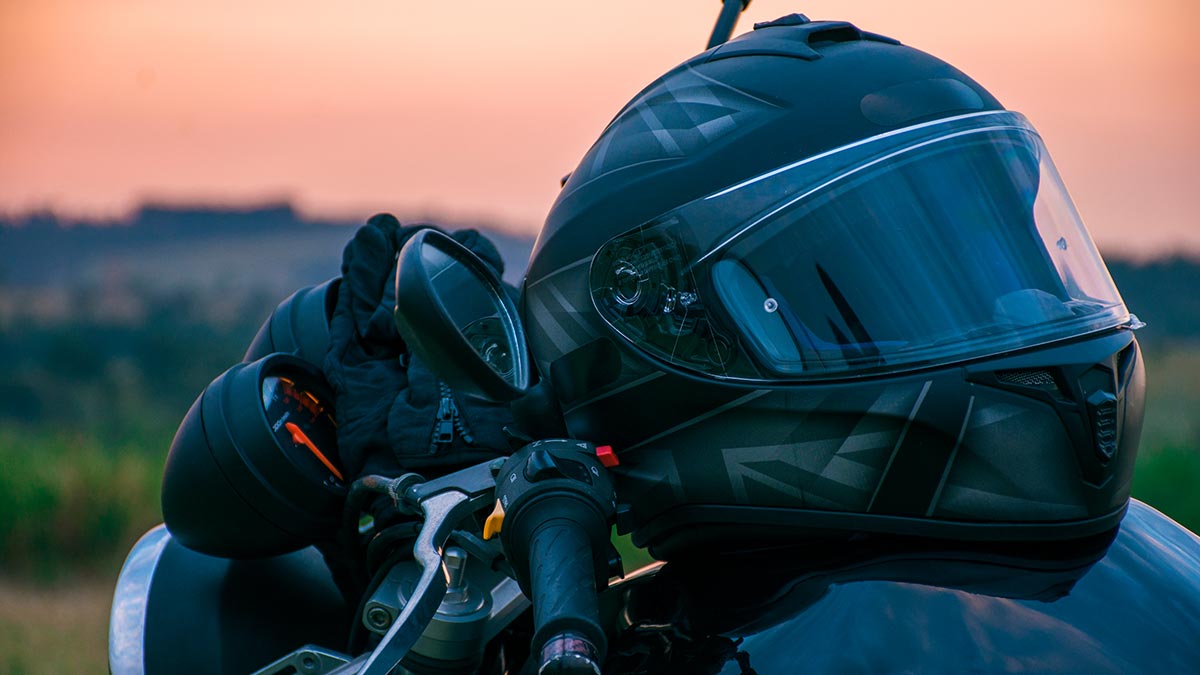
Even where a helmet is required, the details differ. Many states require the helmet to meet the federal safety standard, known as DOT, and some enforce this by looking for the certification label on the helmet.
Novelty helmets that lack proper certification can lead to a citation even though you are technically wearing something on your head. Some states also have specific rules about chin straps, reflective material, and visor use.
Helmet laws can also affect insurance and legal outcomes. In some states, not wearing a helmet when one is required can reduce what you recover after a crash, or complicate a claim. Where helmets are optional, some insurance policies still treat helmet use as a factor.
If you tour across several states, the simplest approach is to wear a certified helmet everywhere. That keeps you compliant in the strictest state on your route, and it protects you in the one place the law cannot, which is the crash itself.
2. Lane Splitting and Lane Filtering
Few motorcycle topics differ as sharply between states as lane splitting, which means riding between lanes of moving or slow traffic. California is the best-known state where the practice is explicitly allowed, and it has published safety guidance for riders.
A few other states, including Utah, Montana, Arizona, and Colorado, have passed laws permitting a narrower practice called lane filtering. In general, filtering means moving between stopped vehicles, often at traffic lights, and usually only at low speeds.
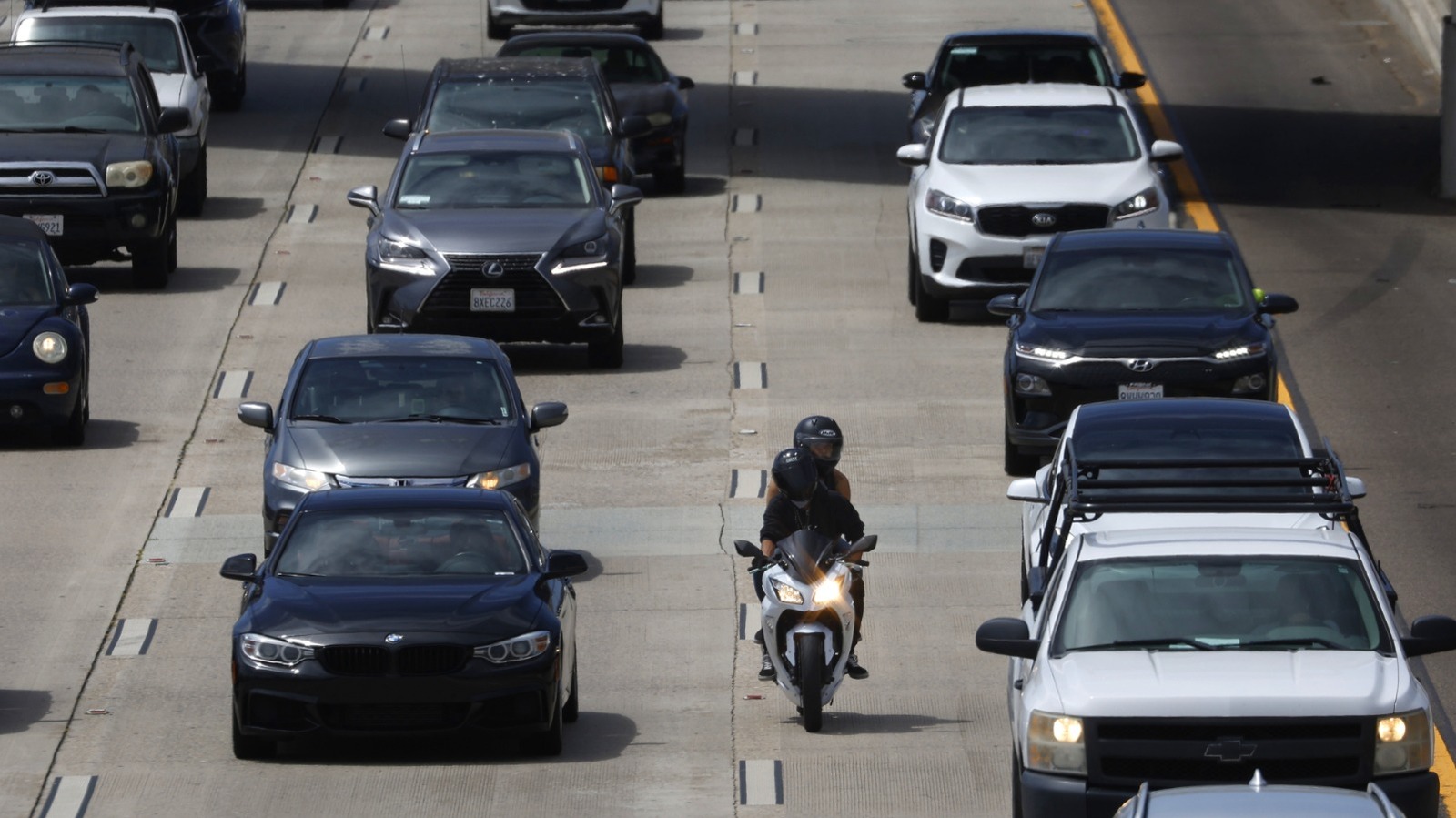
Most states either prohibit the practice outright or have no law that clearly allows it. In those states, riding between lanes can lead to a citation for an unsafe lane change, reckless driving, or violating the requirement that vehicles stay within a single lane. Even in states that allow filtering, the rules often include speed limits, conditions on traffic speed, and restrictions on when and where it can occur.
Insurance and fault can also be affected. If you are in a collision while lane splitting in a state where it is not permitted, you may be assigned more blame for the crash. Even in states where it is legal, drivers may not expect it, which raises the risk of a collision.
Check the current law in each state you ride through, because new bills are introduced regularly and existing rules are amended. When in doubt, stay in your lane. It is the safest and most legally consistent approach across every state.
3. Licensing, Endorsements, and Permits
Every state requires a motorcycle endorsement or a separate motorcycle license, but how you get one varies widely. Most states add an endorsement to a standard driver’s license after you pass a written knowledge test and a riding skills test.
Some states issue a separate motorcycle-only license. The learner’s permit stage also differs, including how long the permit lasts, whether you can carry passengers, and whether you can ride at night or on highways.
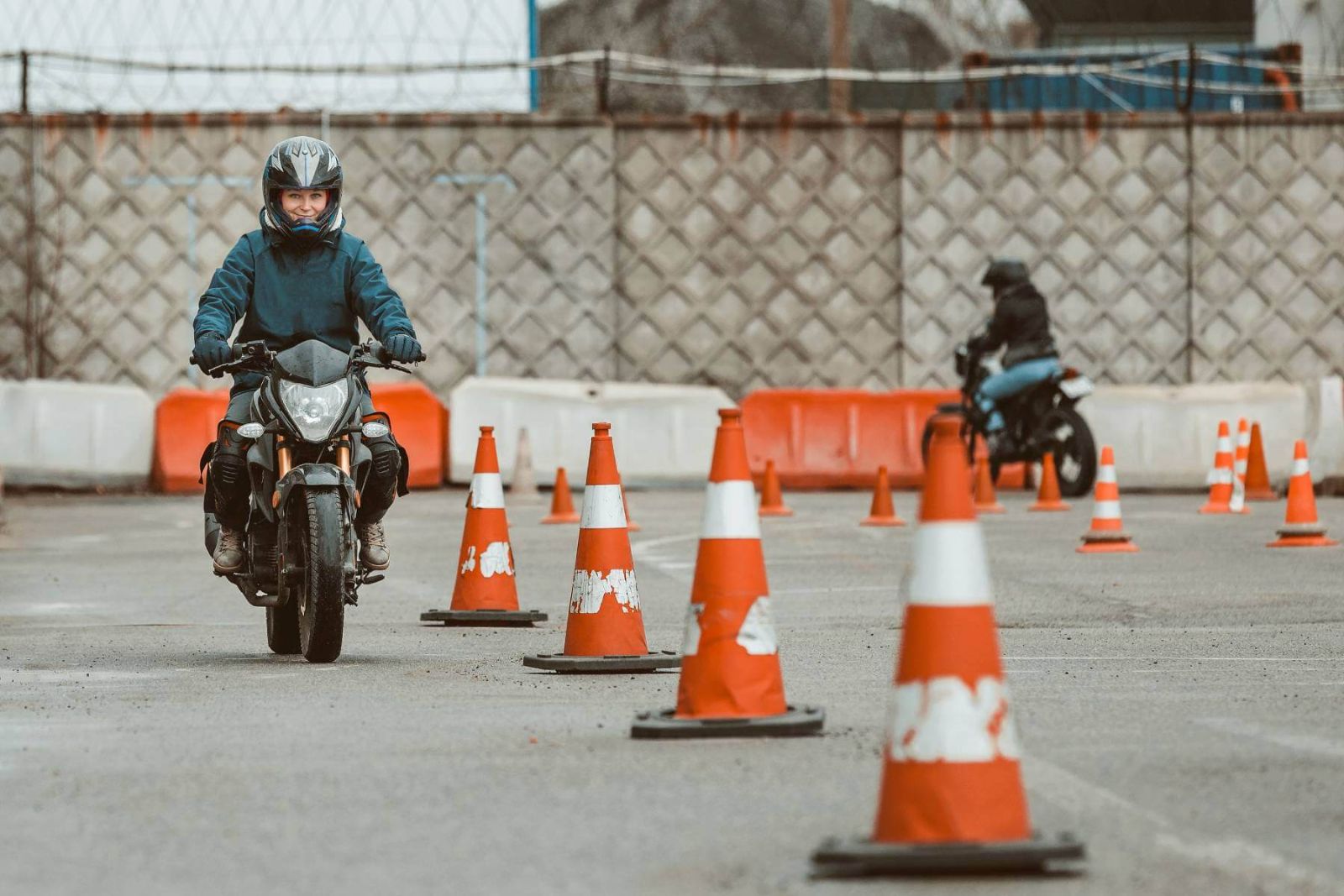
Many states allow you to skip the road test if you complete an approved rider safety course. These courses, often based on programs from the Motorcycle Safety Foundation, can also lower your insurance premiums in some places.
Other states require the course for riders under a certain age. Minimum age, vision requirements, and fees all differ, as do the rules for renewal and for transferring an endorsement from another state when you move.
Some states also use license classes tied to engine size or vehicle type, which matters for mopeds, scooters, and three-wheeled motorcycles. A three-wheeler that requires a motorcycle endorsement in one state may need only a regular license in another.
Riding without the proper endorsement can bring fines, vehicle impoundment, and insurance problems if you are in a crash. Before buying a bike, check how your home state classifies it, and confirm what endorsement it requires. If you plan to ride elsewhere, remember that most states recognize licenses from other states, but local equipment and behavior rules still apply to you.
4. Eye Protection and Windshield Rules
Eye protection is another area where state rules diverge. Some states require every rider to wear goggles, a face shield, or glasses designed for riding unless the motorcycle has a windshield of a certain height.
Others require eye protection only for riders who are not wearing a full-face helmet, and a handful have no requirement at all. A few states also limit tinted visors or require them to meet specific light-transmission standards for night riding.
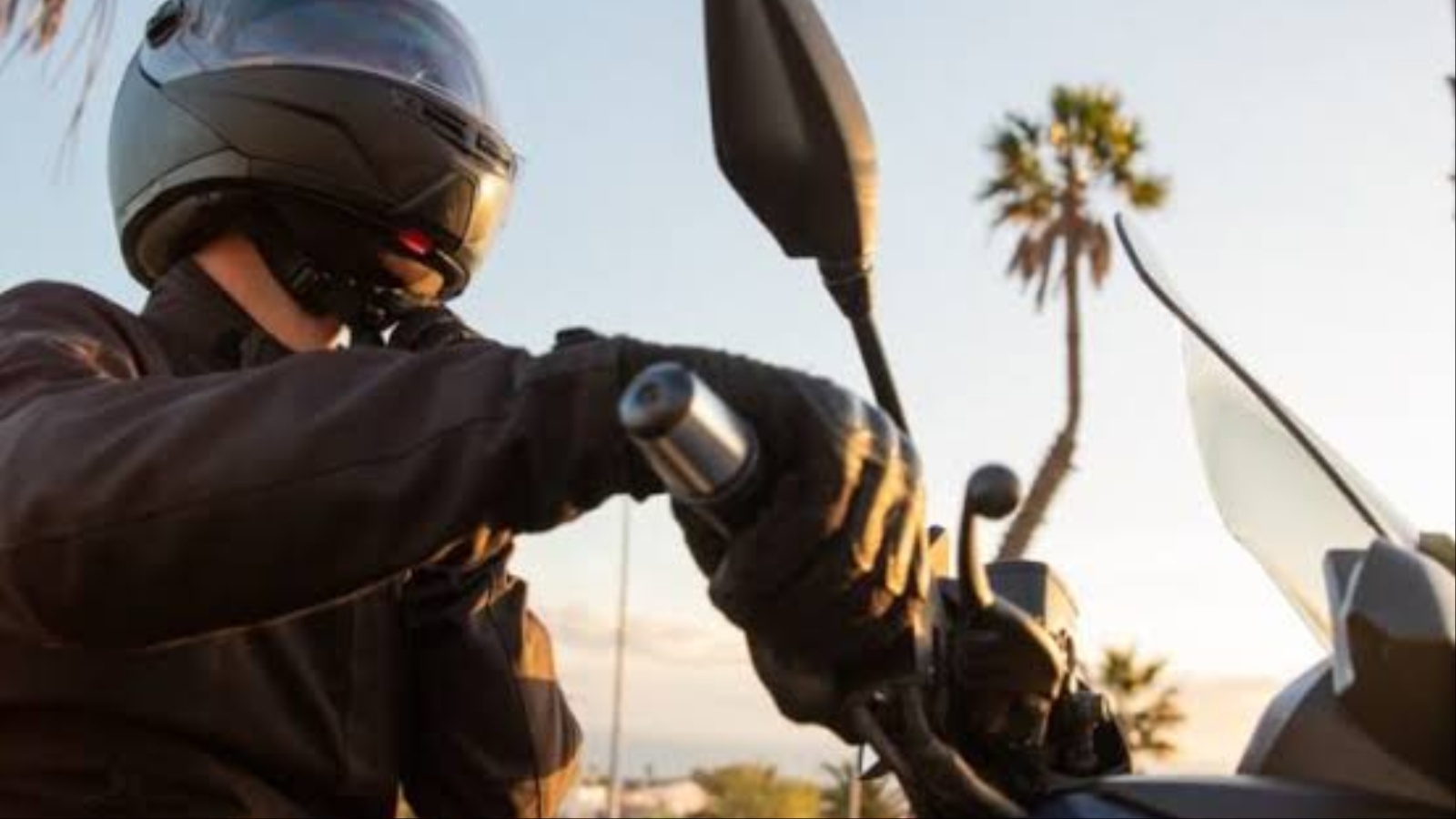
Windshield rules add further variation. Some states treat a windshield as sufficient eye protection if it meets minimum size or height requirements. Others do not accept a windshield at all and still require separate eye protection.
Rules may also address windshield height, so a tall touring windscreen that is legal in one place may draw attention in another. Some states regulate the clarity of the windshield and whether stickers or tint can be applied.
Practical consequences matter beyond the citation. Debris, insects, and rain can reduce visibility quickly at speed, and a rock or a bee in the eye can end a ride or cause a crash. Choose protection that meets or exceeds the standard of your strictest route state, such as impact-rated goggles or a helmet with a clear shield.
Carry a clear visor or glasses for night riding rather than relying on a dark one. If you modify your windshield, check that the height and materials meet local standards, and keep documentation showing that your eye protection is certified.
5. Passenger Rules
Carrying a passenger on a motorcycle is regulated differently from state to state. Many states set a minimum age for passengers, while others instead require that the child’s feet reach the footrests.
Some states require passengers to wear helmets even when adult operators are not required to, and some set specific rules for children, such as a mandatory helmet for riders under a certain age.
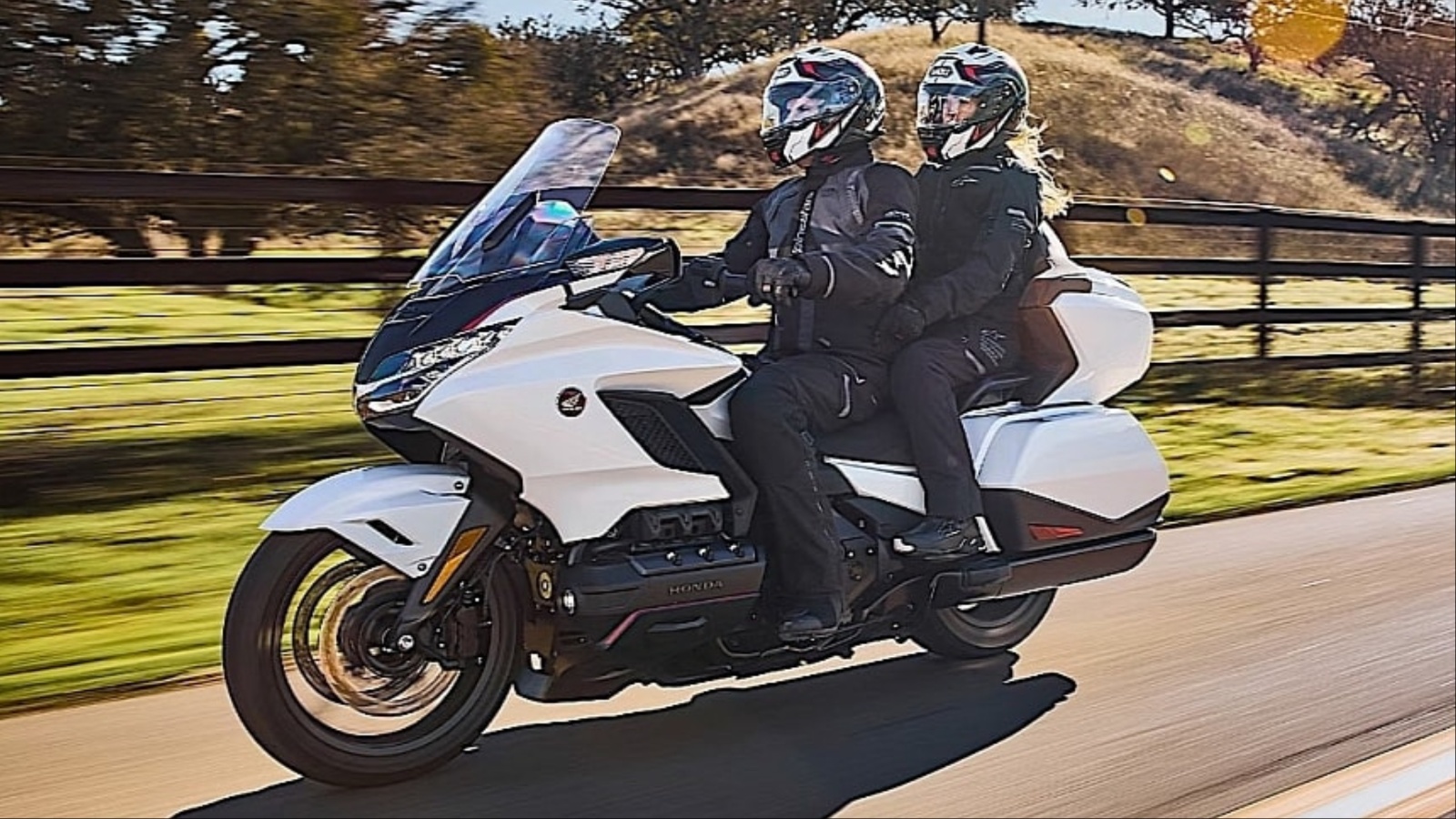
Equipment requirements also differ. Most states require a permanent seat large enough for a passenger, passenger footrests, and sometimes a handhold or backrest. A bike designed for one rider, such as a solo-seat model, may not be legal to carry a second person unless it is modified to meet those standards.
Some states restrict passengers for riders on learner’s permits or those with provisional licenses, so a newer rider may not be allowed to carry anyone at all.
Seating position can matter too. Many states require the passenger to sit behind the operator and face forward, with both feet on the footrests. Carrying a passenger in front of the rider, or in a sidecar not built for the purpose, can violate local rules.
Beyond the law, a passenger changes handling, braking distance, and balance, so adjust your suspension, tire pressure, and following distance accordingly. Before you take a passenger across state lines, check age and helmet rules in each state, and make sure your bike and gear are set up for two riders.
6. Insurance Requirements
Insurance rules show how much states can differ even on a basic point. Most states require motorcycle owners to carry liability insurance that covers injury and property damage to others, but the minimum amounts vary widely.
Some states set low limits that may not cover a serious accident, and others require higher coverage or add requirements such as uninsured motorist protection. A few states have historically relied on alternatives such as financial responsibility rules or fees instead of a universal insurance mandate, so check the current law for your state.
Enforcement also varies. Some states use electronic verification systems that match registrations to insurance records, and a lapse can lead to fines, registration suspension, or license penalties.
Others rely more on proof of insurance during traffic stops or after a collision. Driving without required coverage can bring heavy penalties and personal liability for any damages you cause.
Minimum coverage is rarely enough for a motorcyclist. Medical bills after a crash can be high, and many riders choose higher liability limits, uninsured and underinsured motorist coverage, medical payments coverage, and comprehensive and collision protection. Ask whether your policy covers custom parts, riding gear, and passengers.
If you travel, check that your coverage applies when you ride out of state and in any country you cross into. Keep proof of insurance with the bike, and review your policy each year, since state minimums and your own needs can both change.
7. Noise and Exhaust Limits
Loud exhausts are a common reason riders receive citations, and the rules differ from state to state. Some states set a specific decibel limit, and many test it at a defined distance and engine speed.
Others use less precise language, such as banning exhaust systems that are louder than the original equipment or that have been modified to increase noise. California is known for particularly strict enforcement and has tested compliance in some areas, while other states pay less attention.
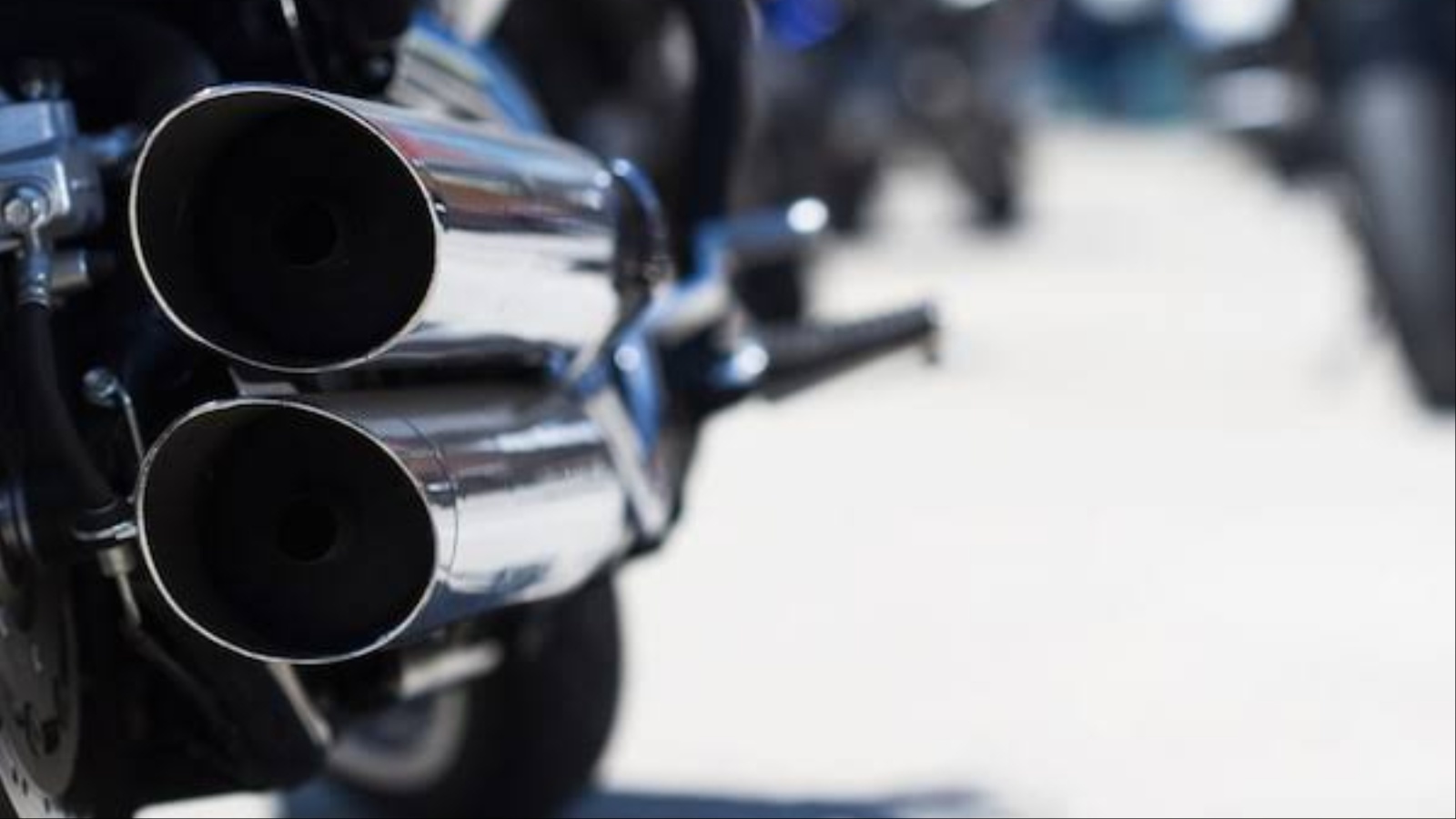
Equipment labeling is a common issue. Some states look for an Environmental Protection Agency stamp or a manufacturer’s label on the exhaust to show it meets noise standards.
An aftermarket pipe marked “for off-road use only” may be illegal on public roads in strict states. Some states also prohibit removing baffles or catalytic converters, which can bring noise and emissions penalties together.
Local rules matter as well. Cities and counties may set their own noise ordinances, so a bike that is legal at the state level can still draw a ticket in one town. Penalties range from warning notices and fix-it tickets to fines and, in some places, failed inspections.
If you are choosing an aftermarket exhaust, look for one with clear certification and decibel ratings, keep the paperwork, and consider the quieter option if you ride in many states. Riding at reasonable throttle through residential areas also reduces the chance of attention from police and neighbors.
8. Handlebar Height and Required Equipment
Equipment rules cover everything from handlebars to mirrors, and they can change quickly at a state line. Handlebar height is the best-known example. Some states limit grips to a set height above the seat or to shoulder height, which can make tall “ape hanger” bars illegal.
Others have no height rule at all. The reasoning is that very high bars can reduce control and make it harder to react in an emergency.
Other required equipment differs too. Most states require at least one rearview mirror, and some require two. Headlight rules vary, including whether the headlight must be on at all times, and whether modulating headlights are allowed.
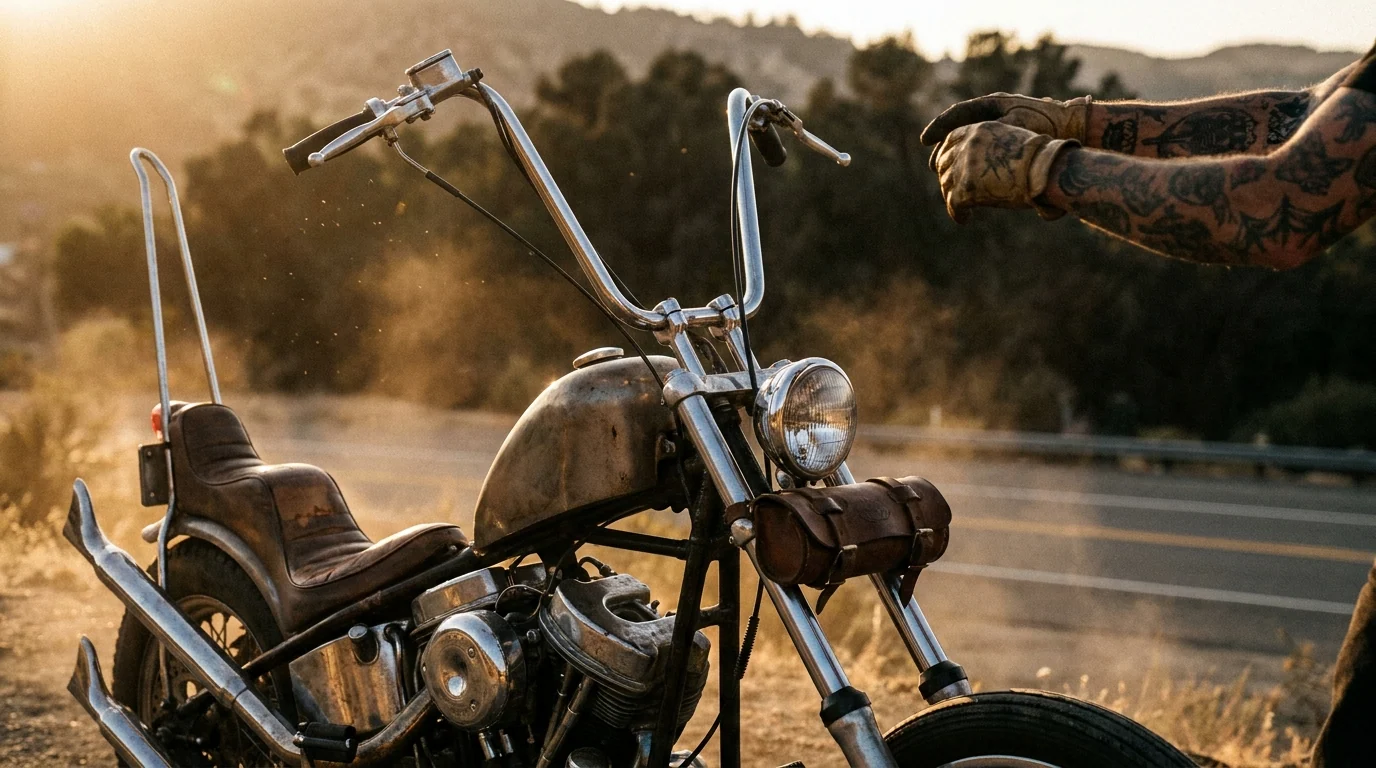
Turn signal requirements depend on the model year and state, and some states require them only on newer bikes. License plate position, plate lighting, brake lights, horn, and tire condition may also be regulated, as can items like fairings, saddlebags, and auxiliary lights.
Modifications can create problems in two ways. They can lead to citations, and they can create issues with insurance if the bike no longer meets legal requirements after an accident.
Before making changes, check your state’s equipment rules and keep receipts and certification for parts. If you travel, choose upgrades that are conservative enough to be legal in most places. A quick check of the vehicle code or a call to your state’s motor vehicle department can prevent a ticket and an awkward roadside conversation.
9. Safety Inspection Requirements
Whether your motorcycle must pass a periodic safety inspection depends on where you register it. Some states require annual or biennial safety inspections for all vehicles, including motorcycles, and a few require both safety and emissions testing.
Others have eliminated inspection requirements altogether or apply them only at specific moments, such as when a vehicle is first registered or transferred. States that do inspect often check brakes, lights, tires, steering, mirrors, horn, and exhaust.
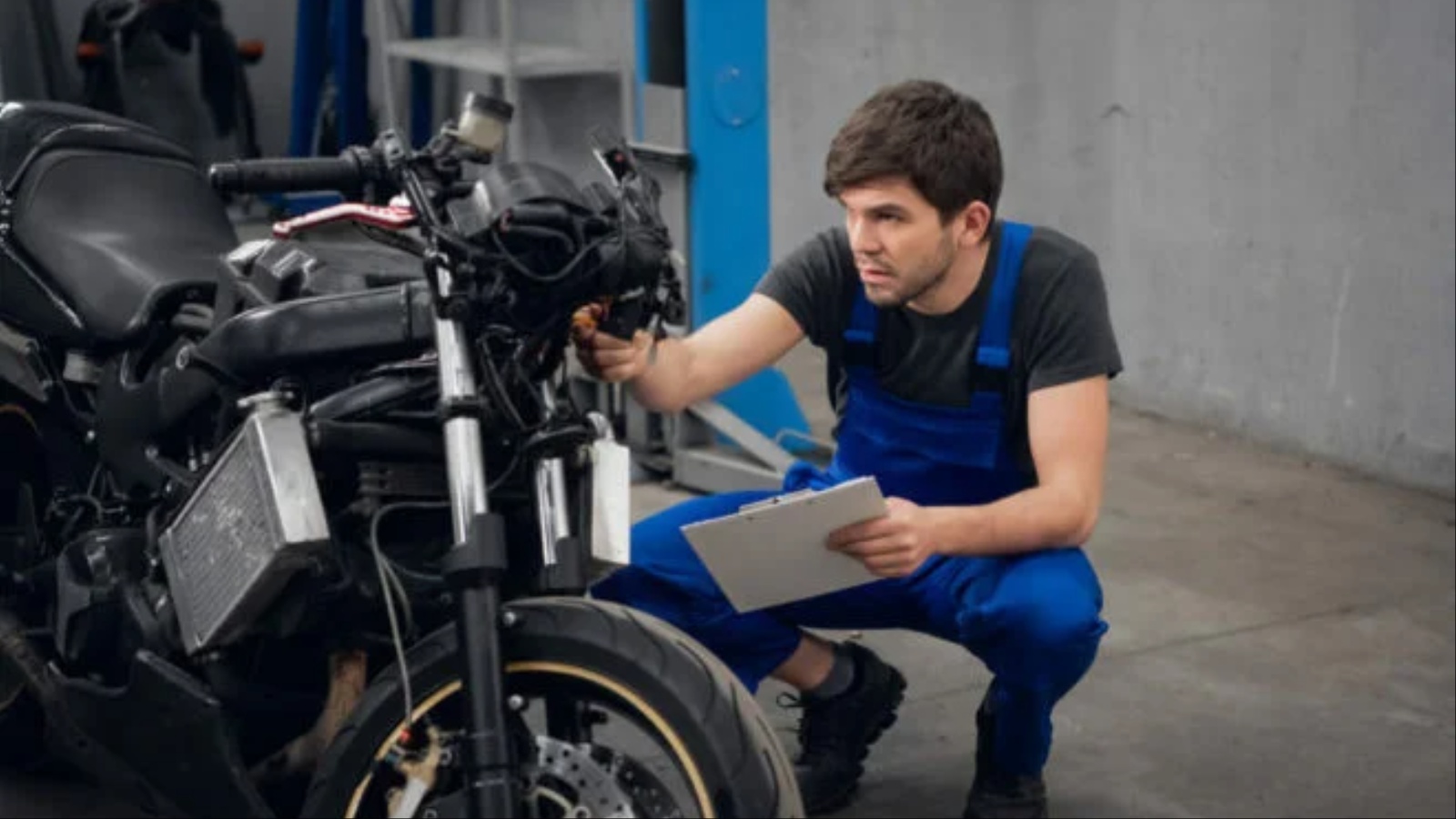
Details differ even among inspecting states. Some give you a sticker you must display on the bike, others record the result electronically, and some limit inspections to certain licensed stations. Fees, grace periods, and consequences of failure vary.
Emissions testing, where it exists, usually depends on the model year and the county in which the bike is registered, so two riders in the same state may face different rules.
Skipping a required inspection can lead to fines, registration problems, and difficulty selling the vehicle. Even where inspections are not required, a regular safety check is wise.
Brakes, tires, chain or belt, lights, fluid levels, and steering bearings all wear over time, and failures at speed are dangerous. If you buy a used bike from another state, confirm what inspection is needed to register it at home, and ask the seller for any records. Keep your inspection paperwork with the bike’s title and registration for easy reference.