As winter approaches, what should you prioritize when preparing your car? An oil change is a reasonable answer, but it may not be the most urgent task. Engine oil needs attention throughout the year, while certain maintenance jobs become more critical as temperatures drop because they help protect your safety and reduce the risk of being stranded in the cold.
This guide covers ten winter maintenance jobs, from the battery to the emergency kit, that matter more urgently than an oil change when the thermometer drops, based on the sources you supplied. For each one, you’ll learn why it matters, what warning signs to watch for, and simple steps to take. A few small checks now can save you a miserable morning later. Grab a coffee, and let’s get your car winter-ready.
1. Test and Replace the Battery
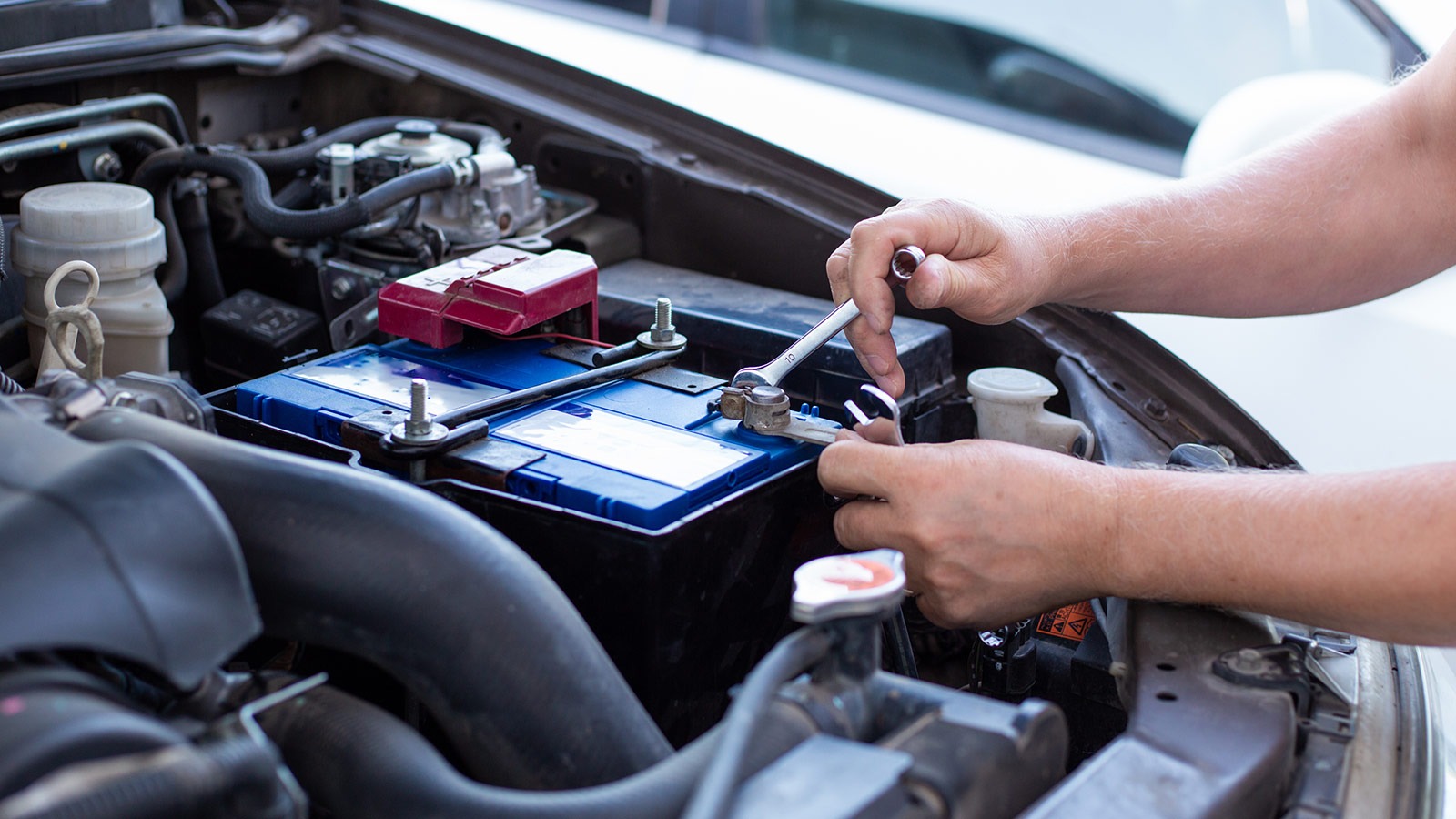
A freezing morning is the worst time to discover that your car battery has lost its strength. Cold temperatures slow the chemical reactions inside a battery, reducing its ability to deliver starting power just when the engine needs more effort to turn over.
A battery that works perfectly during warmer months may struggle when temperatures fall. Start your winter preparation with a professional battery test.
A technician can measure its condition, check its ability to hold a charge, and identify signs of deterioration. Pay attention to slow engine cranking, dim headlights during startup, and repeated starting difficulties.
These symptoms may indicate a weak battery or a problem with the charging system. Battery age matters, too. Many conventional car batteries last about three to five years, although climate, driving habits, and maintenance affect their lifespan.
If yours is approaching the end of its expected service life, replacing it before severe cold arrives may save you an inconvenient roadside call. Keep battery terminals clean and connections secure. Corrosion can interfere with electrical flow, making starting problems worse.
Why prioritize it? A failed battery can leave your vehicle completely unusable, regardless of how recently you changed the oil. Testing it before winter gives you time to address problems while replacement and repairs are convenient.
2. Check Tire Tread and Air Pressure
Your tires provide the grip needed to accelerate, steer, and stop, making their condition especially important when winter brings snow, slush, rain, or ice. Even a well-maintained engine cannot compensate for tires that struggle to maintain contact with the road.
Begin by checking the tread depth. Worn tread reduces the tire’s ability to channel water and maintain traction on slippery surfaces. Use a tread-depth gauge to measure the grooves, and replace tires that have reached the manufacturer’s wear limit or the legal minimum.
Winter tires may be worth considering if you regularly drive through heavy snow or prolonged freezing conditions. Next, check tire pressure when the tires are cold.
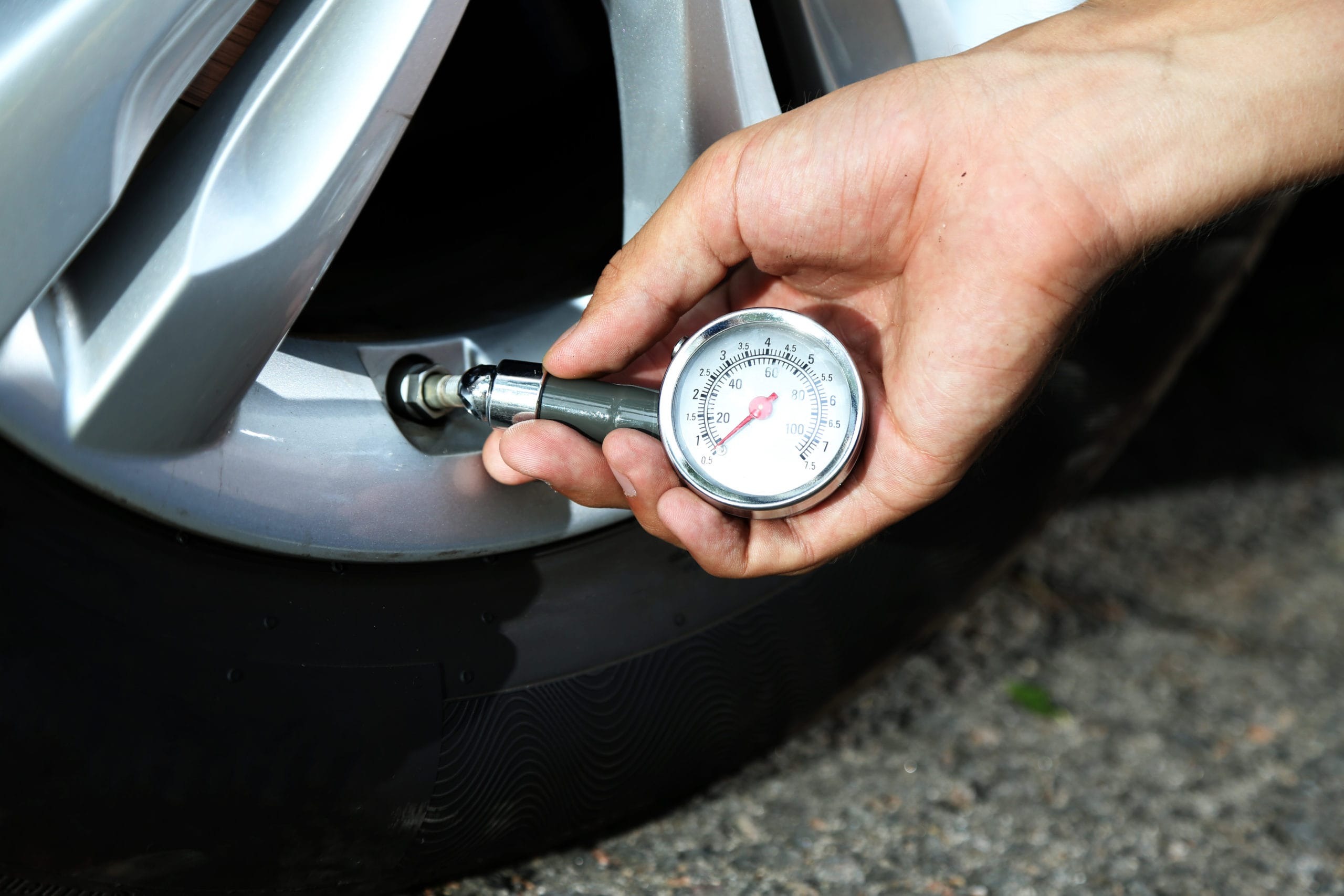
Pressure typically decreases by about 1 PSI for every 10-degree Fahrenheit drop in temperature, although the exact change varies. Underinflated tires can handle poorly, wear unevenly, and generate excess heat.
Use the pressure recommended on the driver’s door-jamb label or in your owner’s manual, rather than the maximum figure printed on the tire sidewall. Inspect for cracks, bulges, punctures, and uneven wear while checking pressure.
Remember to check your spare tire if your vehicle is equipped with one. Keeping your tires in good condition enhances road grip and helps you maintain better control when driving in challenging conditions.
This inspection can prevent a dangerous loss of grip and may matter far more than an oil change before your first winter storm.
3. Inspect and Maintain Coolant/Antifreeze
Engine coolant does much more than prevent overheating during summer. In freezing weather, the correct coolant mixture protects the engine and cooling system from ice formation that can cause severe damage.
Water expands when it freezes. If coolant inside an engine block, radiator, or hose freezes, the resulting pressure can crack components and produce expensive repairs.
Antifreeze lowers the mixture’s freezing point while also helping protect against corrosion and controlling operating temperatures.
Many vehicles use a mixture containing roughly equal parts antifreeze and water, which commonly provides freeze protection near minus 34 degrees Fahrenheit.
However, the correct mixture depends on the coolant specification and local climate. Some products and vehicle designs require different concentrations, so check the owner’s manual before adding anything.
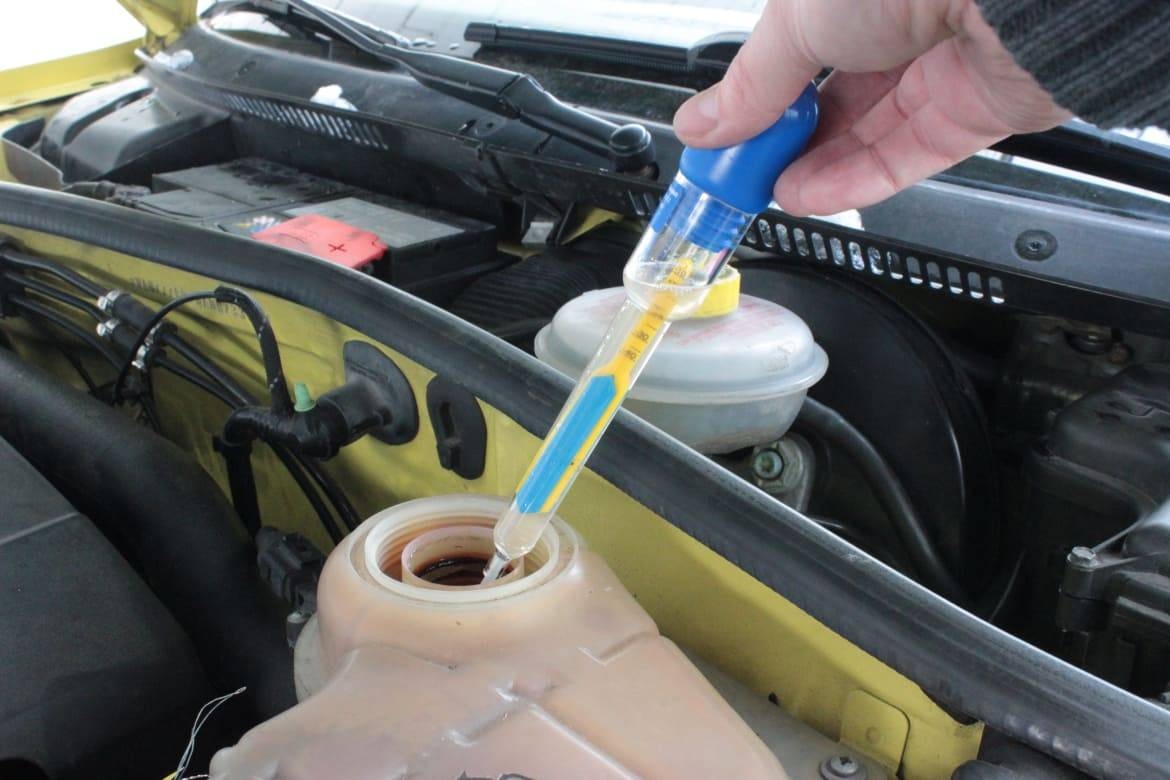
Inspect the coolant reservoir when the engine is completely cold. The level should fall within the marked range. Look for visible leaks, damaged hoses, crusty deposits around connections, or unexplained drops in coolant level.
Never remove a radiator cap while the engine is hot. Pressurized coolant can escape violently and cause severe burns.
Coolant also has a service life. Its protective additives deteriorate, so follow the manufacturer’s replacement or flushing schedule rather than assuming the fluid lasts indefinitely.
Before temperatures plunge, have the coolant’s freezing protection tested if you are unsure of its condition. A simple check can help protect the engine, radiator, water pump, and heater from preventable cold-weather damage.
4. Replace Worn Wiper Blades & Use Winter Washer Fluid
Visibility drops fast in a winter storm. Slush spray, ice, and low sun can turn the windshield into a blur in seconds. That’s why wipers and washer fluid are on this list.
Old wiper blades smear, streak, and skip. In winter, they also pick up ice. According to the supplied information, winter blades prevent ice buildup and improve clearing.
These blades are generally built with a protective boot that keeps snow and ice from packing into the joints, though the source doesn’t spell out the design.
Check your current blades. If they chatter, leave streaks, or have cracked rubber, replace them. Most blades last about six months to a year, depending on use and climate.
Washer fluid matters too. Winter washer fluid prevents freezing on the windshield, according to Enginetech. Plain water can freeze in the lines and on the glass, which makes visibility worse right when you need to clean the windshield.
Tips: top off the reservoir with fluid rated for cold temperatures. Clear snow and ice from the windshield, hood, and roof before you drive. Don’t use the wipers to chip off ice, since that can tear the blades.
Clear vision is a safety feature. Treat it like one.
5. Test the Heating and Defrost System
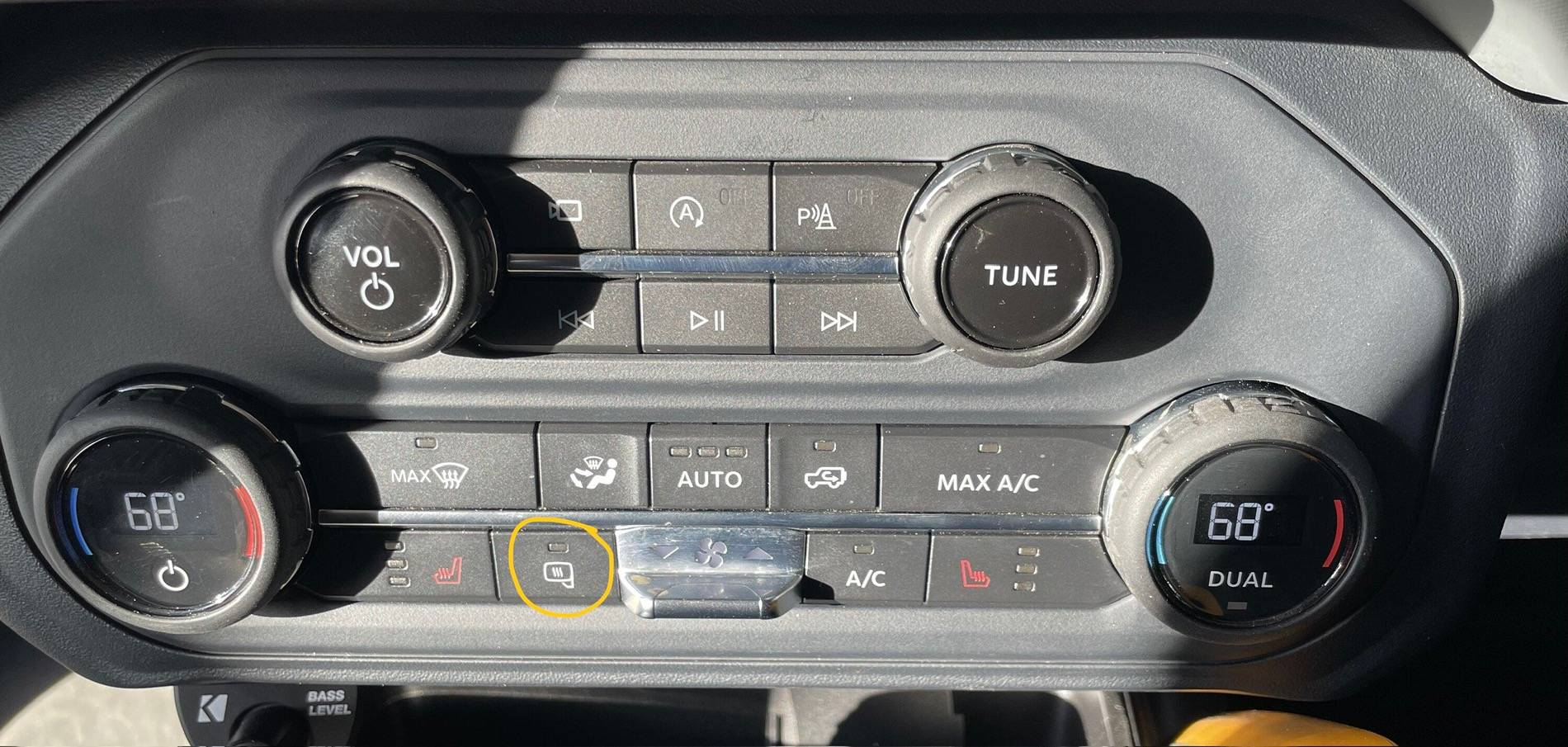
Is a working heater a luxury? Not in winter. A working defroster is a safety requirement, not a comfort feature, according to the supplied source. Weak airflow or no heat can also point to deeper problems.
Why does the defroster matter so much? A fogged or frosted windshield blocks your view. If the defroster can’t clear it, you may have to drive with a tiny patch of visibility, which is dangerous.
What can go wrong? Weak airflow might mean a clogged cabin air filter or a failing blower motor. No heat could signal low coolant, a stuck thermostat, or a problem in the heater system. The supplied source doesn’t list specific causes, so have a technician diagnose it.
How do you test it? Before winter, turn on the heat and defrost settings and check that air blows strongly and warms up in a few minutes. Check that all vent settings work.
Penske Automotive also lists heating system checks in its winter prep lists.
Quick tip: running the A/C along with the defroster can help clear fog faster, because it dries the air. Keep the inside of the glass clean, since dirt makes fogging worse.
Don’t wait for the first freeze to find out your heater doesn’t work.
6. Inspect the Brakes Thoroughly
Winter roads leave little room for braking mistakes. Rain, snow, slush, and ice can reduce tire grip, making it harder to stop quickly. A braking system in poor condition gives you even less room for error.
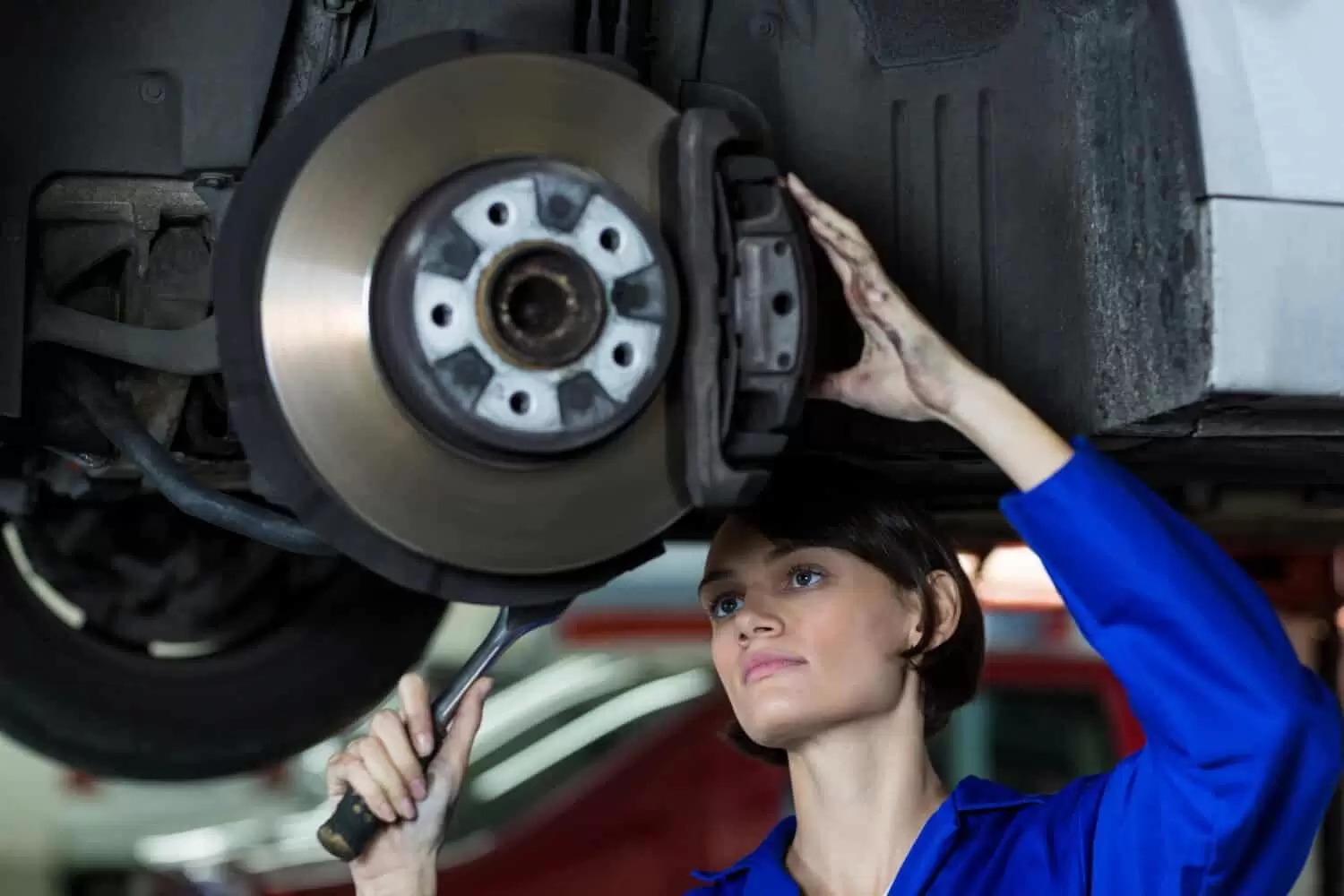
Ask a qualified technician to inspect the brake pads, rotors, calipers, hoses, and brake fluid before winter begins. Worn pads may struggle to provide reliable braking, while damaged rotors or sticking calipers can affect stopping performance and cause uneven wear.
Brake fluid deserves special attention. Many types absorb moisture from the surrounding environment, which can lower their boiling point and contribute to corrosion inside the braking system. Follow the manufacturer’s recommended replacement interval and use the specified fluid.
Listen for squealing or grinding sounds when braking. Pay attention to vibrations, a soft pedal, pulling to one side, or a warning light. These symptoms can point to problems that need prompt diagnosis.
Do not wait for an obvious failure before arranging an inspection. Some brake problems develop gradually, and a vehicle may continue moving normally even when certain components need attention.
Allow extra following distance when driving on slippery roads, and apply the brakes smoothly whenever conditions permit. Avoid sudden maneuvers that could overwhelm available traction.
Why put brakes ahead of an oil change? Fresh oil supports engine health, but properly maintained brakes help you control the vehicle when road conditions deteriorate.
Addressing worn components before winter can improve safety and reduce the likelihood of an unexpected repair during the coldest months.
7. Inspect the Exhaust System for Leaks
An exhaust leak may seem like a minor mechanical nuisance, especially if the vehicle still starts and drives normally. During winter, however, it can create a dangerous safety hazard because drivers tend to keep windows closed and use the heating system more frequently.
Exhaust contains carbon monoxide, a poisonous gas that cannot be seen or smelled. A leak near the engine, exhaust manifold, or underbody can allow fumes to enter areas where they may reach the passenger cabin.
Carbon monoxide exposure can cause headaches, dizziness, nausea, confusion, and, in severe cases, death. Arrange an exhaust inspection if you hear unusual hissing or rumbling, notice a strong exhaust odor, or see visible damage or corrosion beneath the vehicle.
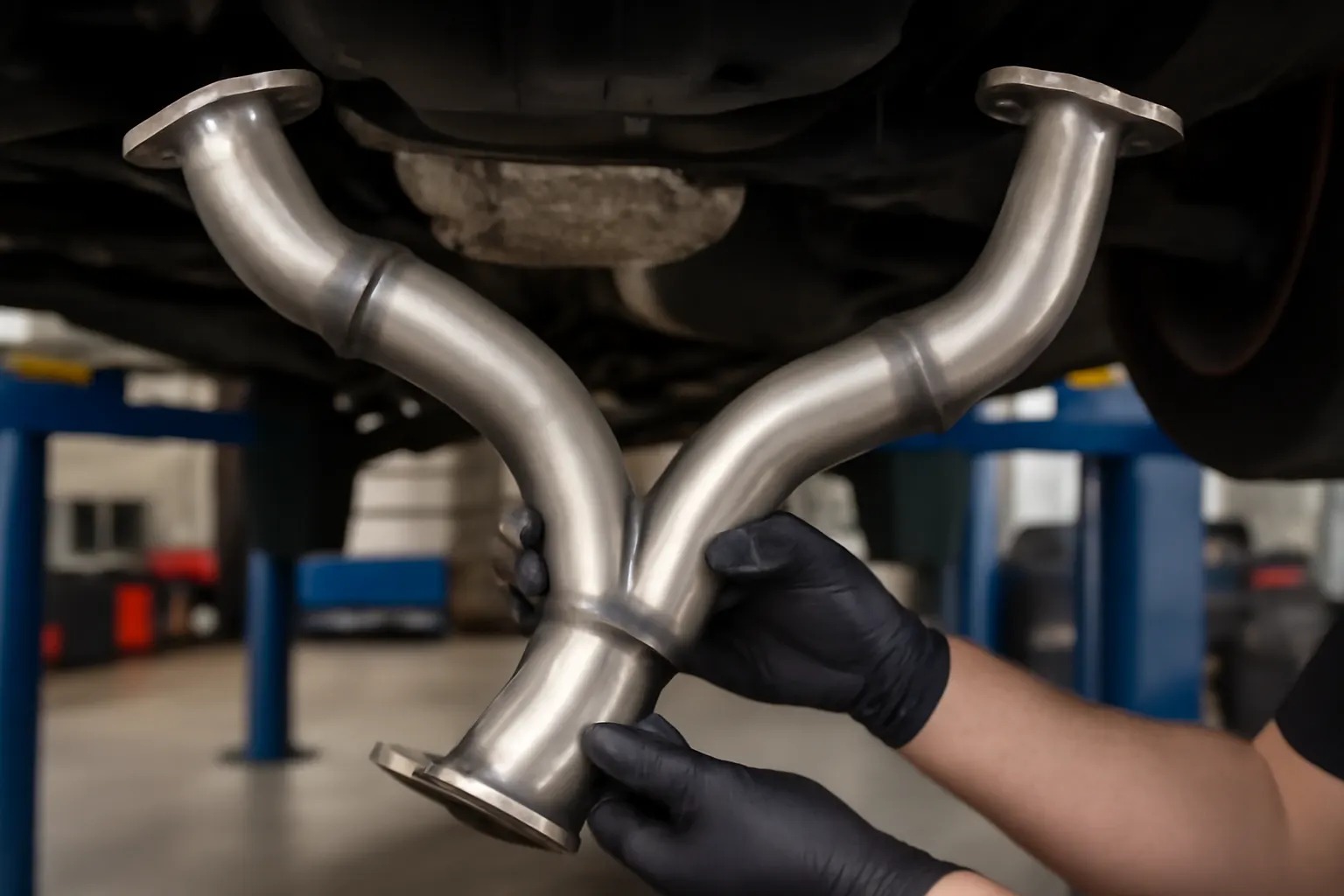
A technician can examine pipes, joints, gaskets, and the muffler for leaks or deterioration. Do not assume that the absence of an odor means the cabin is safe. Carbon monoxide itself has no smell, and exhaust odors are not a reliable warning system.
If you suspect exhaust fumes are entering the cabin, stop driving, get everyone outside into fresh air, and seek emergency assistance if anyone feels unwell. Have the vehicle inspected before using it again.
A functioning exhaust system also helps control noise and directs emissions away from the passenger compartment.
Make this inspection part of your winter preparation. It may not attract as much attention as tires or batteries, but repairing exhaust leaks can protect your passengers from a hazard that is especially concerning when the vehicle is running with its windows closed.
8. Test the Alternator and Charging System
A healthy battery cannot keep your car running reliably if the charging system fails. The alternator supplies electrical power while the engine operates and replenishes the battery after starting.
During winter, the system may face heavier demands from headlights, heated windows, seat heaters, and the cabin heating equipment’s electrical components.
Repeated short trips can make matters worse. The engine may not run long enough for the charging system to replace all the energy used during frequent starts, particularly when electrical accessories draw substantial power.
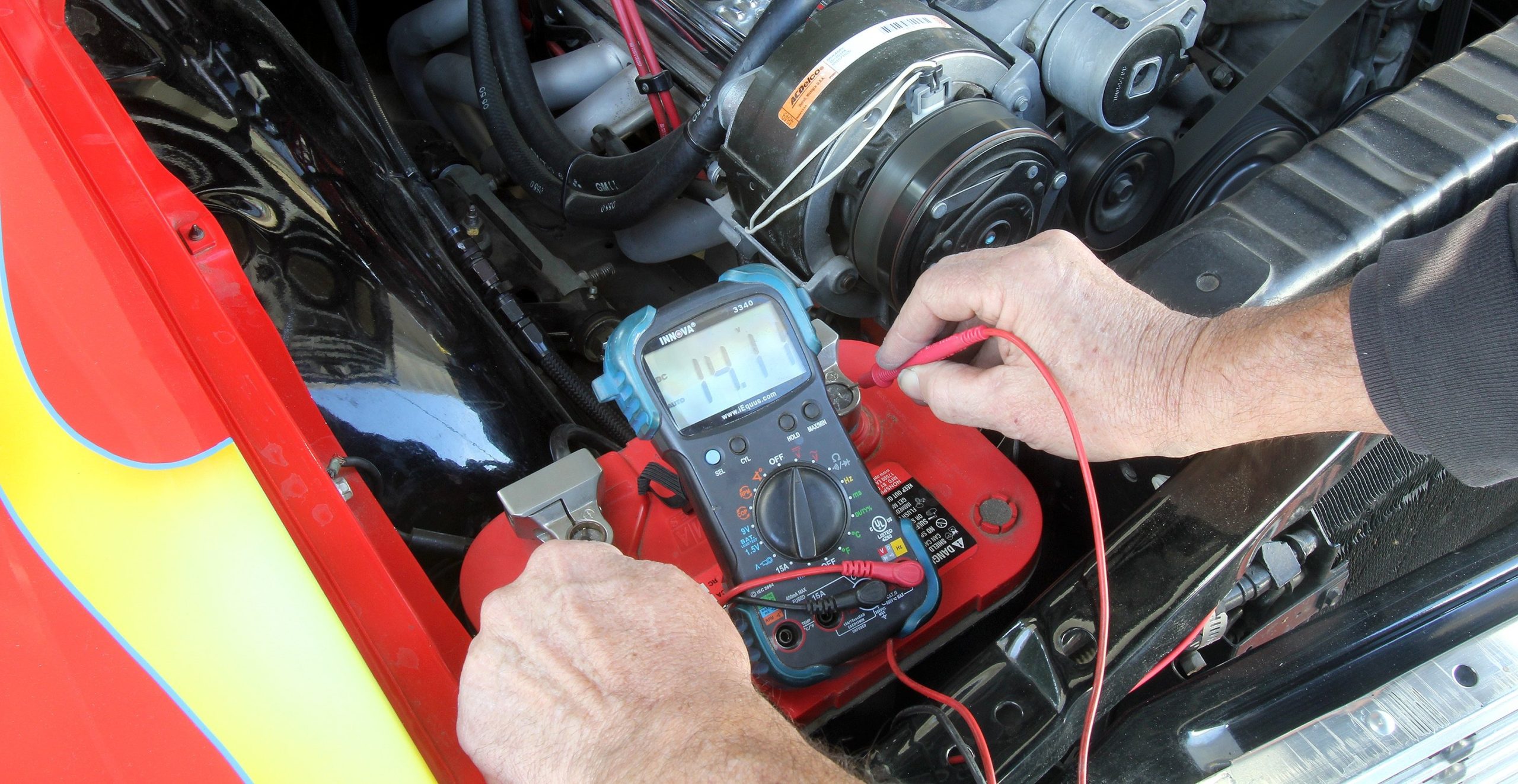
Ask a technician to test alternator output, battery condition, electrical connections, and the charging system’s performance under load. The inspection should also include the drive belt where applicable, since a worn or loose belt can affect alternator operation.
Watch for a battery warning light, flickering headlights, dim dashboard displays, or electrical accessories that behave erratically. These signs may indicate a charging fault, although other electrical problems can produce similar symptoms.
Do not assume that installing a new battery will solve every starting issue. If the alternator is failing, even a recently replaced battery can become discharged.
Keep electrical connections clean and secure, and have unusual noises from the alternator or belt area checked promptly.
A useful winter precaution: Test the charging system before the first severe cold spell, especially if your vehicle already has starting problems.
Catching a weak alternator early can help prevent a dead battery, an unexpected breakdown, and unnecessary replacement costs.

9. Check All Exterior Lights
Winter steals daylight. You may drive to work in the dark and return home after sunset, while snowstorms, fog, and heavy rain can reduce visibility even further.
That makes exterior lights an essential part of winter vehicle maintenance. Dim headlights, cloudy lenses, or failed brake lights can make driving more dangerous by limiting what you see and making it harder for other drivers to notice your vehicle.
Start by checking every exterior light. Turn on the headlights, high beams, turn signals, brake lights, reverse lights, and hazard lights. Walk around the vehicle to confirm that each one works, or ask someone to stand behind the car while you press the brake pedal.
Remember to inspect fog lights if your vehicle has them. Headlight lenses can become cloudy, yellow, or scratched as they age. This damage can reduce light output and limit how far ahead you can see.
A suitable restoration kit may improve cloudy lenses, while a professional shop can assess whether polishing or replacement is necessary. If a bulb has failed, install the correct replacement specified for your vehicle.
Keep the lenses clean because road salt, mud, and grime can reduce brightness. Before driving through snow, clear snow and ice from all lights so approaching drivers can see your vehicle clearly.
Check headlight alignment, too. Misaimed beams may leave parts of the road poorly illuminated or shine directly into oncoming drivers’ eyes.
Remember, winter lighting works both ways: You need to see hazards ahead, and other road users need to see you. A quick lighting inspection before winter arrives can help prevent avoidable visibility problems and make nighttime journeys safer.
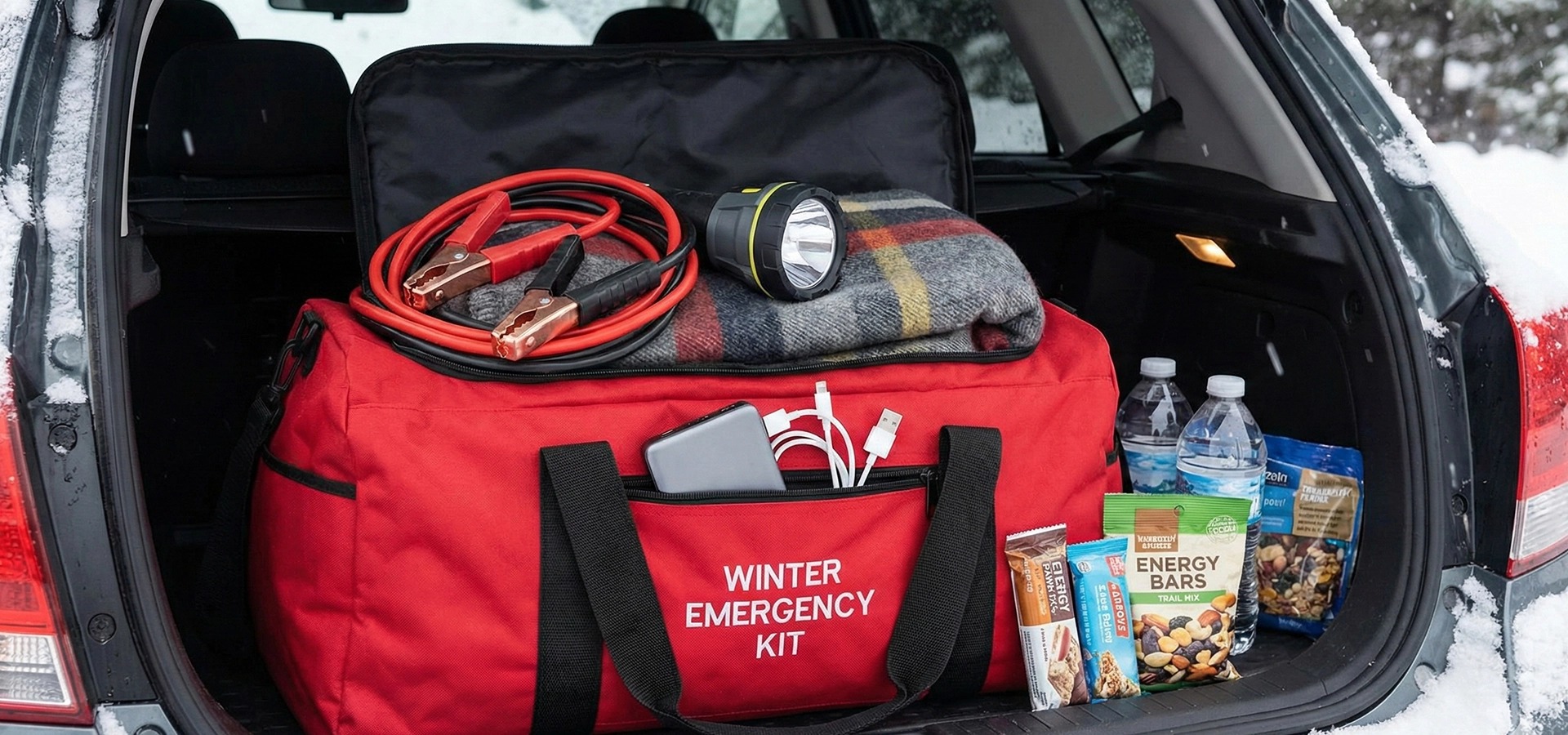
10. Assemble a Winter Emergency Kit
Even with perfect maintenance, winter breakdowns happen. That’s why emergency kits are recommended across multiple sources. A kit won’t fix your car, but it can keep you warm, visible, and safe while you wait for help.
What should it hold? Think warmth, visibility, and basic repair. A blanket, gloves, a hat, and extra socks come first. A flashlight with spare batteries, a phone charger, and reflective triangles or flares help people see you.
Jumper cables, an ice scraper, a small shovel, and a bag of sand or cat litter help you get unstuck. Add water, snacks, a first aid kit, and any medications you need.
Store the kit in the trunk, and check it once each season. Keep your gas tank at least half full, so you can run the heater if you’re stranded, and keep the tailpipe clear of snow if you idle.
One last point. An oil change still matters, since oil protects your engine all year. This list simply ranks safety and breakdown prevention first when temperatures drop. Handle these ten jobs, and the oil change will be the easy one.
Stay warm, and drive safe.