You spent weekends and real money making your car look and sound exactly right. Then comes inspection day, and a technician points to a clipboard. Failed. It happens to drivers every year, often over a part they thought was harmless. This guide covers eight popular modifications that can create state-inspection problems, from muffler deletes to overly bright headlight conversions.
According to the sources provided, these modifications often raise concerns about emissions, lighting, noise levels, visibility, and essential safety equipment.
Understanding why each modification may be flagged, what inspectors typically check, and how to keep your vehicle compliant can help you maintain your personal style without breaking the rules. Keep in mind that inspection requirements differ by state, and some states do not require vehicle inspections at all, so be sure to check your local regulations.
1. Exhaust or Muffler Deletes
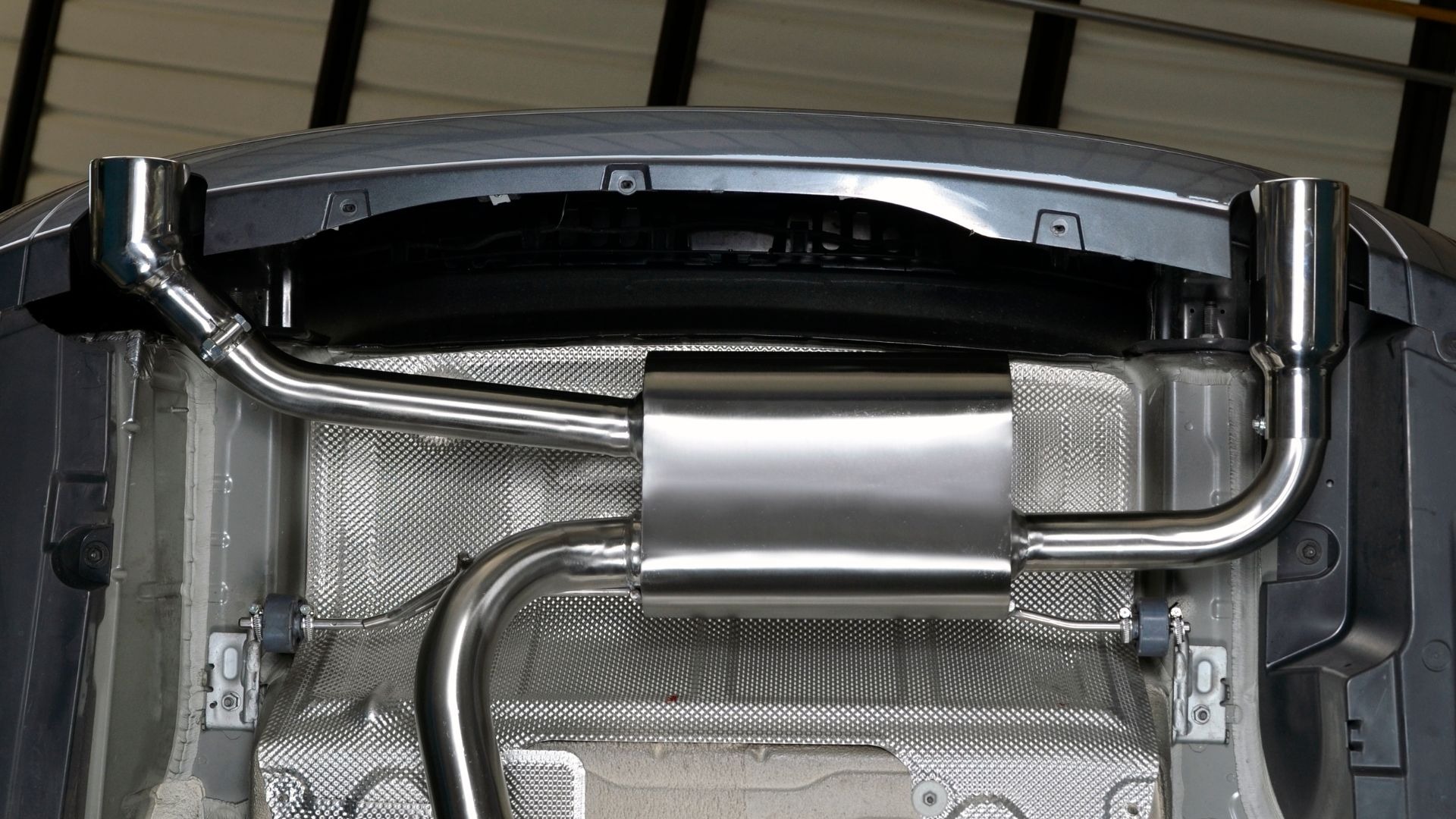
A louder exhaust may appeal to drivers who want their cars to sound more aggressive, but removing a muffler or resonator can create inspection problems.
These components help control exhaust noise, and taking them out can push a vehicle beyond the noise limits established by state or local law. A straight-pipe exhaust may also violate equipment requirements, even when the car still runs properly.
Picture arriving at an inspection station with an engine that roars every time you press the accelerator. The inspector may check the exhaust system for required equipment, leaks, improper alterations, and excessive noise.
If the modification does not comply with local regulations, your vehicle could fail inspection. Beyond legal concerns, an exhaust system that lacks adequate noise control can also make daily driving uncomfortable due to excessive sound.
Long commutes may become tiring, while the sound can disturb neighbors and attract unwanted attention. Before installing an aftermarket exhaust, check the rules that apply to your vehicle and location.
Some performance systems are legal when they retain required noise-control equipment and meet applicable standards. Keep receipts and product specifications, and ask a qualified mechanic to verify compatibility before installation.
Removing parts simply to make a car louder is a risky shortcut. A compliant performance exhaust can offer a sportier sound without creating unnecessary inspection trouble.
2. Catalytic Converter Removal or Emissions Tampering
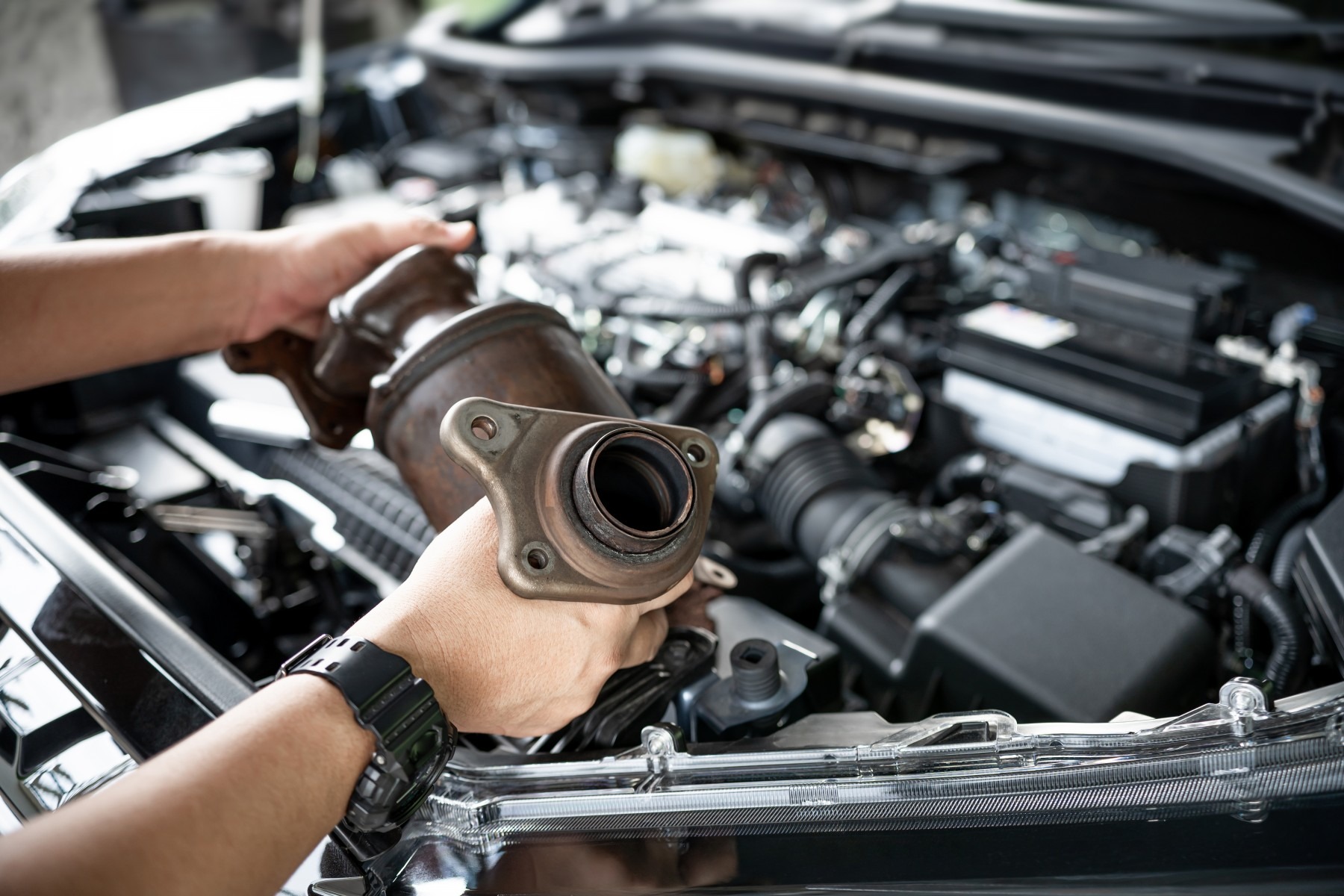
A catalytic converter helps reduce harmful pollutants produced by an internal combustion engine. Removing it, replacing it with an unsuitable component, or tampering with emissions controls can cause a vehicle to fail an emissions inspection.
In many areas, federal and state rules restrict the removal or disabling of required emissions equipment on road-going vehicles. The problem may not be obvious from the driver’s seat.
A car can start normally, accelerate smoothly, and appear mechanically sound while releasing more pollutants than permitted. During an inspection, technicians may check emissions readings, warning lights, diagnostic trouble codes, and the onboard diagnostics system, often called OBD.
Engine tuning can cause trouble, too. Certain software changes disable emissions monitors or interfere with required pollution-control functions.
Even if a modified engine produces more power, that gain does not make an illegal emissions setup acceptable for public-road use. A glowing check-engine light deserves attention before inspection day.
Rather than clearing the code temporarily, have the underlying fault diagnosed and repaired. Disconnecting the battery or erasing diagnostic information may reset readiness monitors, leaving the vehicle unprepared for testing.
If a catalytic converter has failed, choose a replacement that meets the requirements for your vehicle and location. A qualified repair shop can confirm the correct part and complete any necessary diagnostic checks.
Protecting emissions equipment helps keep the car compliant, reduces pollution, and prevents a costly inspection failure.
3. Excessively Dark Window Tint
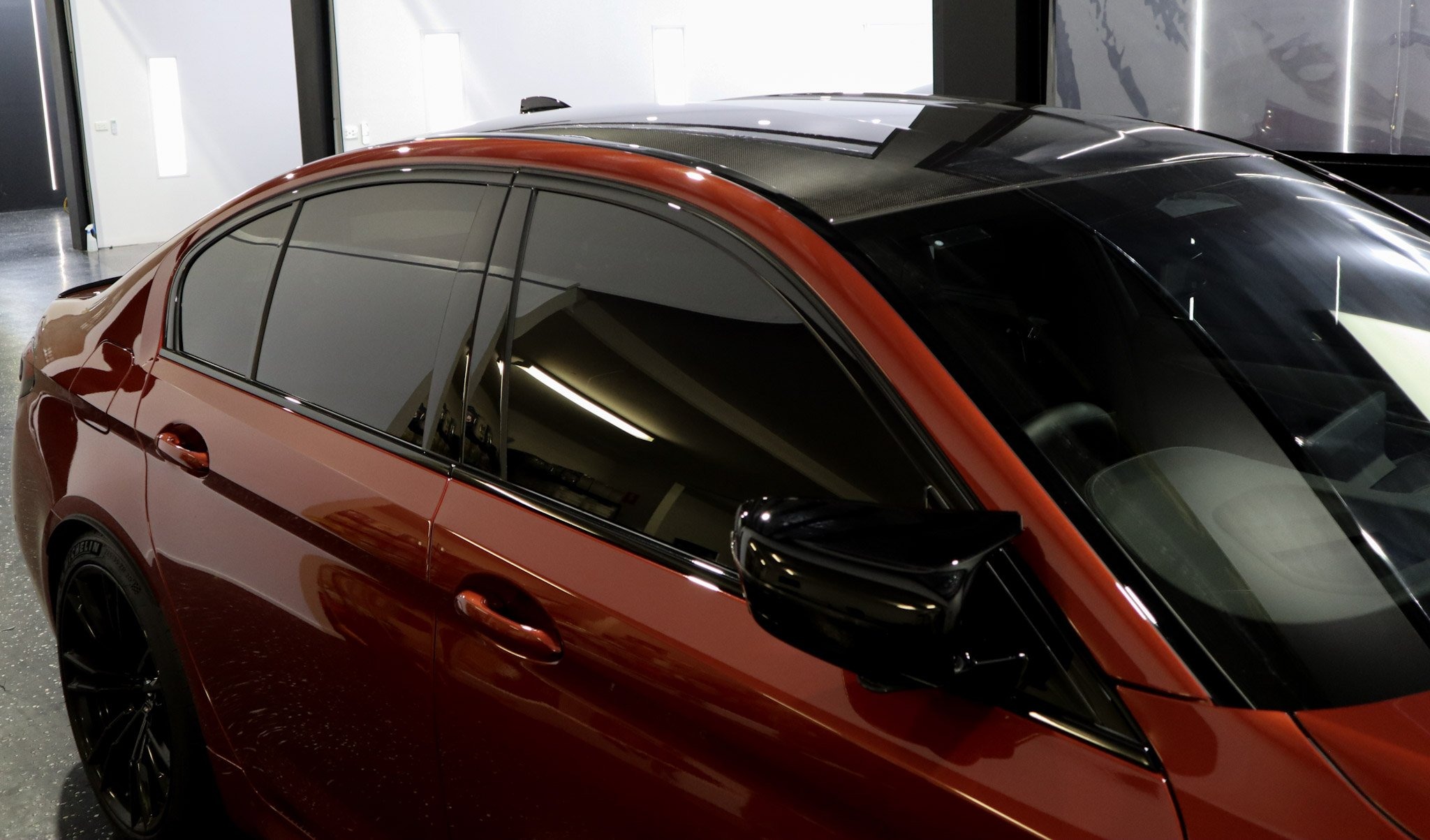
Dark window tint can give a vehicle a sleek appearance and reduce glare from sunlight. Yet tint that is too dark may violate state rules, particularly on the front side windows or windshield.
Legal limits commonly depend on visible light transmission, or VLT, which measures how much light passes through the glass and film.
For example, a state may permit one level of tint on rear windows while requiring much greater light transmission through the front side windows.
Windshield rules can be stricter still, often allowing tint only within a designated upper strip. Exact requirements vary, so there is no single percentage that works everywhere.
Why does this matter during inspection? Drivers need a clear view of pedestrians, cyclists, road signs, and nearby vehicles. Very dark film can reduce visibility in parking garages, on poorly lit roads, and during nighttime driving.
It can also make it harder for police officers or other road users to see occupants when visibility is important. An inspector may use a tint meter to measure light transmission instead of relying on appearance alone.
Film that looks moderate from outside can still fall below the legal limit once the factory glass and added tint are considered together.
Before installing tint, check the rules for every window you plan to cover. Ask the installer to confirm the film’s VLT rating and whether it complies with local requirements.
If your current tint is too dark, replacing it with a legal film before inspection may save time and avoid repeat fees.
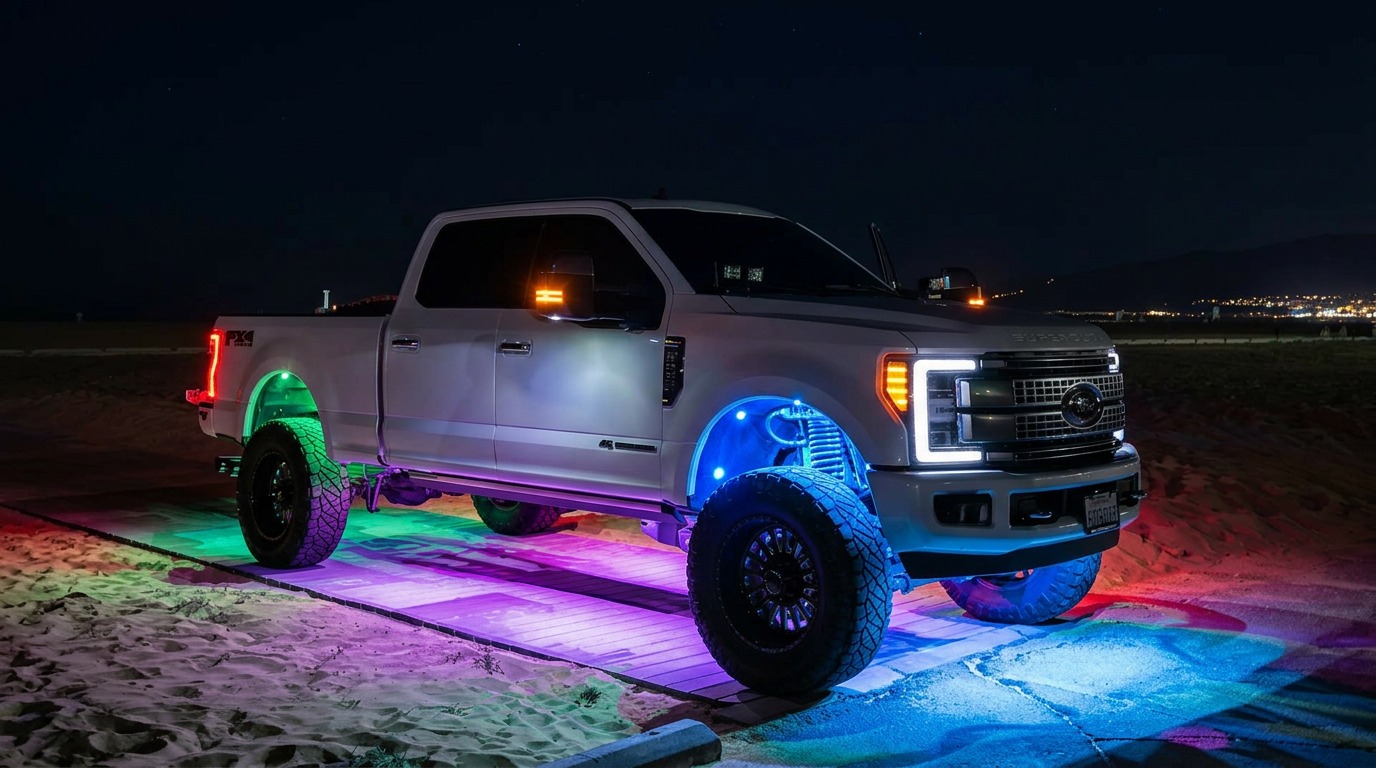
4. Illegal Lighting (Headlights, Taillights, Underglow)
Colored lights look cool in a parking lot and cause trouble on the road. According to the supplied sources, colored headlights, blacked-out taillights, red or blue underglow, and flashing lights violate lighting standards and can mimic emergency vehicles, leading to automatic rejection.
Think about why that rule exists. A driver who sees red and blue lights in the mirror may pull over or slow down, assuming it’s police. A false signal can confuse traffic and create danger.
Let’s go through the categories. Headlights are generally expected to be white or in some cases, a limited range of colors, with specific rules by state.
Taillights must be bright and red so drivers behind can see you, and a blacked-out lens or heavy tint reduces visibility. Underglow rules vary, but red and blue are widely restricted, and flashing lights are usually limited to authorized vehicles.
Inspectors look at color, brightness, function, and condition. They may check whether every lamp works and whether lenses are intact. If you love lighting, look for options labeled legal for road use, and keep colors for car shows and private property.
Ask your state’s motor vehicle department for rules. Many places allow underglow only when parked.
Style is great. Looking like a police car isn’t.

5. License Plate Covers or Obstructions
A plate cover seems harmless. It’s a small piece of plastic. Yet tinted, smoked, or decorative covers that hide numbers, state names, or reflectivity are illegal in many states and can fail inspection checks, according to the supplied sources.
The rule exists for a simple reason. A plate has to be readable by police, toll cameras, and other drivers, day and night. Reflective coating helps people see it in headlights, and a cover can dull that.
A tinted shield or a frame that covers part of the state name can make it harder to read. What counts as an obstruction? Smoked covers, plates with tinted shields, frames that cover letters or stickers, and anything that blocks the view.
Some states also regulate plate lights and mounting positions, and dirt or snow can create a violation by itself. The fix is easy. Remove the cover, or choose a clear one that doesn’t touch any lettering.
Pick a frame that leaves all numbers, the state name, and any registration stickers fully visible. Keep the plate clean. Inspection stations often check this quickly at the start. A cheap accessory can cause a failed inspection, a ticket, or both. Skipping it is the safest bet.
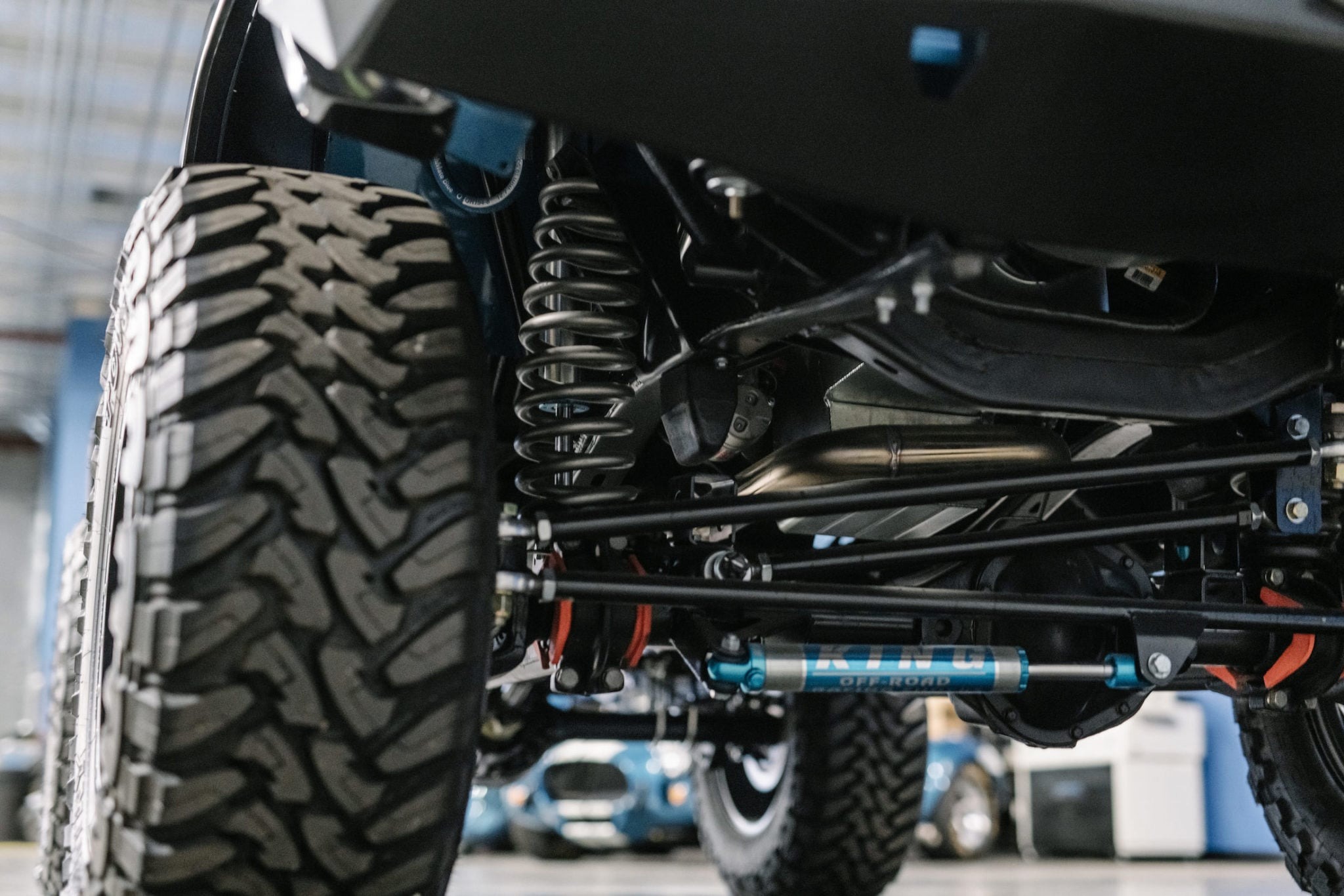
6. Extreme Suspension Lifts or Lowering
Changing ride height can alter a vehicle’s appearance and driving feel, but an extreme lift or drop may create legal and mechanical concerns.
State rules can limit bumper heights, require certain equipment to remain within approved dimensions, or prohibit modifications that make a vehicle unsafe. The precise restrictions depend on vehicle type, weight class, and location.
A lifted truck may have trouble meeting bumper-height requirements or maintaining safe headlight aim. Raising a vehicle also changes its center of gravity, which can increase body roll and affect stability during sudden maneuvers.
If the installation places extra strain on steering or suspension parts, handling may suffer. Lowering a car brings its own problems. Springs that reduce ride height too far can leave insufficient clearance for the tires, suspension, or underbody.
The tires may rub against the body during turns or when the suspension compresses. Poorly selected parts can also interfere with alignment, braking, and steering geometry.
An inspection may include checks of suspension condition, tire clearance, steering operation, and other safety-related equipment. A modification that looks impressive from the curb will not excuse a defective component or an illegal ride height.
Before purchasing a lift kit or lowering springs, confirm the legal limits for your vehicle. Choose a setup designed for the model and have it installed by a qualified professional. An alignment check after installation is essential, and additional adjustments may be needed.
A moderate, properly engineered suspension upgrade is generally easier to keep roadworthy than an extreme setup that compromises safe operation.
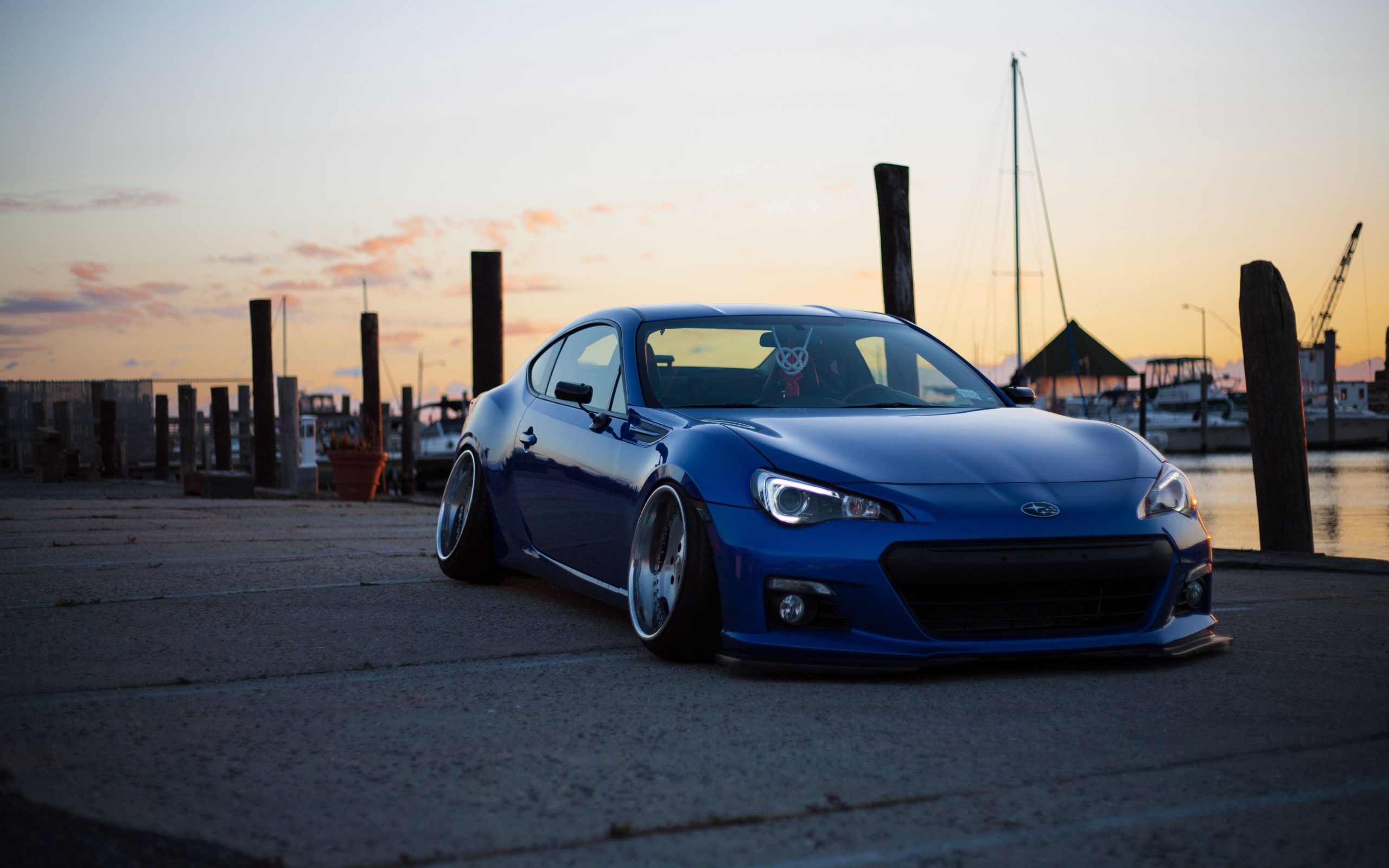
7. Excessive Negative Camber (“Stance”)
Negative camber describes a wheel angle in which the top of the tire leans inward toward the vehicle. A small amount may be part of a manufacturer’s suspension design, and certain performance cars use carefully selected alignment settings.
Trouble begins when drivers pursue an extreme stance that pushes the wheels far beyond sensible operating angles. The visual effect may attract attention, but the tires may no longer meet the road as intended.
Excessive negative camber can reduce the available contact area under some driving conditions, affecting grip during braking, cornering, and wet-weather travel. It may also cause uneven tire wear, leaving the inner edges badly worn while the outer tread appears usable.
Inspectors may flag tires that show unsafe wear, exposed cords, or other defects. They may also identify suspension or wheel-fitment problems when these interfere with safe operation or violate applicable requirements.
The exact inspection criteria vary by state, but a vehicle does not become safe merely because its wheels fit beneath the fenders.
Drivers who want a lower stance should have a qualified alignment technician measure camber, toe, and other settings after suspension work.
The correct figures depend on the vehicle and its intended use. Adjustable control arms or other parts should not be used to create angles that make normal road driving unsafe.
A tasteful wheel setup does not need extreme alignment to look good. Keep tire contact, predictable handling, and legal compliance ahead of appearance, and replace any tire that has worn beyond safe limits.
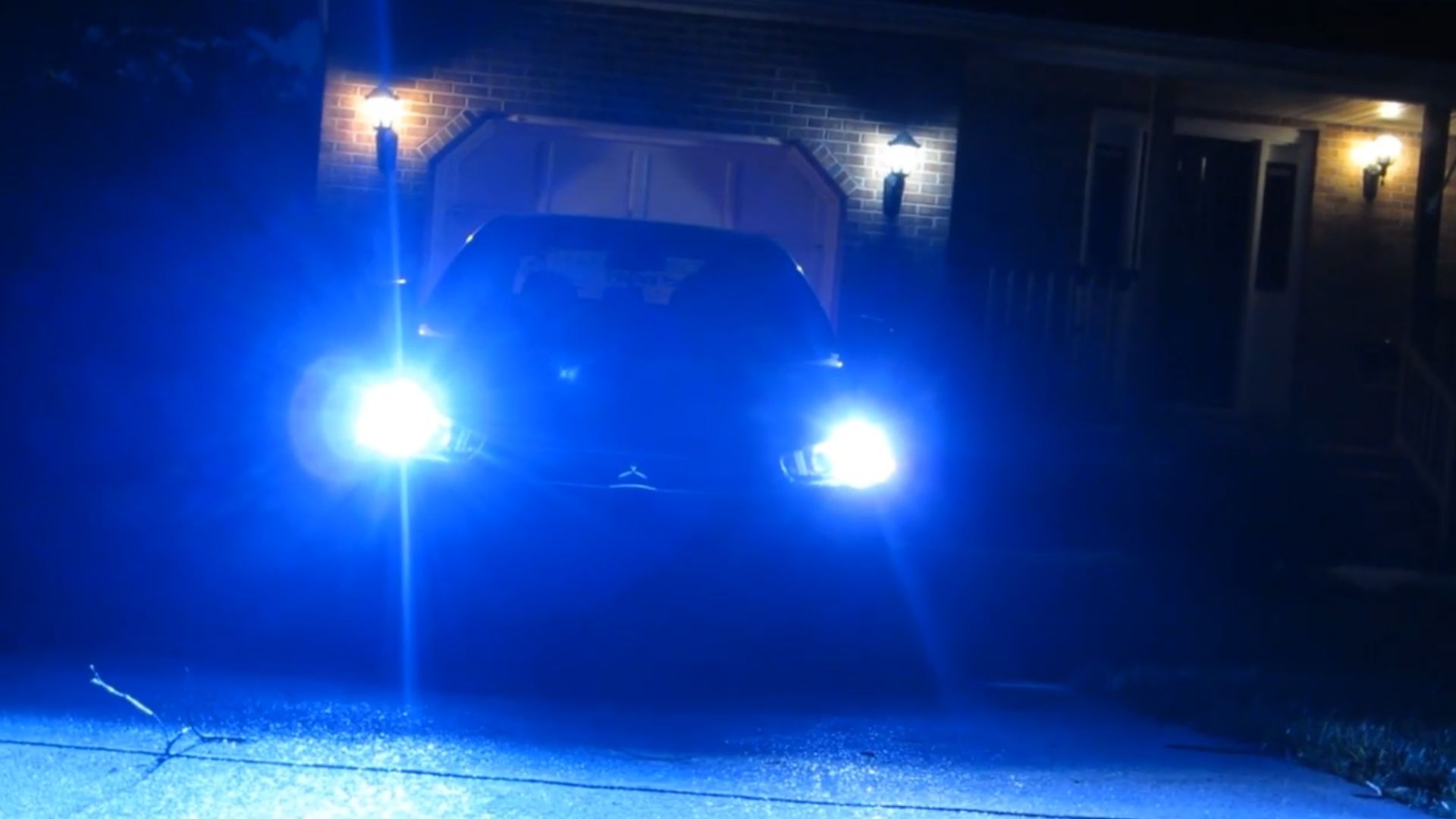
8. Non-DOT-Approved or Overly Bright Headlight Conversions
Finally, consider lighting upgrades that may be too bright for road use. The supplied sources indicate that aftermarket HID or LED conversions that exceed permitted brightness levels or lack the required DOT compliance can create glare, impair other drivers’ vision, and cause a vehicle to fail lighting inspections.
DOT approval means a lighting product is designed to meet federal safety standards. A product without it may not be legal for road use, even if it’s sold online with promises of more light.
Why do conversions cause trouble? Many headlight housings are designed for a specific type of bulb. Putting a different kind of light source inside can scatter the beam, creating glare for oncoming drivers and sometimes less useful light on the road for you.
That’s a general point, and the supplied sources don’t go into optics. Inspectors may check brightness, color, beam pattern, aim, and whether the lights carry DOT markings.
If you want better lighting, look for complete headlight assemblies approved for your car, or bulbs labeled as compliant with your vehicle’s housing. Have the aim checked after installation. Let’s recap all eight.
Modifications such as exhaust deletes, emissions system tampering, dark window tint, colored lights, license plate covers, extreme suspension adjustments, excessive wheel camber, and lighting conversion kits can all create legal or safety concerns.
These changes may violate regulations covering noise levels, emissions, visibility, or vehicle safety. Before making any modifications, review your state’s requirements, keep the necessary documentation, and choose upgrades that let you personalize your vehicle while staying compliant with the law.