Buying a used car can be exciting, especially when you find a vehicle that fits your budget, lifestyle, and daily driving needs. Yet, before signing the paperwork, take a few minutes to check how well the car is protected against theft. A great-looking vehicle may have security weaknesses that are easy to miss during a routine inspection. The good news? You do not need to be a mechanic or security expert to spot many common warning signs.
From engine immobilizers to GPS trackers, several features can help protect a vehicle and improve the chances of recovering it if stolen. The trick is knowing what to inspect, which questions to ask, and when to request professional help. Here are eight anti-theft features worth checking before you buy a used car.
1. Engine Immobilizer
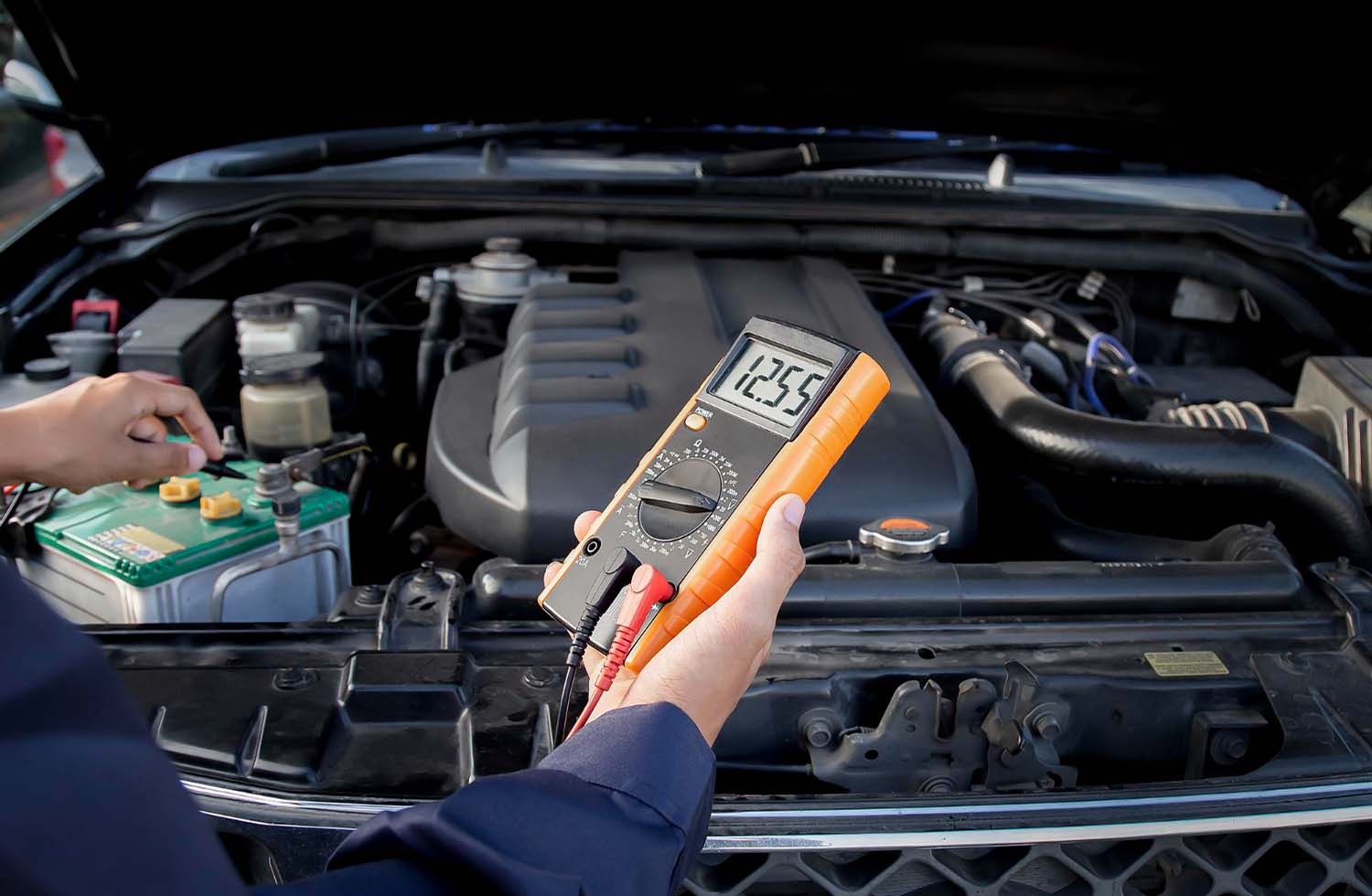
Imagine someone breaking into a parked car but being unable to start the engine. That is the purpose of an engine immobilizer. This electronic security feature prevents the engine from starting unless the vehicle recognizes an authorized key or key fob.
When inspecting a used car, ask the seller whether an immobilizer is installed and whether it works correctly. Check the owner’s manual for confirmation, examine the key for a transponder chip if applicable, and look for a dashboard security indicator.
A qualified technician can verify the system if its status remains unclear.
Why should you care? An immobilizer makes traditional hot-wiring much harder because starting the engine requires the correct electronic authorization.
Still, this technology cannot guarantee complete protection against theft, as its effectiveness depends on the system’s design and condition. If you’re buying a vehicle that comes with only one working key, consider getting a spare and removing any lost or missing keys from the vehicle’s authorized key list if the system supports this feature.
This extra step can help prevent someone with a lost or stolen key from gaining access.
2. Factory Alarm System
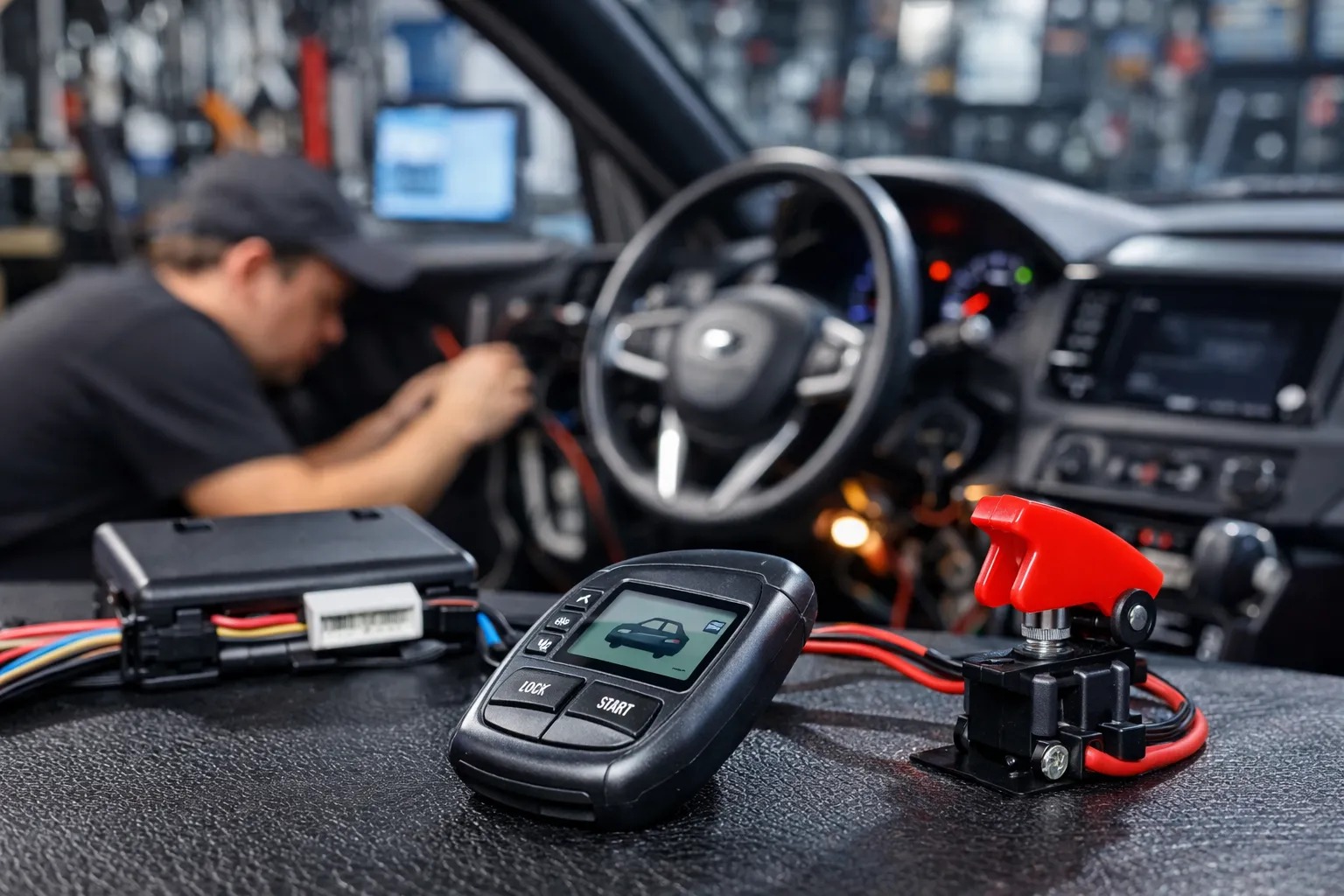
A factory alarm can provide an extra layer of protection when someone attempts unauthorized entry. Depending on the vehicle, the system may monitor the doors, trunk, hood, or movement inside the cabin.
If a monitored area is disturbed, the alarm may activate a siren, sound the horn, or flash the lights. Do not assume the alarm works simply because the seller says it is installed.
Ask for a demonstration, then check the remote’s locking function, panic button, and any security indicator. Follow the owner’s manual when testing the system so you do not trigger an unnecessary disturbance.
Some older vehicles have alarms that were disconnected after electrical problems, faulty sensors, or repeated false alerts. A previous owner may also have replaced the factory system with an aftermarket unit. Either situation deserves closer inspection.
Pay attention to the seller’s explanation if the alarm fails to respond. A simple remote battery replacement might solve the problem, but persistent faults could require professional diagnosis.
Before purchasing, confirm which sensors the system monitors and whether repairs are needed. A functioning alarm can alert people nearby to suspicious activity, although it cannot guarantee that a thief will abandon the attempt.
3. Central Locking With Deadlocks
Pressing a button to lock every door is convenient, but central locking does not always provide the same level of protection as deadlocks. Understanding the difference helps you judge whether a used car offers more than basic door security.
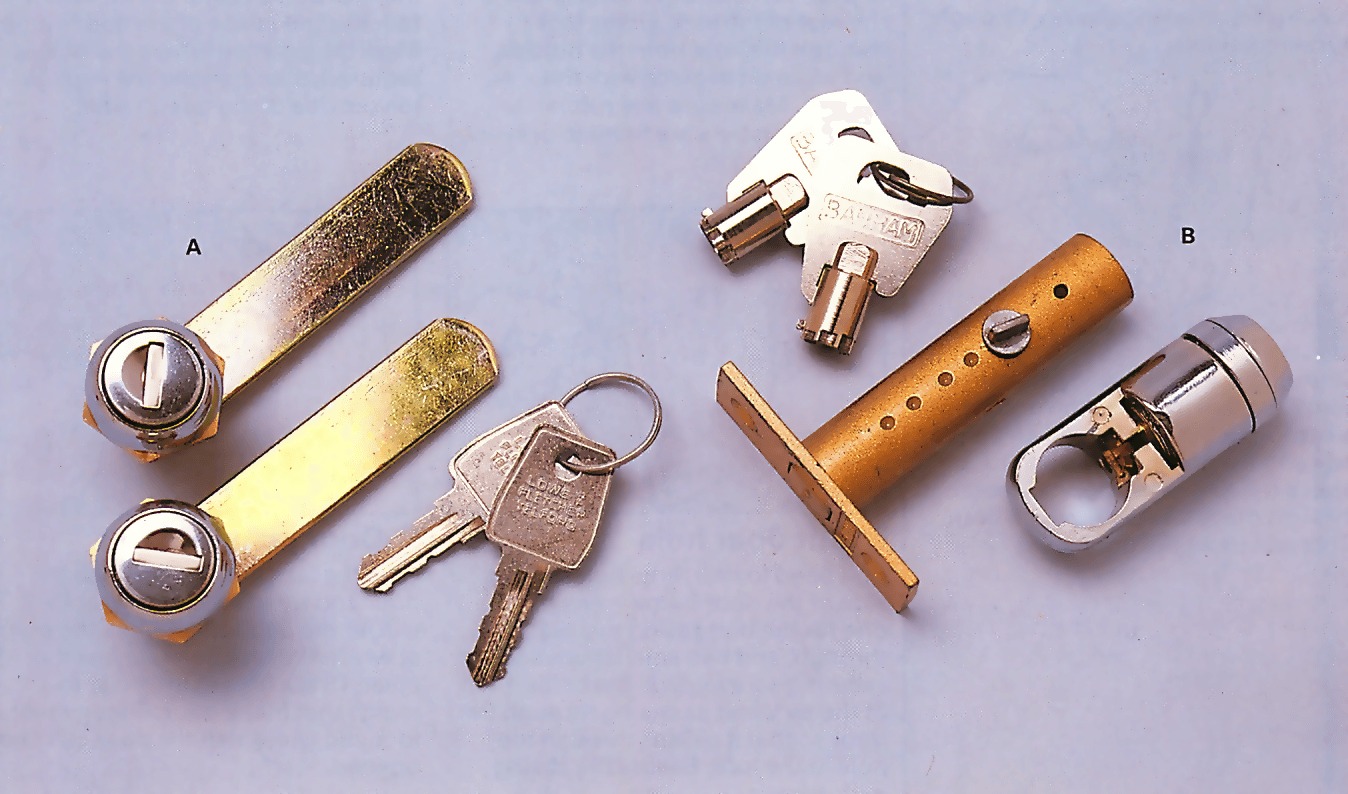
Central locking allows several doors to lock together through a key, remote, or interior switch. Deadlocks add another barrier by preventing the interior door handles from opening the locked doors when the system is engaged. The exact behavior depends on the vehicle’s design and settings.
During your inspection, consult the owner’s manual to determine whether deadlocks are fitted. Test the remote and check that every door locks and unlocks consistently.
Never lock yourself or another person inside the vehicle while testing this function. If the system’s operation is unclear, ask a technician to demonstrate it safely.
This feature can help reduce unauthorized entry, particularly when a vehicle is parked in a busy lot or on a public street. Still, deadlocks cannot prevent every form of forced entry, and they should not replace sensible parking habits.
Check for doors that fail to lock, inconsistent responses from the remote, or repairs that appear incomplete. A central locking system that works on three doors but leaves the fourth unsecured deserves attention before you agree to buy the car.
4. VIN Integrity and Etching
A vehicle identification number, commonly called a VIN, is a unique code used to identify a particular vehicle. It helps buyers, insurers, repair shops, and law enforcement agencies distinguish one car from another.
Checking its consistency can reveal warning signs that a routine test drive will never uncover. Start by locating the VIN on the dashboard near the windshield and the manufacturer’s label on the driver’s door frame, where applicable.
Depending on the model, additional identification markings may appear elsewhere. Compare the available numbers with the title, registration documents, and vehicle history report.
The numbers should agree. Missing labels, damaged identification plates, altered characters, or unexplained discrepancies deserve careful investigation.
They do not automatically prove theft, but they can indicate tampering, paperwork errors, or questionable repairs. Window etching provides another potential deterrent.
Some vehicles have their VIN etched onto the glass, making it harder for someone to sell the windows separately without raising questions. Etching is useful, but it does not establish legal ownership by itself.
Before handing over payment, verify the vehicle’s identity through the appropriate official records in your area. If the VIN appears altered or does not match the paperwork, pause the purchase and seek professional guidance.
A clean appearance cannot compensate for uncertain ownership documents.
5. Steering Lock
A steering lock is a straightforward security feature that can make unauthorized vehicle movement more difficult. Many cars have a built-in mechanism that locks the steering column when the key is removed or the ignition is switched off, depending on the model.
To check it, park safely, switch off the engine, remove the key if applicable, and follow the owner’s manual instructions. Some systems engage after the steering wheel moves slightly.
You may notice resistance when turning the wheel, indicating that the lock has engaged. Do not force the steering wheel or attempt to test the mechanism while driving.
If it refuses to engage, remains stuck, or makes unusual noises, have a qualified mechanic inspect it before purchasing the vehicle.
A steering lock is not a complete theft-prevention solution. A determined thief may use other methods to move a vehicle, and the feature does not replace electronic security.
Its value lies in adding another obstacle that can discourage opportunistic theft or make an unauthorized departure more difficult.
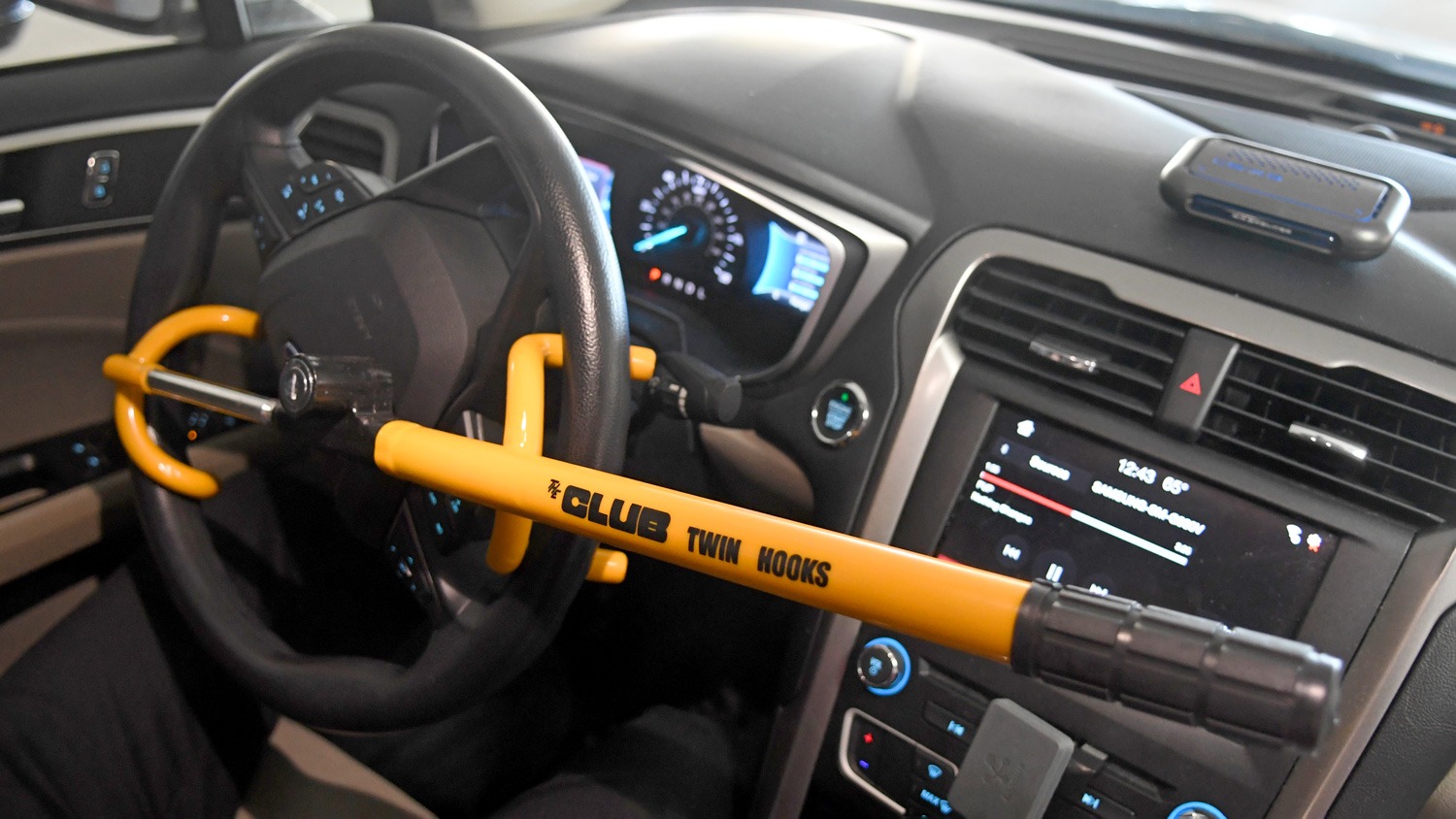
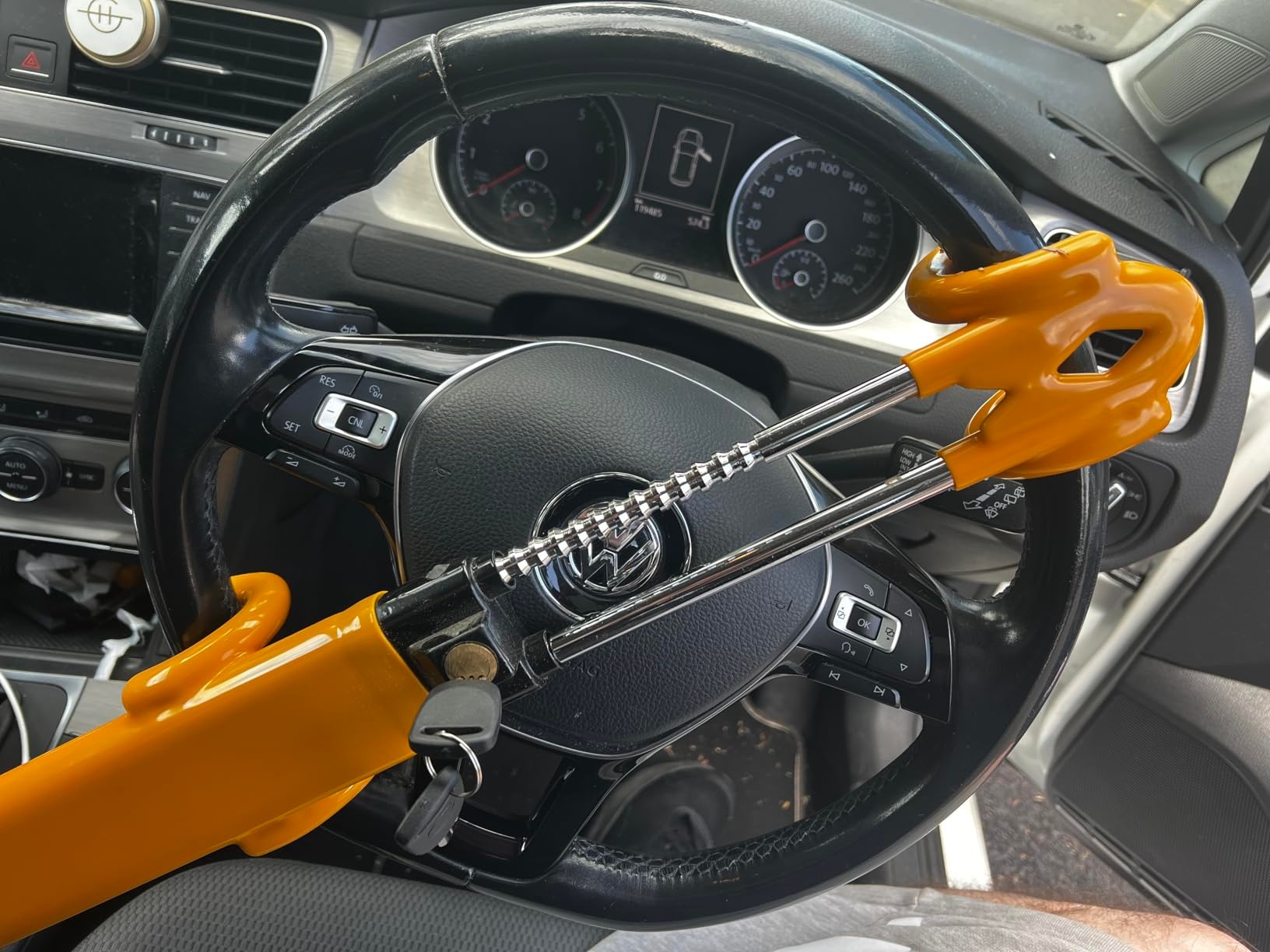
You can also ask whether the car supports an approved external steering-wheel lock. This removable device provides a visible deterrent and may complement the built-in mechanism.
When comparing two similar used cars, a properly functioning steering lock is a useful point in favor of the vehicle. Just make sure it operates as designed rather than relying on appearance alone.
6. GPS Tracking or Telematics
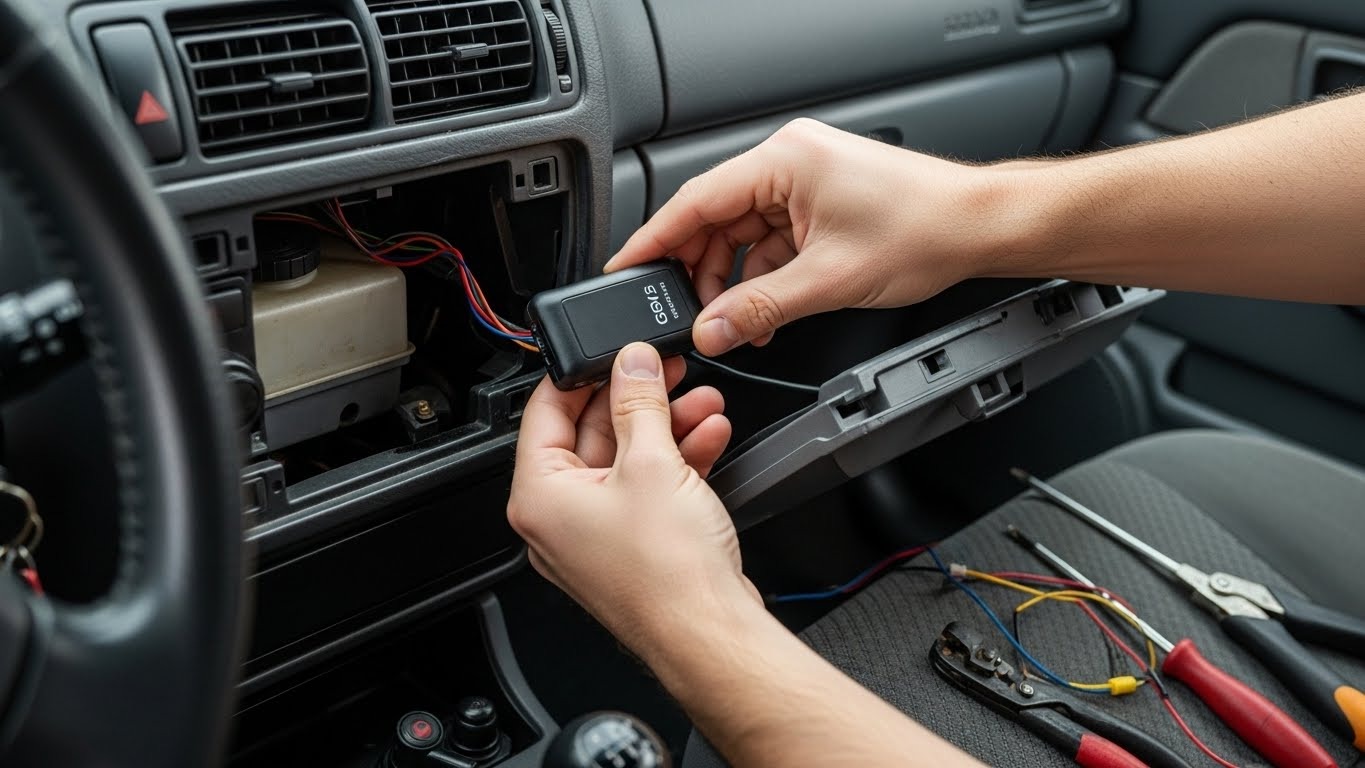
If a thief manages to drive away with a vehicle, a tracker can help the owner and law enforcement locate it. Factory telematics systems and aftermarket GPS devices offer different tracking capabilities, making them useful features to check when shopping for a used car.
Depending on the provider, these systems may also offer movement alerts, location history, emergency assistance, and remote monitoring through a mobile app.
One common and costly mistake buyers make is assuming that having the hardware installed means the protection is still active. The previous owner may have canceled the subscription, disconnected the system, or let the service expire. Before purchasing the vehicle, verify that the security features are working and that any required subscription remains active.
Before purchasing, ask the seller for service records, subscription information, and access to the tracking application, if available. Check the infotainment system for connected services, emergency assistance buttons, or other telematics functions.
You can also ask the manufacturer or tracking provider to confirm the system’s status using the vehicle identification number (VIN), where supported.
A qualified technician can inspect aftermarket equipment and verify that it receives power and communicates correctly.
Remember to ask about activation fees, monthly subscriptions, and account transfers. Some services require the previous owner’s account to be disconnected before a new owner can register the vehicle.
A tracker is only useful when it works. Confirm that the service is active, that location updates are available, and that you can access the account after purchase.
Although GPS tracking cannot guarantee recovery, a properly maintained system can provide valuable information if the vehicle goes missing. Treat it as one layer of protection alongside alarms, immobilizers, and secure locks.
7. Keyless Entry Security (Rolling Codes)
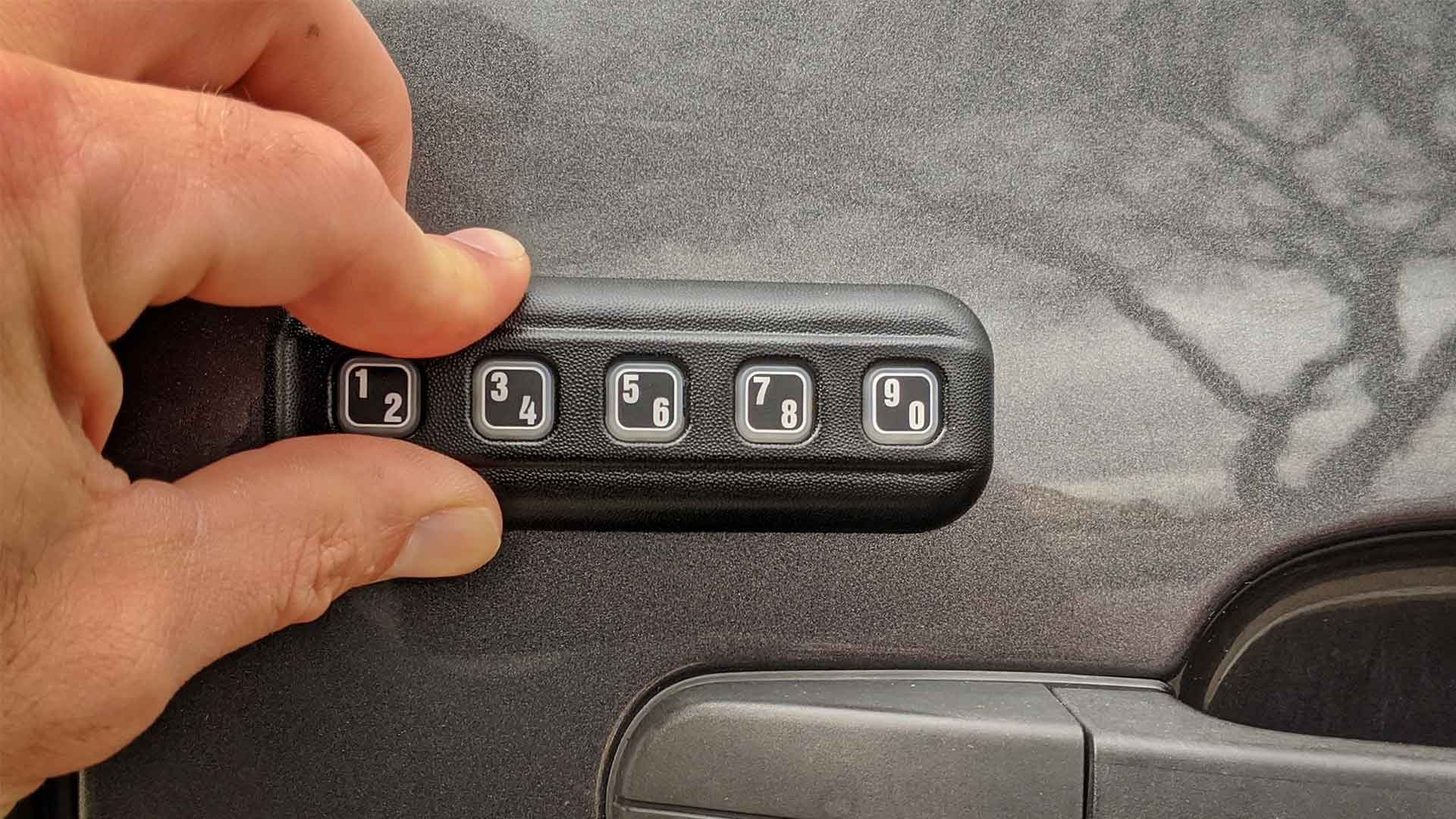
Keyless entry makes getting into a car easier, especially when your hands are full or you need to access the vehicle quickly. However, the technology behind the convenience deserves attention when buying a used car.
Some systems use rolling codes, which change the authorized signal with each use to make intercepted signals harder to reuse. This approach helps protect against replay attacks, in which someone records a signal and attempts to use it again.
Newer systems may also use encryption and additional authentication measures, depending on the manufacturer and vehicle model. These protections can make unauthorized access more difficult, although no wireless system should be considered completely immune to attack.
How can you check what a particular car offers? Start by consulting the owner’s manual and the manufacturer’s specifications for the exact model year and trim.
Security features can vary between versions of the same vehicle, so the year alone may not provide a reliable answer. If the documentation is unclear, contact a dealership service department and ask them to verify the system using the VIN.
Older keyless systems may be vulnerable to relay attacks, which exploit communication between the vehicle and its key fob. Ask whether the manufacturer offers relevant software updates or additional security settings.
You can also consider a signal-blocking pouch designed for key fobs, provided it effectively blocks the vehicle’s signal. Before buying, test the keyless entry and starting functions with the authorized fob.
Confirm that every supplied fob works correctly and ask whether missing fobs can be removed from the vehicle’s authorized list. Pairing secure keyless technology with an immobilizer, alarm, and other protective features provides a more dependable approach to vehicle security.
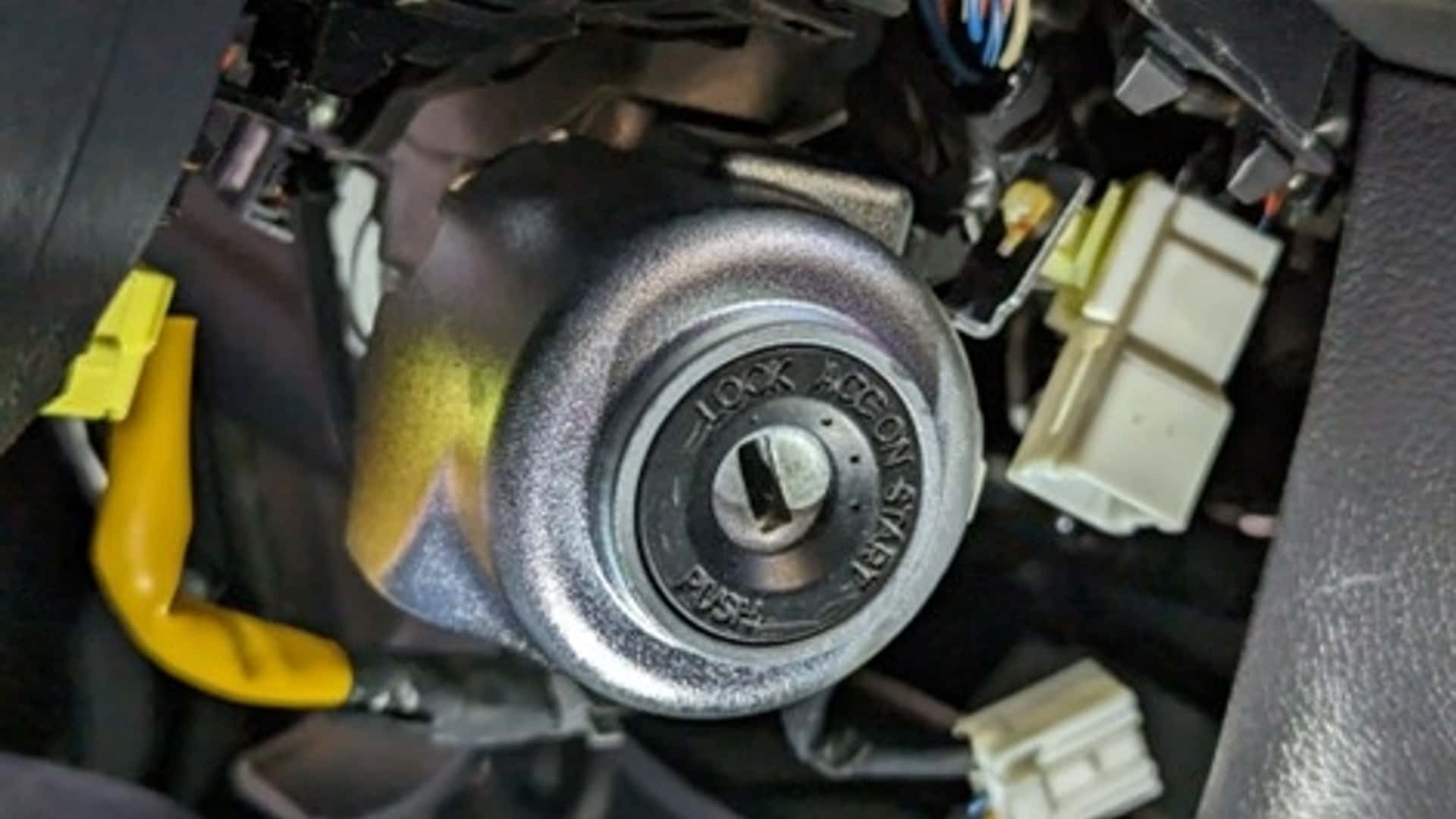
8. Tamper-Resistant Door and Ignition Hardware
Thieves rarely announce themselves. They leave clues instead, and a careful buyer can find them. Reinforced door latches, shielded wiring, and secure ignition housings all make forced entry harder, but only if they are intact.
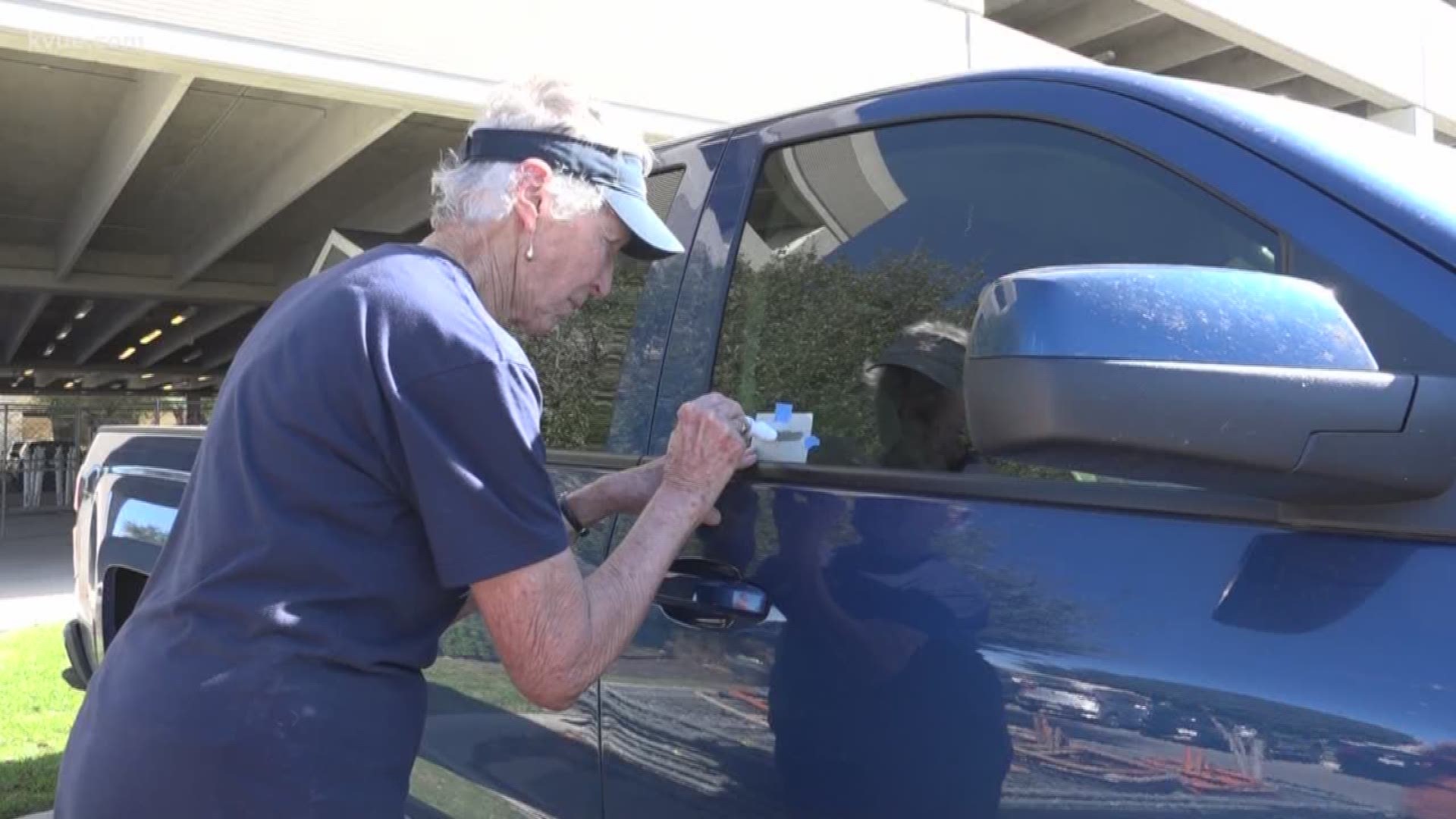
Past break-ins can leave behind damage that quietly weakens a car. Begin with the ignition. The barrel should feel solid, with no wobble, and the surrounding trim should sit tight with no loose panels. Next, run your fingers along each door edge.
Pry marks, bent metal, or fresh touch-up paint can hint at earlier forced entry. Look closely at the lock cylinders, too. A replaced cylinder that does not match the others may signal a past attempt or a sloppy repair.
Do not skip the interior. Peek under the steering column for exposed or taped wiring, which can show that someone tampered with the ignition.
Ask the seller directly whether the car has ever been broken into, and request repair records. Honest answers are reassuring, and evasive ones tell you something, too.
The best theft protection comes from combining several security features, including an immobilizer, alarm system, reliable locks, GPS trackers, and durable physical safeguards. Before buying a vehicle, make sure each feature is present and functioning properly. If any are missing, consider negotiating for a lower price or requesting their installation so you can get a vehicle that fits your budget while providing better protection against theft.