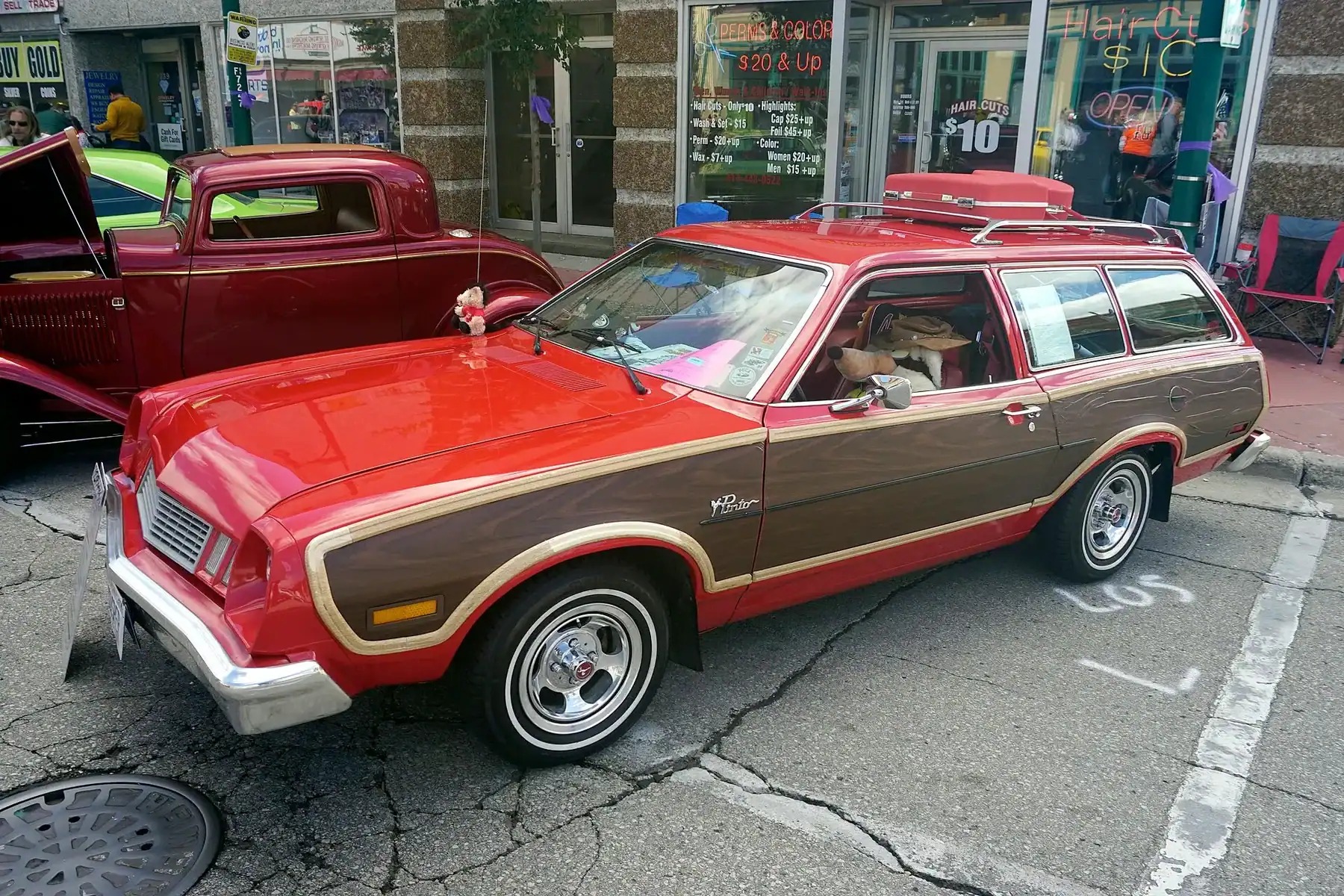
Remember when rolling down a window meant actually rolling something? Cars have changed fast, and plenty of features that once felt permanent have quietly slipped out of showrooms. You might spot a few of them in a classic car at a local show, or maybe in your grandfather’s old driveway photos. Some were charming, some were clumsy, and a few were genuinely clever.
This list covers eight features that were once everywhere and are now nearly gone, along with the reasons they faded. Whether you grew up with them or never saw one in person, the stories behind them are worth a quick read. Buckle up and see how many you remember.
1. Manual Window Cranks
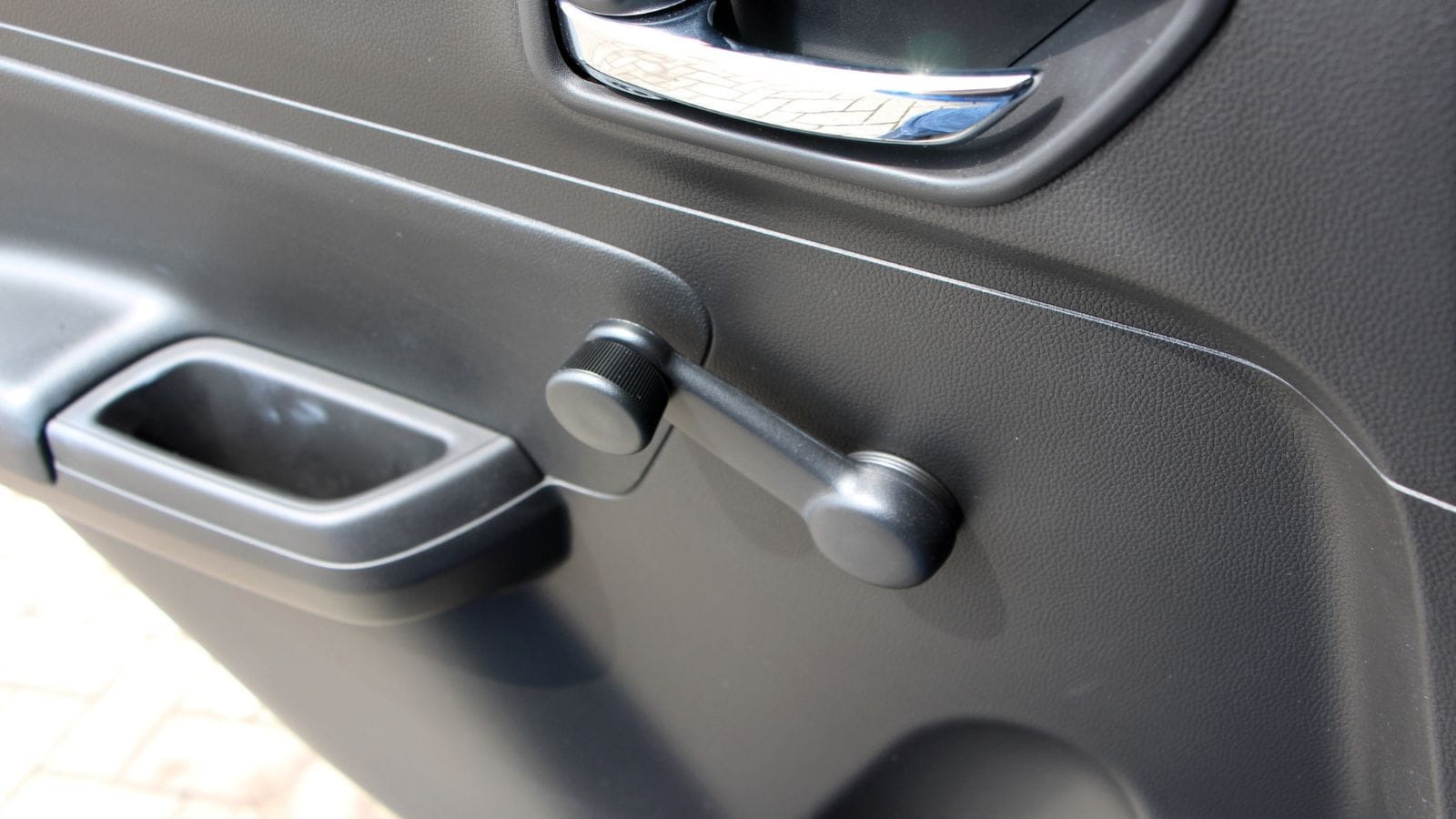
Manual cranks were standard for decades. You turned a handle, the glass moved, and that was it. No wiring, no motor, and no electricity needed. For many drivers, that simplicity was a real selling point, and a few still miss it.
So what happened? Power windows became universal. Once automakers saw how much buyers liked pressing a button instead of spinning a handle, the crank started losing ground fast.
Convenience was the main driver, but looks mattered too. A smooth door panel with a small switch cluster appeals to modern taste more than a protruding handle does.
There is a fun detail here. Phrases like “roll down the window” stuck around long after the rolling stopped. Younger drivers say it without ever having touched a crank. Language often outlives the technology that created it.
Crank-operated windows offered one practical benefit because they remained functional even when the electrical system failed. A dead battery would not prevent occupants from opening or closing a window. Their simple design also meant fewer components could malfunction, making them a cost-effective choice for budget-friendly vehicles.
Today, finding a new car with cranks is close to impossible. Power operation is now the expected norm across nearly every price level. Still, if you ever sit in an older economy car, give the handle a spin. It is a small piece of driving history, and it tends to bring back memories.
2. Pop-Up Headlights
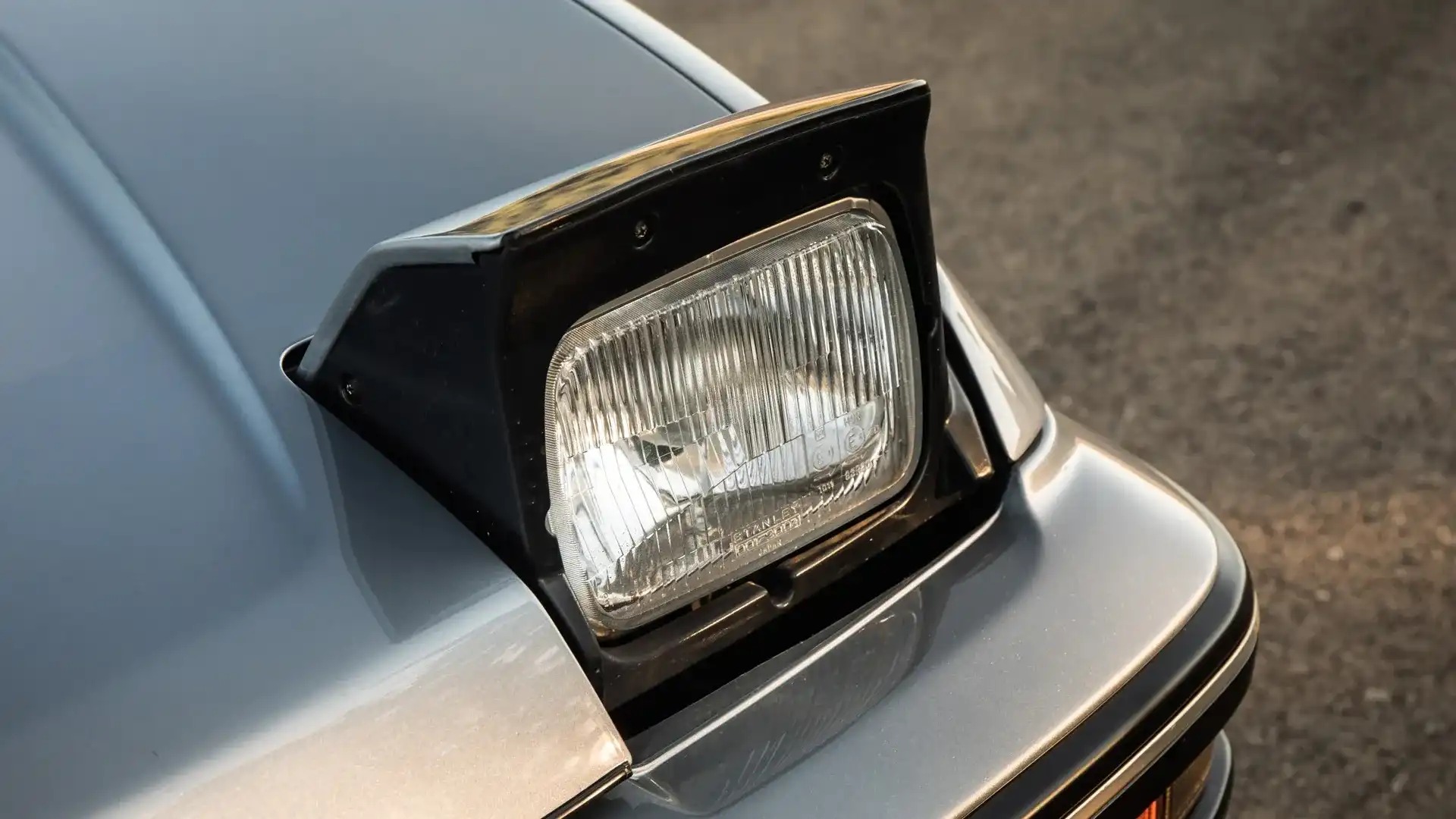
Few features said “sporty” quite like pop-up headlights. They defined many sports cars of the 1980s and 1990s, and anyone who saw them flip up at dusk remembers the thrill.
The low, sleek nose they allowed gave those cars a dramatic profile. Posters of them covered bedroom walls everywhere.
Why did they vanish? Two big reasons stand out. First, pedestrian safety regulations changed how automakers design front ends, and sharp, raised housings do not fit that goal well.
Second, the system was mechanically complex. Motors, linkages, and hinges all needed to work perfectly every time you turned on the lights. When one side stuck halfway, you got the famous “sleepy eye” look that owners joked about.
Complexity also added weight and cost. Every moving part is another thing that can wear out, jam, or need repair. Modern headlight designs, especially sleek LED units, let designers create low noses without any moving hardware at all.
That is the irony. Today’s lights can look just as sharp, and they stay put. Yet something has been lost. A pop-up headlight gave a car personality, and a bit of theater, each time it opened.
Collectors know this well. Cars with pop-ups often carry extra appeal on the used market, partly because nothing like them is built anymore. For many enthusiasts, those little flipping lights remain a symbol of a more playful design era.
3. Bench Seats
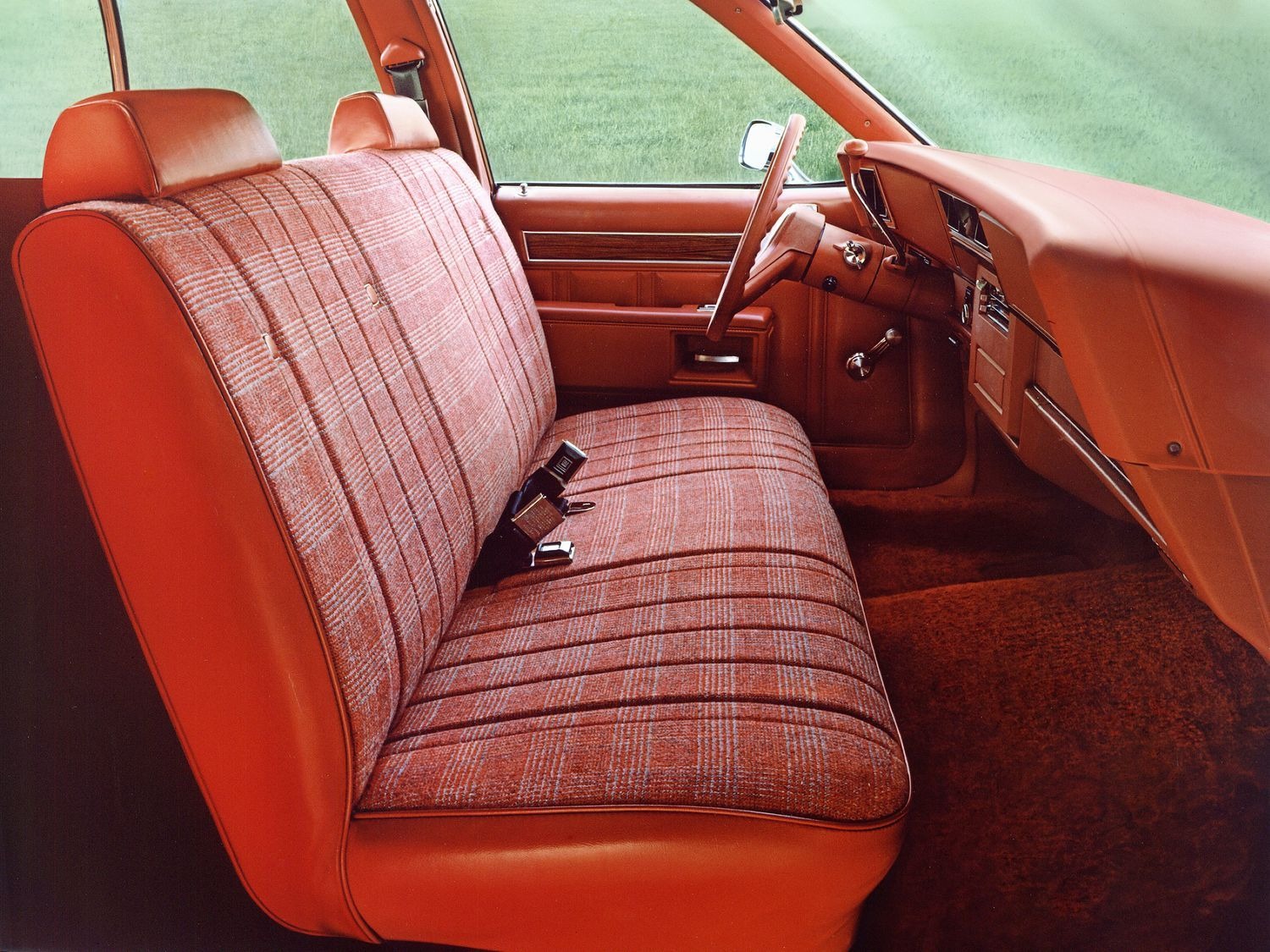
Imagine sitting across a wide front seat with enough room for three people. That arrangement was once common in American sedans and pickup trucks, particularly before individual bucket seats became the preferred design.
A front bench seat stretched across much of the cabin, allowing the driver and two passengers to sit side by side. Families could appreciate the extra seating, while the broad cushion created an open, spacious feel. In some vehicles, the lack of a central console also left more room for personal belongings.
Bench seats suited older vehicles with column-mounted gear selectors. Since the transmission control sat near the steering wheel, the floor could remain relatively clear, making the front seating area easier to use.
The arrangement gradually lost ground as automakers adopted separate seats with more defined support. Bucket seats could offer better lateral support, adjustable positioning, and a more tailored driving position.
A center console also provided a convenient home for cupholders, storage compartments, electronic controls, and infotainment equipment. Safety design contributed to the change.
Modern restraint systems, seat-mounted airbags in some models, head restraints, and crash-protection requirements influence how seats are designed.
These needs do not make every bench seat impossible, but they can make individual seating arrangements more practical for manufacturers.
Some pickup trucks and specialty vehicles still offer front bench seating, depending on the model and trim. Yet the broad, uninterrupted front seat has largely disappeared from ordinary passenger cars.
For people who remember riding across a bench seat, the design may bring back memories of family road trips and roomy interiors. Today’s individual seats provide different benefits, but they have changed the way passengers share the front cabin.
4. Vent (Wing) Windows
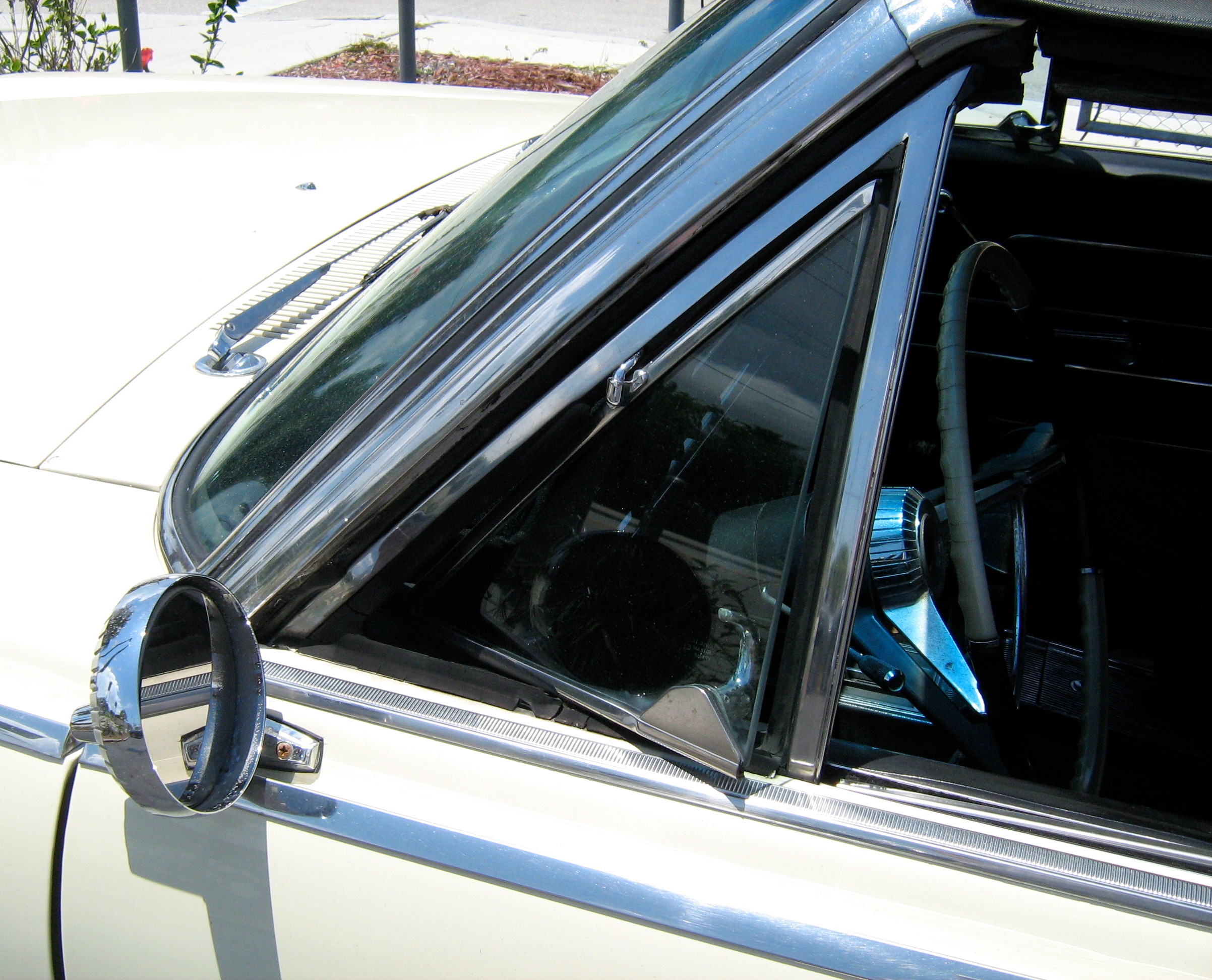
Before air conditioning became widespread, drivers needed practical ways to bring fresh air into the cabin. One solution was the vent window, sometimes called a wing window. This small, often triangular pane sat near the front side window and could pivot open independently.
The design offered a useful advantage on warm days. By angling the pane, occupants could direct a stream of air into the cabin without lowering the entire window.
Depending on its position, the vent could also help move stale air out of the vehicle. For drivers who spent hours on the road, this little feature made hot-weather travel more comfortable.
It was particularly useful when a car had no air conditioning or when running the air conditioner was undesirable. Vent windows also offered a simple mechanical solution.
A latch allowed the occupant to adjust the glass, and the assembly did not depend on an electric motor. However, the extra hinges, seals, and frames could wear, allowing wind noise or water leaks to develop as a vehicle aged.
As air conditioning became common, the need for dedicated ventilation windows declined. Manufacturers also began favoring larger pieces of glass, fewer seams, and smoother exterior surfaces.
Removing the vent window helped simplify the door design and supported quieter cabins at highway speeds.
Modern climate-control systems can regulate temperature and airflow with much less effort from the driver. Power windows provide another way to ventilate the cabin when needed.
A few older vehicles still carry vent windows, and some commercial designs use specialized ventilation arrangements. For most new passenger cars, though, this once-useful feature has become a rare sight.

5. Cigarette Lighters & Ashtrays
In cars from decades past, the dashboard almost always featured two familiar accessories, a pop-out cigarette lighter and a small ashtray. These were standard fixtures in nearly every vehicle, even if the owner never smoked.
Automakers treated them as standard equipment, the way we treat cupholders today. Then the world changed. Smoking rates dropped, and fewer drivers wanted or needed those items.
Car makers noticed, and the dashboard began to change. Where a lighter once sat, designers placed a power outlet. Where an ashtray lived, they added storage compartments or cupholders.
Here is a funny detail. Many people still call that round dashboard socket a “cigarette lighter,” even though they only use it to charge a phone. The name stuck, though the purpose moved on. In many cars, the socket survives, but the heating coil and the ashtray are gone.
USB ports have taken over the job. They are smaller, easier to use, and better suited to the devices people carry now. A modern dash often features several ports, wireless charging pads, and tidy trays for keys and coins.
This is a good example of cars reflecting social habits. As lifestyles evolved, the interior changed with them. Nobody misses fishing for a lost ashtray, yet the old socket reminds us how much a dashboard can tell us about its era.
6. Full-Size Spare Tires
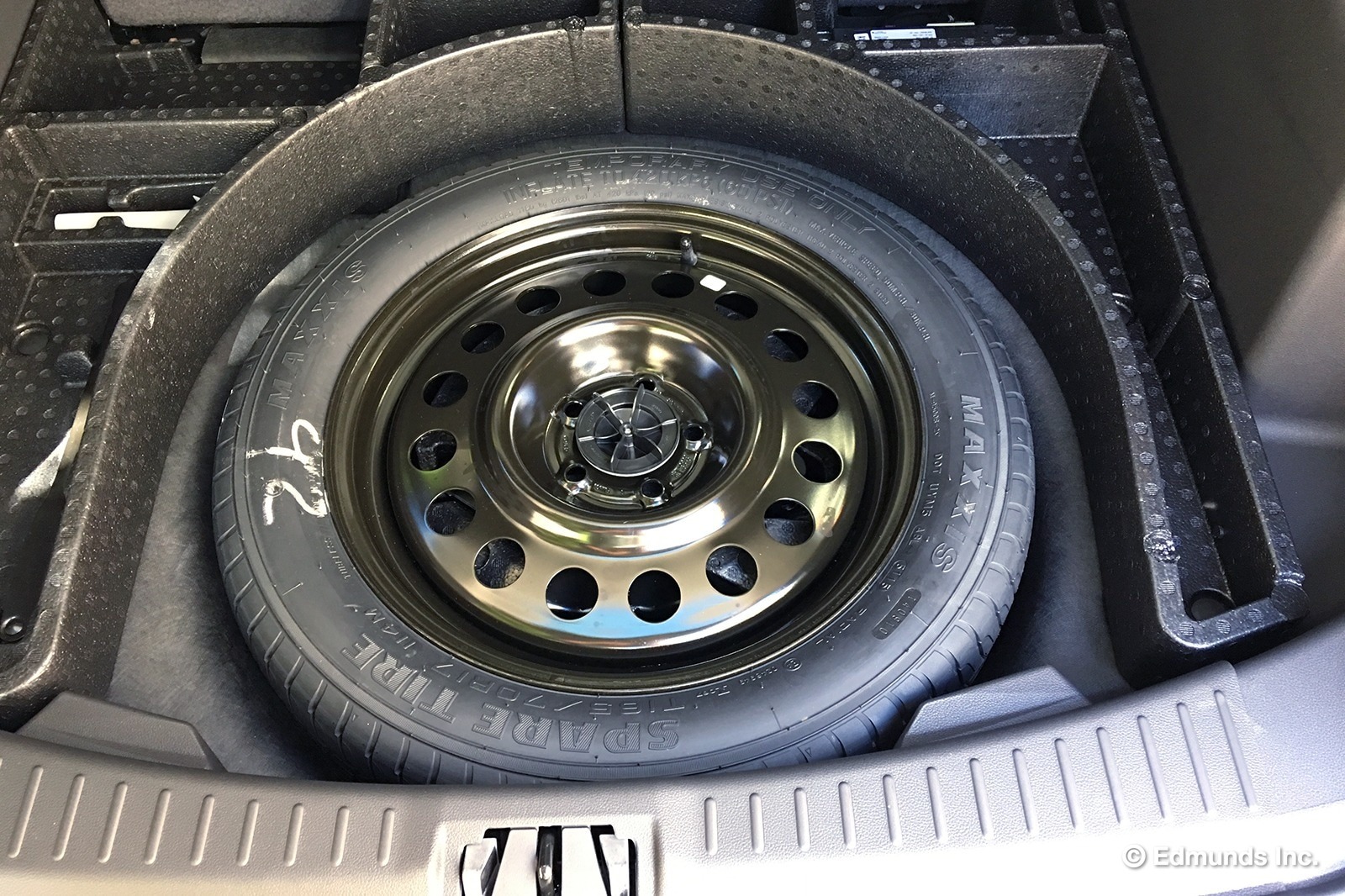
A flat tire used to mean a straightforward fix. You pulled out a full-size spare, bolted it on, and kept driving as if nothing happened. That matching wheel gave real peace of mind, especially on long trips far from any shop. Many drivers felt safer knowing it sat under the trunk floor.
So why are they hard to find? Weight and space were the big issues. A full-size spare is heavy and bulky, and carrying one reduces fuel efficiency.
As automakers worked to meet emissions goals and tighten packaging, that spare became an easy target. Trimming even a few pounds helps, and extra trunk room is a bonus buyers appreciate.
Replacements arrived in several forms. Space-saver spares, also called donuts, are smaller and lighter but limit your speed and distance.
Tire repair kits, with sealant and a small compressor, take up even less room. Run-flat tires let you keep driving for a limited distance after losing air.
Each option has trade-offs. A repair kit cannot fix a large sidewall tear, for example, and run-flats can be pricey to replace. If you often drive in remote areas, you may want to check what your car includes before heading out.
Some trucks and SUVs still carry full-size spares, so they have not vanished entirely. For most passenger cars, though, the full-size spare has become a rare sight.
7. Hood Ornaments
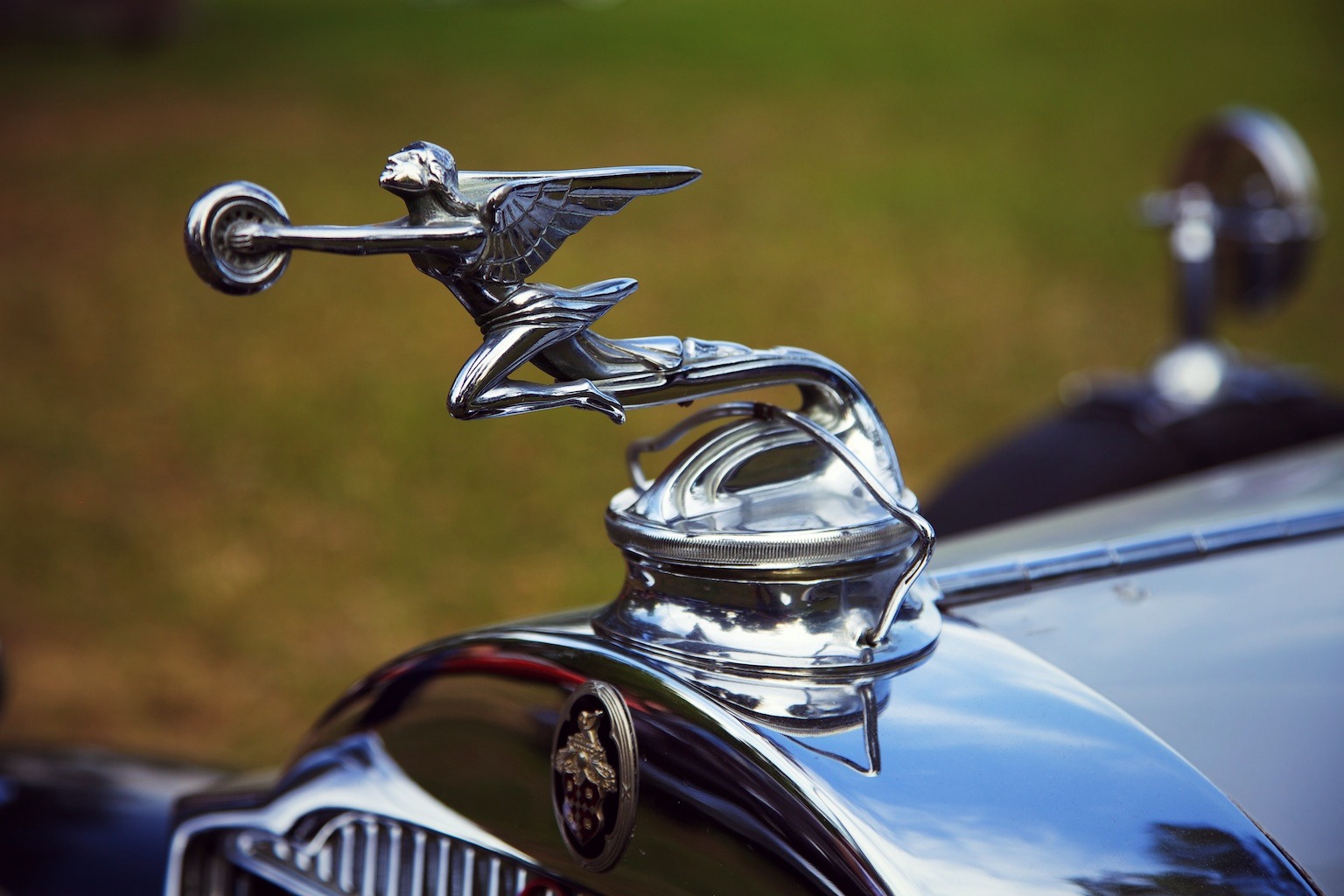
There was a time when a shiny figure stood proudly at the front of a luxury car, leading the way down the road. Hood ornaments signaled status.
A silver emblem, a leaping animal, or a polished crest told everyone that this was a vehicle of distinction. They were small sculptures, and they carried real prestige.
Their decline came from practical concerns. Theft was a common problem, since an ornament could be snapped off in seconds. Owners grew tired of replacing them.
Aerodynamics also played a part. Anything standing upright on the hood adds a bit of drag, and automakers keep chasing efficiency. Then there is pedestrian safety.
Rules aimed at reducing injuries in a collision made rigid, pointed objects on the front of a car a poor idea. Regulators and designers moved away from them, and many brands adopted spring-loaded or retractable versions, or simply integrated the emblem into the grille.
A few luxury makers kept a version alive, often with a hidden mechanism that folds the ornament down on impact or when the car is parked. That solves the safety question while preserving tradition.
Still, the bold, standing figure is mostly a memory. Flat badges now do the job. They are tidier, safer, and harder to steal, though they lack the old drama of a gleaming emblem cutting through the wind.
8. Column Shifters
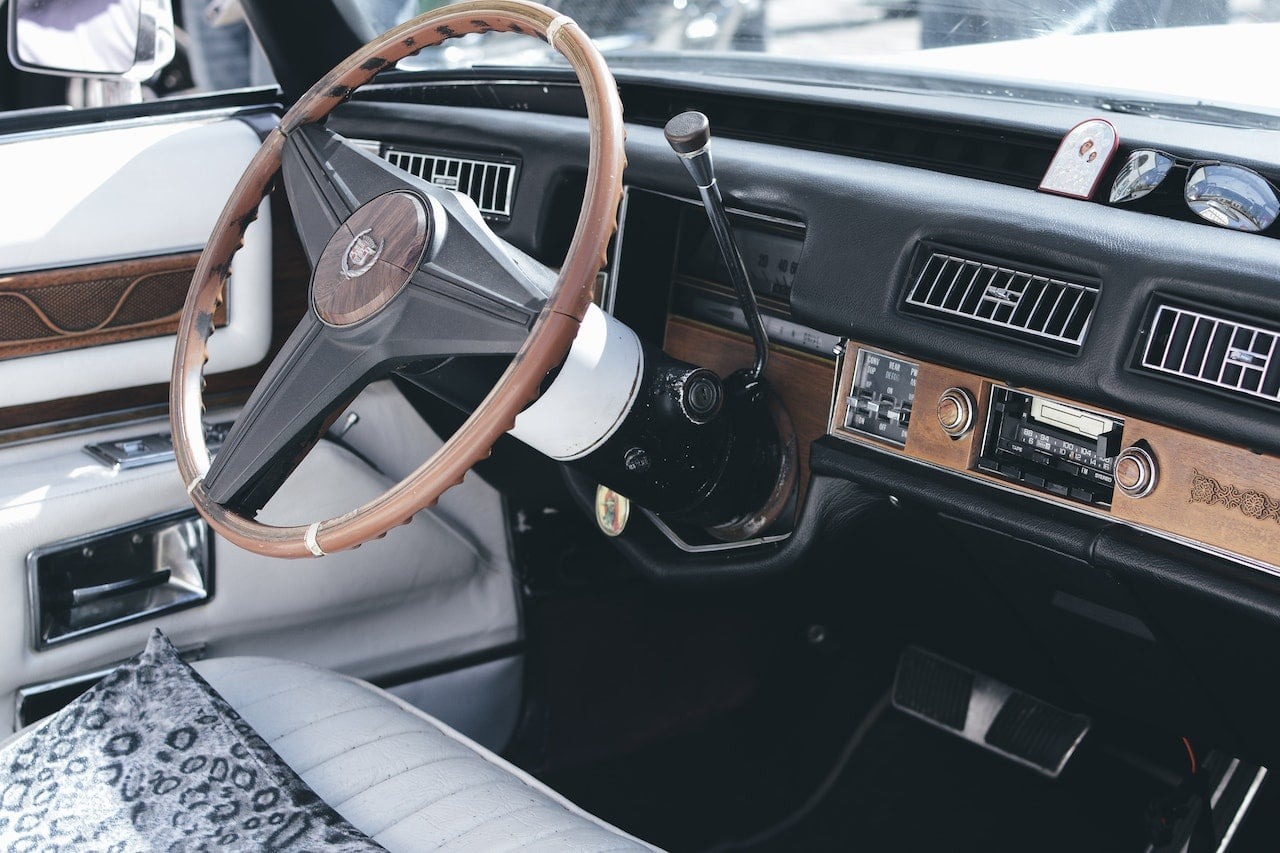
In older sedans and trucks, the gear selector lived on the steering column. A small lever tucked behind the wheel, and a quick pull moved you from park to drive.
It was standard for years, and it left the floor wide open for passengers and, in some cars, that bench seat we discussed earlier. Why did it fade? Ergonomics and interior design led the change.
Floor-mounted shifters and electronic selectors place controls within easy reach and make room for modern layouts. Designers can build center consoles with storage, cupholders, and screens, and they can add dials and buttons that suit the way people use cars now.
Technology helped. Electronic selectors do not need a mechanical link through the column, so engineers can put them nearly anywhere. Some cars use rotary dials, push buttons, or small toggles. This freedom gives interiors a cleaner, more futuristic look.
Column shifters have not disappeared entirely. A few trucks and vans still use them, partly because they save floor space and suit work vehicles with wide front seats. Some drivers also like how easy they are to operate without looking down.
Yet for most passenger cars, the column lever has quietly retired. These eight features show how cars adapt to new rules, new tastes, and new technology. Some are missed, others are not, but each one tells a small story about how driving has changed.