Electric cars promised fewer moving parts and fewer headaches. Owner data tells a more mixed story. Consumer Reports’ 2026 survey, built on nearly 380,000 owner responses, found EVs have roughly 80% more problems than gas cars. That gap is large.
J.D. Power’s 2026 Vehicle Dependability Study shows the same pattern. Battery electrics scored 237 problems per 100 vehicles, against 198 for combustion models. Software is a big reason.
Most of the trouble is not dead battery packs. It is charging units, 12-volt systems, screens, and buggy updates. These faults can strand you or leave a car in the shop for weeks.
This list ranks seven EVs by the weight of owner complaints, recalls, and survey scores. I drew on Consumer Reports, J.D. Power, NHTSA filings and owner forums.
Each car here has real strengths. Some are fast, some are roomy, and some are lovely to drive. Many of these problems have also improved with newer software and later builds. Model year matters a lot. Read this as a buyer’s warning, not a verdict that these cars are unusable. Know the weak spots before you sign.
1. Rivian R1T
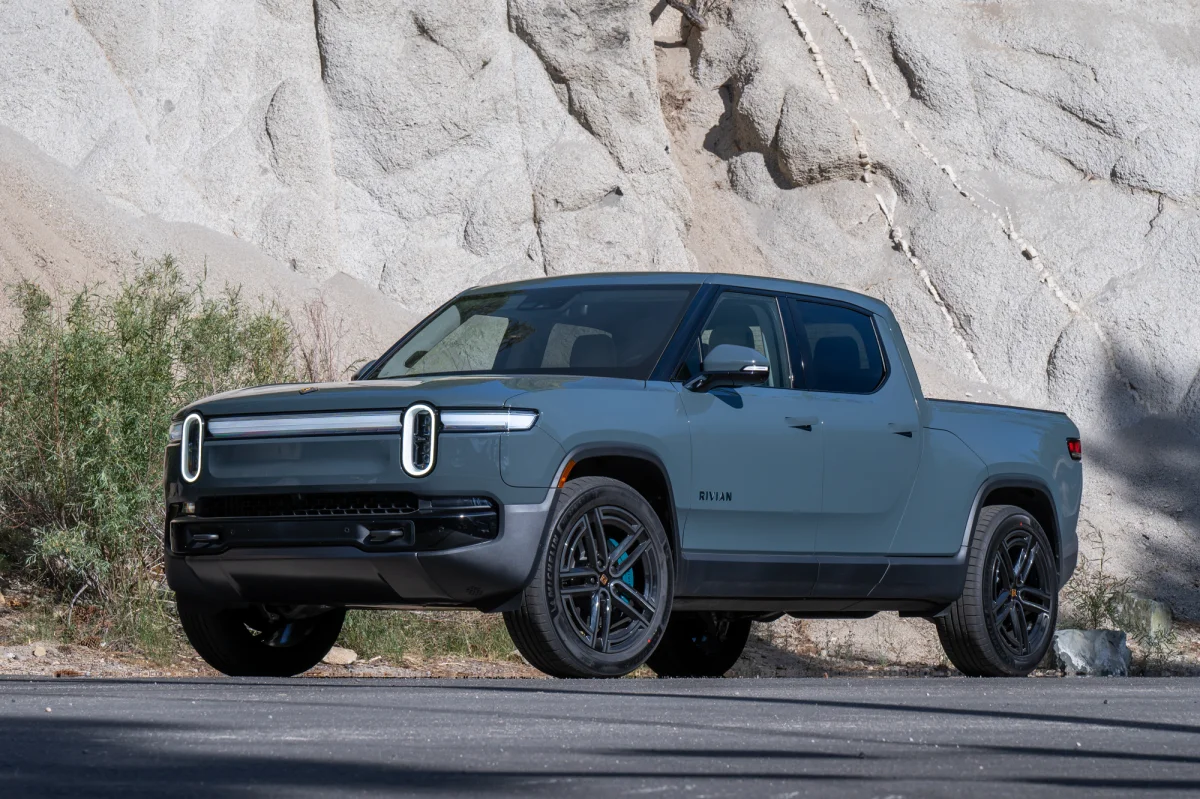
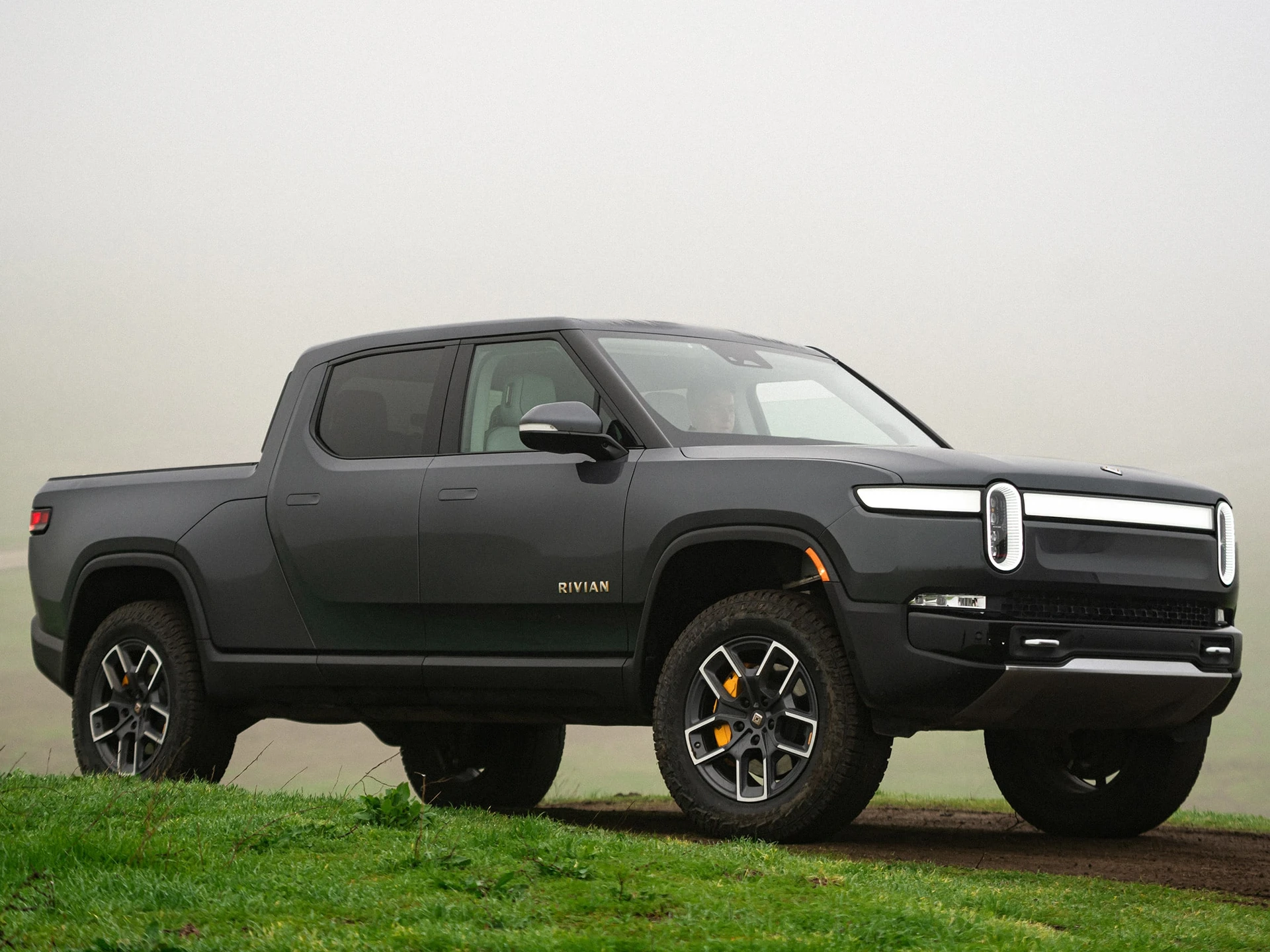
The R1T is thrilling to drive, and owners often love it. Reliability is where it falls apart. Consumer Reports ranked it the least reliable EV on its 2026 list. Recalls over lights and signals are part of that.
Consumer Reports’ page for the 2022 truck lists 11 recalls. That is a heavy count for a single model year. In January 2026, Rivian recalled almost 20,000 R1 vehicles. That covered 12,610 R1T pickups and 7,031 R1S SUVs.
The cause was a rear suspension toe link joint. Technicians had reassembled it using an older service procedure. NHTSA said it had received two complaints about toe link failures. The fix is a revised procedure plus inspection.
Another recall hit 869 vehicles after a technician found a loose bolt. Owners got free repairs. The 12-volt battery is a recurring sore spot. One owner reported five failures in 16 months.
That owner also said Rivian charged for four of the repairs. Costs ranged from about $100 to $1,000. Software complaints are common too. Owners say navigation freezes after some updates.
Digital key problems on phones come up often. So do noisy air conditioning compressors in hot weather. Some owners say support called the noise “within design spec.” That answer does not satisfy anyone paying a premium price.
Service access is the other pain point. Rivian has far fewer service centers than legacy brands. Owners report waits of days or weeks when parts are short. Rivian says it cut wait times by 35% using 1,000 new technicians.
The upside is real. Drivers praise the performance, the off-road ability and the community. Rivian has reversed some warranty denials after public pushback. That helps, but it should not be necessary. If you buy one, choose a late build. Confirm every recall is complete and live near a service center.
2. Chevrolet Blazer EV
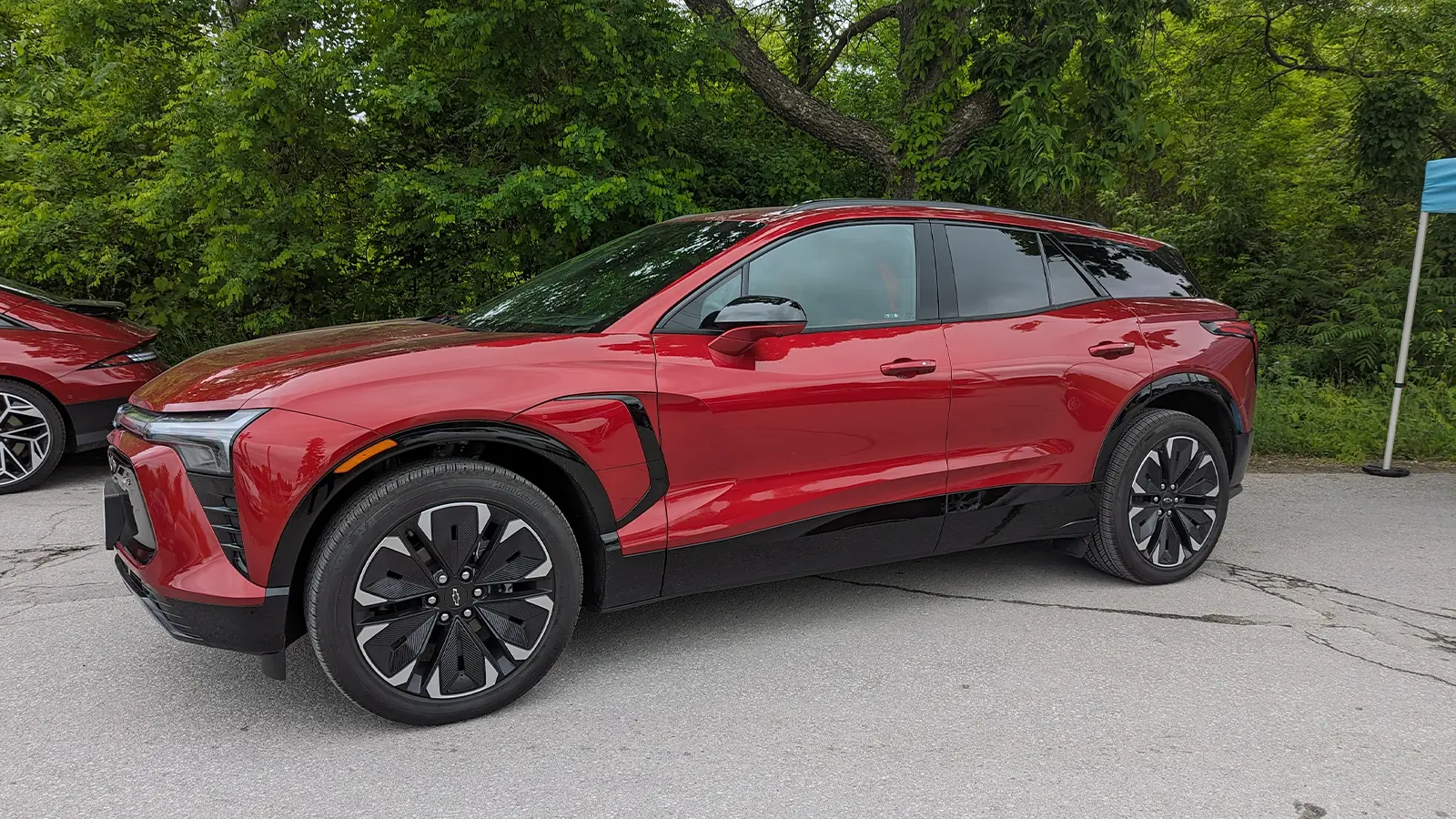
The Blazer EV had one of the roughest launches of any modern EV. Software was the culprit. GM issued a stop-sale in December 2023. Edmunds had documented 23 issues on its test vehicle, including repeated infotainment crashes.
A reporter at InsideEVs was left stranded during a road test. The car broke down while charging. One owner’s dealer visit made things worse. A software update reportedly bricked both the center screen and the gauge cluster.
GM said the problems were not safety-related. It also said they were not tied to the Ultium battery or Google built-in. Consumer Reports still scores it badly. The Blazer EV earned 19 out of 100, citing batteries, climate control, the charging door, and infotainment screens.
That is among the lowest scores of any EV. It sits well below the already weak Kia and Honda numbers. Owner complaints follow a clear pattern. Screens freeze, and the car refuses to charge.
Warnings about the high-voltage system pop up unexpectedly. Some owners report multiple dealer visits for one fault. Later model years fare better. Owners with completed updates report far fewer issues.
Still, new recalls and cooling system problems continue. Faulty valves in the battery cooling loop have required replacement. Parts waits tied to the Ultium platform add to the frustration. A car can sit at a dealer for weeks.
The pack itself has not been the main villain. Most serious failures trace to software and control modules. That is a mixed blessing. Software can be fixed, but the fixes have been slow and sometimes buggy.
If you want one, ask about the software version. Request proof that every recall and campaign is done. Shop a 2025 or 2026 car over an early 2024. Early builds carry the worst history.
3. Hyundai Ioniq 5
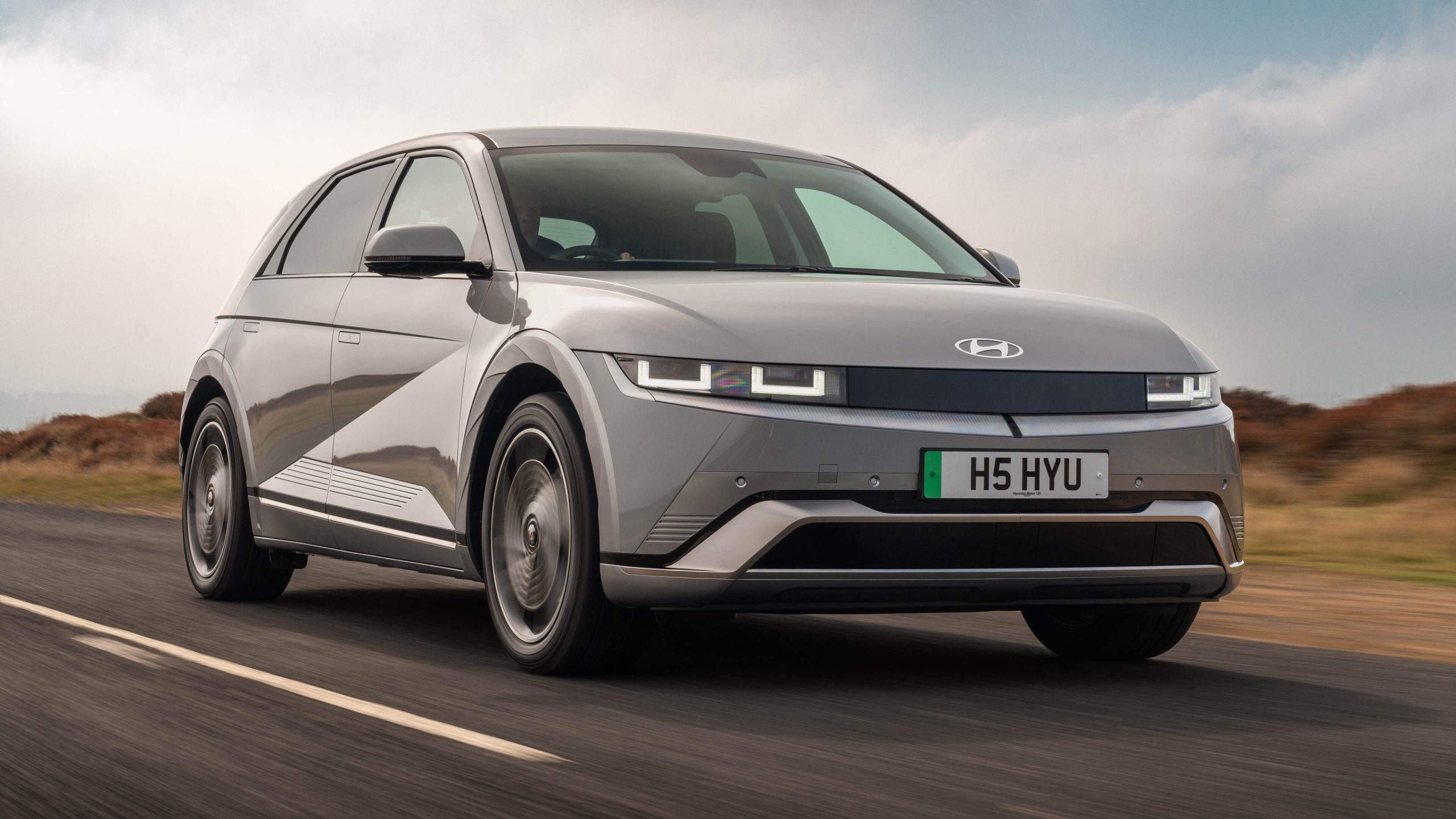
The Ioniq 5 is one of the best-loved EVs around. It charges fast and has a roomy cabin. Its problems center on one part. The Integrated Charging Control Unit, or ICCU, has failed in many cars.
The ICCU charges the high-voltage battery. It also feeds the 12-volt battery that runs the computers. When it fails, the car can lose drive power. Owners often hear a loud pop first.
NHTSA opened a probe after 30 owners of 2022 cars complained. Most reported a pop, a dashboard warning, then reduced or total loss of power.
Hyundai’s recall now spans many models. It covers 2022–2024 Ioniq 5, 2023–2025 Ioniq 6, Genesis GV60 and GV70. Dealers inspect and replace the ICCU and fuse as needed. They also update the software.
Consumer Reports says the ICCU is behind many Hyundai, Kia and Genesis complaints. It is the main reason the Ioniq 5’s score slid. A related issue is 12-volt drain. Hyundai traced some of it to Bluelink app requests.
Some cars saw as many as 5,000 requests per day. That wore the small battery down. Some owners report ICCU failure even after recall work. That is the most worrying detail.
A failed ICCU can also damage other parts. In some cases, the power relay assembly needed replacing. Repairs under recall are free. The risk is the inconvenience.
You may be towed. You may wait days for parts. The good news is that Hyundai has acknowledged the fault. The fix is available and warranty coverage is generous.
Watch for the warning signs. A weak 12-volt battery on a young car is one. Check for open recalls before buying. Ask whether the ICCU was already replaced.
4. Kia EV9
The EV9 is a handsome three-row electric SUV. Early owners have been less happy than reviewers. Consumer Reports gives it a reliability score of just 24 out of 100. That is deep in the danger zone.
It shares Hyundai’s ICCU architecture. Owners report the same sudden power-loss risk. Repair delays have made things worse. One owner waited almost a year for a replacement 12-volt battery.
That is not a minor parts issue. A dead 12-volt battery can leave an EV completely inert. Recalls have piled up. Kia recalled some 2025 models for improperly welded motor shafts.
That fault could cut drive power. Another recall covered missing seat-mount bolts in the second and third rows. A separate safety recall involved rear collision risk. The issue involved visibility to traffic behind the SUV.
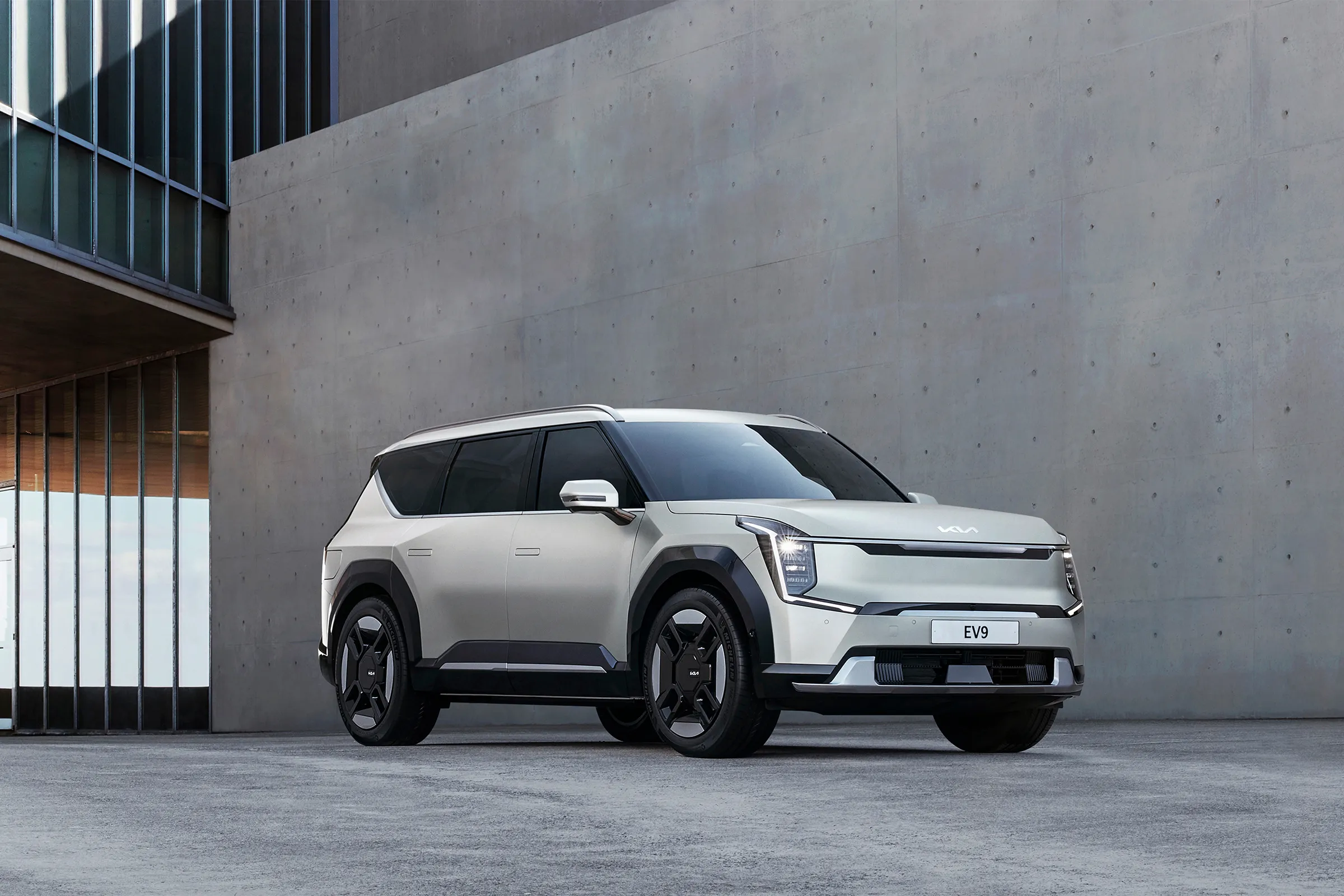
These are not trivial items. A missing seat bolt matters in a family hauler. Owners also report software glitches. Screens lag and driver aids misbehave.
The EV9’s size makes service harder. Parts availability has been uneven. Kia’s smaller sibling, the EV6, has similar trouble. Consumer Reports gives it a score of 25.
One EV6 owner described a warning light that turned into a full high-voltage battery replacement. The cost and stress were severe. The EV9 does have strong points. It charges quickly and offers a spacious, quiet cabin.
Warranty coverage helps a lot. Most repairs should be free during the coverage period. The risk is downtime, not cost. Families that depend on one vehicle will feel it.
If you still want one, pick a late build. Make sure the ICCU recall work is complete. Ask the dealer about parts stock. Nobody should wait a year for a battery.
5. Honda Prologue
Buyers expect Honda dependability. The Prologue has not delivered it yet. It is built on GM’s Ultium platform. It inherited some of that platform’s growing pains.
Consumer Reports ranked it ninth on its list of least reliable cars. Its score is 25 out of 100. Owners report a “Service High Voltage System” warning. It can come with reduced power.
Honda traced one cause to a calibration fault in the Battery Energy Control Module. The fix is a software update. That service bulletin covers 2024 and 2025 cars. It is a dealer procedure, not a recall.
Symptoms include 12-volt drain and no-start conditions. Charging failures also show up. One owner got a battery warning that returned after a software fix. The car ultimately needed a new battery.
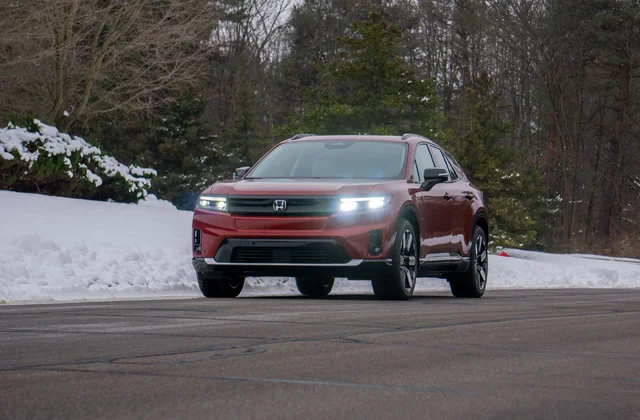
There have been formal recalls too. Recall 26V-306 covers 59,887 vehicles, including 44,199 Prologues. Honda says only about 5% of those cars have the defect. It recalled them all as a precaution.
An earlier recall dealt with a front lower control arm. Some owners also report clunks over bumps. Other complaints include CV axle trouble and odd braking from driver assistance. Wireless CarPlay drops are common.
The HondaLink app frustrates many owners. Maps freeze and menus lag. One owner said a new battery was needed after only 2,000 miles. That is rare, but it is vivid.
Real-world range varies a lot. Owners who precondition the battery see better fast-charging results. Honda still stands behind the car. Battery warranties are strong.
There is also a market question. Reports in early 2026 suggested Honda might end the model. Honda says it remains in the lineup. Resale values could still be hurt. If you want one, avoid the 2024 model year. Later cars carry more fixes.
6. Lucid Air
The Lucid Air is stunning. It is efficient, fast and beautiful inside. Owner data says it is also buggy. Software is the central complaint. Consumer Reports’ page for the 2023 Air shows nine recalls. That is a lot for a luxury sedan.
One recall dealt with adaptive cruise control. Certain 2022–2024 cars running specific software versions could lose drive power. Lucid fixed that with an over-the-air update. Another recall addressed a high-voltage coolant heater failure.
Over-the-air fixes are quick, but they show how many faults ship in code. Owners do not love being the beta testers. InsideEVs told one owner’s story. Lucid bought back his Air after 11 months of recurring glitches.
His car showed odd Hold and Roll setting changes. It also had CarPlay failures and audio dropouts. Trunk and frunk behavior was strange. Door and lock problems added to the list.
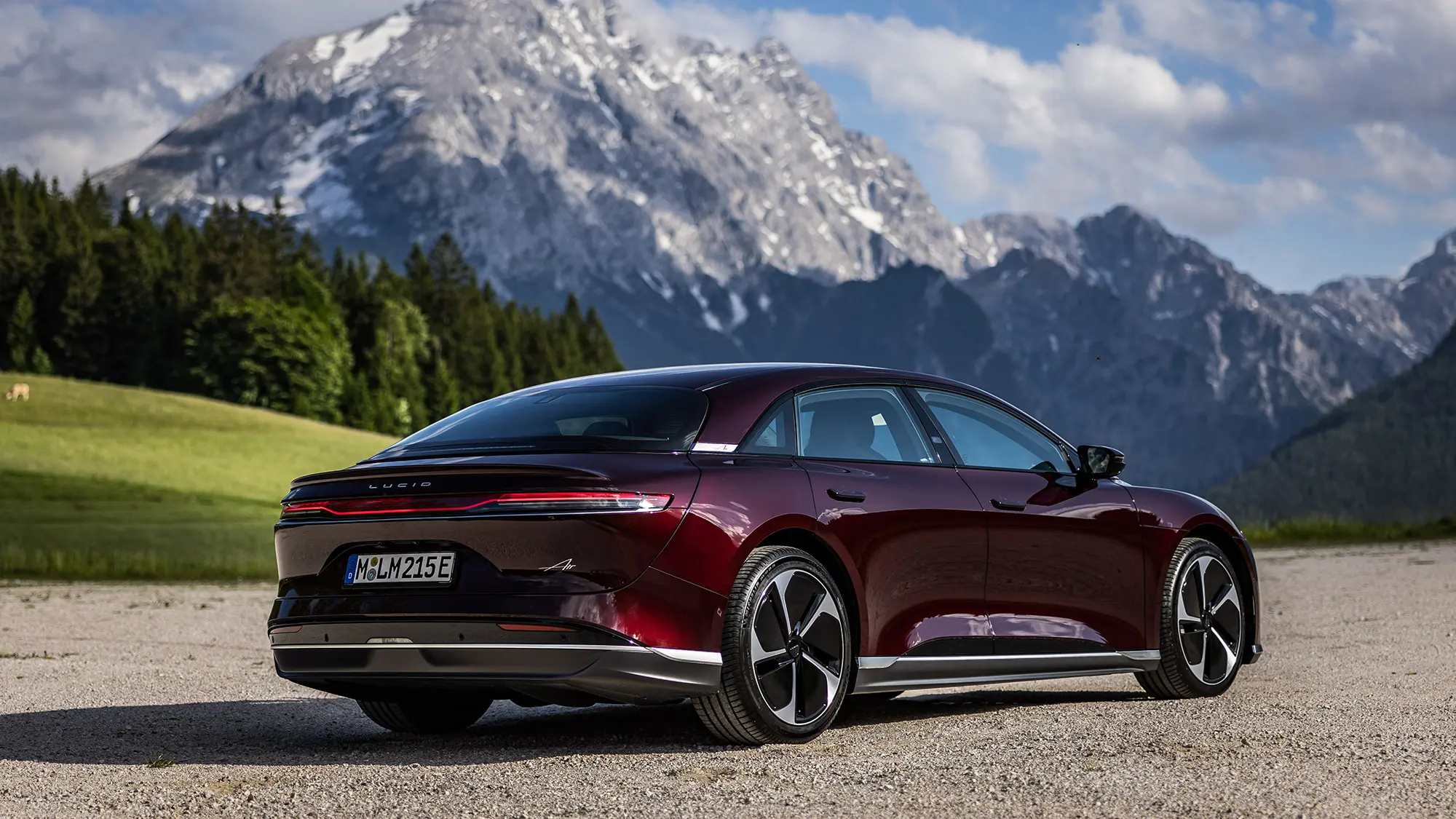
Other owners report similar trouble on forums. Door handle faults and random audio stops are common themes. Owners also describe 12-volt battery trouble. Some early cars dropped into limp mode.
Screens can freeze or go black. That is jarring in a car with so little physical switchgear. Build quality is inconsistent. Owners report rattles and uneven trim.
The core hardware looks sturdier. Battery and motor failures are far less common than software issues. Experiences vary widely. Some owners log a year with almost no problems.
Others list dozens of software faults in a few thousand miles. That spread tells you quality control is uneven. Later software builds have improved things. Hard freezes and black screens are reported less often.
Service access is a limiting factor. Lucid has few service points compared with big brands. If you buy one, check the update history. Confirm every recall has been applied. Test the screens, locks and audio during your drive. Do not skip that step.
7. Audi Q8 e-tron
The Q8 e-tron is the odd one on this list. Its rating depends on which survey you read. Consumer Reports rated the 2024 model more reliable than other cars from that year. Yet its 2025 forecast was harsher.
Consumer Reports expects the 2025 model to be less reliable than the average new car. That prediction leans on Audi’s brand score. Other roundups put it among the least reliable EVs. The mixed picture reflects thin data.
Owner complaints focus on a few areas. Charging, brakes, cameras and software lead. There are several recalls. One covers brake lines on 2024 cars, tracked as 24V428.
A later brake pedal recall is tracked as 26V240. A camera recall carries the number 25V900. A passenger airbag recall also applies to some 2024 cars. These are safety items, not cosmetic ones.
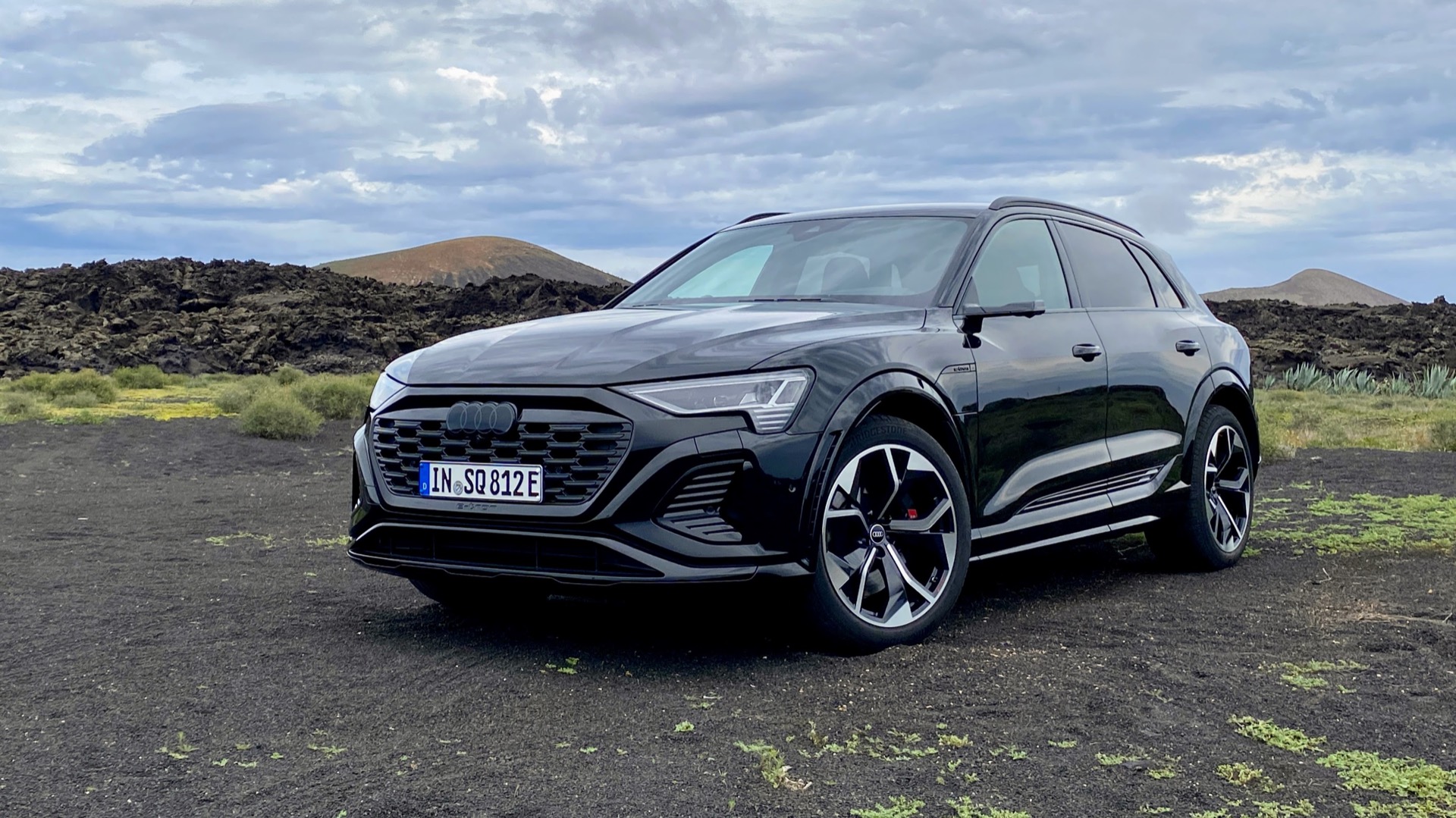
One Consumer Reports owner said the car sat with the dealer for six weeks. They said they were extremely dissatisfied. Charging is the most disruptive everyday issue. Owners report failed sessions and handshake errors.
Most of these look like software or communication problems. Some wallbox makers released patches for Audi compatibility. Plug & Charge has its own service bulletin. Range also falls sharply in cold weather.
Brake wear is another complaint. One owner reported repeated rotor and pad replacements within about 12,000 miles. Vibration and an inconsistent pedal feel went with it. That is worrying in a heavy SUV.
Audi stopped building the Q8 e-tron in early 2025. Parts and software support will matter more over time. The earlier first-generation e-tron was worse. The 2019 model drew 103 NHTSA complaints.
Powertrain and electrical faults led those reports. The newer car has cleaned up much of that. Many owners report trouble-free driving. The ride is quiet and the cabin is refined.
If you shop used, check recall completion carefully. Test charging on several chargers. Have the brakes inspected before purchase. Budget for dealer visits during ownership.