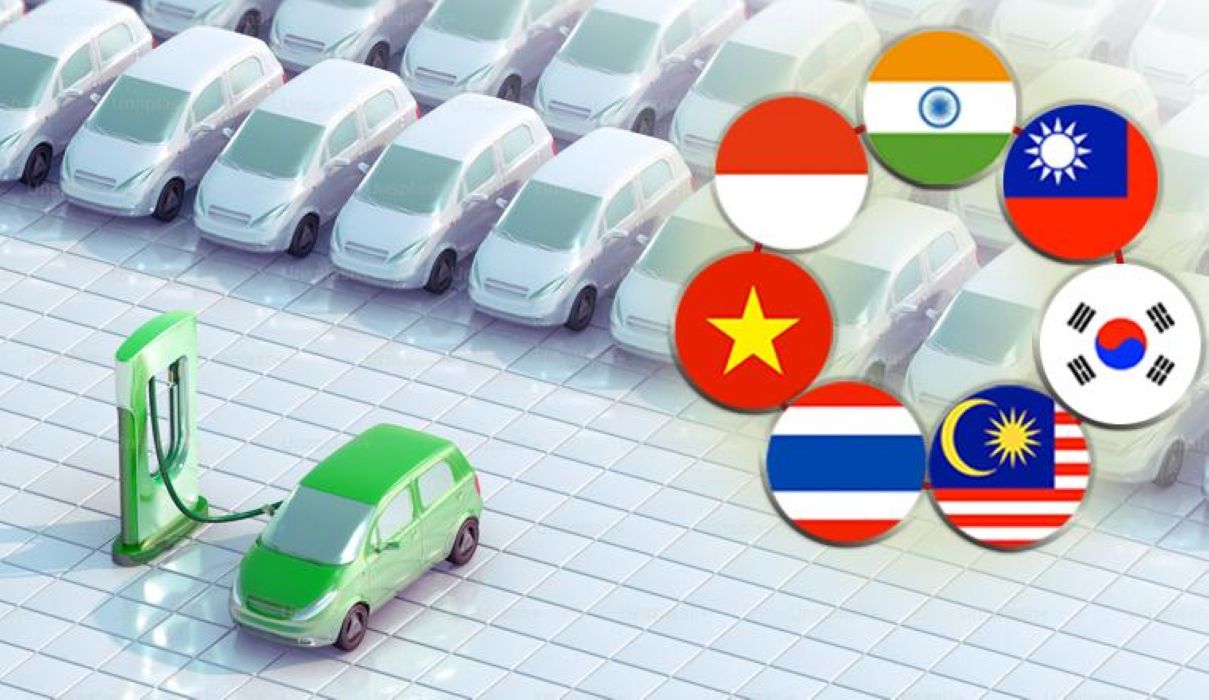
Electric cars were once a rare sight. Today, in several countries, they outsell petrol and diesel models. This is not a forecast. It shows up in official registration data every month.
Six countries stand out for their progress in electric vehicle adoption, including Norway, China, Denmark, Sweden, Iceland, and Nepal. Each followed a different path to reach this point. Norway relied on tax policies that made gasoline and diesel vehicles more expensive, while China invested heavily in large-scale manufacturing and affordable batteries.
Denmark taxed new cars heavily and spared EVs. Sweden used company car perks and plug-in hybrids. Iceland relied on clean, cheap electricity. Nepal simply wanted to stop paying for imported fuel.
Wealth alone did not decide the outcome. Nepal is far poorer than Norway, yet it moved fast. Policy, power prices and daily habits mattered more. Charging access and car prices did the rest.
Some of these stories surprised even the experts. The pace of change has beaten most early predictions. This article studies each country in turn. It covers what changed, why it worked, and what the wider world can learn. Figures are approximate and based on recent annual data. Where plug-in hybrids are counted separately, this is noted.
1. Norway: The Global Benchmark
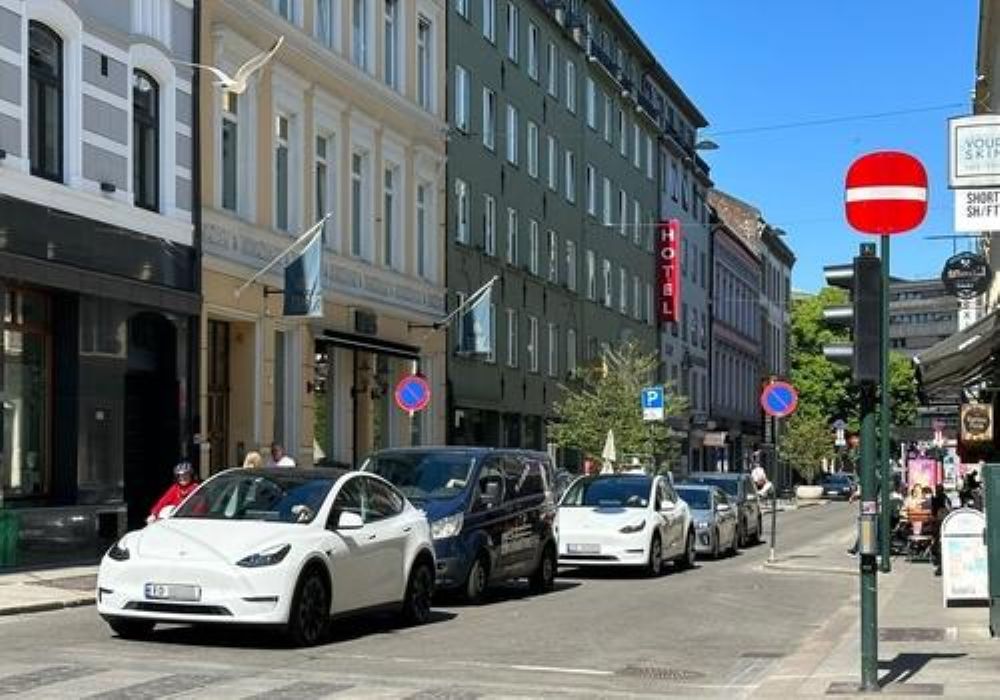
Norway is the clearest success story on earth. In 2024, almost nine in ten new cars sold were fully electric. In 2025, that share rose to roughly 95 percent. Petrol cars are now a rarity on the showroom floor.
The shift began in the 1990s. Electric cars were exempted from import tax. That gave them an early price edge. Buyers noticed the savings straight away.
Later came a VAT exemption on the 25 percent sales tax. Petrol cars paid it, and EVs did not. This cut the sticker price sharply. A comparable EV often cost the same as a petrol car.
Daily perks sweetened the deal. EV owners paid lower road tolls and cheaper ferry fares. Many cities offered free or cheap parking. Bus lane access saved real time in Oslo traffic.
Cheap electricity helped too. Almost all of Norway’s power comes from hydropower. Charging at home costs far less than filling a tank. Most Norwegians live in houses with their own parking.
They charge overnight and rarely visit public chargers. That removed the biggest worry for new buyers. Norway is rich from oil and gas. The irony is well known.
Oil money funded the incentives that now hurt oil demand. Few countries have done this so openly. Tesla’s Model Y often tops the sales chart. Volkswagen, Volvo and Skoda also sell strongly.
Cheap Chinese models are now entering the market. Competition keeps prices under pressure. Norway has started trimming incentives. VAT relief is being phased down for pricier models.
Sales stayed strong because the market had matured. Buyers no longer needed a push. The lesson is about timing and trust. Norway offered stable rules for over twenty years. Buyers knew the benefits would not vanish overnight. That confidence built a lasting habit.
2. China: The Scale Giant
China is the world’s largest car market. Since mid-2024, new energy vehicles have made up over half of retail sales. That count includes battery cars and plug-in hybrids. Fuel cars are now the minority.
In 2024, China sold close to 13 million such vehicles. In 2025, the figure moved toward 16 million. No other nation comes close. China sells more EVs than the rest of the world combined.
BYD leads the pack. It sold over four million vehicles in 2024. In 2025, it overtook Tesla in pure battery car sales. Its rise has been remarkably quick.
Government policy set the stage. Buyers enjoyed purchase tax exemptions for years. That tax break is being halved from 2026. Demand is expected to hold because prices have fallen.
Big cities used licence plate rules. In Shanghai, a petrol car plate can cost thousands of dollars. In Beijing, plates are won through a lottery. EVs get plates easily and cheaply.
Local governments backed the factories. They gave land, loans, and bulk orders for electric buses and taxis. This built a deep supplier base very fast. Parts, software and batteries all grew side by side.
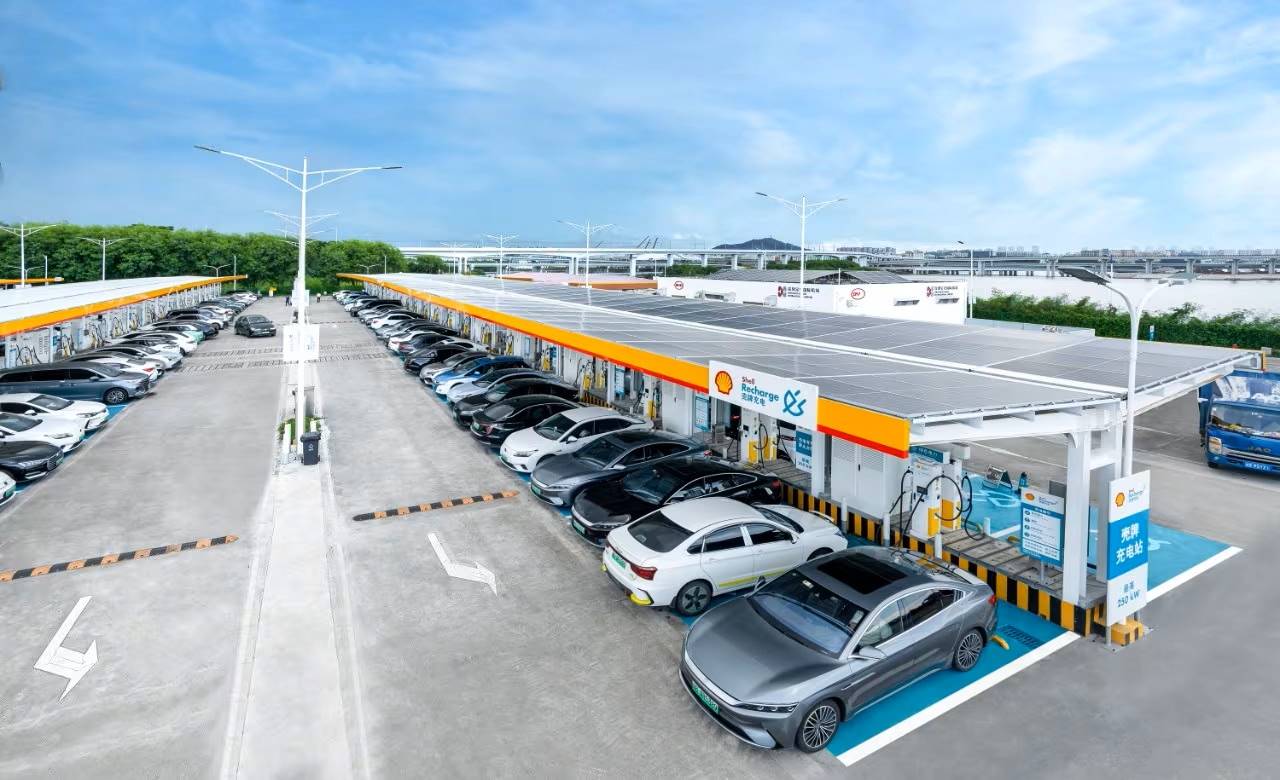
Battery strength is China’s main edge. CATL and BYD dominate global cell production. Control of the supply chain lowers costs. Raw materials, cells, and cars come from one ecosystem.
Prices tell the story. Small models like the BYD Seagull sell for around ten thousand US dollars. Few Western rivals can match that. A fierce price war followed.
Dozens of brands cut prices to win share. Several weaker firms have since failed or merged. Charging is vast. Millions of public chargers cover major cities and highways.
Battery swapping, led by NIO, adds another option. Drivers can swap a pack in minutes. Chinese buyers also love the technology. Large screens, voice control and driver aids come standard. Many see EVs as smartphones on wheels. Style and software now sell cars as much as engines once did.
3. Denmark: Taxes That Tilt the Market
Denmark offers a different model. Its EV share has climbed past 60 percent of new car sales. Only a decade ago it was almost zero. The turn came with startling speed.
The key was an unusual tax system. Denmark taxed new cars very heavily. The registration tax once reached about 150 percent of a car’s value. A fuel car could cost more than double its base price.
EVs were exempt or lightly taxed for years. That made them far cheaper than fuel cars. A Danish buyer could save thousands of euros. The choice became easy.
The exemption is now being phased out slowly. Even so, running costs keep EVs attractive. Electricity is cheap compared with petrol. Maintenance is also lower.
Wind power plays a big role. Wind supplies roughly half of Danish electricity. That makes charging cleaner than in coal-heavy grids. It also protects drivers from oil price shocks.
Company cars matter here. Many Danes drive a car provided by their employer. Tax rules on company cars favour electric models. Employees pick them because they pay less.
Denmark is small and flat. Most trips are short, and cycling is common. Range anxiety is rare in such a setting. A modest battery covers most weeks.
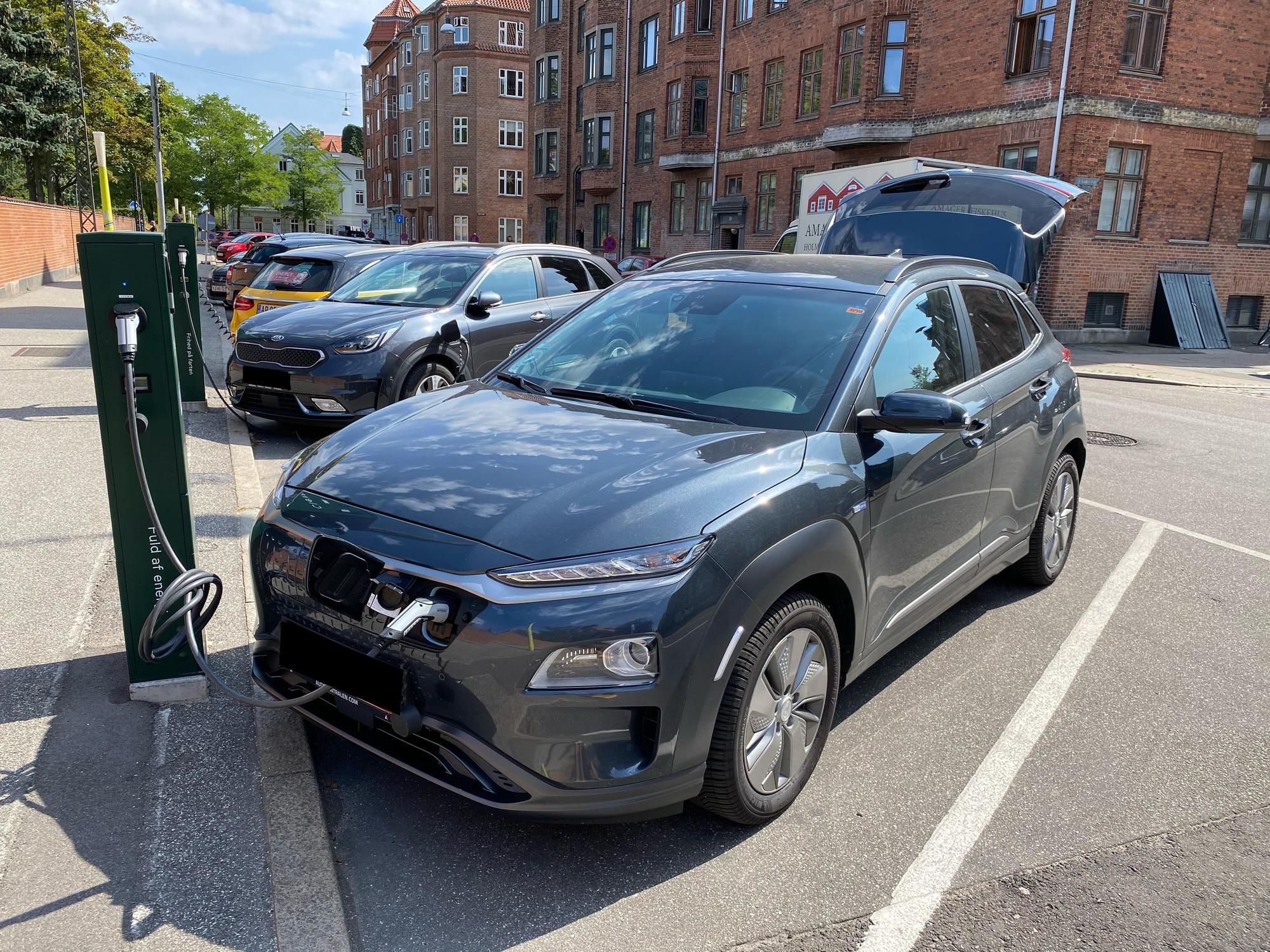
Charging points are widely spread. Supermarkets, workplaces and motorway stops all have them. Home charging is common in suburbs. Apartment residents use shared and kerbside points.
The government aims to end new petrol and diesel car sales by 2030. It has also pushed electric buses and taxis. Clear targets give carmakers a reason to invest. Dealers stock more EVs because buyers expect them.
Popular models include the Volkswagen ID series, Skoda Enyaq and Tesla Model Y. Chinese brands are growing quickly. Denmark shows that taxes can change habits without large handouts. The state simply made the clean choice cheaper.
4. Sweden: The Plug-In Pioneer
Sweden’s story needs careful reading. Fully electric cars hold about one-third of new sales. Add plug-in hybrids and the electrified share goes well above half. Fuel-only cars are now a minority.
That is a major change for the home of Volvo. The brand plans to go fully electric in the long run. Sweden used a bonus-malus system. Low-emission cars received a bonus at purchase.
High-emission cars paid higher yearly tax. This nudged buyers toward cleaner models. The EV bonus was later ended. The market kept moving anyway.
Lower battery prices and more models filled the gap. Buyers no longer relied on state support. Electricity is clean and affordable. Hydro and nuclear power dominate the grid.
That makes charging cheap and low-carbon. Few countries enjoy such a combination. Company car taxation plays a role again. Employers offer EVs as perks because the tax benefit is lower.
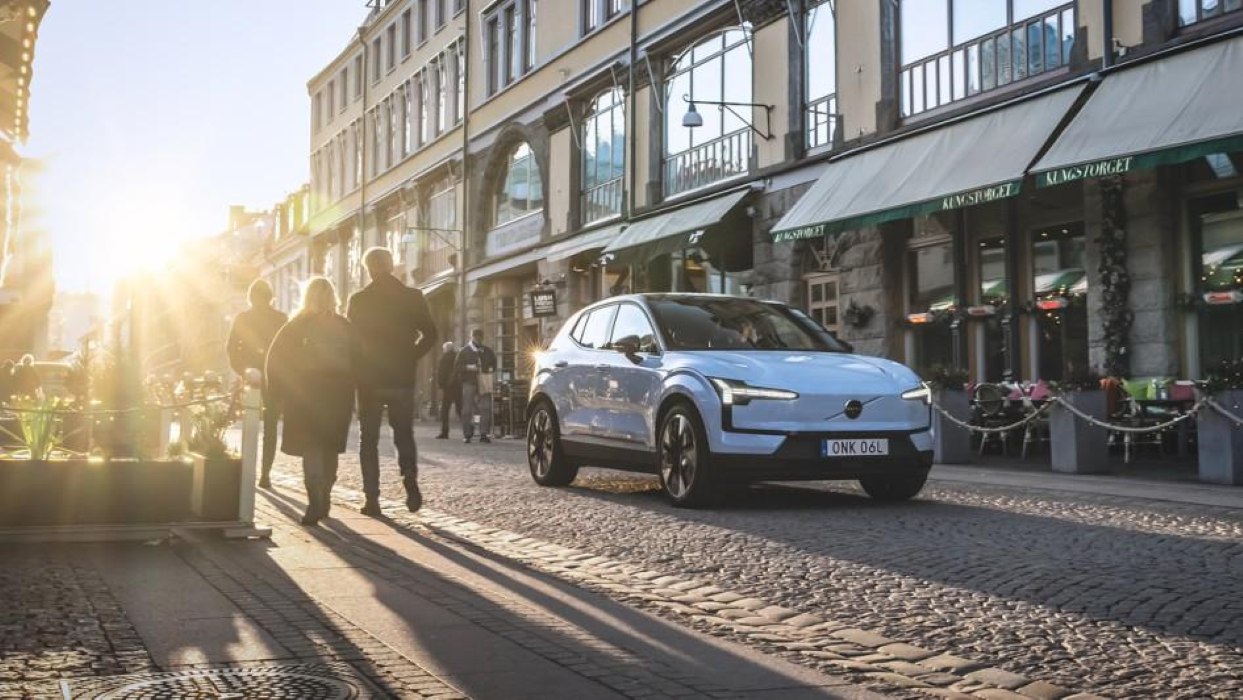
Many of those cars later reach private buyers. This builds a healthy used EV market. Cold weather was a worry at first. Winters in northern Sweden are harsh.
Heat pumps and better batteries eased the problem. Drivers now report few surprises in the snow. Home charging is common in houses. Many apartment blocks also offer shared charging.
Cities have expanded kerbside points. Lamp post chargers have helped dense neighbourhoods. Sweden tried to build batteries at home. Northvolt, the flagship startup, went bankrupt in 2025.
That setback showed how hard battery making is. Even so, demand stayed healthy. Imports from Europe and Asia filled the gap. Buyers did not wait for a local industry.
The Swedish case carries a lesson. Incentives can end, and factories can fail, yet adoption can continue. Once EVs are cheaper to run, buyers keep choosing them. Plug-in hybrids helped many make the change in steps.
5. Iceland: Clean Power, Quick Switch
Iceland is tiny, with under 400,000 people. Even so, it is a useful case. Fully electric cars take roughly 40 to 50 percent of new sales in recent years. Add hybrids and the electrified share is higher still.
Iceland has no domestic fuel production. Every drop of petrol and diesel is imported. That makes fuel expensive at the pump. Drivers feel every price rise.
Iceland’s electricity is nearly all renewable. Geothermal and hydropower supply almost everything. Charging an EV there is cheap and low in carbon. The savings over petrol are clear.
Government support came in layers. EVs got VAT relief and lower import duties. Some of this has been scaled back as the market matured. The shift continued regardless.
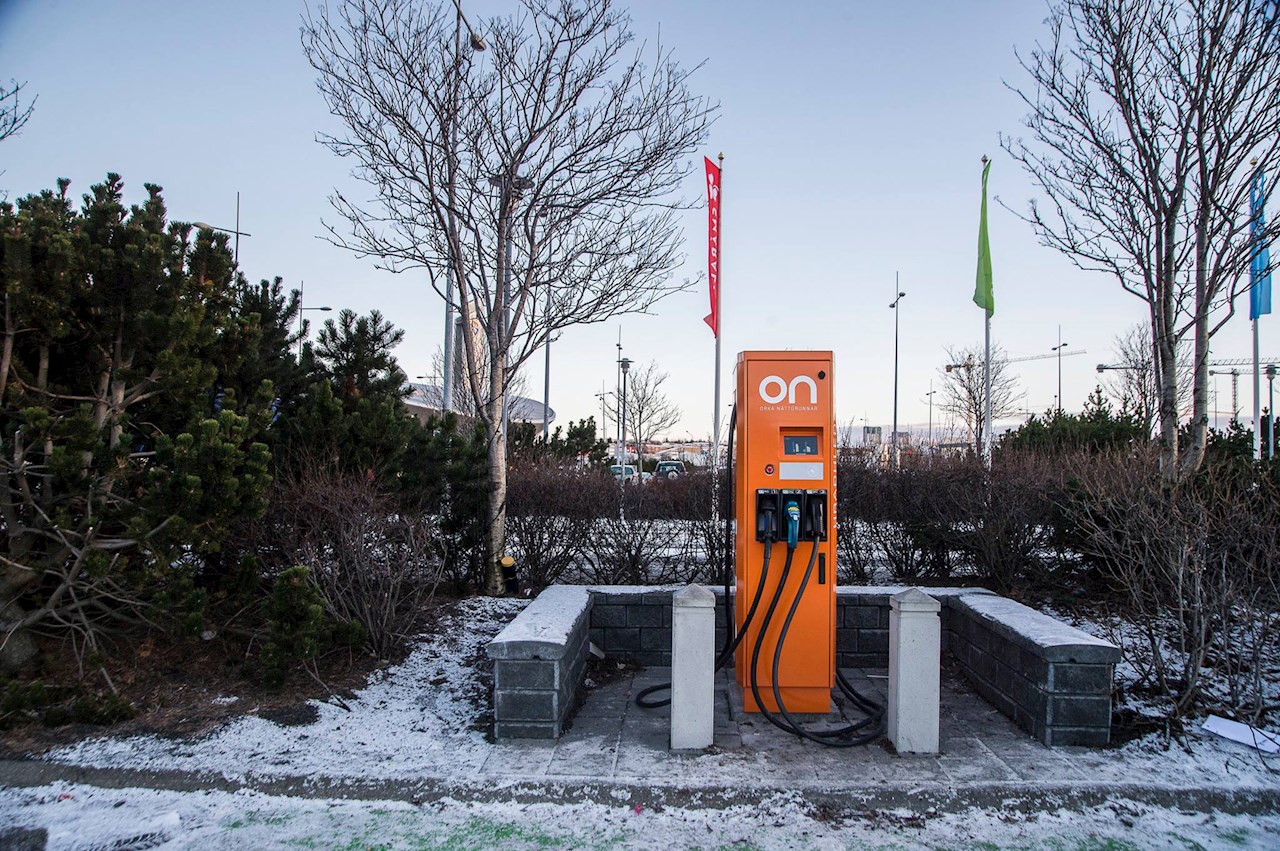
Iceland also introduced a per-kilometre road charge for EVs. This replaced lost fuel tax income. It is a model other nations may copy. Roads still need funding when petrol sales fall.
The cold climate surprised sceptics. Iceland has icy roads, strong winds, and short winter days. EVs handled it well with modern battery heating. Owners often praise their grip in snow with the right tyres.
Tourism plays a role. Rental fleets are shifting to electric models. Many visitors drive an EV for the first time there. Some go home as converts. Fast chargers now line the Ring Road. Planning a long trip is simple.
Most stations sit near towns and services. Drivers can rest while the car charges. Iceland aims to end new fuel car sales by 2030. It also wants carbon neutrality by 2040.
Such targets give buyers confidence. They also give importers a clear signal. The country is small, so lessons do not scale perfectly. Still, it shows what clean power can do. Cold, remote places can go electric. Cheap domestic energy is the strongest card of all.
6. Nepal: The Surprise from South Asia
Nepal is perhaps the most surprising case. It is far poorer than Norway or Denmark. Yet EVs now make up around three-quarters of its imported passenger cars. The change took only a few years.
The reason is simple economics. Nepal imports all its petrol and diesel. That drains scarce foreign currency. Reducing fuel imports became a national priority.
Nepal has abundant hydropower. Its rivers fall steeply from the Himalayas. Using that power at home makes sense. Electricity is cheaper than imported fuel.
The government shaped taxes to match. Import duties on EVs were kept low. Petrol and diesel cars faced far higher duties. The price gap pushed buyers toward electric.
Chinese brands moved in fast. BYD, Dongfeng and others offered cars at lower prices. Models arrived with strong range and modern features. Dealers opened showrooms in Kathmandu and other cities.
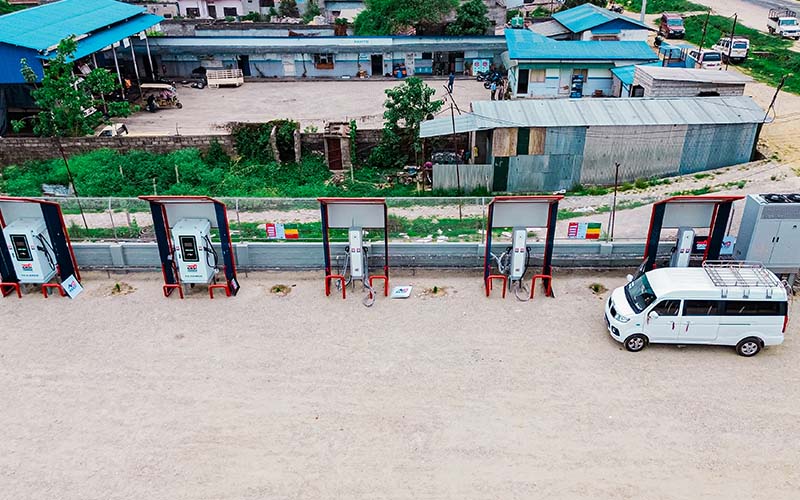
Kathmandu suffers from severe air pollution. Traffic jams and old vehicles add to the haze. EVs gained favour as a cleaner choice. Residents want fewer fumes in their valley.
Fuel price spikes also pushed buyers. Petrol costs jump when global crude rises. Electricity prices stay steady. Families value that predictability. Charging is still a challenge. Public chargers are growing but remain limited.
Power cuts have eased, though they are not gone. Home charging is the main method. Mountain roads test the cars. Steep climbs and rough surfaces demand good torque and range.
Early users report that EVs cope well. Instant torque suits hill driving. The model has risks. Heavy reliance on Chinese brands may hurt service and parts later.
Government revenue from vehicle duties is also at stake. Policymakers will need new income sources. Still, the example is powerful. A low-income country chose EVs because they saved money.