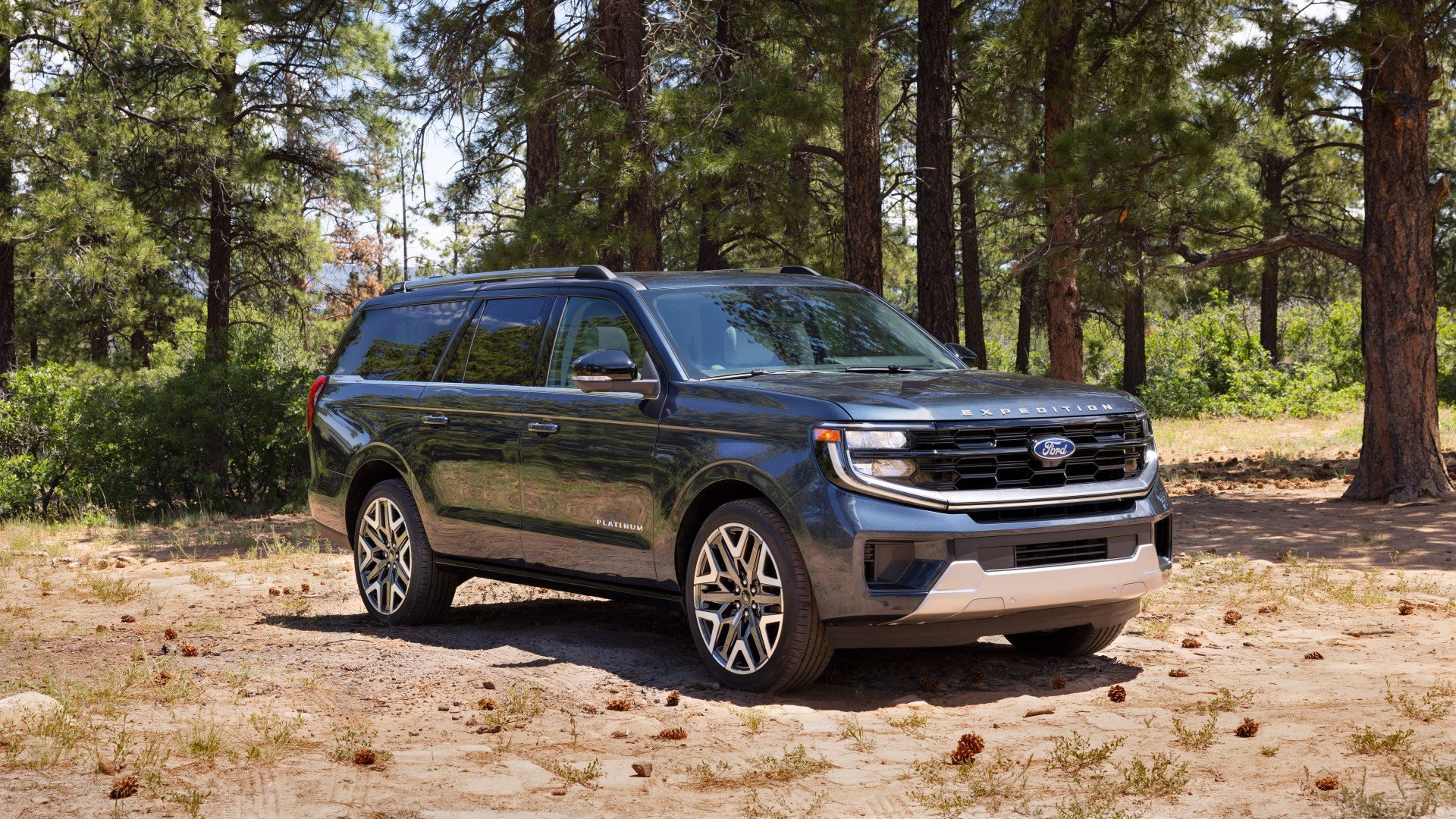
Most big SUVs advertise their cargo space with the third row folded flat. That number looks huge, but it only helps when you travel light. Families who fill all seats need a different figure. It is the space behind the third row, and it decides whether the bags fit.
This list ranks ten large SUVs by that number. The figures come from manufacturer specifications for model years 2026 and 2027. The gap between the top and bottom is large. A 42.6 cubic foot cargo area swallows several suitcases and a stroller. A 22.9 cubic foot area fits a few carry-ons and little more.
One note on the Jeep entries. Older lists still put the non-Grand Wagoneer L at the top. That version is out of production, so I rank the current Grand Wagoneer L and the standard-wheelbase Grand Wagoneer instead.
Wheelbase drives the pattern here. Extended-length models dominate the top six places. Each entry below covers the numbers, the practical meaning, and the trade-offs. Dimensions and engines are summarized, so confirm trim-level details with a dealer before buying.
1. Jeep Grand Wagoneer L: 42.6 to 44.2 cubic feet
The Grand Wagoneer L securely leads this list, offering between 42.6 and 44.2 cubic feet of cargo room behind the third row depending on second-row sliding adjustments. That is the most of any SUV on the market and is paired with a top-tier luxury cabin.
Jeep stretched the body specifically for this version, utilizing an extended rear overhang to build a true cargo bay rather than a shallow trunk. Because of this depth, large checked suitcases can stand upright behind an occupied third row.
In practice, 42.6+ cubic feet easily swallows four large checked bags with plenty of room left over for soft duffels, a folded stroller, and a cooler. Few rivals manage this kind of utility with seven or eight passengers aboard.
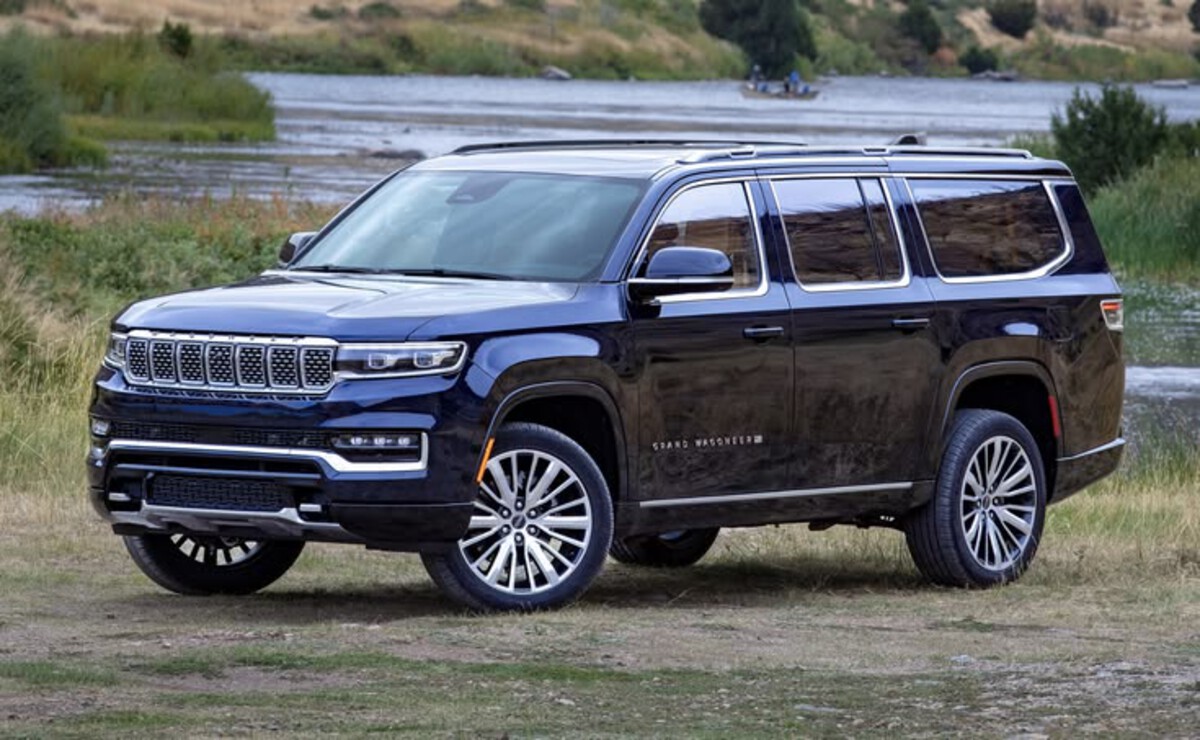
The spacious cabin is complemented by ultra-premium materials, large digital displays, and an exceptionally quiet ride. Under the hood, Jeep offers its powerful turbocharged Hurricane inline-six engine family in several output configurations. Towing capability is another standout feature, with the full-size Wagoneers rated to pull heavy trailers, making them well-suited for families transporting boats, campers, and other large loads.
Naturally, there are trade-offs. This is an expensive, top-tier luxury vehicle with modest fuel economy due to its heavy frame and powerful forced-induction engine. Its sheer length also demands patience when parking in tight city environments.
2. Chevrolet Suburban: 41.5 cubic feet
The Suburban has been the long-roof benchmark for decades. It offers 41.5 cubic feet behind the third row. That is only 1.1 cubic feet less than the Grand Wagoneer L. In daily use, the difference is hard to feel.
Its length is the reason. The Suburban is built on a long wheelbase with a large rear cargo area. The load floor is wide and square. That makes packing easy.
Here is what the space can hold. Think of a family of seven heading out for a week. Several large suitcases fit upright. Backpacks and shopping bags fill the gaps.
Chevrolet’s strength is value. The Suburban costs far less than the Jeep at its entry trims. Buyers can choose a range of engines. Options typically include a V8 and a diesel inline-six.
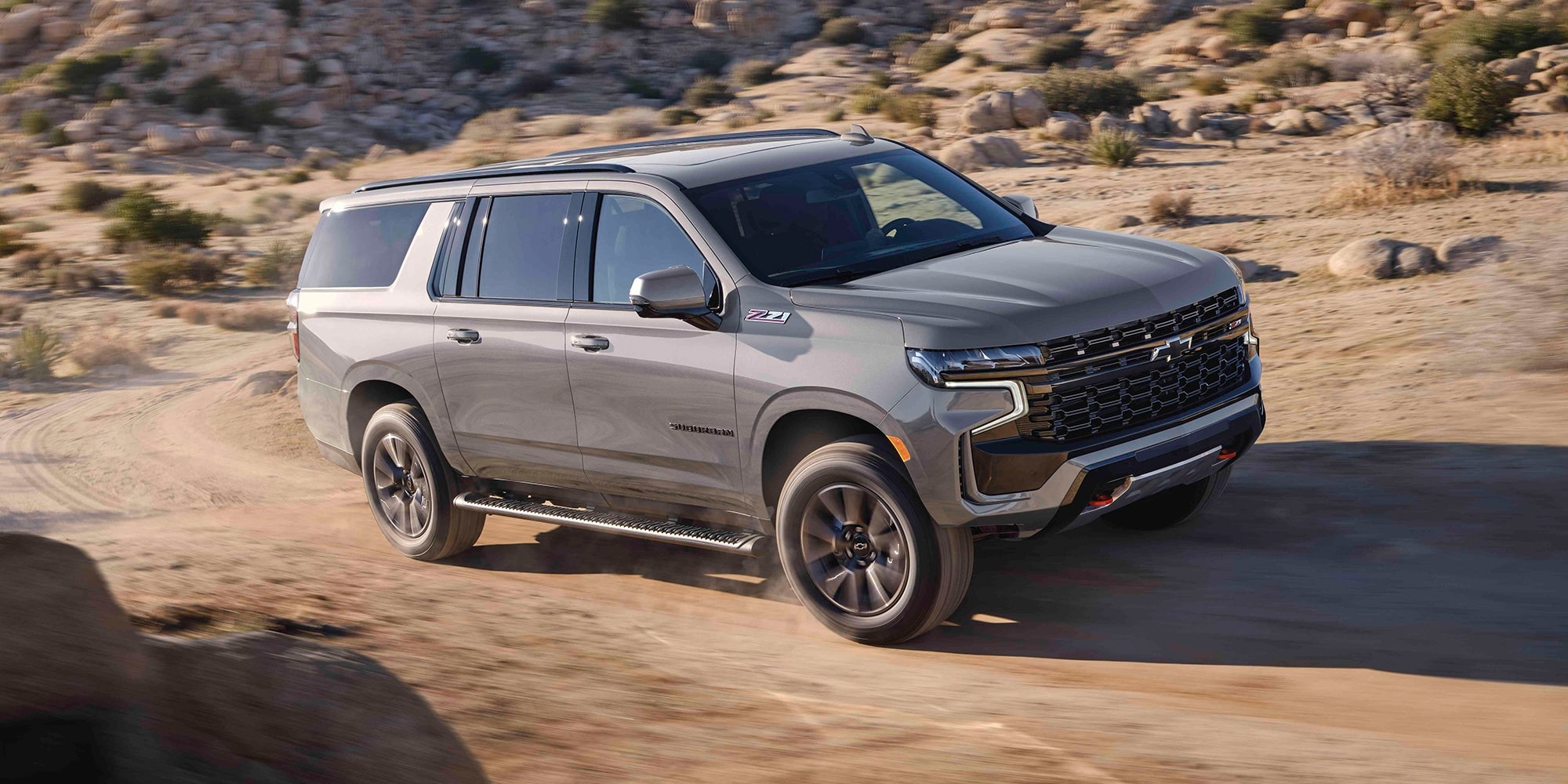
The diesel appeals to long-distance drivers. It trades some power for better highway range. Towing is excellent. The Suburban handles heavy trailers with ease.
The ride has improved since the independent rear suspension arrived. That change also lowered the load floor and improved third-row room. Third-row adults now fit in real comfort. That matters because many rivals only suit children back there.
Inside, the tech is straightforward. Screens are large, and the controls are logical. There are drawbacks. The Suburban is long, so tight garages can be a problem.
Fuel use can be high with the V8. The diesel eases that cost. The Suburban is the sensible leader. It matches the luxury brands on space for much less money. If you want the most cargo per dollar, start here. The 41.5 cubic feet figure is hard to beat.
3. GMC Yukon XL: 41.5 cubic feet
The Yukon XL shares its platform with the Suburban. It also shares the 41.5 cubic foot figure. GMC positions this model above Chevrolet in refinement. The cargo space is identical, but the feel is more upscale.
Behind the third row, the area is generous and well-shaped. The tailgate opening is wide, which helps with bulky items. Consider a typical airport run. Four suitcases, two carry-ons, and a few small bags can all fit.
Nothing needs to ride on the third-row seats. That keeps every passenger comfortable. GMC offers the Yukon XL in several trims. The top Denali versions add luxury touches.
Powertrain choices mirror the Suburban. Buyers can pick a V8 or the diesel six. The diesel is worth a look for highway drivers. It stretches range between fill-ups.
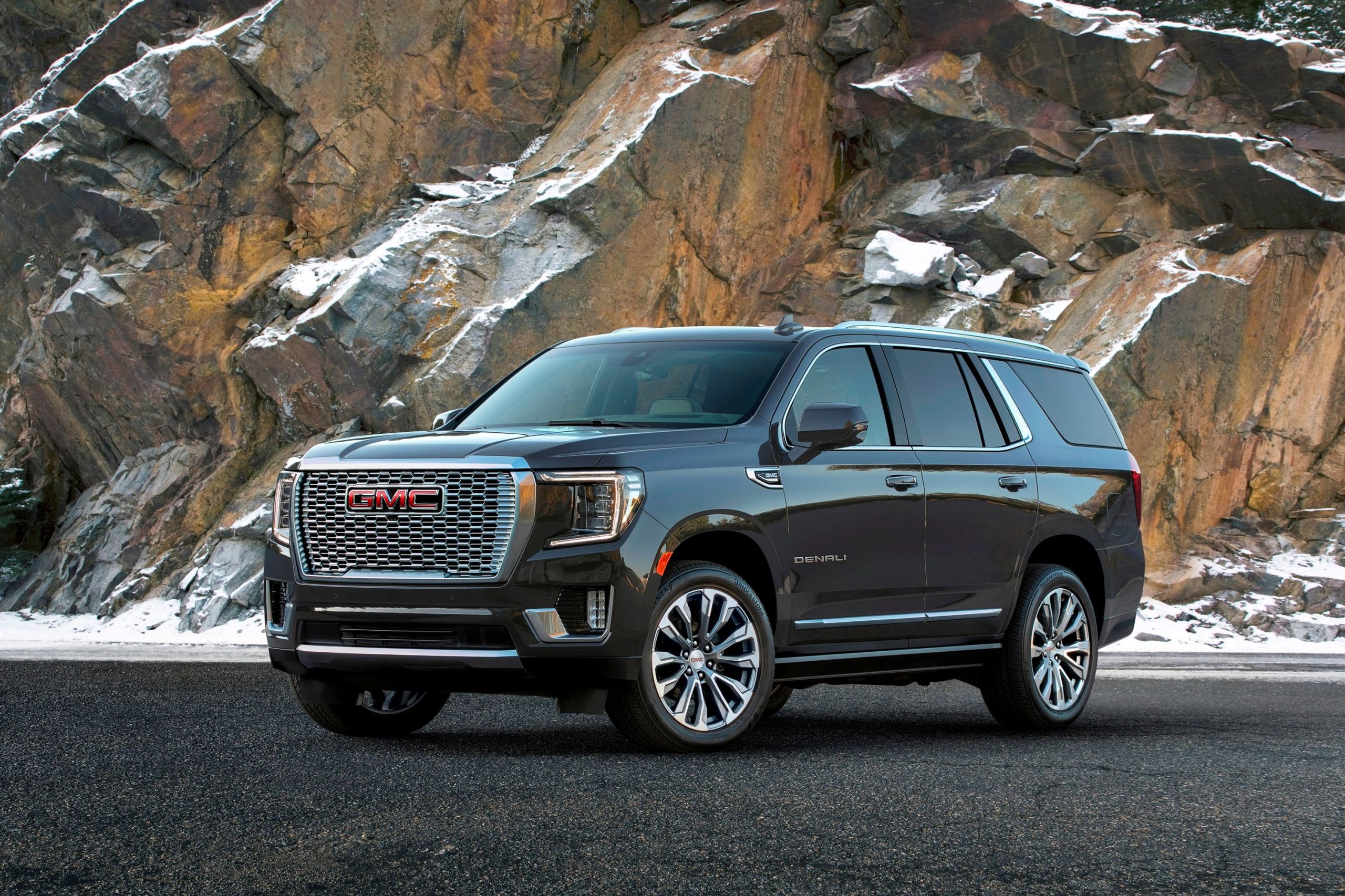
The cabin is quiet and well-built. Soft materials and large screens give it a premium feel. A notable option is the available air suspension. It smooths the ride and can lower the vehicle for easy loading.
Loading height matters with heavy bags. A lower floor saves your back. Towing capacity is strong. The Yukon XL handles large trailers without strain.
Safety and driver-assist features are broad. Many are standard across the lineup. The downsides are familiar. It is long, thirsty with the V8, and costly at the top trims.
Still, for large families, it is a proven choice. The cargo space is as good as any rival. Choose it over the Suburban if you want more style. Choose the Suburban if you want to save money.
4. Cadillac Escalade ESV: 41.5 cubic feet
The Escalade ESV is the luxury flagship of the General Motors trio. It also posts 41.5 cubic feet behind the third row. Few people expect a high-end Cadillac to be this practical. Yet the ESV matches its cheaper cousins.
The ESV is the long-wheelbase Escalade. That extra length creates the large cargo bay. Cadillac wraps the space in a lavish cabin. A huge curved display dominates the dash.
Think about who buys this vehicle. It suits executives, large families, and anyone who wants a statement piece. Luggage space matters to them as much as it does to everyone else. A chauffeur or a parent still has to pack bags.
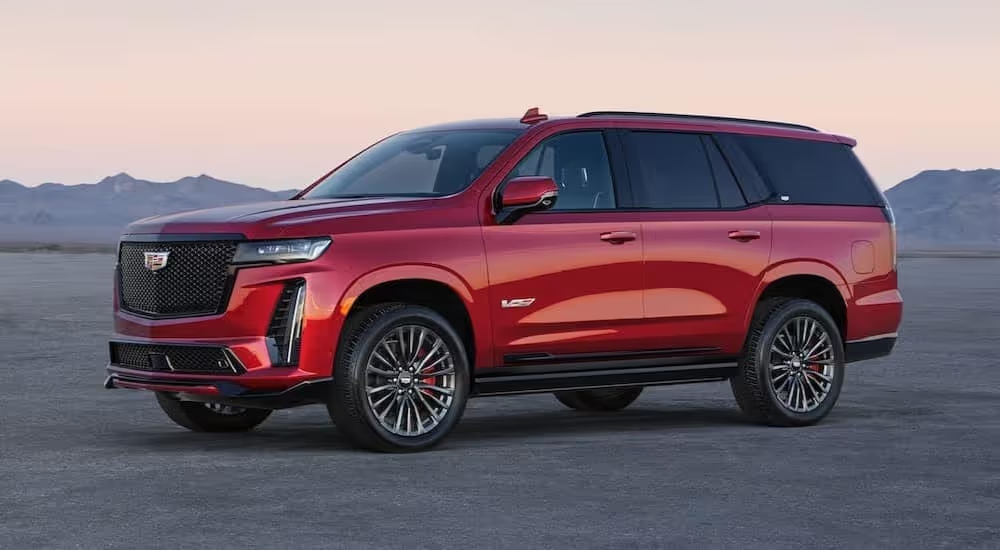
The ESV handles that job well. Several large suitcases fit upright behind the third row. Powertrain options include V8 power, and a diesel is also on offer. A very powerful performance version sits at the top of the range.
The performance model is a unique treat. It proves a three-row SUV can be quick. Ride quality is a highlight. Magnetic ride control and air suspension keep the body steady.
Inside, the seats are plush. Audio and tech features are among the best in the class. There is a cost to all this. The ESV carries one of the highest price tags on the list.
It is also very large. Parking and tight roads demand care. Fuel economy is not a strength, especially with the big V8. Even so, the combination is rare. Few vehicles offer this much luxury with this much space. If you want the most prestigious way to carry a full load, the ESV delivers.
5. Ford Expedition MAX: 36.1 cubic feet
The Expedition MAX is Ford’s long-wheelbase answer for families needing extra room. Following its major redesign, it offers 36.1 cubic feet of cargo space behind the third row (updating the previous-generation rating of 37.4 cu. ft.). That trails the GM long-wheelbase trio by a larger margin now, but the layout remains exceptionally well-thought-out.
Ford approaches performance differently by powering the Expedition with a punchy twin-turbo V6 instead of a traditional V8. This engine is strong, efficient for its class, and delivers plenty of low-end torque for heavy trailer towing.
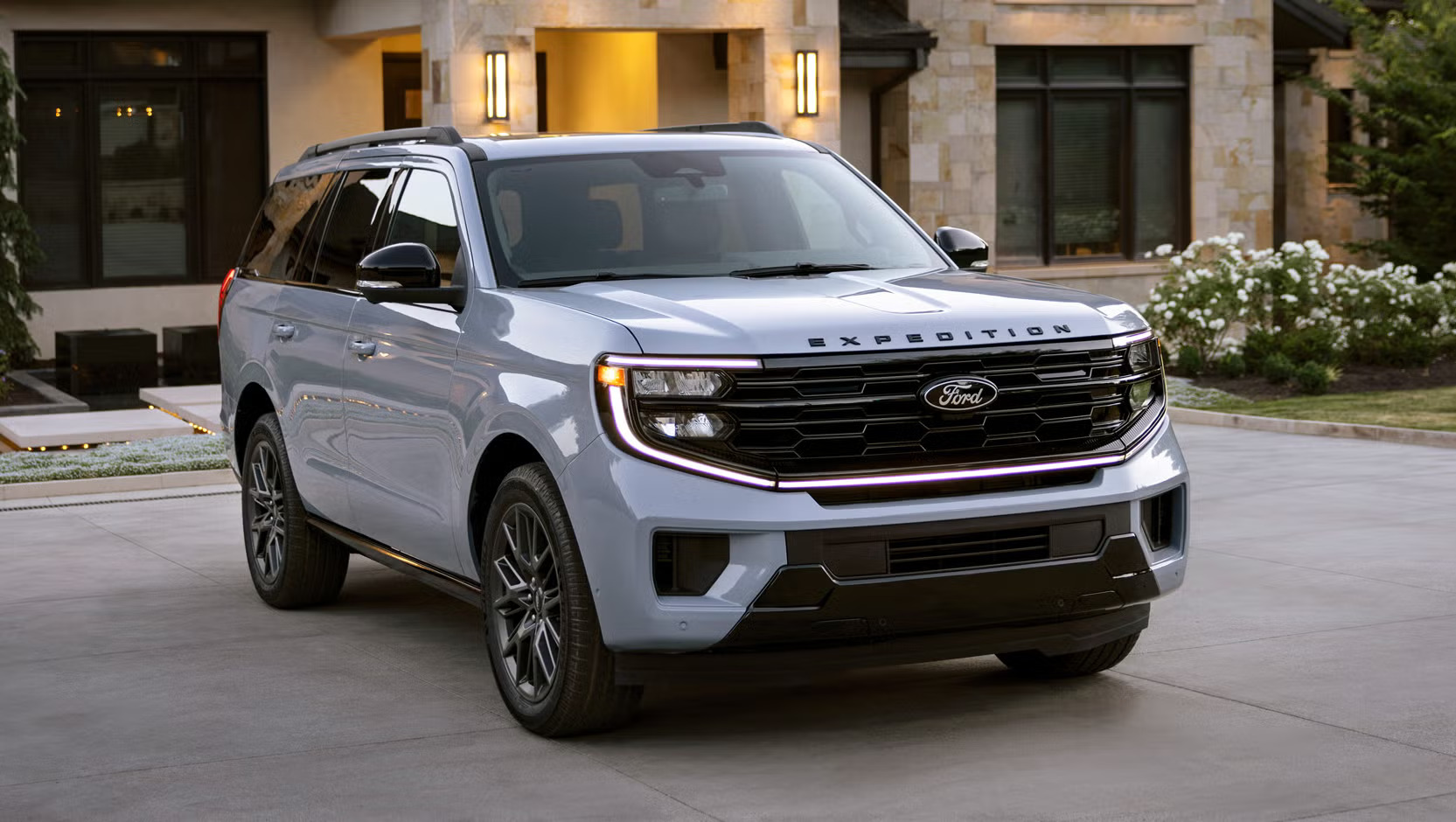
Inside, the cargo area is deep and usable, featuring a low, flat floor that eases heavy lifting. In practice, four large suitcases plus a couple of duffels still fit comfortably behind all seats occupied. While you may need to stack bags more carefully than in a Chevrolet Suburban, a full family road trip is well within reach.
The MAX shines brightly in other daily dynamics. The ride is composed, and handling feels surprisingly agile for such a massive vehicle. Furthermore, the third row is genuinely comfortable for adults, avoiding the cramped knee-high seating found in lesser SUVs. Ford enhances daily life with user-friendly touches like a power-folding third row and an expansive central display screen.
Higher trim levels push the cabin close to premium luxury territory, and adventurous buyers can opt for rugged, off-road-oriented trims that add capability most luxury rivals lack. Pricing remains competitive, often undercutting comparable GM full-size alternatives.
The main drawback is the updated cargo figure, which trails the segment leaders by a distinct margin. However, if you rarely pack to absolute maximum limits, that gap becomes easy to overlook. The Expedition MAX expertly balances usable space, modern power, and value.
6. Lincoln Navigator L: 36.1 cubic feet
The Navigator L shares its platform architecture with its Ford cousin, adjusting to 36.1 cubic feet behind the third row following recent model updates (down from the previous 37.4 cu. ft. rating).
As the high-end luxury execution of the same mechanical platform, Lincoln centers its entire engineering ethos around creating a remarkably calm, quiet sanctuary for occupants.
The extended body offers essentially the same core cargo capacity as the Expedition MAX, but with a considerably more upscale interior. Picture packing for a family road trip. Your bags fit just as comfortably as they would in the Ford, but here they are surrounded by plush carpeting, premium leather, and beautifully detailed trim.
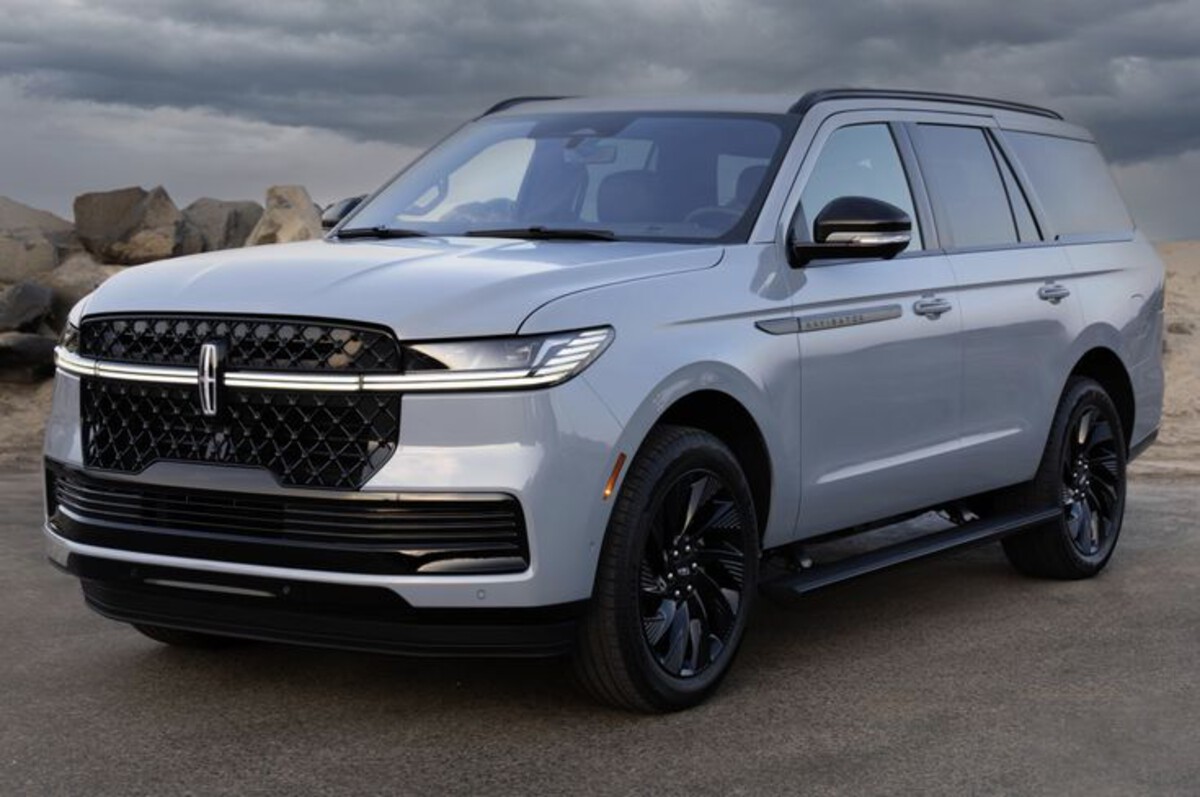
Propulsion comes from a strong twin-turbo V6 engine, with higher output variations available to deliver effortless, smooth acceleration. The ride quality is exceptionally relaxed, aided by standard or available air suspension that irons out road imperfections.
Furthermore, Lincoln’s multi-way adjustable seats are widely recognized as among the most comfortable in the full-size class, ensuring long highway stretches cause minimal fatigue.
The cabin tech is brilliantly integrated, anchored by a sweeping display screen and an elite high-end audio system that turns the interior into a concert hall.
Third-row seating remains remarkably generous, allowing even tall adults to sit comfortably without cramped knees. Plentiful driver-assist features come standard on upper trims to reduce stress in heavy traffic.
Naturally, trade-offs exist. At 36.1 cubic feet, cargo space trails General Motors’ long-wheelbase luxury alternative by roughly five cubic feet. Fully loaded pricing also climbs steeply. Who should buy it? It is built for drivers who value serene, top-tier elegance and quiet comfort over absolute maximum luggage space.
7. Jeep Grand Wagoneer, Standard Wheelbase: 27.4 to 28.4 cubic feet
Now the list shifts to standard-length full-size SUVs. The standard-wheelbase Jeep Grand Wagoneer offers between 27.4 and 28.4 cubic feet behind the third row, depending on second-row sliding adjustments (often averaged around 27.9 cubic feet). While that represents a major drop from the extended L version, it highlights how heavily wheelbase dimensions dictate cargo utility.
The extra body length of the L model adds over fifteen cubic feet of back-end capacity. That is the inevitable trade-off for a shorter, more manageable body.
So, what actually fits in this standard space? Think two or three large suitcases standing upright, supplemented by a few smaller duffels or soft backpacks.
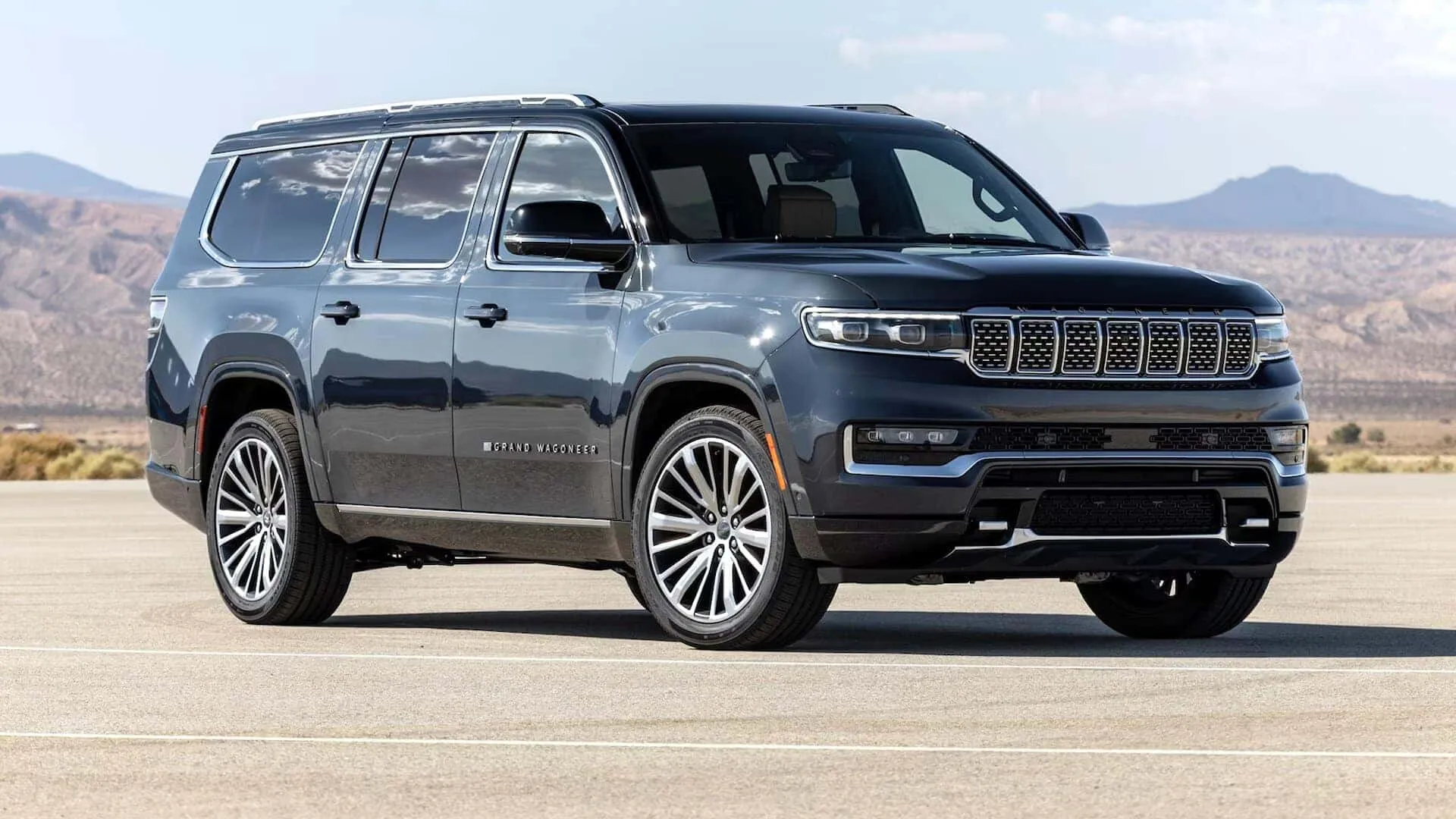
For a full family of seven heading out on an extended vacation, the cabin will certainly feel the squeeze, and packing requires deliberate planning. Even so, this specification remains better than most standard-wheelbase competitors, beating traditional rivals like the GMC Yukon and Cadillac Escalade by a noticeable margin.
This gives the standard Grand Wagoneer a clever middle-ground role. It delivers ultra-luxury accommodations without the cumbersome length of the L variant. The shorter body is noticeably easier to park, fit into home garages, and maneuver through crowded city streets.
Inside, the cabin matches the L model’s opulence, featuring top-tier digital screens, exquisite materials, and premium audio. Propelled by the same turbocharged inline-six engine family, it delivers effortless, rapid acceleration. Towing capability remains a strong suit, and ride comfort is exceptional thanks to carefully tuned suspension systems.
Its main drawbacks are similar to those of its larger sibling, including a steep purchase price and relatively poor fuel economy. It also offers considerably less cargo space than the L model.
Opt for the L if you regularly carry plenty of luggage, or choose the standard model if you value uncompromising luxury and better maneuverability in urban settings, as long as you can manage with less cargo space.
8. GMC Yukon: 25.5 cubic feet
The standard Yukon offers 25.5 cubic feet behind the third row. That is far below the XL version. The gap is 16 cubic feet. It is one of the largest differences between a short and long body in this class.
Here the cargo area is usable but not roomy. Several carry-ons and soft bags fit well. Large hard-shell suitcases are harder. Two big ones may fill much of the space.
For a family of five, that is often enough. For seven passengers, it is tight. The Yukon makes up for this in other ways. It is easier to drive and park than the XL.
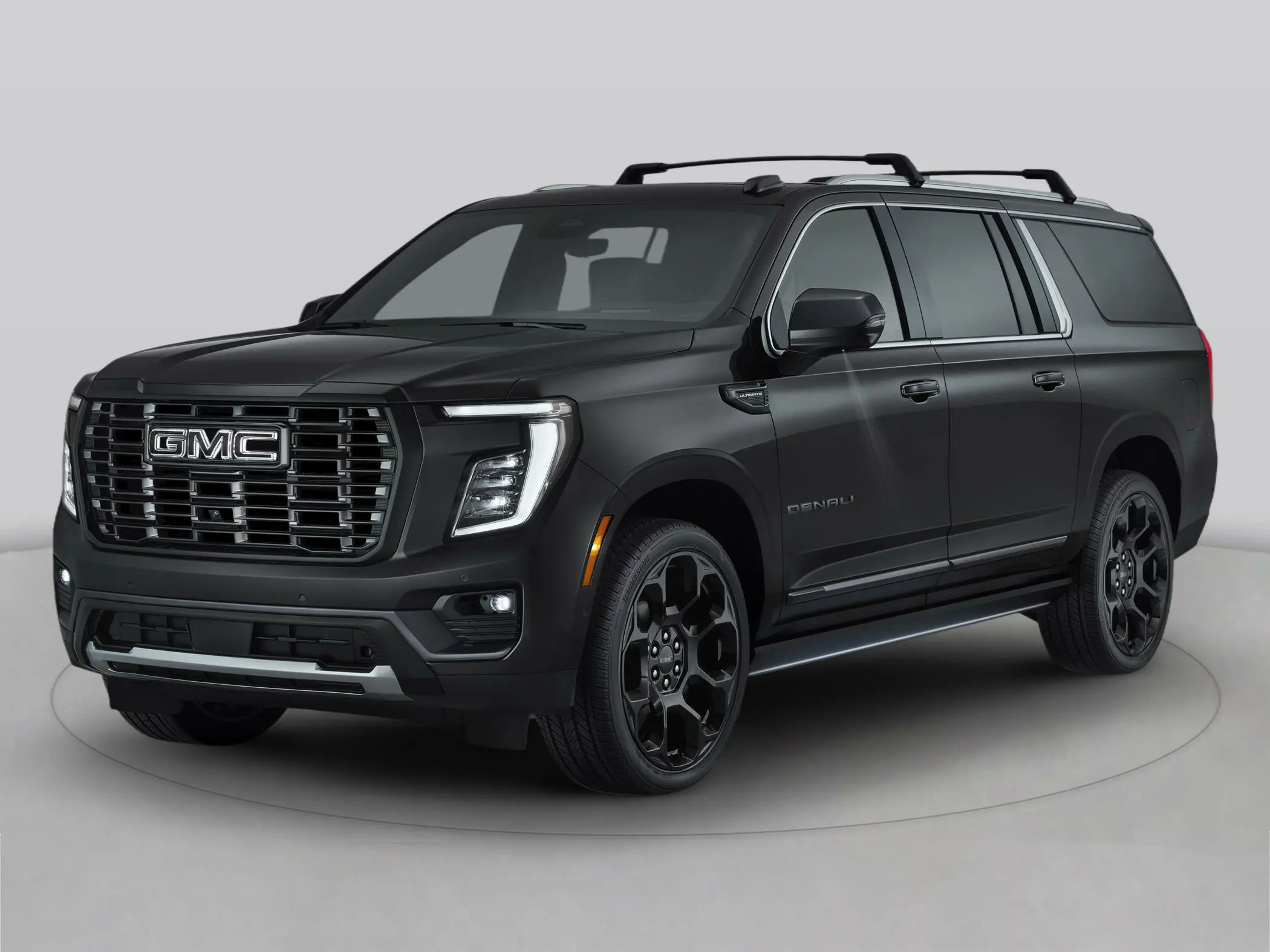
The shorter wheelbase also helps turning. City use feels less awkward. Many buyers do not use the third row often. They fold it and gain a very large cargo floor.
That flexibility is a strong point. The Yukon adapts to how you use it day to day. GMC offers the same powertrain choices as the XL. These include V8 options and a diesel six.
The cabin is refined, with quality materials and a big screen. Higher trims feel truly premium. Ride and noise levels are excellent. The independent rear suspension helps here.
Towing is strong, and capacity is nearly the same as the XL. The drawback is obvious. With all seats up, cargo room is limited. If you carry seven people often, buy the XL. If you mostly carry four or five, the Yukon is easier to live with.
9. Cadillac Escalade: 25.5 cubic feet
The standard Escalade matches the Yukon at 25.5 cubic feet. Like the Yukon, it is the short-wheelbase version. It shares its body and chassis with the GMC. The cargo number is therefore the same.
Cadillac sells this model on style and technology. The cargo space is secondary. That said, 25.5 cubic feet is not tiny. It fits a stroller and several bags comfortably.
A weekend trip for a family of five works well. A two-week vacation does not. For longer trips, owners often use a rooftop carrier. Others tow a small trailer.
The ESV is the alternative. It adds more than 15 cubic feet of cargo room. Many buyers still choose the standard Escalade. They want a more nimble and attractive body.
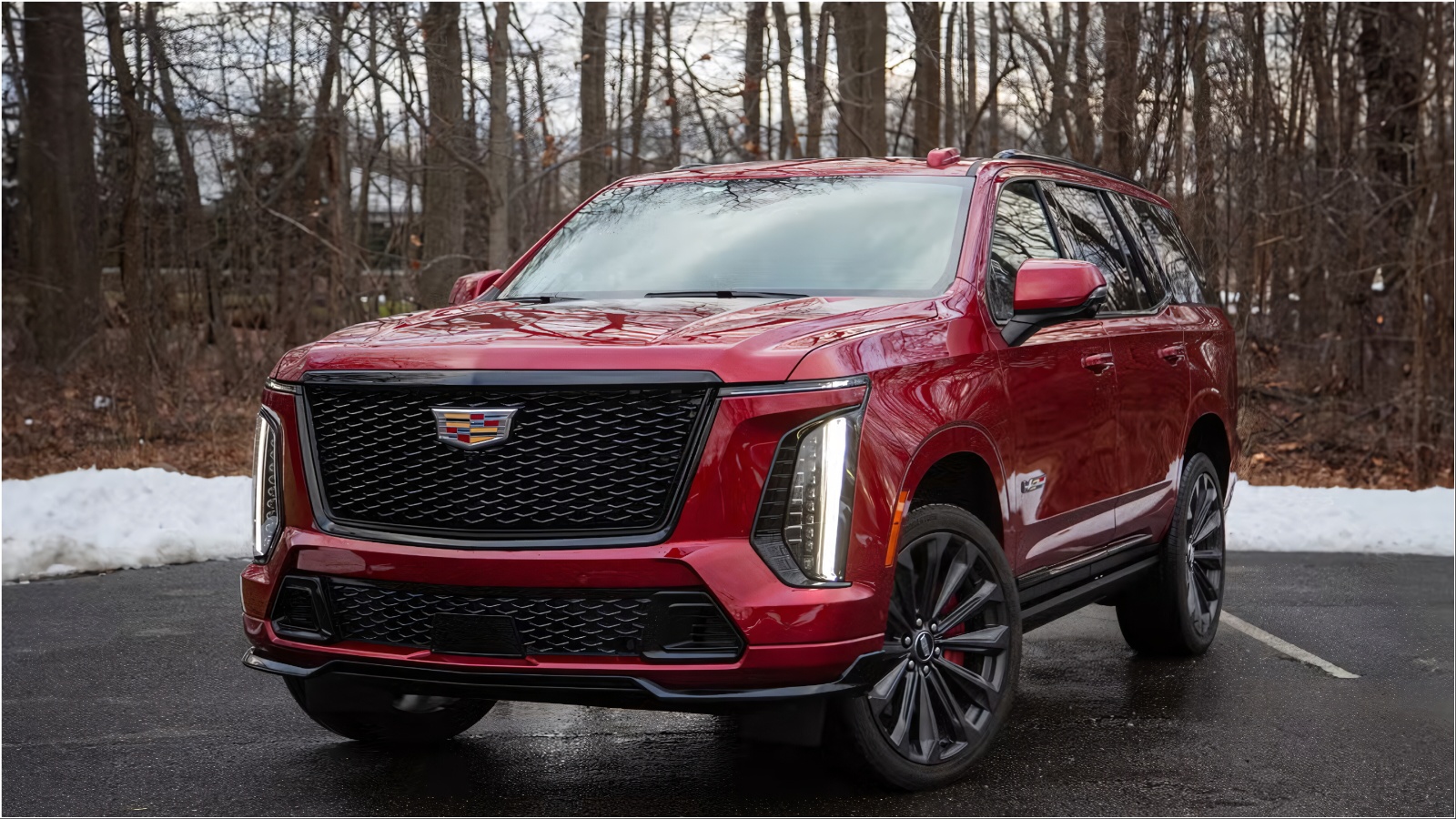
It looks sleeker and parks more easily. Those traits matter in dense areas. The cabin is the star. Its curved display, plush seats, and advanced audio are class leaders.
Driving dynamics are impressive. The vehicle feels smaller than it is. Engine choices include V8 and diesel options. A high-performance version sits at the top.
Ride quality is serene with air suspension. Few SUVs are this quiet. The drawbacks are cost and limited cargo. It is expensive and falls well short of the ESV. Choose this one if style and handling matter most. Choose the ESV if luggage space does.
10. Chevrolet Traverse: 22.9 cubic feet
The Traverse closes the list at 22.9 cubic feet. It is the smallest vehicle here, but it is also the most affordable. The Traverse is a crossover rather than a body-on-frame SUV. That changes the comparison.
Its cargo area is smaller, yet still useful. It fits a stroller, groceries, and several bags. Large suitcases are a squeeze. A family of seven would need to pack lightly.
Still, the Traverse is easy to live with. It is shorter and lighter than the full-size SUVs. Parking is simple, and driving feels car-like. Many families prefer that.
The latest generation brought a more modern design. It also brought a turbocharged four-cylinder engine. Power is adequate for daily use. Fuel economy is better than the large SUVs by a wide margin.
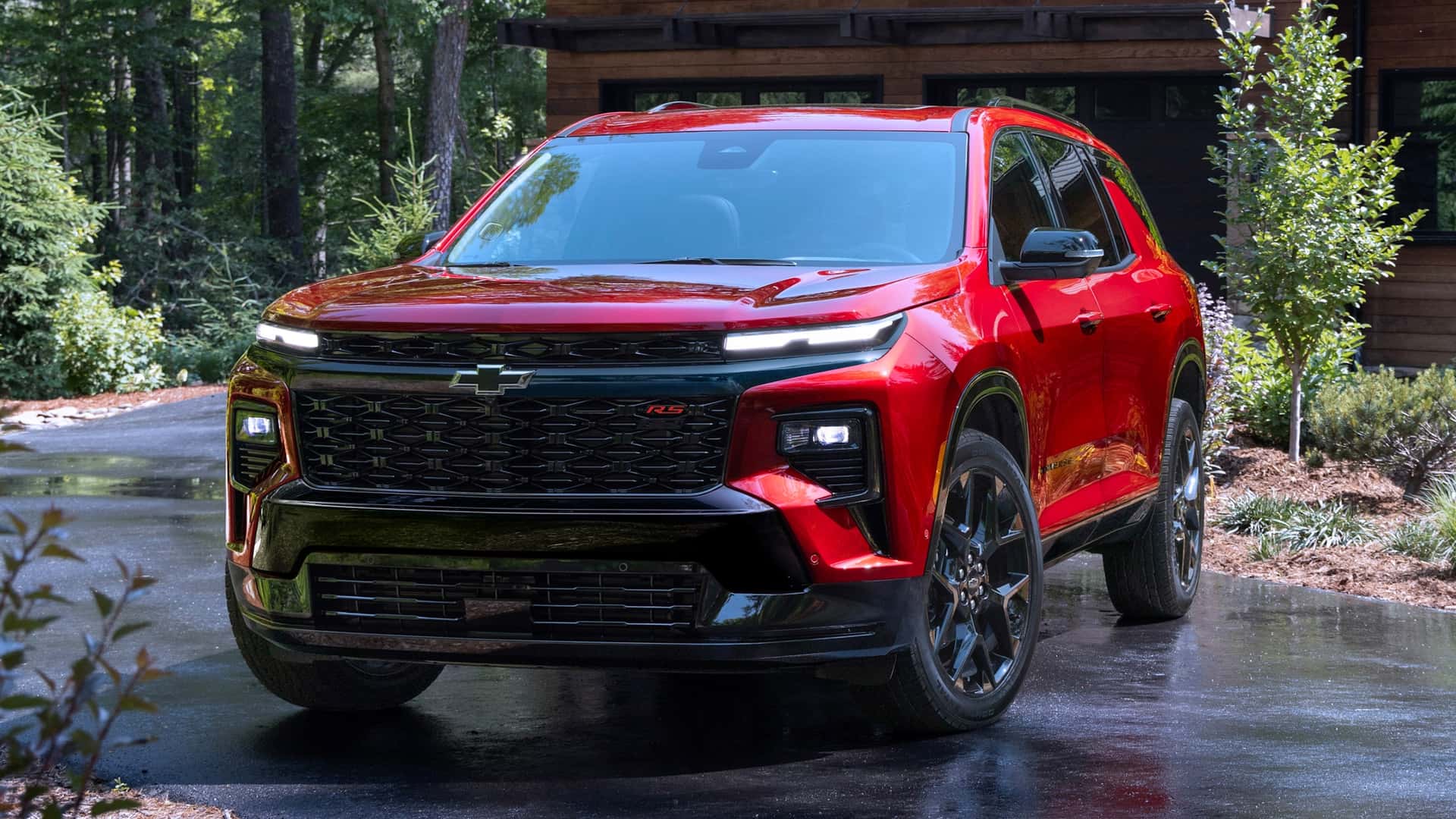
The interior is roomy for its class. Third-row space is acceptable for children and many adults. Tech features are generous. A large screen and driver-assist systems are available.
Price is the biggest advantage. The Traverse costs much less than a Suburban or Yukon. Towing capacity is lower than the big SUVs. It handles light trailers but not heavy ones.
The cargo number is the weakness here. At 22.9, it trails the leader by almost twenty cubic feet. That is a real gap for families that travel often. Weekend trips are easy, but long vacations take planning.
The Traverse suits buyers who want a three-row vehicle without the bulk. It is practical, efficient, and affordable. If maximum luggage is the goal, look higher on this list. If everyday ease matters more, this is a smart pick.