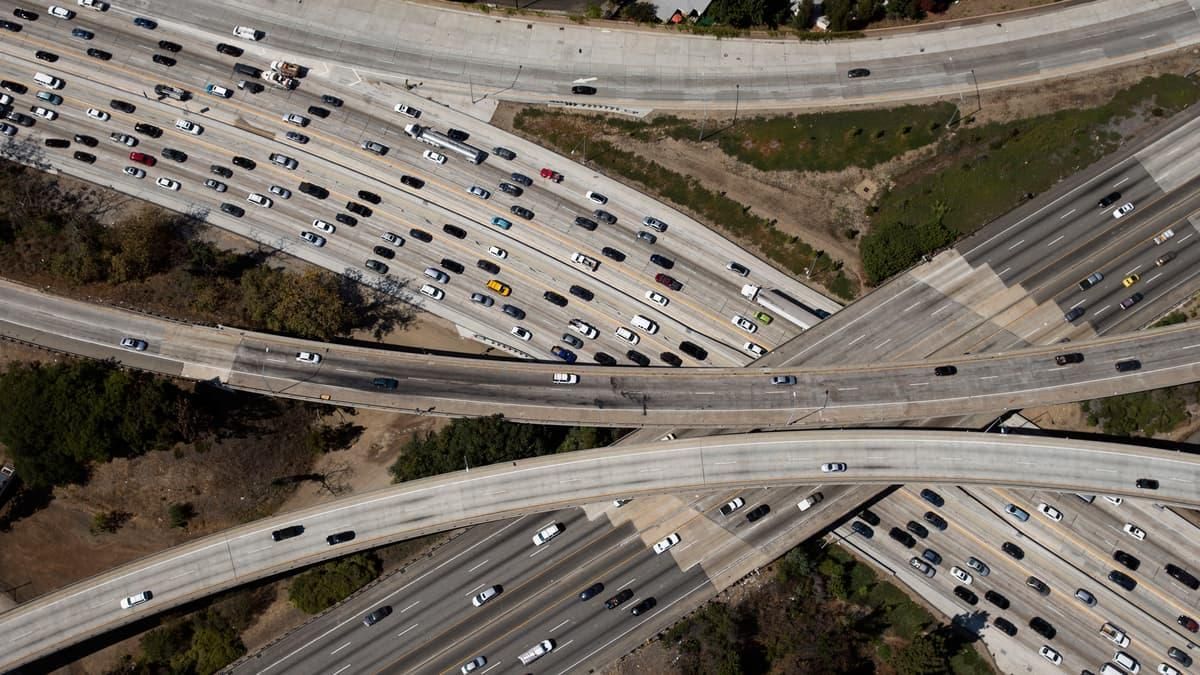
America runs on wheels. But the number of wheels per resident changes sharply from state to state. Researchers tracking vehicles in operation divided registrations by population for 2026. The result is a ratio that shows how deeply cars and trucks are woven into daily life. A figure above 1.00 means a state has more light vehicles than people.
The top of the list is not what many readers expect. Big coastal states are nowhere near it. Instead, sparse northern plains and mountain states dominate.
Distance explains much of this. Towns sit far apart, and public transit is thin or absent. A household often needs one vehicle per working adult, plus a truck for the farm or ranch.
Taxes and rules also matter. Some states attract registrations from owners who live elsewhere. That inflates the ratio beyond what local driving alone would produce.
At the bottom, New York sits near 0.52. The District of Columbia is near 0.40, the lowest in the country. Those places have subways, buses, and walkable streets. Here are the twelve states at the top, ranked from first to twelfth.
1. Wyoming: About 1.14 Vehicles Per Resident
Wyoming is the least populated state in the country. Fewer than 600,000 people live across nearly 98,000 square miles. Open road is the main feature of daily life.
Towns are small and far apart. A trip to a hospital or a big-box store can mean a long drive. Public transit barely exists outside a few cities. Energy and ranching shape the fleet. Oil, gas, coal, and ranch work all call for pickups. Many households keep a work truck and a family vehicle.
Winter adds another layer. Four-wheel drive is close to a requirement in many counties. Families often hold a second or third vehicle for bad weather.
The state also has a long history with its plates. The bucking horse design has been on Wyoming plates for decades. Counties carry number prefixes that residents recognize on sight.
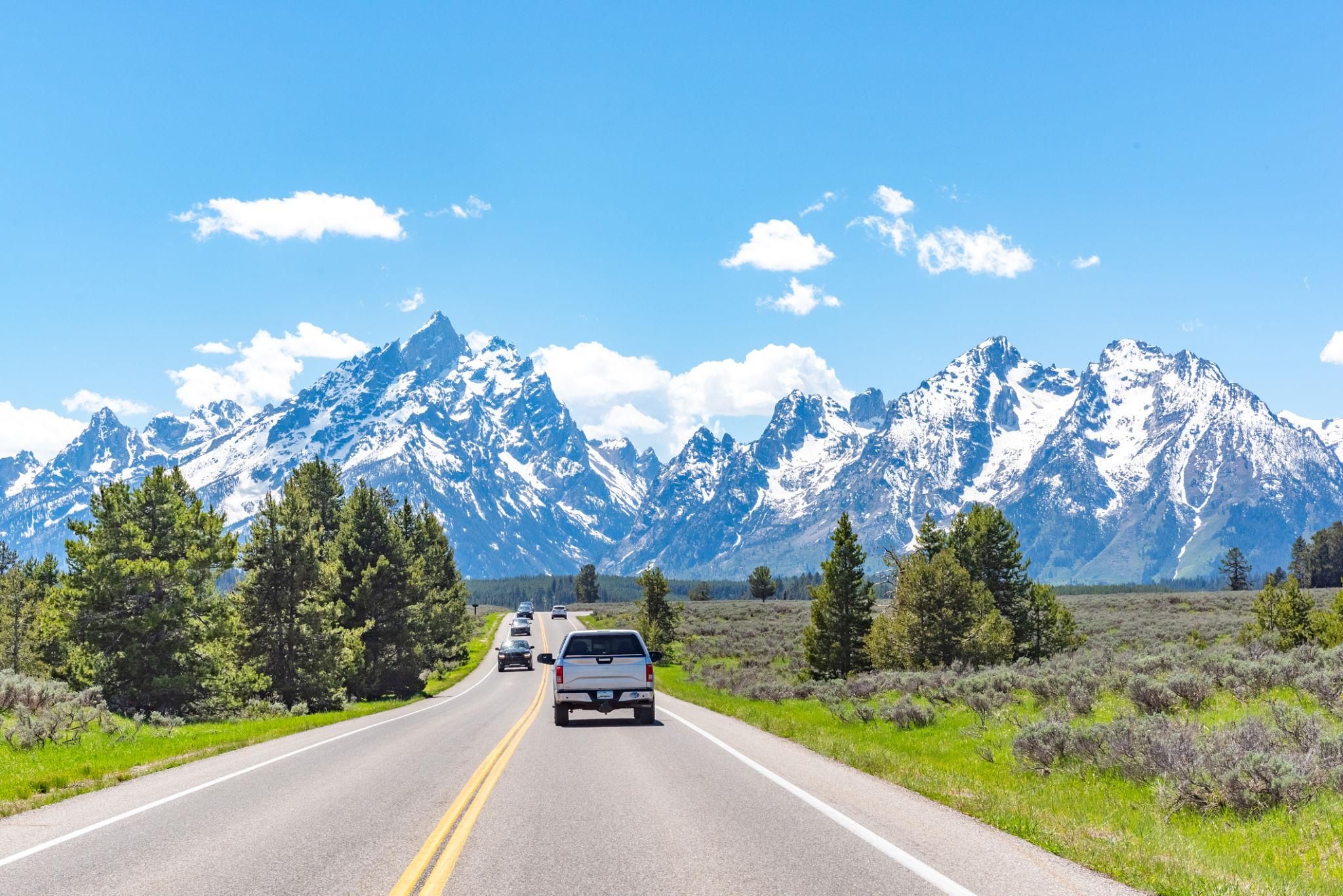
Registration rules favor ownership. Fees are modest compared with many states. That keeps older trucks and trailers on the books. Tourism adds pressure on the roads, though not on the ratio. Visitors drive in from Yellowstone and Grand Teton. Their cars are registered elsewhere.
The ratio above one reflects a simple truth. Many Wyoming households own more vehicles than they have drivers. Spare trucks, project cars, and seasonal vehicles all count.
The state tops the list because every pressure points the same way. Distance, work, weather, and low density all push ownership upward. No other state combines them quite as fully.
2. Montana: About 1.09 Vehicles Per Resident
Montana is the fourth-largest state by area. Yet only about 1.1 million people live there. That gap produces long drives for almost everything. Rural life drives the numbers. Ranchers, farmers, and loggers rely on trucks. Many families keep several for different jobs.
Montana also draws registrations from outside its borders. The state has no general sales tax. Owners of costly vehicles have registered them through Montana-based companies.
This practice is well known among car enthusiasts. It can lower tax bills for owners who live in other states. Those vehicles still count in the registration totals.
That likely lifts the ratio above what local use alone would give. It is hard to measure the exact effect. But it is a real factor in the data. Winters are harsh across the mountains and plains. Snow tires, chains, and all-wheel drive are common. Households often pair a daily driver with a heavy-duty truck.
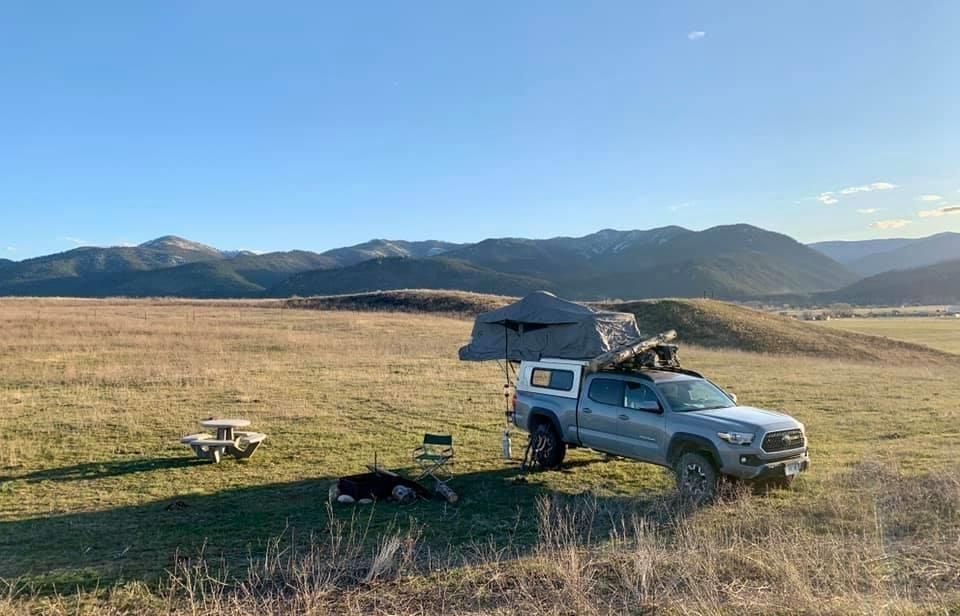
Cities are small. Billings is the largest, with well under 200,000 residents. Bus systems exist but cover little ground. Outdoor recreation adds more vehicles. Hunters, anglers, and skiers often own extra trucks and utility vehicles. Trailers and campers fill driveways.
Montana shows how law and geography can combine. Long distances raise real demand. Tax policy then adds registrations on top. The result is the second-highest ratio in the nation.
3. North Dakota: About 1.04 Vehicles Per Resident
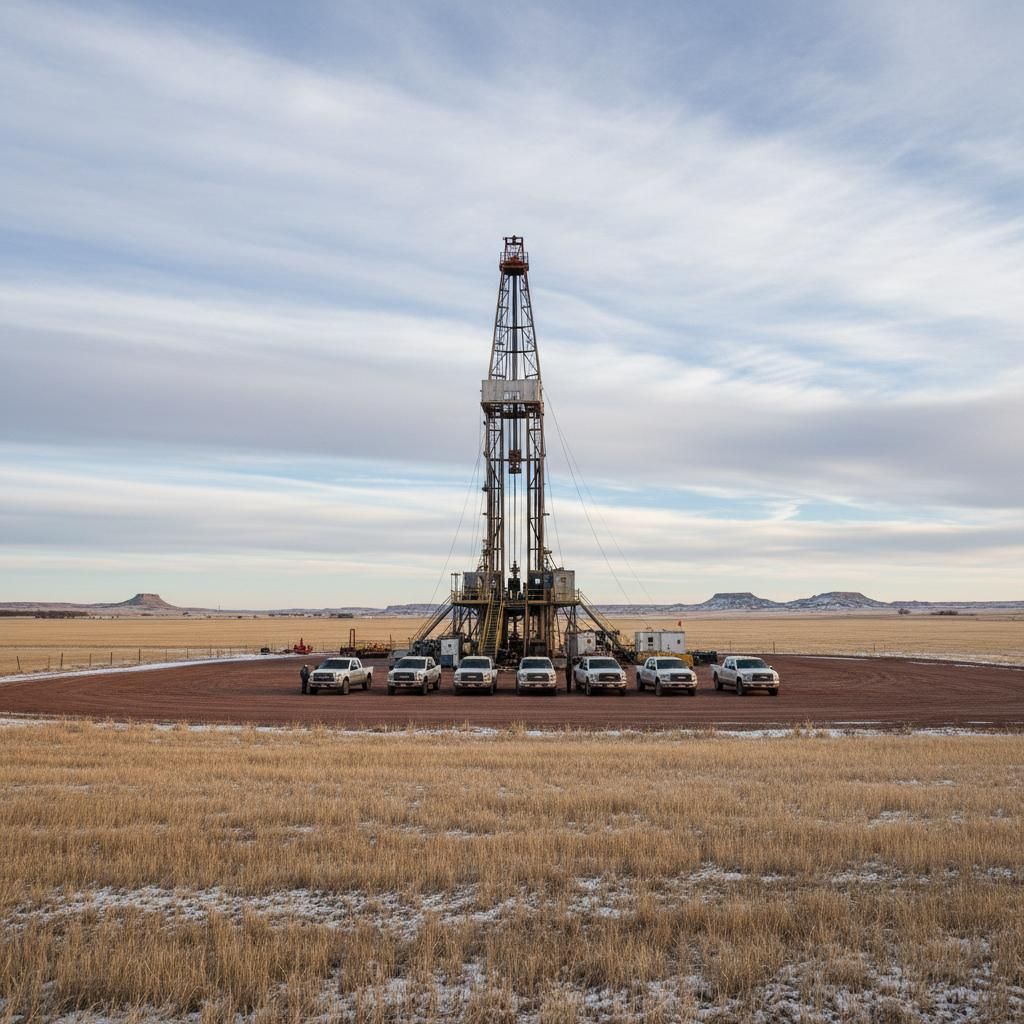
North Dakota has fewer than 800,000 residents. Its economy leans on farming and oil. Both industries run on heavy vehicles. The Bakken oil boom changed the state. Workers poured in during the 2010s. Pickups and service trucks followed them.
Even after the boom cooled, the fleet stayed. Oil field work still calls for rugged vehicles. Many companies and workers keep several. Farming adds more. Wheat, soybeans, and sunflowers define the land. Farm families hold trucks for hauling and cars for town.
The weather is severe. Winter temperatures can fall far below zero. Block heaters and winter kits are normal gear. Many residents keep a spare vehicle for that reason. A dead battery in January can be dangerous. A second vehicle is a safety net.
Distances are long even by plains standards. Fargo is the biggest city. Others are small and spread across wide country. Transit is limited to a few urban routes. Rural residents have almost no alternative to driving. Teenagers often get licenses early.
Vehicle ownership here is practical, not recreational. People buy what the work and weather demand. That is why the ratio passes 1.00. North Dakota proves that economy matters as much as geography. Energy money paid for vehicles. And the need to cover long distances kept them in use.
4. South Dakota: About 1.01 Vehicles Per Resident
South Dakota also crosses the one-vehicle-per-person line. Fewer than one million people live there. They are spread across plains, ranchland, and the Black Hills.
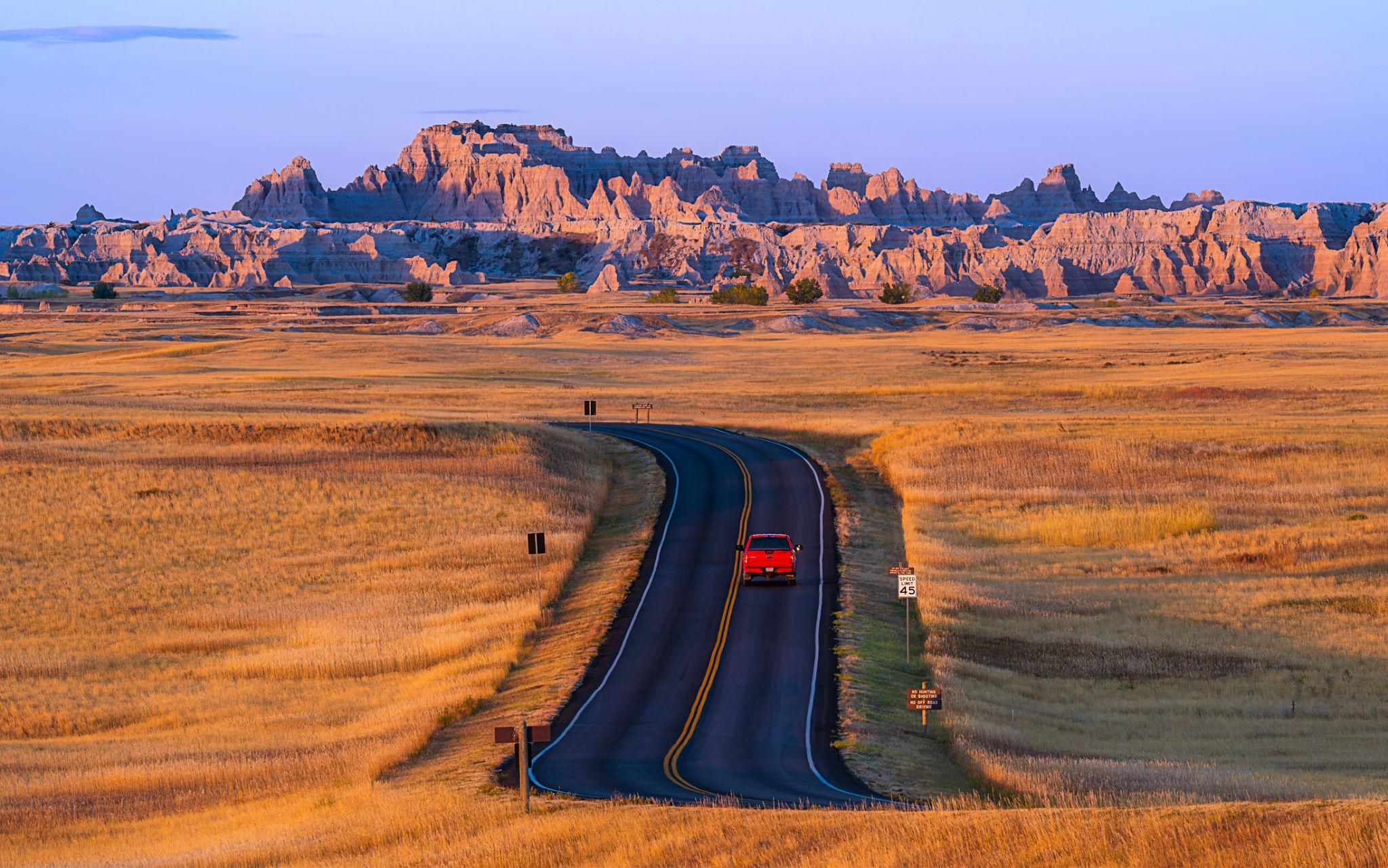
Agriculture is central to the state. Cattle, corn, and soybeans drive local incomes. Pickups are the default vehicle on most farms. The state is a major draw for visitors. Mount Rushmore, Badlands National Park, and the Sturgis rally bring millions. Those travelers register their vehicles elsewhere.
Still, locals own plenty. Rural roads require reliable transport. Grocery runs can take an hour. Distance shapes school life too. Rural districts cover huge areas. Many families drive children to meet buses or to activities.
Sioux Falls is the largest city and still modest in size. Rapid City is the other hub. Transit in both is limited. South Dakota is also known for business-friendly rules. Its financial and trust industries attract outside money. That does not directly raise vehicle counts, but it supports a stable economy.
Tribal lands add another layer. Reservations cover large areas with few services nearby. Reliable vehicles are essential for access to jobs and care. Winter blizzards are common.
A vehicle that starts and handles snow is critical. Households often keep a backup. The ratio just above one shows a state where car ownership is nearly universal. Almost every adult drives. And many households hold extras.
5. Iowa: About 0.98 Vehicles Per Resident
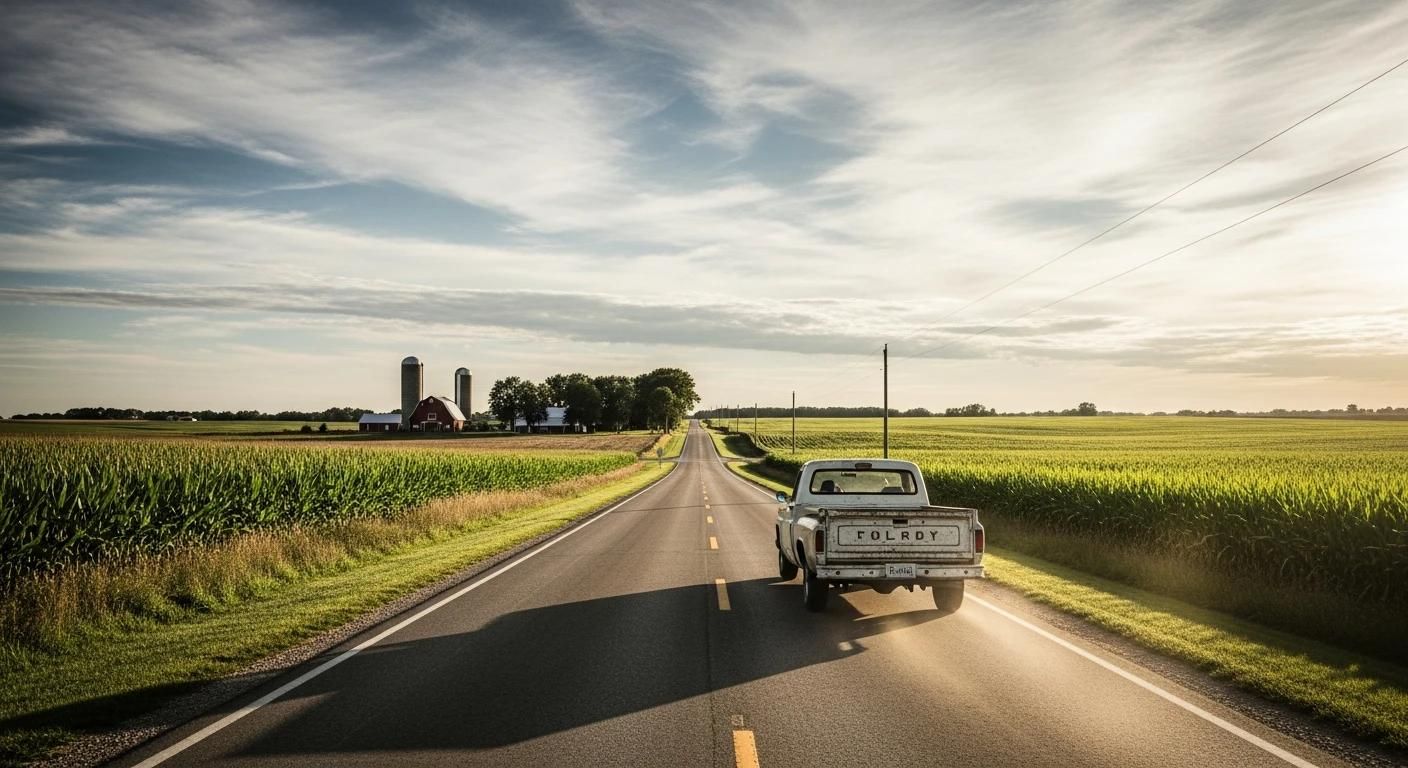
Iowa has about 3.2 million residents. It is the first state here with a mid-sized population. Yet its ratio is still near one vehicle per person. Farming defines the world. Corn and hogs lead the economy. Trucks, tractors, and utility vehicles are everywhere.
Iowa has 99 counties and many small towns. Residents often live far from work or shopping. Commutes by car are the norm. Des Moines is the main metro area. It has a bus network, but most workers drive. Cedar Rapids and Davenport follow the same pattern.
Registration costs in Iowa depend partly on a vehicle’s value and weight. That does not stop ownership. But it shapes what people buy and keep. Manufacturing plays a role. Agricultural equipment makers and suppliers employ many Iowans. Workers often live in outlying towns and drive in.
Winters are cold and snowy. Ice storms are common. Many families keep an extra vehicle to cover breakdowns. Young drivers add to the count. Rural teenagers often get their own cars. Parents see that as a practical need.
Older residents drive long into retirement. Small towns offer few alternatives. Vehicles stay on the books for decades. Iowa shows how a state with real towns still lands near one per person. Cities exist, but they are small. Most of the state works the way the plains states do.
6. Nebraska: About 0.96 Vehicles Per Resident
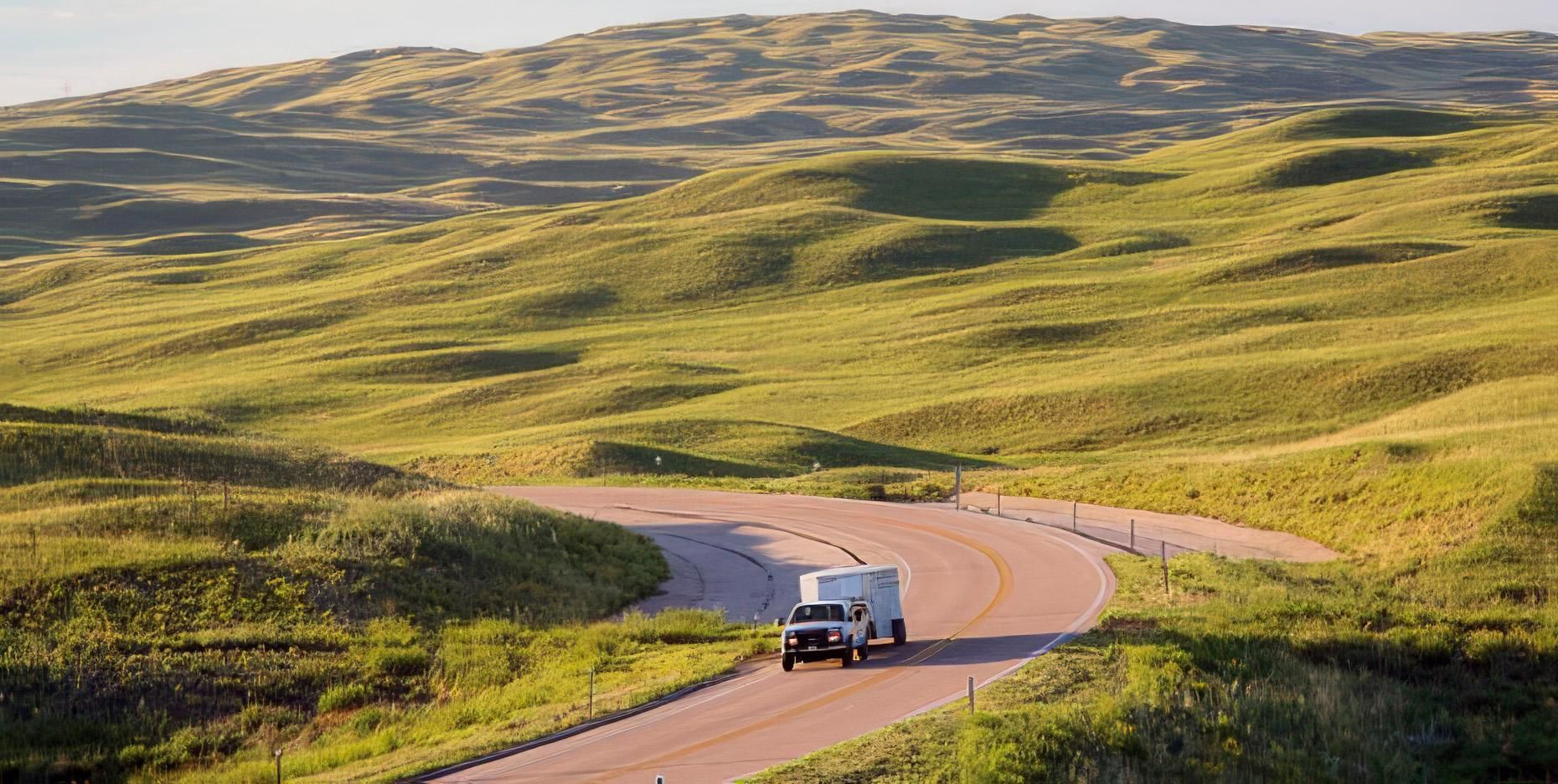
Nebraska has roughly two million residents. Omaha and Lincoln hold much of the population. The rest is spread across ranches and farm towns. Agriculture is the backbone. Beef, corn, and soybeans bring in the money. Pickups are as common as sedans.
The state is long and wide. Driving from Omaha to the western panhandle takes most of a day. Interstate 80 carries heavy traffic across it. That highway also brings freight. Trucking is a major employer. Many drivers live in Nebraska and keep personal vehicles too.
Omaha has a modest bus system. It serves a small share of trips. Most people there drive. Nebraska’s open land supports vehicle storage. Rural properties hold extra trucks, trailers, and equipment. Few households face parking limits.
Weather is a factor again. Blizzards, hail, and tornado season all arrive. Hail can total a vehicle in minutes, and owners often replace them quickly. The state has a strong used-vehicle market. Farm families trade trucks among relatives. Older vehicles stay in service.
Teen drivers get licenses early. Rural families rely on them for errands and farm tasks. That raises the count per household. Nebraska’s ratio sits just under one. It reflects a state where a car is a basic tool. And in many homes, there are more tools than people.
7. Idaho: About 0.94 Vehicles Per Resident
Idaho has grown fast in recent years. It now has about two million residents. Many moved from California, Washington, and Oregon. Newcomers brought vehicles with them. Many then bought trucks and SUVs suited to the terrain. That pushed registrations up.
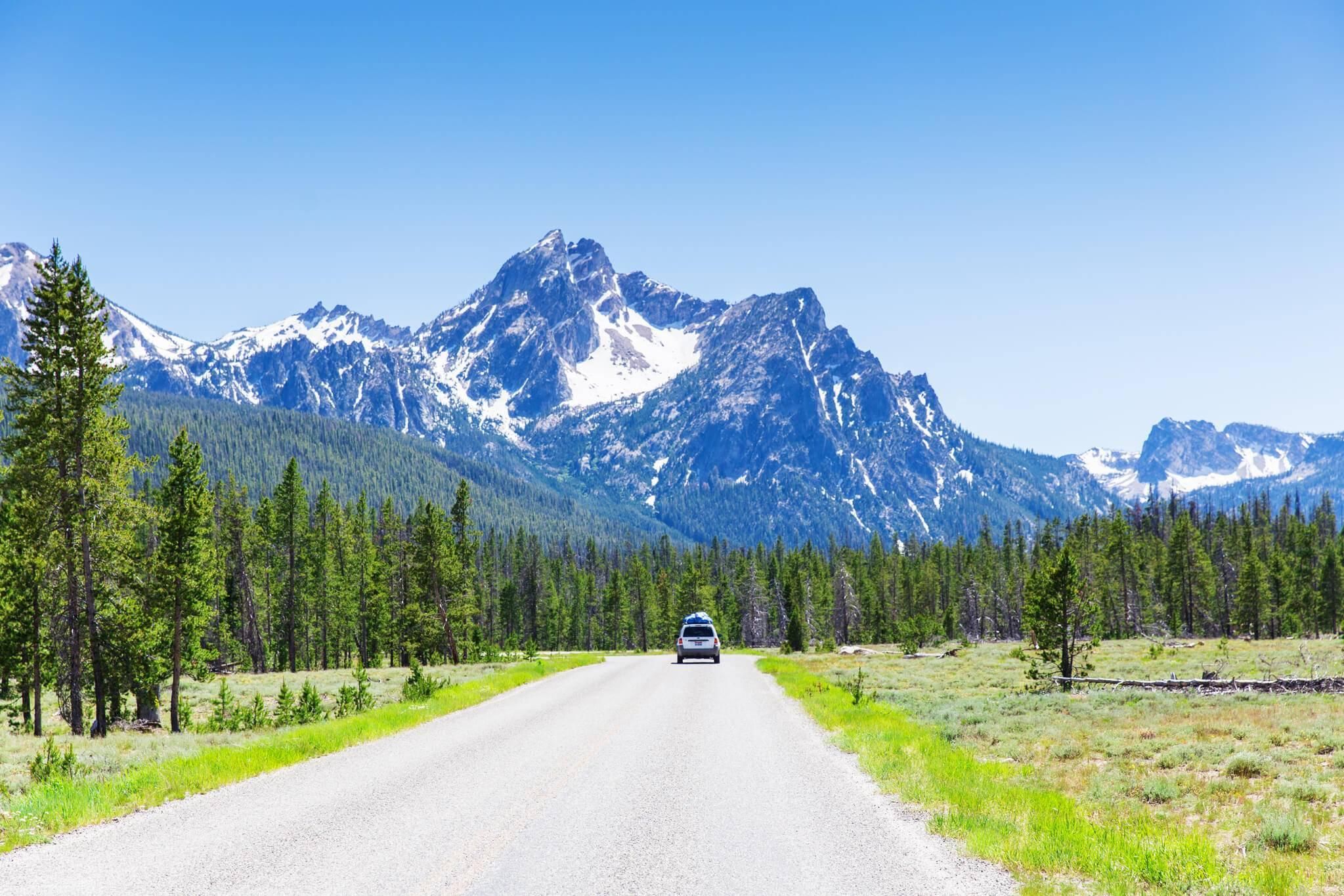
Boise is the center of the growth. It sprawls outward in all directions. Public transit is limited, so households need cars. Outside the Treasure Valley, the state is rugged. Mountains and canyons make travel slow. Towns are scattered and isolated.
Outdoor life shapes ownership. Residents keep trucks for hauling boats, campers, and snowmobiles. Off-road vehicles fill garages. Agriculture remains important. Potatoes are the famous crop. Farm trucks add to the fleet.
Winter driving is a real challenge in the mountains. Snowy passes close often. Four-wheel drive is common. Housing growth has also stretched commutes. Workers live in outer towns and drive into Boise. Two-car households are standard.
Idaho’s rules are relatively simple for registration. Fees are moderate. That makes owning several vehicles affordable. The state is a clear case of growth plus distance. People arrive, spread out, and buy more cars. Its ratio could keep rising if the trend continues.
8. Kansas: About 0.93 Vehicles Per Resident
Kansas has about 2.9 million residents. It is flat, wide, and heavily agricultural. Wheat fields stretch to the horizon. Farm work defines much of the state. Combines, grain trucks, and pickups are part of daily life. Many farm families own several vehicles.
Wichita is the largest city. It is known for aircraft manufacturing. Workers there commute by car. The Kansas City side of the state is more suburban. Johnson County is large and affluent. Households there often hold multiple vehicles per adult.
Public transit is limited everywhere. Wichita and Johnson County have bus routes. They carry few riders compared with cars. Kansas sits on major freight corridors. Trucking and logistics employ many. Drivers often own personal vehicles in addition to work rigs.
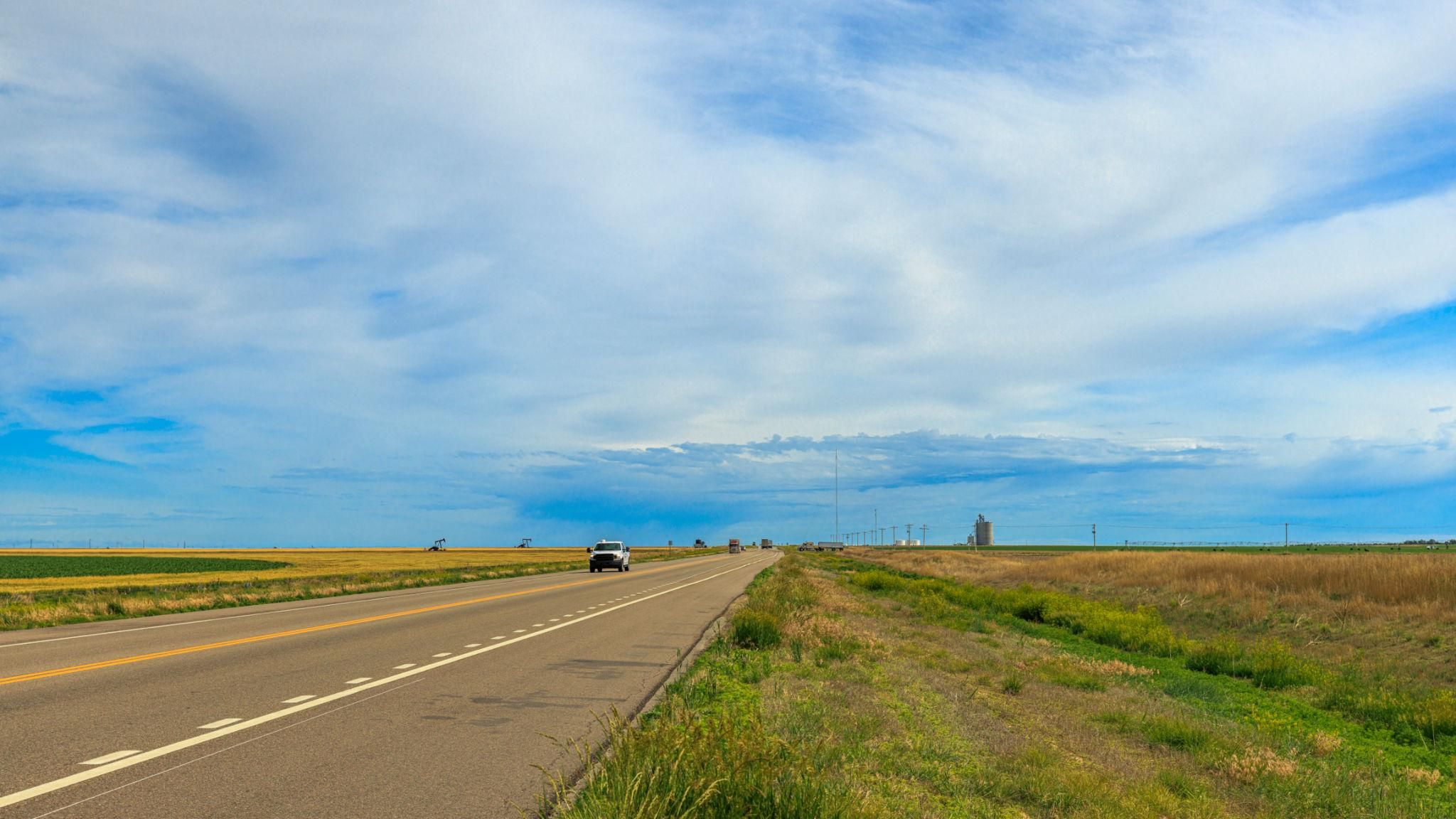
Weather is rough. Tornadoes, hail, and ice storms all strike. Vehicles are replaced often after damage. Small towns have lost population over time. Residents who remain drive farther for services. Hospitals and schools have consolidated.
That makes a reliable vehicle essential. Many seniors keep driving as long as they can. Families often add a second car for caregivers. Kansas reflects the Great Plains pattern. Rural distance and car-based suburbs both push the ratio up. The result is nearly one vehicle per person.
9. Alabama: About 0.92 Vehicles Per Resident
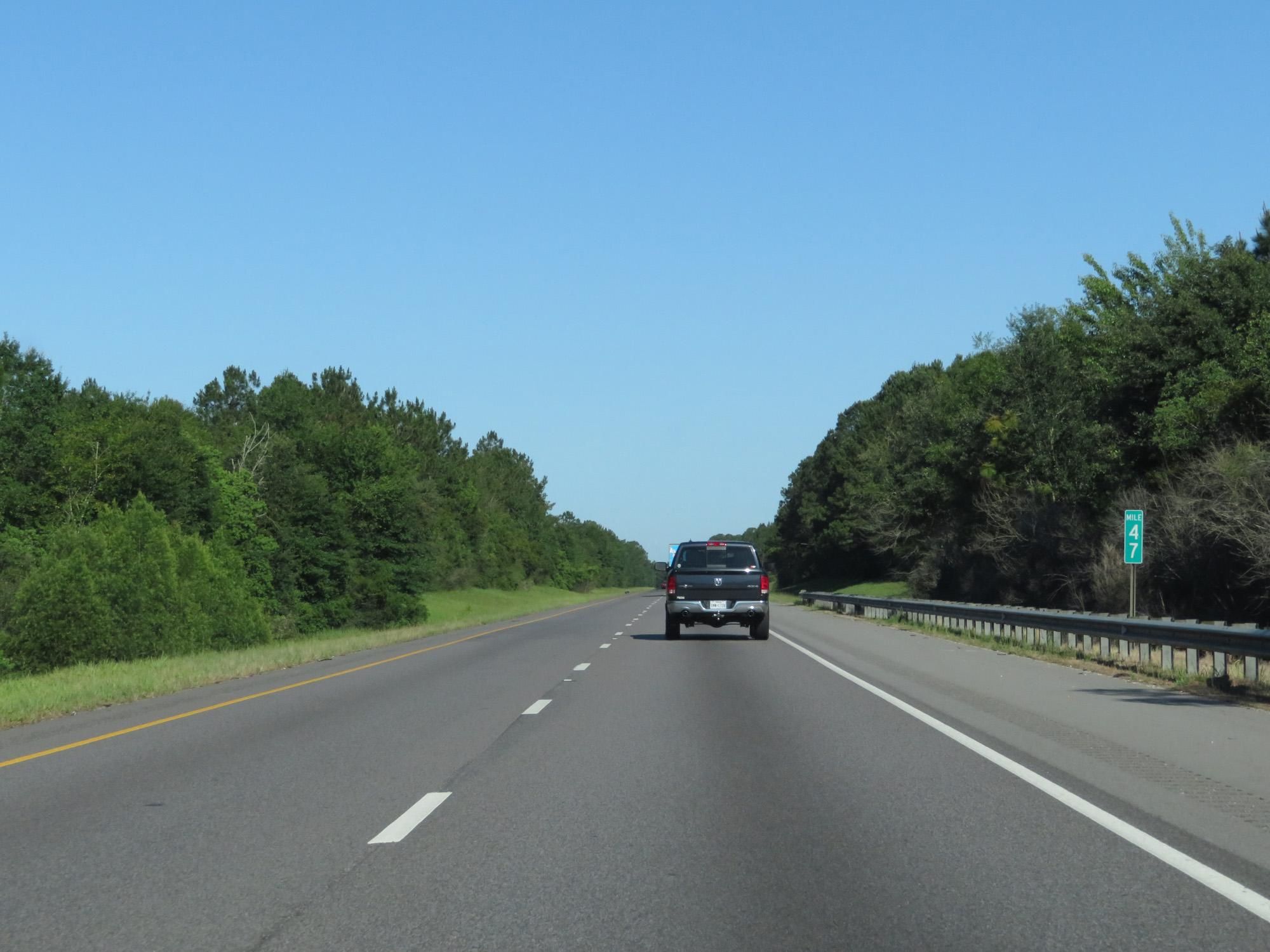
Alabama is the first southern state on the list. It has about 5.1 million residents. Yet it ranks near the top for vehicles per person. The state is car-dependent by design. Cities like Birmingham and Huntsville grew outward. Transit is thin, and sidewalks are limited.
Alabama is also a vehicle-making state. Mercedes-Benz builds SUVs near Tuscaloosa. Honda, Hyundai, and a Toyota-Mazda plant all operate there.
That industry shapes local culture. Many workers drive vehicles made in their own state. Employee purchase programs help. Rural Alabama has long distances to services. Many counties have no public transport. Residents drive for jobs, care, and school.
Incomes are lower than in many states. That leads to older vehicles staying in service. Households often keep an extra car for parts or backup. Pickup trucks are popular. They serve work, hunting, and family use. Many are passed down.
Heat and storms matter here. Hurricanes and tornadoes strike the state. Flooded or damaged vehicles are replaced, which keeps the market active.
Registration costs are fairly low. That makes holding several vehicles cheaper. Older cars stay registered longer. Alabama shows that high ratios are not only about wealth or space. They also reflect low transit and a strong auto industry. The state lives with cars at every level.
10. Minnesota: About 0.91 Vehicles Per Resident
Minnesota is a larger and more urban state than most on this list. It has about 5.7 million residents. The Twin Cities hold more than half of them. Even so, the ratio is high. The state has real winters. Many households keep extra vehicles for that reason.
Lakes and woods drive another kind of ownership. Families keep trucks to tow boats and campers. Cabin culture is strong in the north. Minneapolis and Saint Paul have rail and bus service. Ridership is meaningful. Still, most suburban residents drive.
Suburbs spread wide around the metro. Many two-income households hold two or three cars. Teenagers often add another. Outside the metro, the state is rural. Farming and mining shape the economy. The Iron Range relies on heavy trucks.
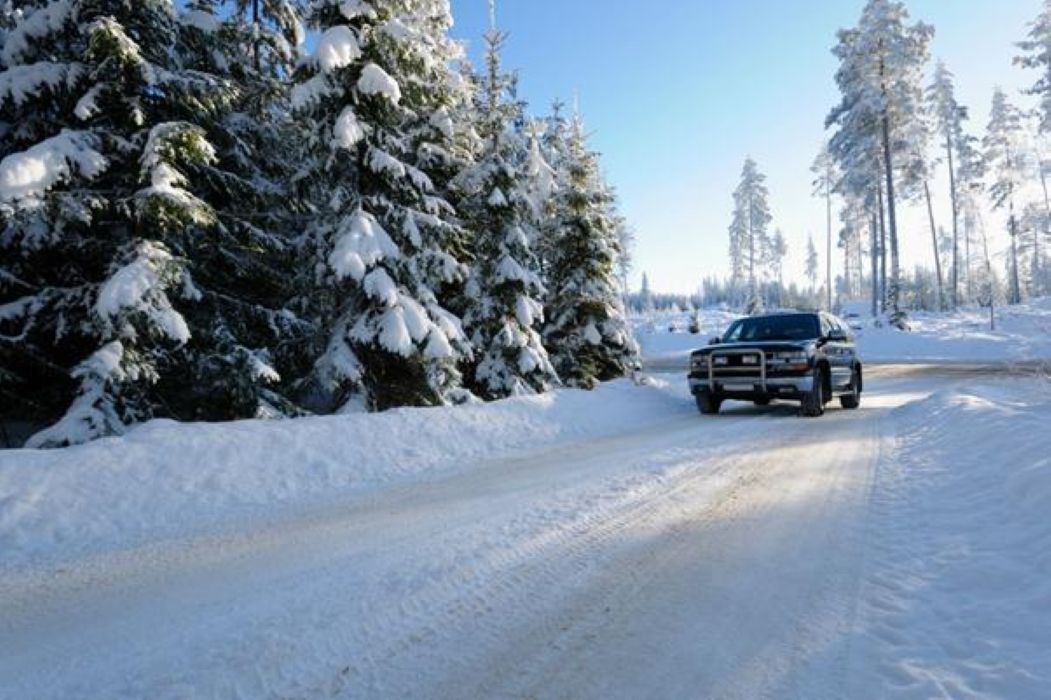
Cold weather affects vehicle life. Road salt speeds rust. Owners replace cars more often. Snow adds seasonal habits. Some owners keep a winter beater. Others keep a summer car stored for months.
Minnesota also has a strong outdoor identity. Ice fishing, hunting, and snowmobiling all need hauling. Trucks and SUVs are common. The ratio shows that a state with good cities can still be car-heavy. Climate, lakes, and suburbs all contribute. Minnesota blends urban and rural patterns in one number.
11. Vermont: About 0.90 Vehicles Per Resident
Vermont is tiny in population. About 650,000 people live there. It is one of the most rural states in the country. There are no large cities. Burlington is the biggest, and it is small by national standards. Most residents live in villages or on back roads.
Public transit exists but is sparse. Buses serve main corridors. They rarely reach hillside homes. Winters are long and snowy. All-wheel drive is almost expected. Subaru has a famously strong presence in the state.
Many households keep two or three vehicles. One may be a winter car. Another may be a truck for firewood and hauling. Roads are narrow and hilly. Dirt roads are common in many towns. Mud season makes them hard to drive.
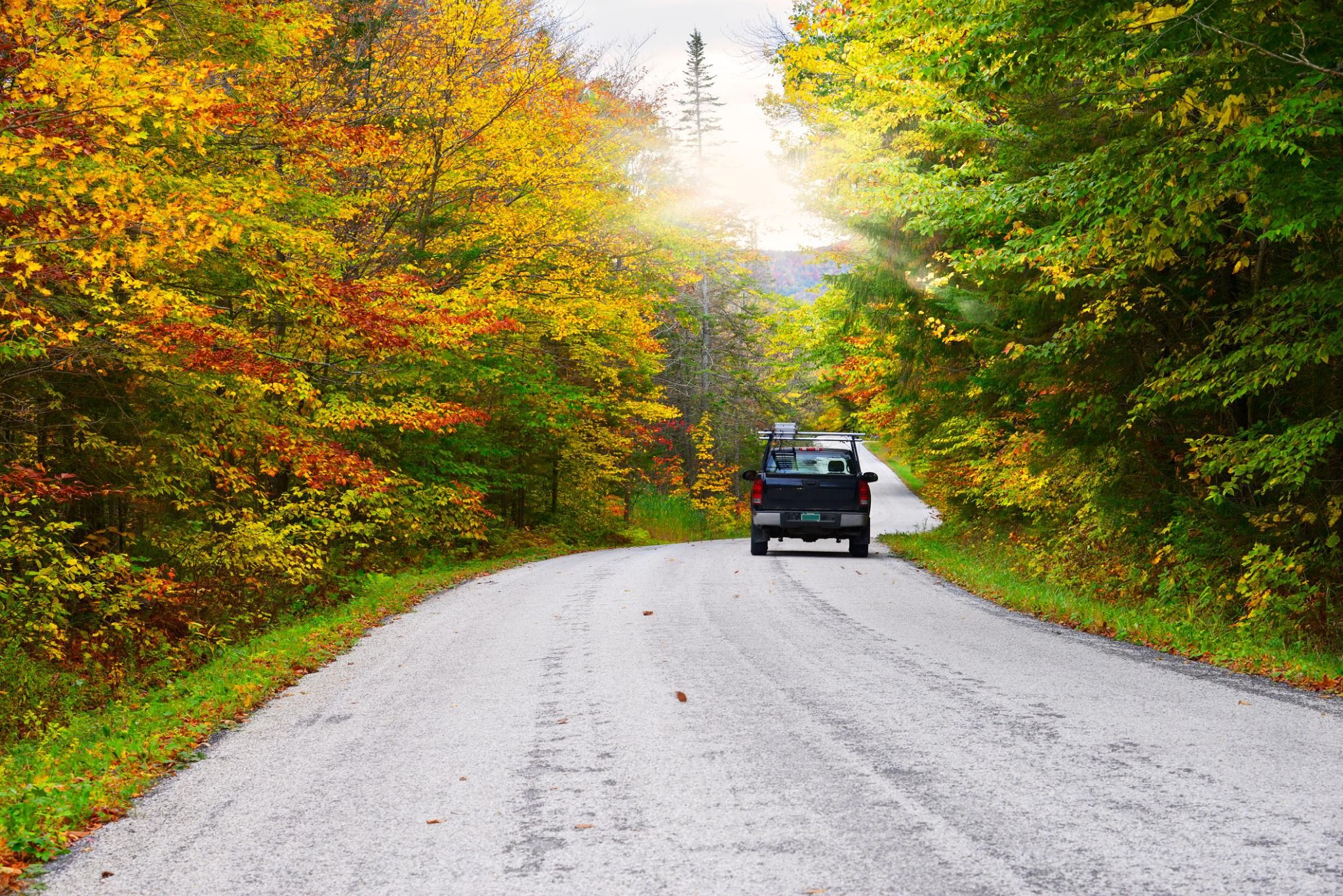
The state is also a tourist magnet. Skiers and leaf-peepers arrive in large numbers. They add traffic but not registrations. Vermont has strong environmental values. It also has some of the nation’s early electric vehicle incentives. Yet the sheer need to drive keeps the ratio high.
Older vehicles linger. Cold and salt take a toll, so owners replace them often. But a spare is always handy. Vermont’s place shows that green politics and car ownership can coexist. Geography wins out. People need vehicles to live there.
12. Missouri: About 0.89 Vehicles Per Resident
Missouri has about 6.2 million residents. It is the largest state on this list by population. Yet it still ranks twelfth for vehicles per person. The state has two big metros. Kansas City and Saint Louis both sprawl widely. Transit reaches only parts of each.
Kansas City is especially car-oriented. It has long highways and low density. Many commuters drive alone. Missouri also builds vehicles. Ford assembles trucks near Kansas City. General Motors operates a plant at Wentzville.
Those jobs support many families. Workers and suppliers often buy local products. Pickups and vans are common. Rural Missouri is large too. The Ozarks and the Bootheel have scattered towns. Residents drive far for work and care.
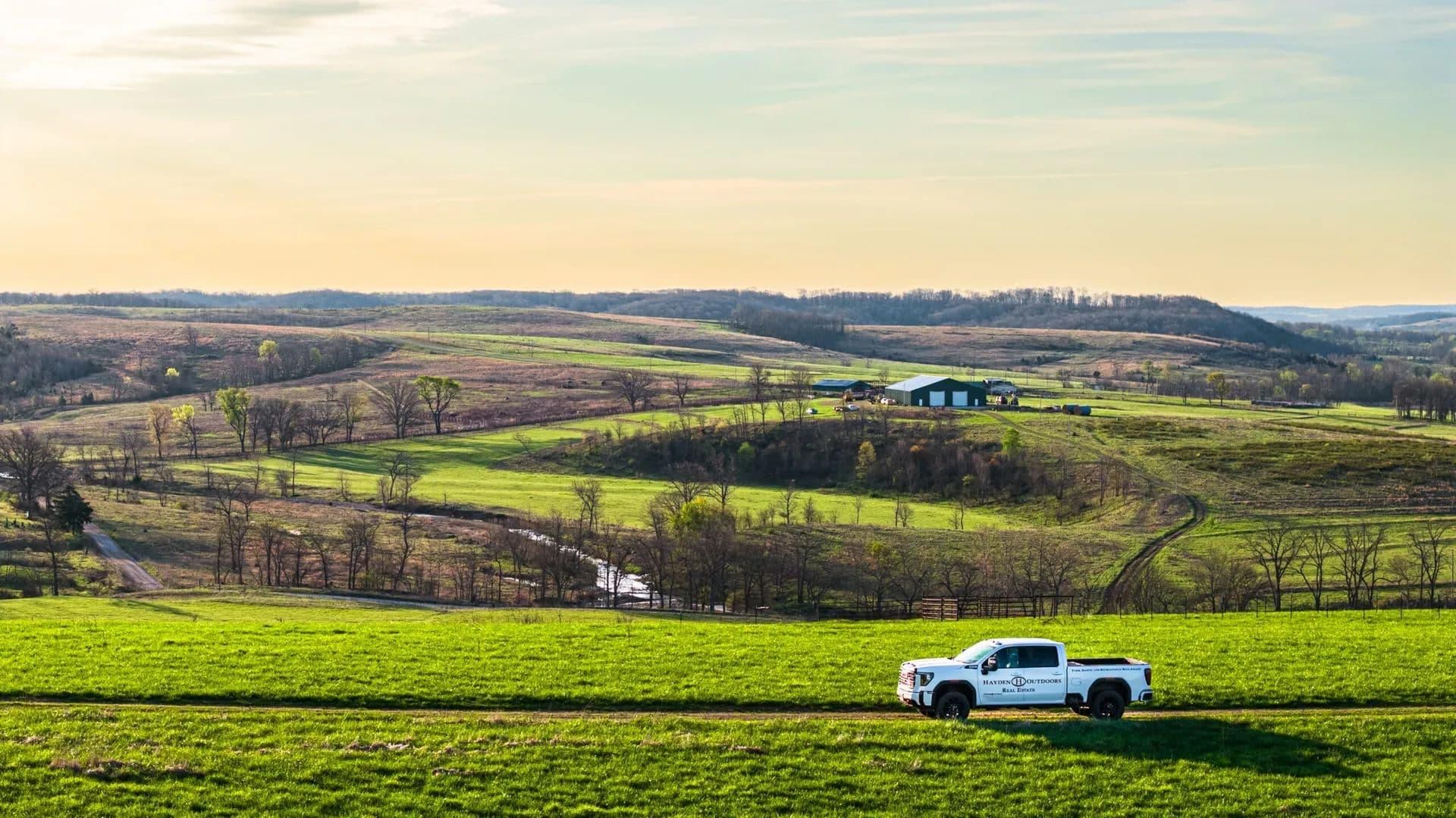
Weather brings hazards. Tornadoes, hail, and ice storms all hit the state. Vehicle replacement is frequent. Incomes are moderate. Many households buy used vehicles and keep them running. An extra car often serves as backup.
Registration and licensing are fairly low-cost. That supports multi-vehicle households. Older cars stay on the road. Missouri closes the list with a mix of city and country. Both sides depend on cars. The ratio shows how deeply that dependence runs.