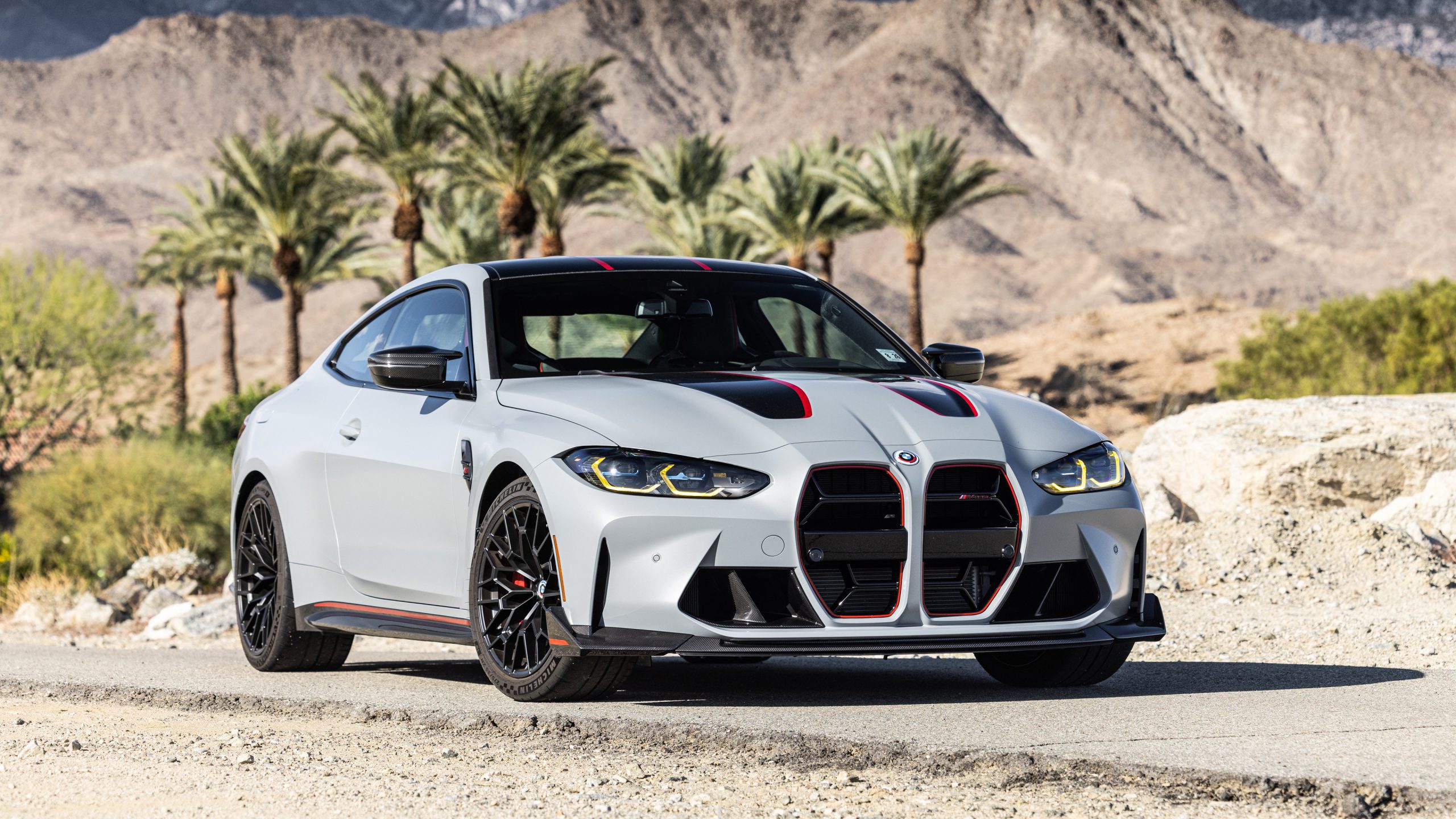
American drivers may want electric vehicles capable of traveling hundreds of miles on a single charge, even when their everyday journeys require far less range.
A BMW Group survey highlights a gap between what consumers say they need for daily driving and what they want before committing to an electric vehicle, raising questions about battery costs, affordability, and future EV design.
Published by WardsAuto on October 12, 2026, the report draws on a survey of 1,005 U.S. adults. Its findings suggest that range remains a major consideration for prospective EV buyers despite improvements in battery technology and the expanding selection of long-range models.
The Gap Between Daily Driving and Desired EV Range
BMW’s survey found that 73% of respondents believed 75 miles or less would cover their normal daily driving. Yet 42% wanted at least 300 miles of range before considering an EV, while 18% wanted 400 miles or more.
This contrast suggests many shoppers judge electric vehicles by their ability to handle occasional long trips, not just daily commutes.
Range remains an important purchasing factor. BMW reported that 72% of respondents considered minimum driving range important when deciding whether to buy an EV.
Even drivers who rarely travel far may prefer a vehicle with substantial range because it offers flexibility for holidays, family visits, and journeys through areas with limited charging infrastructure.
The survey was conducted online from September 11 to 13, 2026, among U.S. adults aged 18 and older. It measures reported preferences rather than actual driving records, so it does not prove that people would accept a shorter-range EV if its price were lower.
Weather and driving conditions can also affect real-world range. Cold temperatures, highway speeds, cabin heating, elevation changes, and towing may reduce the distance an EV can travel compared with its advertised estimate. Buyers may therefore want extra capacity as a safety margin, even if their normal driving needs are modest.
Range also provides peace of mind. A large advertised figure can reassure shoppers that they will not need to plan charging stops frequently. Automakers must determine how much customers are willing to pay for that reassurance and whether a smaller battery could meet their practical needs.
Bigger Batteries Can Make Affordable EVs More Difficult to Build
Battery capacity is a major cost and packaging decision. Larger batteries generally store more energy and increase potential range, but they require additional cells, materials, and manufacturing capacity. Their weight can also affect efficiency and vehicle dynamics.
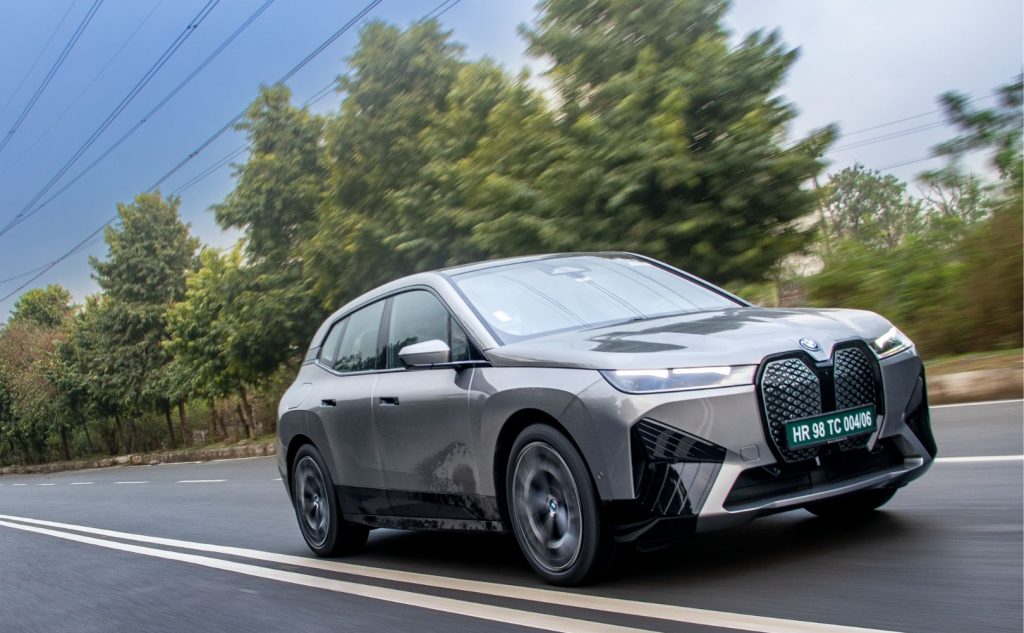
For manufacturers developing affordable EVs, this creates a difficult balance. A commuter-focused vehicle may need less battery capacity if owners mostly travel short distances and can charge at home. However, a low-range model may struggle to attract shoppers who compare specifications before considering their actual routines.
BMW’s survey found that purchase price was the leading barrier to EV consideration, cited by 51% of respondents. Another 27% of Americans who would consider an EV identified lower ownership and operating costs as a reason for their interest.
These results suggest consumers recognize potential savings but remain concerned about the initial purchase price.
One solution could be offering different battery sizes within the same model family. A lower-cost version could target predictable commutes, while a longer-range variant could serve drivers who regularly travel between cities. Customers would pay for extra capacity when they value it rather than having a large battery included in every configuration.
A smaller battery will not automatically produce a proportionately cheaper vehicle. Chemistry, pack construction, electronics, labor, manufacturing scale, and warranty requirements all affect costs. Automakers must also ensure that reduced range remains practical in unfavorable weather.
Used EVs offer another opportunity. BMW found that 55% of respondents would consider a certified pre-owned or used electric vehicle if the savings compared with a new one were sufficient. Clear information about battery health, remaining warranty, and real-world range will be important to building confidence in this market.
Fast Charging Could Matter as Much as Maximum Range
BMW’s findings suggest buyers are considering charging speed alongside battery size. The survey found that 53% of respondents would be more likely to consider an EV if it could add approximately 150 miles of range in a 10-minute charging stop. Interest reached 70% among Gen Z respondents and 65% among Millennials.
Faster charging could make a smaller battery more appealing by reducing the time needed to continue longer journeys. Actual charging speed depends on the vehicle, battery temperature, charging station output, and battery state of charge, so advertised charging times are not guaranteed at every stop.
Home charging is another important factor. Drivers who can charge overnight may find that a moderate-range EV easily covers daily journeys. People living in apartments or relying on street parking may depend more heavily on public charging access and reliability.
The survey also found that 57% of respondents would be more likely to buy an EV if it supported vehicle-to-home charging, allowing a compatible vehicle to supply electricity during a power outage. The usefulness of this feature depends on compatible equipment and installation costs.
These preferences suggest charging convenience and energy-management features could become important selling points alongside range. A moderately priced EV with dependable charging may appeal to some buyers more than an expensive model with a larger battery.
What the Findings Mean for Future EV Design
BMW’s survey does not suggest that long-range EVs have lost their value. Driving requirements vary, with some people making short daily trips while others need to cover long distances, tow heavy loads, or travel through areas where charging stations are scarce.
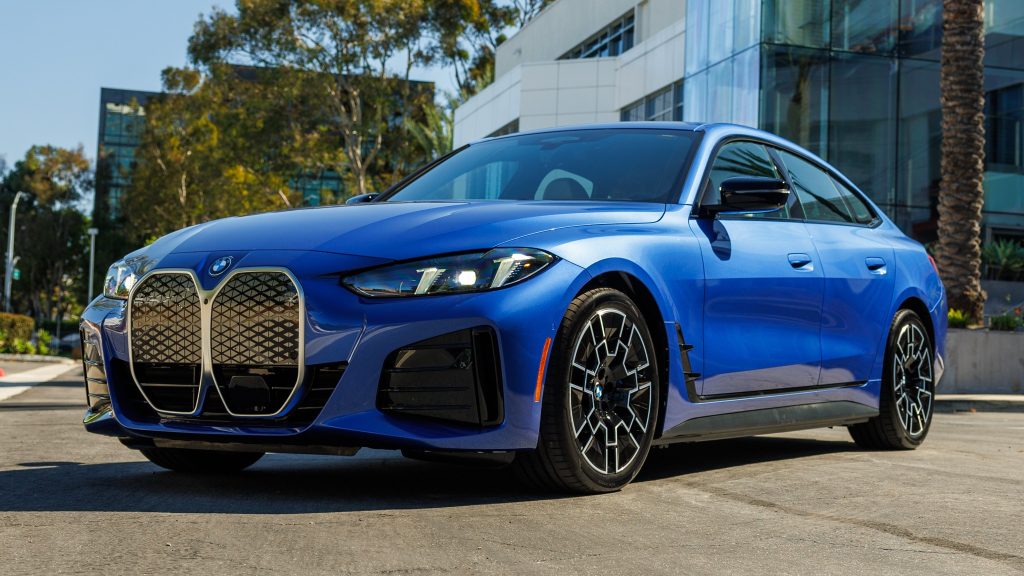
Automakers could respond with more differentiated products, combining smaller batteries and efficient designs for affordable models with larger packs for buyers who need extra range. BMW’s new iX3, for example, is listed with an estimated range of up to 434 miles, depending on configuration.
The company continues to pursue long-range capability, but its survey highlights the importance of price and charging convenience as well.
The challenge will be convincing shoppers that a lower-range EV can still meet their needs. Realistic range estimates, transparent charging information, and clear battery-warranty terms could help consumers compare vehicles based on their actual circumstances.
For the U.S. market, the opportunity is not necessarily to make every electric vehicle travel farther. It is to offer combinations of range, price, and charging capability that suit different drivers without sacrificing the confidence they need to switch from gasoline.