

A used car’s purchase price can look attractive until an expensive feature needs replacement. Modern vehicles offer advanced safety systems, sophisticated suspensions, turbocharged engines, and technology-packed interiors, but these additions can increase repair complexity as a car ages.
Even a minor collision or a failed electronic component may require specialized parts, diagnostic equipment, or professional calibration. For American used-car shoppers, understanding which features carry higher repair risks can help prevent unpleasant financial surprises.
The goal is not to avoid modern technology altogether, but to identify potential expenses, inspect the vehicle carefully, and choose equipment that fits your budget.
1. Advanced Driver-Assistance Systems
Key concerns: Sensor replacement, calibration, and specialized labor
Features such as automatic emergency braking, adaptive cruise control, blind-spot monitoring, and lane-keeping assistance can improve safety, but they also introduce additional components that may become expensive to repair. These systems rely on cameras, radar units, ultrasonic sensors, and electronic control modules positioned around the vehicle.
The difficulty is that repairing the damaged part may not be enough. Sensors often require precise calibration after a collision, windshield replacement, wheel alignment, or suspension repair. Without the correct procedure, the system might not detect obstacles or interpret the road accurately.
AAA’s 2023 research found that replacing advanced driver-assistance components in a minor front-end collision cost an average of $1,540 for the three 2023 vehicles examined. The figure covered these components rather than the entire collision repair bill.
For used-car shoppers, the equipment deserves particular attention after even a seemingly minor accident. Check whether warning lights remain illuminated, ask for collision-repair invoices, and verify that required calibrations were completed.

A vehicle history report may identify reported damage, but it cannot confirm that every repair was performed correctly.
Before buying, obtain an insurance estimate and ask a qualified repair shop about the likely replacement and calibration costs for the specific model.
These systems can provide valuable safety benefits, so removing or disabling them is not an appropriate cost-saving strategy. The smarter approach is to understand their repair requirements before purchasing a used vehicle equipped with them.
2. Air Suspension Systems
Key concerns: air springs, compressors, valves, and electronic controls
Air suspension can make a luxury SUV or sedan feel exceptionally comfortable by adjusting ride height and spring stiffness according to driving conditions. However, the system uses more components than a conventional steel-spring suspension, creating additional potential repair expenses as a vehicle ages.
Air springs can develop leaks, compressors can wear out, and height sensors or electronic controls can fail. A leaking air spring may cause one corner of the vehicle to sit lower than the others, while a struggling compressor may run excessively as it attempts to maintain the correct ride height.
These symptoms warrant professional inspection rather than continued driving without diagnosis.
The cost depends on the vehicle’s design and which components require replacement. Some systems allow individual parts to be serviced, while others involve assemblies that are more expensive or labor-intensive to access. Luxury models may also require specialized diagnostic equipment and procedures.
When inspecting a used vehicle, leave it parked long enough to check whether its ride height changes noticeably. Test the suspension’s available settings, listen for an unusually persistent compressor, and watch for suspension warnings on the dashboard. A brief test drive alone may not reveal a slow air leak.
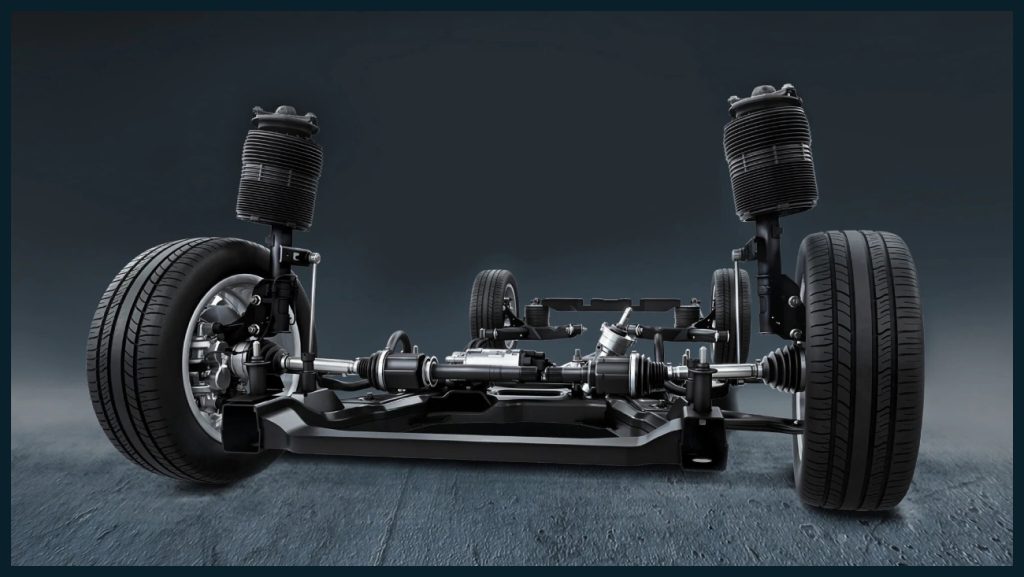
Ask for maintenance records and have a specialist inspect the system if the vehicle has unusually high mileage or an uncertain repair history. Compare the cost of replacing air-suspension components with the cost of maintaining a conventional suspension on an alternative model.
Air suspension is not inherently unreliable, and many examples operate well for years. The financial concern is that when problems arise, repairs can be substantially more complicated than replacing ordinary springs and shock absorbers.
3. Turbocharged Engines
Key concerns: turbocharger, oil supply, cooling, and related components
Turbocharging allows a relatively small engine to produce more power by forcing additional air into its cylinders. It can improve the balance between performance and fuel economy, but it also adds components that require proper lubrication, cooling, and maintenance.
The turbocharger operates under demanding temperatures and rotational speeds. Depending on the design, repairs may involve the turbo itself, oil lines, coolant lines, boost-control components, or associated sensors. A problem that initially appears to be a loss of engine power may therefore require more investigation than a routine service visit.
Not every turbocharged engine is expensive to maintain, and a turbocharger failure is not inevitable. Reliability depends on the particular engine, its design, service history, operating conditions, and how the vehicle has been driven.
Following the manufacturer’s oil specifications and maintenance schedule is important, especially for engines with demanding lubrication requirements.
Used-car buyers should look for evidence of neglected oil changes, unexplained smoke from the exhaust, unusual whining noises, warning lights, or inconsistent acceleration.
None of these symptoms independently proves that the turbocharger has failed, but each can justify further diagnosis. A qualified mechanic should also inspect for oil leaks and stored diagnostic trouble codes.
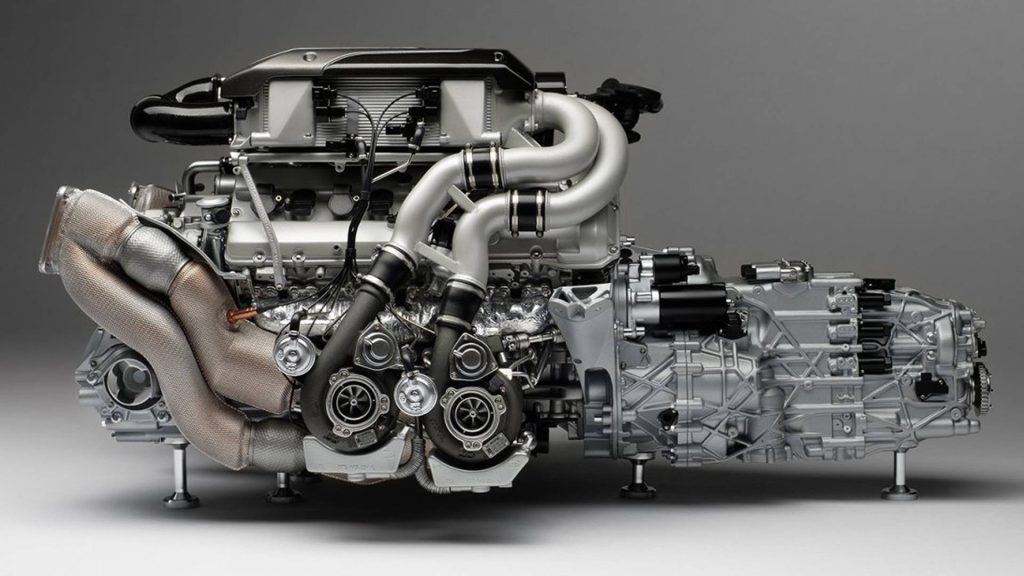
Ask the seller for service invoices rather than relying solely on verbal assurances. If the vehicle has undergone engine modifications or performance tuning, establish exactly what was changed and whether the work was professionally completed.
Before purchasing, compare the repair exposure of the specific turbocharged model with that of naturally aspirated alternatives. A turbo engine may be an excellent choice, but buying one with an uncertain maintenance history can turn an attractive used-car price into a costly ownership experience.
4. Panoramic Sunroofs and Power Glass Roofs
Key concerns: Glass panels, drainage channels, motors, and seals
A panoramic sunroof can make a cabin feel brighter and more spacious, but its large glass panels and moving mechanisms introduce additional components that may need attention as a vehicle ages. Depending on the design, repairs can involve the glass, operating motor, tracks, seals, drain tubes, or surrounding trim.
Water intrusion is one of the most important issues to investigate. Sunroof drainage systems direct water away from the roof opening, but blocked or damaged drains can allow moisture to enter the cabin.
Persistent dampness may damage carpets, create unpleasant odors, or affect electrical components beneath the flooring. Replacing a seal alone will not necessarily solve a drainage problem.
The glass and operating mechanism can also be expensive to repair if damaged. A roof panel may require specialized parts, while accessing the tracks or motor can involve removing interior trim and headliner components. Costs vary substantially by make, model, and the nature of the fault.
During a used-car inspection, operate the roof through its available positions and listen for grinding, hesitation, or uneven movement. Examine the headliner and roof pillars for water stains, check the carpets for dampness, and look for signs of previous water-related repairs.

Ask whether the drainage system has been serviced and whether any roof leaks have been documented. A professional inspection is particularly worthwhile if the car has spent years outdoors or has visible moisture damage.
A panoramic roof is not automatically a liability, but it adds complexity that a fixed roof does not have. If you rarely use the feature, compare the vehicle’s price and condition against a similar model without it before deciding whether the additional equipment is worth the potential repair exposure.
5. Adaptive LED Headlights and Matrix Lighting
Key concerns: Integrated lighting assemblies, control modules, and aiming
Headlights have evolved well beyond replaceable bulbs. Many newer vehicles use LED assemblies, adaptive cornering lights, or matrix lighting systems that adjust illumination according to steering input and surrounding traffic.
These features can improve visibility, but their integrated construction can make repairs more expensive when something fails.
On some vehicles, an LED module or control unit can be serviced separately. On others, the manufacturer specifies replacement of a larger headlight assembly.
The cost depends on the vehicle, parts availability, and whether the damage affects the housing, electronics, or lighting elements. Luxury models with specialized adaptive systems may involve additional diagnostic and aiming procedures.
Collision damage is another concern. Headlights are positioned at the front corners of a vehicle, where they can be damaged in parking incidents or minor crashes. A cracked housing, broken mounting tab, or damaged wiring may require more work than the visible damage suggests.
Used-car buyers should test both headlights, high beams, turn signals, and any adaptive lighting functions. Check for moisture inside the housings, inconsistent brightness, warning messages, or headlights that fail to adjust correctly.
Condensation patterns vary by design, so persistent water accumulation deserves professional assessment rather than an automatic assumption that the unit has failed.
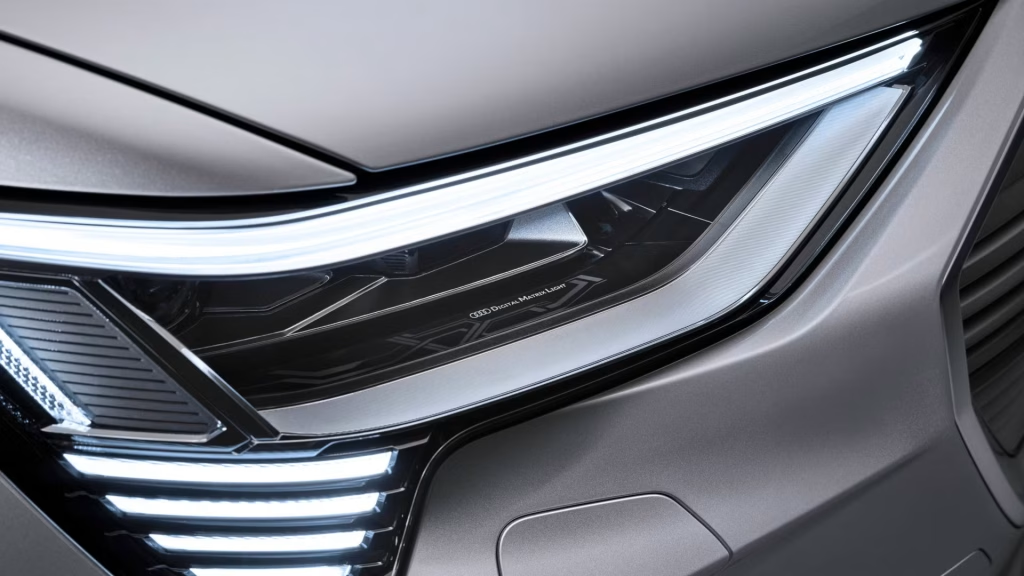
Before buying, ask a repair shop for the price of a replacement assembly and any required programming or aiming work. Compare original-equipment and approved alternative parts where permitted, ensuring that any replacement meets the vehicle’s specifications.
Advanced lighting is useful, particularly for nighttime driving, but it can increase repair bills after damage. A used vehicle with intact lighting, documented repairs, and no warning messages is a safer financial proposition than one with an unresolved headlight fault.
6. Large Touchscreens and Integrated Infotainment Systems
Key concerns: Displays, control modules, software, and replacement parts
A large central touchscreen can control navigation, climate settings, audio, vehicle preferences, and even functions that older cars operated through physical buttons. This integration creates a potential repair headache when the display or its supporting electronics stop working.
A fault may originate in the screen itself, the underlying control module, wiring, software, or another connected component. Depending on the vehicle, diagnosing the problem may require manufacturer-specific tools or software updates. Replacement can also involve programming the new unit to communicate correctly with the car.
The financial risk varies widely. A straightforward software issue may be resolved without replacing hardware, while a failed integrated unit can cost considerably more. Some manufacturers also restrict certain functions or replacement procedures to authorized equipment, potentially narrowing the repair options available to an independent shop.
When examining a used vehicle, test the touchscreen thoroughly. Check navigation, Bluetooth, smartphone connectivity, audio, climate controls, backup-camera display, and steering-wheel controls. Look for frozen menus, random restarts, dead sections of the screen, and warning messages. Confirm that important functions remain accessible if the display fails.
Ask whether the infotainment system has previously been replaced and whether the repair is documented. Verify that any factory warranty or applicable extended coverage transfers to the next owner.

Physical controls are worth considering, too. A vehicle that routes nearly every function through one screen may be more inconvenient to use if the display develops a fault. Before purchase, compare replacement-part prices and ask a specialist about known problems affecting that model year.
Modern infotainment can make driving more convenient, but it should be tested like any other major vehicle system. A polished showroom display does not guarantee that the electronics will remain trouble-free after several years of use.
7. All-Wheel Drive and Sophisticated Four-Wheel-Drive Systems
Key concerns: Transfer cases, differentials, couplings, and additional driveline parts
All-wheel drive can improve traction in slippery conditions, while four-wheel-drive systems may provide useful capability on rough terrain. However, these drivetrains contain additional components compared with many two-wheel-drive vehicles, creating more parts that may require servicing or repair.
Depending on the design, an AWD or 4WD system may include a transfer case, additional differential, driveshafts, electronic couplings, and control components. Wear, fluid leaks, neglected servicing, or damage from demanding use can lead to costly problems. Not every system contains the same components, so repair exposure varies by vehicle.
Tire condition matters more than many used-car shoppers realize. Significant differences in tire circumference can place additional stress on certain AWD systems. Owners should follow the manufacturer’s tire-matching requirements and replacement guidance rather than mixing unsuitable sizes or substantially different wear levels.
During a test drive, listen for humming, grinding, clunking, or vibration that changes with speed or acceleration. Test the available drive modes according to the owner’s manual, and look for warning messages or evidence of fluid leaks. These symptoms are not conclusive diagnoses, so a specialist should investigate any concerns.
Maintenance records are especially useful when the vehicle has been used for towing, frequent off-road driving, or regular travel through severe conditions. Ask whether the required drivetrain fluids and inspections have been completed at the prescribed intervals.
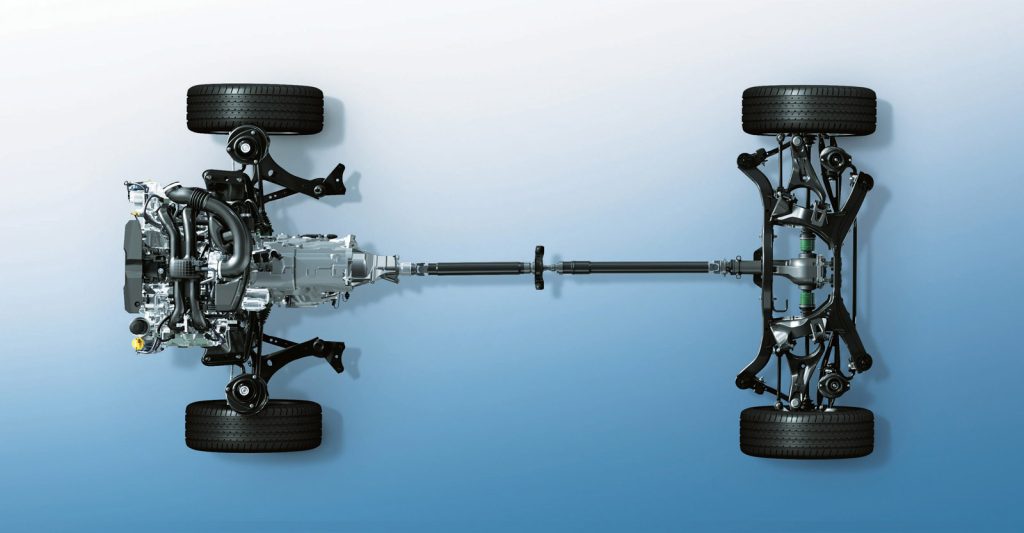
AWD and 4WD are valuable features when they match the owner’s needs. The problem arises when buyers pay extra for capability they rarely use while overlooking the potential cost of maintaining the additional hardware.
Before purchasing, compare a vehicle’s service requirements and repair exposure with those of a similar two-wheel-drive version. A careful inspection can help distinguish a well-maintained drivetrain from one that may soon require expensive attention.
8. Hybrid Systems and High-Voltage Battery Components
Key concerns: Traction batteries, power electronics, cooling systems, and specialist labor
Hybrid vehicles can reduce gasoline consumption, particularly in city driving, but their high-voltage components deserve attention when buying used.
Depending on the design, a hybrid combines a gasoline engine with an electric motor, traction battery, power electronics, and a dedicated cooling system. Plug-in hybrids add charging hardware and generally larger batteries.
A battery problem does not automatically mean the entire pack needs replacement. Diagnosis may identify a cooling fault, electrical connection issue, or another component that can be repaired separately. However, some failures require expensive battery work, and costs depend on the model, parts availability, warranty coverage, and repair options.
Battery warranties vary by vehicle and jurisdiction. In the United States, federal emissions rules generally require qualifying hybrid and electric vehicle batteries and other covered emissions-related components to receive at least an eight-year or 100,000-mile warranty, with certain California emissions states applying longer coverage requirements to qualifying vehicles.
The exact coverage depends on the vehicle, applicable regulations, and component. Buyers should verify the specific warranty rather than assume every battery has identical protection.
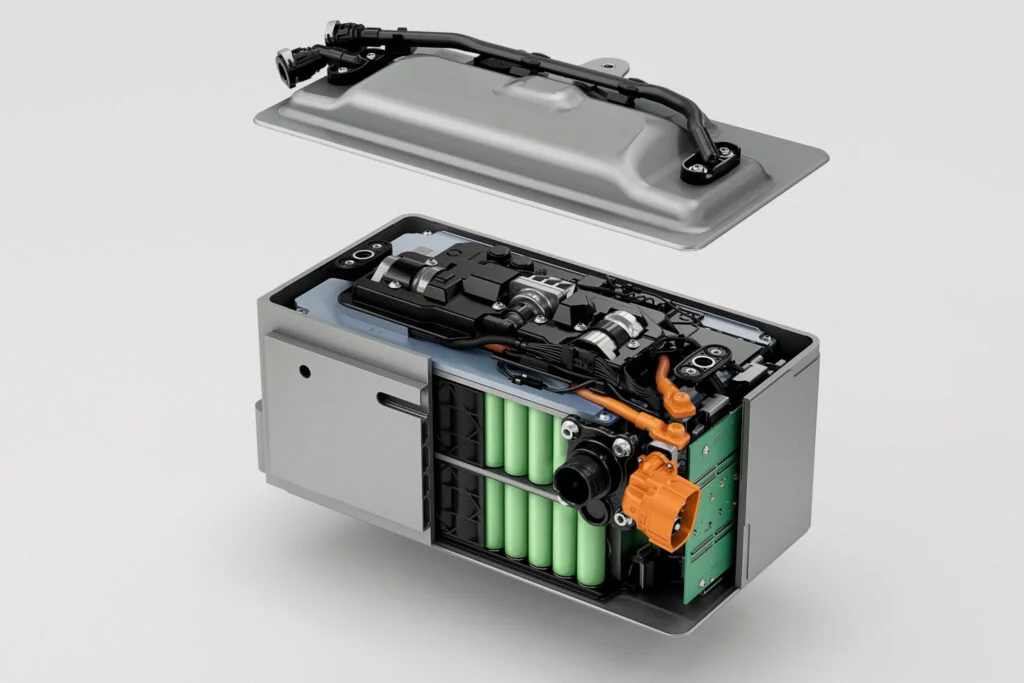
During a used-car inspection, check for hybrid-system warning lights, unusual changes in engine operation, and evidence of previous battery repairs. Ask a qualified technician to scan the hybrid system and assess battery condition using manufacturer-appropriate diagnostic procedures.
Also verify the vehicle’s service history and remaining warranty by checking its model year, mileage, and vehicle identification number with the manufacturer or dealer. Do not rely solely on a seller’s claim that the battery is healthy.
A hybrid can still be an economical used-car purchase, particularly when fuel savings suit your driving pattern. The sensible approach is to compare its efficiency benefits with the potential cost of high-voltage repairs, then choose an example with documented maintenance and a satisfactory specialist inspection.
