A car’s purchase price is only part of what it costs to own. Depreciation, the loss in market value over time, can quietly become one of the largest expenses motorists face.
Some vehicles lose a substantial portion of their value within five years, while others remain desirable in the used-car market because of their reputation, limited supply, reliability, performance, or strong buyer demand.
For American shoppers, choosing a vehicle that holds its value can reduce the financial impact of ownership and improve the amount recovered when it is time to sell or trade in.
1. Porsche 911
Five-year depreciation: 19.5% | Average value lost: $24,428
The Porsche 911 demonstrates that an expensive sports car does not necessarily have to suffer the steepest financial decline. According to iSeeCars’ March 2025 depreciation study, which analyzed more than 800,000 five-year-old used vehicles sold in the United States, the 911 ranked first among vehicles with the lowest five-year depreciation.
Its average depreciation was 19.5%, substantially below the 45.6% average recorded across all vehicles in the study.
What makes this result remarkable is the car’s position in the market. The 911 is a premium performance vehicle, yet it benefits from decades of recognizable styling, a distinctive rear-engine layout, and a loyal enthusiast following.
Porsche has continued refining the formula rather than radically changing the car’s identity with every generation. This continuity helps older examples remain recognizable and desirable to buyers who appreciate the model’s established character.
There is also a practical distinction between percentage depreciation and actual money lost. The study estimated an average five-year value reduction of $24,428 for the 911. That is a considerable sum, even with its strong resale performance.
Buyers should therefore avoid interpreting a low depreciation percentage as proof that the vehicle is inexpensive to own.
Condition and specification can influence an individual car’s resale prospects. A clean maintenance history, documented servicing, desirable factory equipment, and an unmodified configuration can help when selling a used example. Accident damage, neglected maintenance, or excessive wear can undermine its appeal.
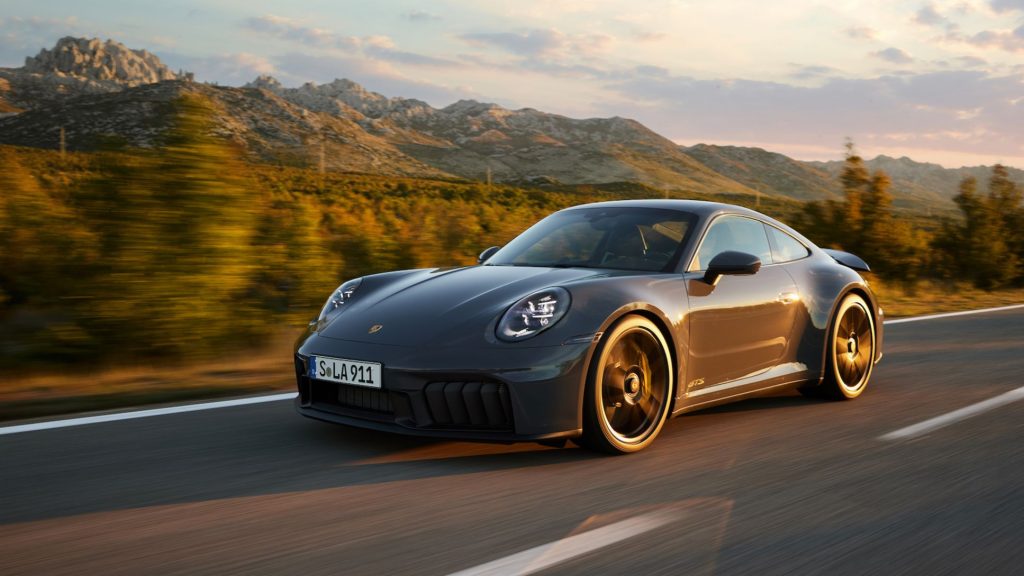
For American enthusiasts who can afford its purchase price, the 911 offers an unusual combination of driving excitement and value retention. Its performance credentials attract attention, but its ability to preserve a large proportion of its original value is what makes it particularly interesting financially.
2. Porsche 718 Cayman
Five-year depreciation: 21.8% | Average value lost: $15,851
Not every buyer seeking a rewarding sports car needs the size, price, or performance envelope of a Porsche 911.
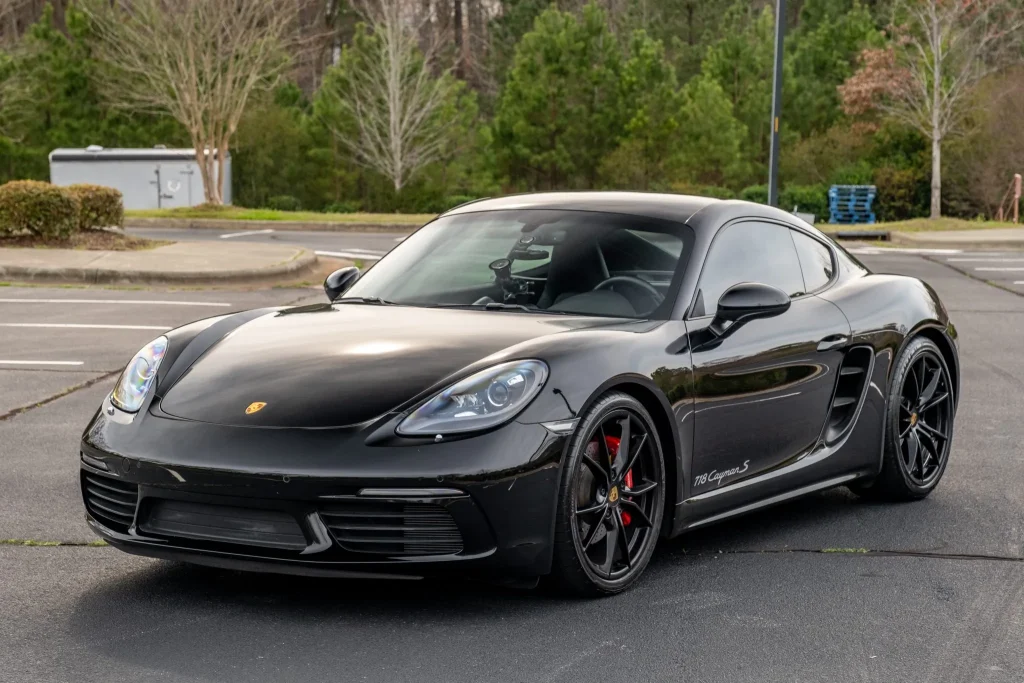
The Porsche 718 Cayman takes a different approach, pairing a compact two-seat body with a mid-engine layout that emphasizes balance and precise handling. In iSeeCars’ 2025 study, it ranked second for five-year value retention, recording average depreciation of 21.8%.
The Cayman occupies an appealing position for drivers who prioritize the experience behind the wheel. Its mid-engine arrangement places the engine ahead of the rear axle, helping create a balanced platform for cornering.
Depending on the model year and trim, American-market examples have offered turbocharged four-cylinder engines or naturally aspirated six-cylinder powerplants. Buyers should check the specific year and configuration rather than assume every Cayman delivers the same performance or ownership costs.
Its resale performance also illustrates why a sports car’s appeal cannot be judged solely by its original sticker price. The study calculated an average five-year value reduction of $15,851, considerably less in dollar terms than the figure recorded for the 911. The Cayman, therefore, combined strong percentage retention with a smaller average monetary loss in the study.
Enthusiast interest is an important consideration, but buyers still need to account for expenses that depreciation figures do not measure. Insurance, tires, scheduled servicing, brakes, and repairs can be expensive compared with those of an ordinary commuter car.
A well-maintained example with comprehensive service records is generally a more reassuring purchase than one with an uncertain history.
For American drivers who want a focused sports car without moving into the 911’s price bracket, the Cayman presents a compelling alternative. Its low recorded depreciation suggests that buyers value its distinctive engineering and driving character even after several years of ownership.
3. Chevrolet Corvette
Five-year depreciation: 18.7% | Average value lost: $13,365
The Chevrolet Corvette proves that strong resale value is not reserved for European sports cars. In iSeeCars’ 2026 study, the American performance icon ranked third for the lowest five-year depreciation, losing an average of just 18.7% of its value.
Its estimated dollar loss was $13,365, an impressive result for a car designed around performance rather than everyday practicality.
One reason the Corvette stands apart is its position in the American market. It delivers the proportions, acceleration, and road presence associated with an exotic sports car while remaining a Chevrolet product with a broader domestic service and dealer network.
The eighth-generation Corvette, introduced for the 2020 model year, also made a major engineering change by moving to a mid-engine layout. That configuration helped transform its handling characteristics and gave the car a substantially different identity from earlier front-engine generations.
Buyers should remember that the study’s depreciation figure represents an average across eligible vehicles, not a guaranteed resale result for every Corvette.
Engine choice, trim, mileage, condition, accident history, and original equipment can all affect a specific car’s value. High-performance variants may attract enthusiasts, but their prices can also fluctuate with market demand.
Ownership expenses deserve equal attention. Wide performance tires, substantial brakes, premium insurance, and specialized repairs can make a Corvette costlier to maintain than an ordinary passenger car. Depreciation measures the change in market value, not fuel, maintenance, insurance, financing, or taxes.
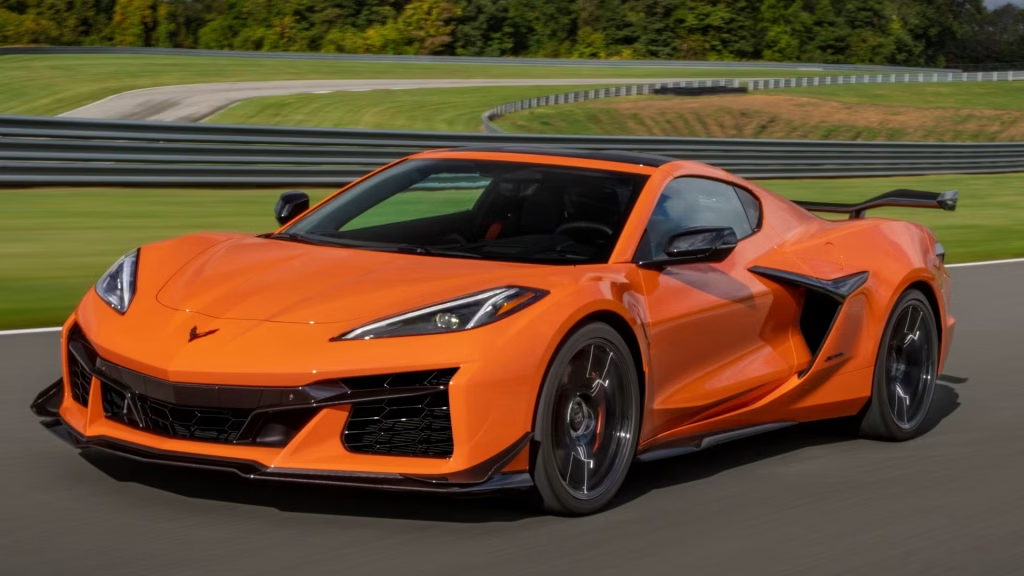
For someone shopping in the United States, the Corvette offers a useful example of how an enthusiast vehicle can retain value when demand remains strong. Its appeal is not based on practicality alone.
The combination of performance credentials, distinctive engineering, and a well-established place in American car culture helps explain its strong showing in the latest study.
4. Toyota Tacoma
Five-year depreciation: 19.9% | Average value lost: $6,426
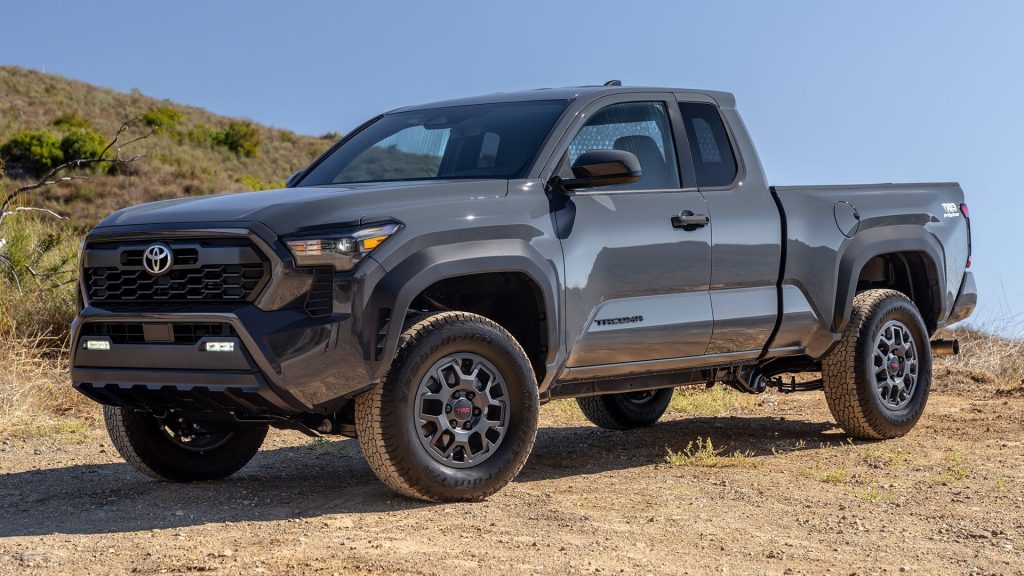
A midsize pickup does not need luxury-car pricing or exotic performance to become a standout in the resale market. The Toyota Tacoma ranked fourth in the 2026 iSeeCars depreciation study, with a reported five-year value loss of 19.9%.
Its average depreciation in dollars was $6,426, giving it one of the strongest combinations of percentage retention and relatively modest monetary loss among the leading vehicles.
The Tacoma’s appeal is closely connected to how Americans use smaller trucks. It offers pickup-bed utility without the size of a full-size model, making it suitable for weekend projects, outdoor recreation, and buyers who need occasional hauling capability.
Depending on configuration, the truck can also be fitted for off-road driving, with specialized versions offering equipment intended for rough terrain.
Toyota’s reputation for durability is an important part of the Tacoma’s market identity, although reputation should never replace an inspection of the individual vehicle. Used examples can have very different lives.
A truck that has spent years towing, traveling on rough trails, or carrying heavy loads may show more wear than one used mainly for commuting. Suspension components, underbody damage, tires, service records, and signs of hard off-road use deserve careful attention.
There is also a generation-related consideration. A five-year-old Tacoma in the study generally represents an earlier generation than a newly purchased model in a dealership showroom.
Changes in powertrains, technology, equipment, and pricing mean that historical depreciation should not be treated as a precise forecast for a brand-new truck.
For buyers who want pickup capability without taking the depreciation hit common among many new vehicles, the Tacoma is a particularly relevant option.
Its results suggest that sustained demand for practical, versatile trucks can help protect resale value. Nevertheless, the best purchase is a truck whose condition, configuration, and price make sense for the buyer’s actual needs.
5. Toyota Tundra
Five-year depreciation: 21.2% | Average value lost: $8,746
Full-size pickups often serve as work equipment, family transportation, and recreational vehicles at the same time.
The Toyota Tundra benefits from that versatility, and its performance in the latest iSeeCars study reflects sustained demand for used trucks. It ranked fifth, with five-year depreciation of 21.2% and an average loss of $8,746.
The Tundra occupies a different role from the smaller Tacoma. Its larger body and full-size pickup platform appeal to buyers who need more room, greater capability, or a truck suited to regular towing and hauling.
Exact capability depends on model year, engine, drivetrain, cab, bed, and equipment, so shoppers should consult the specifications for the particular truck rather than assume all Tundras offer identical ratings.
Depreciation percentages tell only part of the story. The Tundra loses more money in absolute terms than the Tacoma, partly because the two trucks occupy different price brackets. Buyers should therefore consider both the percentage of value lost and the actual financial impact when deciding which truck offers better long-term value.
Condition is especially important in the full-size pickup market. Potential buyers should inspect the frame and underbody, check for corrosion where relevant, review towing-related wear, and verify that maintenance has been performed on schedule.
Evidence of commercial use or heavy-duty work can be important when evaluating a used example. A clean vehicle history is helpful, but it does not guarantee that a truck has been mechanically well maintained.
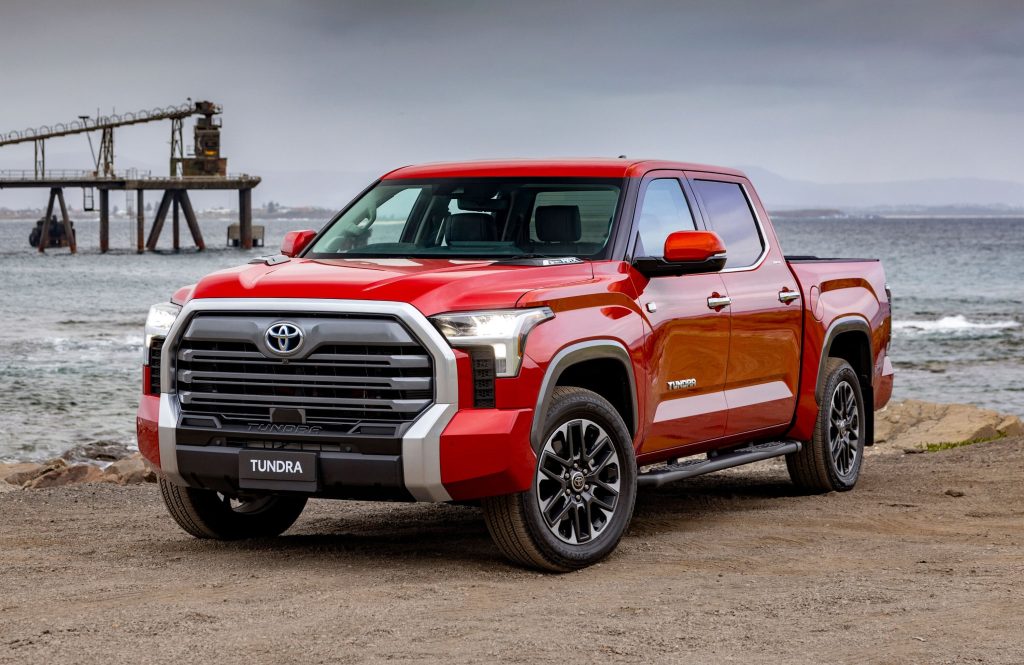
The Tundra’s resale performance makes it worth considering for drivers who genuinely need a full-size pickup. Its appeal is rooted in utility rather than rarity. Still, buyers should compare its purchase price, fuel consumption, insurance, and maintenance costs with those of competing trucks.
A vehicle that loses value slowly can be financially attractive, but the most sensible choice is one that delivers the capability required without unnecessary ownership expense.
6. Honda Civic
Five-year depreciation: 22.9% | Average value lost: $5,828
Not everyone looking to preserve a car’s value wants a sports car or pickup truck. The Honda Civic provides a more accessible alternative, ranking sixth in iSeeCars’ latest depreciation study.
Its average five-year depreciation was 22.9%, equivalent to a reported loss of $5,828. That comparatively small dollar reduction makes the Civic especially relevant to shoppers managing a tighter vehicle budget.
The Civic’s strength lies in its usefulness as everyday transportation. It combines a compact footprint with practical passenger space, respectable fuel economy in many configurations, and a broad range of sedan and hatchback choices depending on model year.
Sportier versions appeal to drivers who want more engaging performance without stepping up to a dedicated sports car.
A major advantage for used-car shoppers is the size of the Civic’s market. It has long been a familiar choice for commuters, students, and households seeking a relatively efficient passenger car. A wide pool of potential buyers can support demand for clean used examples, although actual resale prices still depend on local supply, mileage, condition, and equipment.
The Civic is not immune to depreciation. A heavily driven commuter car can accumulate substantial mileage in five years, and poor maintenance or accident repairs can reduce its market appeal.
Buyers should check service records, inspect tires and brakes, and confirm that any recalls affecting the specific vehicle identification number have been addressed. For turbocharged or hybrid versions, where applicable, the exact powertrain and maintenance requirements also deserve attention.
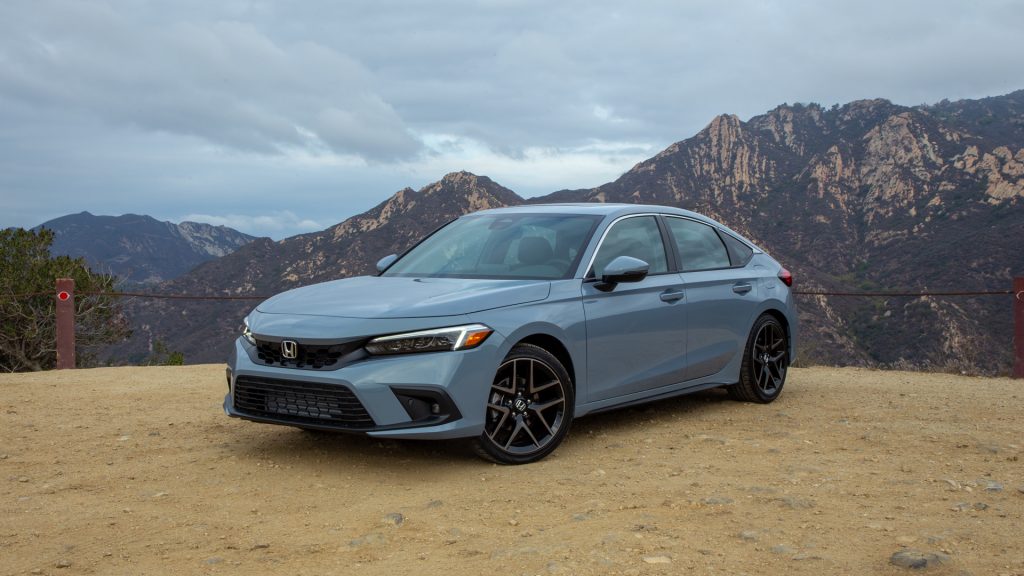
The study’s $5,828 average loss is particularly useful because it puts value retention into everyday financial terms. Even though a Civic generally costs much less than a premium sports car, depreciation can still represent a meaningful ownership expense. In this case, the reported loss was relatively modest.
For American motorists who prioritize commuting, practicality, and resale prospects over outright performance, the Civic offers a strong balance. Its ranking demonstrates that a mainstream compact car can retain value without relying on exclusivity or a luxury badge.
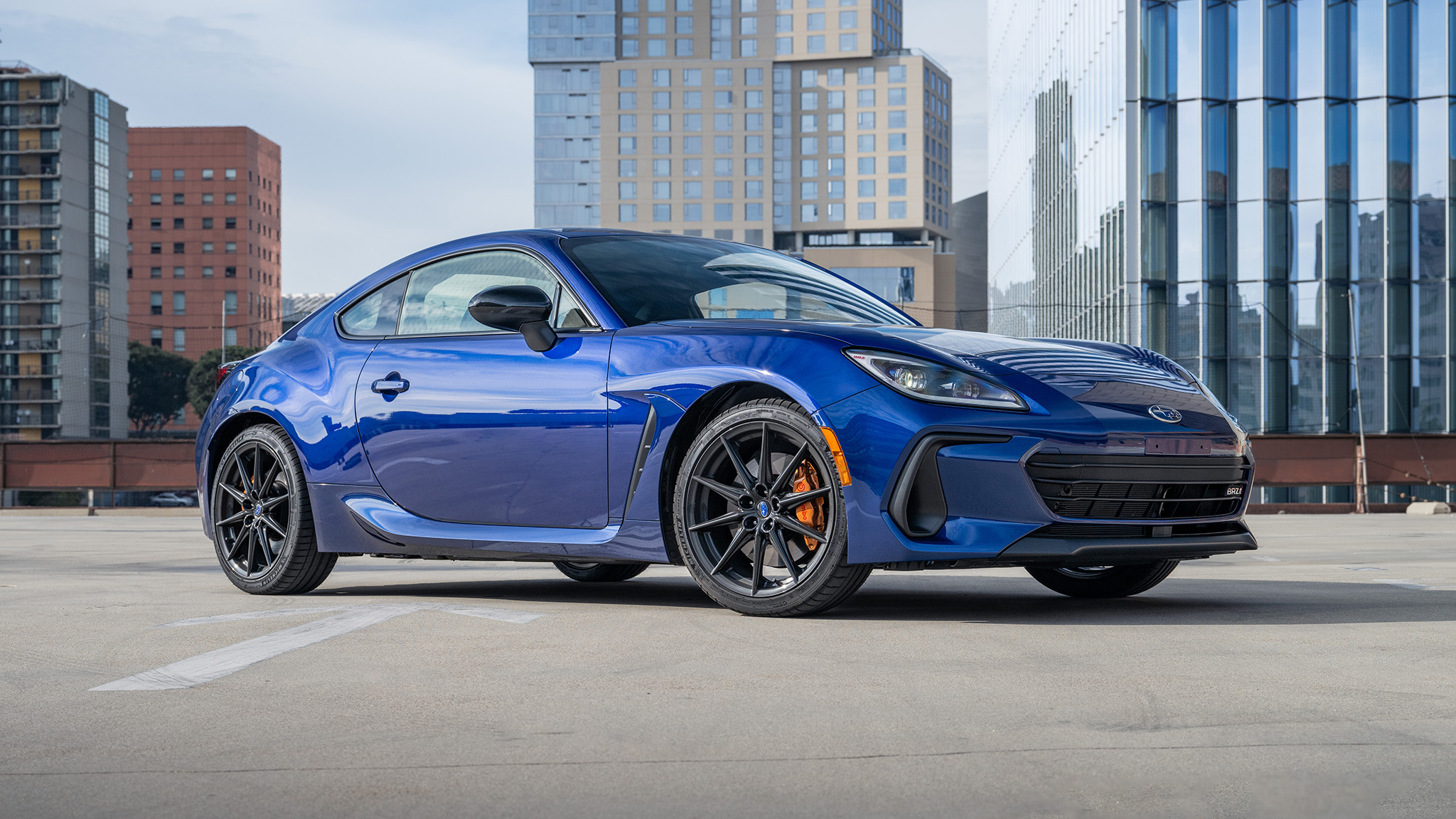
7. Subaru BRZ
Five-year depreciation: 23.7% | Average value lost: $8,489
The Subaru BRZ takes a different route to strong value retention. Instead of offering the comfort and convenience expected from a mainstream commuter car, it concentrates on the fundamentals of a lightweight, driver-focused sports coupe.
In the 2026 iSeeCars study, it ranked seventh, with five-year depreciation of 23.7% and an average value loss of $8,489.
The BRZ’s defining feature is its rear-wheel-drive layout and naturally aspirated flat-four engine. That combination gives the car a distinctive character compared with front-wheel-drive performance models.
Its relatively compact dimensions, low seating position, and emphasis on steering response make it appealing to enthusiasts who enjoy driving on winding roads or participating in organized track events.
This focused mission can help distinguish the BRZ in the used market. Buyers seeking a traditional sports coupe may value its straightforward mechanical layout and engaging driving experience.
However, that appeal does not mean every example will retain its value equally well. Manual and automatic transmissions, trim levels, mileage, modifications, and vehicle condition can influence the price a particular car commands.
A prospective buyer should pay special attention to evidence of hard use. Track driving is not automatically a reason to reject a car, but it makes maintenance documentation and a careful mechanical inspection especially important.
Inspect the tires, brakes, suspension, clutch on manual models, and signs of collision repair. Aftermarket engine modifications or poorly installed suspension components can also narrow the pool of interested buyers.
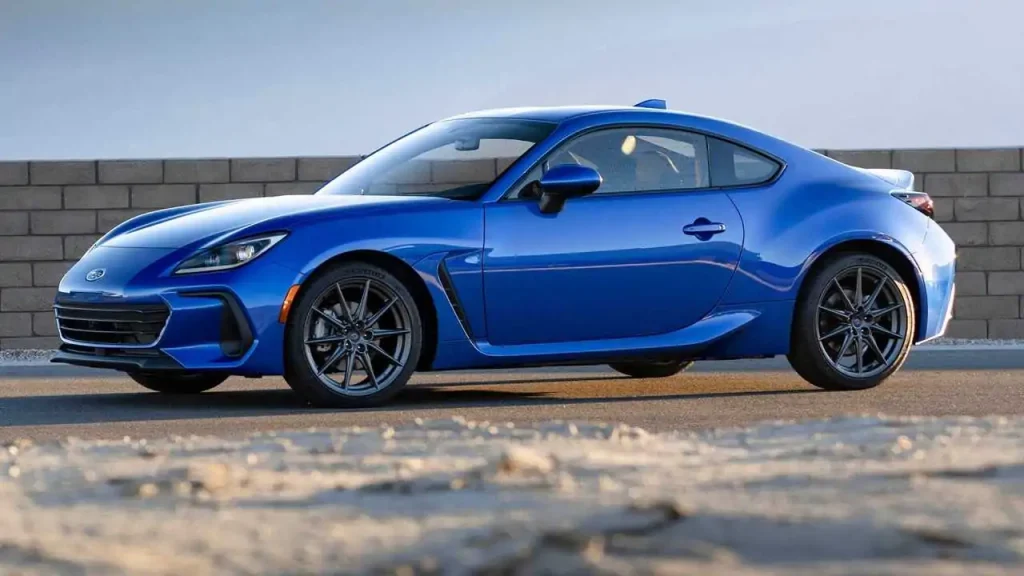
Practicality is another consideration. The BRZ has limited rear-seat usefulness and less cargo flexibility than a hatchback or sedan. It makes the most sense for someone who specifically wants a sports coupe, rather than someone trying to use one car for every possible task.
Its depreciation result is encouraging, but the financial case depends on purchase price and ownership costs as well as resale value. For American enthusiasts who want an accessible sports car with a distinctive driving character, the BRZ offers a different route to retaining a meaningful share of the original purchase price.
8. Toyota GR Supra
Five-year depreciation: 24.0% | Average value lost: $13,963
Toyota’s GR Supra illustrates how a modern performance car can combine enthusiast appeal with comparatively strong resale performance.
The model ranked eighth in iSeeCars’ 2026 study, recording five-year depreciation of 24.0% and an average value loss of $13,963. Its result placed it among the leading vehicles for value retention despite its more specialized market position.
The fifth-generation Supra returned to the American market for the 2020 model year. Developed in collaboration with BMW, it features a rear-wheel-drive platform and has been offered with turbocharged four-cylinder and six-cylinder engines, depending on model year and trim.
The six-cylinder version is particularly associated with the car’s performance reputation, while the smaller engine provides another route into the model range.
That engineering background is worth understanding before buying. The Supra is not simply a practical Toyota coupe with sporty styling. It is a specialized two-seat sports car whose running costs, insurance premiums, and maintenance requirements may differ from those of ordinary Toyota passenger vehicles.
Buyers should check the exact powertrain, service history, warranty coverage, and applicable maintenance requirements for the particular example.
The car’s relatively limited role in the market can work in its favor when enthusiasts want a recognizable modern sports coupe. Yet a limited audience can also make resale dependent on the buyer’s taste and the condition of the vehicle.
A factory-standard car with documented maintenance may appeal to a different group of buyers than a heavily modified example.
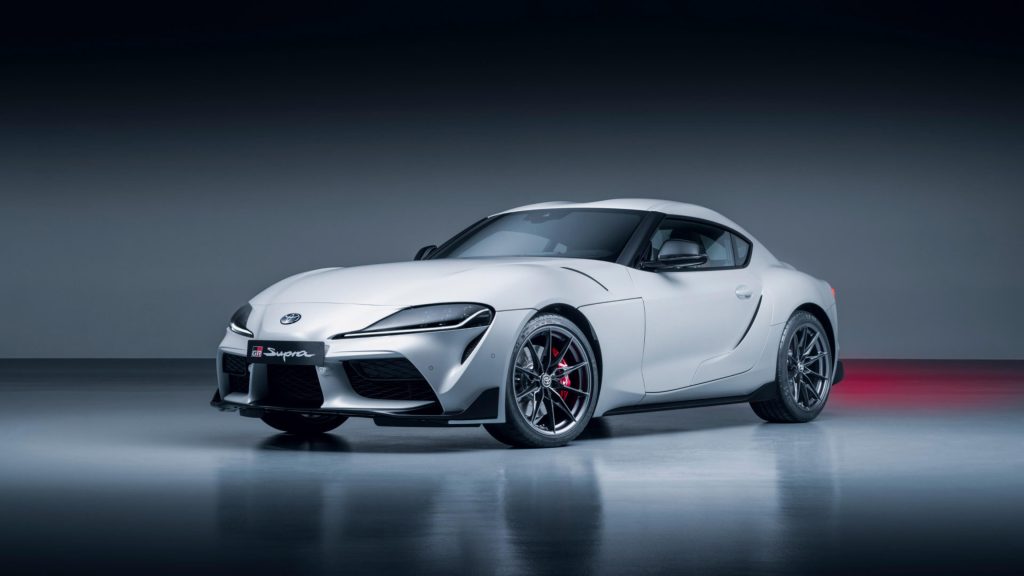
The study’s $13,963 average loss also shows why depreciation percentages deserve context. Although the Supra retained 76% of its value on the study’s reported measure, its monetary loss was substantially greater than the Civic’s. A higher original purchase price can make a moderate percentage decline expensive in dollar terms.
For drivers who want rear-wheel-drive performance and a distinctive place in Toyota’s modern lineup, the GR Supra deserves consideration. Its ranking is encouraging evidence of resale strength, but it should be viewed as a performance-car purchase rather than a guaranteed financial investment.
9. Toyota RAV4 and RAV4 Hybrid
Five-year depreciation: 25.2% | Average value lost: $7,731
The Toyota RAV4 earns its place among vehicles with strong resale value through its practicality, versatility, and appeal to a wide range of American families. According to iSeeCars’ 2026 study, the RAV4 and RAV4 Hybrid recorded five-year depreciation of 25.2%, with an average value loss of $7,731.
As a compact SUV, the RAV4 offers a useful balance of passenger space, cargo capacity, manageable dimensions, and available all-wheel drive. These qualities make it suitable for commuting, family errands, and road trips, helping maintain demand in the used-car market.
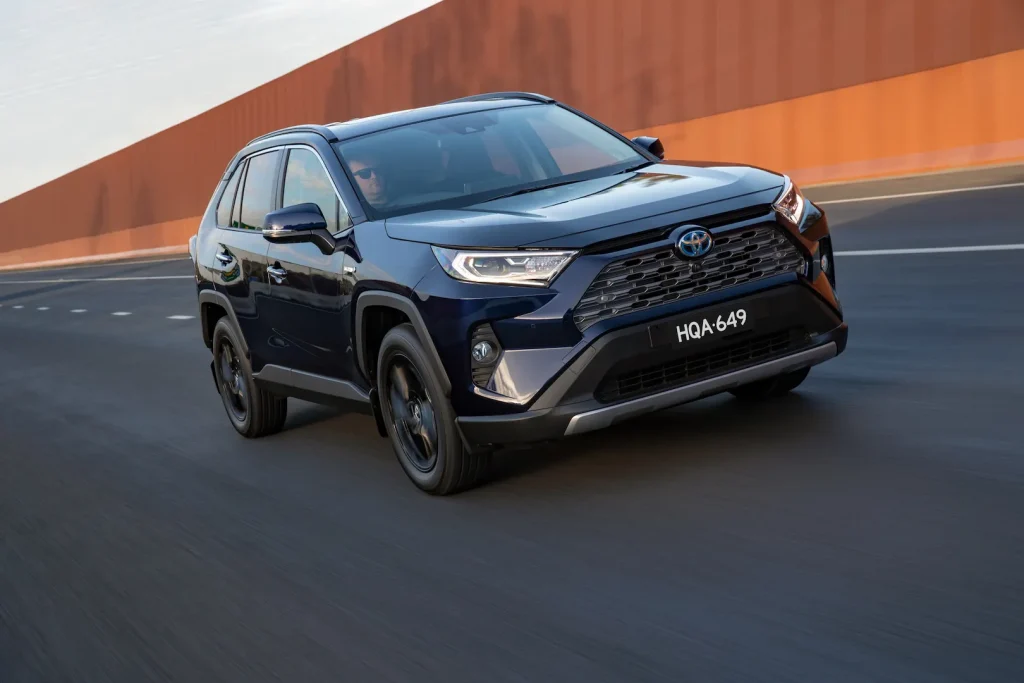
Buyers can choose between the conventional gasoline model and the hybrid, which combines a gasoline engine with electric motor assistance to improve fuel efficiency. However, resale values vary according to mileage, condition, equipment, age, and local market demand. Since the study grouped both versions together, its depreciation figures should not be interpreted as separate results for each powertrain.
When shopping for a used RAV4, buyers should review maintenance records, inspect tire wear and the underbody, and check for accident history. Hybrid models may also require an assessment by a qualified technician if there are concerns about the hybrid system.
The RAV4 combines everyday usefulness with relatively modest reported depreciation. For buyers seeking a versatile vehicle that can retain a substantial share of its value over five years, it remains a practical option worth considering.
10. Toyota Corolla Hatchback
Five-year depreciation: 25.5% | Average value lost: $6,220
The Toyota Corolla Hatchback rounds out the top ten vehicles in the 2026 iSeeCars study, proving that affordable compact cars can retain their value as effectively as more expensive models. Ranked tenth, it recorded average five-year depreciation of 25.5%, equivalent to a loss of approximately $6,220.
Unlike the larger Toyota RAV4, the Corolla Hatchback caters to drivers who prioritize maneuverability, easy parking, and practical everyday transportation. Its rear hatch provides convenient access to the cargo area, while folding rear seats create additional space for luggage, groceries, and larger items. It also offers an alternative to the traditional Corolla sedan for buyers who prefer a more versatile body style.
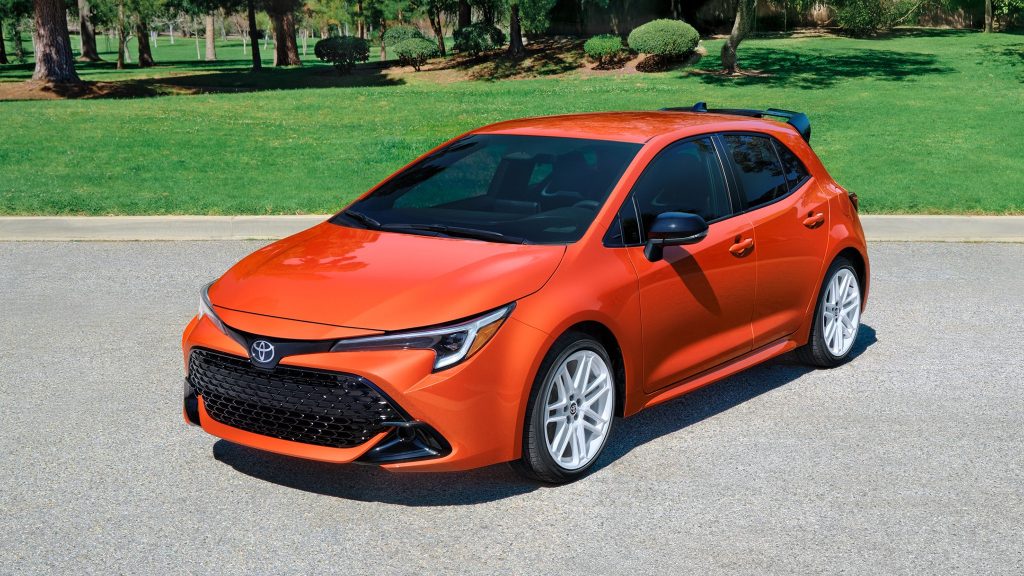
The model’s relatively low depreciation in dollar terms may make upgrading to another vehicle after several years more affordable than replacing a costlier car with a similar percentage loss in value. However, resale performance alone does not determine total ownership costs.
Purchase price, fuel economy, maintenance expenses, safety features, and standard equipment should all factor into the decision. Buyers should verify specifications for the exact model year rather than assume every version offers identical features or efficiency.
Condition also plays an important role in a used Corolla Hatchback’s value. Shoppers should review maintenance records and vehicle history, inspect the cargo area for damage or water intrusion, test the rear seats and cargo cover, and arrange a professional mechanical inspection.
The Corolla Hatchback demonstrates that strong value retention is not limited to luxury or performance vehicles. Its combination of practicality, manageable running costs, and relatively modest depreciation makes it a compelling option for buyers seeking dependable everyday transportation.