Some vehicles are built to handle years of driving, but only a small share of cars and trucks ever reach 200,000 miles. In the U.S. used-car market, that milestone can reveal which models have remained on the road long enough to stand out from the rest.
Pickup trucks, full-size SUVs, and even fuel-efficient sedans appear among the vehicles with the highest share of 200,000-mile examples. The figures do not guarantee that a newly purchased vehicle will last that long, but they offer a useful look at real-world longevity. Here are 10 vehicles that stand out in U.S. high-mileage data.
1. Toyota Land Cruiser
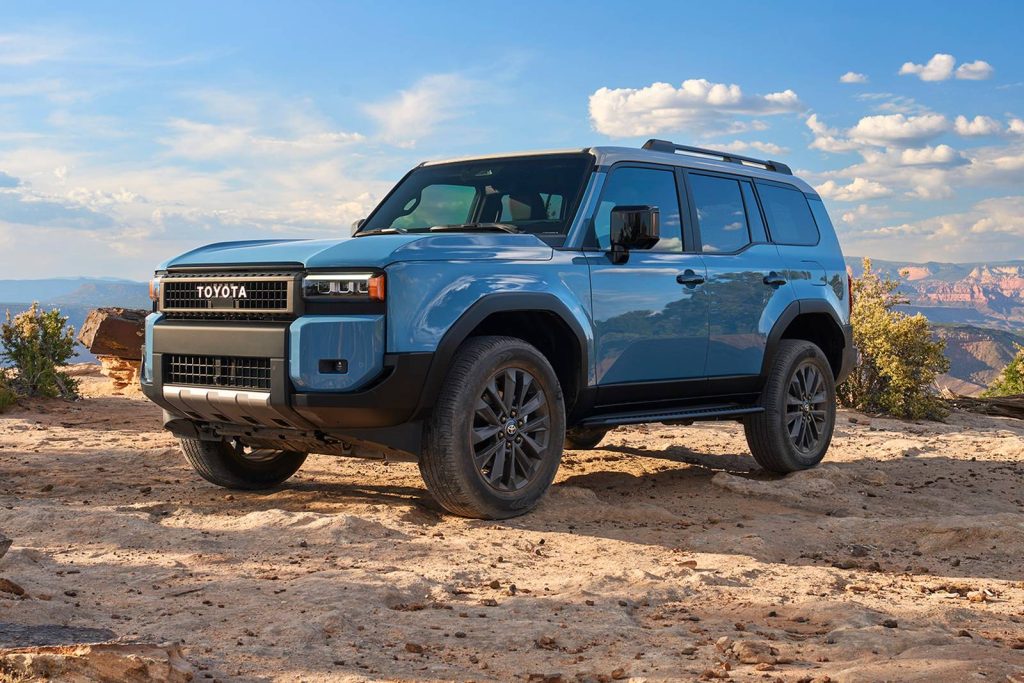
The Toyota Land Cruiser stands far ahead of the other vehicles in this ranking. According to iSeeCars’ 2022 study, 18.2% of Land Cruisers in the analyzed U.S. data had reached at least 200,000 miles. That means nearly one in five examples in the study had accumulated mileage that many buyers would consider unusually high.
Its position is easier to understand when considering the vehicle’s purpose. The Land Cruiser was engineered as a durable, go-anywhere SUV for markets where rough roads, remote travel, and limited access to repair facilities can make mechanical dependability particularly important.
In the United States, its high purchase price and relatively specialized appeal also meant that many owners treated it as a long-term vehicle rather than a short-term purchase.
The Land Cruiser’s body-on-frame construction and four-wheel-drive capability are relevant to its design, but they do not make every example indestructible. Engine condition, transmission servicing, cooling-system health, corrosion, and previous off-road use can all affect the cost of keeping an older model running.
For used-car shoppers, the model’s high-mileage record is encouraging, but it should not justify paying any price for a neglected example. Some Land Cruisers have been used heavily off-road, while others have spent most of their lives on paved roads. Those histories can produce very different maintenance needs.
A properly inspected Land Cruiser with complete service records may be an appealing long-term purchase. The key is to assess the individual vehicle, not assume its reputation guarantees another 200,000 miles.
2. Toyota Sequoia
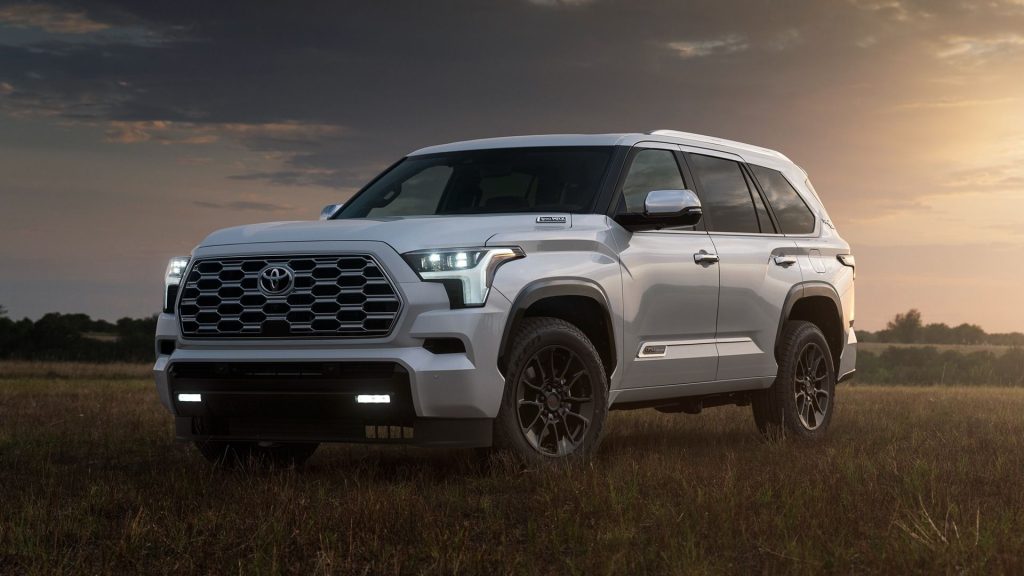
The Toyota Sequoia ranked second, with 14.2% of examples reaching 200,000 miles, according to iSeeCars’ 2022 study. That result places the full-size SUV well ahead of most vehicles in the research and reinforces its reputation as a model that owners frequently keep for extended periods.
The Sequoia combines a body-on-frame platform with three-row seating, substantial interior space, and the ability to tow when properly equipped. These characteristics make it useful for large families, road trips, and owners who need a vehicle capable of handling demanding workloads.
Its practical versatility may help explain why some owners continue driving their Sequoias long after they would have replaced a smaller passenger vehicle.
Long-term ownership still comes with trade-offs. A full-size SUV can consume considerable fuel, and replacement tires, brakes, suspension components, and other parts can cost more than comparable items for a compact car. Older examples may also need repairs to cooling systems, drivetrain components, or aging electronics.
Buyers should pay particular attention to maintenance records and evidence of towing. Frequent towing does not automatically make a vehicle a poor purchase, but it can increase wear when the vehicle has been operated beyond its intended limits or serviced inconsistently.
The Sequoia’s high-mileage record makes it worth considering for buyers who need a large SUV and intend to keep it for years. However, fuel expenses, repair costs, and the asking price should all be evaluated before deciding that a high-mileage example represents good value.
3. Chevrolet Suburban
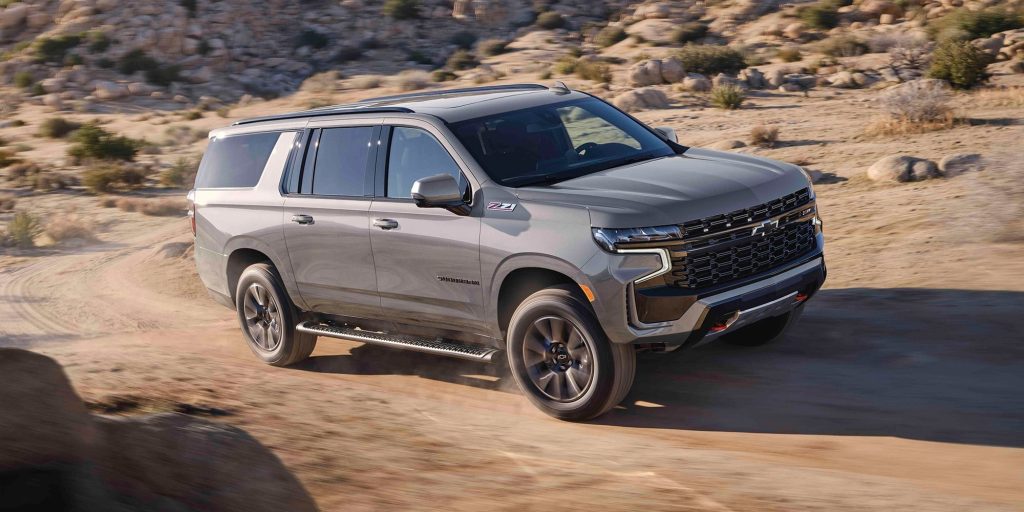
The Chevrolet Suburban placed third, with 6.6% of vehicles in the study reaching 200,000 miles. Although that percentage is well below the Land Cruiser’s result, it remains substantial compared with the 1.2% average reported for vehicles in the same iSeeCars research.
The Suburban’s role as a large family and utility vehicle helps explain its presence on this list. It offers three-row seating, considerable cargo capacity, and towing capability when appropriately equipped.
Families, businesses, and people who regularly travel with passengers or equipment can accumulate mileage quickly, making long-term durability especially valuable.
Its size also creates financial considerations that should not be overlooked. Fuel consumption can be significant, particularly in urban driving, and a full-size SUV requires appropriately sized tires and brakes.
Depending on the model year and configuration, buyers should also investigate the condition of the transmission, cooling system, suspension, and four-wheel-drive equipment.
A Suburban with 200,000 miles is not necessarily nearing the end of its useful life, but the odometer alone cannot establish whether it has been maintained properly. Highway mileage with regular servicing can be less concerning than lower mileage accompanied by neglect, heavy towing, or repeated short trips.
Before buying one, review the service history and arrange an independent mechanical inspection. Ask whether major components have been repaired or replaced, and request documentation where possible.
For buyers who genuinely need full-size passenger and cargo capacity, the Suburban’s historical record is encouraging. For someone who rarely uses its extra space, however, the running costs may outweigh the benefits.
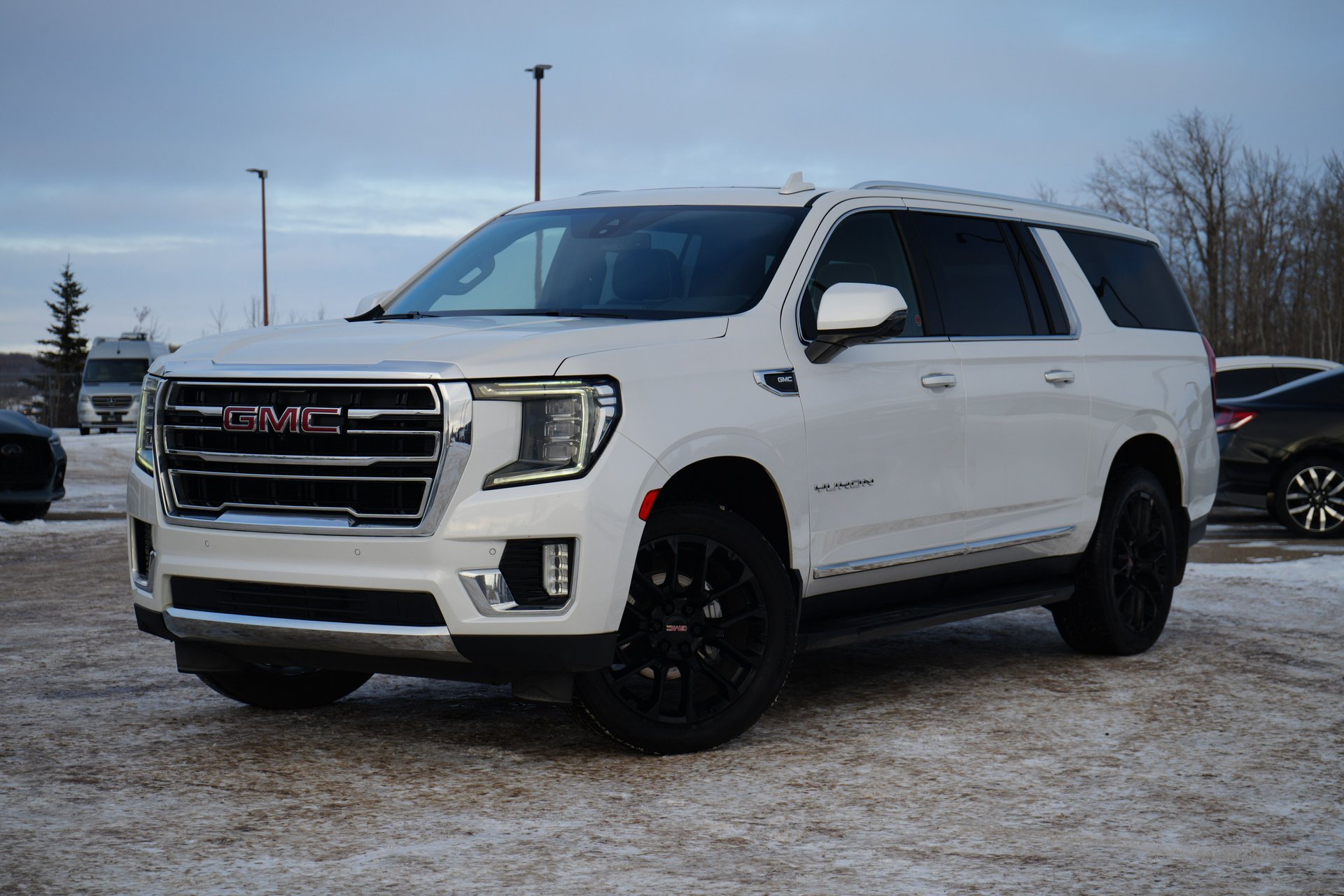
4. GMC Yukon XL
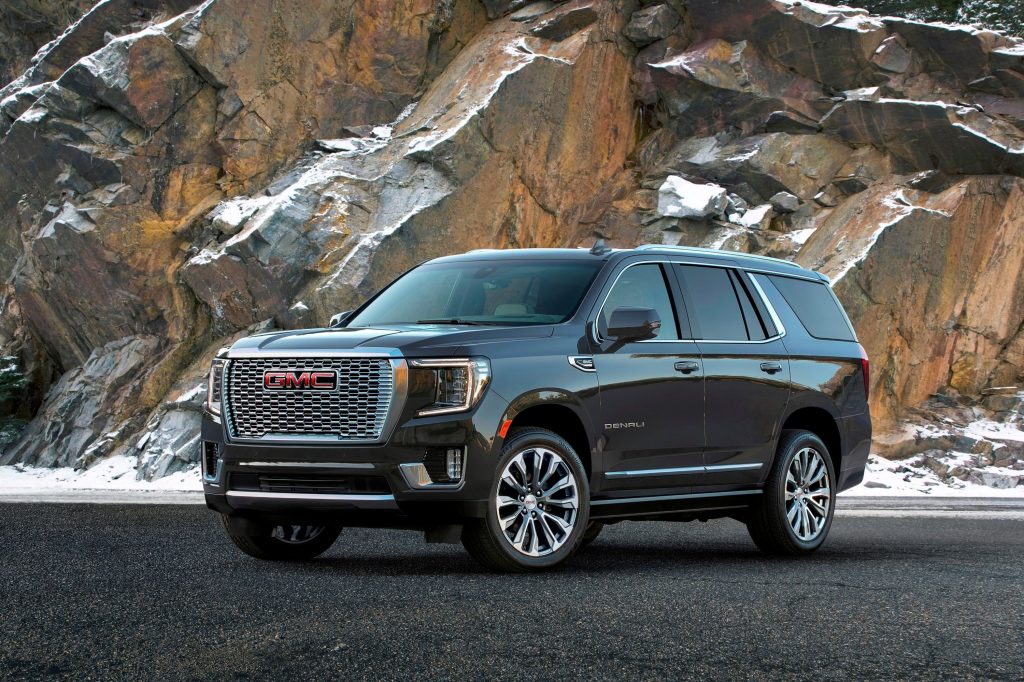
The GMC Yukon XL recorded a 5.2% share of vehicles reaching 200,000 miles in iSeeCars’ 2022 study. Its position reflects the durability potential of a large SUV designed to carry passengers, luggage, and equipment over extended periods of use.
The Yukon XL shares much of its underlying engineering with the Chevrolet Suburban. Both offer three-row seating, a long body for additional passenger and cargo space, and available four-wheel drive on relevant versions.
The GMC’s more upscale positioning can appeal to buyers who want substantial interior room alongside additional comfort and convenience features.
However, the Yukon XL’s high-mileage presence should not be interpreted as proof that repairs will be inexpensive.
Its size and weight affect tire and brake costs, while features such as power-operated seats, infotainment systems, climate controls, and other electronic equipment can create age-related repair expenses. Equipment and powertrain differences between model years also matter.
For a used example, begin by checking maintenance documentation and the vehicle’s history of towing or carrying heavy loads. An inspection should cover the engine, transmission, cooling system, suspension, steering, brakes, and underbody. If the vehicle has four-wheel drive, verify that the system engages and operates correctly.
Buyers should also compare the Yukon XL with the shorter Yukon and the mechanically related Suburban. The longer model is most useful when its additional passenger or cargo capacity is genuinely needed.
The historical data suggest that some Yukon XLs have accumulated very high mileage. A well-maintained example may suit a household that needs a large SUV, but its purchase price and future maintenance requirements deserve careful consideration.
5. Toyota 4Runner
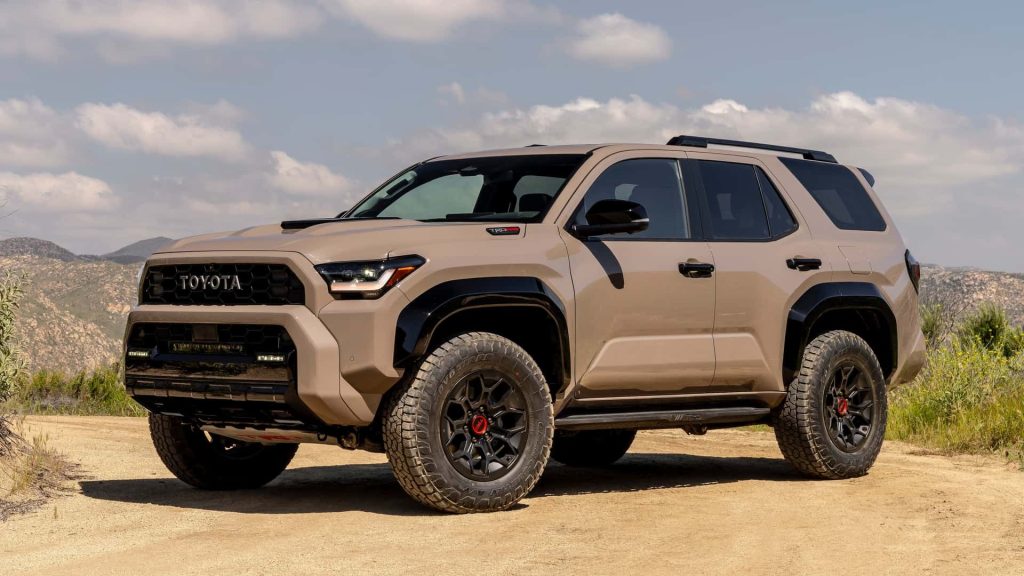
The Toyota 4Runner had a 4.6% share of vehicles reaching at least 200,000 miles in the study. Its fifth-place ranking puts it among the strongest performers in this group, despite being smaller than the full-size SUVs above it.
Unlike many modern crossovers, the 4Runner has traditionally used a body-on-frame design. That construction, combined with available four-wheel drive and substantial ground clearance, makes it suitable for rough roads and recreational off-road use.
Its appeal to outdoor enthusiasts and buyers who prefer a rugged SUV has helped establish a strong reputation for long-term utility.
Yet off-road capability can be a double-edged sword when buying used. A 4Runner that has spent years on difficult trails may have underbody damage, worn suspension components, damaged skid plates, or evidence of poor repairs. Another example with similar mileage may have been used mainly for commuting and highway travel.
The inspection should therefore look beyond the engine and transmission. Check the frame for corrosion, inspect the suspension and steering, and verify the condition of the four-wheel-drive system where fitted. Service records are especially useful for determining whether routine maintenance was completed on schedule.
Fuel economy is another consideration. The 4Runner’s rugged construction and traditional SUV proportions do not make it as economical as many compact crossovers. Buyers who drive long distances should calculate fuel expenses before committing.
The model’s position in the research is a useful sign of long-term potential, not a guarantee. A properly maintained 4Runner with a clean history may be a sound choice, while a neglected example can quickly become expensive.
6. Ford Expedition
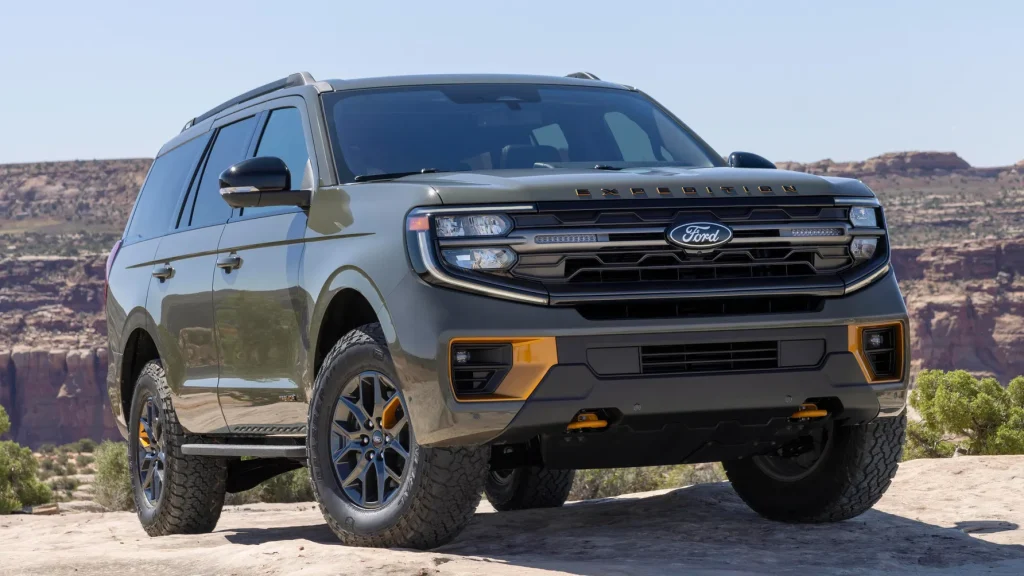
The Ford Expedition recorded a 4.5% share of vehicles reaching 200,000 miles, placing it sixth in the iSeeCars study. It was the highest-ranked Ford model in this particular top ten and demonstrates that long-mileage examples are not limited to Toyota and General Motors vehicles.
As a full-size SUV, the Expedition offers three-row seating, substantial passenger space, and towing capability when properly equipped. It is often used for family transportation, long road trips, and hauling trailers. Those roles can produce high annual mileage, particularly when a vehicle serves as the household’s primary transportation.
The model’s historical performance does not mean that every Expedition is inexpensive to maintain. Depending on the model year, buyers may encounter repairs involving the engine, transmission, turbocharging equipment, suspension, cooling system, or electronics.
The precise components and risks vary across generations, so it is important to research the specific year rather than treating all Expeditions as mechanically identical.
A used example should be inspected for signs of frequent towing, neglected fluid changes, cooling-system problems, and suspension wear.
Ask for service invoices and check whether the vehicle has been modified. A road test should include different speeds and operating conditions, with attention to transmission behavior, unusual noises, and warning lights.
Running costs also deserve attention. Fuel consumption, large tires, and the cost of replacement parts can make an Expedition more expensive to own than a midsize SUV.
For buyers who need its size and towing ability, the Expedition’s place in the historical data is encouraging. A thorough inspection and a realistic maintenance budget remain essential, especially when shopping for an older example with substantial mileage.
7. Chevrolet Tahoe
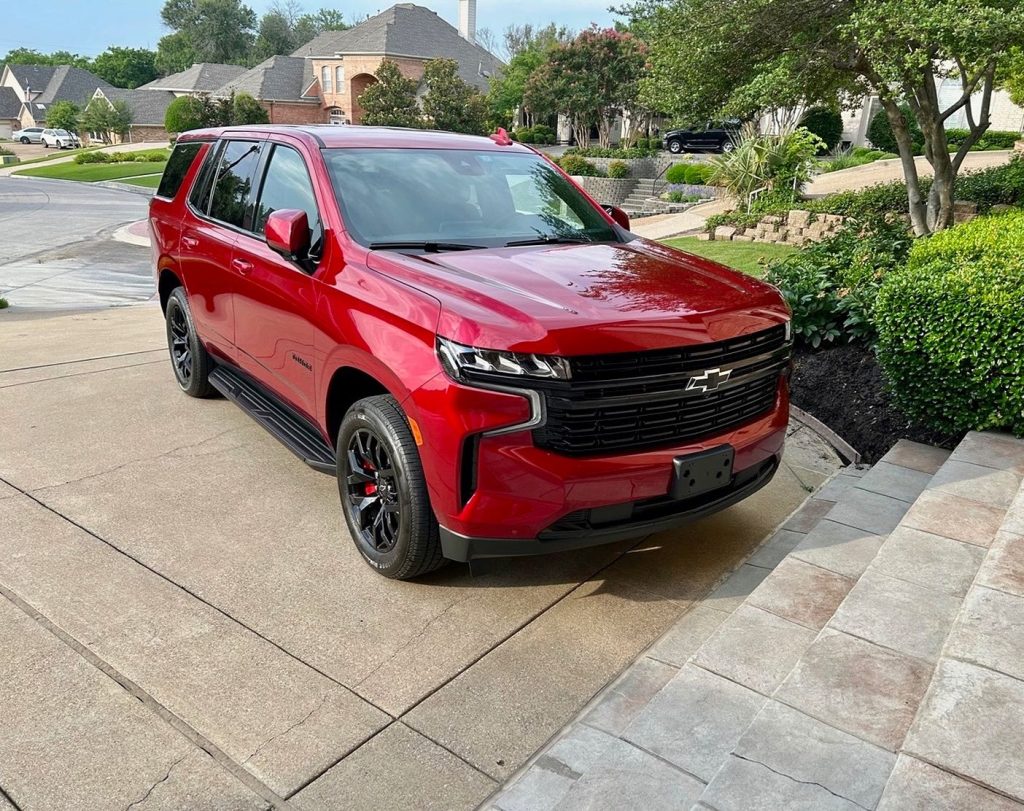
The Chevrolet Tahoe ranked seventh, with 4.4% of vehicles in the study reaching 200,000 miles. That puts it close to the Ford Expedition and ahead of many other models in the research.
The Tahoe offers much of the full-size SUV formula in a shorter package than the Suburban. It provides three-row seating in applicable configurations, a commanding driving position, and towing capability when properly equipped.
For buyers who need substantial passenger space but do not require the Suburban’s longer body, the Tahoe can be a more manageable alternative.
Its long-mileage record must be considered alongside its mechanical and financial demands. Large SUVs place substantial loads on tires, brakes, suspension components, and driveline parts.
Older examples can also develop age-related issues with electronics, climate-control systems, and other equipment. The exact areas to inspect depend on the model year, engine, transmission, and maintenance history.
Look for consistent service documentation, particularly for the engine, transmission, cooling system, and any four-wheel-drive components. If the vehicle has been used for towing, ask about the frequency and weight of the loads it handled. Inspect the frame and underbody for corrosion or damage, especially if it has lived in a region that uses road salt.
The Tahoe may appeal to families, outdoor enthusiasts, and owners who need towing capacity. But a high odometer reading should not be accepted without a detailed inspection and a fair price.
Its historical results support considering the model for long-term use. Whether a specific Tahoe is worth buying depends on condition, documented maintenance, and whether the buyer can comfortably afford its fuel and repair costs.
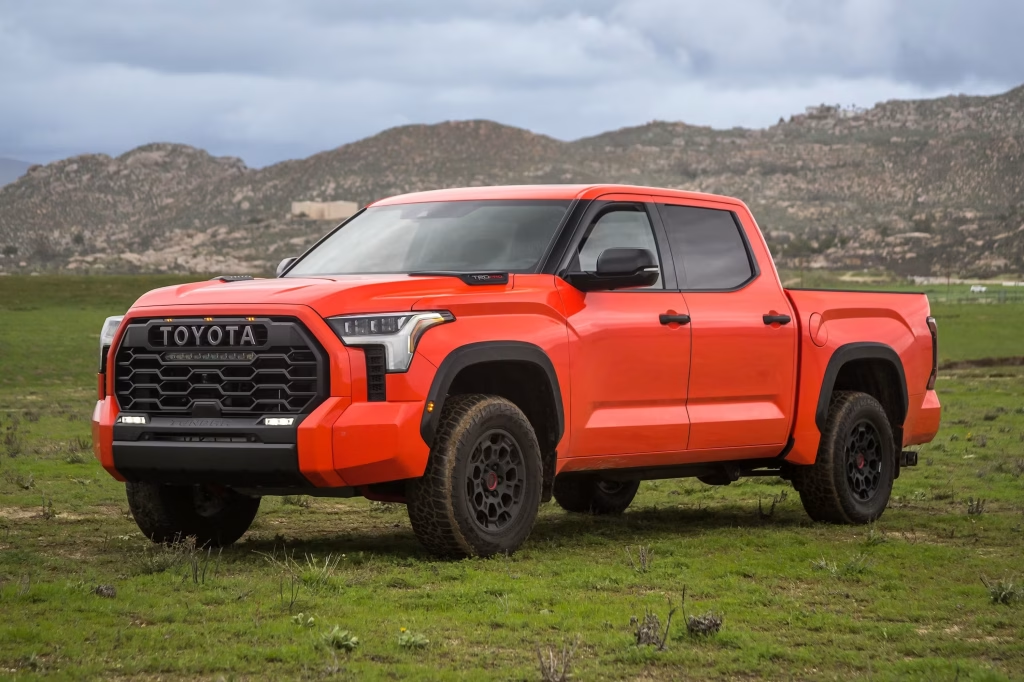
8. Toyota Tundra
The Toyota Tundra placed eighth, with 4.0% of vehicles reaching 200,000 miles in the study. As a full-size pickup, it serves a different purpose from the SUVs ranked above it, offering an open cargo bed and the ability to haul equipment or tow trailers when correctly configured.
The Tundra appeals to owners who need a truck for work, recreation, or regular heavy-duty tasks within the vehicle’s rated limits. Some trucks accumulate high mileage through highway commuting, while others spend years carrying tools, towing trailers, or operating on construction sites. Those histories can have very different effects on wear.
A used Tundra should be evaluated according to its actual workload. Inspect the frame for corrosion, the suspension for wear, and the drivetrain for leaks or unusual noises. Check the condition of the bed, hitch, tires, and brakes, and look for evidence of modifications that may affect reliability or safety.
Model year matters considerably. Tundras have used different engines and transmissions across generations, so buyers should research the specific powertrain and check for applicable recalls or service campaigns. The nameplate’s historical ranking cannot establish that every generation has identical durability.
Running costs also deserve attention. Full-size truck tires can be expensive, and fuel consumption varies by engine, configuration, load, and driving conditions. Buyers who rarely need the truck’s towing or hauling capability may find a smaller pickup more economical.
The Tundra’s 200,000-mile record is a reason to include it on a shortlist, not a reason to overlook a poor service history. A clean inspection and documented maintenance are especially important for trucks that have worked hard.
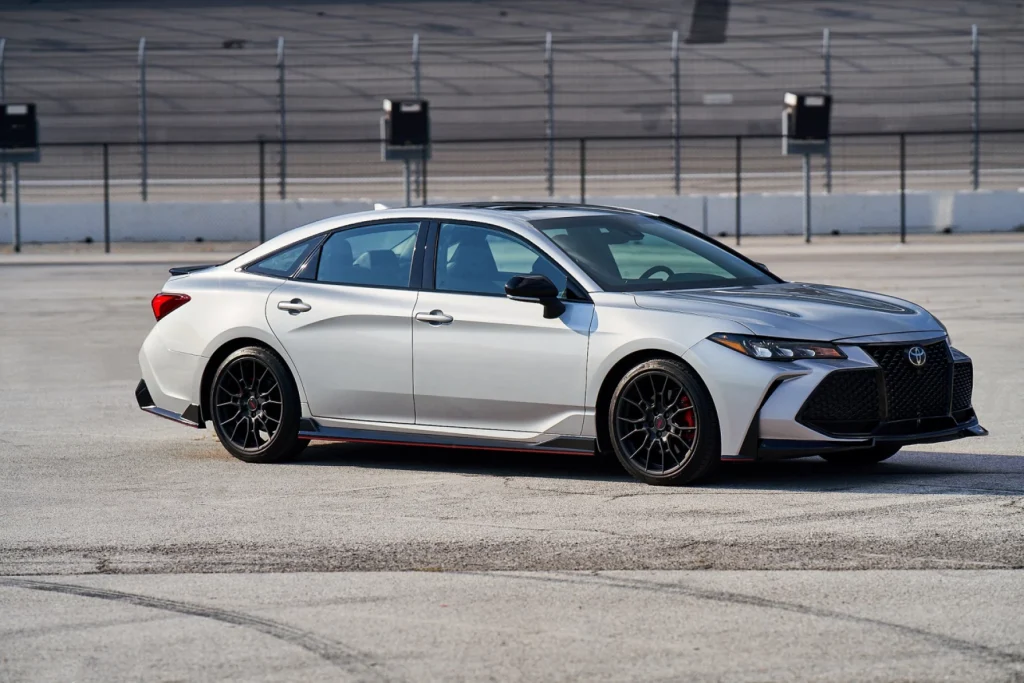
9. Toyota Avalon
The Toyota Avalon stands out because it is the first conventional passenger sedan in this ranking. The study found that 3.9% of Avalons had reached at least 200,000 miles, matching the Prius’s reported share.
Unlike the truck-based SUVs dominating the top positions, the Avalon was designed primarily for comfortable road travel. Its roomy cabin, generous passenger space, and emphasis on relaxed driving made it attractive to buyers who wanted a large sedan without moving into a luxury-brand model.
That role can suit people who regularly commute or travel long distances on highways. Its sedan layout also changes the ownership equation.
Compared with a full-size SUV or pickup, an Avalon generally requires less space to park and may cost less to fuel and equip with tires. Actual expenses depend on the model year, engine, condition, and local parts and labor prices.
Buyers should still check for age-related wear. Inspect the engine, transmission, suspension, brakes, air-conditioning system, and electronics, and review records for routine servicing. A quiet road test is useful, but it should not replace an independent mechanical inspection.
Because the Avalon has been discontinued in the U.S. market, shoppers will be looking at used examples. That makes condition and availability of parts particularly relevant, though its shared components with other Toyota models may help with some maintenance needs.
The Avalon is a useful reminder that high-mileage vehicles do not have to be rugged SUVs or trucks. For drivers who value a comfortable sedan, a well-maintained example can be worth considering, provided the price reflects its age and remaining maintenance needs.
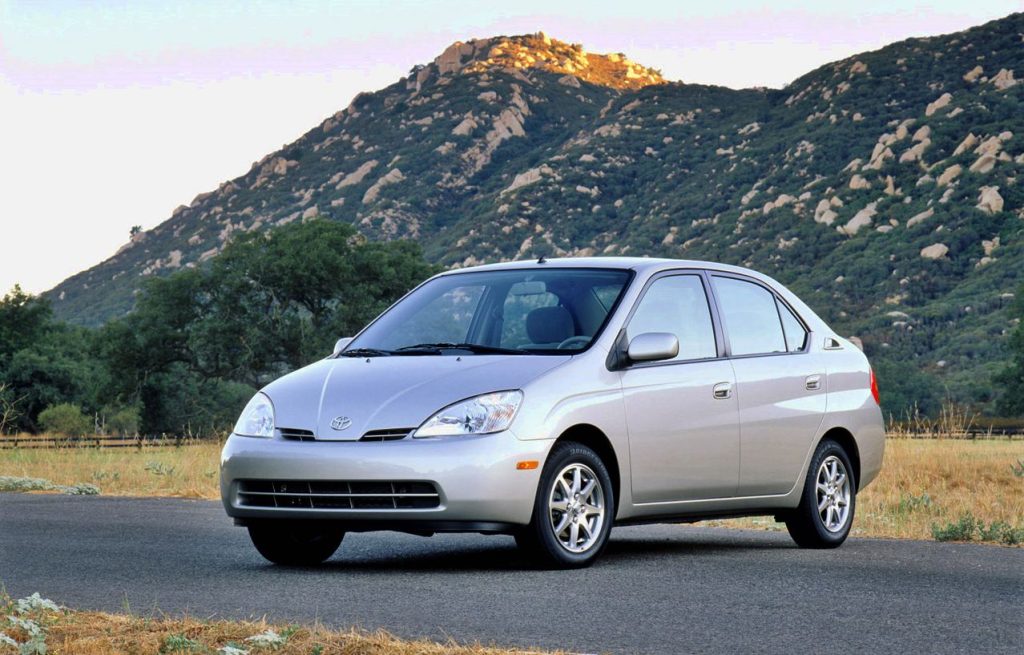
10. Toyota Prius
The Toyota Prius completes the top ten, with 3.9% of vehicles reaching 200,000 miles in the iSeeCars study. Its result is notable because it is a compact hybrid hatchback rather than a large, body-on-frame SUV or pickup.
The Prius is designed around fuel efficiency, making it attractive to commuters and drivers who spend considerable time in city traffic. Its hybrid system combines a gasoline engine with electric-drive components, allowing it to reduce fuel consumption in many everyday driving conditions. Owners who cover high annual mileage may particularly value that efficiency.
A high-mileage Prius still requires careful evaluation. Hybrid battery condition, cooling components, the gasoline engine, transmission-related systems, brakes, and suspension all deserve inspection. A warning light or stored diagnostic code should be investigated rather than dismissed simply because the vehicle still drives normally.
Service records are especially valuable when shopping for an older hybrid. Ask whether routine maintenance was completed and whether the battery or other major components have been replaced. A replacement can be a positive sign if documented and performed properly, but buyers should verify the quality and warranty of the work.
The Prius also offers practical advantages over the larger vehicles on this list. It is easier to maneuver in tight urban spaces and generally uses less fuel than a full-size SUV. However, a poorly maintained example can still require expensive repairs, and a low purchase price does not automatically make it a bargain.
Its place in the ranking shows that efficient passenger cars can also accumulate very high mileage. For buyers who prioritize fuel economy and daily usability, a Prius with a clean history and a satisfactory hybrid-system inspection may be a sensible long-term option.