Keeping a car on the road involves more than paying for gasoline. Oil changes, inspections, replacement parts, and routine servicing can add up over five years, making maintenance costs an important factor when choosing a new vehicle.
CarEdge’s U.S. maintenance rankings estimate five-year upkeep expenses for individual models, providing a useful basis for comparison. These estimates are not guaranteed repair bills and should not be confused with total ownership costs, which also include insurance, depreciation, fuel, and financing.
The following cars stand out for their comparatively low projected maintenance expenses, giving budget-conscious buyers a starting point for evaluating long-term affordability.
1. Nissan Leaf
Estimated five-year maintenance cost: $1,095
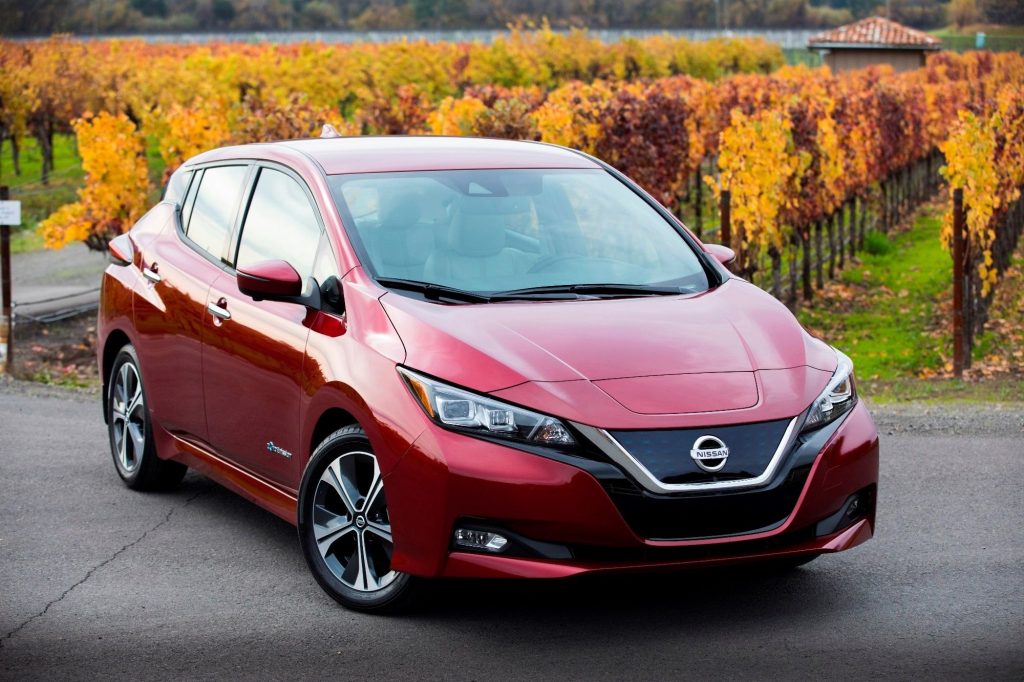
The Nissan Leaf takes the top position in CarEdge’s current five-year maintenance-cost ranking, with projected upkeep of just $1,095.
Its all-electric powertrain eliminates several routine services associated with gasoline engines, including engine oil changes, spark-plug replacement, and exhaust-system maintenance. That simpler routine servicing helps explain its low projected maintenance expense.
The Leaf is a practical option for drivers whose daily journeys fit within its available driving range. U.S. versions have offered different battery capacities and range ratings depending on model year and trim, so used-car shoppers should verify the specifications of the exact vehicle they are considering.
There is an important distinction between routine maintenance and major repairs. An electric car still needs tires, brake inspections, cabin air-filter replacements, suspension maintenance, and attention to its cooling systems where fitted.
Battery condition is also important when evaluating a used Leaf, particularly an older example that has accumulated substantial mileage or spent years in hot climates.
Before buying, ask for a battery health assessment and check the remaining battery warranty. Inspect the charging equipment, test the vehicle’s charging operation, and confirm that its range suits your commute. Tire wear deserves attention because replacement costs can offset some savings from reduced servicing.
The $1,095 figure is a model-level estimate, not a guarantee that every owner will spend that amount. Nevertheless, the Leaf’s relatively simple powertrain makes it a compelling candidate for buyers who prioritize low scheduled maintenance and have convenient charging access.
2. FIAT 500e
Estimated five-year maintenance cost: $1,178
The FIAT 500e is another electric vehicle with a low projected maintenance bill. CarEdge estimates five-year upkeep at $1,178, placing it second in its model-level maintenance ranking.
Its compact electric powertrain avoids many recurring engine services, making it particularly relevant to drivers who primarily travel short distances around town.
Its small footprint is one of its most practical advantages. The 500e is designed for urban mobility, where easy parking and maneuverability can matter as much as highway performance. Buyers should remember, however, that its range, charging speed, and equipment depend on the specific U.S. model year and configuration.
Low maintenance spending does not mean the car is free of wear-related expenses. Tires, brakes, suspension parts, cabin filters, and electrical accessories still require attention.
A used example should also be checked for battery condition, charging system operation, and damage from previous accidents. Battery repairs can be expensive even when ordinary scheduled servicing is inexpensive.
The 500e’s suitability depends heavily on how it will be used. Drivers with reliable home or workplace charging and predictable daily routes may find ownership straightforward. People who regularly travel long distances or lack convenient charging access should assess their requirements carefully before choosing a small electric car.

CarEdge’s $1,178 projection is an estimate of maintenance expenses, not the complete cost of ownership. It excludes important considerations such as insurance, depreciation, financing, and electricity. For shoppers whose journeys suit the vehicle, the 500e’s low upkeep estimate makes it worth comparing with other compact electric cars.
3. Toyota Mirai
Estimated five-year maintenance cost: $1,196
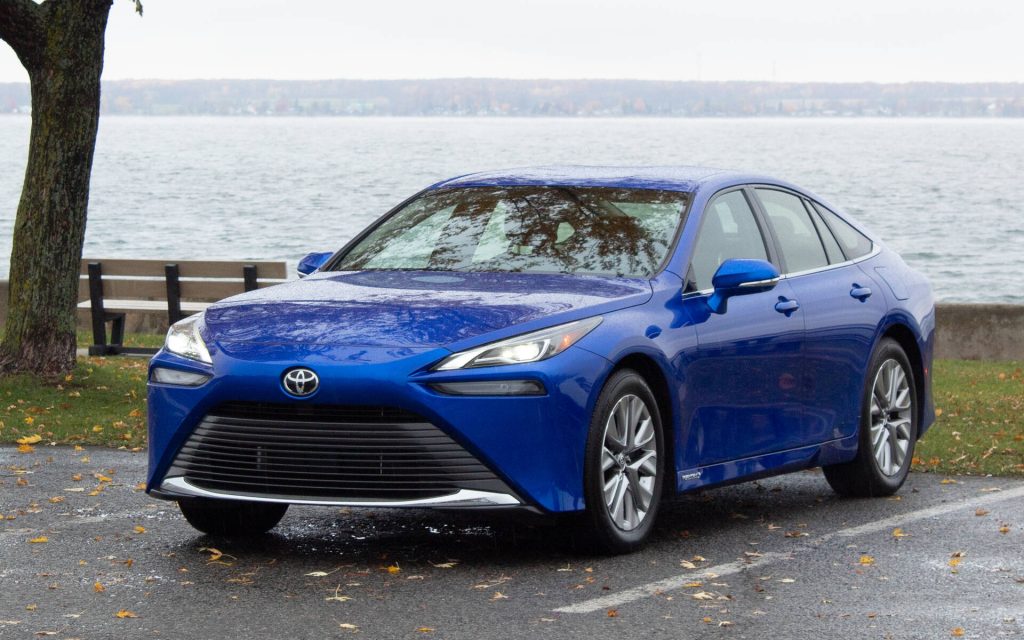
The Toyota Mirai is unusual on this list because it uses hydrogen fuel-cell technology rather than a conventional gasoline engine or a plug-in battery-electric powertrain. CarEdge estimates its five-year maintenance cost at $1,196, placing it third among the models in its current ranking.
A fuel-cell vehicle generates electricity onboard through a chemical reaction involving hydrogen and oxygen. Its electric motor drives the wheels, so it does not require conventional engine oil changes or many of the services associated with gasoline-powered cars. That difference helps explain why projected routine maintenance can be relatively low.
However, the Mirai’s practical appeal depends on where its owner lives and drives. Hydrogen refueling infrastructure in the United States is limited, with availability particularly concentrated in California.
Buyers must confirm that functioning stations are accessible along their regular routes and understand the cost and convenience of refueling before considering this vehicle.
Maintenance estimates also should not be confused with long-term repair exposure. A fuel-cell system, hydrogen storage components, and specialized electronics require qualified service when problems arise.
Used-car shoppers should verify warranty coverage, service history, and the availability of trained technicians in their area.
The Mirai may suit a driver who has dependable access to hydrogen stations and wants an electric driving experience without plug-in charging. For most shoppers outside supported refueling areas, however, infrastructure can be a more important ownership consideration than the projected maintenance bill.
CarEdge’s $1,196 figure is a useful comparison point, but it does not establish that the Mirai will be the cheapest car to own in every location. Its low upkeep estimate must be weighed against fuel availability and the vehicle’s specific operating requirements.
4. Toyota bZ4X
Estimated five-year maintenance cost: $1,208
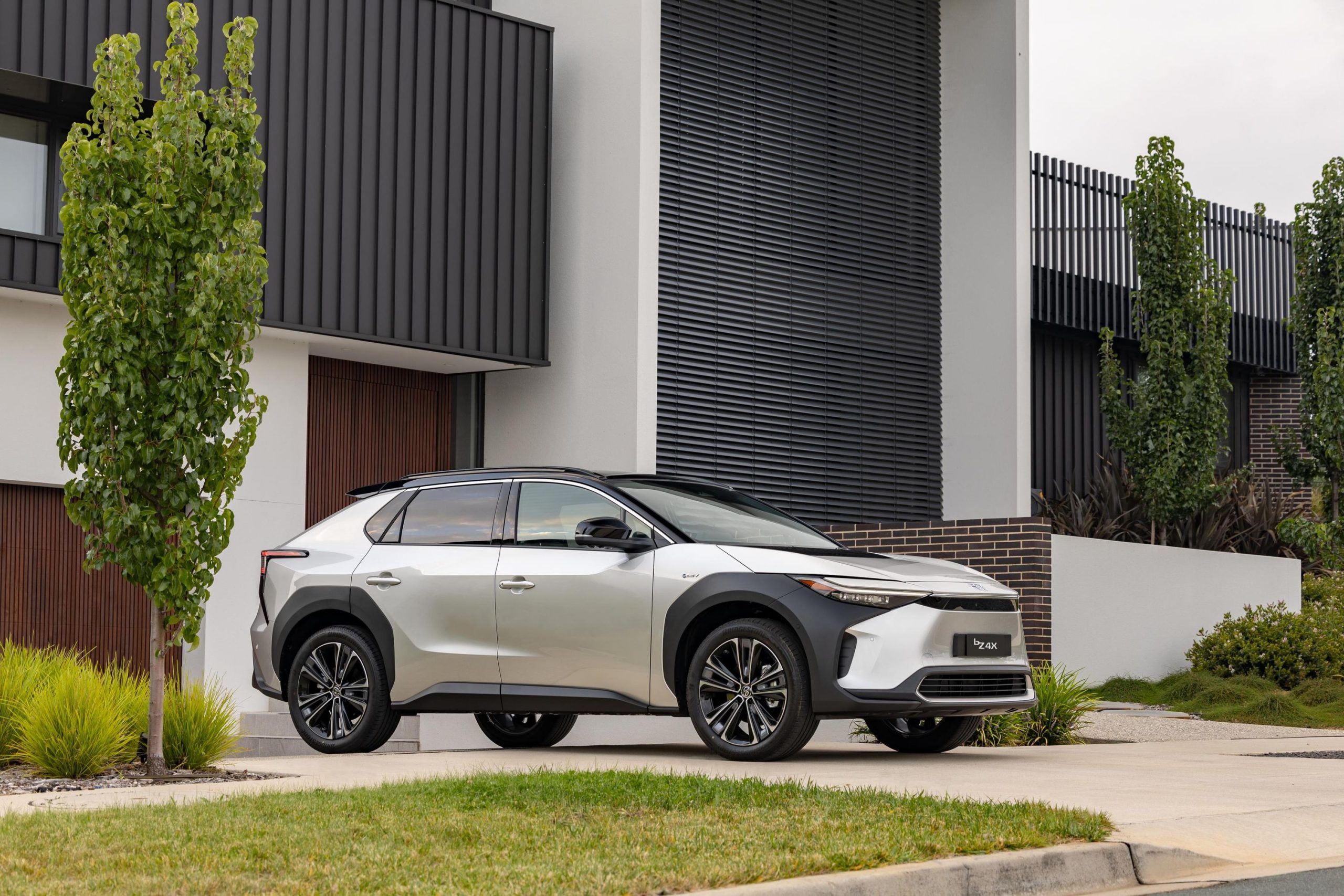
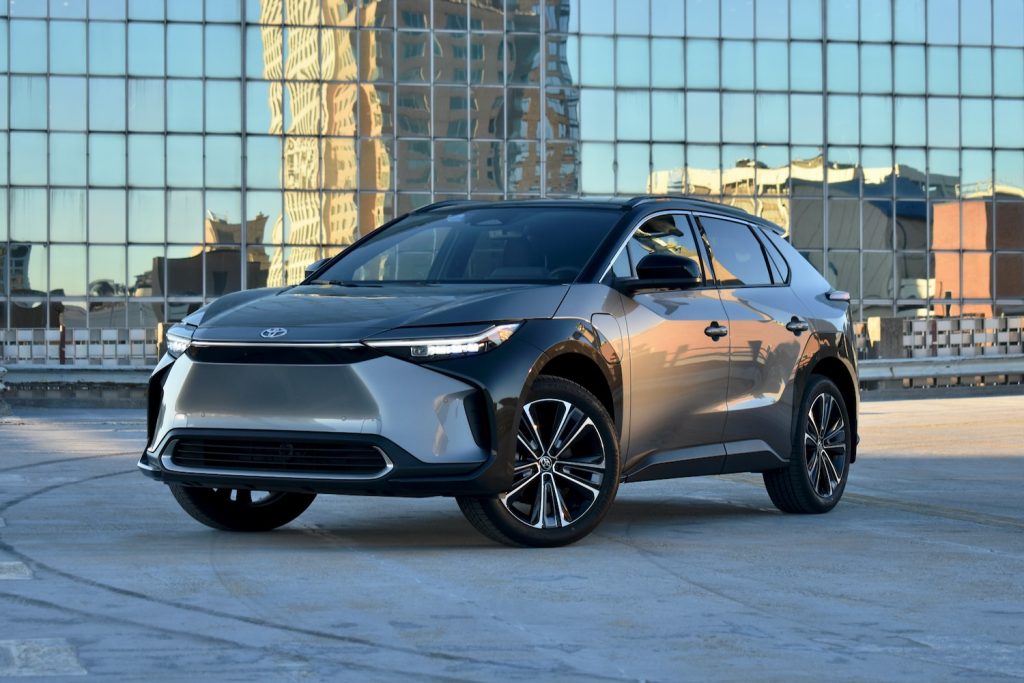
The Toyota bZ4X combines the familiar format of a compact crossover with a fully electric powertrain. CarEdge estimates five-year maintenance expenses at $1,208, placing it fourth in its current model ranking.
Its projected upkeep is relatively low because an electric vehicle does not need conventional engine oil changes, spark plugs, or exhaust-system servicing.
Unlike a small city car, the bZ4X offers SUV-style seating and cargo flexibility, making it more suitable for households that want an electric vehicle for everyday errands and family transportation. U.S. versions differ by model year, drivetrain, and equipment, so shoppers should check the exact vehicle’s range, charging capability, and specifications.
Maintenance remains necessary despite the absence of a gasoline engine. Tires, brakes, suspension components, cabin filters, and other systems need periodic attention.
Buyers should also inspect the charging port and equipment, check for warning messages, and ask a qualified technician to assess the battery and electric-drive system if the vehicle’s history is uncertain.
Tire expenses deserve particular consideration because replacement needs depend on vehicle weight, tire specifications, driving habits, and road conditions. A low maintenance projection does not mean every consumable will be cheaper than on a gasoline crossover.
Before buying, confirm that charging access suits your routine and review any remaining battery warranty. Compare the used vehicle’s condition and price with newer alternatives, especially if incentives affect the cost of a new electric crossover.
The $1,208 estimate makes the bZ4X worth investigating for drivers seeking low projected upkeep in a practical electric SUV. Actual ownership costs will still depend on mileage, tire wear, repairs, insurance, electricity rates, and depreciation.
5. Toyota Corolla Hatchback
Estimated five-year maintenance cost: $1,357
For buyers who prefer a gasoline-powered car, the Toyota Corolla Hatchback offers a practical alternative to the electric models above. CarEdge estimates its five-year maintenance cost at $1,357, placing it fifth in the current ranking.
Its conventional powertrain requires routine engine servicing, but the model’s relatively modest upkeep projection makes it attractive to shoppers managing long-term expenses.
The hatchback body gives the Corolla useful cargo flexibility without the size of an SUV. Folding rear seats help accommodate larger items, while its compact dimensions suit commuting and city driving.
U.S. model years offer different equipment and transmission configurations, so buyers should verify the specifications rather than assume all versions have identical servicing needs.
Maintenance costs depend on how the vehicle is used. Frequent short trips, stop-and-go traffic, and high annual mileage can increase servicing needs compared with steady highway use. Tires, brakes, filters, fluids, and scheduled inspections should all be included in a realistic ownership budget.
When buying used, request service records and check whether the previous owner followed the manufacturer’s maintenance schedule. Inspect tire wear, brakes, suspension, and the engine for leaks or unusual noises. A pre-purchase inspection can identify overdue work that might make a cheap car expensive shortly after purchase.
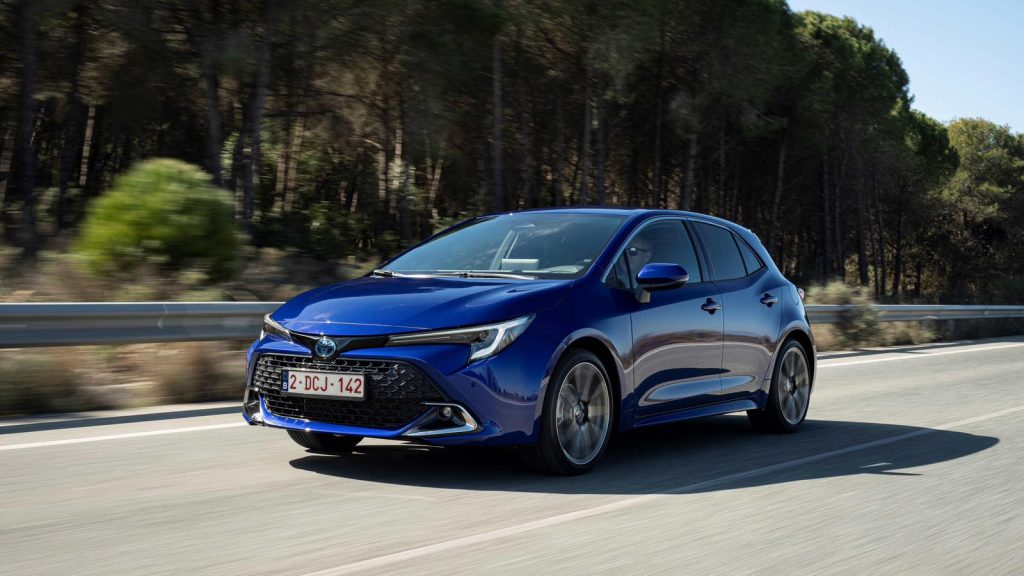
The $1,357 projection is not a fixed bill for every owner. Local labor rates, parts prices, mileage, and maintenance history can change the final amount.
Still, the Corolla Hatchback’s relatively low projected upkeep makes it a sensible candidate for drivers who want conventional fueling and practical everyday transportation without choosing a larger, more complex vehicle.
6. Hyundai IONIQ 6
Estimated five-year maintenance cost: $1,360
The Hyundai IONIQ 6 is an electric sedan designed around aerodynamic efficiency and long-distance comfort. CarEdge estimates five-year maintenance expenses at $1,360, placing it sixth in the current ranking.
Its electric powertrain avoids several services required by gasoline engines, helping keep routine upkeep comparatively low.
Its streamlined body distinguishes it from conventional sedans and taller electric crossovers. U.S. versions have been offered with different battery capacities and rear-wheel-drive or all-wheel-drive configurations, depending on model year and trim.
Those differences affect range, performance, and purchase price, so the exact specification matters when comparing vehicles.
Electric propulsion does not eliminate maintenance. Tires, suspension parts, cabin filters, brake inspections, and cooling-system components still require attention. The vehicle’s battery and charging system should also be checked, particularly when considering a used example with substantial mileage or uncertain service records.
Before purchasing, inspect the charging port, test the available charging functions, and review any warning messages. Ask whether software updates and applicable recalls have been addressed. A qualified technician can assess the high-voltage system and help identify issues that are not obvious during a short test drive.
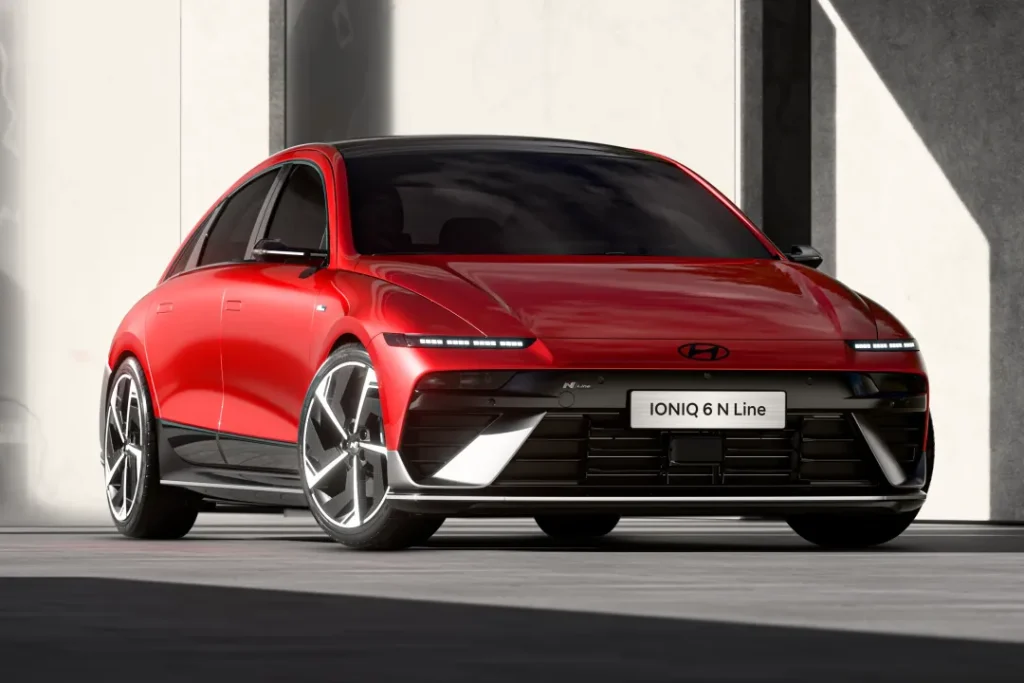
The low projected maintenance figure should not be interpreted as a guarantee of low total ownership costs. Insurance, depreciation, electricity prices, and tire replacement can materially affect the financial picture. Charging access is also important, especially for drivers without a home charging setup.
For motorists seeking a modern electric sedan, the IONIQ 6’s projected upkeep makes it worth comparing with gasoline and hybrid alternatives. The most suitable choice depends on driving needs, charging access, vehicle condition, and the actual purchase price.
7. Toyota Corolla Sedan
Estimated five-year maintenance cost: $1,430
The Toyota Corolla Sedan remains a straightforward option for drivers who want conventional transportation without the complexity or purchase price of a larger vehicle. CarEdge estimates its five-year maintenance expenses at $1,430, placing it seventh in the current model ranking.
The model’s appeal lies in its compact size, functional interior, and gasoline engine, which can be serviced by many independent repair shops across the United States. However, engines, transmissions, safety technology, and available features vary by model year, making it important to verify the maintenance requirements for the exact vehicle.
Routine upkeep typically includes engine oil and filter changes, tire rotations, inspections, and replacement of wear items according to the manufacturer’s schedule. Driving conditions influence how often some services are needed.
Heavy stop-and-go traffic, dusty roads, and high annual mileage can increase maintenance demands compared with moderate highway use.
For used-car buyers, records are more useful than a seller’s general assurance that the vehicle was maintained well. Review service invoices, inspect the tires and brakes, and check for fluid leaks or warning lights. Confirm that recalls affecting the vehicle identification number have been addressed.
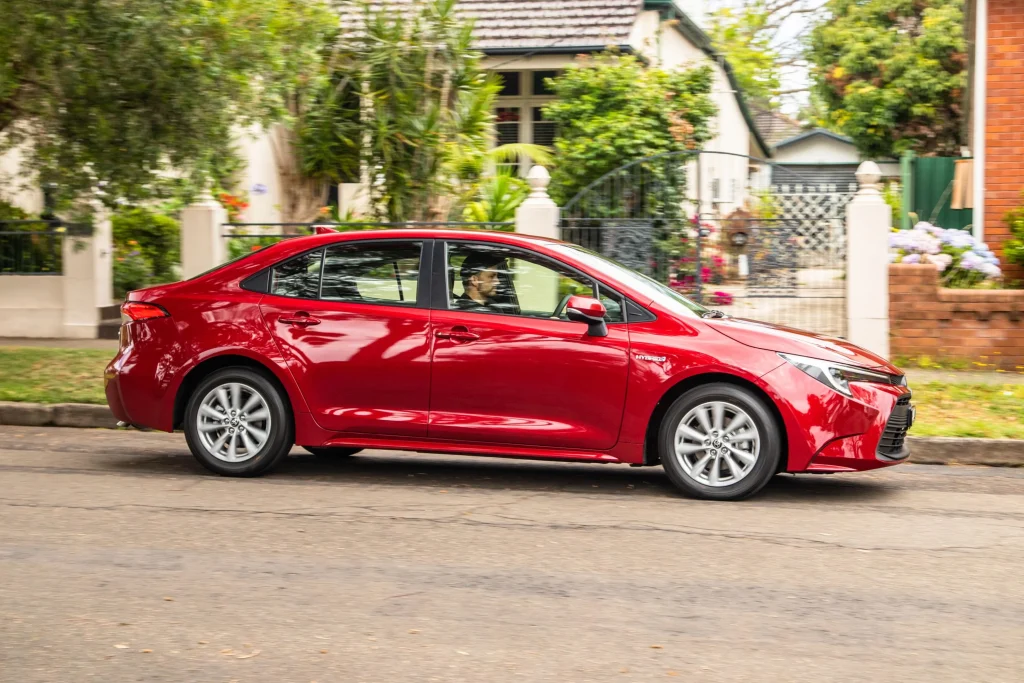
The Corolla’s low projected maintenance cost does not mean every used example will be inexpensive to own. A neglected car may need tires, brakes, suspension work, or overdue servicing immediately after purchase. An independent inspection helps identify those expenses before money changes hands.
Compared with larger SUVs and performance vehicles, the Corolla’s simpler design and widespread service availability can make budgeting more predictable. Its $1,430 estimate provides a useful baseline, but actual expenses depend on mileage, condition, parts prices, and local labor rates.
8. Toyota Prius
Estimated five-year maintenance cost: $1,437
The Toyota Prius helped establish the hybrid car as a mainstream option in the United States. Its gasoline-electric powertrain combines an engine with electric motor assistance, reducing fuel consumption in many driving conditions.
CarEdge estimates five-year maintenance expenses at $1,437, placing the Prius eighth in its current ranking.
A hybrid still requires regular maintenance, including engine oil changes, tire care, inspections, and servicing according to the manufacturer’s schedule. However, regenerative braking can reduce reliance on conventional friction brakes in suitable driving conditions. The actual effect on maintenance depends on how the vehicle is driven and maintained.
Buyers should understand that hybrid components require their own inspections. The traction battery, cooling system, power electronics, and related components should be checked if warning lights appear or the service history is incomplete. A qualified technician can assess hybrid-system operation using appropriate diagnostic equipment.
When examining a used Prius, verify the maintenance history and look for evidence of overheating, collision damage, or electrical repairs. Test the air conditioning and other cabin equipment, and inspect the tires for uneven wear.
A well-maintained example can be a practical commuter, but high mileage alone does not prove that the battery or other components are healthy.
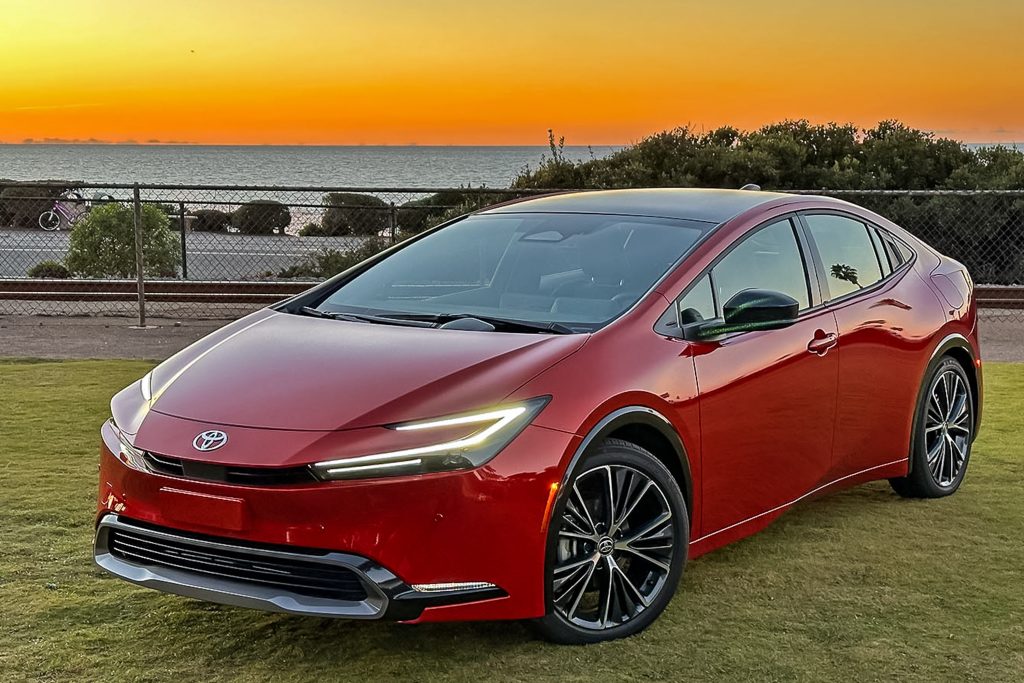
The $1,437 estimate reflects projected maintenance expenses, not a guarantee against major repairs. Battery condition, local labor rates, driving habits, and the vehicle’s age can all affect actual costs.
For drivers who cover regular daily mileage, the Prius offers the potential to combine modest maintenance spending with reduced gasoline use. Its suitability depends on the purchase price, vehicle condition, and whether the expected fuel savings justify any price premium over a conventional compact car.
9. Toyota Prius Prime
Estimated five-year maintenance cost: $1,472
The Toyota Prius Prime adds plug-in charging to the familiar Prius hybrid formula. CarEdge estimates five-year maintenance expenses at $1,472, placing it ninth in the current ranking.
Its combination of a gasoline engine, electric motor, and rechargeable battery allows drivers to complete some journeys using electricity before relying on gasoline, depending on driving distance and charging habits.
For owners with convenient home or workplace charging, the plug-in system can reduce gasoline consumption during short daily trips. Longer journeys remain possible using the gasoline engine, so drivers do not have to depend entirely on public charging infrastructure.
The additional technology does mean buyers should understand the vehicle’s specific maintenance requirements. The gasoline engine still needs scheduled servicing, while the charging system, traction battery, power electronics, and cooling components also deserve attention.
Requirements and electric driving range differ between model years, making it important to verify the exact specifications.
When buying used, ask for maintenance records and check whether the charging cable is included. Test the charging port and charging operation, inspect the tires and brakes, and look for warning messages. A qualified hybrid technician can assess the system if the battery’s condition is uncertain.
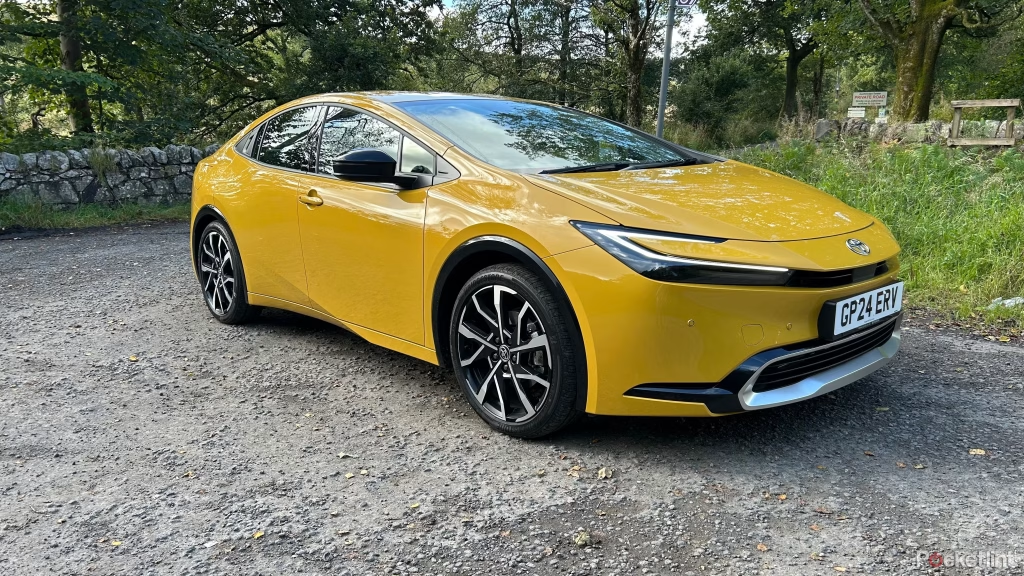
The $1,472 projection does not include every possible repair or represent the complete cost of ownership. Insurance, depreciation, electricity, gasoline, and tire replacement can all affect the final bill. Charging habits also determine how much financial benefit the plug-in system provides.
The Prius Prime is worth considering for drivers who can charge regularly and want the flexibility of both electric driving and gasoline-powered travel. Its projected upkeep is low relative to many vehicles, but buyers should compare the purchase price and expected fuel savings against those of the conventional Prius.
10. Toyota Camry
Estimated five-year maintenance cost: $1,503
The Toyota Camry rounds out this list with projected five-year maintenance expenses of $1,503 in CarEdge’s current ranking. Its position makes it a useful option for buyers who want a midsize sedan rather than a compact car, offering more passenger space while keeping projected upkeep relatively modest.
The Camry has a long-established presence in the U.S. market and has been offered with different powertrains across generations. The latest U.S. generation is hybrid-only, while older used examples may have conventional gasoline engines or hybrid systems. Maintenance requirements therefore depend on the model year and exact configuration.
Regular servicing remains essential. Gasoline-powered versions require engine oil changes and other scheduled services, while hybrid versions add high-voltage components that should be checked when necessary. All Camrys need attention to tires, brakes, suspension, and other wear items as mileage accumulates.
Used-car shoppers should examine service records, inspect the engine or hybrid system as appropriate, and test the air conditioning, infotainment, and safety features. Uneven tire wear, fluid leaks, warning lights, or unusual drivetrain behavior deserve further investigation. An independent inspection can reveal overdue work that a short test drive may miss.
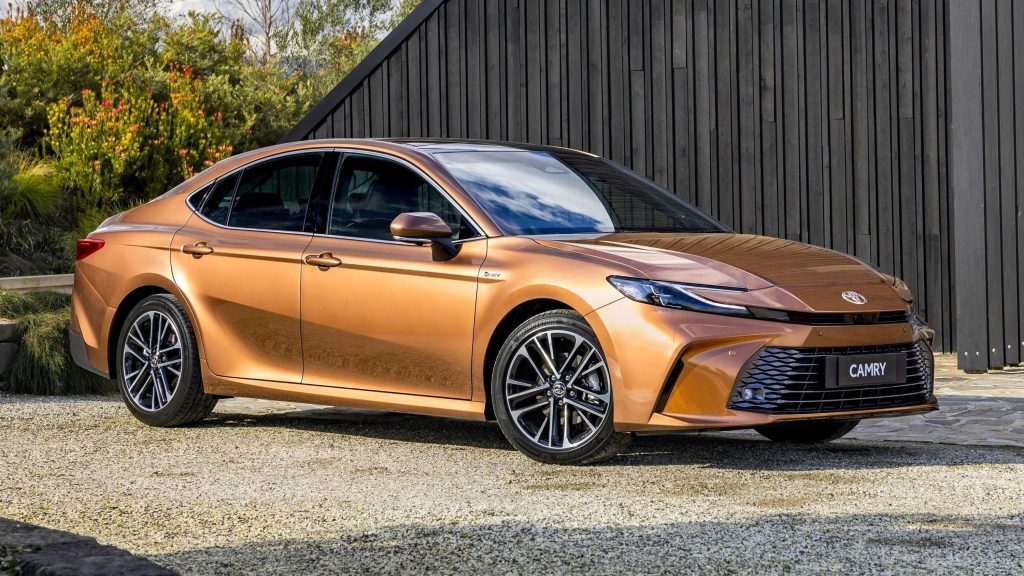
The $1,503 estimate is a projection rather than a guaranteed expense. Maintenance costs vary with mileage, driving conditions, local labor rates, parts prices, and vehicle condition. It also should not be confused with the total cost of ownership, which includes fuel, insurance, depreciation, and financing.
For drivers who need a comfortable daily sedan with room for passengers and luggage, the Camry’s relatively low projected upkeep makes it worth considering. Comparing the specific model year, powertrain, purchase price, and service history will help determine whether it offers better value than a smaller sedan or hybrid alternative.