
A car with 150,000 miles on the odometer can still have plenty of useful life left, but age and accumulated wear make a thorough inspection essential. At this mileage, problems may extend beyond the engine and transmission to rubber components, electrical systems, suspension parts, and cooling equipment.
A vehicle with consistent maintenance records may be in better condition than a neglected car with half the mileage, so the odometer should never be the only deciding factor.
Before buying or continuing to drive a high-mileage vehicle, check these eight areas to identify expensive repairs before they become unexpected breakdowns.
1. Engine Oil Leaks and Worn Seals
At 150,000 miles, inspect the engine carefully for oil leaks around the valve cover, oil pan, timing cover, and other gasket surfaces. Heat cycles gradually affect rubber seals and gaskets, while years of vibration can contribute to seepage. A light film of oil does not automatically indicate a serious failure, but active leaks deserve investigation.
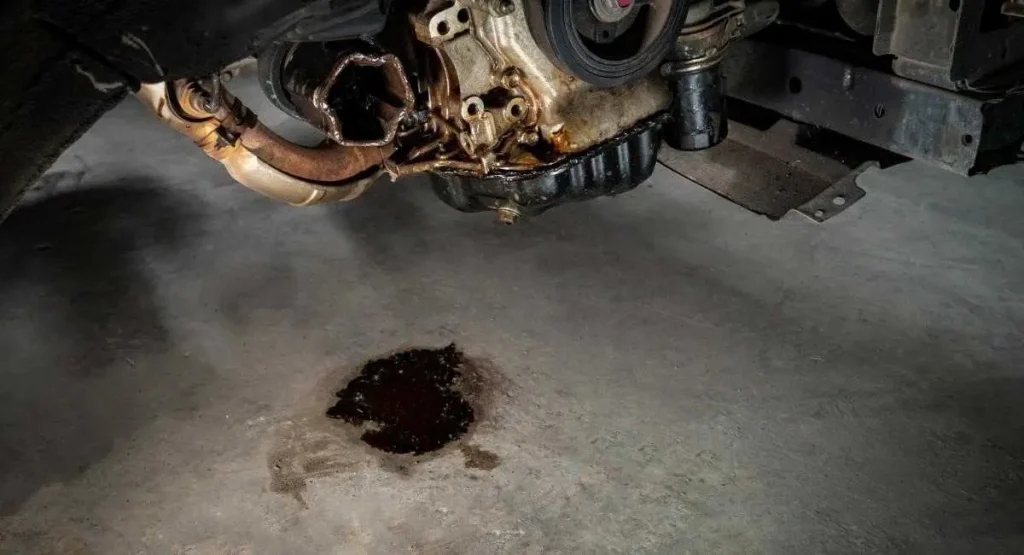
Look for fresh oil on the ground, wet areas around the engine, burning-oil smells, or smoke coming from the engine bay. Check the dipstick, where fitted, and monitor whether the oil level drops between services. Blue exhaust smoke can indicate that the engine is burning oil, although the cause requires proper diagnosis.
Do not assume every leak means the engine is near the end of its life. Some gasket replacements are relatively straightforward, while leaks in difficult-to-access locations can require substantial labor. The location and severity of the leak matter more than the mere presence of oil residue.
During a pre-purchase inspection, ask the mechanic to distinguish between minor seepage and leaks that could damage nearby components or lead to low oil levels. Also check whether the seller has repeatedly topped up the oil without addressing the cause.
Low oil levels can cause excessive engine wear and lead to costly damage if left unaddressed. For a high-mileage vehicle, records of completed repairs and regular oil changes provide valuable evidence that the engine has been properly maintained.
2. Transmission Wear and Shifting Problems
A transmission with 150,000 miles may still operate reliably, but years of heat, friction, and heavy use can increase the risk of wear. The potential problems depend on whether the vehicle uses a conventional automatic, manual transmission, continuously variable transmission (CVT), or dual-clutch unit.
During a road test, pay attention to delayed engagement when selecting Drive or Reverse, slipping, harsh shifts, shuddering, or unusual noises. A manual car may show clutch wear through slipping under acceleration or difficulty selecting gears. These symptoms can have different causes, so a road test alone cannot establish the exact fault.
Review the maintenance records to determine whether the transmission received the fluid service specified by the manufacturer. Do not assume that every transmission follows the same service interval or that a fluid change will fix an existing mechanical problem. Some vehicles have special procedures or specific fluid requirements.
Look underneath the vehicle for signs of transmission-fluid leakage, and ask a qualified mechanic to scan for relevant diagnostic codes. If the seller reports that the transmission occasionally behaves strangely but insists it is normal, seek an independent assessment before purchasing.
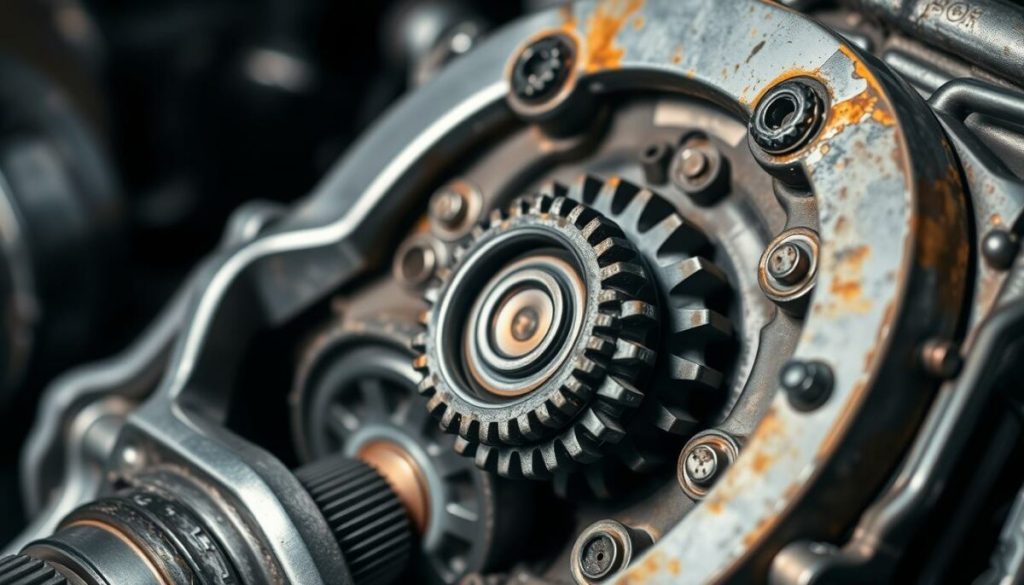
Transmission repairs can cost thousands of dollars, depending on the vehicle and the extent of the damage. A high-mileage car with smooth shifting and documented maintenance may offer better financial security than a lower-mileage vehicle with an uncertain transmission history.
3. Cooling-System Deterioration
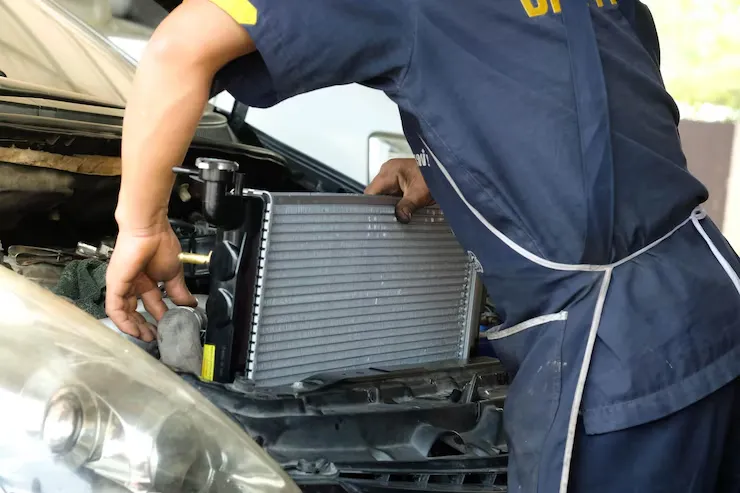
The cooling system becomes increasingly important as a car ages. Radiator hoses, plastic fittings, seals, the water pump, thermostat, radiator, and cooling fan can deteriorate or fail over time. A vehicle may show no obvious symptoms during a short drive yet still have a developing leak or weak component.
Check for coolant residue around hose connections, the radiator, and the water pump area. Look for a sweet smell, repeated coolant loss, or signs that the temperature gauge rises beyond its normal operating range.
The coolant should be checked according to the manufacturer’s procedure, and the engine must be cool before opening a pressurized cooling system.
A mechanic can pressure-test the system to help identify leaks that are not readily visible. If the engine has overheated in the past, investigate the reason rather than assuming a replacement hose solved the problem. Repeated overheating can damage the cylinder head gasket and other engine components.
Coolant condition and service history also matter. Using the wrong coolant or mixing incompatible types can create problems, while neglecting scheduled replacement may reduce corrosion protection.
A small hose leak can quickly become a serious problem if coolant loss causes the engine to overheat. Excessive heat can result in costly engine damage, so any cooling-system issues should be repaired before taking the vehicle on long drives or using it to carry heavy loads.
4. Suspension, Steering, and Wheel Bearings
At 150,000 miles, suspension and steering components may have experienced years of potholes, rough roads, heavy loads, and repeated movement. Worn shocks or struts, control-arm bushings, ball joints, tie-rod ends, and wheel bearings can affect comfort, handling, and safety.
Listen for clunks over bumps, squeaks when turning, or humming that changes with vehicle speed. Excessive bouncing after a bump, uneven tire wear, steering looseness, or a vehicle that pulls to one side may also indicate a problem. These symptoms are not conclusive on their own, as tire condition and alignment can produce similar effects.
Ask a mechanic to inspect the suspension and steering for excessive play, damaged boots, leaking dampers, and worn mounting points. Wheel bearings should also be checked for noise and looseness. Some issues are relatively inexpensive to correct, while replacing multiple components can quickly increase the bill.
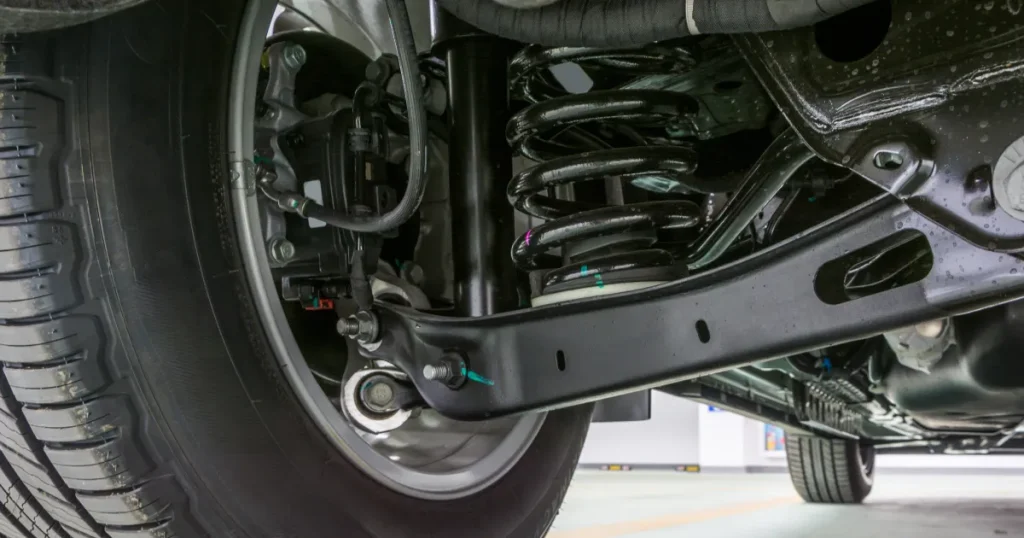
Do not assume that a wheel alignment will solve uneven tire wear. Alignment can be affected by worn or damaged parts, and those underlying problems may need to be repaired first.
Suspension and steering components play a key role in handling, stability, and vehicle control. At this mileage, it is wise to set aside money for potential wear-related repairs, even if the car shows no obvious signs of a major problem.
5. Rubber Hoses, Belts, and Bushings
Mileage is only one part of the story when assessing rubber components. Time, engine heat, sunlight, chemicals, and repeated flexing can make rubber harder, brittle, cracked, or swollen. A 150,000-mile vehicle may have several original components approaching the end of their useful service life.
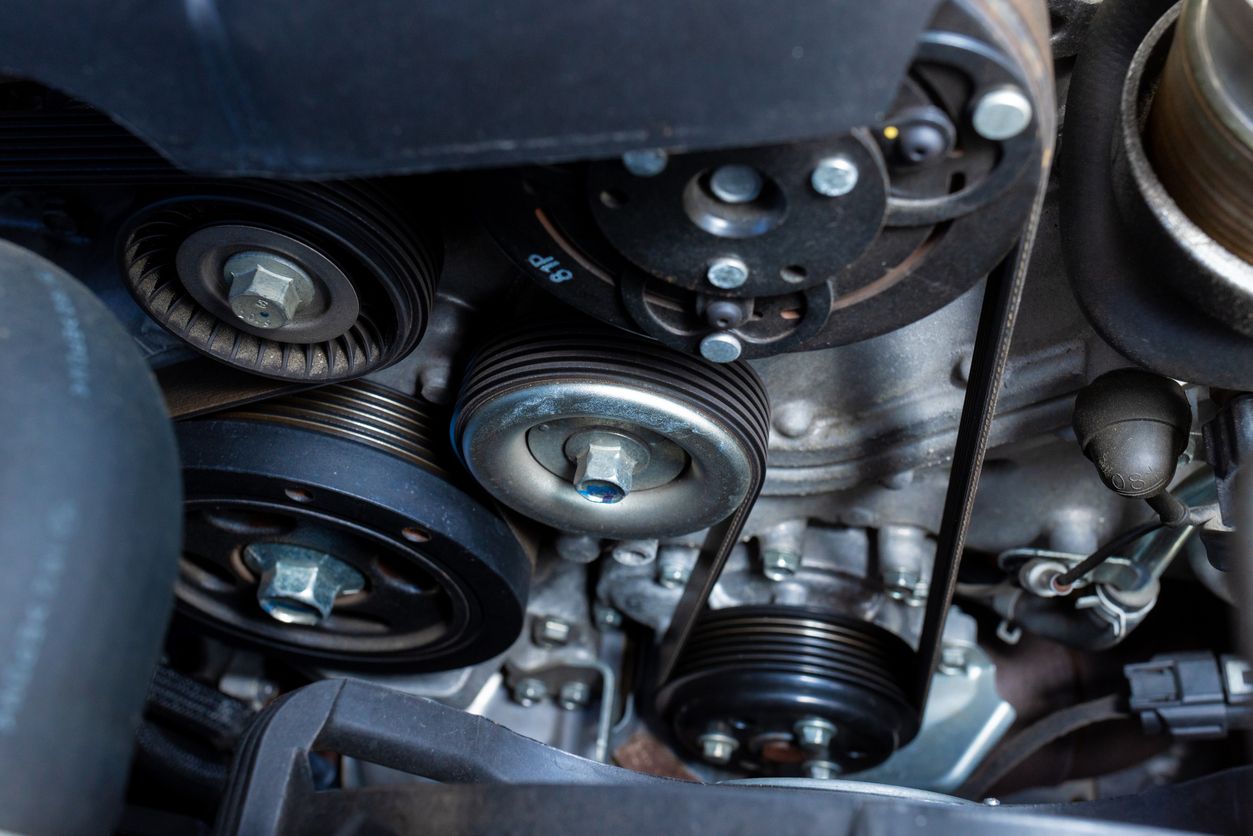
Inspect accessible coolant hoses, vacuum hoses, and other rubber lines for cracking, bulging, softness, or signs of leakage. The serpentine belt should be checked for damage and abnormal wear, although belt inspection and replacement requirements vary by vehicle.
Some engines use timing belts, while others use timing chains, so buyers should verify the design and the manufacturer’s service requirements for the exact engine.
Suspension bushings also deserve attention. Cracked or deteriorated bushings can contribute to clunking, vibration, alignment problems, and uneven tire wear. Engine and transmission mounts can deteriorate too, potentially causing excessive movement or vibration.
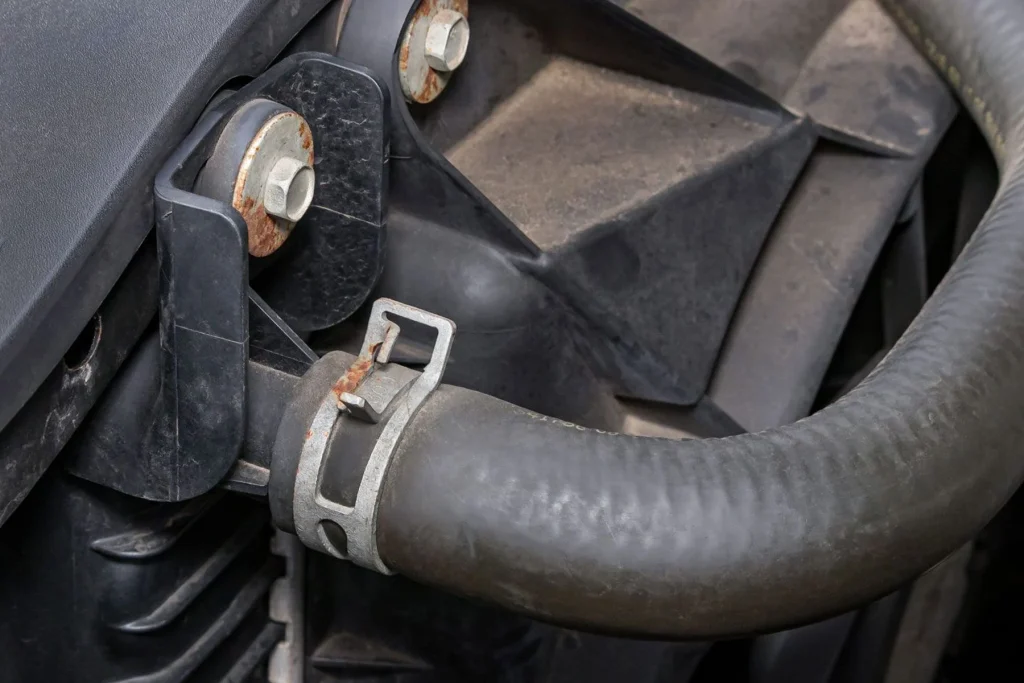
A mechanic can identify components that need immediate replacement and distinguish them from items that merely show age. If a timing-belt service is due or overdue, obtain an estimate before agreeing on a purchase price.
Although individual rubber components are often inexpensive, replacing several worn parts due to age can quickly increase maintenance costs. Addressing deterioration early can help prevent fluid leaks, unexpected breakdowns, and damage to surrounding systems.
6. Electrical Problems and Aging Sensors
Electrical issues can become increasingly frustrating in an older vehicle because the symptoms are not always obvious. Aging batteries, corroded connections, worn wiring insulation, failing sensors, and malfunctioning switches can cause intermittent problems that are difficult to reproduce during a brief test drive.
Start with the battery and charging system. Slow cranking, dim lights, repeated jump-starts, or a battery warning light can indicate a problem, although the battery itself may not be the only cause. A mechanic can test the battery, alternator, and charging connections.
Next, check the dashboard for warning lights and verify that they illuminate during the normal startup self-check. A diagnostic scan can identify stored trouble codes, but codes must be interpreted in context rather than treated as proof that a particular component has failed.
Test the power windows, locks, mirrors, headlights, infotainment system, climate controls, backup camera, and other fitted equipment. On some older luxury vehicles, electronic features can be expensive to diagnose or repair.
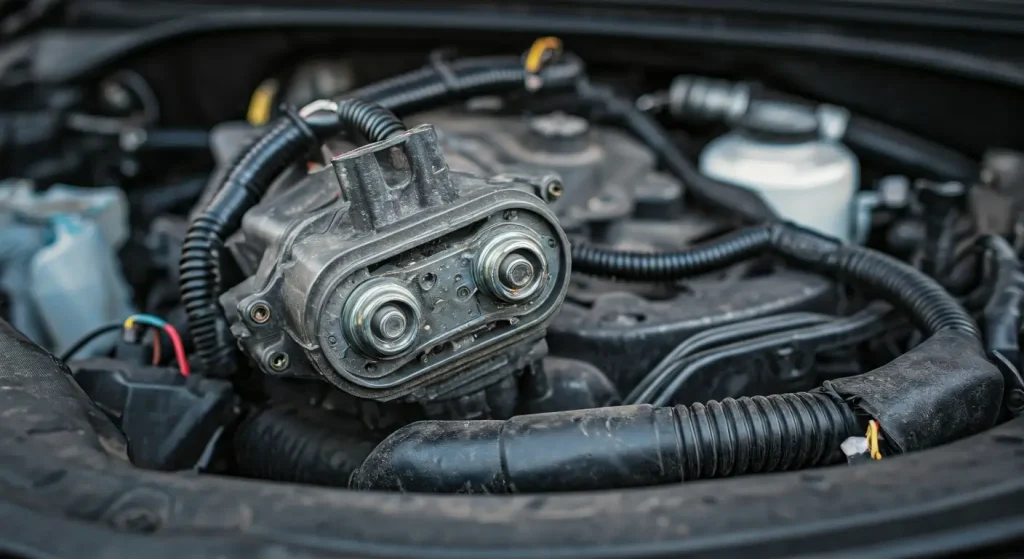
Also look for signs of previous electrical work, damaged wiring, water intrusion, or corrosion around connectors. If warning lights have recently disappeared, ask whether the battery was disconnected or diagnostic codes were cleared.
Electrical issues can be as simple as a weak battery or as costly as faulty control modules and damaged wiring. A comprehensive diagnostic scan and inspection can uncover potential problems before the buyer takes responsibility for the vehicle.
7. Rust, Corrosion, and Previous Accident Damage
Rust can be one of the most serious age-related problems on a high-mileage car, especially in regions where roads are treated with salt during winter. Corrosion may begin in hidden areas before it becomes obvious on exterior body panels, and structural rust can affect safety as well as resale value.
Inspect the underbody, suspension mounting points, subframes, brake and fuel lines, wheel arches, door bottoms, and other areas prone to moisture accumulation. Surface rust on a noncritical component is not necessarily a reason to reject a car, but deep corrosion around structural areas deserves professional evaluation.
Also look for signs of previous accident repairs. Uneven panel gaps, mismatched paint, overspray, poorly repaired seams, and inconsistent welds can indicate past damage. A vehicle history report may provide useful information, but not every collision or repair is recorded.
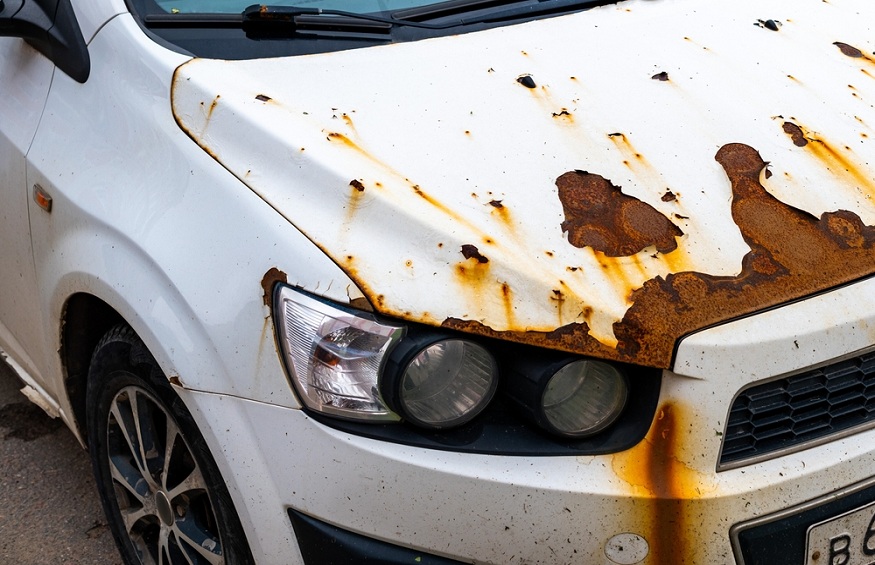
If the car has lived in a coastal area or a region with harsh winters, pay particular attention to corrosion. Conversely, a vehicle from a dry climate may have less rust but can still suffer from sun damage, cracked interior materials, and deteriorated rubber.
Surface rust may be repairable, but extensive corrosion affecting structural components can compromise safety and make restoration too expensive to justify. Before purchasing the vehicle, have a qualified mechanic examine any suspicious areas and assess the severity of the damage.
8. Engine Compression, Exhaust, and Internal Wear
A car reaching 150,000 miles does not automatically need an engine rebuild. Many engines continue running well beyond that point when serviced correctly. However, high mileage makes it important to investigate symptoms that could indicate internal wear or combustion problems.
Watch for persistent blue smoke, repeated misfires, loss of power, excessive oil consumption, rough idling, or unusual knocking sounds.
White exhaust vapor on a cold start can be normal condensation, but persistent white smoke accompanied by coolant loss requires investigation. Black smoke may indicate an overly rich fuel mixture or another engine-management problem.
A mechanic can scan the engine computer, inspect ignition and fuel-system operation, and assess whether further testing is warranted. Compression or leak-down testing may help evaluate cylinder sealing when symptoms suggest internal wear. These tests are not necessary for every used car, but they can be valuable when the engine’s condition is uncertain.
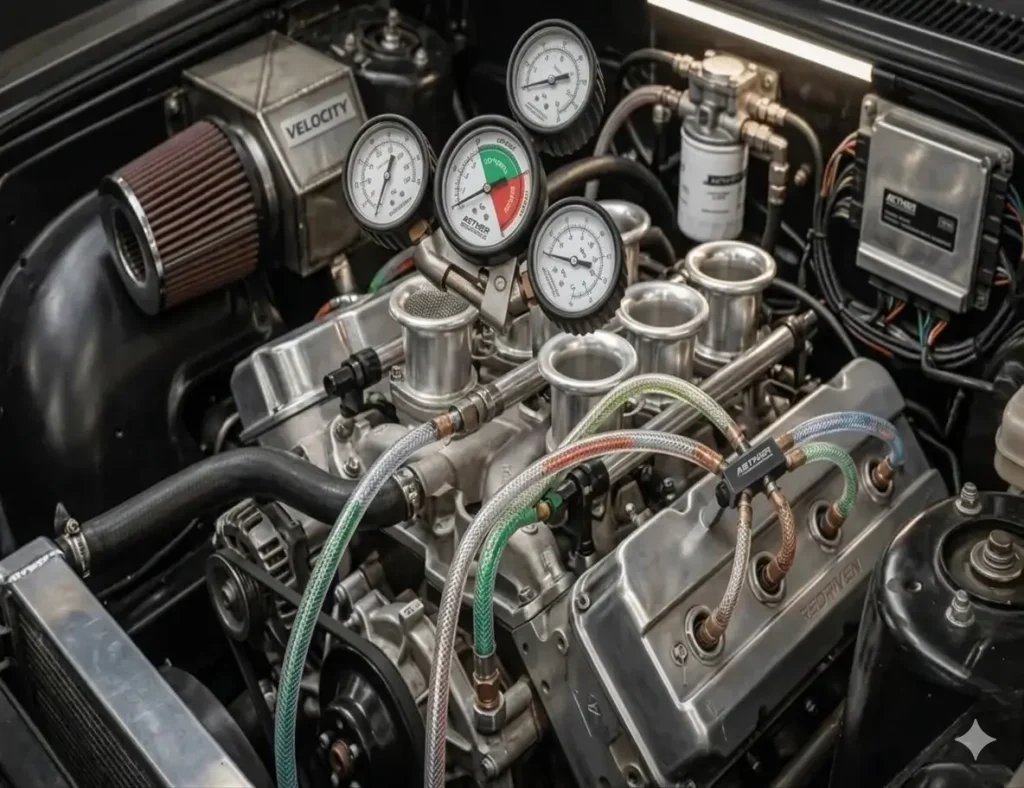
Review oil-change records and ask the seller whether the engine has needed frequent oil top-ups. Also check whether warning lights have appeared intermittently or whether recent repairs were performed to address recurring misfires.
Engine problems can lead to some of the highest repair bills for owners of high-mileage vehicles. Although a clean inspection cannot guarantee trouble-free ownership, identifying warning signs before buying can help you avoid overpaying for a car that requires extensive mechanical repairs.
