An SUV that seems affordable at ten years old can become expensive to own if major repairs begin arriving one after another.
As vehicles age, maintenance needs often increase, but repair costs vary widely depending on the model, parts availability, mechanical complexity, and how well the vehicle has been maintained.
Some SUVs benefit from widely available replacement parts and familiar mechanical designs, while others can become costly when aging electronics, transmissions, or specialized components need attention. For used-car buyers, the key is to look beyond purchase price and brand reputation to the likely cost of keeping an older SUV running.
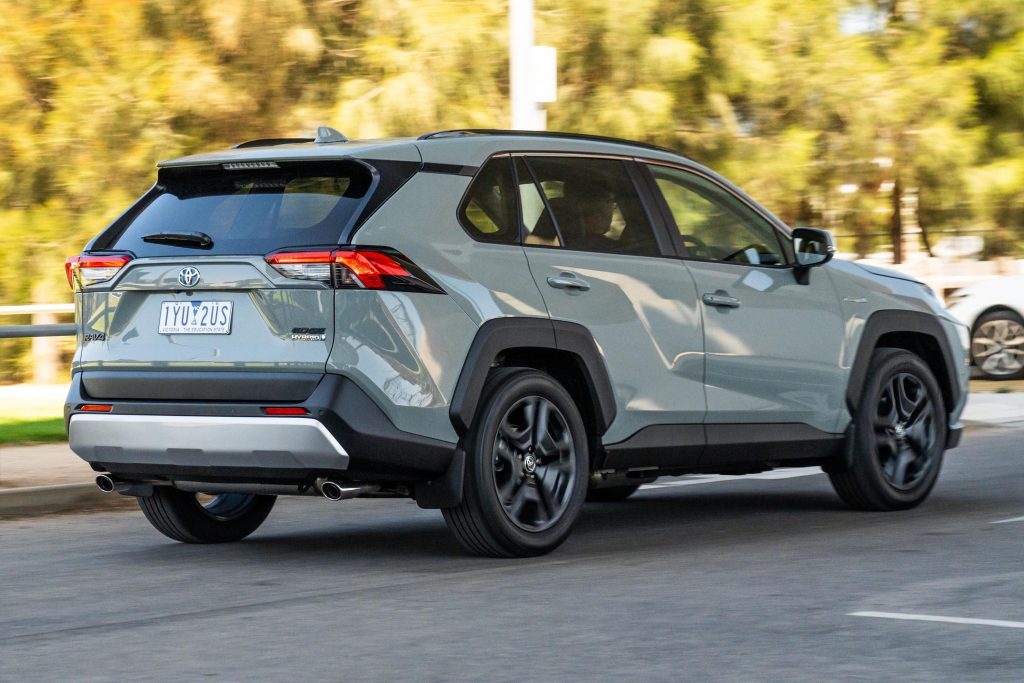
1. Toyota RAV4
The Toyota RAV4 is a strong starting point for shoppers concerned about repair expenses as an SUV passes its tenth birthday. Its popularity in the United States means replacement parts and repair knowledge are widely available, while its mainstream design avoids some of the complexity associated with luxury SUVs.
CarEdge estimates that RAV4 maintenance and repairs total approximately $6,004 during the first 10 years of ownership, with a 16.61% chance of a major repair during that period.
RepairPal reports an average annual repair cost of $429 across model years, below its $521 average for compact SUVs. These figures use different methodologies and should not be combined as if they were the same measurement.
For an older RAV4, the engine and transmission are only part of the inspection. Check the suspension, wheel bearings, air-conditioning system, cooling system, and underbody for corrosion.
All-wheel-drive versions also need appropriate attention to their driveline components. Maintenance history and the exact model year matter more than a general reputation for reliability.
Buyers should budget for age-related work even when the vehicle has been dependable. Rubber hoses, seals, bushings, tires, and batteries wear with time, while neglected fluids can increase the risk of expensive failures.
The RAV4 is not guaranteed to be inexpensive after year 10, but its projected costs and relatively low average repair spending make it a sensible candidate. Prioritize a clean inspection and consistent service records over buying the cheapest example available.
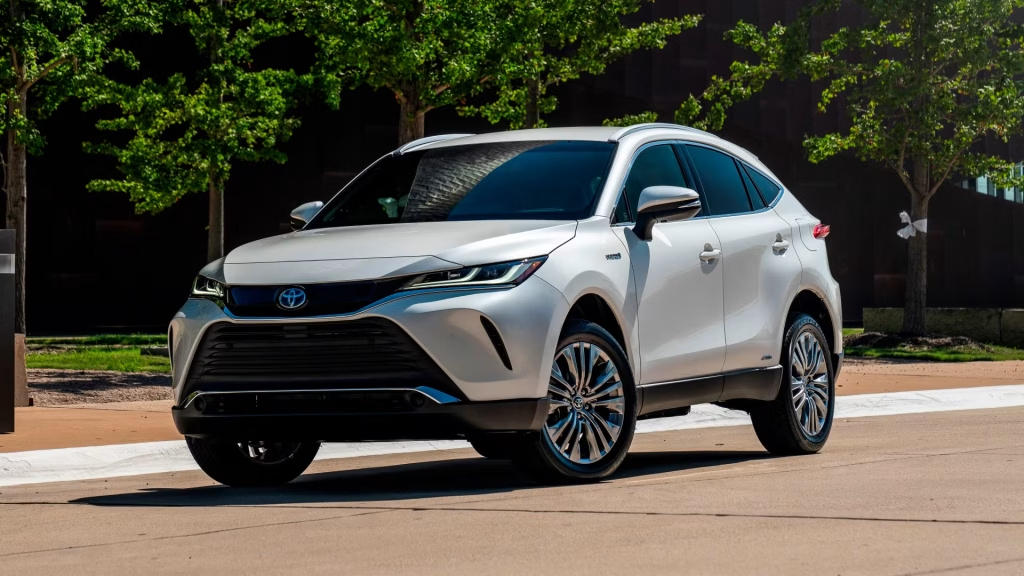
2. Toyota Venza
The Toyota Venza is worth considering for buyers who want a comfortable crossover without the running costs associated with a larger, more complex luxury SUV. Its practical cabin, car-based construction, and available hybrid powertrain make it appealing to drivers who prioritize everyday comfort and efficiency.
CarEdge estimates approximately $6,089 in maintenance and repair costs during the Venza’s first 10 years, with a 16.61% probability of a major repair over that period. RepairPal reports an average annual repair cost of $444 for the Venza, compared with $573 for midsize SUVs.
Those figures provide useful context, but buyers need to distinguish between Venza generations. The first-generation model and the newer hybrid-only U.S. version have different powertrains and equipment.
An older vehicle’s repair needs depend on its exact engine, mileage, service history, and condition, so a single estimate cannot predict every ownership experience.
Before purchasing a Venza approaching or past 10 years old, check for fluid leaks, suspension wear, cooling-system problems, air-conditioning faults, and electrical issues. On hybrid versions, have a qualified technician assess the hybrid system and battery condition. A hybrid can save fuel, but an aging component may require a costly repair if it fails.
Parts availability and familiarity among local repair shops should also factor into the decision. Obtain estimates for any identified faults before negotiating the price.
The Venza’s relatively modest projected costs make it a promising option for budget-conscious crossover shoppers. Still, the best example is one with verifiable maintenance records and no unresolved mechanical or electrical problems.
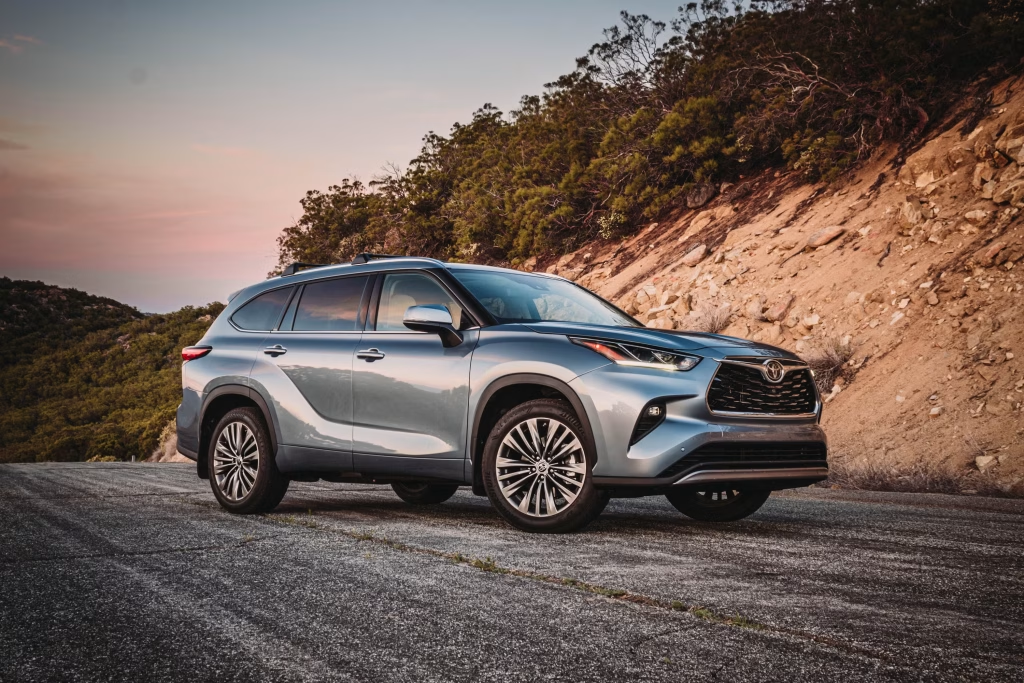
3. Toyota Highlander
The Toyota Highlander offers three-row practicality without moving into the size and fuel consumption of a full-size SUV. That combination makes it attractive to families who need passenger space but also want predictable ownership expenses as the vehicle ages.
CarEdge projects approximately $6,224 in maintenance and repair costs over the Highlander’s first 10 years, with a 16.61% chance of a major repair during that period.
RepairPal puts the model’s average annual repair cost at $489, below the $573 average for midsize SUVs. These estimates suggest relatively manageable costs, although individual vehicles can differ considerably.
The Highlander’s long service life depends on more than its reputation. Engine and transmission maintenance, cooling system condition, and the quality of previous repairs become increasingly important with age. Suspension components, wheel bearings, air-conditioning equipment, and aging electrical features can also require attention.
Hybrid versions need a separate inspection of the hybrid battery and related systems. Buyers should not assume that a hybrid will automatically cost less to repair than a gasoline model once it is more than a decade old. Fuel savings and potential repair exposure are different parts of the ownership calculation.
Before buying, check whether major scheduled services have been completed and whether the vehicle has a record of towing or carrying heavy loads. Arrange an independent inspection and obtain written estimates for any repairs the mechanic identifies.
A Highlander with a documented history may be a sensible choice for a family planning to keep an SUV for several more years. Its projected maintenance costs are encouraging, but a neglected example can still produce bills that exceed the averages.
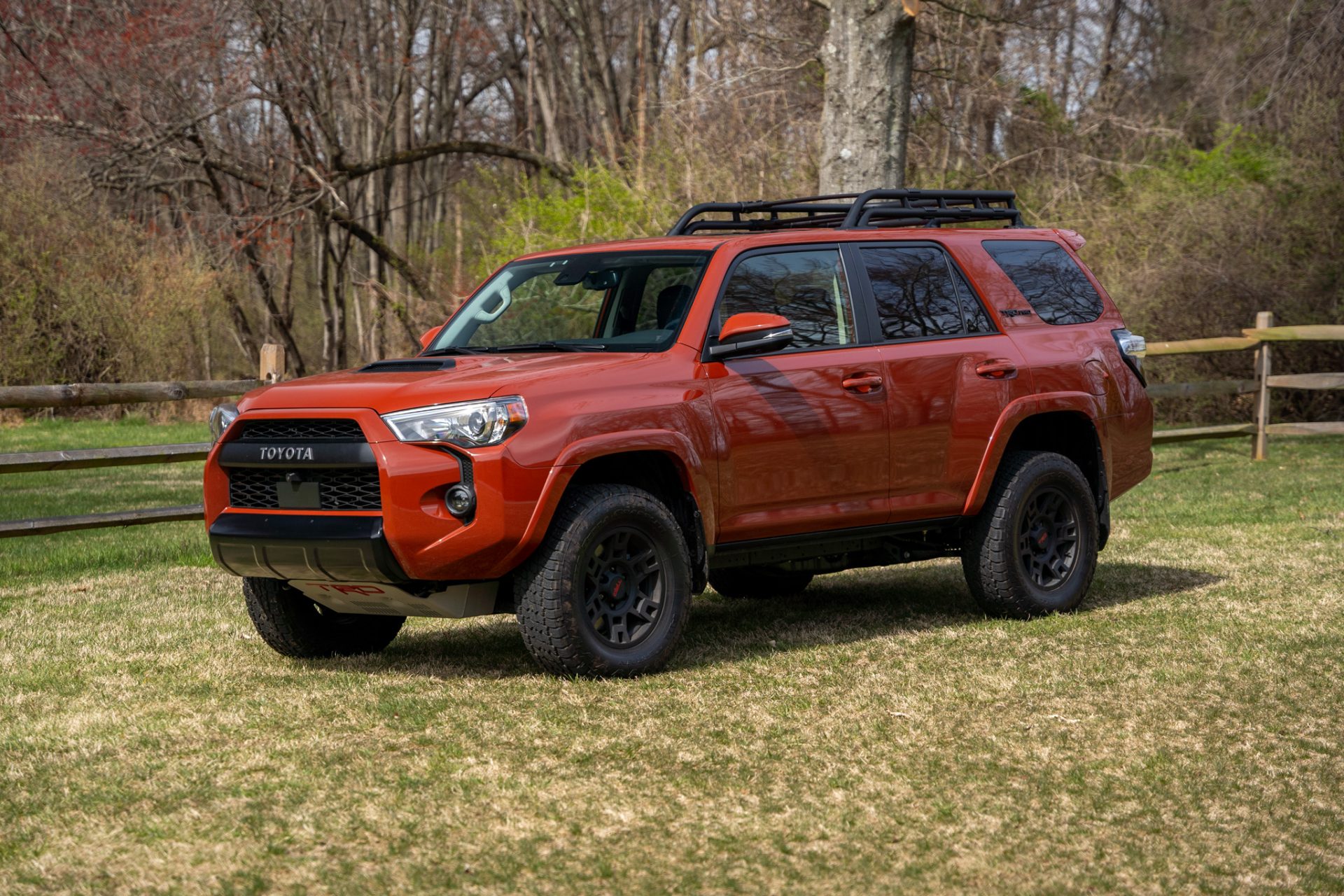
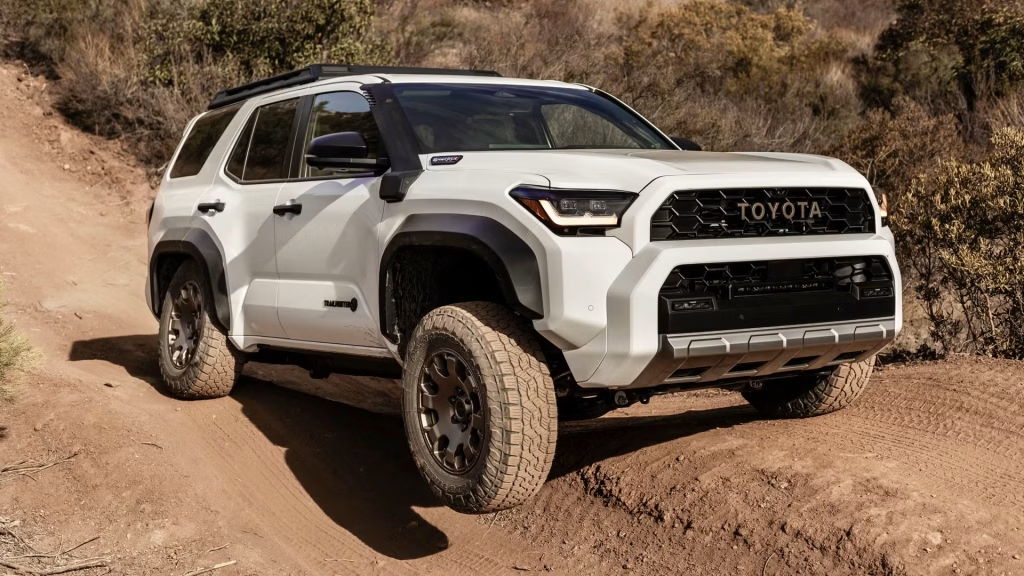
4. Toyota 4Runner
The Toyota 4Runner is a different proposition from a typical family crossover. Its body-on-frame construction and available four-wheel drive make it suitable for rough roads and demanding recreational use.
Those features can appeal to owners who want a rugged SUV, but they also make a detailed inspection especially important when shopping for a vehicle more than 10 years old.
CarEdge estimates $6,322 in maintenance and repair costs during the 4Runner’s first 10 years, with a 16.61% probability of a major repair over that period. Its projected costs are relatively low for an SUV, but these figures do not account for every possible consequence of extensive off-road use or neglect.
The 4Runner’s traditional design may make some repairs familiar to independent shops, but its age and usage history matter. Inspect the frame for corrosion, particularly on vehicles from areas where road salt is common.
Check the suspension, steering, cooling system, transmission, and four-wheel-drive components. Signs of underbody impacts or modifications deserve additional scrutiny.
Fuel costs are another consideration. A rugged SUV can be economical to maintain in some respects while still consuming more gasoline than a smaller crossover. Buyers should evaluate fuel spending alongside repair estimates rather than treating maintenance as the only ownership cost.
Ask for service invoices and find out whether the previous owner used the vehicle for towing or frequent off-road trips. Those activities are not automatic reasons to reject it, but they can increase wear.
For buyers who need its capabilities, the 4Runner’s projected costs make it worth investigating. A well-maintained example is a stronger proposition than one selected purely for its reputation.
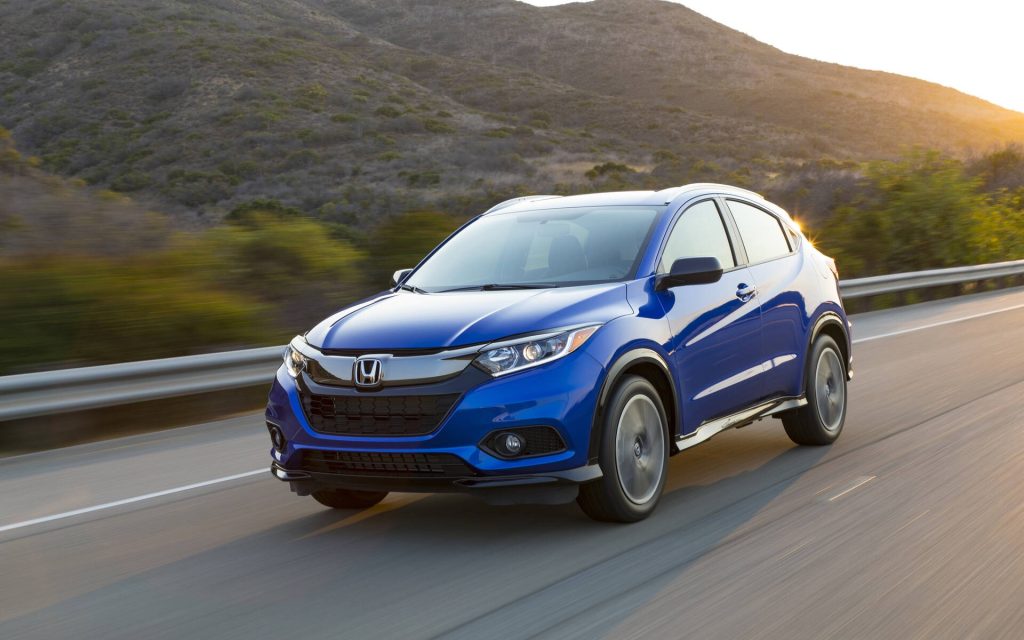
5. Honda HR-V
The Honda HR-V is a compact crossover that can make financial sense for owners who do not need a large SUV. Its smaller footprint, practical cabin, and mainstream mechanical layout can help keep routine ownership manageable, especially compared with larger vehicles that use more expensive tires and components.
CarEdge estimates that HR-V maintenance and repairs total approximately $7,479 over the first 10 years, with a 21.74% probability of a major repair during that period. RepairPal’s broader reliability data for Honda vehicles are also favorable, but the HR-V’s individual repair needs depend on its generation, powertrain, mileage, and maintenance history.
An older HR-V should be inspected for suspension wear, leaks, brake condition, air-conditioning performance, and transmission operation.
Many U.S. HR-V models use a continuously variable transmission, so buyers should verify that the correct maintenance was performed and look for any signs of shuddering, abnormal noise, or delayed response during a road test. The exact transmission and service requirements vary by model year.
Its compact size can help reduce some routine expenses, but it does not eliminate age-related failures. A vehicle with worn tires, overdue fluids, and a weak battery may need immediate spending even if it has no major mechanical fault.
Request maintenance records and arrange an independent inspection before purchasing. If the seller cannot document transmission servicing or refuses a reasonable inspection, treat that uncertainty as a potential cost.
The HR-V is best suited to buyers who want practical transportation rather than maximum towing or passenger capacity. Its projected costs are not the lowest in this list, but a carefully maintained example can be an appealing option for someone seeking a relatively straightforward older crossover.
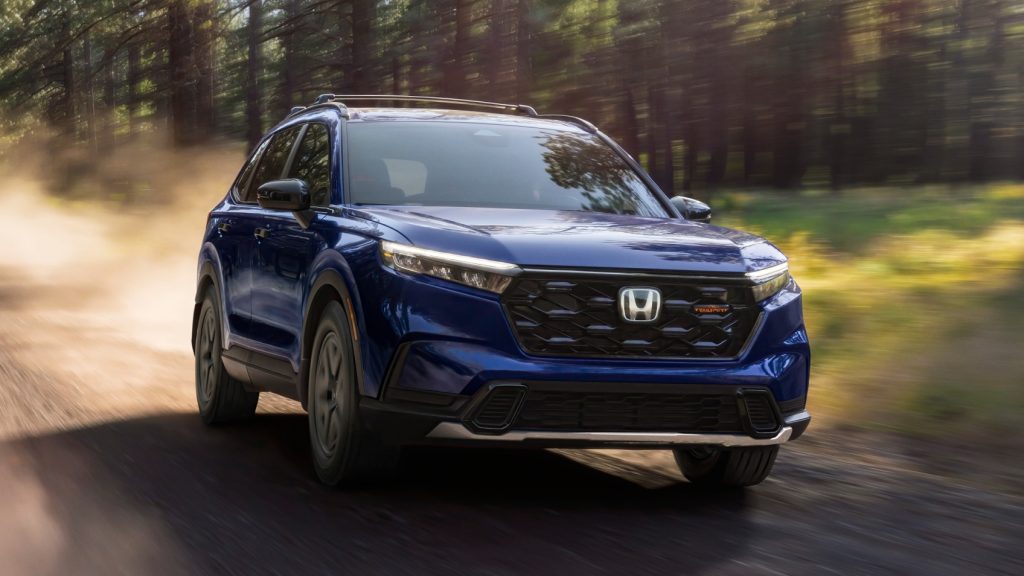
6. Honda CR-V
The Honda CR-V has long been a popular choice for drivers who need SUV practicality without the size of a three-row vehicle. Its broad popularity can also help owners find independent repair shops familiar with the model and replacement parts for common maintenance jobs.
CarEdge estimates approximately $7,636 in maintenance and repair costs during the CR-V’s first 10 years, with a 21.74% chance of a major repair in that period. RepairPal reports an average annual repair cost of $407, compared with $521 for compact SUVs.
The two figures reflect different datasets and cost definitions, so they should be used as complementary indicators rather than directly compared.
When shopping for a CR-V older than a decade, pay close attention to the model year and engine. Different generations have different mechanical layouts and known service considerations. Inspect the engine, transmission, suspension, cooling system, brakes, and air conditioning, and check whether all recommended maintenance was completed.
A road test should include slow traffic and highway speeds. Listen for unusual noises and watch for warning lights, hesitation, vibration, or rough operation. A qualified mechanic can also check for stored diagnostic codes and leaks that may not be visible during a brief inspection.
The CR-V’s average repair-cost figure is encouraging, but it does not mean every repair will be inexpensive. Major component failures can still cost thousands of dollars, particularly when several age-related issues appear at once.
Choose an example with clear service records and a clean inspection, even if it costs somewhat more than a neglected alternative. The initial price difference may be smaller than the cost of correcting deferred maintenance after purchase.
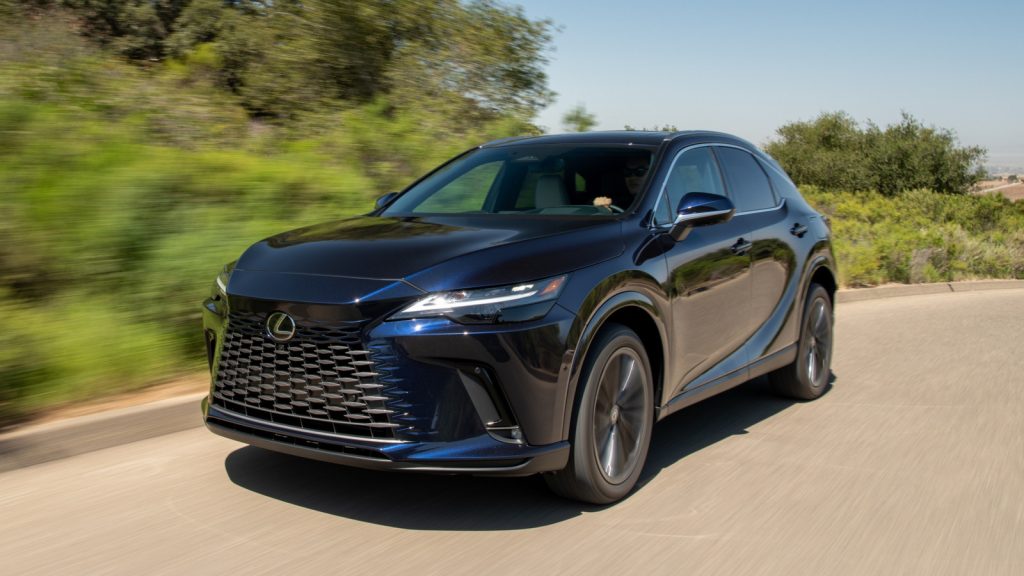
7. Lexus RX 350
The Lexus RX 350 shows that a luxury badge does not automatically mean the highest repair costs in its class. It shares engineering and components with Toyota vehicles in some areas, while offering a more premium interior and additional comfort equipment.
That combination can make it attractive to buyers who want an older luxury SUV without moving into a more complicated European model.
CarEdge estimates approximately $7,840 in maintenance and repair costs over the RX 350’s first 10 years. Its estimated chance of a major repair during that period is 21.14%, which CarEdge reports as lower than the average for luxury SUVs.
That is a useful benchmark, but a 10-year projection does not tell buyers exactly what an 11-, 12-, or 15-year-old RX will cost to maintain. The vehicle’s specific condition and equipment become increasingly important as it ages.
Inspect the engine, transmission, suspension, cooling system, air conditioning, and electrical features. Power-operated seats, tailgates, navigation systems, and other convenience equipment may work perfectly when new but can become expensive to repair as components wear. Check the service history for consistent fluid changes and investigate any warning lights or intermittent faults.
Luxury vehicles also need appropriate tires and quality replacement parts. A low purchase price can be misleading if the vehicle requires several repairs immediately after delivery.
Before buying, compare the RX 350 with mainstream crossovers and obtain estimates for any faults found during inspection. If you want premium comfort, the RX can be a reasonable candidate, but its equipment and repair exposure mean that a dedicated repair reserve is still essential.
8. Honda Passport
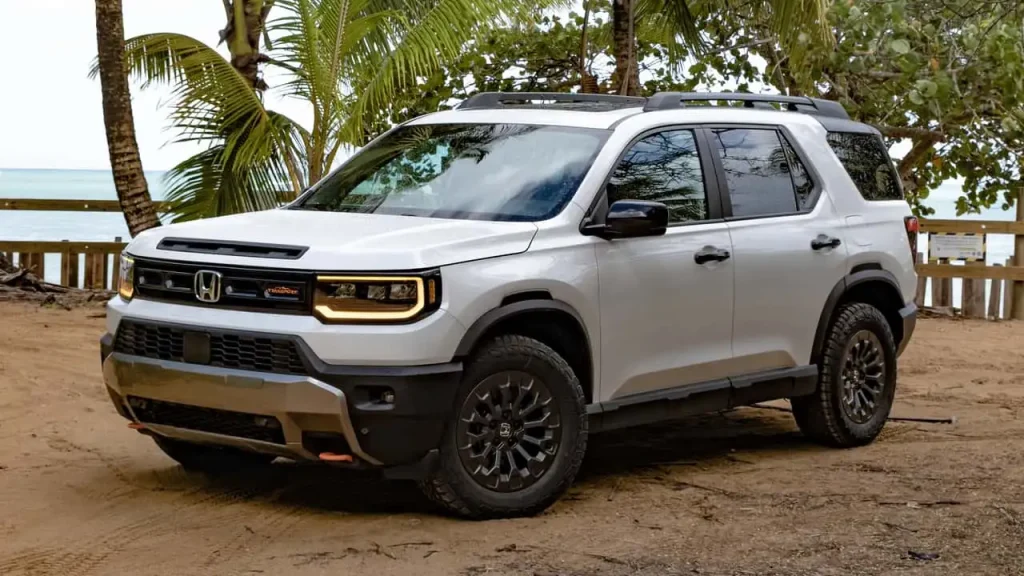
The Honda Passport is a midsize SUV for buyers who want more space and capability than a compact crossover provides without stepping up to a full-size vehicle. Its two-row layout offers useful cargo room, while its mainstream Honda engineering can make it easier to service than some premium alternatives.
CarEdge estimates approximately $7,824 in maintenance and repair costs over the Passport’s first 10 years, with a 21.74% probability of a major repair during that period. The estimate is below CarEdge’s stated SUV segment average, although the costs of an individual older Passport will depend on its condition and maintenance history.
For vehicles entering their second decade, buyers should pay attention to the transmission, engine cooling system, suspension, brakes, and all-wheel-drive components where fitted.
Check for fluid leaks and unusual drivetrain noises, and confirm that the vehicle has received the appropriate scheduled servicing. A history of towing or frequent driving on rough roads can also affect wear.
The Passport’s larger size means some consumables, including tires and brakes, may cost more than they do on a smaller crossover. That is worth considering if your budget is tight, even when expected repair spending appears reasonable.
A pre-purchase inspection can identify overdue maintenance and likely upcoming expenses. Ask the mechanic to distinguish urgent repairs from items that may need attention within the next year, then use the estimates to negotiate the price.
The Passport is a candidate for buyers who value a spacious two-row SUV. Its projected costs are encouraging, but a well-documented, carefully inspected example is more important than the model’s average figures alone.
9. Honda Pilot
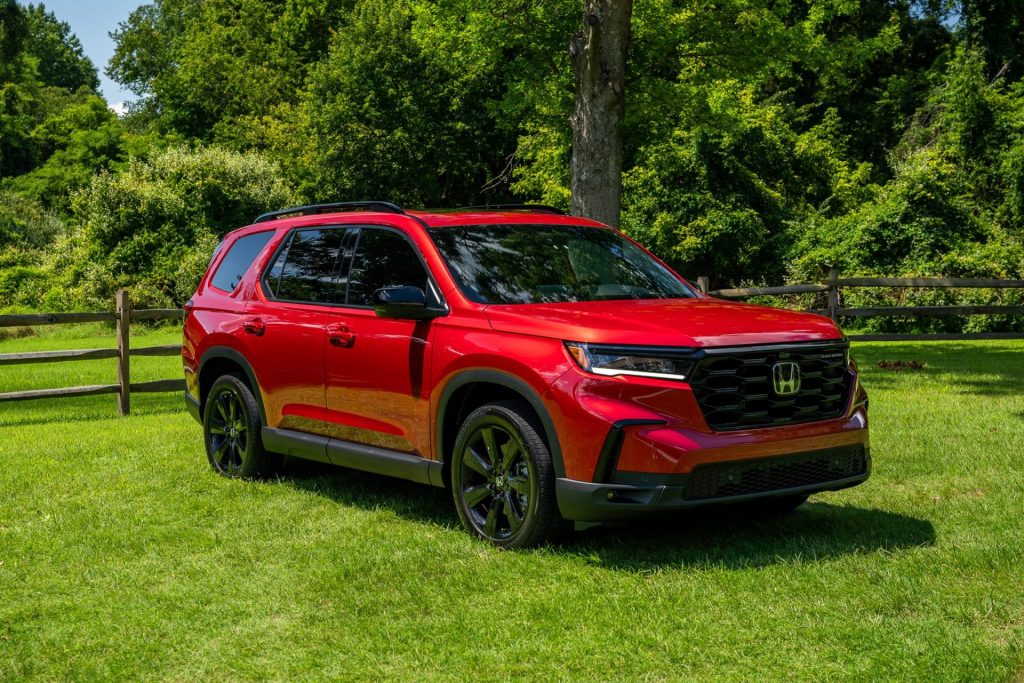
The Honda Pilot is designed for families who need three rows of seating, a roomy cabin, and the flexibility to carry passengers and cargo on long journeys. Compared with some full-size SUVs, it offers a less imposing package while retaining substantial family-hauling ability.
CarEdge projects approximately $7,881 in maintenance and repair costs during the Pilot’s first 10 years, with a 21.74% chance of a major repair in that period. That estimate is below the source’s SUV segment average, but it is not a fixed budget for every Pilot, especially once an example passes 10 years of age.
For an older Pilot, maintenance records are particularly valuable. Check the engine, transmission, cooling system, suspension, brakes, and air conditioning.
Depending on the generation and engine, scheduled maintenance can include important services such as timing-belt replacement. Buyers should confirm the requirements for the exact model year and determine whether any major service is overdue.
Inspect the third-row seats and cargo area for signs of heavy family use, and test all powered features, windows, locks, and climate controls. Electrical and interior equipment can create additional expenses even when the main mechanical components remain healthy.
The Pilot’s size also affects routine running costs. Tires, brakes, and fuel can cost more than they would for a compact SUV, so the total budget should extend beyond repair estimates.
For households that need three rows, the Pilot deserves consideration. The best purchase is one with documented servicing, no unresolved warning lights, and a price that leaves enough money for future maintenance.
10. Mazda CX-5
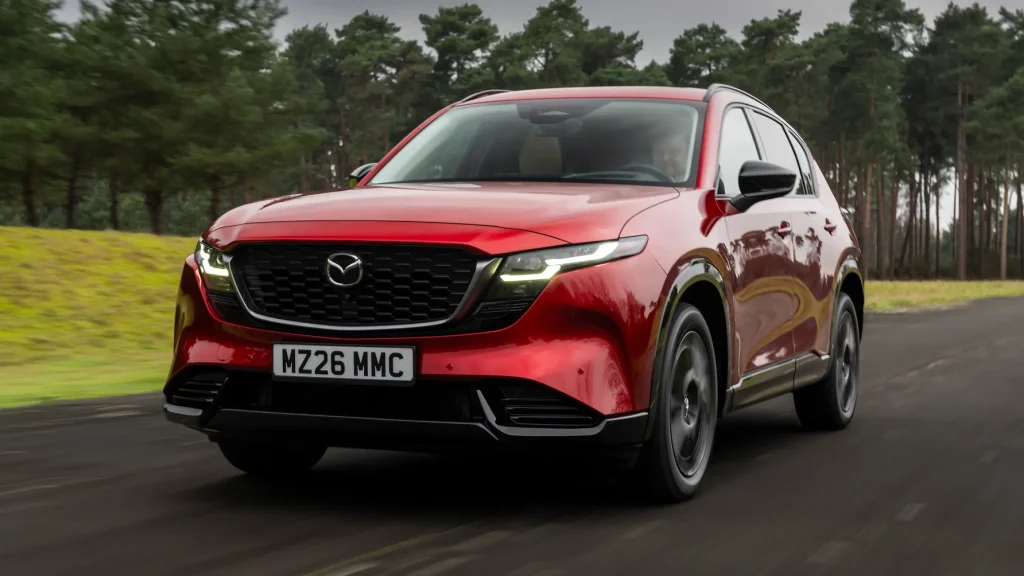
The Mazda CX-5 is a compact crossover that offers a more driver-focused feel than some family-oriented rivals, while retaining everyday practicality. Its manageable size and mainstream powertrain options make it worth considering for buyers seeking an older SUV without the operating costs associated with a large truck-based model.
CarEdge estimates approximately $7,906 in maintenance and repair costs over the CX-5’s first 10 years, with a 22.65% probability of a major repair during that period. RepairPal gives the CX-5 a reliability rating of 4.5 out of 5 and reports average annual repair costs of $447, compared with $573 for midsize SUVs.
The RepairPal figure covers its broader model-year data and is not a specific estimate for vehicles older than 10 years.
For an aging CX-5, inspect the engine, transmission, suspension, cooling system, brakes, and air conditioning. Review maintenance invoices and verify that scheduled fluid and spark-plug services were performed when required.
The specific engine and equipment matter, so buyers should research the exact model year rather than assume every CX-5 has the same repair profile.
A road test should reveal whether the vehicle accelerates smoothly, shifts as expected, tracks straight, and brakes without vibration. Have a mechanic investigate leaks, unusual noises, warning lights, or stored fault codes before agreeing to buy.
The CX-5’s repair-cost data are reasonably encouraging, but the projected 10-year figure is not a promise about its eleventh year. A neglected vehicle may require more spending than a higher-mileage example with complete records.
For shoppers who value compact dimensions and a refined driving experience, the CX-5 can be a sensible candidate. Choose condition and maintenance history over trim level or cosmetic upgrades.