
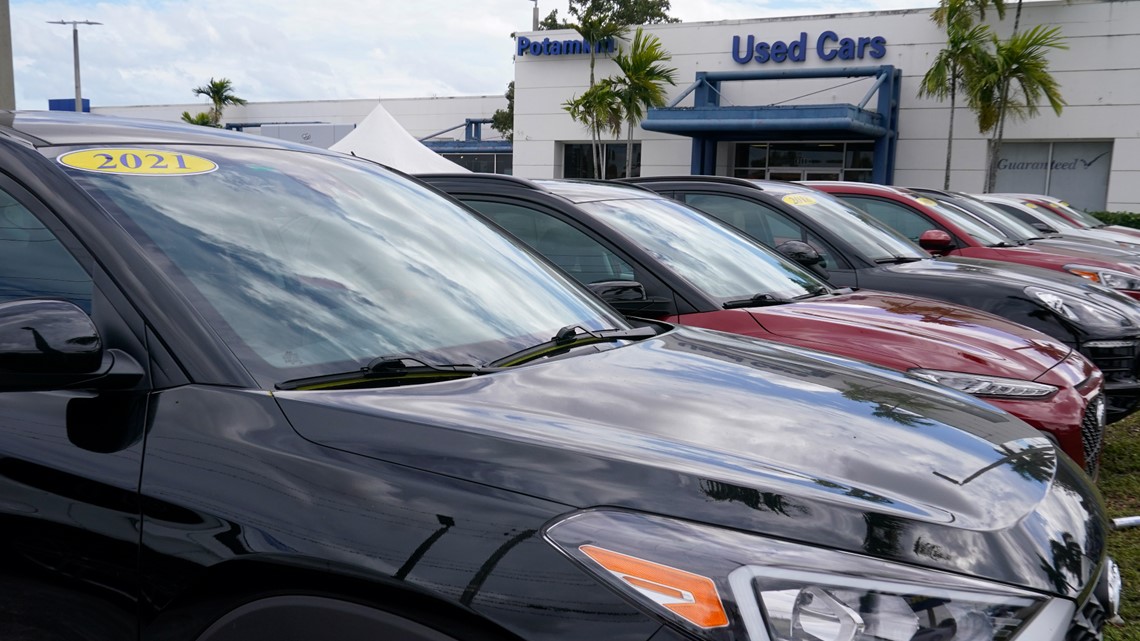
Buying a used car certified pre-owned (CPO) can provide additional warranty coverage, a manufacturer-backed inspection, and other ownership benefits.
Certified pre-owned vehicles typically cost more than similar non-CPO models, prompting buyers to weigh the added warranty coverage and inspection benefits against the higher price. The key question is whether those extra protections justify the premium or whether a thoroughly inspected non-CPO vehicle offers better value.
The answer depends on the price difference, the vehicle’s condition, its remaining factory warranty, and the coverage included in the certification program.
A CPO badge is not a guarantee that a car will never develop a problem, and a non-CPO vehicle is not automatically a riskier purchase. The best decision comes from comparing the actual protections and costs attached to each specific car.
What You Actually Get With a Certified Pre-Owned Car
Certified pre-owned vehicles typically must meet a manufacturer’s eligibility requirements, which may include limits on age and mileage, a vehicle history review, and a multi-point inspection. Depending on the program, certification may also include a limited warranty, roadside assistance, trip-interruption benefits, or complimentary maintenance.
The key distinction is who backs the program. Manufacturer-backed certification generally ties the vehicle to a specific automaker’s standards and warranty terms. A dealer’s own certification or a third-party warranty may offer different protections, so buyers should not assume every vehicle advertised as “certified” has the same benefits.
Ford Blue Advantage, for example, has different certification tiers. Ford’s Gold Certified vehicles receive a 172-point inspection and a 12-month or 12,000-mile comprehensive limited warranty, whichever comes first, plus a powertrain limited warranty extending to seven years or 100,000 miles, measured from the original in-service date.
Blue Certified vehicles have a different inspection and a shorter 90-day or 4,000-mile comprehensive limited warranty.
Honda’s HondaTrue program also illustrates why the details matter. Its certified vehicles receive Honda-backed limited warranty coverage, but the terms vary according to the vehicle’s category and eligibility.
Buyers can review an inspection report and compare available benefits before deciding whether certification justifies the premium.
These examples show why the badge alone is not enough. Warranty duration, mileage limits, covered components, deductibles, and exclusions can differ considerably. Some warranties begin at the original in-service date rather than the day you buy the used vehicle, which means a portion of the coverage may already have elapsed.
Before paying more for CPO, ask for the complete warranty document. Confirm when coverage begins, which repairs qualify, where repairs can be performed, and whether the warranty transfers if you later sell the car. Also check whether roadside assistance or maintenance benefits are genuinely included or sold separately.
Why a Non-CPO Car Can Be the Better Deal
A non-CPO used car may offer better value when it has a strong maintenance history, a clean title, sensible mileage, and a price that leaves room in your budget for future repairs. The money saved by skipping certification can be substantial enough to pay for an independent inspection, overdue maintenance, and even an extended repair reserve.
Imagine two comparable vehicles, with the non-CPO model priced at $24,000 and the certified version at $26,000. The $2,000 premium may be worthwhile, but only if the extended warranty, inspection process, and additional benefits provide enough value to justify the higher cost.
If the CPO warranty covers only a limited range of components for a short period, the premium may be difficult to justify.
Conversely, if the certified vehicle includes meaningful manufacturer-backed coverage after the original warranty expires, the extra cost may be worthwhile. The comparison should focus on what the buyer receives, not simply the length of the warranty headline.
A non-CPO vehicle can also be attractive when the original factory warranty remains in force. In that situation, you may already have meaningful manufacturer coverage without paying the full certification premium.
Ask the manufacturer or an authorized dealer to verify the warranty status using the vehicle identification number (VIN), including its original in-service date and any remaining time or mileage limits.
Condition matters more than a certification label alone. A well-maintained non-CPO car with documented oil changes, timely servicing, and no signs of structural damage can be a better purchase than a certified vehicle with an incomplete history.
Certification inspections can identify many issues, but they cannot guarantee that every future failure will be prevented.
The Federal Trade Commission advises buyers to obtain a vehicle history report and arrange an independent mechanical inspection, even when a car has been certified or inspected by a dealer.
A history report can reveal recorded accidents, title problems, and other events, but it may not capture every mechanical issue. An independent mechanic can examine the vehicle’s condition and estimate the cost of necessary repairs.
Non-CPO does not mean “as is,” either. Some non-certified cars come with a dealer warranty, while others retain factory coverage or are sold with a third-party service contract.
In the United States, the FTC’s Buyers Guide explains whether a used vehicle is being sold with a warranty or as is, subject to applicable state requirements. Read that document carefully and make sure any negotiated warranty terms are reflected in the paperwork.
The money saved should be considered alongside likely ownership costs. A cheaper vehicle with worn tires, aging brakes, or overdue maintenance may need immediate spending.
A slightly more expensive car with documented recent maintenance could be cheaper to own over the next year. Neither certification status nor the asking price alone answers that question.
Compare the Total Cost, Not Just the Asking Price
The most useful way to compare CPO and non-CPO vehicles is to calculate what each will cost to buy and maintain over your expected ownership period.
For example, imagine a certified car costs $2,000 more but includes warranty coverage that you would otherwise have to purchase separately.
If that coverage protects expensive components and has a reasonable deductible, the premium could make sense. If the non-CPO alternative has a substantial factory warranty remaining, the difference may offer little additional value.
Use this checklist before making a decision:
Compare identical vehicles: Match model year, trim, mileage, drivetrain, and major options as closely as possible.
Read the warranty terms: Check covered components, exclusions, deductibles, duration, and mileage limits.
Verify the service history: Look for maintenance records, accident repairs, and signs of neglect.
Get an independent inspection: Ask a qualified mechanic to assess mechanical condition and identify upcoming repairs.
Compare the out-the-door price: Include dealer fees, optional products, and any certification charge.
Check the remaining factory warranty: Confirm its status directly with the manufacturer or an authorized dealer.
Do not assume the CPO vehicle automatically has better resale value. Certification can make a car more appealing to some future buyers, but resale prices depend on demand, mileage, condition, history, and market conditions. The premium you pay today may not be recovered when you sell.
Which Option Should You Choose?
CPO is worth considering if the price premium is reasonable, the manufacturer provides meaningful warranty coverage, and you want additional protection against certain unexpected repair costs. It can be particularly attractive when buying a relatively recent vehicle whose original factory warranty has expired or is close to expiring.
Non-CPO is worth considering if you find a well-maintained vehicle with a clean history, strong inspection results, and a significant price advantage. It may be the better choice when the original factory warranty remains active or when the CPO package offers little extra protection.
The deciding factor should be the specific vehicle and the written terms attached to it. A certified badge is useful only when the inspection standards, warranty, and other benefits justify the extra money. A non-CPO vehicle can be an excellent purchase when its condition and history are independently verified.
Before signing, read the warranty paperwork, inspect the vehicle, and compare the final prices. The better deal is the car that provides the right combination of condition, protection, and ownership cost, not necessarily the one with the certification label.
