
Reaching 200,000 miles is possible for many vehicles, but longevity depends on maintenance, operating conditions, and the condition of critical components. An odometer approaching that milestone is not automatically a warning to sell, nor does a well-running engine guarantee that every other system remains dependable.
American drivers planning to keep an older car should pay attention to cooling, lubrication, transmission performance, structural integrity, and other components that can determine whether continued ownership makes financial sense.
A thorough inspection helps identify developing problems, prioritize necessary repairs, and reduce the risk of an unexpected breakdown during the next 50,000 miles.
1. Engine Lubrication System and Internal Condition
The engine deserves the first inspection because its lubrication system protects the moving parts that make long-term operation possible. At high mileage, years of heat cycles, oil contamination, and mechanical wear can expose weaknesses that were less noticeable when the vehicle was newer.
Start by reviewing oil-change records against the manufacturer’s recommended schedule. Look for evidence of regular servicing and ask whether the engine has experienced oil-pressure warnings, overheating, or unusual oil consumption.
A car that repeatedly needs oil between changes may have external leaks, worn internal components, or another problem requiring diagnosis.
Check for leaks around accessible seals, the valve covers, and the oil pan. Inspect the dipstick according to the manufacturer’s procedure, paying attention to the oil level and any signs of contamination. Dark oil alone does not establish engine damage, and a clean appearance cannot guarantee healthy internal components.
Listen to the engine during a cold start and after it reaches operating temperature. Persistent knocking, abnormal rattling, misfires, or unusually rough operation deserves investigation. Some startup noises are normal for particular engine designs, so compare symptoms with manufacturer guidance rather than assuming the worst.
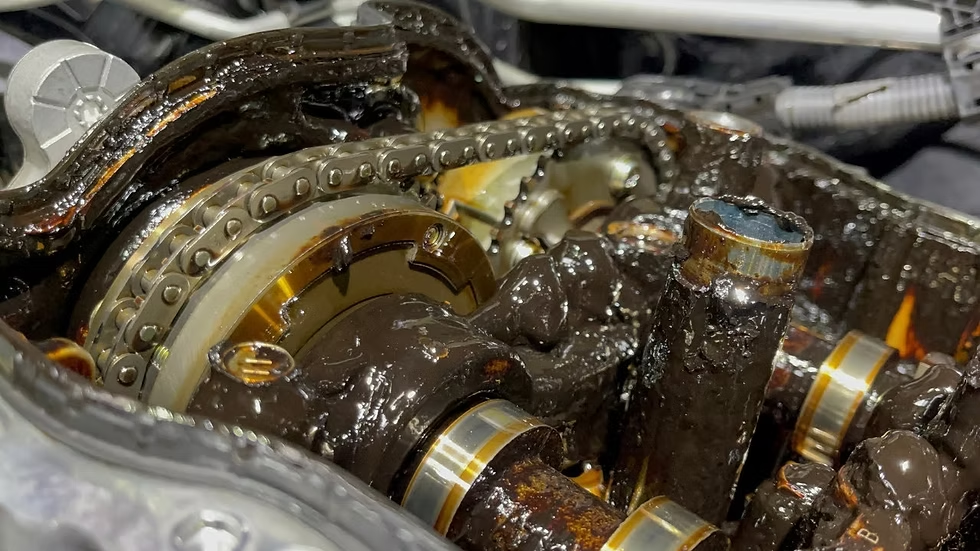
A professional inspection may include checking oil pressure, scanning diagnostic trouble codes, and performing compression or leak-down tests when appropriate. These tests can help assess internal condition, although no single test predicts exactly how many miles an engine has left.
Before aiming for 200,000 miles, establish a reliable baseline. An engine that starts consistently, maintains proper oil pressure, runs at the correct temperature, and has a credible maintenance history is a better candidate for continued use than one with unexplained symptoms, regardless of its current mileage.
2. Cooling System, Radiator, and Water Pump
A cooling system that struggles to control engine temperature can turn a dependable high-mileage car into an expensive repair project. Before attempting to reach 200,000 miles, inspect the radiator, water pump, thermostat, hoses, coolant reservoir, and associated connections for signs of deterioration.
Look for dried coolant residue, visible leaks, swollen hoses, damaged radiator fins, and corrosion around fittings. Check the coolant level only when the engine is cold, following the manufacturer’s instructions. A cooling system that repeatedly needs topping up should be investigated rather than treated as normal consumption.
The water pump circulates coolant through the engine and radiator. Depending on the design, it may be driven by an accessory belt, timing belt, or electric motor. Bearing wear or seal failure can cause leakage, noise, or inadequate circulation. Ask a mechanic to determine whether the pump has been replaced and whether related maintenance is due.
Thermostats can stick, while radiator restrictions and failing cooling fans can prevent proper temperature regulation. These problems can produce similar symptoms, so replacing parts without diagnosis may waste money.
Pay particular attention to any history of overheating. Severe overheating can damage cylinder heads, head gaskets, and other engine components. If the temperature gauge rises abnormally, stop safely and switch off the engine instead of continuing the journey.
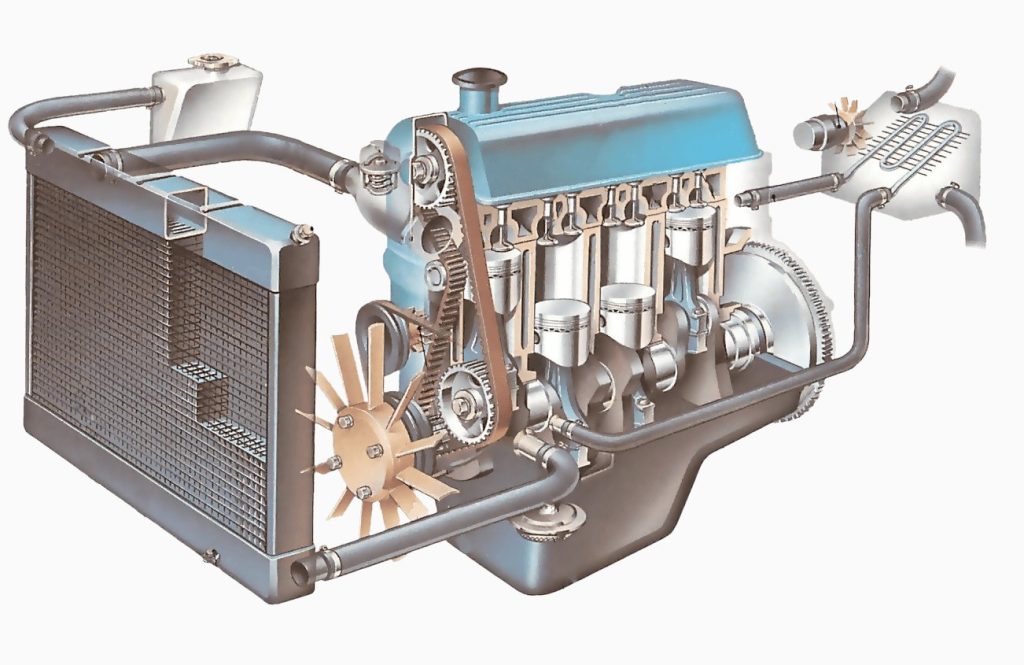
Coolant type and replacement intervals vary by manufacturer. Using the specified fluid and following the correct service schedule helps protect the system against corrosion and deposits.
A cooling system that works correctly is essential for long-term engine health. Have leaks and temperature fluctuations resolved before undertaking long trips. A radiator or water-pump replacement may be a manageable expense, but ignoring the underlying fault can cause far more costly damage.
3. Transmission and Drivetrain Components
An engine can remain mechanically healthy beyond 200,000 miles while a neglected transmission develops expensive problems. The transmission, differential, driveshafts, axles, and related components deserve attention because they transfer engine power to the wheels and experience substantial loads throughout the vehicle’s life.
Start by reviewing service records for the specific transmission fitted to the car. Conventional automatics, continuously variable transmissions (CVTs), dual-clutch units, and manual gearboxes have different maintenance requirements. Follow the manufacturer’s schedule rather than assuming every transmission needs identical fluid changes.
During a test drive, check for delayed engagement, slipping, harsh shifts, shuddering, or unexpected engine-speed increases. A manual transmission should select gears properly, and its clutch should not slip under normal acceleration. Symptoms can have multiple causes, so obtain a professional diagnosis before estimating repair costs.
Inspect accessible drivetrain components for fluid leaks and damaged boots. Torn axle boots can allow grease to escape and contaminants to enter, potentially accelerating joint wear. Clunks during acceleration or when changing direction may indicate worn mounts, joints, or other drivetrain components.
For all-wheel-drive and four-wheel-drive vehicles, ask the mechanic to inspect the transfer case and differentials. These systems contain additional components that may require separate fluid services and repairs.
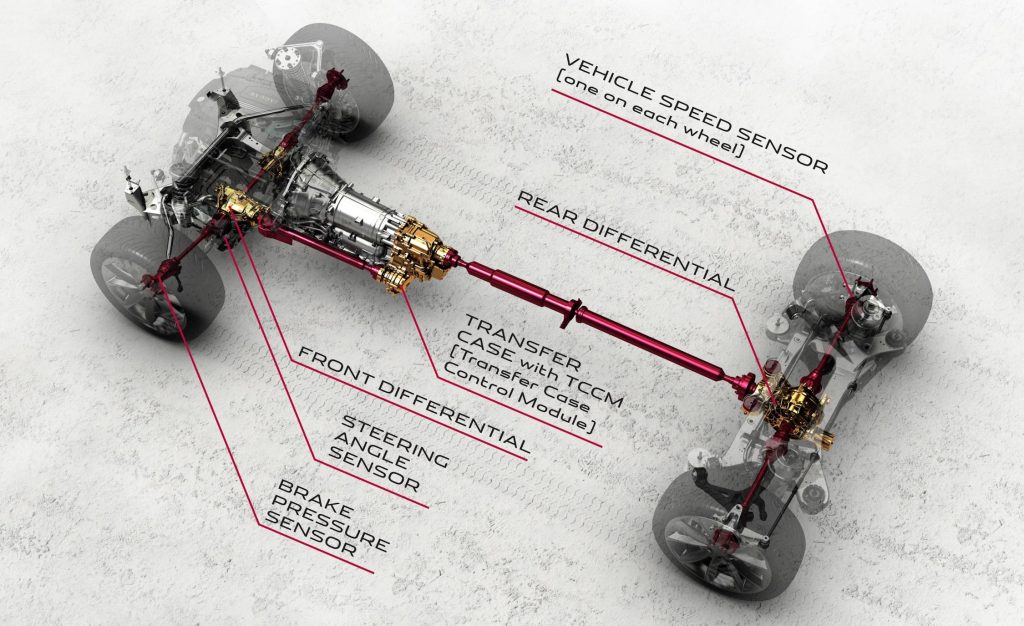
Do not assume that an undocumented transmission replacement is necessarily bad, or that an original transmission is automatically healthy. The quality of previous work, current symptoms, and available maintenance evidence matter more than originality alone.
Before committing to another 50,000 miles, investigate any abnormal drivetrain behavior. A smooth test drive is encouraging but cannot rule out every developing fault. Correct fluid servicing and timely repairs can help preserve a functioning drivetrain, although no maintenance routine guarantees a particular service life.
4. Suspension, Steering, and Wheel Bearings
At high mileage, suspension and steering components may have experienced years of potholes, rough pavement, heavy loads, and ordinary wear. Even when the engine and transmission remain healthy, deteriorated components can affect handling, tire wear, ride comfort, and safety.
Ask a mechanic to inspect control arms, ball joints, tie rods, bushings, shocks, struts, springs, and wheel bearings. The exact components and inspection procedures depend on the vehicle’s suspension design.
During a test drive, pay attention to clunking over bumps, excessive bouncing, steering vibration, and unusual movement when cornering. A vehicle that wanders on a straight road or pulls to one side may have alignment problems, worn steering parts, tire issues, or other faults. Do not assume that an alignment alone will solve the problem.
Wheel bearings deserve particular attention. A humming or grinding noise that changes with vehicle speed may indicate bearing wear, although tire noise can sound similar. A mechanic can check for abnormal play, rough rotation, and other evidence of failure.
Inspect the tires for uneven tread wear, sidewall damage, and cracking. Uneven wear may reveal suspension or alignment problems that should be corrected before installing replacement tires.
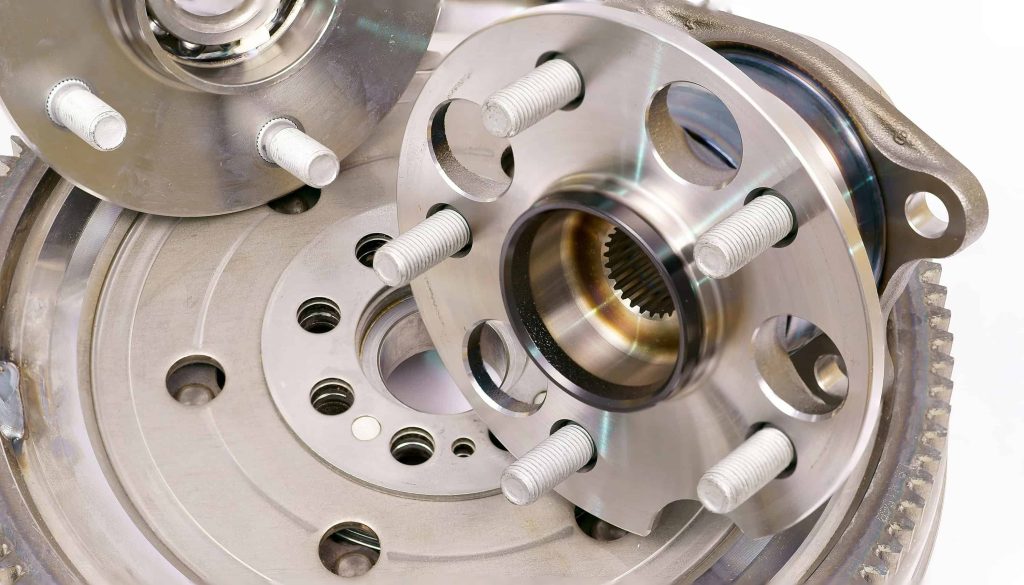
Repair costs depend on the vehicle and the extent of deterioration. Replacing one worn bushing is different from rebuilding several suspension components, so request an itemized estimate before authorizing work.
A high-mileage vehicle should remain predictable and controllable on the road. Repair confirmed defects before they compromise handling, and check whether wheel alignment is necessary after suspension work. Replacing worn components can restore stability without requiring a newer vehicle, provided the frame and other major structures remain sound.
5. Braking System and Brake Fluid
Brakes require careful inspection before any vehicle is expected to travel beyond 200,000 miles. Brake pads and rotors are wear items, but the system also contains hydraulic components, hoses, calipers, and other parts that can deteriorate with age.
Begin by checking maintenance records for brake-pad replacement, rotor servicing, fluid changes, and previous hydraulic repairs. During a professional inspection, ask the mechanic to measure pad thickness and rotor condition rather than relying solely on how the brakes feel during a short drive.
Listen for grinding, scraping, or persistent squealing. A vibration through the brake pedal or steering wheel may indicate rotor irregularities or another problem. A soft pedal, fluid leak, or warning light requires prompt investigation because it can signal a fault affecting braking performance.
Brake fluid deserves attention even when the brakes appear to work normally. Depending on the vehicle’s design and maintenance requirements, moisture contamination can reduce fluid performance and contribute to corrosion within hydraulic components. Follow the manufacturer’s specified replacement interval and fluid type.
Inspect flexible brake hoses, calipers, and accessible metal lines for damage, leaks, or corrosion. Vehicles driven in regions where road salt is common deserve particular attention to underbody brake lines.
An anti-lock braking system (ABS) warning should not be ignored. The underlying problem may involve a wheel-speed sensor, wiring, or another component, but diagnosis is necessary to determine whether ABS functionality is affected.
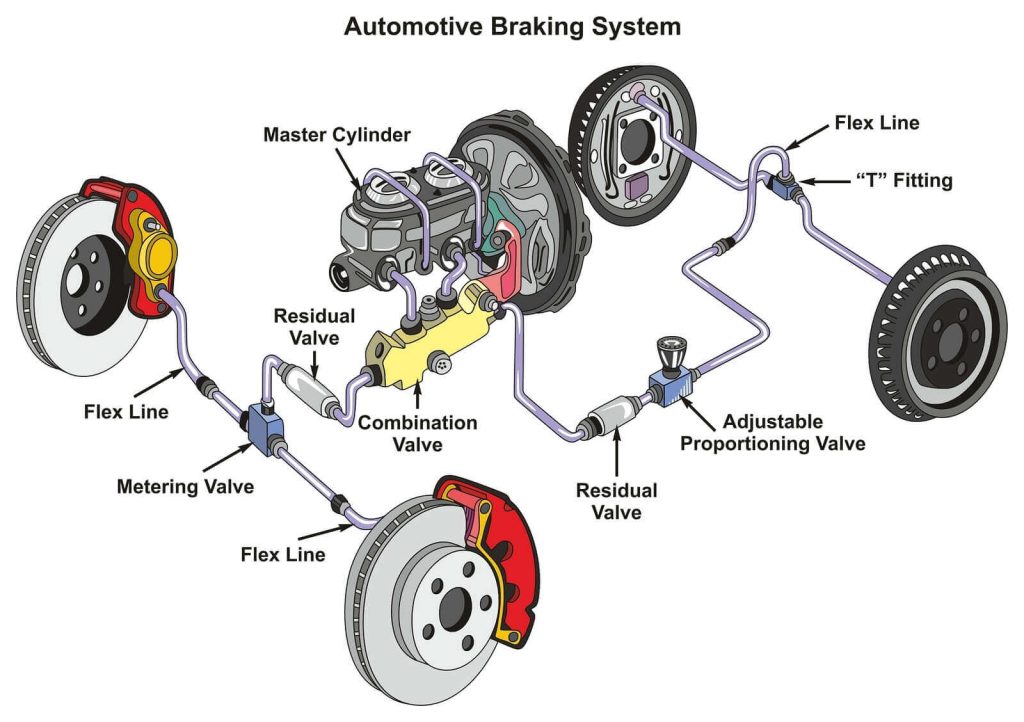
Brake repair costs vary according to the vehicle, parts, and labor involved. Replacing pads is generally a different job from repairing corroded lines or a malfunctioning hydraulic unit.
Reliable braking is essential regardless of mileage. Address defects before undertaking long journeys, and do not postpone repairs simply because the engine still runs well. A vehicle can be worth keeping at 200,000 miles, but only if its braking system remains safe and properly maintained.
6. Timing Belt, Timing Chain, and Accessory Drives
The engine’s timing system deserves special attention when preparing a car for 200,000 miles because failure can range from an inconvenient breakdown to severe internal engine damage. Whether the vehicle uses a timing belt or chain, the correct inspection depends on its engine design and service history.
A timing belt is a scheduled maintenance item on many engines. Its replacement interval varies by manufacturer and model, and some schedules specify both mileage and age limits. Check the owner’s manual and service records to establish whether replacement is due.
On certain interference engines, a broken timing belt can allow pistons and valves to collide, causing expensive damage.
Timing chains are often designed for long service, but they are not guaranteed to last indefinitely. Chain guides, tensioners, and related components can wear, particularly when lubrication has been neglected. Persistent rattling during startup or engine timing faults deserve professional investigation.
Do not assume a timing belt is healthy because it looks acceptable from an accessible angle. Some belts are difficult to inspect without removing covers, and internal deterioration may not be obvious. Equally, a brief startup rattle does not automatically prove that the chain needs replacement.
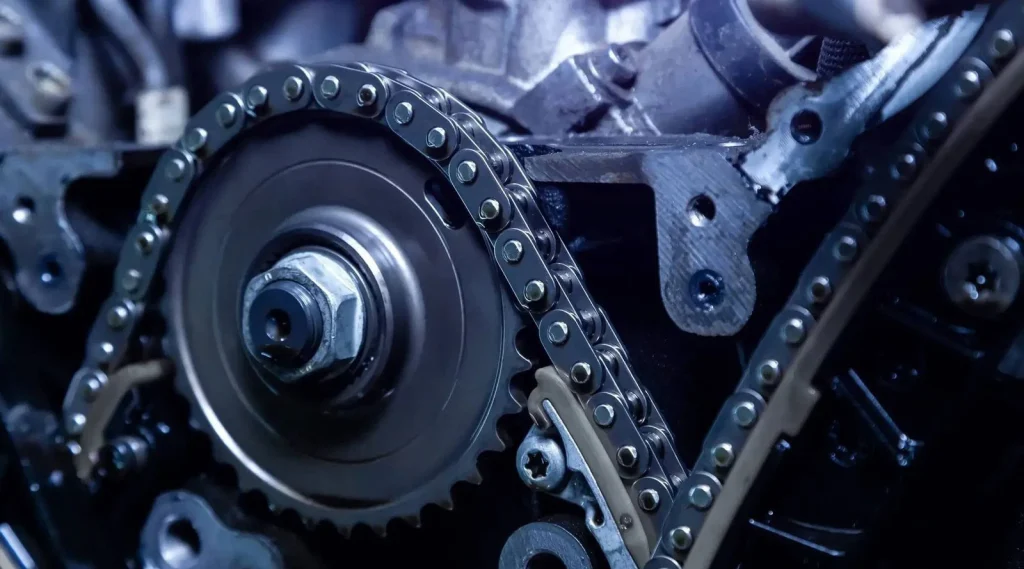
Accessory belts should be inspected separately. These drive components include the alternator and, on some engines, the water pump. Damaged belts, failing tensioners, or worn pulleys can cause noise, charging problems, or overheating, depending on the configuration.
Ask for invoices showing previous timing-system work. If records are missing, obtain a mechanic’s recommendation based on the exact engine and its maintenance schedule.
Confirm the condition and service requirements before pushing the odometer higher. Preventive replacement at the specified interval can be far less expensive than repairing consequential engine damage. The important factor is following the requirements for that particular engine rather than relying on a universal mileage rule.
7. Electrical System, Battery, and Charging Components
Electrical problems can become increasingly inconvenient as an older car accumulates miles, especially when multiple accessories, sensors, and control modules depend on reliable voltage. Before attempting to keep a vehicle beyond 200,000 miles, inspect the battery, alternator, starter, wiring, grounds, and charging system.
Start with a battery test. A battery may still start the engine while having limited capacity, particularly after years of temperature extremes and repeated charging cycles. Ask a technician to test its condition instead of replacing it solely because of its age.
The alternator supplies electrical power while the engine runs and helps recharge the battery. A charging-system warning light, dimming headlights, or recurring battery discharge can indicate a problem. However, damaged wiring, loose terminals, poor grounds, and a weak battery can produce similar symptoms.
The starter also deserves attention if the engine cranks slowly or intermittently fails to start. A click without cranking does not automatically prove that the starter is defective, so proper testing should precede replacement.
Inspect battery terminals for corrosion and check accessible wiring for damaged insulation, loose connections, or evidence of previous repairs. Electrical faults can also arise from water intrusion, especially around connectors and components exposed to moisture.
If warning lights appear, use a suitable diagnostic scanner and investigate the stored codes. Clearing codes without resolving the underlying fault does not establish that the vehicle is healthy. Some intermittent problems require additional testing.
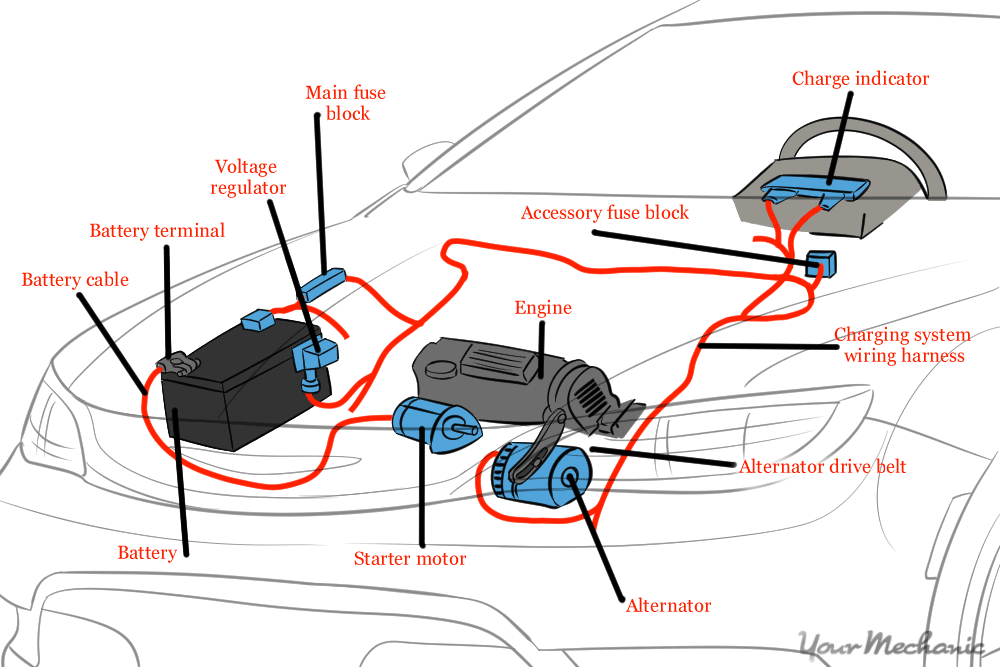
Repair costs vary considerably because replacing a battery is generally simpler than tracing a wiring fault or repairing a control module.
Reliable electrical power helps prevent avoidable breakdowns. Resolve recurring starting or charging problems before long trips, and check whether an apparently isolated fault has affected other components. A well-diagnosed electrical repair is usually a better reason to maintain a sound vehicle than to replace it prematurely.
8. Frame, Underbody, and Exhaust System
A car approaching 200,000 miles needs a careful underbody inspection, particularly if it has spent years in regions where winter road salt accelerates corrosion. Mechanical components can often be replaced, but serious structural deterioration may make a vehicle unsafe or uneconomical to repair.
Ask a mechanic to inspect the frame rails on body-on-frame vehicles and the structural sections of unibody vehicles. Pay particular attention to suspension mounting points, crossmembers, rocker panels, floor sections, and areas where corrosion may be hidden beneath undercoating.
Surface rust is not automatically dangerous, but perforation or severe metal deterioration deserves professional assessment.
The exhaust system also requires attention. Inspect accessible pipes, joints, hangers, and the muffler for corrosion, leaks, and physical damage. Exhaust leaks can produce noise and may allow harmful gases to enter the passenger compartment under certain conditions. Any suspected leak should be repaired promptly.
Check the catalytic converter and related emissions equipment for damage, missing components, or diagnostic warnings. A malfunctioning oxygen sensor can sometimes trigger an emissions warning, but the cause should be diagnosed rather than assuming that the sensor itself is defective.
Look for evidence of previous structural repairs. Fresh coating is not necessarily a problem, but unexplained patches or repairs around important mounting points should be examined by a qualified professional.
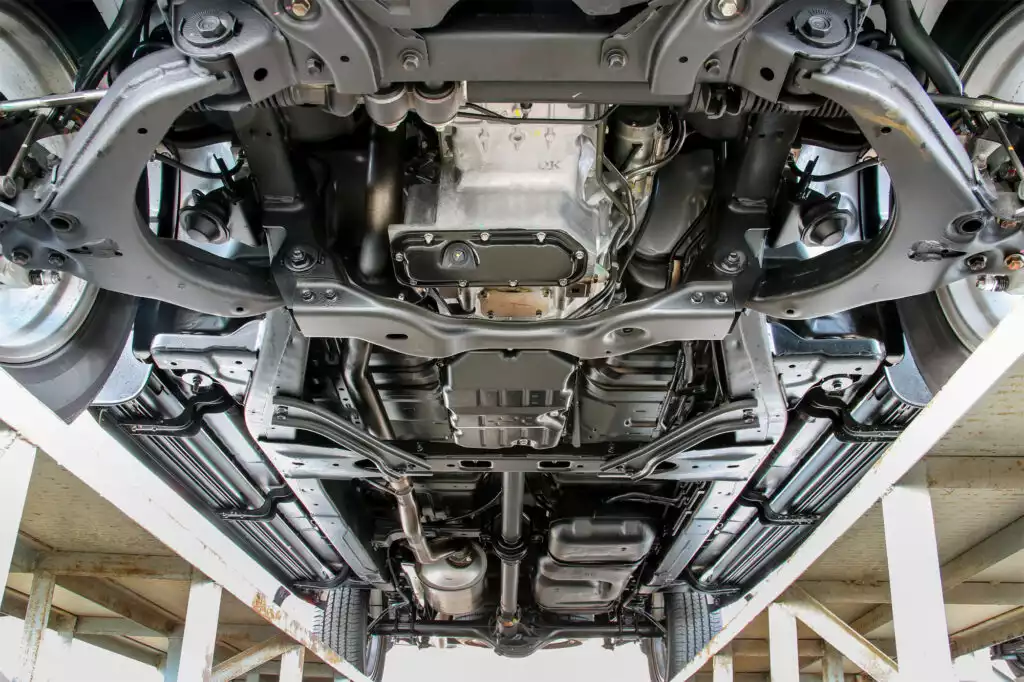
The inspection should also consider fluid leaks from the engine, transmission, differential, and other underbody components. Identifying a leak early can prevent minor maintenance from becoming a more expensive repair.
Costs depend on corrosion severity, parts availability, and local labor rates. Replacing an exhaust section may be manageable, whereas extensive structural rust can be a different financial proposition.
The condition of the structure can determine whether reaching 200,000 miles is worthwhile. If the body and frame remain sound and the necessary repairs are reasonable, continued ownership may make sense. Severe structural corrosion, however, deserves far more concern than an odometer reading alone.
