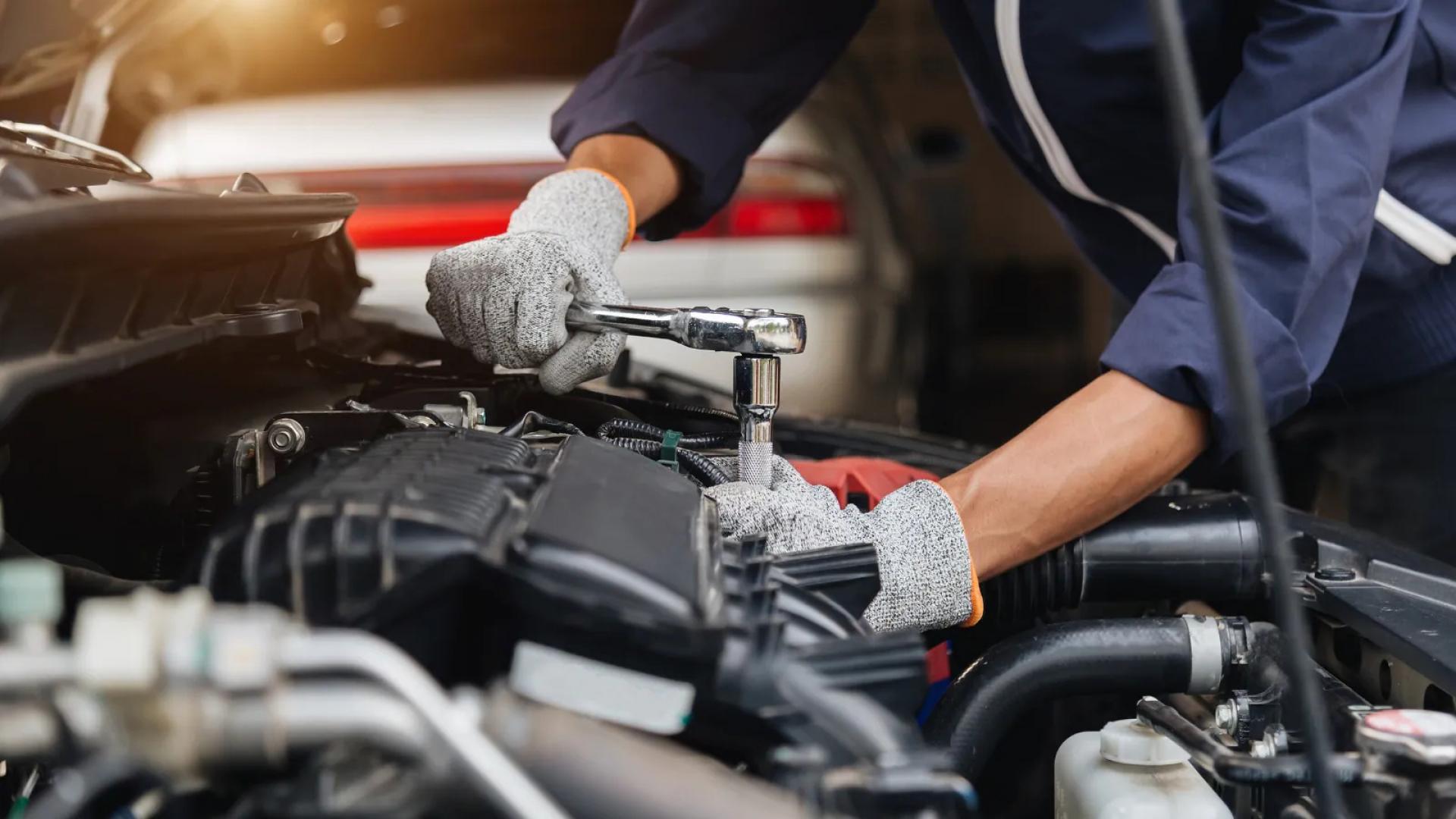
A high-mileage car does not automatically become unreliable when an expensive component needs attention. As vehicles accumulate miles, certain parts wear out through repeated use, exposure to heat, road conditions, and aging materials.
Replacing a worn suspension component or alternator does not necessarily mean the engine or entire vehicle is nearing the end of its useful life. For American drivers, the smarter approach is to distinguish predictable maintenance from serious mechanical deterioration.
Understanding which repairs are normal, what symptoms deserve attention, and when replacement makes financial sense can help you keep a dependable car for years.
1. Replacing the Alternator
An alternator failure can be frustrating, especially when a car has already accumulated well over 100,000 miles. However, replacing an alternator is a common repair on aging vehicles and does not automatically indicate that the engine or transmission is deteriorating.
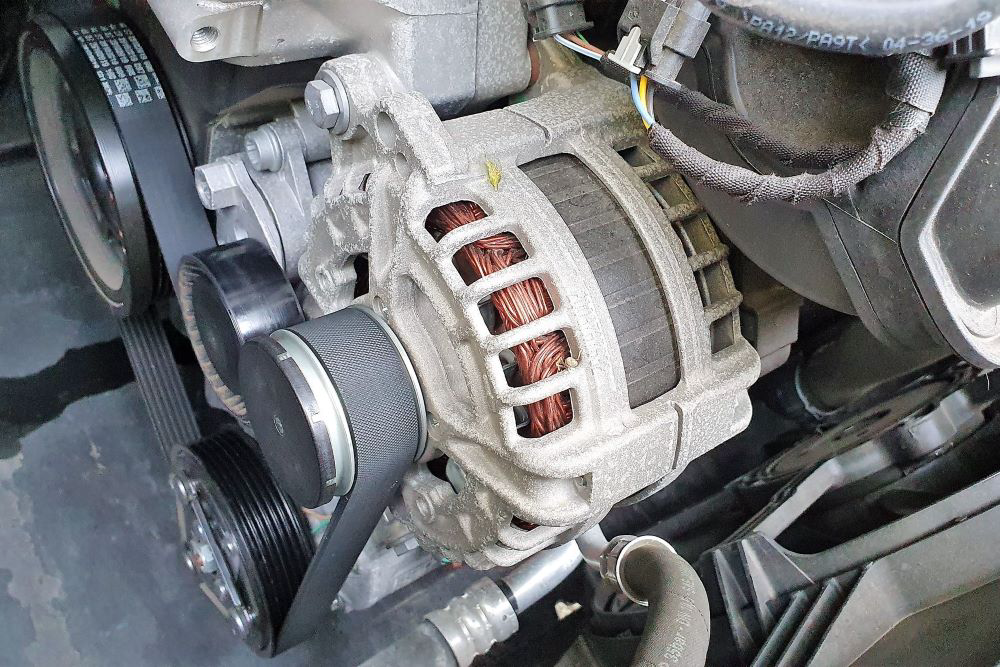
The alternator generates electricity while the engine runs and helps recharge the battery. It also supplies power to electrical systems, including lighting, climate controls, and vehicle electronics.
Over time, internal bearings, voltage regulators, diodes, and other components can wear out or fail. Heat, vibration, moisture, and electrical loads can contribute to the problem.
Typical warning signs include a battery-shaped dashboard light, dimming headlights, electrical accessories behaving unpredictably, or difficulty starting after the battery loses charge. These symptoms are not exclusive to alternator failure. A weak battery, damaged wiring, loose connections, or a faulty belt can produce similar problems.
Before replacing the alternator, ask a mechanic to test the charging system. A proper diagnosis can establish whether the alternator is failing or another component is responsible. Replacing a healthy alternator will not solve a wiring problem or a battery that can no longer hold a charge.
Repair costs depend on the vehicle, parts availability, labor rates, and whether the alternator is easily accessible. Some cars require considerably more labor than others.
An isolated alternator replacement is usually a manageable repair, not a reason to abandon a high-mileage car. If the engine runs well, the transmission performs correctly, and the body remains sound, replacing a failed charging component can be a sensible investment. Investigate repeated electrical failures, however, because they may indicate a deeper issue.
2. Replacing the Water Pump
A failed water pump can sound alarming because the component plays a critical role in preventing engine overheating. Nevertheless, water-pump replacement is a normal repair on many high-mileage vehicles, particularly when the original component has operated for years under repeated heat cycles.
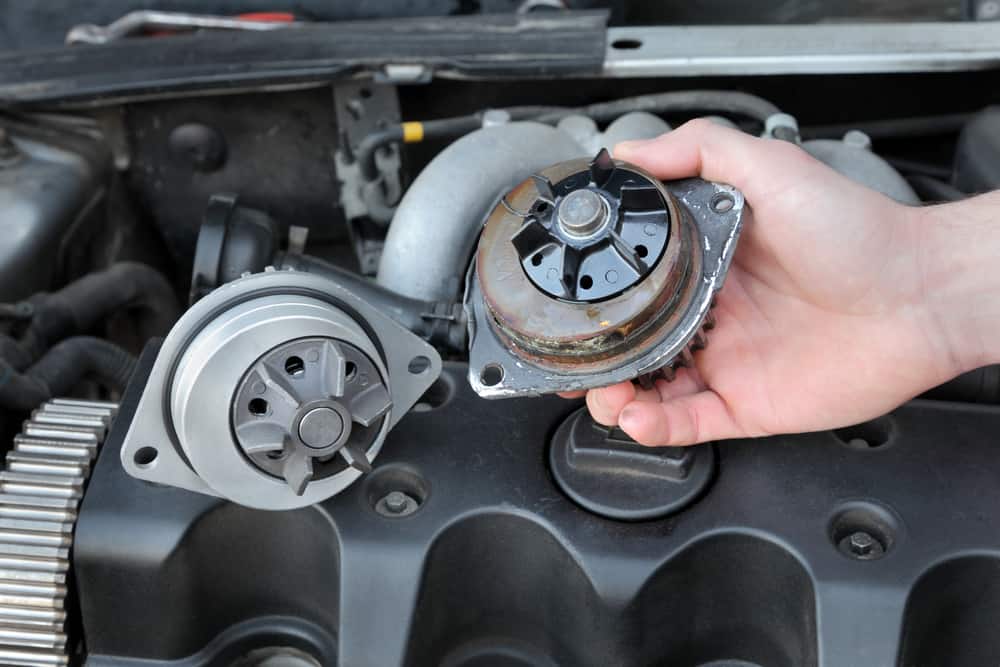
The pump circulates coolant through the engine and radiator to help maintain the intended operating temperature. Depending on the design, it may be driven by an accessory belt, a timing belt, or an electric motor. Bearings and seals can wear out, leading to noise, coolant leakage, or reduced circulation.
Watch for coolant collecting beneath the engine, dried coolant residue around the pump, or a whining sound that changes with engine speed. Overheating is a more urgent warning because excessive temperatures can damage the cylinder head, head gasket, and other internal components.
A mechanic should confirm the source of the problem before replacing parts. Coolant leaks can also originate from hoses, the radiator, the thermostat housing, or other connections.
If the pump is driven by the timing belt, ask whether the manufacturer recommends replacing related components during the same repair. Combining the jobs can sometimes reduce duplicated labor.
The appropriate replacement interval varies by vehicle. Some pumps last for many years, while others require attention sooner because of their design, coolant condition, or operating environment.
Do not continue driving an overheating car simply because the repair seems inconvenient. Stop safely and arrange assistance if the temperature rises into the danger zone.
A failed water pump does not necessarily mean the engine is worn out. If overheating is caught early and no secondary damage has occurred, replacing the pump and restoring the cooling system can return the vehicle to dependable service.
3. Replacing Worn Suspension Bushings
Suspension bushings rarely attract much attention until a car starts clunking over potholes or feels less composed on uneven roads. These rubber or polyurethane components isolate vibration and allow suspension parts to move as designed. After years of exposure to heat, moisture, road debris, and repeated movement, they can crack, soften, or deteriorate.
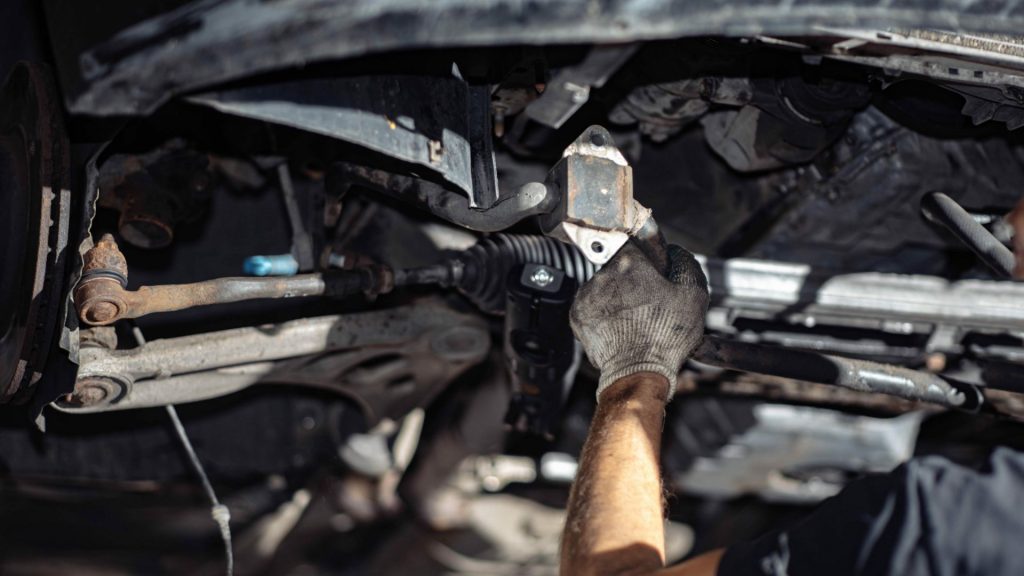
High-mileage vehicles may develop worn bushings in control arms, sway-bar mounts, and other suspension locations. The symptoms vary according to which component has failed. Drivers may notice knocking sounds, steering changes, vibration, or uneven tire wear. Some deterioration produces little obvious noise at first.
A worn bushing does not automatically require replacement of the entire suspension system. Depending on the vehicle’s design, a mechanic may be able to replace the individual bushing or recommend a complete control arm when its joints or other components are also worn.
The correct repair depends on the manufacturer’s design and the condition of the surrounding parts.
Do not assume every clunk comes from bushings. Loose fasteners, ball joints, tie rods, sway-bar links, and damaged struts can create similar symptoms. An inspection should identify the actual source before parts are ordered.
Alignment may be necessary after certain suspension repairs. Ask the shop whether the work changes suspension geometry and whether a follow-up alignment is included in the estimate.
Suspension condition matters for safety as well as comfort. Excessive movement can affect tire contact and vehicle control, particularly during emergency maneuvers.
Worn bushings are a predictable aging issue, not proof that a car has reached the end of its life. If the underlying structure is sound and the repair is economical, replacing deteriorated bushings can restore much of the tight, controlled feel the vehicle had when newer.
4. Replacing Engine Mounts
An older car can develop noticeable vibration even when its engine is mechanically healthy. One possible cause is worn engine mounts, which secure the engine and transmission to the vehicle while helping isolate vibration from the passenger compartment.
Mounts commonly use rubber, while some designs incorporate hydraulic fluid or electronically controlled features. Over years of engine movement, heat exposure, and repeated acceleration, their materials can deteriorate. Rubber may crack, separate, or lose its ability to absorb movement, allowing the powertrain to shift more than intended.
Typical symptoms include excessive vibration at idle, a noticeable clunk when shifting between Drive and Reverse, or unusual movement during acceleration. Some vibration is normal, particularly in certain engine configurations, so compare the symptoms with the vehicle’s normal operating characteristics rather than assuming every tremor indicates failure.
A mechanic can inspect the mounts for cracked rubber, fluid leakage from hydraulic mounts, and excessive engine movement. Other problems, including rough idling, misfires, and transmission issues, can produce similar symptoms. Replacing mounts without identifying the underlying cause may leave the vibration unchanged.
Repair complexity varies. Some mounts are relatively accessible, while others require supporting the engine and removing surrounding components. Vehicles with multiple mounts may need more than one replacement, depending on their condition.
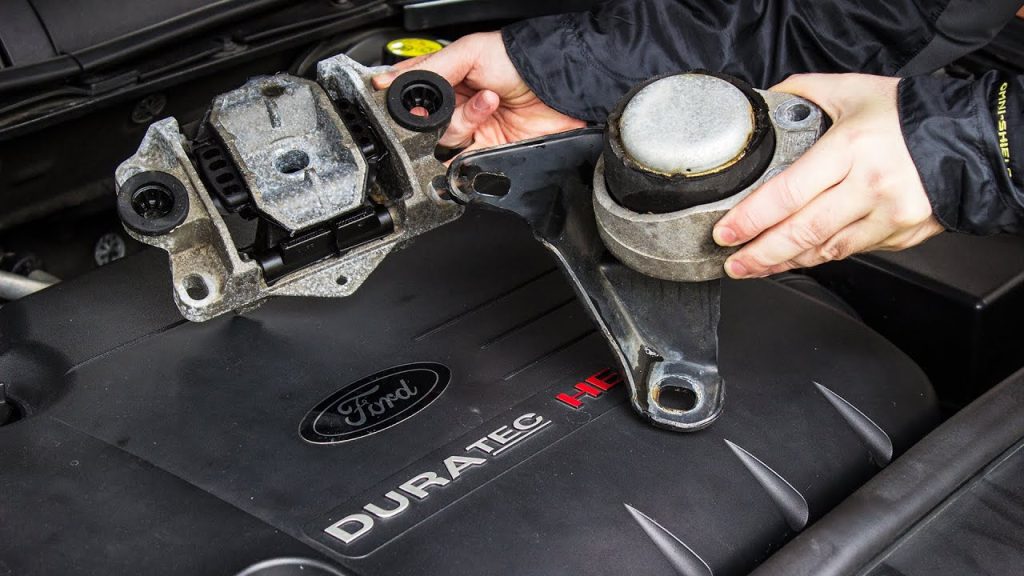
Do not postpone a confirmed failed mount indefinitely. Excessive powertrain movement can place additional strain on nearby hoses, exhaust connections, and other components. However, a single worn mount does not automatically mean the engine needs rebuilding.
Engine mounts are wear components, not a verdict on engine longevity. If the vehicle otherwise runs smoothly and has a sound maintenance history, replacing deteriorated mounts can be a reasonable way to improve comfort and prevent secondary problems.
5. Replacing the Starter Motor
A starter motor failure can leave a perfectly healthy high-mileage car unable to start. Because the vehicle may suddenly refuse to crank, owners sometimes interpret the problem as evidence of major engine trouble. In reality, the fault may lie in a relatively isolated electrical or mechanical component.
The starter uses electrical power from the battery to turn the engine during startup. Its internal motor, solenoid, and mechanical drive components experience repeated use, and wear can eventually prevent reliable operation.
Symptoms include a single click when turning the key or pressing the start button, repeated clicking, or an engine that does not crank. However, these signs do not prove that the starter itself has failed. A discharged battery, corroded terminals, damaged wiring, a faulty relay, or a problem with the starting system’s controls can cause similar symptoms.
A proper diagnosis should include battery testing, inspection of electrical connections, and appropriate checks of the starter circuit. Replacing the starter before ruling out a weak battery may waste money without fixing the problem.
Some vehicles have starters that are easy to access, while others require substantial labor to reach them. Costs therefore vary by model and repair complexity.
If the starter fails intermittently, do not assume the issue will resolve itself. A vehicle that starts reliably one day and refuses to crank the next can leave you stranded in a parking lot or at work.
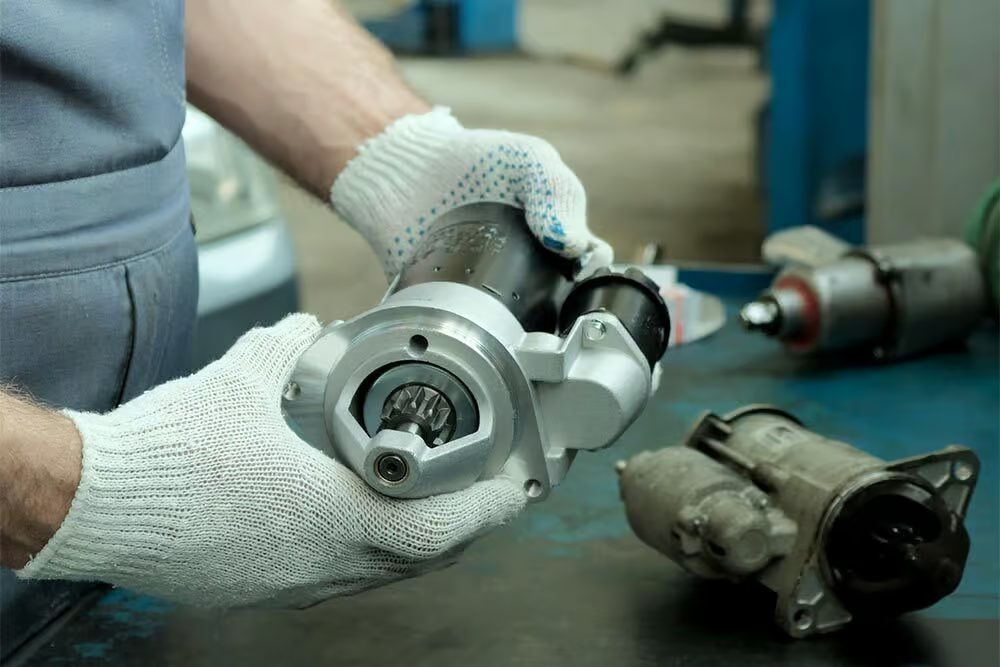
A failed starter is not the same as a failed engine. When testing confirms that the starter is responsible and the rest of the vehicle remains in good condition, replacing it is often a straightforward way to restore dependable starting performance.
6. Replacing the Alternator Belt or Accessory Belt
A cracked or worn accessory belt is a routine maintenance concern on many older cars, not a reason to sell a vehicle. These belts transfer power from the engine to accessories such as the alternator, air-conditioning compressor, and, on some designs, the water pump.
Rubber deteriorates with age, heat, contamination, and repeated flexing. Depending on the belt design, wear may appear as cracking, fraying, glazing, or missing sections. Some modern belt materials do not show obvious cracks before failure, so visual inspection alone is not always sufficient.
Warning signs include squealing during startup, noise when electrical or air-conditioning loads increase, or visible belt damage. A failing tensioner or pulley can also create belt noise, meaning the belt itself may not be the only problem.
The repair begins with identifying the correct belt routing and inspecting the tensioner, pulleys, and related components. If a pulley bearing is failing or the tensioner no longer maintains appropriate tension, installing a new belt alone may not resolve the issue.
Accessory belts should not be confused with timing belts. An accessory belt generally drives external components, whereas a timing belt synchronizes engine components on engines designed to use one. Timing-belt failure can cause severe internal damage on some engines, making the manufacturer’s replacement schedule especially important.
The consequences of an accessory-belt failure depend on the vehicle. Some cars may lose charging capability or air-conditioning, while others can experience rapid overheating if the belt also drives the water pump.
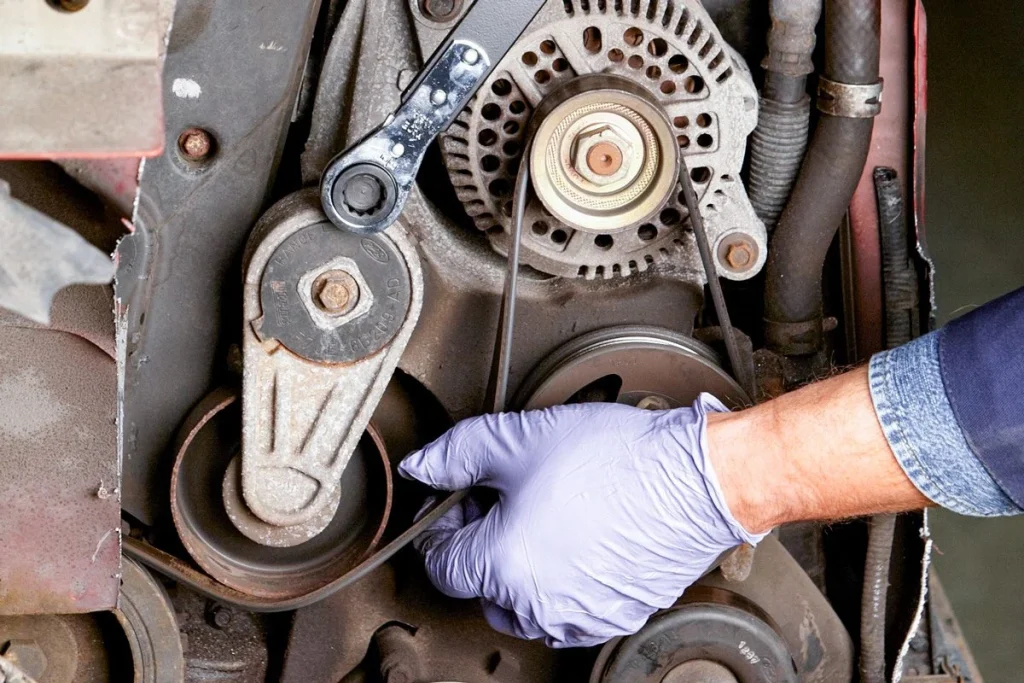
A worn accessory belt is a normal aging issue that is usually manageable when addressed promptly. Check the vehicle’s maintenance schedule, investigate related pulley noises, and replace damaged components before failure leaves you stranded or causes additional problems.
7. Replacing Worn Shock Absorbers or Struts
A high-mileage car that bounces excessively after a bump or feels unsettled in corners may need new shock absorbers or struts. These components control suspension movement, helping the tires maintain contact with the road while improving ride stability.
Repeated impacts, heavy loads, rough roads, and ordinary aging can gradually reduce their effectiveness. Some units develop fluid leaks, while others lose damping performance without an obvious external sign.
Common symptoms include excessive bouncing, nose-diving during braking, body roll, and uneven tire wear. However, these behaviors can also result from worn springs, bushings, alignment problems, or other suspension faults. A proper inspection is necessary before replacing parts.
Shock absorbers and struts are not interchangeable terms for every vehicle. A strut forms part of the suspension structure, while a conventional shock absorber primarily controls movement. Their designs influence both repair complexity and cost.
Ask the mechanic to inspect the mounting hardware, springs, bump stops, and related suspension components. Replacing worn units in pairs across the same axle is commonly recommended to maintain balanced damping, but follow the vehicle manufacturer’s requirements and the condition of the parts.
After certain strut replacements, wheel alignment may be necessary. Include that expense in your budget rather than considering the replacement price alone.
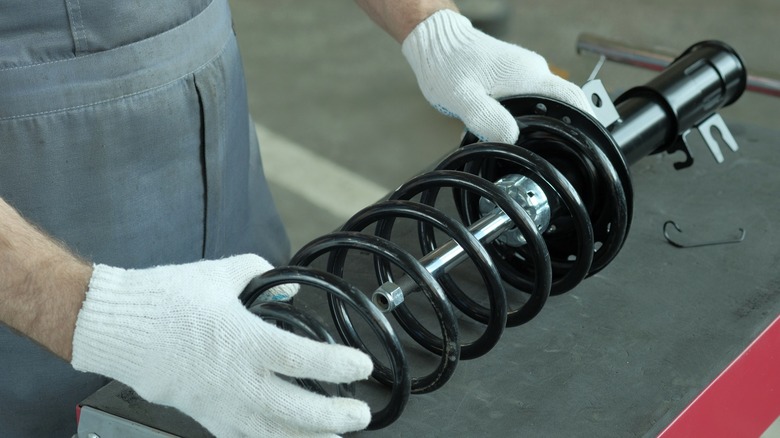
Poorly functioning dampers can compromise handling and tire contact, especially on uneven roads. Therefore, do not postpone repairs when the vehicle displays pronounced instability.
Worn shocks or struts do not mean the entire car is worn out. If the engine, transmission, body, and frame remain sound, restoring the suspension can improve control and ride quality without requiring a vehicle replacement.
8. Replacing Wheel Bearings
A humming or growling noise that becomes louder as a car gains speed can indicate a worn wheel bearing. These bearings allow the wheels to rotate smoothly while supporting vehicle loads. Over time, wear, contamination, impact damage, or inadequate lubrication can cause them to deteriorate.
High mileage increases the opportunity for wear, but mileage alone cannot predict when a bearing will fail. Driving over potholes, hitting curbs, and exposure to water or road debris can also contribute to damage.
The noise may change when the vehicle turns, but the pattern varies with the bearing’s location and condition. Some failures produce vibration or looseness rather than an obvious hum. Tire noise can sound similar, so replacing a bearing based only on sound risks an unnecessary repair.
A mechanic can inspect the wheel for excessive play, rough rotation, and abnormal noise. Modern hub assemblies may incorporate wheel-speed sensors used by the anti-lock braking system, adding complexity to some repairs. The exact replacement procedure depends on the vehicle’s design.
Do not ignore a confirmed failing wheel bearing. Severe deterioration can affect wheel control and, in extreme cases, lead to dangerous mechanical failure. If the wheel feels loose, makes pronounced grinding noises, or shows other serious symptoms, avoid driving until the vehicle has been assessed.
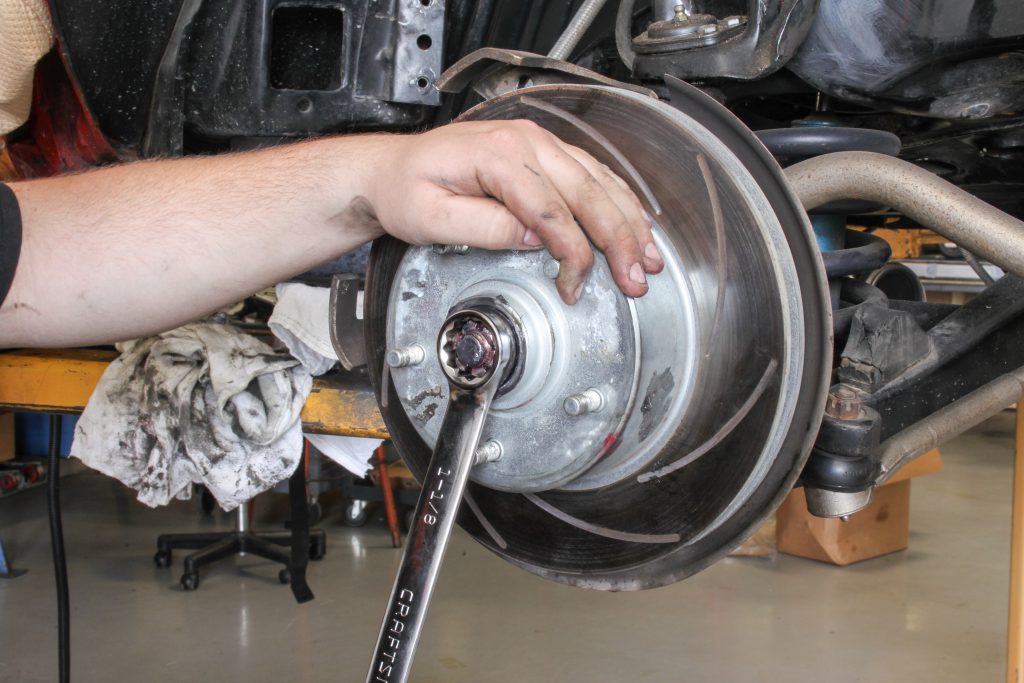
Repair costs vary according to whether the car uses a replaceable bearing or an integrated hub assembly, as well as labor requirements and parts availability.
A worn wheel bearing is a repairable mechanical problem, not proof that a high-mileage car is finished. If the diagnosis is confirmed and the surrounding suspension and steering components remain sound, replacing the faulty bearing can restore safe, smooth operation without replacing the entire vehicle.
9. Replacing an Aging Radiator or Cooling-System Hoses
Coolant leaks become more common concerns as a vehicle ages because rubber hoses, plastic fittings, seals, and radiator components experience repeated heating and cooling. Finding a leak on a high-mileage car can be frustrating, but it does not automatically indicate serious engine damage.
Radiators can develop leaks through corrosion, damaged seams, or deteriorated connections. Hoses may become swollen, brittle, cracked, or soft with age. Plastic coolant outlets and thermostat housings can also fail, depending on the vehicle’s design and operating conditions.
Look for coolant puddles, dried residue around connections, or a persistent need to refill the reservoir. Never open a pressurized cooling system while the engine is hot. If the temperature gauge rises abnormally, stop safely and switch off the engine rather than continuing to drive.
A mechanic should pressure-test the cooling system when appropriate and identify the actual leak source. Replacing a radiator will not solve a leak caused by a damaged hose, water pump, or thermostat housing. Likewise, repeated coolant loss accompanied by overheating may require investigation for internal engine problems.
Repair decisions should account for the radiator’s condition, the age of nearby hoses, and the labor needed to access them. Replacing several deteriorated components together can sometimes prevent repeated workshop visits, provided the additional work is justified.
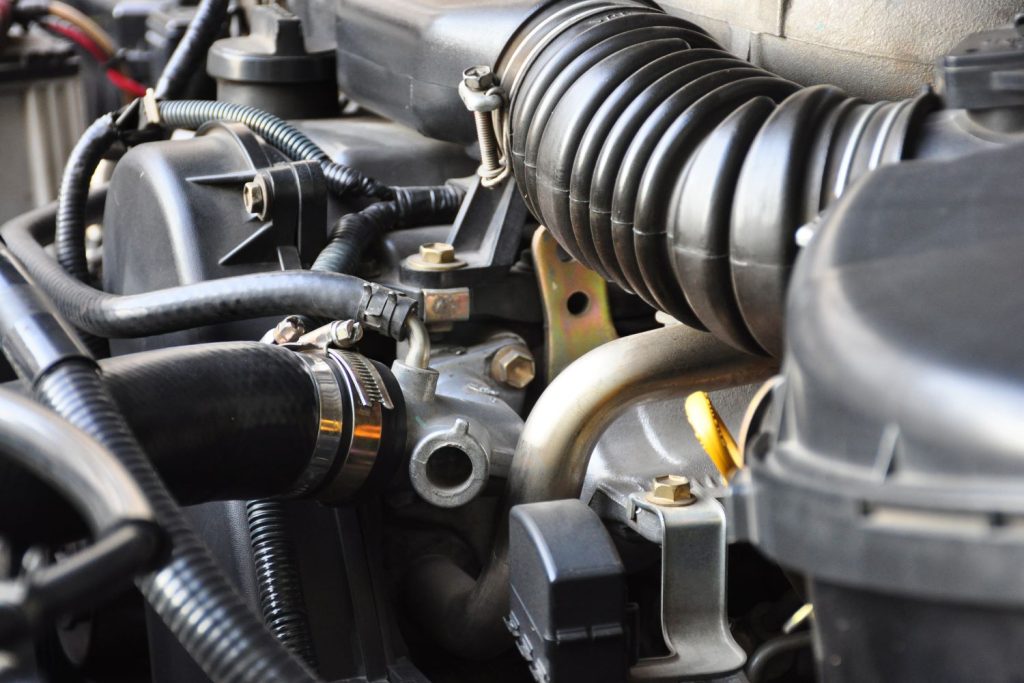
The most important distinction is whether the leak was caught before overheating caused secondary damage. A failed radiator can be a manageable repair, while prolonged overheating may damage the head gasket or cylinder head.
A cooling-system repair should prompt a condition check, not an automatic decision to sell. Repair the confirmed fault, verify that the engine operates at its intended temperature, and investigate any history of serious overheating before returning the vehicle to regular use.
10. Replacing Motorized Window Regulators and Door Lock Actuators
An electric window that stops halfway or a door lock that refuses to respond can make an older car feel worn out, but these faults are often limited to individual convenience components. They do not necessarily indicate trouble with the engine, transmission, or other major mechanical systems.
Power windows use motors, regulators, switches, and wiring to move the glass. Over years of use, a regulator’s cables or guides can wear out, and the motor may eventually fail. Drivers might hear grinding inside the door, notice slow window movement, or find that the glass tilts instead of rising evenly.
Door locks have their own possible failure points. An actuator may stop moving the lock mechanism, while a faulty switch, damaged wiring, or mechanical obstruction can produce similar symptoms. A remote key fob with a weak battery may also be responsible for an apparent locking-system failure.
Diagnosis matters because the least expensive solution may be something other than replacing the entire assembly. A mechanic should test the switch, wiring, motor, and mechanical linkage before recommending parts. Water intrusion inside a door can damage electrical connections, so recurring failures deserve closer inspection.
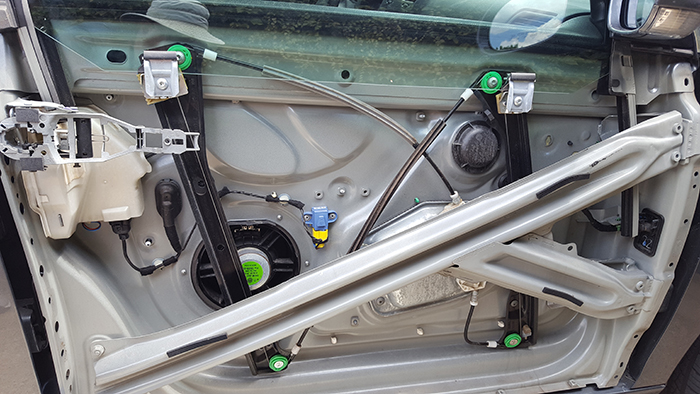
Repair costs depend on the vehicle’s design and how difficult it is to remove the interior door panel. Some regulators are straightforward to replace, while others require more involved labor. Luxury vehicles with complex door electronics may cost considerably more to repair.
Although these components are not usually central to engine longevity, functioning windows and locks still matter for security, comfort, and everyday usability. A window that cannot close properly can also expose the interior to rain or theft.
A faulty window regulator or door-lock actuator is rarely a reason by itself to sell a mechanically sound car. Obtain a repair estimate, address any security or weather-exposure concerns, and compare the expense with the cost of changing vehicles. Small electrical repairs can be worthwhile when the major systems remain dependable.