
A car’s purchase price tells only part of the financial story. Over the next five years, depreciation, insurance, fuel, maintenance, repairs, financing, and registration can add a substantial amount to the original bill.
For some high-end vehicles, those expenses can approach the price of a new family car, even before an owner considers optional equipment or unusually expensive repairs.
The biggest ownership costs are not necessarily attached to the most powerful cars or the models with the highest fuel consumption. Expensive parts, specialized servicing, steep depreciation, and costly insurance can all push the total upward.
CarEdge’s current model-level estimates put several ultra-luxury vehicles near the top of its five-year ownership-cost rankings, with two Bentley models leading the list. These figures are estimates rather than guaranteed bills, and actual costs vary with mileage, location, insurance profile, and vehicle configuration.
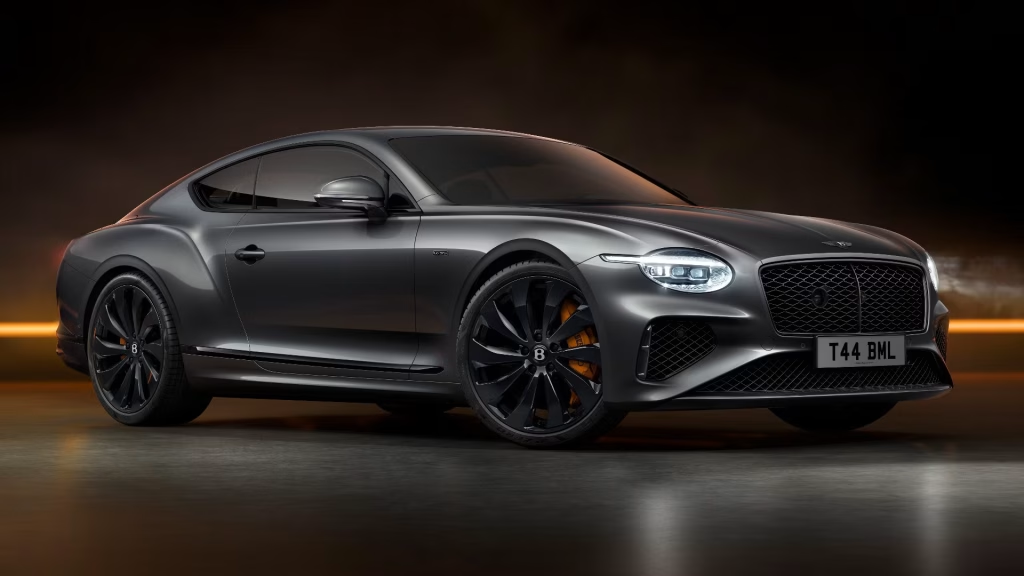
1. Bentley Continental GT
Estimated five-year cost to own: $254,129
The Bentley Continental GT combines grand-touring performance with the craftsmanship and materials expected of an ultra-luxury car. It is also a clear example of how the cost of owning a vehicle can extend far beyond its sticker price.
CarEdge estimates five-year ownership costs at approximately $254,129, placing the Continental GT at the top of its current model ranking. Its listed new price is around $337,730, so the ownership estimate represents a substantial additional financial commitment beyond the initial purchase.
Depreciation is a major part of the calculation for a vehicle in this price bracket. Even when a luxury coupe retains considerable appeal in the used market, a high original value means that a relatively modest percentage decline can translate into a large dollar loss.
The pool of potential buyers is also much smaller than it is for an ordinary sedan or SUV, which can make resale values sensitive to mileage, specification, condition, and changes in demand.
Running costs add another layer. The Continental GT is a complex performance car, with powerful engines, sophisticated chassis systems, and extensive electronic equipment.
Routine work may require specialist knowledge and premium parts, while repairs to advanced components can be expensive. Insurance can also be substantial because replacement parts, repair labor, and the vehicle’s value all affect potential claim costs.
That does not make the Continental GT a poor choice for every buyer. It delivers a level of refinement, performance, and cabin craftsmanship that mainstream vehicles are not designed to match.
The important distinction is between being able to afford the purchase and being prepared for the full ownership commitment. Buyers considering one should budget for depreciation, insurance, and maintenance together, rather than treating the advertised price as the main financial hurdle.
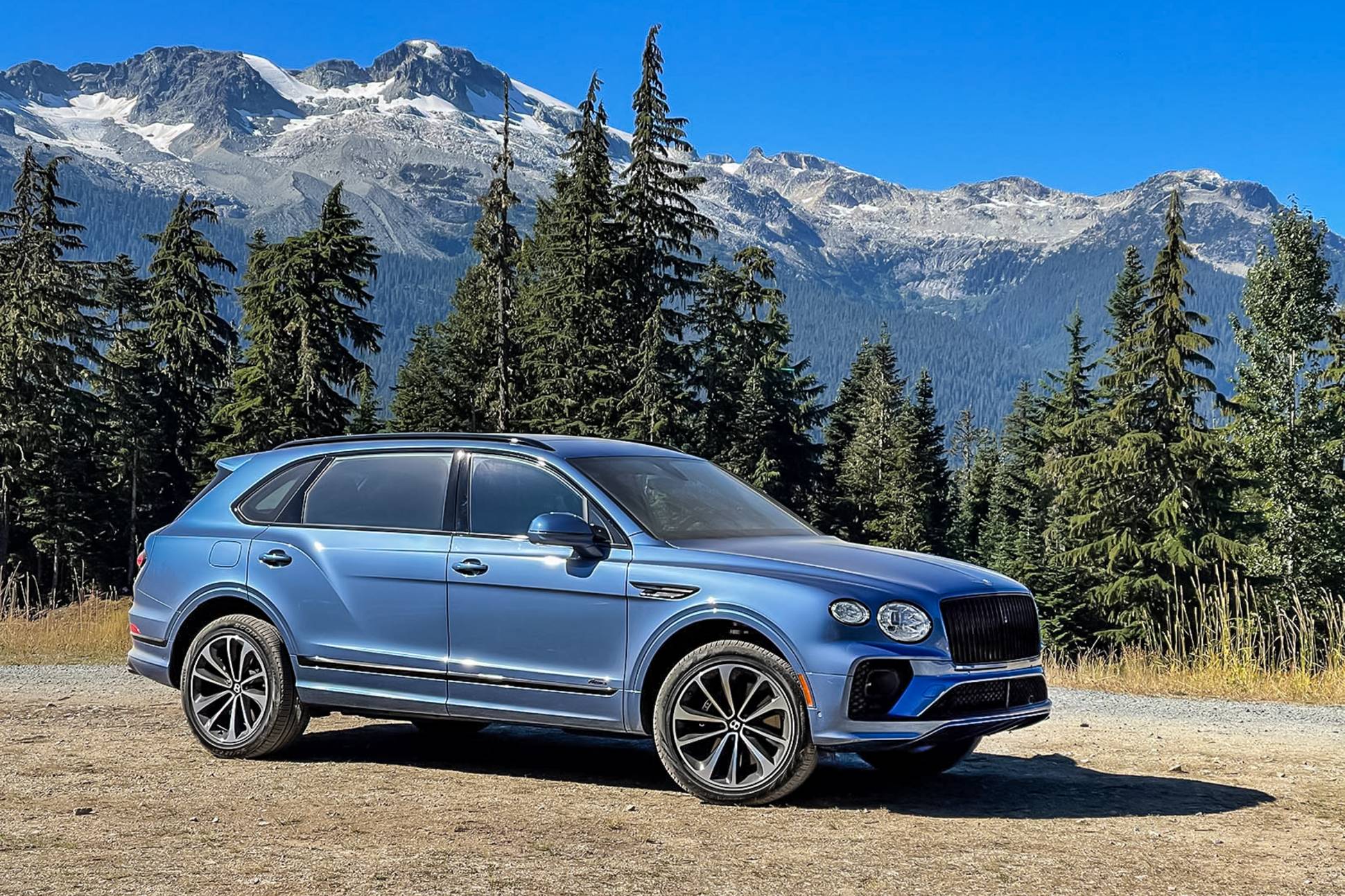
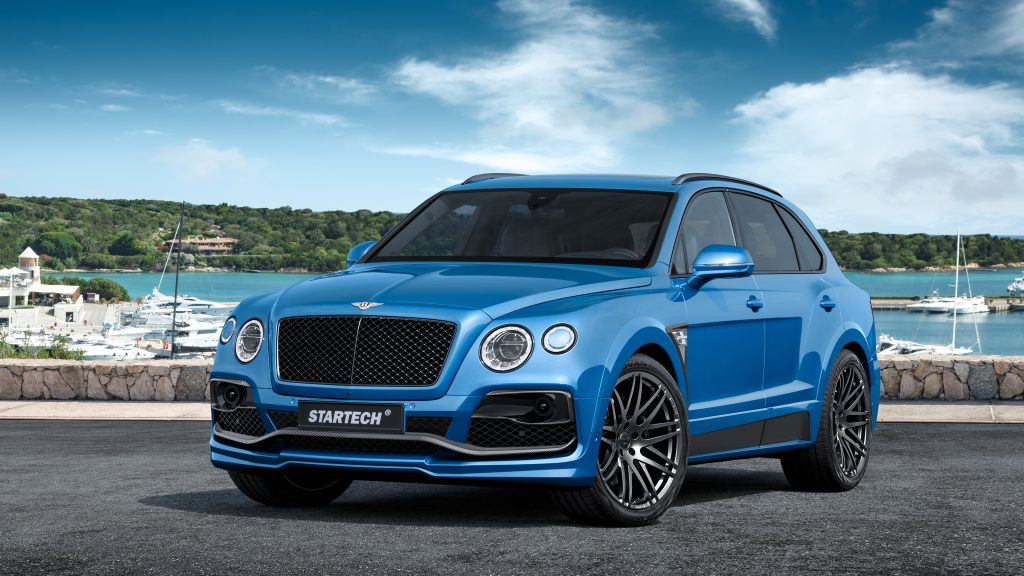
2. Bentley Bentayga
Estimated five-year cost to own: $250,222
The Bentley Bentayga brings the brand’s luxury-car formula into a large SUV, pairing a premium cabin with strong performance and the practicality of additional passenger and cargo space. That versatility comes at a high financial cost.
CarEdge estimates five-year ownership expenses at approximately $250,222, making the Bentayga one of the most expensive vehicles to own in its current model rankings. Its listed new price is around $266,987, illustrating how substantial the costs associated with keeping an ultra-luxury SUV can be.
One reason the Bentayga can be expensive to keep is the amount of specialized equipment packed into it. Depending on configuration, owners may have sophisticated suspension systems, advanced driver-assistance features, elaborate interior fittings, and powerful engines to maintain.
These systems contribute to the vehicle’s comfort and capability, but they can also make repairs more involved than those on a conventional family SUV. Parts and labor at specialist facilities can carry premium prices, particularly when work involves electronic systems or complex mechanical components.
Depreciation is another important consideration. A luxury SUV may attract buyers seeking exclusivity and comfort, but its original price can make the used-car market narrower than the market for less expensive SUVs.
Buyers shopping for a pre-owned example may also scrutinize its service history, mileage, options, and expected maintenance needs. That can affect resale value and the amount an owner eventually recovers when selling.
The Bentayga’s high ownership estimate should not be interpreted as a prediction that every owner will spend exactly that amount.
Insurance premiums differ by driver and location, annual mileage affects running expenses, and maintenance needs vary with use and condition. The figure is best treated as a planning benchmark.
For buyers who want Bentley craftsmanship with SUV space, the Bentayga offers a distinctive combination. The financial lesson is to assess the purchase price alongside five years of depreciation, insurance, fuel, and upkeep. With a vehicle at this level, the cost of ownership is a central part of the buying decision, not an afterthought.
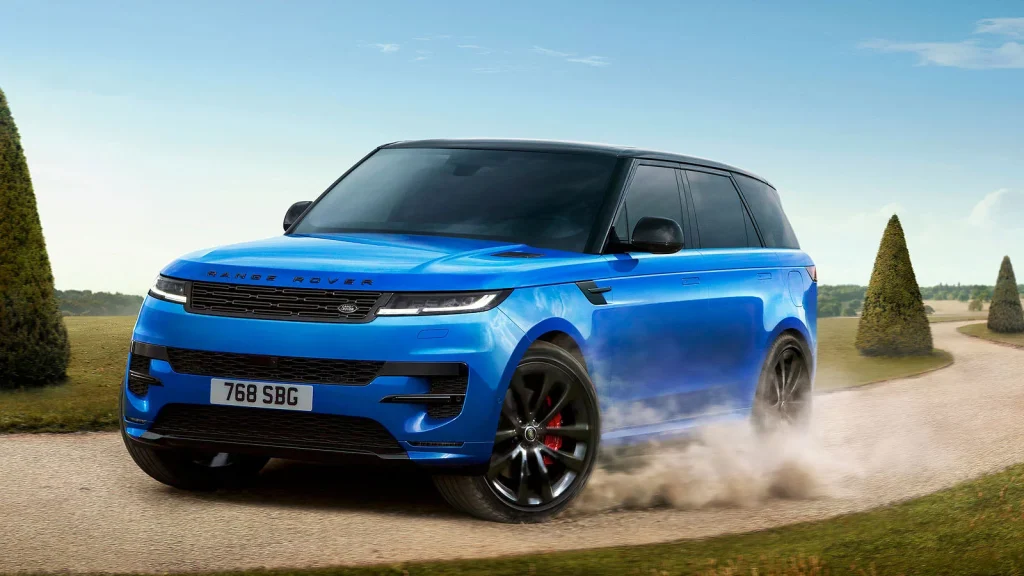
3. Land Rover Range Rover
Estimated five-year cost to own: $201,635
The Range Rover has long occupied a distinctive position in the luxury SUV market, combining an upscale interior with off-road capability and a road-focused driving experience. Its appeal is easy to understand, but keeping one for five years can require a budget far beyond the initial transaction.
CarEdge estimates its five-year ownership cost at approximately $201,635, putting it third in the current ranking of the most expensive vehicles to own in its price category.
Depreciation is a particularly important part of that calculation. The Range Rover starts from a high purchase price, so even a percentage decline that might seem ordinary can translate into tens of thousands of dollars.
Resale values also depend on the vehicle’s mileage, service records, trim, options, and condition. Buyers shopping for used examples may be especially attentive to maintenance history because a luxury SUV with complex systems can become a less attractive proposition if its upkeep has been neglected.
The ownership bill is not limited to lost resale value. Insurance premiums can be high because the vehicle is expensive to repair or replace, while fuel consumption may exceed that of smaller, lighter SUVs.
Suspension components, electronic features, climate-control equipment, and other specialized systems can also make repairs costly when problems occur. A well-maintained vehicle may avoid major unexpected work, but owners still need to plan for routine servicing and wear items.
The Range Rover combines a roomy interior and exceptional comfort with off-road capability that many luxury crossovers cannot match.
For drivers who use those qualities regularly, the cost may be justified. The risk is buying one based only on its monthly payment or used-car price without considering what it could cost to maintain.
A sensible budget should include a pre-purchase inspection, a review of service records, and an insurance quote before the deal is finalized. Those steps cannot eliminate depreciation or guarantee trouble-free ownership, but they can help buyers understand the commitment before they take the keys.
4. Maserati Levante
Estimated five-year cost to own: $189,362
The Maserati Levante illustrates how a luxury SUV can become far more expensive over time than its purchase price initially suggests. With Italian styling, performance-oriented engineering, and a premium cabin, it targets buyers who want something less common than a German luxury SUV.
Yet CarEdge estimates that owning a Levante for five years costs approximately $189,362, putting it fourth in this ranking. The estimate assumes a typical purchase and ownership scenario, rather than predicting the exact bill for every driver.
The largest expense in CarEdge’s estimate is depreciation, projected at $118,305 over five years. That is about 62% of the estimated ownership total. The model’s estimated new price is $149,620, while its projected value after five years is $31,315.
Such a steep decline can create an opportunity for used-car shoppers, but it is a significant financial drawback for someone buying new and planning to sell after only a few years. These are projections based on historical data, not guaranteed resale prices.
Insurance is another substantial item. CarEdge estimates five-year premiums at $30,870, equivalent to roughly $6,174 annually under its national-average assumptions. Fuel is projected to cost $12,835 over the same period, while maintenance is estimated at $3,994.
The figures demonstrate that repair costs alone do not reflect the full expense of ownership, as depreciation and insurance make up a much larger share of the projected costs than routine maintenance.
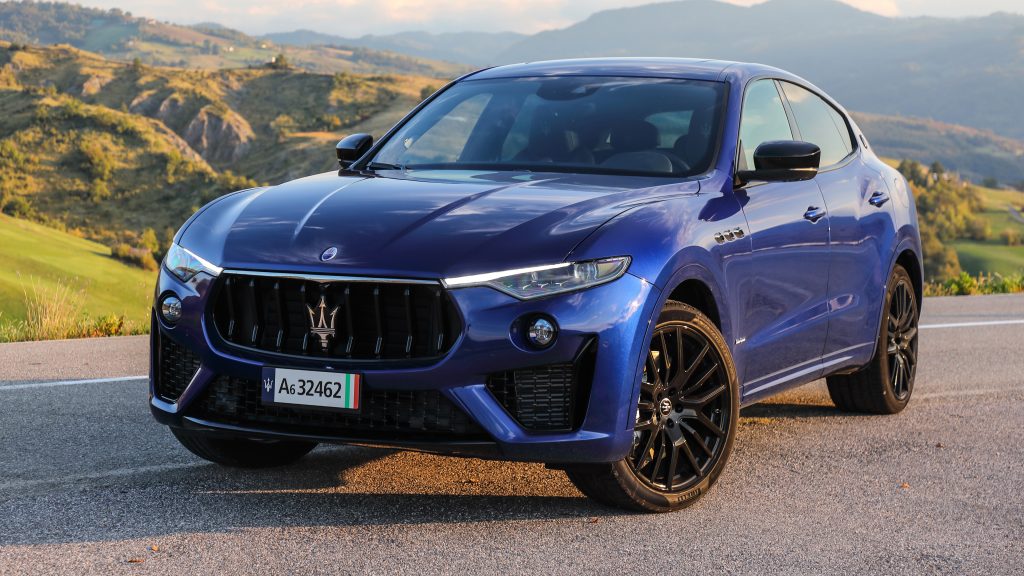
The Levante’s appeal lies in its distinctive design and performance character, but exclusivity can come with trade-offs. Buyers should investigate the availability of qualified service facilities, confirm warranty coverage, and obtain an insurance quote before committing.
A used Levante may cost considerably less to buy than it did when new, but its original luxury positioning still matters when budgeting for ownership.
For anyone comparing premium SUVs, the key question is not simply whether the Levante is affordable to purchase. It is whether the driving experience and features justify the expected financial loss over the period the vehicle will be kept.
5. BMW XM
Estimated five-year cost to own: $185,801
The BMW XM takes a different approach to luxury performance. Rather than prioritizing discreet styling or traditional grand-touring comfort, this high-performance SUV combines an aggressive design with a powerful plug-in hybrid powertrain and a lavish interior.
That engineering and equipment come with a significant ownership bill. CarEdge estimates five-year ownership costs at approximately $185,801, placing the XM fifth among the six vehicles in this ranking.
Depreciation is a major factor for a vehicle with a high original price and a specialized market position. The XM is not a conventional family SUV, nor is it aimed at the broad audience that shops for mainstream luxury crossovers.
Its styling, performance focus and premium pricing appeal to a narrower group of buyers. When an owner decides to sell, resale value can depend heavily on demand for that particular combination of power, equipment and design.
The plug-in hybrid system also adds complexity. It combines a combustion engine with electric-drive hardware and a rechargeable battery, giving the vehicle performance and efficiency benefits under suitable driving conditions.
However, owners should understand the warranty coverage for hybrid components and ensure that servicing is performed by qualified technicians. Fuel consumption will vary with driving style, trip length and how regularly the battery is charged.
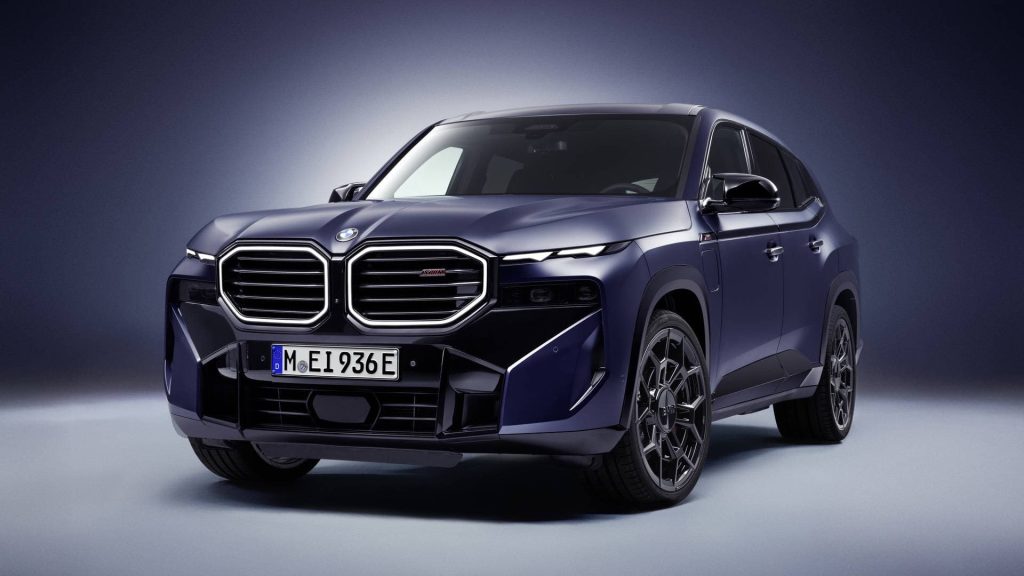
Insurance and tires can add further expense. A heavy, powerful SUV with costly replacement components may be more expensive to insure and maintain than a smaller BMW, while performance tires can cost more to replace than ordinary passenger-car tires.
The XM makes the most sense for buyers who specifically want its unusual styling and performance character.
Anyone considering one should compare insurance quotes, review the warranty and consider expected depreciation before purchasing. Its five-year cost estimate is a reminder that the financial commitment extends well beyond the showroom.
6. Maserati Ghibli
Estimated five-year cost to own: $177,983
The Maserati Ghibli rounds out this list with a five-year ownership estimate of approximately $177,983, according to CarEdge. The sport-oriented luxury sedan combines Italian styling with a performance-focused character, offering an alternative to more familiar executive sedans from Germany.
Its ownership expenses, however, demonstrate how a vehicle that may depreciate substantially can remain costly to keep on the road.
Depreciation is especially important when evaluating the Ghibli. CarEdge’s model estimates show a substantial gap between its new price and the projected cost of ownership over five years.
A lower resale value can benefit secondhand buyers looking for a premium sedan at a reduced purchase price, but it can hurt an owner who buys new and sells after a relatively short period. Actual resale values vary with mileage, service history, condition, specification, and local demand.
Maintenance and repairs deserve careful consideration, too. The Ghibli’s performance hardware and specialized components can require more expensive service than those of an ordinary family sedan.
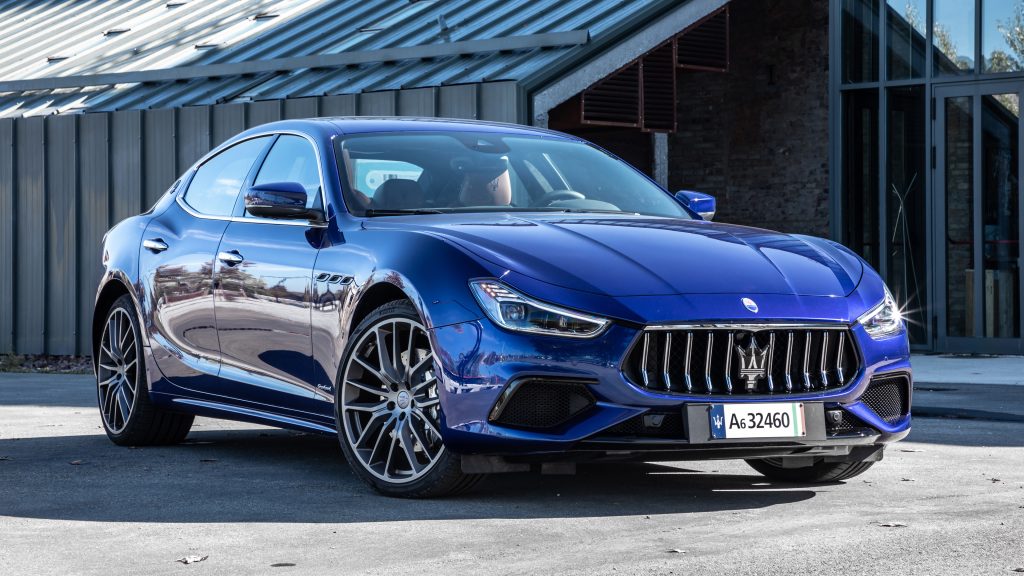
The cost of a repair depends on the fault, parts availability, labor rates and the service facility involved. Buyers should not assume that a used luxury car will be inexpensive to maintain simply because its purchase price has fallen.
Insurance is another expense to investigate before buying. Premiums depend on the driver, location, coverage and insurer, so national estimates are useful for comparison but cannot replace an individual quote. Fuel consumption also varies with engine configuration and driving conditions.
The Ghibli may appeal to drivers who value its distinctive styling and driving character more than the conventional choices in its segment. For a financially informed purchase, though, the right comparison includes depreciation, insurance, fuel and maintenance, not just the price listed by a dealer.
