
America’s vehicle fleet reflects decades of buying habits, brand loyalty, and the practical realities of keeping cars and trucks on the road. Some manufacturers maintain a particularly large presence because their vehicles span popular pickups, family SUVs, commuter sedans, and work vehicles.
S&P Global Mobility’s Vehicles in Operation data provides a useful way to measure that presence by examining how many light vehicles remain in service.
The figures supplied for 2026 put Ford, Chevrolet, and Toyota at the top, with the three brands together accounting for more than 41 percent of the stated market total. These shares measure fleet presence, not new-car sales or reliability.
1. Ford: 14.8% of Vehicles in Operation
Ford occupies the largest share in the supplied 2026 brand breakdown, accounting for approximately 14.8% of the roughly 290 million light vehicles in operation. That represents more than one in seven vehicles in the stated fleet, demonstrating how deeply the brand is embedded in American transportation.
One reason Ford maintains such a substantial presence is the breadth of its historical lineup. The F-Series has served personal buyers, contractors, businesses, and fleet operators for decades.
SUVs such as the Explorer and Escape have also contributed to the brand’s presence, while Transit vans serve commercial and delivery applications. These different vehicle categories reach buyers with very different needs.
Vehicles-in-operation data measures the accumulated fleet still in service, not simply the number of new vehicles sold during a particular year.
A vehicle purchased years ago can continue contributing to a brand’s share as long as it remains registered and active within the dataset. Consequently, a large share reflects historical sales, vehicle longevity, replacement patterns, and continued use.
Ford’s substantial footprint also has implications for the automotive aftermarket. A large installed base creates demand for replacement tires, brakes, filters, suspension components, maintenance services, and collision repairs.
Parts availability can vary by model and age, but widespread vehicle populations generally provide a substantial customer base for repair businesses.
The 14.8% figure should not be interpreted as a reliability score or a measure of current sales leadership. It describes Ford’s presence within the stated vehicle fleet.
For American drivers, the finding illustrates how established nameplates can remain visible on the road long after their original purchase. Ford’s lead reflects decades of accumulated ownership rather than a single successful model year.
2. Chevrolet: 13.4% of Vehicles in Operation
Chevrolet takes second place in the supplied figures, representing approximately 13.4% of the American light-vehicle fleet. Its position places it close behind Ford and ahead of Toyota in this particular breakdown, underscoring the long-term importance of General Motors’ mainstream brand in the United States.
Chevrolet’s broad model range helps explain its extensive presence. The Silverado serves pickup buyers, the Equinox and Traverse appeal to SUV shoppers, and the Tahoe and Suburban occupy the large-SUV segment.
Passenger cars such as the Malibu and older Cruze models also remain part of the brand’s historical footprint, even as the market has shifted toward trucks and SUVs.
That mix matters because vehicles remain on American roads for many years. A brand’s installed fleet includes older models purchased under very different market conditions, not just vehicles available in showrooms today. Even discontinued nameplates can contribute to the number of vehicles still in operation.
Chevrolet’s fleet presence also supports demand for independent repair shops and parts suppliers. Common service requirements include brake components, suspension parts, cooling system repairs, tires, and routine engine maintenance.
Availability is not identical for every model, but popular vehicles often have established repair knowledge and aftermarket support.
The supplied 13.4% figure does not mean Chevrolet captured that proportion of new-car sales in 2026. Vehicles-in-operation statistics measure the surviving vehicle population, while new-sales statistics measure a flow of purchases during a defined period. Those are different indicators and can produce different brand rankings.
Chevrolet’s second-place position therefore tells a story about accumulated American ownership. Its combination of pickups, family SUVs, and a large legacy fleet has helped keep the bowtie badge a familiar sight across cities, suburbs, and rural communities.
3. Toyota: 12.9% of Vehicles in Operation
Toyota ranks third in the supplied 2026 figures, with approximately 12.9% of vehicles in operation. Combined with Ford and Chevrolet, the three brands account for 41.1% of the stated fleet, meaning that more than two out of every five vehicles belong to these three manufacturers.
Toyota’s American presence spans several major categories. The Camry and Corolla have long served commuters, while the RAV4 and Highlander appeal to SUV buyers. The Tacoma and Tundra provide pickup options, and the Prius has helped establish Toyota’s presence in the hybrid market.
This variety allows the brand to reach households seeking different combinations of size, fuel economy, capability, and price.
The company’s established reputation for long-term ownership is often discussed by shoppers, but fleet share alone cannot establish reliability.
The number of vehicles still operating depends on historical sales, how vehicles are maintained, repair costs, retirement rates, and other factors. A high share is evidence of a large installed fleet, not proof that every model is dependable.
Toyota’s substantial presence also supports the repair and maintenance market. Independent shops can encounter a wide variety of Toyota models, while replacement parts and service information are available through multiple channels. Availability still depends on the age and specification of a particular vehicle.
The 12.9% figure should also be distinguished from Toyota’s share of new registrations. New-sales rankings can change quickly as buyers respond to pricing, inventory, incentives, and newly introduced models. The existing fleet changes more gradually because millions of older vehicles remain in use.
Toyota’s third-place position demonstrates the lasting influence of its decades-long American lineup. Its combination of passenger cars, SUVs, pickups, and hybrids gives the brand a broad presence across the country’s diverse driving needs.
4. Honda: 8.6% of Vehicles in Operation
Honda accounts for approximately 8.6% of the vehicles in the supplied 2026 breakdown, placing it fourth among the twelve brands. Its share is considerably smaller than those of Ford, Chevrolet, and Toyota, yet it represents a substantial portion of the vehicles American drivers continue to use.
The Civic and Accord have been central to Honda’s presence in the passenger-car market. Both nameplates have served commuters, first-time buyers, and households looking for practical transportation.
SUVs such as the CR-V and Pilot expanded the brand’s reach as American preferences shifted toward vehicles with greater cargo capacity and a higher seating position.
Honda’s installed fleet contains vehicles from many generations, not merely the latest models. Older Civics and Accords can remain on the road after several owners, while newer SUVs continue adding to the population. That accumulated history helps explain why vehicle-in-operation figures differ from annual sales rankings.
For the repair industry, a large Honda population supports demand for routine servicing, replacement parts, tires, brake work, and suspension repairs.
However, maintenance requirements vary by engine, transmission, model year, and driving conditions. Buyers should assess a particular vehicle’s service records rather than treating the brand’s fleet share as a guarantee of reliability.
Honda’s 8.6% share also illustrates the strength of brands with a focused lineup of high-volume models. A manufacturer does not need to dominate every vehicle category to maintain a large national presence. Consistent participation in popular segments can build a substantial fleet over many years.
These figures measure vehicles still in operation, not the number Honda sold in 2026. Its fourth-place position reflects accumulated ownership across decades, including both passenger cars and SUVs that continue serving American households.
5. Nissan: 6.1% of Vehicles in Operation
Nissan represents approximately 6.1% of the vehicles in the supplied data, placing it fifth among the twelve brands. Its presence reflects decades of participation in the American market, including compact cars, midsize sedans, crossovers, and pickups.
The Altima and Sentra have helped establish Nissan in the commuter-car segment, while the Rogue has become an important nameplate in the crossover market. The Pathfinder and Frontier contribute to the brand’s SUV and truck presence. Older examples of these vehicles remain part of the fleet alongside newer models.
Nissan’s position illustrates why a brand’s existing fleet cannot be judged solely by its latest product lineup. Vehicles sold years ago may still be registered and driven, contributing to today’s installed population even when their manufacturers have changed designs or discontinued particular models.
A large fleet also supports demand for maintenance and replacement parts. However, the cost and availability of repairs depend on the specific vehicle, its age, and the components involved.
Buyers of used Nissans should pay particular attention to the maintenance requirements of the exact transmission and engine fitted to their model, rather than assuming every vehicle shares the same mechanical characteristics.
The 6.1% figure is not Nissan’s share of new American vehicle sales. It represents the proportion of the stated existing fleet attributed to the brand, according to the supplied breakdown.
Nissan’s fifth-place position shows that its long-running range of practical passenger vehicles and utility models continues to contribute significantly to the American vehicle population. Its installed base remains an important part of the country’s automotive landscape.
6. Jeep: 4.8% of Vehicles in Operation
Jeep accounts for approximately 4.8% of vehicles in the supplied 2026 figures. Unlike brands whose presence is built around a broad selection of conventional passenger cars, Jeep’s identity has long centered on SUVs and vehicles associated with off-road capability.
The Wrangler is one of the brand’s most recognizable nameplates, while the Grand Cherokee has attracted buyers seeking a more road-oriented SUV with additional comfort and family practicality. The Cherokee, Compass, and older Jeep models also contribute to the number of vehicles still operating in the United States.
Jeep’s fleet presence reflects the durability of established nameplates in the marketplace, but the percentage does not establish how reliable individual vehicles are. Maintenance, driving conditions, previous modifications, and repair history can make substantial differences between two examples of the same model.
Off-road use also introduces considerations that may be less important for an ordinary commuter car. Buyers inspecting a used Jeep should check the underbody, suspension, steering components, differential areas, and evidence of previous damage. Vehicles used on difficult trails may need closer examination than those driven primarily on paved roads.
The aftermarket is another important part of Jeep ownership. Depending on the model, owners may have access to a broad range of tires, suspension parts, protective equipment, and replacement components. Modified vehicles still require careful assessment because aftermarket parts and installation quality vary.
At 4.8%, Jeep has a meaningful place in the national fleet despite its more specialized brand identity. Its contribution demonstrates that a manufacturer focused heavily on utility vehicles can build a lasting presence without matching the scale of the largest full-line brands.
7. Hyundai: 4.2% of Vehicles in Operation
Hyundai represents approximately 4.2% of the vehicles in the supplied breakdown, placing it seventh. Its position reflects a substantial American presence built through passenger cars, crossovers, SUVs, and an expanding range of electrified vehicles.
The Elantra and Sonata have served buyers seeking everyday transportation, while the Tucson, Santa Fe, and Palisade have helped Hyundai reach shoppers interested in SUVs. More recent electric models have added another dimension to the lineup, although their contribution to the existing fleet depends on how many vehicles remain in service.
Hyundai’s current fleet also reflects a history of changing product strategies. Earlier models continue to contribute to the total even as the company introduces new designs and technologies. Vehicles-in-operation statistics therefore capture the cumulative result of many model years rather than a snapshot of today’s showroom.
For used-car shoppers, the brand’s fleet share is not a substitute for checking a particular vehicle’s maintenance records, recall status, and repair history. Some Hyundai model years have been subject to significant recalls or service campaigns, so buyers should verify the VIN through official recall resources and confirm that applicable work has been completed.
A sizeable installed base also creates demand for replacement parts and maintenance services. Availability varies by model and age, particularly for specialized electronic or hybrid components.
The supplied 4.2% figure measures the brand’s share of vehicles in operation, not its annual sales share or reliability rate. Hyundai’s seventh-place position shows how a manufacturer that expanded its American presence over several decades can build a meaningful national fleet across multiple vehicle categories.
8. Dodge: 3.9% of Vehicles in Operation
Dodge accounts for approximately 3.9% of the stated American vehicle fleet. Its place in the ranking reflects a long history of producing mainstream passenger cars, minivans, and performance-oriented vehicles, many of which remain on the road years after their original sale.
The Charger and Challenger helped establish Dodge’s modern performance identity, while the Durango continues to serve buyers seeking a three-row SUV. Earlier models such as the Journey and Grand Caravan also contribute to the installed fleet.
Their continued presence shows that vehicles-in-operation data includes older nameplates, even when a model has been discontinued.
Dodge’s fleet is not uniform in age, condition, or use. A family vehicle with a documented maintenance history may have very different ownership costs from a performance car that has been modified or driven hard. Buyers should inspect the specific vehicle, verify its service records, and check for evidence of mechanical modifications or accident damage.
Parts availability depends on the model and component. Common maintenance items may be readily available, while specialized trim pieces or components for older discontinued vehicles can be more difficult to source. This distinction matters when estimating the long-term cost of keeping an older Dodge on the road.
The 3.9% figure should not be interpreted as Dodge’s current share of new-car sales. It measures the brand’s contribution to the accumulated fleet described in the supplied data.
Dodge’s eighth-place position demonstrates the lasting effect of past sales across multiple segments. Performance cars attract attention, but the brand’s installed population also includes everyday vehicles that continue serving American drivers.
9. GMC: 3.7% of Vehicles in Operation
GMC accounts for approximately 3.7% of vehicles in the supplied figures, placing it ninth. The brand focuses primarily on trucks, SUVs, and commercial-oriented vehicles, giving it a different profile from manufacturers whose fleets contain large numbers of compact sedans.
The Sierra pickup is central to GMC’s presence, serving personal owners, contractors, and businesses. The Terrain and Acadia cover smaller and midsize SUV categories, while the Yukon occupies the full-size SUV segment. Older versions of these vehicles continue to contribute to the number of GMC models still in service.
GMC’s position also highlights the importance of work-related vehicles in the American fleet. Pickups and SUVs can remain in use for many years when owners maintain them, and commercial applications can keep older vehicles operating even after their first ownership period ends.
For used buyers, the vehicle’s previous work matters. A pickup used to tow heavy loads may have experienced different stresses from one used mainly for commuting. Inspect the transmission, cooling system, suspension, brakes, hitch area, and underbody, and look for maintenance records covering towing-related servicing where applicable.
Repair expenses can vary with engine choice, drivetrain, trim, and parts availability. A luxury-oriented GMC trim may also have equipment that costs more to repair than a simpler configuration.
The supplied 3.7% share measures GMC’s place in the existing fleet, not its current sales performance. Vehicles-in-operation data accumulates the effects of historical sales and vehicles remaining in use.
GMC’s ninth-place ranking demonstrates that a truck-and-SUV-focused brand can sustain a substantial presence on American roads. Its installed base supports both personal transportation and commercial work, making it an important part of the broader vehicle population.
10. Kia: 3.5% of Vehicles in Operation
Kia represents approximately 3.5% of the vehicles in the supplied breakdown, placing it tenth. Its American fleet has grown through a combination of compact cars, midsize sedans, crossovers, and SUVs that appeal to buyers across different price ranges.
The Forte and older Optima models contribute to Kia’s passenger-car presence, while the Sportage, Sorento, and Telluride help cover the SUV market. Newer electric vehicles add another category, though their share of the total fleet depends on how many have accumulated and remain in service.
A brand’s vehicles-in-operation share builds gradually. Models sold several years ago remain part of the population, so today’s percentage reflects past purchases as well as recent ones. This is why the existing fleet can tell a different story from a ranking based only on current sales.
For used Kia buyers, individual model-year history matters. Check the VIN for open recalls and review maintenance records carefully. Depending on the model and engine, specific service campaigns or engine-related concerns may be relevant. A brand-level percentage cannot determine the condition of an individual car.
The repair market benefits from a growing installed base because it creates demand for routine maintenance, collision repairs, tires, and replacement parts. Availability may differ for older vehicles or specialized electrified components, so owners should check local support before committing to a used model.
Kia’s 3.5% figure is a measure of its contribution to the stated existing fleet, not a rating of reliability or customer satisfaction. Its tenth-place position reflects the brand’s expanding history in the American market and the continued presence of its earlier vehicles.
11. Subaru: 3.1% of Vehicles in Operation
Subaru accounts for approximately 3.1% of the vehicles in the supplied 2026 breakdown, placing it eleventh. Although its share is smaller than those of the larger mainstream brands, Subaru has established a distinctive presence through vehicles designed around all-wheel drive, practical utility, and everyday usability.
The Outback and Forester have been important to the brand’s American popularity, particularly among drivers who value cargo space and traction in changing weather. The Crosstrek reaches buyers seeking a smaller crossover, while the Impreza and older Legacy models contribute to Subaru’s passenger-car population.
Subaru’s fleet illustrates how a focused product identity can create long-term recognition without matching the sales volume of a full-line giant. Vehicles sold years ago remain part of the national population, while newer crossovers continue to add to the installed base.
For used-car shoppers, all-wheel drive should not be treated as a guarantee of superior safety in every situation. Tires, braking condition, driver behavior, and road conditions remain critical.
Buyers should also check the maintenance requirements of the specific engine and drivetrain, including any manufacturer guidance concerning fluids, tires, and related components.
Tire matching deserves particular attention on all-wheel-drive vehicles. Significant differences in tire circumference can place additional strain on some driveline systems, so replacements should follow the manufacturer’s specifications.
The 3.1% share does not measure Subaru’s current sales performance or prove that every model is reliable. It describes the brand’s presence in the stated vehicle population.
Subaru’s eleventh-place ranking shows that its distinctive combination of passenger cars and practical crossovers has built a lasting footprint. Its fleet remains particularly relevant to drivers who value year-round usability and vehicles suited to varied American weather conditions.
12. Ram: 2.9% of Vehicles in Operation
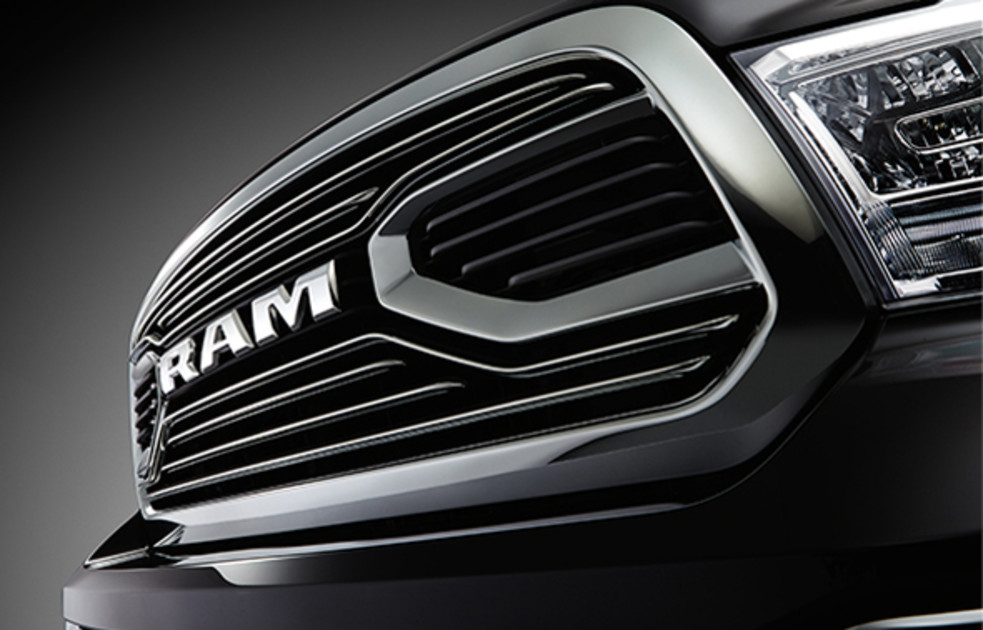
Ram rounds out this list with approximately 2.9% of the vehicles in the supplied 2026 figures. Its position reflects a brand focused primarily on pickup trucks, including vehicles used for personal transportation, construction, agriculture, towing, and commercial work.
The Ram 1500 is central to the brand’s consumer presence, while heavier-duty pickups serve owners with more demanding hauling and towing requirements. Older Ram trucks remain in service across the United States, and their continued use contributes to the brand’s accumulated fleet share.
Pickup ownership patterns can differ from those of passenger cars. Some trucks cover substantial annual mileage for work, while others serve as family vehicles or recreational tow vehicles.
Their maintenance histories therefore vary considerably. A used Ram that spent years towing heavy trailers may have experienced different loads from one used mainly for commuting.
Buyers should examine the transmission, cooling system, suspension, brakes, tires, frame, and hitch area. Check for signs of corrosion, uneven tire wear, fluid leaks, and previous modifications. Service records are particularly useful when assessing trucks that have performed regular towing or commercial duties.
Repair costs depend on engine choice, drivetrain, trim, and parts availability. Heavy-duty configurations may have different maintenance needs from lighter-duty versions, so specifications should be verified for the exact model.
Ram’s 2.9% figure represents its share of the stated vehicles-in-operation total, not its share of new pickup sales. Its final position in this ranking does not diminish the importance of trucks in American transportation.
The brand’s presence demonstrates how a focused pickup lineup can sustain a significant installed fleet, serving both work-related needs and personal ownership long after the original purchase.
