America’s best-selling cars reveal how the country’s driving habits changed over six decades. In the 1970s, domestic mid-size cars attracted enormous numbers of buyers. During the 1980s, smaller and more economical models became increasingly important.
The 1990s brought a modern family-sedan boom, while the 2000s and 2010s saw Japanese nameplates strengthen their position in the United States. By the 2020s, traditional passenger cars were competing against a market increasingly dominated by SUVs and pickups.
This list looks at six notable passenger-car nameplates, one representing each decade from the 1970s through the 2020s. It also includes sales figures so readers can see the scale of each model’s popularity.
Historical sources do not always classify models consistently, especially when a nameplate includes multiple versions or body styles. The decade totals below specify the periods covered by the available data, and partial periods are clearly distinguished from complete decades.
1. 1970s: Oldsmobile Cutlass
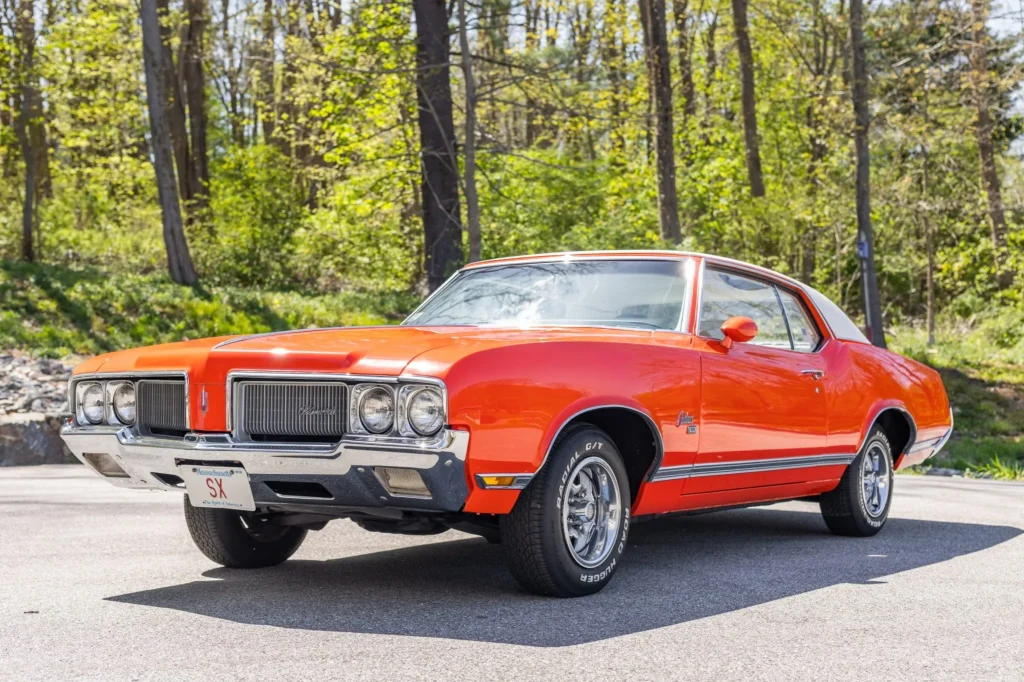
The Oldsmobile Cutlass became one of the defining American cars of the 1970s, attracting buyers who wanted a roomy domestic vehicle with comfortable seating and traditional styling.
Its popularity reached a high point in 1976, when Oldsmobile sold 486,845 Cutlasses, making it America’s best-selling car that year, according to The Washington Post.
The Cutlass name covered a family of models, including different body styles and trim levels. That broad lineup helped Oldsmobile appeal to a wide range of customers. Buyers could choose a coupe or sedan while remaining within the same familiar model family.
The Cutlass also occupied a useful position between basic transportation and more expensive luxury cars, giving customers a comfortable vehicle without requiring them to move to a premium brand.
Its sales success came during a period of major change. The 1973 oil crisis pushed fuel economy higher on buyers’ priority lists, and smaller cars began attracting more attention.
Yet demand for mid-size American cars remained strong through much of the decade. The Cutlass demonstrated that many customers still valued interior space, traditional styling, and a familiar driving experience.
How many sold during the 1970s? A precise, comparable decade total is difficult to establish from the available historical records because the Cutlass and Cutlass Supreme were reported separately in some years.
A historical compilation lists 1975 to 1979 sales across those versions, but it does not provide a consistent, complete decade-wide total using one unchanged model definition. For example, the Cutlass Supreme recorded 404,068 sales in 1979, while the separately listed Cutlass recorded 114,092.
Rather than combine inconsistent model categories and present a misleading total, the reliable headline figure is the verified 486,845 sold in 1976. That single-year result still demonstrates the Cutlass’s remarkable popularity and its place in the history of American passenger cars.
2. 1980s: Ford Escort
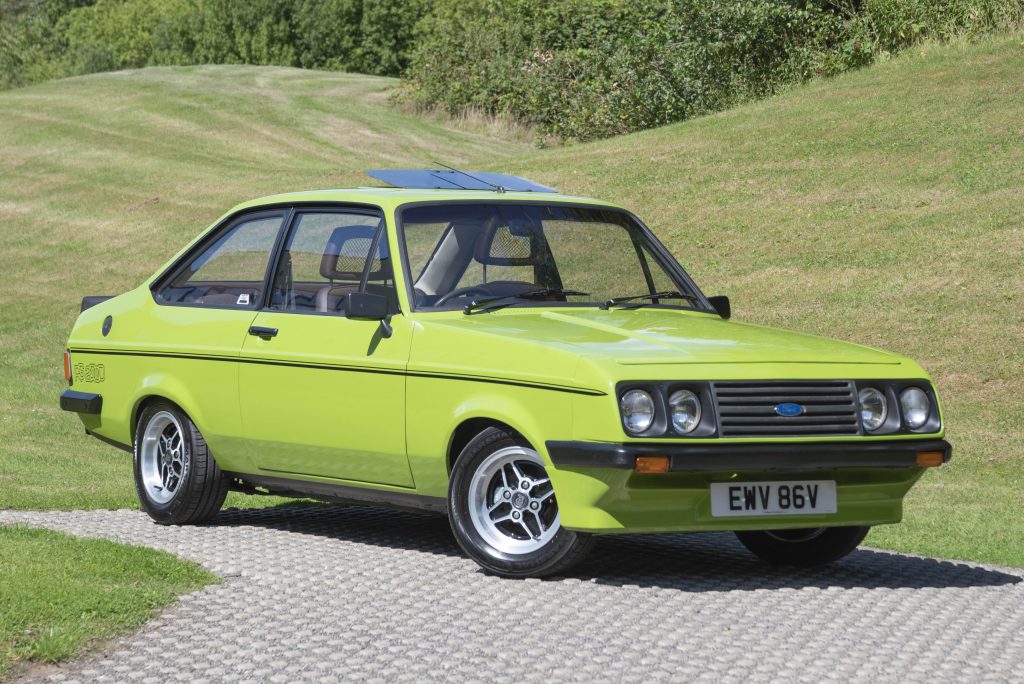
The Ford Escort became one of the defining compact cars of the 1980s, reflecting a growing preference for vehicles that were economical, practical, and easier to maneuver than traditional full-size American sedans.
Its sales were particularly strong in the early and later years of the decade. Historical rankings identify the Escort as America’s best-selling passenger car in 1982, 1987, and 1988.
The Escort’s appeal came from its straightforward design. Compact dimensions helped drivers navigate crowded streets and parking lots, while its efficient packaging made it useful for commuting and everyday family duties.
Ford also offered different body styles, including hatchbacks and a wagon, giving buyers options for passenger space and cargo needs.
The model competed during a period when Japanese automakers were gaining ground in the American market. Toyota and Honda had built strong reputations in the compact segment, encouraging domestic manufacturers to respond with cars that offered competitive economy and usability.
The Escort helped Ford remain relevant to customers who wanted a smaller car without switching brands.
How many sold during the 1980s? The available historical sources do not provide a single consistent calendar-year sales series for every Escort variant across the full decade.
Production records list 3,370,495 units built from 1981 through 1989, but that is a production total, not a verified count of cars sold to US customers. The figure also includes a production-data complication in 1988, when Ford EXP figures were combined with Escort figures.
That distinction matters because production, wholesale deliveries, and retail sales are not interchangeable. The Escort’s repeated appearances at the top of annual sales rankings confirm its importance, but the available figures do not justify labeling the production total as a decade sales total.
The Escort remains a useful representative of the 1980s because it captures the shift toward smaller passenger cars. Its success showed that American buyers increasingly valued fuel economy and everyday convenience alongside the space and styling traditionally associated with domestic models.
3. 1990s: Ford Taurus
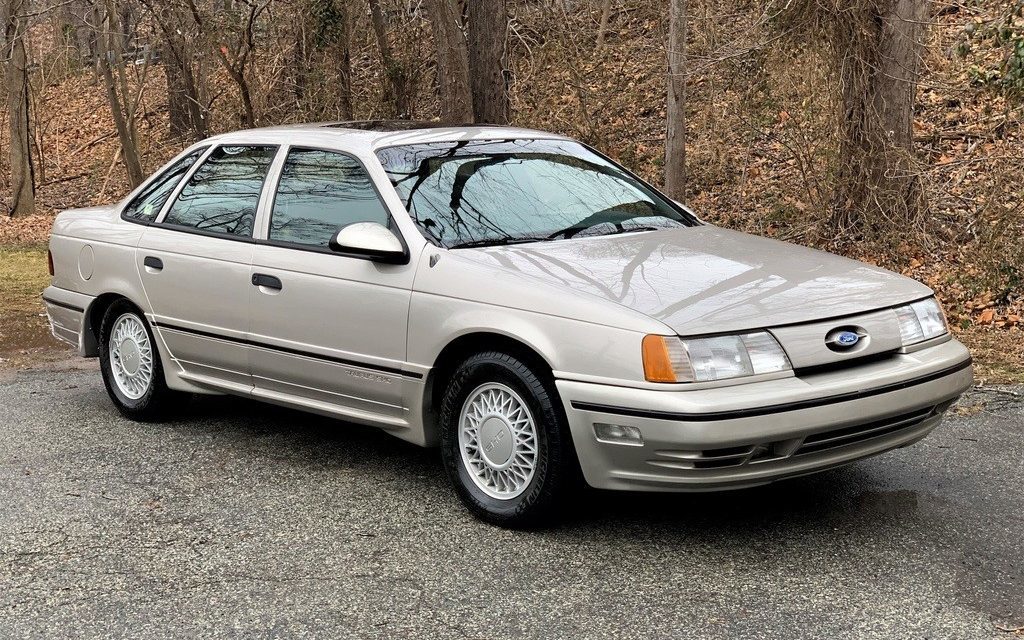
The Ford Taurus helped redefine the American family sedan during the 1990s. Its rounded styling, front-wheel-drive layout, and emphasis on comfort gave it a more modern character than many of the boxier sedans that had populated American roads during the previous decade.
The Taurus became a major sales success, leading annual US passenger-car rankings from 1992 through 1996.
Its popularity came from a combination of practicality and design. The Taurus offered a useful passenger room, a comfortable ride, and a range of versions suitable for commuters and families. Ford also developed sportier variants, allowing the nameplate to appeal to drivers who wanted more performance than a basic family sedan offered.
The Taurus was not successful in isolation. Japanese competitors were improving their own family cars, and the Toyota Camry and Honda Accord became increasingly influential.
Meanwhile, the broader US market was beginning its gradual shift toward SUVs. The Taurus eventually lost its sales lead, illustrating how quickly a dominant model can face new competition.
How many sold during the 1990s? A reliable full-decade total requires a complete annual series with consistent treatment of the Taurus nameplate and its model changes.
The historical table available here includes selected years, such as 409,751 sales in 1992, 366,266 in 1995, 401,049 in 1996, 357,162 in 1997, 371,074 in 1998, and 368,327 in 1999. It does not provide every year from 1990 through 1999, so those figures cannot responsibly be added together and called a complete decade total.
The Taurus nevertheless stands out as one of the most important domestic sedans of its era. Its success showed that an American automaker could lead the market with a contemporary design and a family-focused package.
Its eventual decline also reflected a wider transformation, as buyers began to consider vehicles that offered a higher seating position and more cargo flexibility.
4. 2000s: Honda Accord
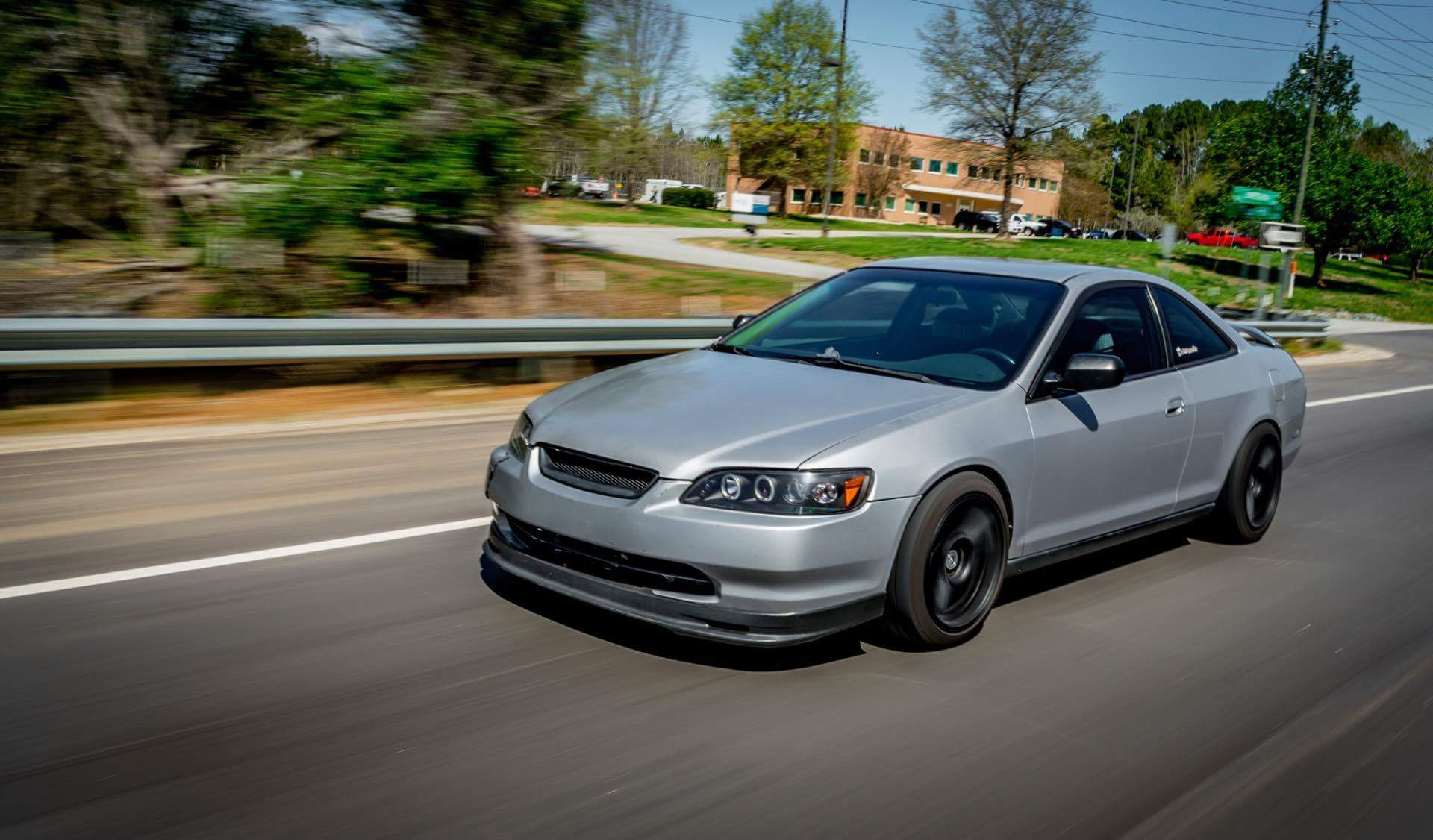
The Honda Accord remained one of America’s most successful passenger cars during the 2000s, competing closely with the Toyota Camry for buyers seeking a practical, comfortable family sedan. Honda briefly took the top spot in 2001, when the Accord sold 414,718 units in the United States, compared with 390,449 Camrys.
The Accord’s appeal came from its ability to meet several needs at once. It provided room for passengers, a comfortable ride for longer journeys, and a choice of powertrains that allowed buyers to prioritize economy or performance. Its reputation and established nameplate also helped it remain familiar to private buyers and fleet customers.
Honda continued to update the Accord as expectations changed. Safety equipment, cabin refinement, and convenience features became increasingly important, and the car evolved to keep pace with the rest of the family sedan segment.
The Accord faced steady competition from the Toyota Camry, along with the Nissan Altima and other models that offered buyers additional options.
How many sold during the 2000s? Adding the reported US sales for the Accord from 2000 through 2009 gives 3,781,543 cars. The annual figures range from 290,056 in 2009 to 414,718 in 2001. Honda’s historical sales records provide the yearly numbers used for this calculation.
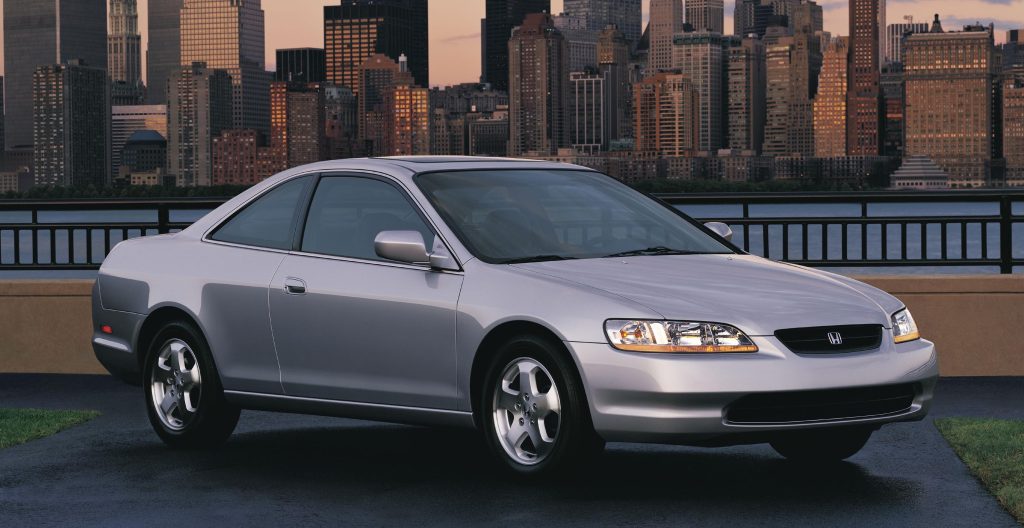
The decade-long sales total highlights the Accord’s sustained popularity among American buyers. Rather than relying on a single strong year, it attracted millions of customers over ten years. Its spacious interior, comfortable ride, and everyday practicality helped establish it as a leading choice in the family-car segment.
The Accord’s story also reflects a market in transition. SUVs were gaining popularity, but a well-developed sedan could still attract large numbers of buyers who wanted practical transportation without the extra size and cost of a larger vehicle.
5. 2010s: Toyota Camry
The Toyota Camry became one of the defining passenger cars of the 2010s, remaining a major choice for American families even as SUVs and pickups captured a growing share of new-vehicle sales.
Its popularity stemmed from practical advantages, including a roomy interior, a smooth ride, reasonable operating costs, and a reputation for reliable everyday driving.
The Camry had already become a fixture in the American market before the decade began. Throughout the 2010s, Toyota continued updating its design, equipment, and driving experience to keep the sedan competitive.
Buyers could choose versions that emphasized affordability and efficiency or higher trims with additional comfort and convenience features.
The market around it was changing quickly. Crossovers offered higher seating positions and flexible cargo space, attracting households that might once have bought a traditional sedan. Toyota responded by continuing to invest in the Camry rather than allowing it to become a static product.
That strategy helped the model remain prominent even as the passenger-car segment came under pressure.
How many sold during the 2010s? The Camry recorded approximately 3,763,738 US sales from 2010 through 2019, based on annual model sales figures. The decade included strong years such as 2015, when 429,355 Camrys were sold, and 2016, when sales reached 388,616. The series also records 336,978 sales in 2019.
Those figures show how the Camry maintained a large customer base through a decade of changing tastes. Although it was not the best-selling vehicle when trucks and SUVs were included, it remained a leading passenger car.
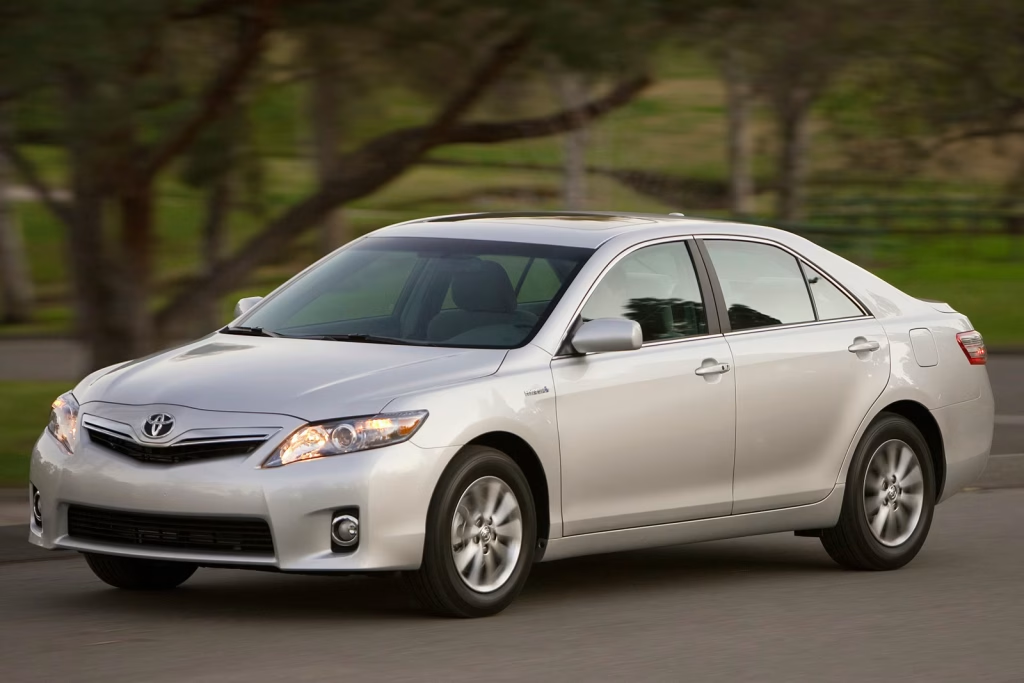
Its long-running appeal also gave used-car buyers a familiar model to consider, extending its presence on American roads beyond new-car sales.
The Camry’s success demonstrates that conventional sedans can remain relevant when they continue to meet the practical needs of buyers. Its decade total makes it one of the strongest examples of the family car’s lasting position in the US market.
6. 2020s: Honda Civic
The Honda Civic represents the continued appeal of compact passenger cars in a decade when American buyers have increasingly favored SUVs and pickups. The Civic has remained a major choice for drivers who want manageable dimensions, useful fuel economy and modern safety and connectivity features without stepping up to a larger vehicle.
Its strengths come from versatility. The Civic is offered in sedan and hatchback forms, giving buyers a choice between a conventional trunk and a more flexible cargo opening.
Depending on the model year and trim, shoppers can prioritize economy, convenience or a sportier driving experience. Hybrid versions have also expanded the model’s appeal to buyers seeking lower fuel consumption.
The Civic’s place in the market is different from that of larger family sedans. Its compact footprint suits commuters, first-time buyers and households that do not need the passenger or cargo capacity of an SUV. That has helped it remain relevant even as many manufacturers have reduced their traditional car lineups.
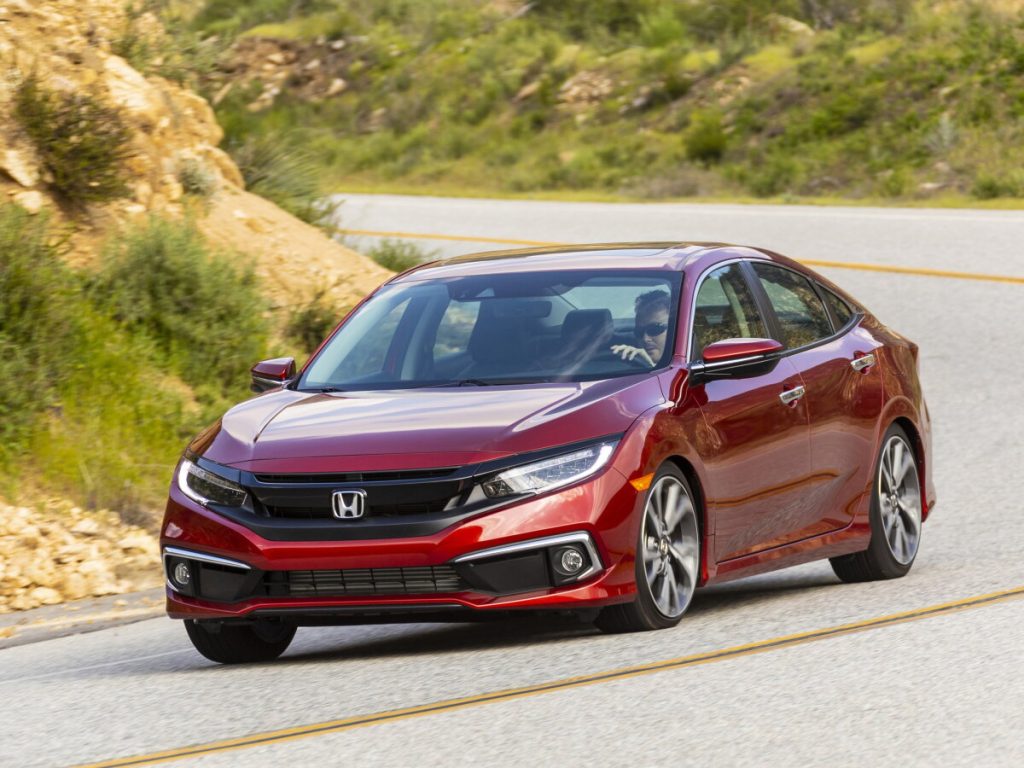
How many sold during the 2020s? From 2020 through 2025, the Civic recorded 1,329,772 US sales. The annual totals were 261,225 in 2020, 263,787 in 2021, 142,397 in 2022, 200,381 in 2023, 223,321 in 2024 and 238,661 in 2025. These figures are compiled from reported US model sales.
This is a six-year total, not a complete decade figure. Sales for 2026 through 2029 have not yet occurred, so the final total for the 2020s will be higher or lower depending on future demand and the Civic’s performance in the market.
The Civic’s continued presence shows that traditional passenger cars still serve an important purpose. Not every driver needs an SUV, and compact cars can remain attractive when they combine practical packaging, efficient operation and features expected from modern vehicles.