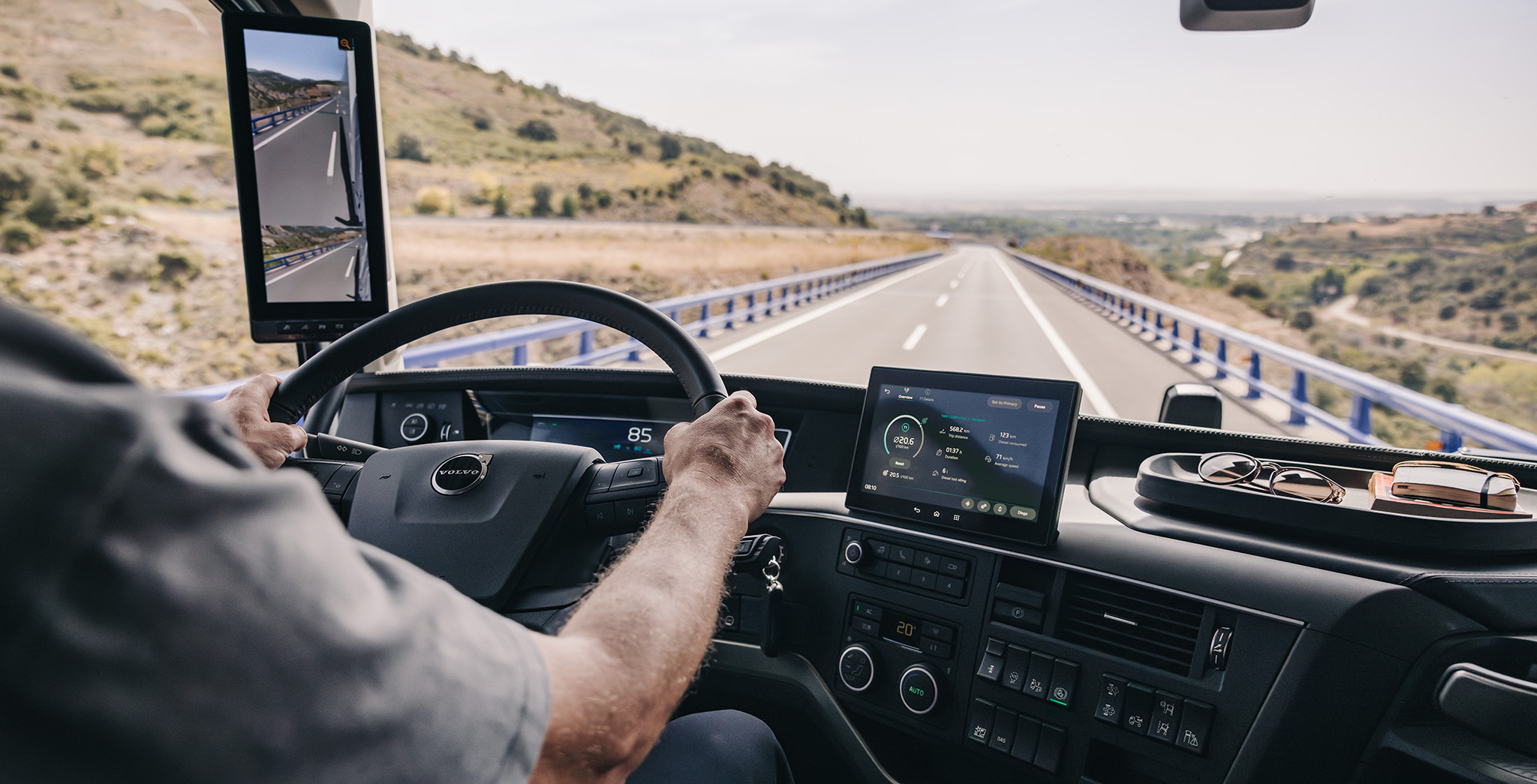
Modern vehicles increasingly use cameras and sensors to monitor driver attention, detect drowsiness, identify certain behaviors, and assess whether drivers remain attentive while using advanced driver assistance systems. These technologies aim to reduce crashes caused by distraction or impairment.
The debate has intensified around the widely discussed 2027 impaired-driving technology requirement in the United States. However, federal law does not automatically require every new vehicle to have infrared cameras or remotely controlled engine shutoff systems.
The Infrastructure Investment and Jobs Act directed the National Highway Traffic Safety Administration (NHTSA) to develop a standard for advanced impaired-driving prevention technology. As of October 2026, the final requirements remain unresolved.
Beyond technical effectiveness, important concerns include privacy, data collection, cybersecurity, and how systems handle errors. Questions also remain about who can access recorded information and what happens when monitoring technology incorrectly identifies a driver as impaired or distracted. These issues will shape how the technology develops and whether drivers trust it.
1. Your Car Could Track Where You Look, Not Just Whether You Hold the Wheel
For years, many driver-assistance systems relied heavily on steering-wheel sensors to determine whether a driver remained engaged.
This method had a clear limitation because drivers could keep their hands on the steering wheel while taking their eyes off the road. Driver-monitoring cameras offer a more precise way to track where a driver’s attention is directed.
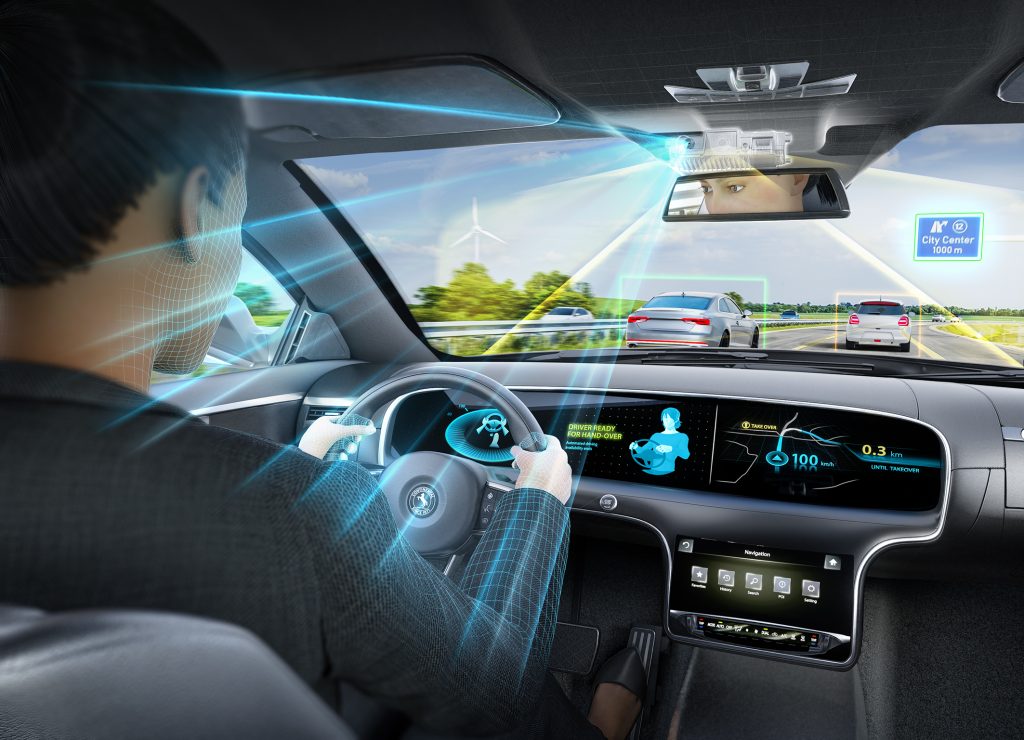
Depending on the vehicle, a camera mounted near the steering column, instrument panel, or rearview mirror can estimate head position, eye direction, and whether the driver’s eyes appear open.
Software can use those measurements to identify prolonged glances away from the road or patterns associated with drowsiness. If a driver fails to respond to warnings while using an automated driving feature, the vehicle may escalate its alerts or initiate a controlled slowdown, depending on its design.
General Motors’ Super Cruise and Ford’s BlueCruise use infrared camera technology to help assess driver attention during supported hands-free driving. These are existing attention-monitoring applications, not proof that every vehicle can detect alcohol impairment.
The distinction matters because monitoring attention is easier to define than determining whether somebody is legally impaired. A camera may recognize that a person is looking away without knowing why. The driver could be distracted, checking a mirror or responding to something inside the cabin.
For drivers, this means vehicles may increasingly assess behavior rather than simply react to steering, braking, and acceleration. These systems can improve safety, but they also raise concerns about how much a car should infer about its driver before those assessments influence its operation.
2. Infrared Cameras Could Become More Important, but They Cannot Detect Every Form of Impairment
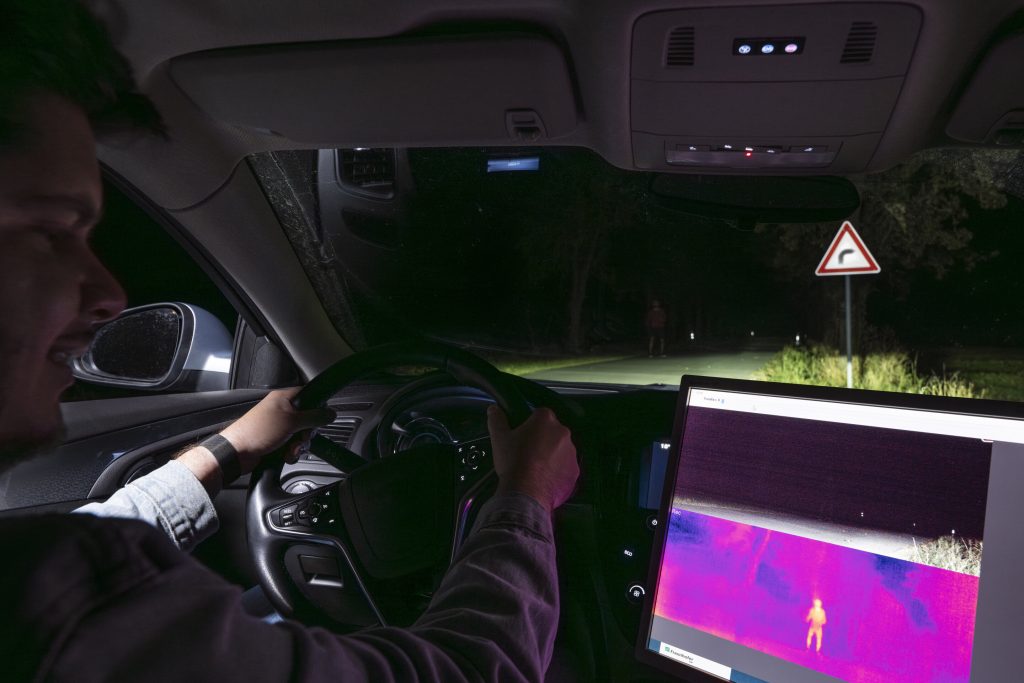
Infrared cameras are useful for monitoring drivers because they can operate in lighting conditions that challenge conventional visible-light cameras. Infrared illumination allows a system to observe certain facial features and estimate eye movements without flooding the cabin with bright light at night.
The technology can help identify whether a driver appears to be looking toward the road, has closed eyes for an extended period, or is repeatedly turning away from the driving environment.
These measurements are valuable for attention monitoring, especially when a vehicle uses partially automated driving assistance and expects the driver to remain ready to intervene.
However, an infrared camera is not automatically an alcohol detector. Looking directly ahead does not prove that a person is sober, while squinting, blinking frequently or looking down does not establish intoxication.
A driver might exhibit unusual behavior because of fatigue, prescription eyewear, a medical issue, or ordinary differences in how people move their heads and eyes.
NHTSA’s impaired-driving rulemaking has considered different technological approaches, including driver-performance monitoring and systems that detect alcohol through other means.
The federal law allows for technology that monitors driver performance, passively detects blood alcohol concentration at or above the applicable legal threshold, or combines both approaches. It does not specify infrared cameras as the mandatory solution.
That distinction is central to the privacy debate. A camera-based system may gather detailed information about a driver’s face and behavior, whereas another approach might rely on different sensors.
The technology eventually selected will influence what information is collected, how reliably impairment can be identified, and how much personal data a vehicle needs to process.
3. Your Car Could Infer Patterns About Your Behavior Without Recording Full Video
Driver-monitoring systems can collect sensitive information without storing permanent video recordings. By analyzing eye movements, head position, blinking, and glances away from the road, software can classify a driver as attentive, distracted, or potentially drowsy. Although these assessments contain less detail than full video recordings, repeated measurements may reveal patterns in driving behavior, fatigue, and attention over time.
Consumer Reports has warned that information collected for safety purposes can create privacy risks if it is retained, shared, or used for other purposes. Depending on manufacturers’ data practices, driver behavior information could potentially be combined with other data for profiling or commercial applications. However, these outcomes are not inevitable and depend on how each system is designed.
An important distinction exists between analyzing information and storing it. Some systems may process images temporarily and discard them after assessing attention, while others may retain warning records, driver profiles, or selected footage.
Drivers should therefore consider more than whether a vehicle has an interior camera. They should understand what information the software generates, whether it identifies individual drivers, and whether data leaves the vehicle. Systems that process information locally and retain only essential data generally present different privacy risks from those that transmit detailed cabin recordings to external servers.
4. False Positives Could Become a Safety Problem of Their Own
A false positive occurs when driver-monitoring technology incorrectly identifies a problem, such as mistaking a routine mirror check for dangerous distraction or judging a sober driver to be impaired. The consequences depend on the system’s capabilities. An unnecessary warning may be inconvenient, while an incorrect restriction on starting or operating a vehicle could create serious safety risks, especially in unfamiliar locations or traffic.
There is no universal false-positive rate for all driver-monitoring systems because accuracy varies by manufacturer, sensor design, software, detection target, and operating conditions. Performance in detecting prolonged eye closure, for example, cannot automatically predict accuracy in identifying alcohol impairment.
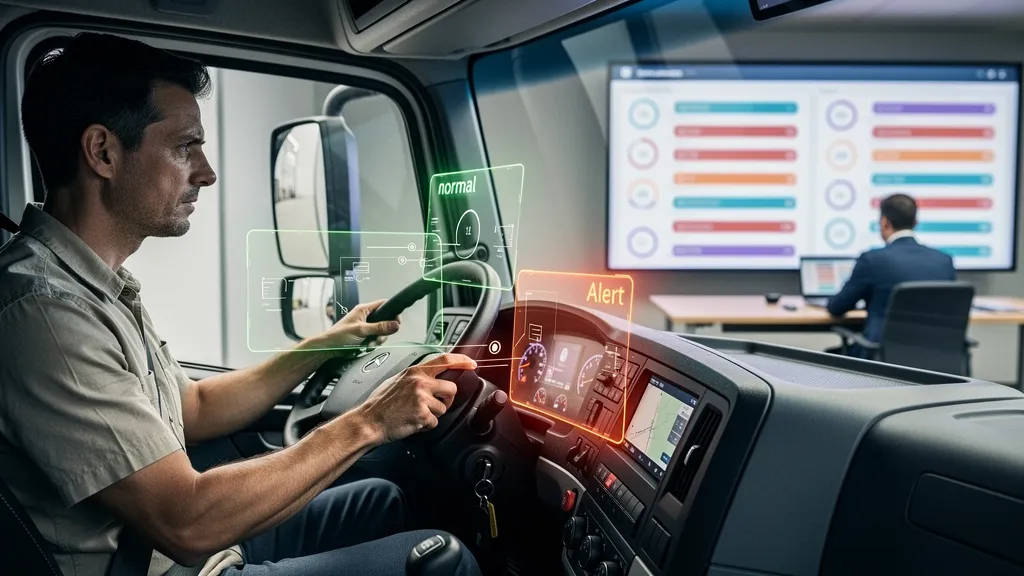
The National Highway Traffic Safety Administration (NHTSA) has considered reliable testing methods and false-positive evaluation as part of its impaired-driving technology work. Regulators must also address risks associated with interventions while a vehicle is moving.
Accuracy requires attention to both false positives and false negatives. While false positives incorrectly identify impairment, false negatives fail to detect genuinely impaired drivers. A system that avoids unnecessary restrictions by rarely intervening could miss dangerous situations.
For nationwide requirements, regulators must establish measurable performance standards and ensure systems remain reliable under real-world conditions. Transparent testing is essential so drivers can understand whether warnings reflect genuine safety concerns or software errors.
5. Sunglasses, Lighting, and Different Drivers Will Test Accuracy
A driver-monitoring camera has to work with people who do not all look or behave alike. Sunglasses can obstruct the eyes, reflections can interfere with image processing, and changes in seating position can alter the camera’s view of the face.
Some drivers naturally glance around more frequently, while others may have facial movements or eye characteristics that are harder for a particular system to interpret.
Infrared illumination can improve visibility in darkness, but it does not eliminate every limitation. Glasses may reflect infrared light, a driver’s face may be partially obscured, and the camera may struggle if the driver sits outside its expected viewing area.
Even a sophisticated system needs a way to recognize when its observations are too uncertain to support a confident decision.
These challenges are especially important when the technology is intended to do more than remind a driver to look at the road. A false distraction warning and a decision that a person may be impaired have different implications. The second requires stronger evidence and a clearer understanding of what the software is measuring.
Testing should cover different lighting conditions, eyewear, seating positions and driver characteristics. It should also examine how the system behaves when it cannot see the driver’s eyes or face clearly. A responsible design should not treat missing information as proof of impairment.
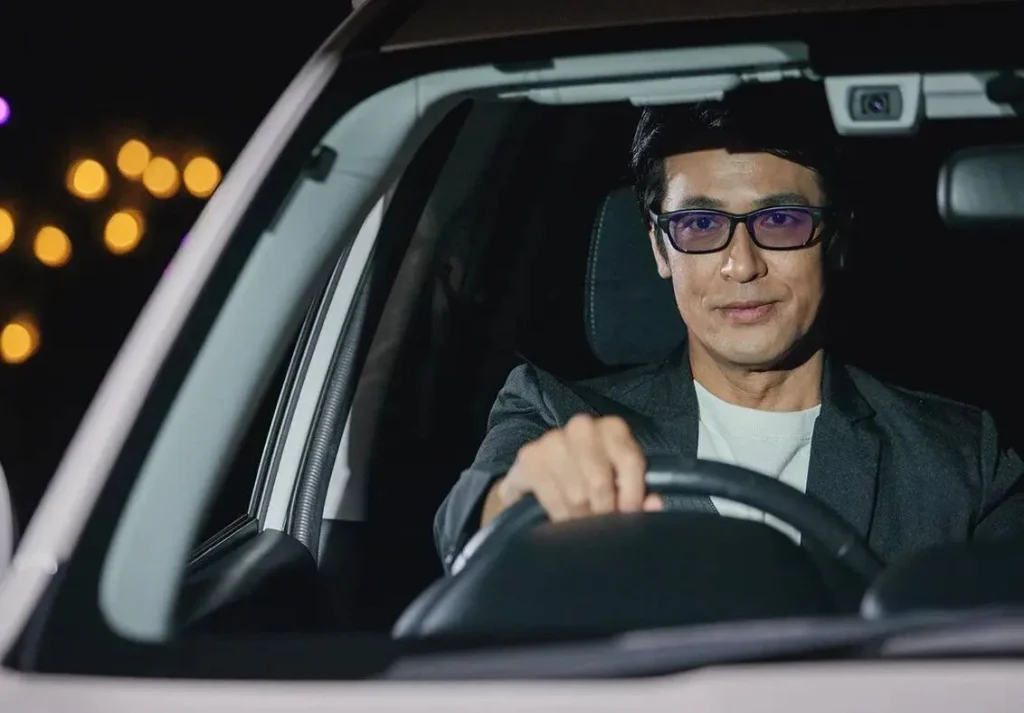
NHTSA’s rulemaking has highlighted the need for objective performance requirements and test procedures for advanced impaired-driving technology. The agency’s work also recognizes that test methods must account for the particular technology being assessed.
For buyers, the practical issue is whether the system communicates uncertainty clearly. A warning that explains the problem and requests a corrective action is easier to understand than an unexplained decision that restricts the vehicle. Accuracy matters, but so does how the car behaves when it cannot confidently interpret the driver.
6. What Gets Stored May Matter More Than What the Camera Sees
The presence of an interior camera does not automatically mean a manufacturer stores video footage. Some driver-monitoring systems process images locally and use the results to operate a safety feature without retaining identifiable recordings.
Others may offer camera-based functions with different data-sharing arrangements, depending on the vehicle and the manufacturer’s policies. Consumer Reports has documented differences among automakers’ approaches.
It reported that certain systems from Ford and General Motors were designed to keep driver-monitoring information within the vehicle, while Tesla’s cabin-camera system has included data-sharing arrangements under which footage may be sent to the company if the relevant sharing option is enabled.
Subaru has described DriverFocus as a system that uses facial recognition for driver identification and personalization, while stating that it does not record the information. These examples apply to the systems and policies examined, not every current model.
There are several different kinds of information a car might handle. It could process temporary images, retain a record that an alert occurred, save driver-profile information or transmit selected footage for a permitted purpose. Those categories have very different privacy implications.
A short-lived attention signal reveals relatively little compared with a video that captures a driver’s face, passengers and activity inside the cabin. Even an alert log, however, could become sensitive if linked to a specific person and accumulated over months or years.
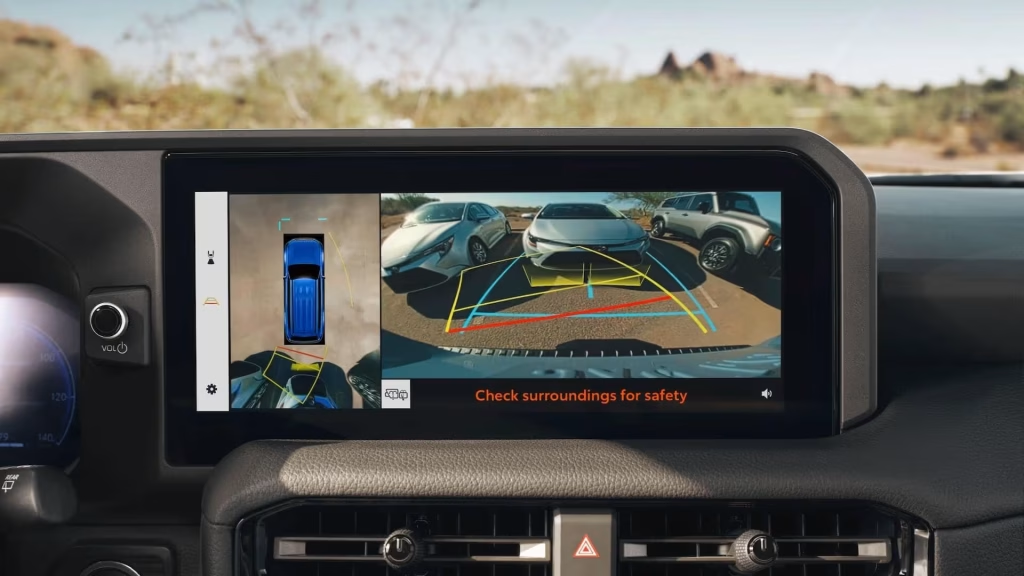
Drivers should look for clear answers about whether footage is recorded, whether data leaves the vehicle, how long records are retained and whether users can control optional sharing. They should also check whether privacy settings apply to the driver-monitoring system itself or only to unrelated connected services.
The most privacy-protective design is one that collects the minimum information needed, processes it locally where feasible and avoids keeping identifiable video without a compelling safety purpose.
7. Cabin Data Could Create Questions About Insurance, Law Enforcement and Commercial Use
Information gathered for a safety feature may become valuable for other purposes if it is retained or transmitted. A record showing repeated distraction alerts, for example, could potentially be relevant to an investigation after a crash.
A detailed video might reveal far more, including who was in the vehicle and what happened inside it.
That does not mean insurers or law enforcement automatically have access to every cabin camera. Access depends on the vehicle’s design, the information actually retained, applicable law, contractual arrangements and the circumstances of a request.
The key concern is that stored information can create opportunities for secondary uses beyond the immediate function for which it was collected.
Consumer Reports has warned that data-sharing arrangements and retained cabin recordings can create privacy risks if information is used for purposes drivers did not expect. Privacy advocates have also emphasized the importance of limiting collection and transmission of information that is not necessary for a system to work.
The risk is not limited to commercial use. A manufacturer might need technical information to diagnose a malfunction, but that does not necessarily justify retaining continuous video of the driver.
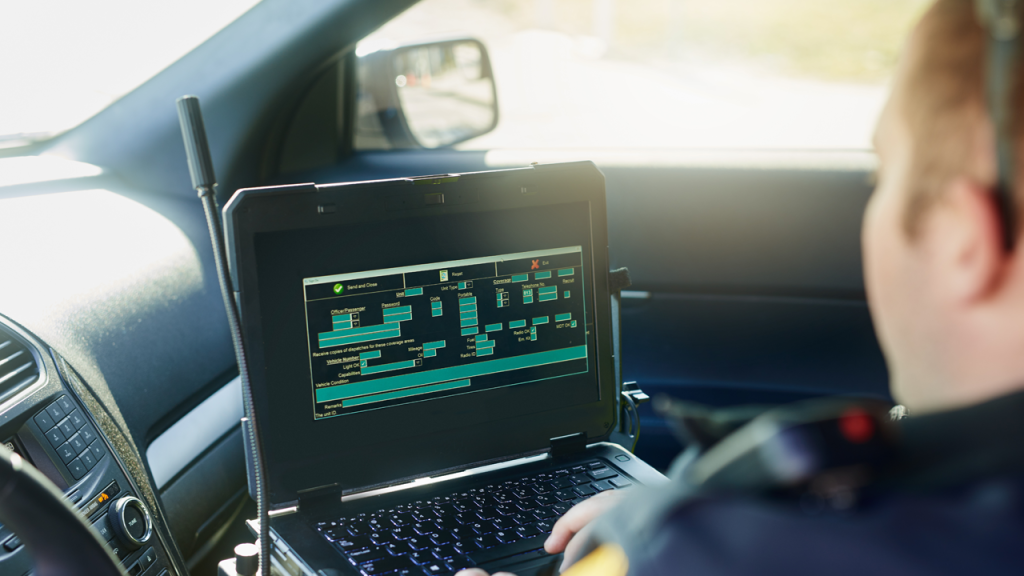
Similarly, investigating a crash may require specific evidence, but the existence of a camera should not automatically mean every moment inside the car is preserved.
Drivers need clear policies explaining what information may be shared, under which circumstances and with what protections. Automakers should distinguish between data necessary to operate a safety feature and data collected for analytics, personalization or optional services.
A strong privacy framework would establish limits on access and retention before these systems become widespread. Waiting until sensitive footage has already been collected makes it harder to prevent misuse or resolve disputes about who should be allowed to see it.
8. Frequent Warnings Could Undermine Trust in Driver Monitoring
A safety system can be technically sophisticated and still fail to win over drivers if it produces too many warnings or gives confusing instructions. People may become frustrated when a camera repeatedly interprets ordinary behavior as inattention, especially if the warning arrives during an otherwise uneventful drive.
Research on existing systems illustrates why user experience matters. A September 2026 study in the Journal of Safety Research examined Subaru DriverFocus using a survey of 3,475 US owners.
Among users, 97% reported receiving at least one distraction alert during the previous 30 days, while 37% reported receiving a drowsiness alert.
The study also found that 70% said they would want the system again, and 4% of respondents had turned it off through their profile settings. These are survey findings about user experience, not measured false-positive rates.
The findings illustrate a difficult balance. Warnings must be noticeable enough to encourage safer behavior, but they also need to be meaningful. If an alert appears every time a driver makes a normal movement, the person may become less responsive to later warnings.
Good system design should account for context. A glance at a mirror is a normal driving action, while a prolonged glance away from the road may be more concerning. A driver-monitoring system should distinguish between those situations as reliably as its technology allows.
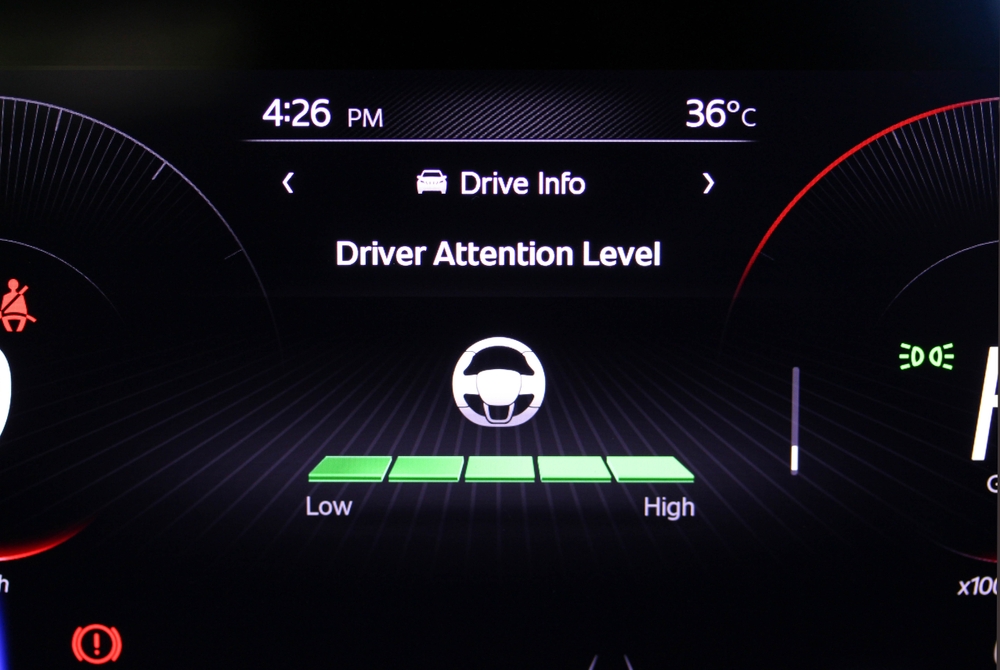
Manufacturers should also explain what a warning means and what the driver should do next. A clear message can help someone correct an issue without creating unnecessary confusion.
Trust will become even more important if future systems are permitted to influence vehicle operation. Drivers are more likely to accept safety technology when they understand why it intervenes, believe that its judgments are reliable and have a clear way to address persistent errors.
9. The 2027 Debate Is About a Federal Standard, Not a Confirmed Universal Camera Requirement
The legal background is often misunderstood. Section 24220 of the Infrastructure Investment and Jobs Act, enacted on November 15, 2021, directed NHTSA to develop a Federal Motor Vehicle Safety Standard requiring advanced impaired-driving prevention technology in new passenger motor vehicles.
The original statutory deadline for the final rule was November 15, 2024. The agency issued an advance notice of proposed rulemaking in January 2024 to gather information about the technology, possible performance requirements and testing methods.
As of October 2026, the standard had not been finalized. NHTSA’s regulatory work remains at an earlier stage, and the agency has raised concerns about whether available technologies can meet the necessary accuracy threshold.
The law also provides that manufacturers must receive time to comply after the final rule is issued. The compliance date cannot be earlier than two years or later than three years after issuance, subject to the statute’s terms.
That timeline is one reason the claim that every new car must have a camera that shuts down the vehicle in 2027 is misleading.
The statute defines the technology by what it must accomplish, not by requiring a specific infrared-camera design. It allows for systems that passively monitor driver performance and identify possible impairment, systems that passively detect blood alcohol concentration at or above the applicable legal threshold, or a combination.
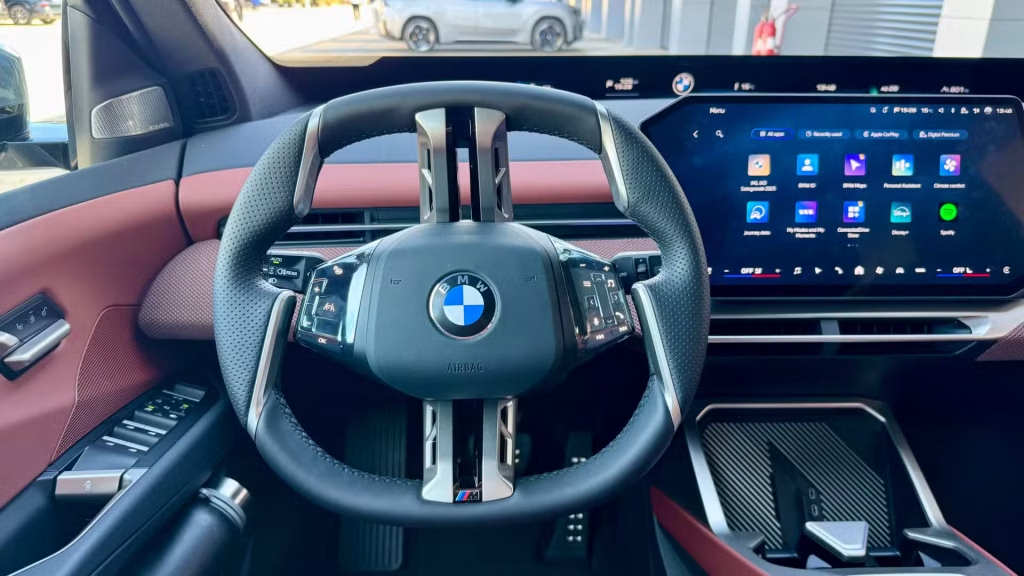
That leaves significant technical questions for the eventual standard. Regulators must determine how performance will be tested, how errors will be handled and what protections are necessary when a system may restrict vehicle operation.
Until the rule is finalized, claims about exact hardware, intervention behavior and universal implementation dates go beyond what has been established.
10. Privacy Rules Will Help Determine Whether Drivers Trust the Technology
The future of driver monitoring depends not only on a camera’s ability to detect driver behavior but also on how personal information is collected, stored, shared, and protected. Drivers need clear explanations of what data is gathered, whether it remains inside the vehicle, and how they can challenge incorrect system decisions.
Privacy safeguards should prioritize local data processing, limited collection and retention, strong cybersecurity, and transparency about information sharing. Manufacturers should distinguish between data required for safety functions and optional information collection.
If a system can operate effectively without transmitting identifiable footage, any additional data transfer should be justified. Drivers should also understand their privacy options before agreeing to optional data sharing.
Cybersecurity is equally important. Monitoring systems must prevent unauthorized access and avoid creating vulnerabilities that could affect other vehicle functions. Federal lawmakers have highlighted privacy, unauthorized data sharing, cybersecurity, and the handling of false positives in developing impaired-driving standards.
Accuracy and accountability are essential, particularly when monitoring systems issue repeated warnings or restrict vehicle operation. Drivers need understandable explanations and reliable ways to resolve errors. Any intervention while a vehicle is moving must prioritize the safety of occupants and other road users.
The central challenge is balancing effective safety monitoring with personal privacy. Drivers should not have to surrender unrestricted access to their personal information simply because a feature is marketed as a safety measure.
Although federal standards will establish important technical requirements, automakers’ data practices will remain significant. Consumers should review the privacy policies for specific vehicle models rather than assume all systems collect or retain information in the same way.
Successful driver monitoring must demonstrate reliable safety performance while establishing clear boundaries on how personal data is used and what decisions vehicles can make based on it.