
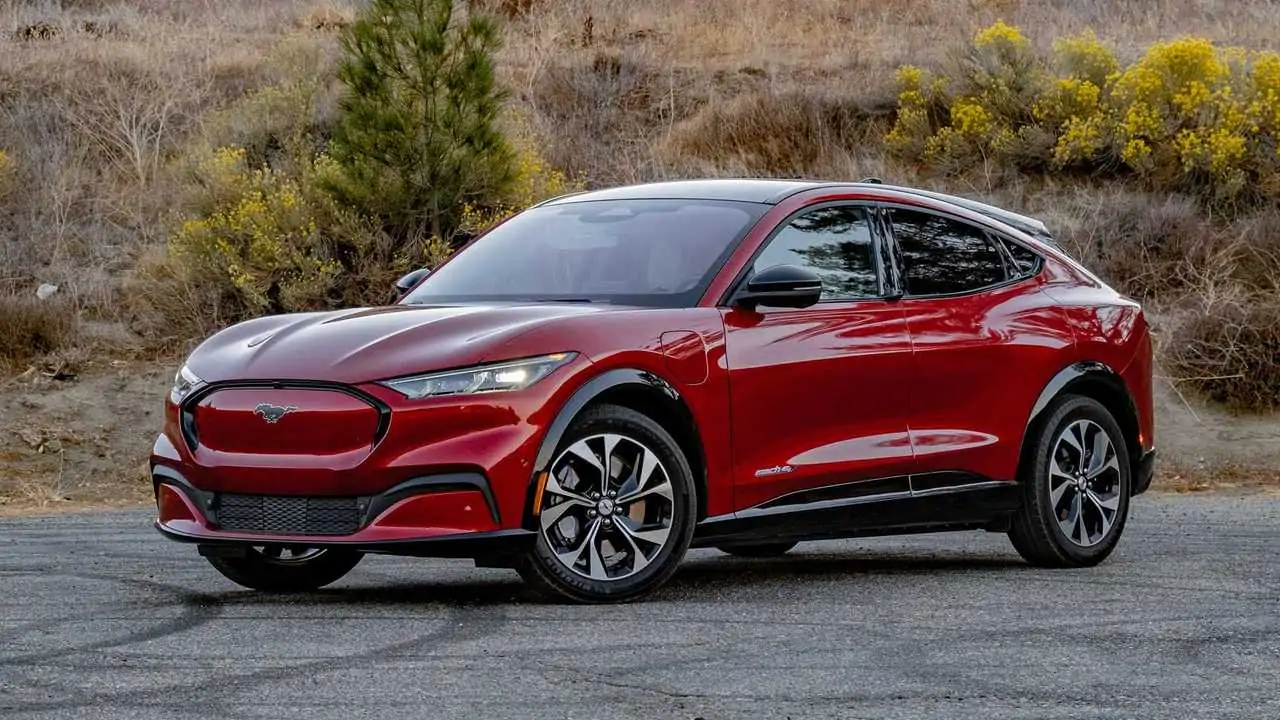
The history of automotive safety shows how dramatically cars have changed over the decades. Vehicles that once offered little protection beyond seat belts and basic metal structures now feature advanced systems designed to protect occupants during serious collisions.
Airbags played a major role in this transformation, evolving from optional equipment into essential safety technology. Some popular car models began their journeys with no airbags or very limited coverage, then gained increasingly sophisticated systems across later generations.
Here are eight cars that illustrate this remarkable progression, highlighting how changing safety standards, engineering advances, and consumer expectations reshaped passenger protection.
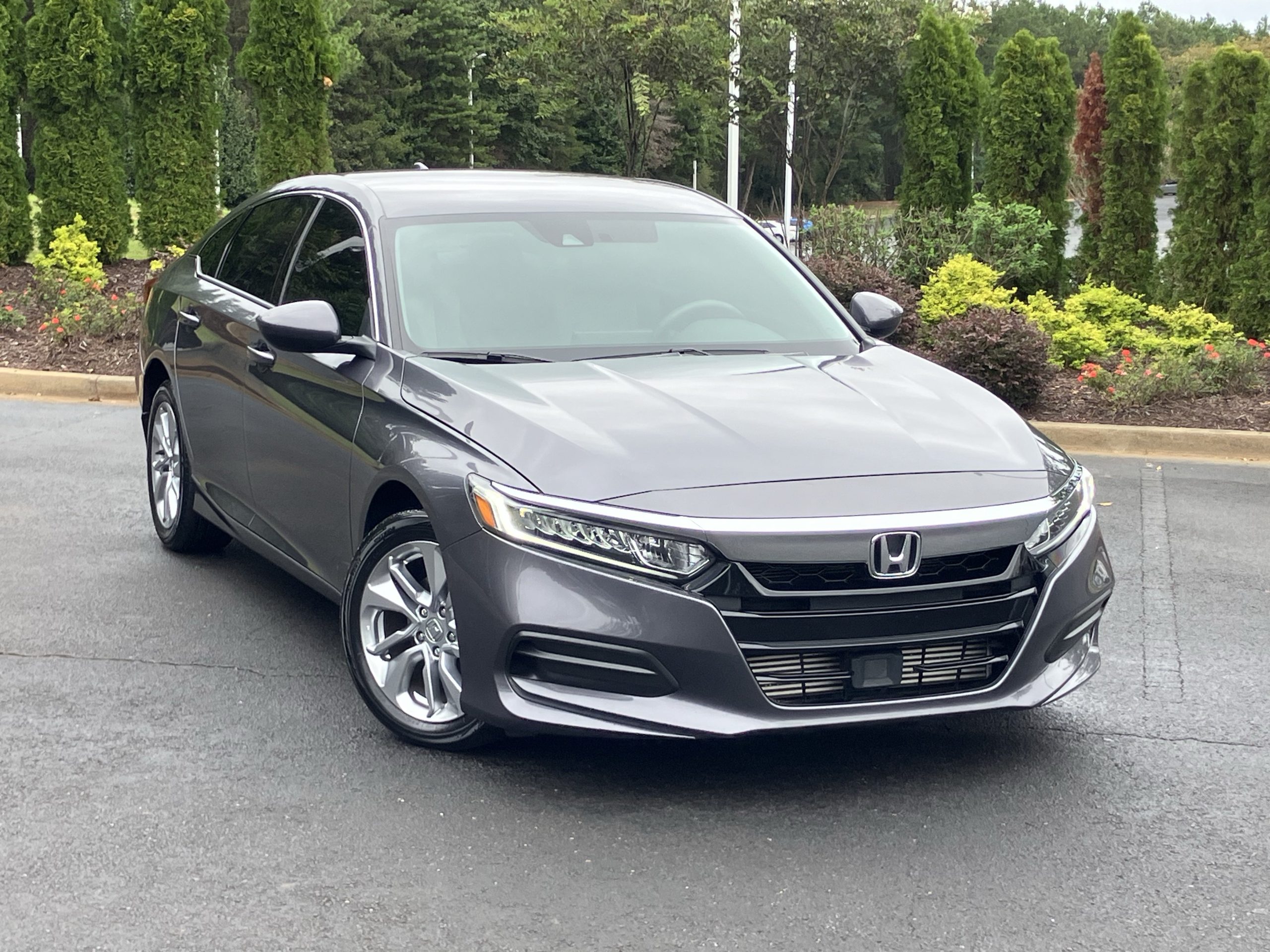
1. Honda Accord
The Honda Accord has a long history of combining practicality, reliability, and steady improvements in safety. When early generations appeared during the 1970s, airbags were not part of the standard equipment offered to ordinary buyers. The primary safety measures included seat belts, a reinforced passenger compartment, and conventional crash protection.
At that time, airbags were still developing as a practical technology for mass-market vehicles. Most manufacturers focused on improving vehicle structure and restraint systems rather than installing multiple airbags throughout the cabin. The Accord reflected the priorities of its era, offering dependable transportation while benefiting from the safety knowledge available to engineers.
As the Accord developed through the 1980s and into the 1990s, safety equipment became more sophisticated. Honda introduced driver-side airbags in certain markets and model years, followed by passenger-side protection as the technology became more widely adopted.
These additions represented an important step forward because they helped reduce the risk of severe head and chest injuries during frontal collisions. Manufacturers also improved seat belts, steering column design, and dashboard structures.
The Accord’s evolution demonstrated that safety improvements did not need to arrive in a single generation. Instead, each redesign could introduce practical changes that made the vehicle better equipped to protect its occupants.
Later generations of the Accord gained side airbags, curtain airbags, and additional protection for passengers seated in different positions. These systems addressed risks that conventional frontal airbags could not fully manage. Side-impact collisions can expose occupants to significant forces because the space between the door and the passenger is limited.
Some configurations provide ten or more airbags when individual protected areas and seating positions are counted according to the manufacturer’s specifications. This does not mean every Accord has the same number, since equipment changes by model year and country.
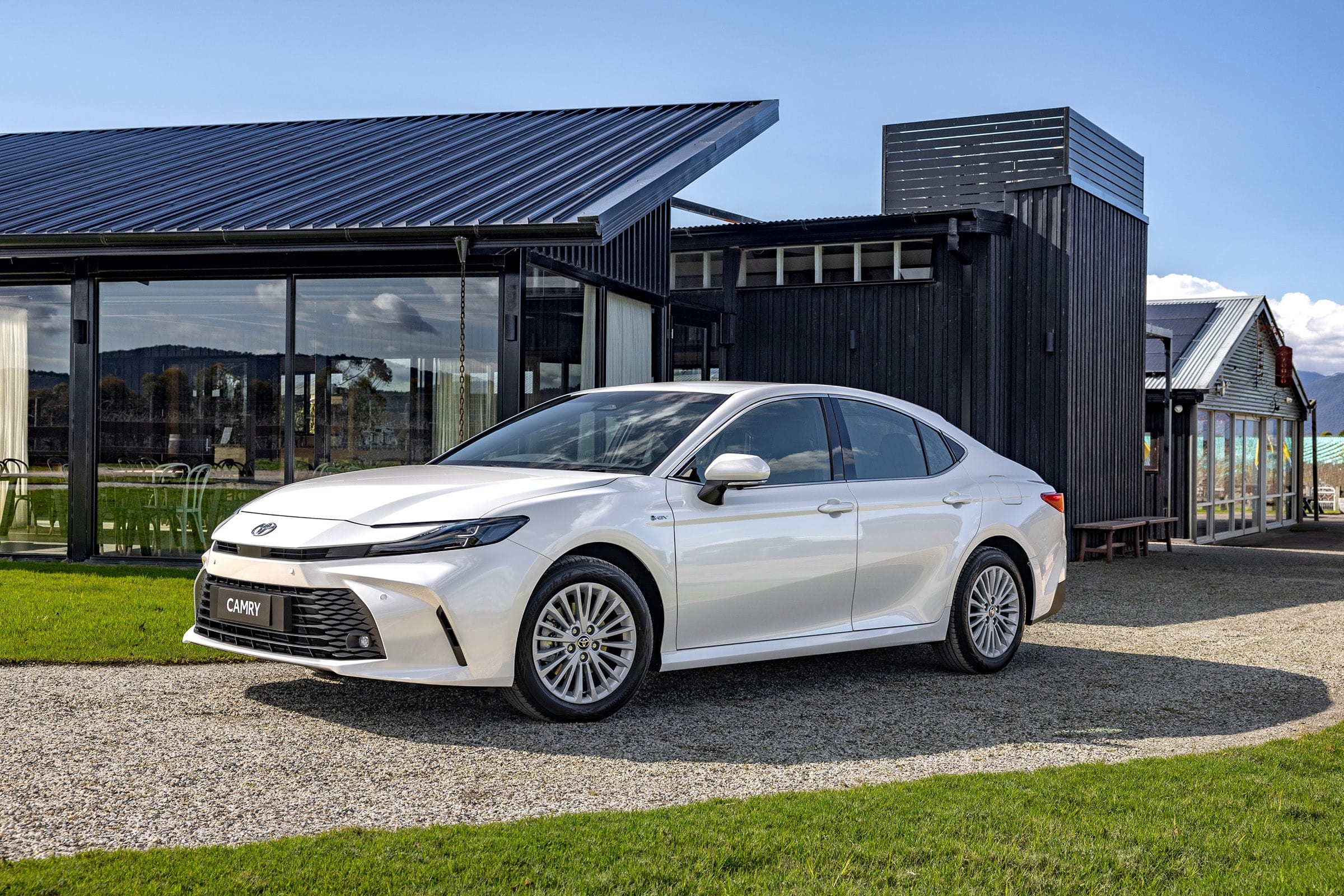
2. Toyota Camry
The Toyota Camry began its career in an automotive market where comprehensive airbag coverage was far from universal. Early versions were designed around affordability, fuel efficiency, and dependable daily transportation. Seat belts and conventional body engineering formed the foundation of occupant protection, while airbags were not standard features on the earliest models.
The technology itself was expensive and had not yet become a routine requirement across the industry. As a result, the Camry’s initial safety equipment reflected the period in which it was developed. Buyers seeking modern restraint technology had to wait for later generations as Toyota expanded the range of available safety features.
During the 1990s, airbags became more common in passenger cars, and the Camry followed the broader industry trend. Driver and front-passenger airbags gradually became important equipment in many markets. These systems were designed to work with seat belts, not replace them.
In a frontal crash, a properly functioning airbag provides an additional cushioning surface as the occupant moves forward. The timing and force of deployment are controlled by sensors and electronic systems that evaluate the severity of a collision. Toyota’s continued development of the Camry brought these technologies to a wider group of drivers, helping make improved crash protection more accessible to families and commuters.
Subsequent Camry generations introduced additional airbags designed to address different collision scenarios. Side-impact protection became more important as crash research highlighted the vulnerability of occupants in collisions involving doors and side structures.
Curtain airbags extended protection along the windows, while other configurations introduced knee airbags or additional rear-seat protection. The number of airbags varied by generation, trim, and market, but the direction of development was clear.
Rather than concentrating all protection at the front of the vehicle, manufacturers increasingly designed restraint systems around the positions occupants actually use and the types of collisions they might experience.
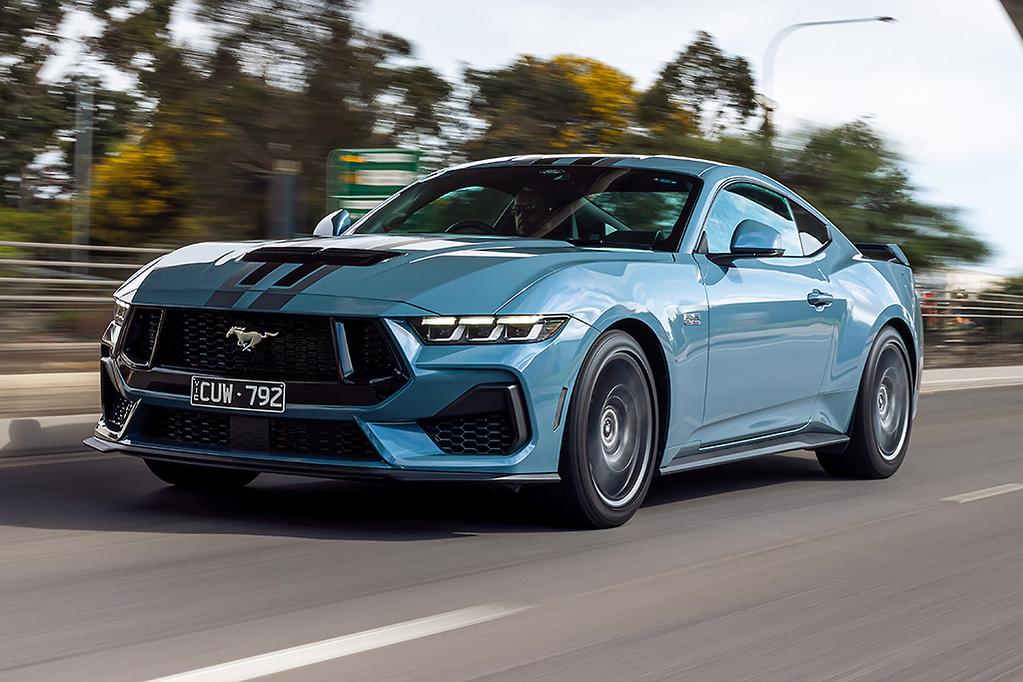
3. Ford Mustang
The Ford Mustang entered the market in 1964 as an affordable, sporty car aimed at buyers who wanted distinctive styling and engaging performance. Safety technology at the time was much simpler than it is today.
Early Mustangs did not offer the extensive airbag systems found in modern vehicles, and airbags were not a normal feature in the first generations of American performance cars. Seat belts, steering-wheel design, and structural changes formed much of the available protection.
The Mustang’s original appeal centered on its appearance, engine choices, and driving experience, reflecting the priorities of a period when comprehensive occupant restraint systems had yet to become widespread.
As government regulations and consumer expectations changed, the Mustang gradually adopted newer safety equipment. Airbags became more common in American vehicles during the late twentieth century, and later Mustang generations incorporated them as part of broader redesigns.
Driver and passenger airbags improved frontal crash protection, while changes to the body structure and restraint systems helped manage crash forces. Performance vehicles presented particular engineering challenges because designers had to balance occupant protection with weight, packaging, cost, and the car’s intended driving character.
The Mustang’s transition shows how a vehicle known primarily for performance could adapt to modern safety requirements without abandoning its core identity.
Later generations brought additional airbags and more advanced electronic controls. Side-impact airbags and curtain airbags expanded protection beyond the front dashboard area, helping address collisions that could place occupants at risk near the doors and windows.
Depending on the version, the Mustang also gained systems such as electronic stability control, traction control, and more sophisticated braking technology. These features are not airbags, yet they form an important part of a modern safety package.
By combining crash protection with technologies that help drivers maintain control, manufacturers can address both the consequences of an impact and certain conditions that may lead to a crash.
Recent Mustang models feature more comprehensive restraint systems than the original cars. Airbag equipment can include front airbags, side airbags, and knee airbags, with specifications varying by generation and model year.
Some modern vehicles in the broader automotive market advertise ten or more airbags, but buyers should not assume that every Mustang configuration reaches that threshold. The exact count must be confirmed through official specifications for the particular model. ‘
Mustang safety technology also includes driver-assistance functions on certain versions, such as automatic emergency braking and blind-spot monitoring. The availability of these systems depends on equipment packages, so checking the vehicle’s original specification remains essential.
4. BMW 3 Series
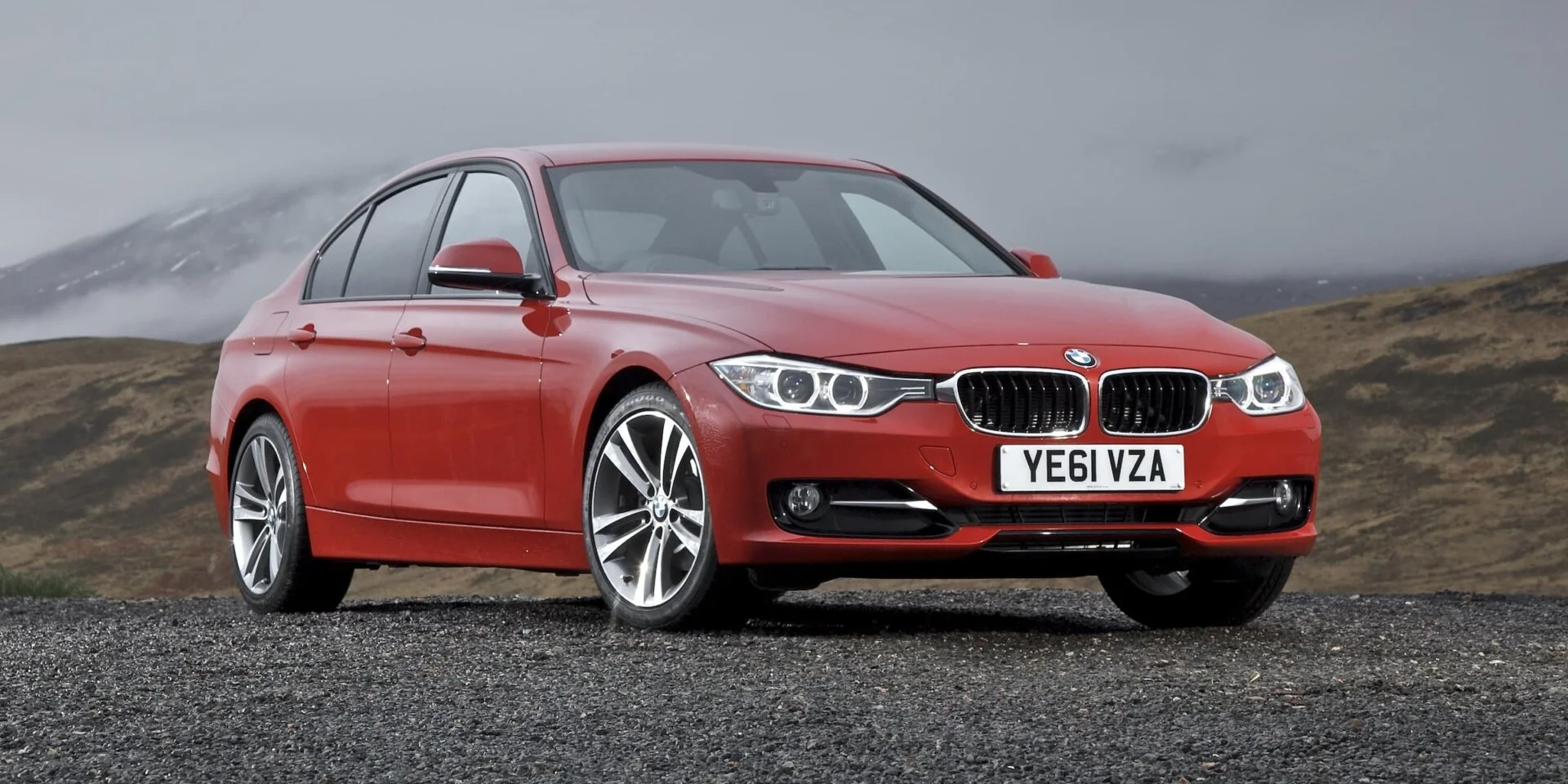
The BMW 3 Series established its reputation as a compact luxury sedan with an emphasis on driving dynamics, premium construction, and balanced handling. Early generations emerged during a period when airbags were not yet standard across the automotive industry.
Initial versions relied on seat belts and conventional crash structures, with protection levels reflecting the safety expectations of their time. The absence of modern airbag coverage did not mean that engineers ignored occupant protection, but the technology available to them was less comprehensive.
As safety research advanced, BMW began integrating additional restraint systems into later generations, changing how the 3 Series protected drivers and passengers.
During the late twentieth century, airbags became an increasingly important feature of premium cars. The 3 Series adopted driver and passenger airbags across later model generations and specifications, with availability depending on the market and production year.
Luxury manufacturers often introduced advanced equipment as part of broader engineering updates, but the exact timing differed across regions. BMW also refined seat-belt pretensioners, interior materials, and body structures to improve crash performance.
These developments worked together because an airbag is most effective when the rest of the restraint system positions the occupant correctly and helps control movement during a collision.
The 3 Series later gained side airbags and curtain airbags, extending protection to occupants during side impacts. Some versions also introduced knee airbags and other supplemental restraints. These additions reflected a shift toward designing protection around a wider range of collision types rather than focusing mainly on frontal impacts.
Electronic sensors became more sophisticated, allowing restraint systems to make deployment decisions based on the characteristics of a crash. The vehicle’s body structure also evolved, with carefully designed deformation zones intended to absorb energy while maintaining a protective passenger compartment. Together, these improvements contributed to the more comprehensive safety engineering associated with contemporary luxury cars.
Modern BMW 3 Series models may offer a range of airbags covering the front seating positions and sides of the passenger compartment.
The exact count varies according to generation, market, and configuration, and some newer luxury vehicles reach ten or more airbags through additional protected seating areas. Buyers should consult BMW’s official technical specifications rather than assuming that every 3 Series has the same equipment. Newer models can also include automatic emergency braking, lane-related assistance, parking sensors, and other driver-support functions.
These features differ from airbags because they aim to help prevent collisions or reduce driver workload, but their combination with effective restraints contributes to a more complete safety strategy.
5. Mercedes-Benz C-Class
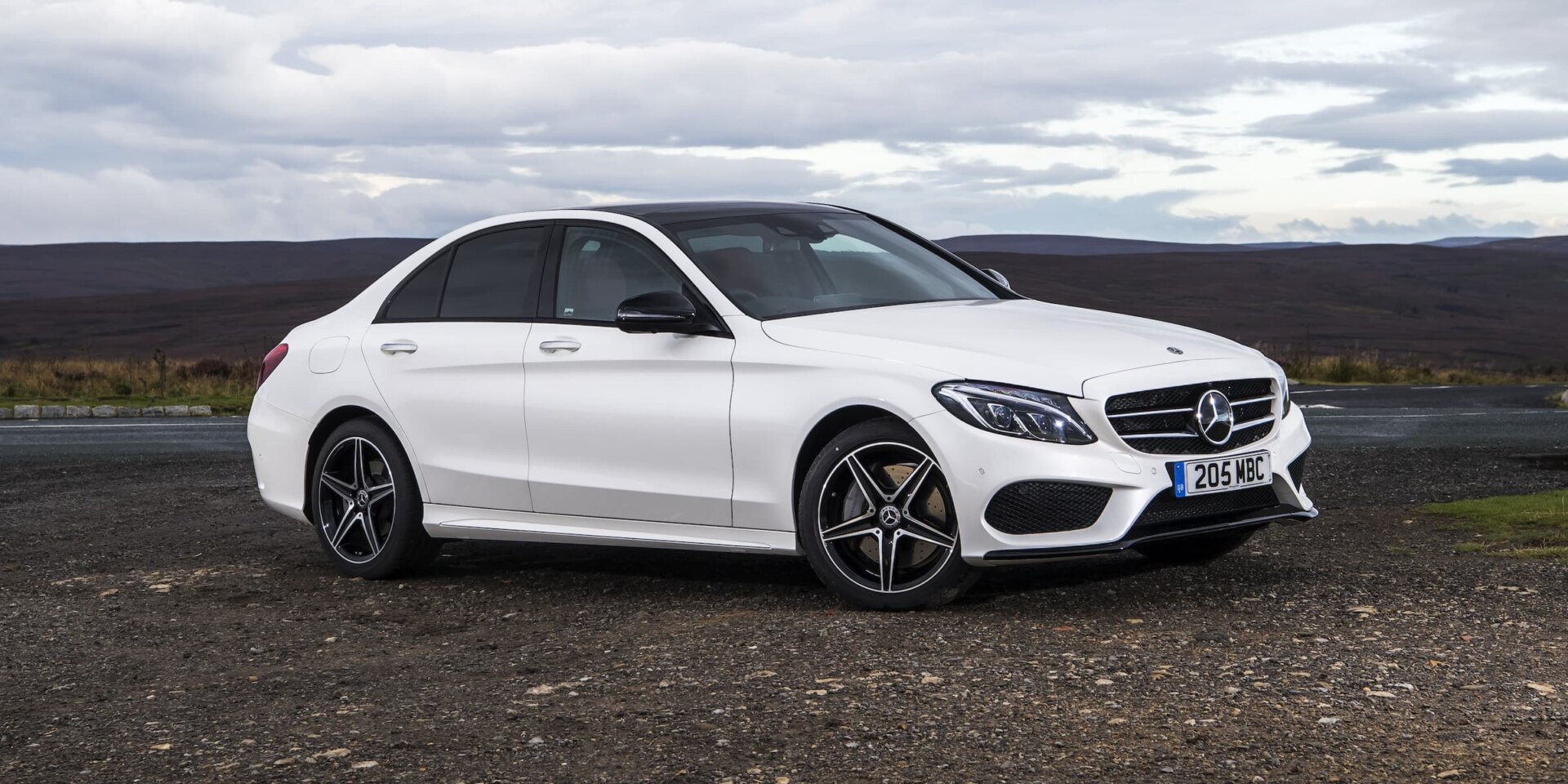
The Mercedes-Benz C-Class entered production in the early 1990s, replacing the company’s earlier compact executive sedan line. Its introduction came at a time when airbags were becoming more widely available, yet their distribution across seating positions was still limited compared with modern standards.
Mercedes-Benz had already developed a reputation for investing in safety engineering, including innovations in crash structures and restraint systems. However, the earliest C-Class models did not feature the extensive airbag coverage now associated with many contemporary premium cars. Equipment depended on the model year and market, and the number of airbags increased as the vehicle underwent successive redesigns.
Early C-Class generations benefited from the growing adoption of driver and passenger airbags. These systems supplemented seat belts by providing cushioning during frontal collisions. Mercedes-Benz also refined pretensioners and load-limiting mechanisms to manage the forces applied to occupants during a crash.
These components work together to control occupant movement during a collision. Airbags may not provide their intended protection if occupants are improperly restrained or the system does not deploy as designed. The C-Class’s safety development therefore required more than adding airbags, with careful coordination between the seats, seat belts, dashboard, and vehicle structure.
As the C-Class evolved, side airbags and window curtain airbags became part of increasingly sophisticated restraint packages. Certain generations and configurations also included knee airbags and additional protection for rear occupants. These systems addressed risks associated with side impacts and occupant contact with the vehicle’s interior.
The growth in coverage was supported by improved crash testing, more capable electronic sensors, and a stronger understanding of injury patterns. Premium manufacturers had both engineering resources and market incentives to develop these features, though availability still differed among trims and countries.
The result was a steady move toward protection that accounted for more seating positions and a broader range of crash conditions.
6. Nissan Altima
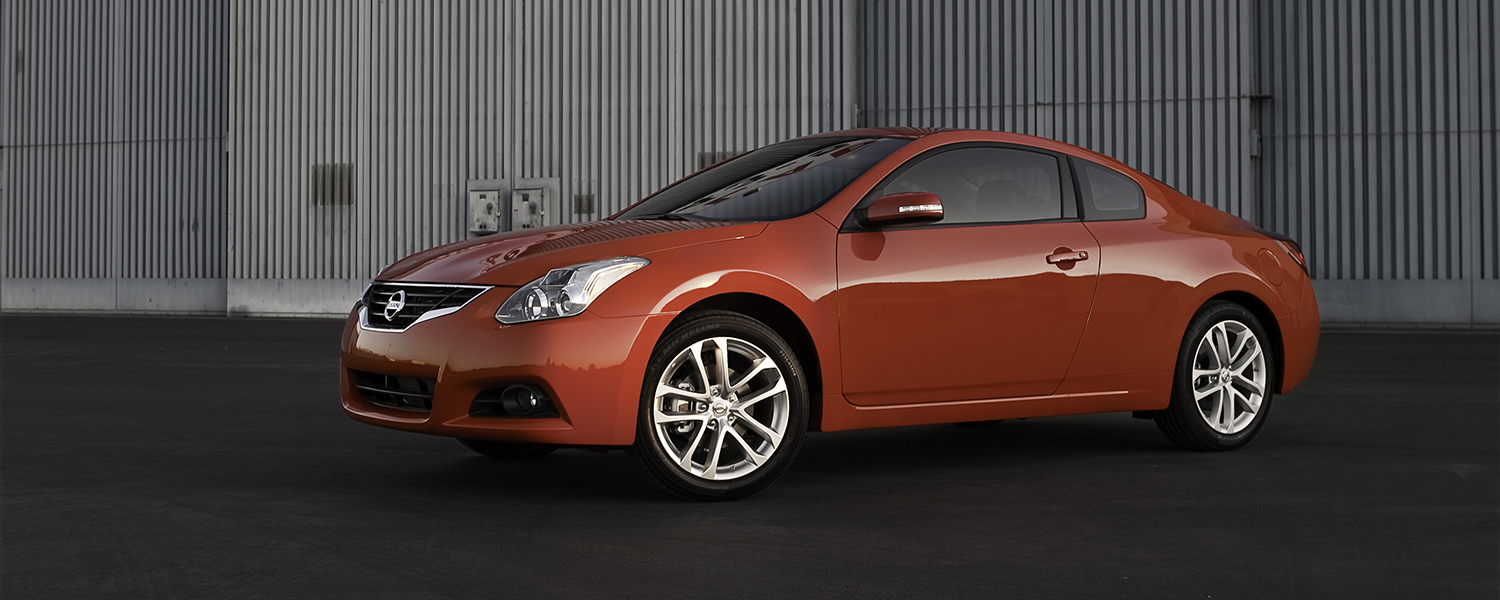
The Nissan Altima became a familiar midsize sedan in North America during the 1990s. Early models arrived when airbag technology was gaining acceptance, but comprehensive coverage was not yet typical across the entire passenger-car market.
The first generations offered a more limited safety package than many recent vehicles, with equipment varying by production year and trim. Seat belts, body structure, and basic restraint technology formed the foundation of occupant protection.
Nissan gradually incorporated additional safety features as regulations, crash-testing expectations, and consumer preferences changed. The Altima’s development reflects the wider transition from relatively simple restraint systems to vehicles designed around multiple layers of crash protection.
During later generations, driver and passenger airbags became established features, followed by more extensive side-impact protection. Front-seat side airbags and curtain airbags helped reduce exposure to interior surfaces during certain collisions.
These additions were significant because a crash can affect occupants from different directions, and the limited space around a vehicle’s doors creates particular challenges during side impacts. Nissan also improved structural design and restraint-system integration, helping the Altima respond more effectively to collision forces.
The Altima continued gaining safety technology through successive redesigns. Depending on the year and trim, later models offered multiple airbags alongside electronic stability control, anti-lock braking, and other vehicle-control systems. More recent versions introduced driver-assistance features designed to support the driver in everyday traffic.
These may include automatic emergency braking, lane-departure warnings, blind-spot monitoring, and rear cross-traffic alerts, depending on the configuration. Airbags and driver-assistance technology perform different functions, but together they can provide a more comprehensive safety package.
Their availability should always be verified for the specific model rather than assumed from a general description of the Altima range.
Some newer Altima configurations have expanded airbag coverage substantially, with equipment varying by market and model year. Whether a particular version reaches ten or more airbags depends on the manufacturer’s specifications and the counting method used.
Buyers should review the official owner’s manual or equipment list to identify the exact system installed. They should also confirm that any recall work has been completed, since recalls involving restraint systems can affect safety. A car with numerous airbags on paper still requires functioning sensors, intact wiring, and properly maintained seat belts.
The Altima’s development shows how restraint technology has become increasingly integrated with electronic monitoring and broader vehicle safety engineering.
7. Hyundai Sonata
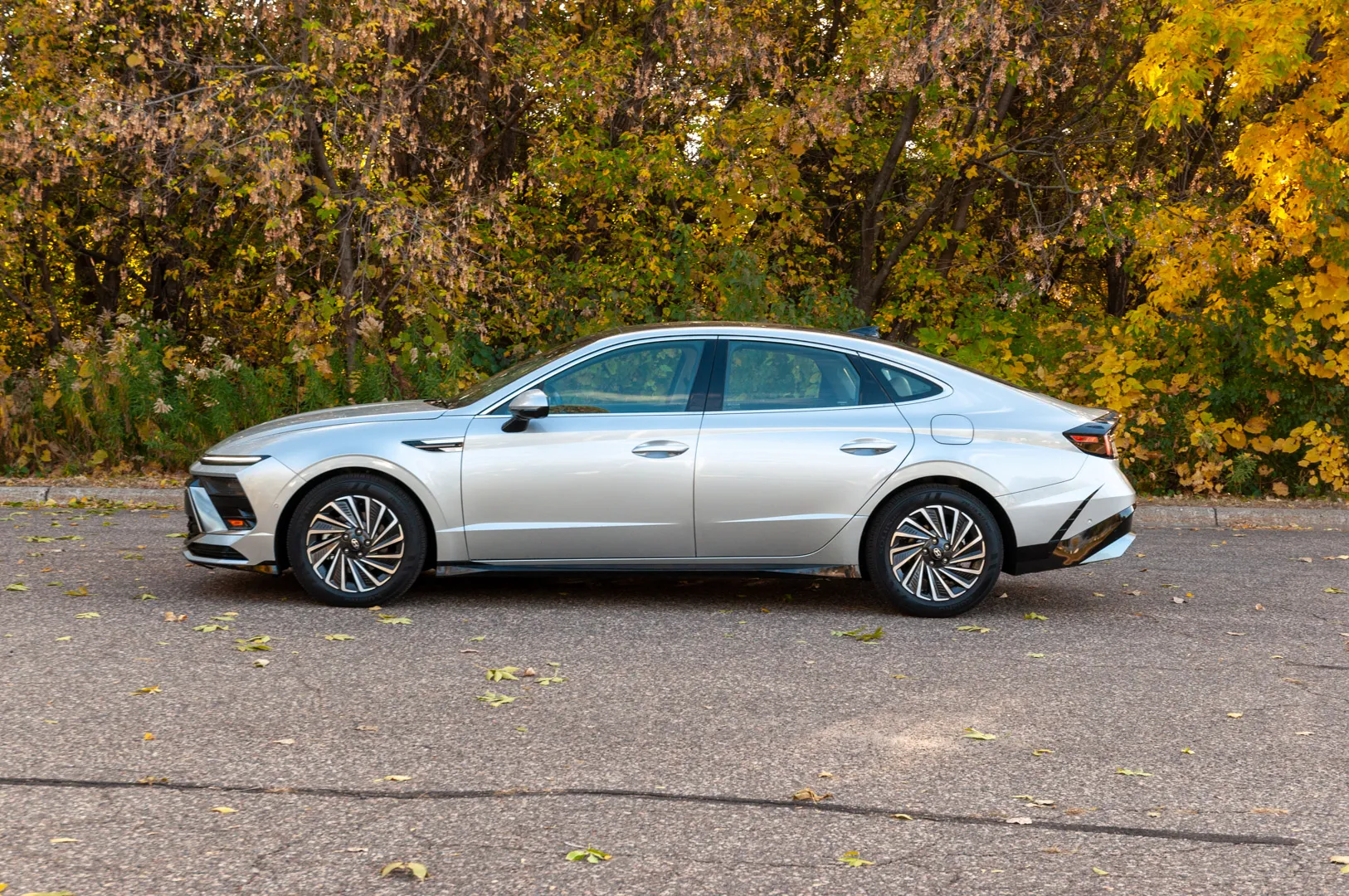
The Hyundai Sonata developed from a value-focused midsize sedan into a vehicle offering increasingly advanced technology and safety equipment. Early versions, introduced during the 1980s, reflected a period when airbags were not common standard equipment in many mainstream cars.
Occupant protection depended mainly on seat belts, basic structural engineering, and the safety features available at the time. As Hyundai expanded its engineering capabilities and competed more directly with established international brands, the Sonata underwent major improvements. These changes included stronger body structures, improved restraint systems, and the gradual introduction of airbags across later generations and markets.
As the Sonata matured, driver and front-passenger airbags became more widely available. This represented an important shift in the vehicle’s safety profile, particularly as manufacturers increasingly recognized the value of combining seat belts with supplemental restraint systems.
Airbags are designed to inflate rapidly during qualifying collisions, helping reduce the force of contact with certain interior surfaces. Their operation depends on sensors and control electronics, and deployment is not intended to occur in every type of accident.
Hyundai’s continued development of the Sonata brought improved restraint technology to buyers seeking family transportation at a competitive price, helping narrow the gap between mainstream and premium models.
Later Sonata generations introduced side airbags and curtain airbags, expanding protection to additional areas of the cabin. These systems are particularly relevant during side-impact crashes, where the distance between occupants and external structures is limited.
Depending on the generation and configuration, further airbags may protect the driver’s knees or provide additional coverage for passengers. Hyundai also strengthened the Sonata’s safety package through advances in body design and electronic stability systems.
These improvements demonstrate that occupant protection depends on several technologies working together, not simply on increasing the number of airbags installed in the vehicle.
Recent Sonata models offer more extensive restraint systems, with equipment that varies by country, trim, and production year. Some configurations provide ten or more airbags, but buyers should confirm the exact count in the official specification rather than relying on a broad claim.
Newer models may also include advanced driver-assistance features, such as forward collision avoidance assistance, lane-keeping support, and blind-spot monitoring. These functions can help drivers respond to hazards, but their availability and capabilities differ among versions.
Airbags remain important because crashes can still occur even when vehicles have systems designed to prevent collisions. Effective protection requires both reliable restraint technology and sound vehicle engineering.
The Sonata’s transformation is relevant to buyers comparing affordable sedans with more expensive alternatives. Modern safety technology is no longer limited to luxury brands, and mainstream manufacturers increasingly offer extensive protection as standard equipment.
Still, a used Sonata from an earlier generation may lack several features found in a recent model. Shoppers should check the exact equipment list, review independent crash-test results, and confirm that airbags and seat belts have not been compromised by previous accidents.
A careful inspection is particularly important when a vehicle has a history of collision repairs. The Sonata’s progress demonstrates how improvements in manufacturing and safety design have broadened access to more sophisticated occupant protection.
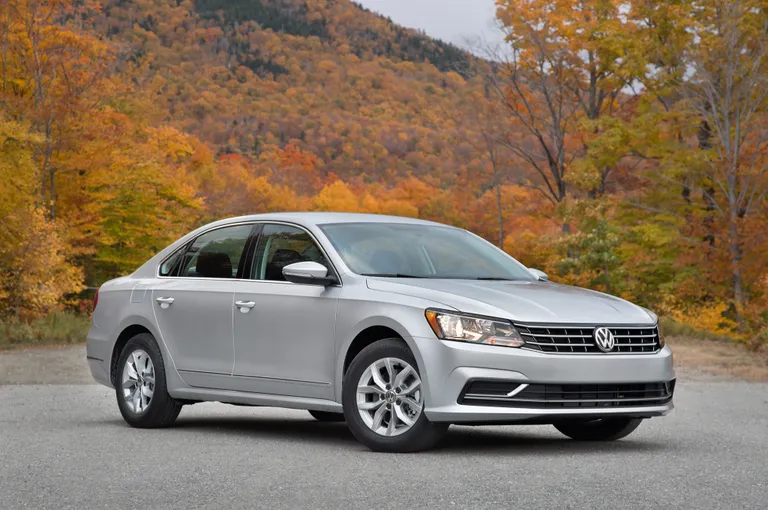
8. Volkswagen Passat
The Volkswagen Passat has served as a family and executive car across multiple generations, beginning in the 1970s. Early versions were developed long before multiple airbags became common across the industry.
Its safety equipment reflected the engineering standards of that period, relying primarily on seat belts, body structure, and conventional interior design. Airbags were not standard features on the earliest Passat models, and the technology became more widespread only as automotive safety requirements developed.
Over the following decades, Volkswagen expanded the Passat’s restraint systems and introduced features intended to improve protection for occupants seated throughout the cabin.
As the Passat evolved during the 1990s, airbags became a more established part of its safety equipment. Driver and front-passenger airbags improved frontal crash protection, while other engineering changes addressed the behavior of the passenger compartment during impacts.
Seat-belt systems and interior components were refined to work with the new restraints. These improvements reflected broader changes across the European automotive market, where consumer expectations and crash-testing programs increasingly emphasized occupant protection. Equipment still varied by generation, market, and trim, so the availability of particular features cannot be determined solely from the Passat name.
Later Passat generations incorporated side airbags and curtain airbags, helping address risks associated with collisions involving the sides of the vehicle. Some versions added further protection for specific seating positions, depending on the market and equipment package.
Volkswagen also developed more sophisticated electronic stability systems and braking technologies, contributing to accident prevention and improved vehicle control. These features complement airbags by addressing different stages of a potential crash. Stability control can help a driver maintain directional control in certain circumstances, while airbags are designed to reduce injury during qualifying collisions. Together, they illustrate the broader approach to modern automotive safety.
Newer Passat models can offer extensive airbag coverage, though the number and arrangement depend on the generation and regional specification. Certain versions may reach ten or more airbags when individual components are counted according to the manufacturer’s documentation.
Buyers should confirm this information through official technical data because specifications can differ significantly between European, Asian, and other markets. Recent generations may also include automatic emergency braking, adaptive cruise control, lane assistance, and other driver-support features.
The availability of these technologies depends on the model and trim, and they should be considered alongside structural safety and crash-test performance rather than treated as replacements for airbags.
