
Large SUVs and pickup trucks are popular for their spacious cabins, strong road presence, towing capacity, and practical features. Many drivers also believe that a bigger vehicle automatically offers better protection in a crash.
However, safety testing by the Insurance Institute for Highway Safety (IIHS) has shown that vehicle size alone cannot guarantee strong crash protection. Certain large SUVs and pickups have struggled in specific crash tests, earning weaker ratings than some smaller vehicles.
These results highlight important differences in structural design, restraint systems, and crashworthiness that buyers should understand before choosing their next vehicle.
1. Jeep Wrangler: A Rugged SUV With Weaknesses in Crash Protection
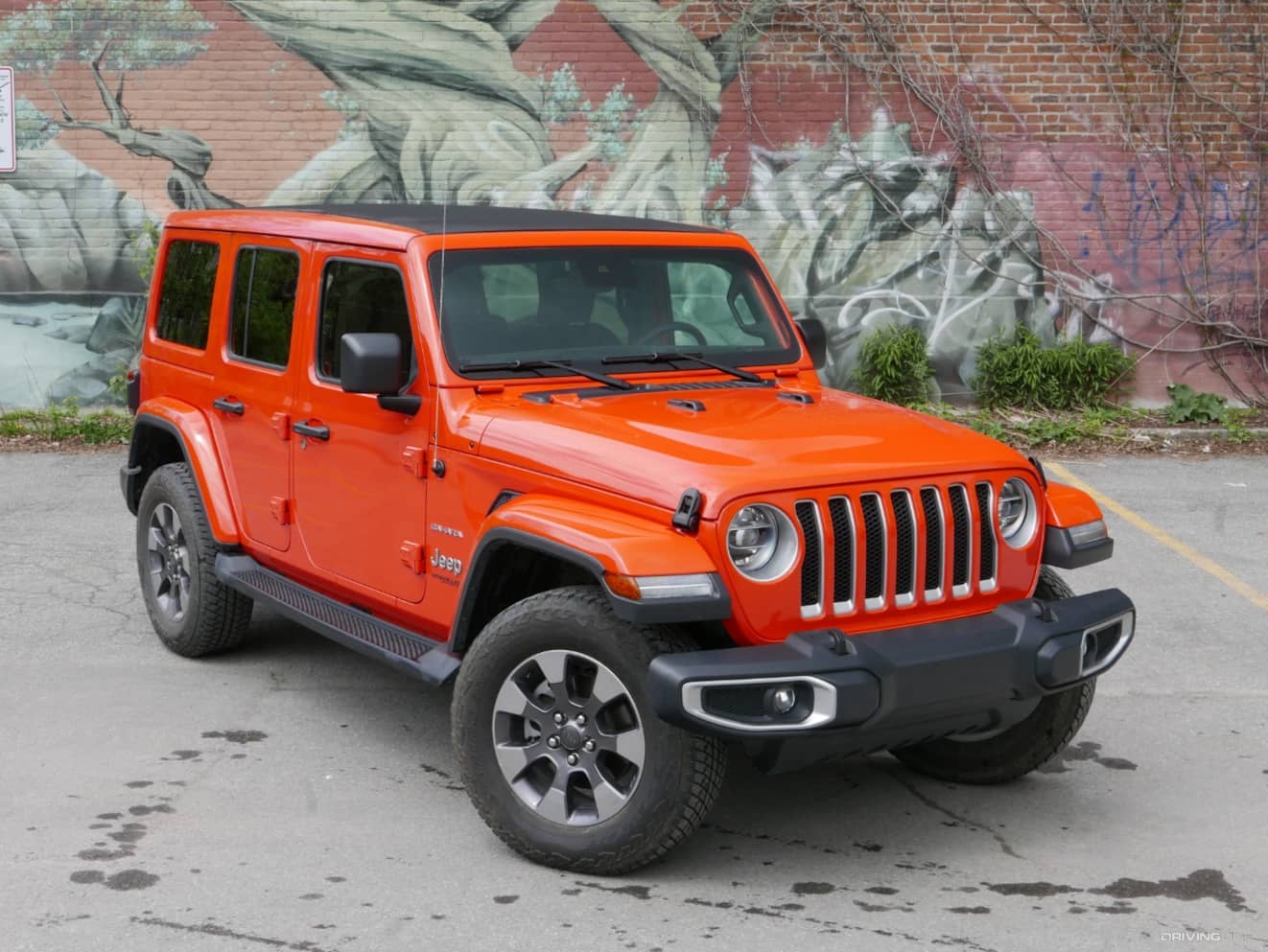
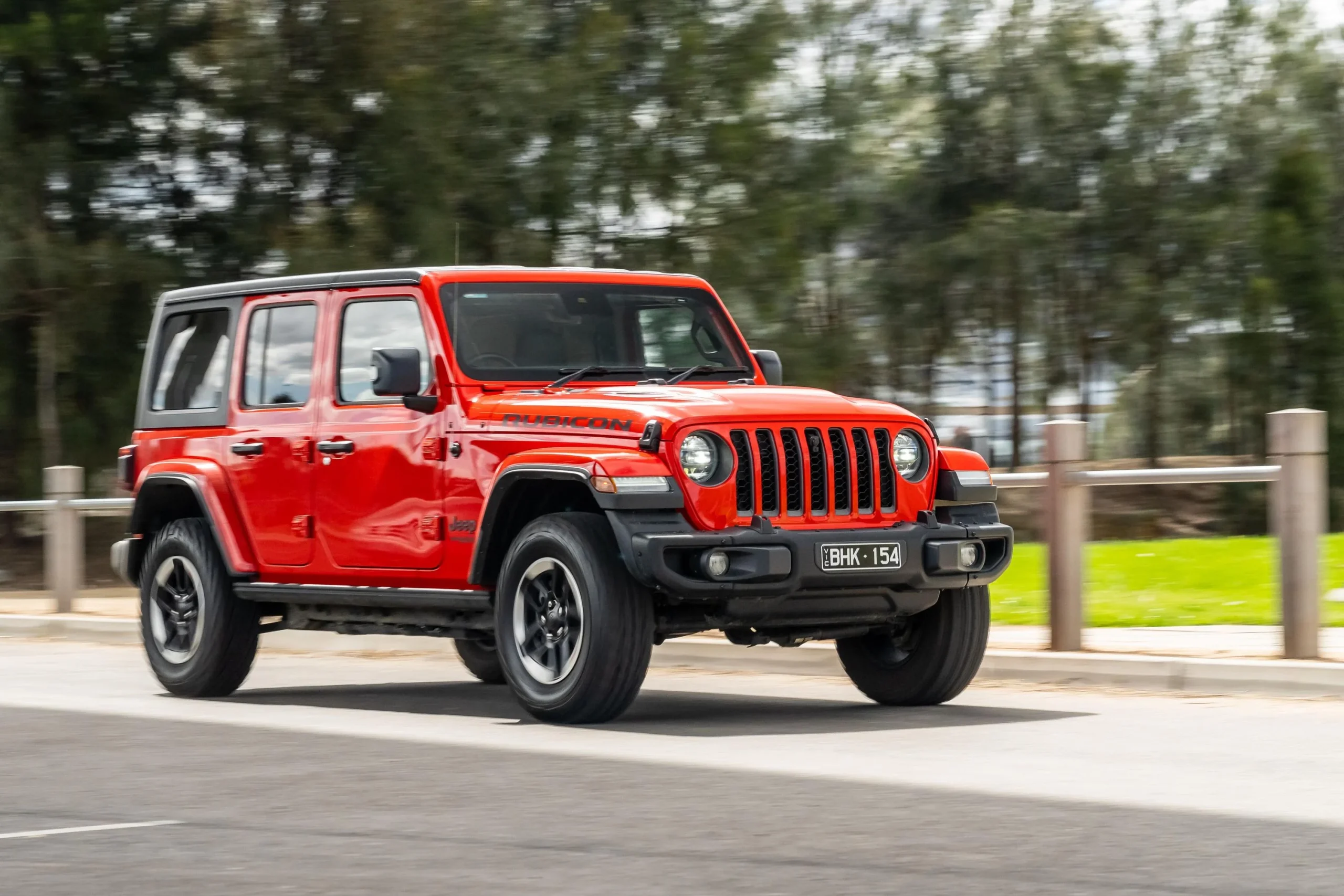
The Jeep Wrangler has built its reputation on off-road capability, a durable body design, and the ability to handle challenging terrain. Its solid axles, high ground clearance, and available four-wheel-drive systems make it appealing to drivers who enjoy outdoor adventures.
However, off-road strength does not automatically translate into excellent crash protection on public roads. During earlier IIHS small overlap front crash testing, certain Wrangler model years received poor ratings, raising concerns about how the vehicle’s structure managed the forces generated by a collision.
These results showed that a vehicle designed to withstand difficult terrain can still have weaknesses when subjected to demanding crash conditions.
2. Toyota 4Runner: A Traditional SUV With Challenging Crash-Test Results
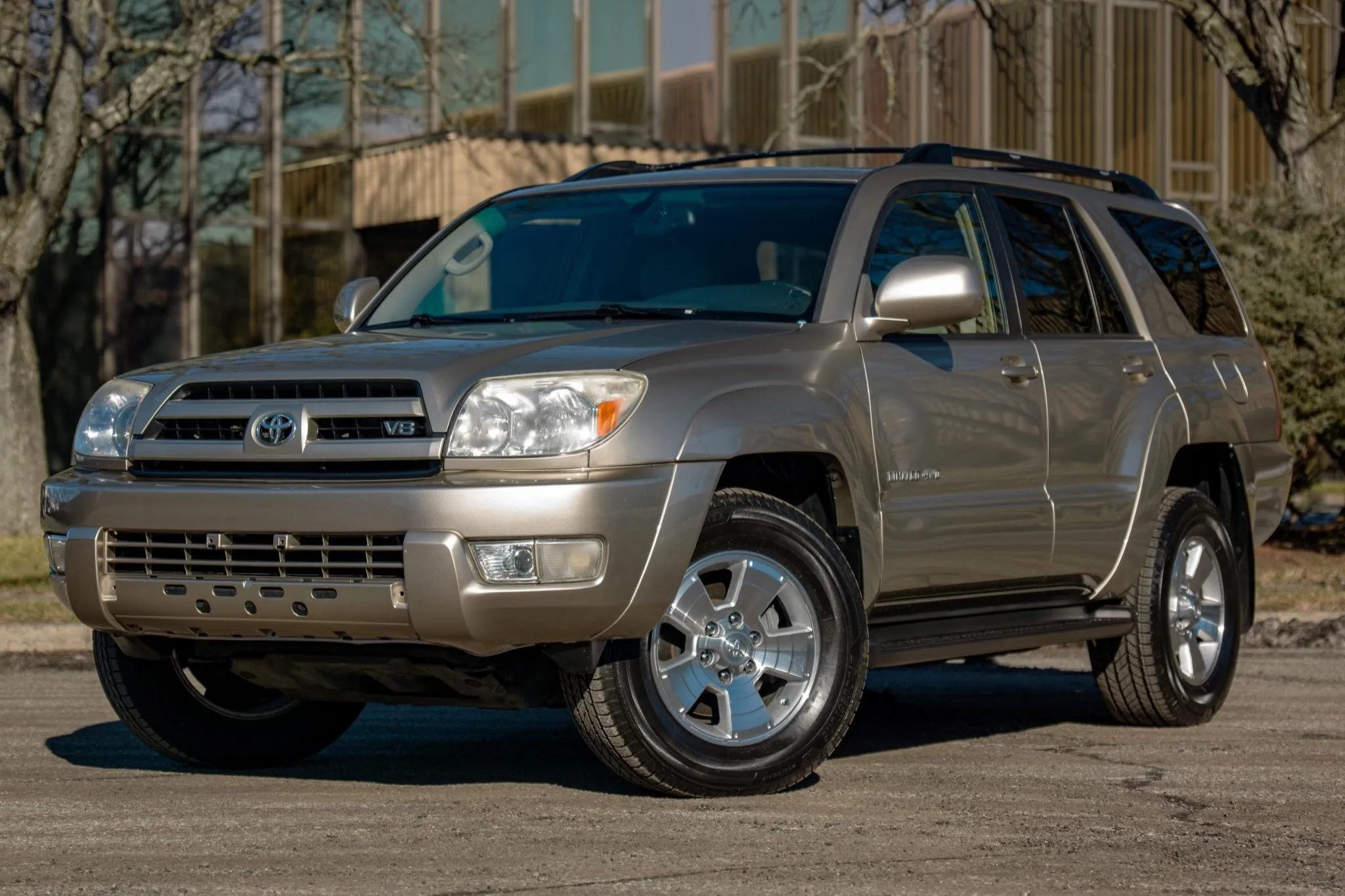
The Toyota 4Runner has long attracted buyers who want a traditional sport utility vehicle with a rugged construction approach, generous ground clearance, and useful off-road equipment. Its design makes it suitable for camping trips, rough roads, and everyday family transportation.
Many owners value its practical cabin and reputation for durability. However, durability and crashworthiness are different engineering goals.
Earlier IIHS small overlap front testing gave certain 4Runner model years poor ratings, showing that its passenger protection performance did not match the expectations some buyers might associate with a large SUV. The result demonstrates why crash-test evidence matters when comparing vehicles with similar sizes and purposes.
In a small overlap collision, the vehicle’s front corner strikes an obstacle while much of the front structure remains outside the direct impact zone. Engineers must ensure that the force travels through suitable structural paths without allowing excessive intrusion into the passenger compartment.
The wheels, suspension components, and footwell area can complicate this process. If the structure fails to manage the impact effectively, the cabin may experience unwanted movement or deformation.
Earlier 4Runner test results highlighted shortcomings under these demanding conditions. These findings were specific to the tested model years and should not be automatically applied to every version sold under the 4Runner name.
The 4Runner’s traditional SUV architecture offers advantages in certain driving situations, particularly where ground clearance, traction, and off-road durability matter. However, the characteristics that make a vehicle effective on rough terrain do not automatically create an ideal crash energy management system.
Crashworthiness requires carefully designed crumple zones, reinforced passenger compartments, and restraints that work together during sudden deceleration. Engineers must also account for the way a vehicle’s front structure interacts with different types of barriers and other vehicles.
3. Ford Explorer: Family-Friendly Space Does Not Guarantee Better Protection
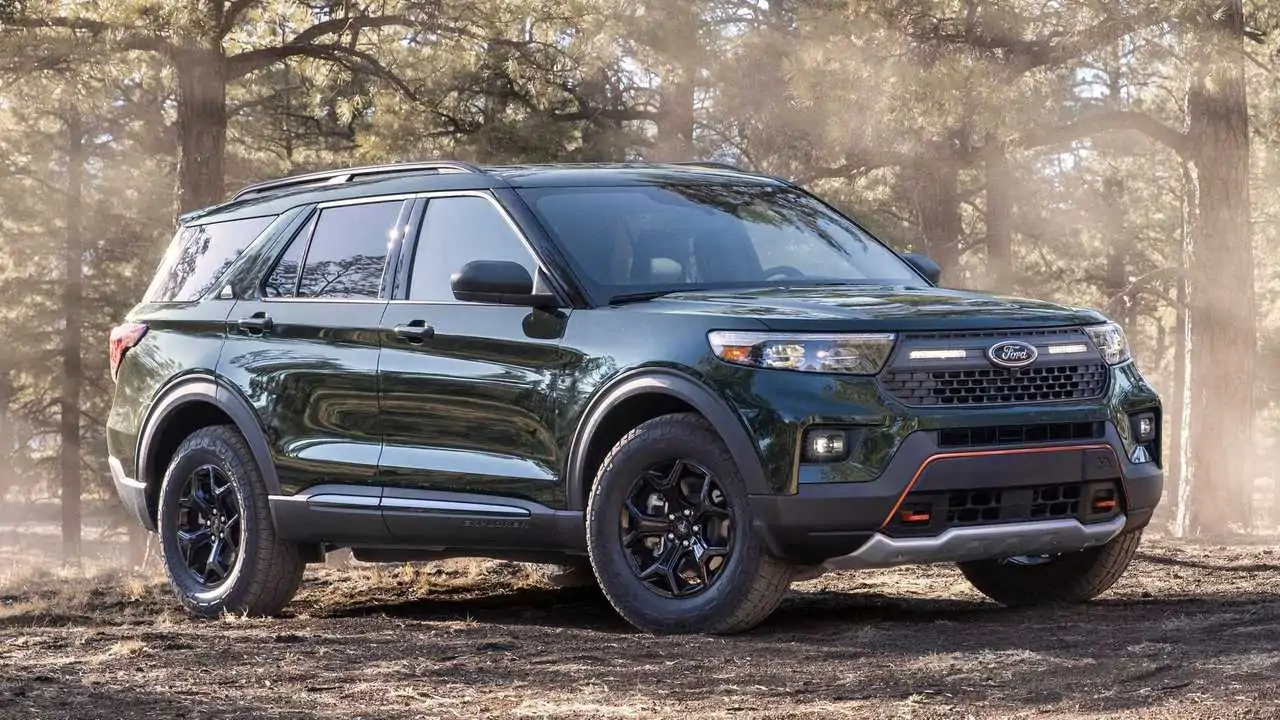
The Ford Explorer is a familiar name in the midsize SUV segment, offering three-row seating in many configurations, useful cargo space, and features aimed at family transportation. It has also served drivers who need room for passengers without moving to a full-size SUV.
Its popularity makes crash protection especially important because families may depend on it for school runs, commuting, and long-distance travel. Earlier versions of the Explorer received poor ratings in the IIHS small overlap front test. These results demonstrated that a spacious cabin and substantial exterior dimensions cannot compensate for weaknesses in how a vehicle manages a specific type of collision.
The small overlap test places unusual demands on the front structure. Rather than distributing the impact across most of the vehicle’s width, the barrier strikes a narrow section at the front. This can cause the vehicle to rotate or place unusual stress on components near the wheel and footwell.
Effective engineering must limit intrusion into the passenger area and maintain protection for the driver. The Explorer’s earlier test performance showed that this was a difficult challenge for the versions evaluated. Such findings are important because frontal collisions remain a major safety concern, and the consequences can be serious when the vehicle structure does not manage impact forces as intended.
Family SUVs contain several systems that work together to protect occupants. Seat belts help control movement, airbags cushion specific parts of the body, and structural reinforcements are intended to preserve the survival space around passengers.
Head restraints and properly designed seats can also help reduce injury risks in certain collisions. However, these systems must function as a coordinated package. An airbag cannot fully compensate for excessive structural intrusion, and a strong body structure cannot replace correct restraint use.
The Explorer’s historical results emphasize the need to evaluate the full safety system rather than focusing exclusively on equipment lists, interior space, or the number of airbags installed.
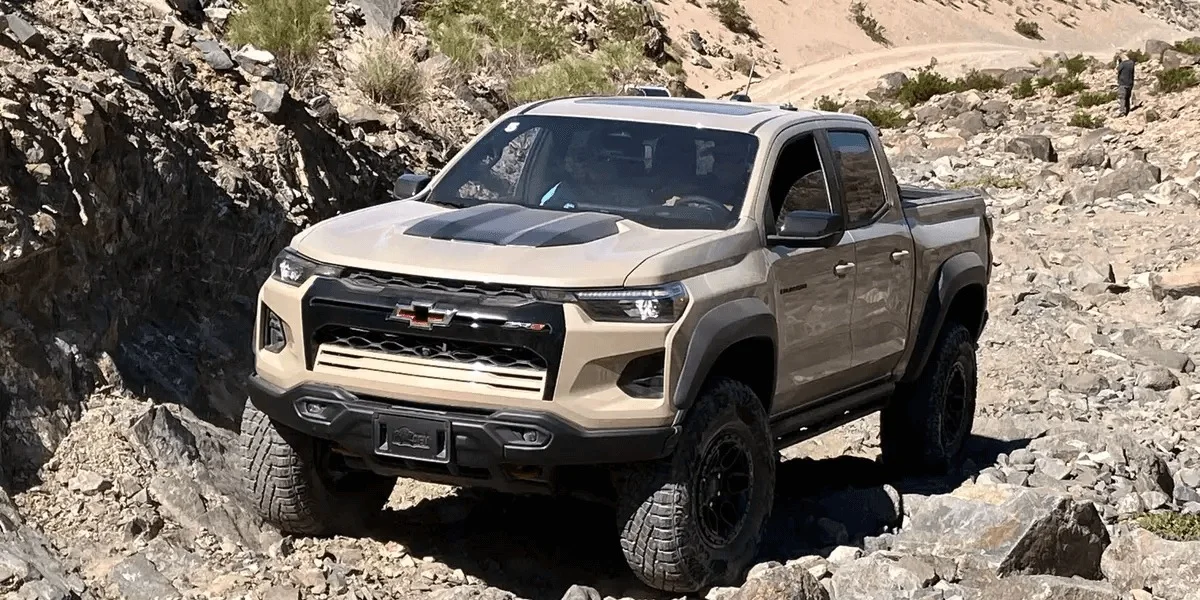
4. Chevrolet Colorado: A Midsize Pickup That Faced Structural Challenges
The Chevrolet Colorado appeals to drivers who want the utility of a pickup without the exterior dimensions of a full-size truck. It can serve as a daily commuter, a work vehicle, or a recreational truck for carrying equipment and outdoor gear. Its smaller footprint may make parking easier than it would be in a larger pickup, while its cargo bed offers flexibility for hauling loads.
However, compact dimensions do not guarantee strong crash protection. Certain Colorado model years received poor ratings in IIHS small overlap front testing, demonstrating that pickup engineering can present challenges when a vehicle strikes an obstacle with only a small section of its front end.
Pickup trucks have distinctive structural requirements because they must accommodate a cab, a cargo bed, and a chassis designed for practical hauling duties. Engineers must balance these requirements with the need to protect occupants during a collision.
The front section must absorb energy while the cab maintains sufficient space for the driver and passengers. The suspension, frame rails, wheel placement, and footwell structure can all influence the result. When an impact occurs outside the main load-bearing path, the vehicle may experience unusual stresses. The Colorado’s historical small overlap results highlighted weaknesses in this demanding test scenario for the versions evaluated.
Crash protection in a pickup is especially important because many trucks spend time on highways, rural roads, and construction routes. These environments can involve higher speeds, limited visibility, heavy traffic, and vehicles of widely varying sizes.
A pickup’s practical usefulness should not distract buyers from evaluating its safety features. Seat belts, airbags, electronic stability control, and suitable head restraints are essential considerations.
Modern driver assistance systems may also help drivers respond to potential hazards. However, crash prevention and crash protection serve different purposes. Technology that helps avoid an impact cannot replace a well-engineered passenger compartment when a collision occurs.
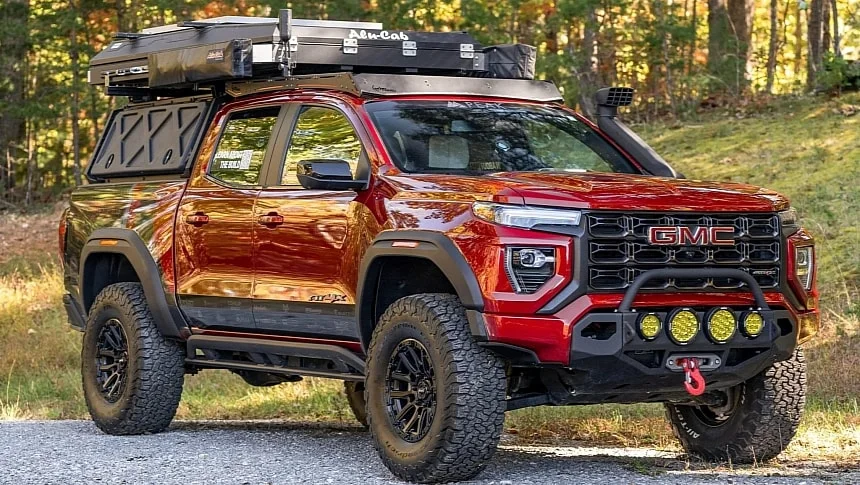
5. GMC Canyon: Premium Features Cannot Replace Strong Crashworthiness
The GMC Canyon shares its basic platform with the Chevrolet Colorado, giving it a similar role in the midsize pickup market. It offers drivers a truck with useful cargo capacity and a more compact footprint than many full-size pickups.
Depending on the model year and trim, buyers may find upgraded interior materials, additional convenience features, and a range of technology options. These qualities can make the Canyon attractive for personal use and light-duty work.
However, comfort and equipment levels do not determine how well a vehicle protects its occupants during a collision. Certain Canyon model years received poor IIHS small overlap front ratings, highlighting structural concerns in the versions tested.
The relationship between the Canyon and Colorado is important when considering their crash performance. Vehicles that share major structural components may also share certain engineering strengths and weaknesses. Nevertheless, buyers should not assume that every rating transfers automatically between models, years, or configurations.
Official test results must be checked for the exact vehicle in question. Small overlap collisions are particularly demanding because the impact can load parts of the front structure that are less directly supported by the main crash management system. Engineers must maintain the passenger compartment while limiting potentially harmful movement of the steering wheel, dashboard, and footwell.
A well-equipped pickup can still have limitations in its crashworthiness. Modern vehicles may offer touchscreens, advanced infotainment systems, parking assistance, rearview cameras, and optional driver assistance features. These additions can improve convenience and may contribute to crash prevention when they include technologies such as automatic emergency braking.
Yet none of these features guarantees a strong result in a frontal crash test. Structural design, restraint timing, airbag deployment, and occupant movement remain crucial factors. Buyers should distinguish between features that help avoid accidents and features that protect occupants once an accident begins. The Canyon’s historical ratings illustrate why a premium interior should never be treated as evidence of superior crash protection.
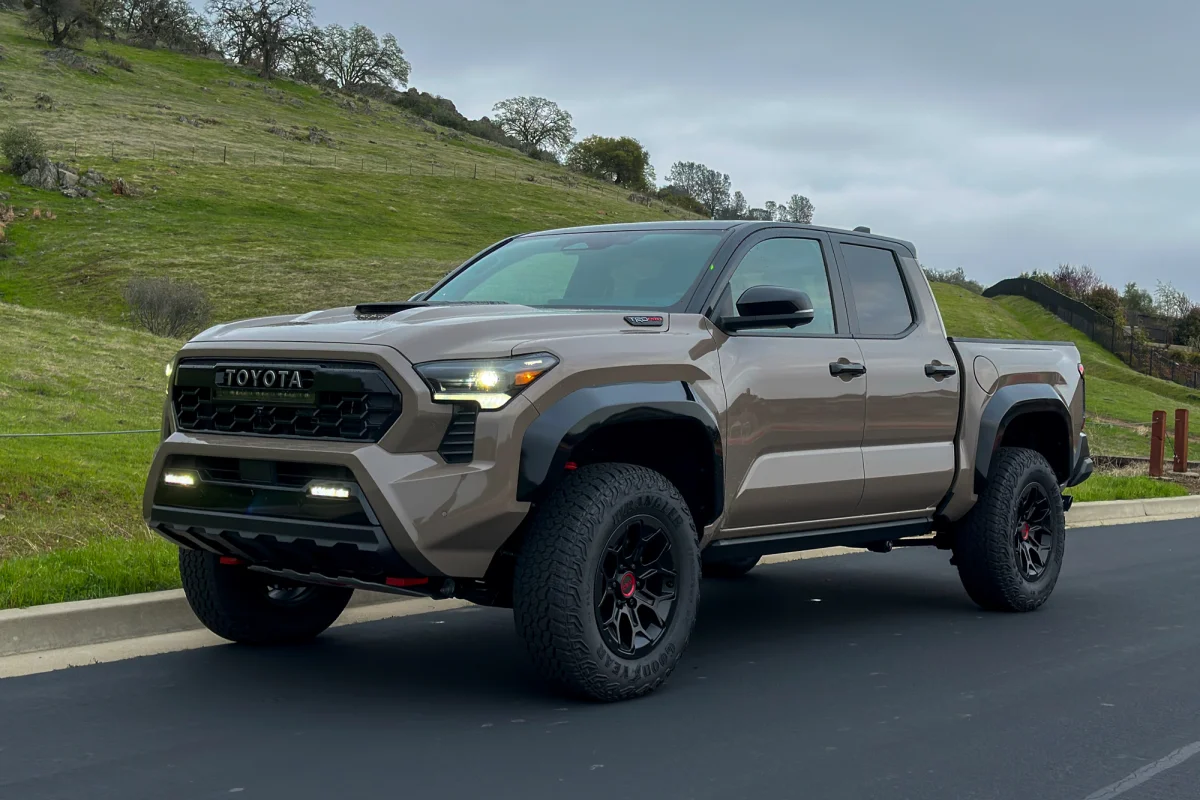
6. Toyota Tacoma: Popularity and Durability Are Not the Same as Crash Safety
The Toyota Tacoma has developed a strong following among drivers who want a midsize pickup for commuting, recreational travel, and light-duty hauling. Its manageable size compared with many full-size trucks makes it attractive to people who need a cargo bed without driving a particularly large vehicle every day.
Certain versions also offer equipment aimed at off-road use. The Tacoma’s popularity and reputation for durability can make it a natural choice for used-truck shoppers. However, earlier IIHS small overlap front testing gave certain Tacoma model years marginal ratings, showing that its performance in this specific crash scenario was not as strong as buyers might expect from a well-known pickup.
A marginal rating indicates that a vehicle did not meet the IIHS standard for a good result in the tested category. It is not the same as a poor rating, and it does not mean that the vehicle offers no protection. Instead, it identifies shortcomings relative to the test’s performance criteria.
Small overlap collisions can place unusual loads on the front corner of a vehicle, challenging the structures that help keep crash forces away from occupants. The Tacoma’s historical results showed that its tested versions had room for improvement under these conditions. Buyers should consult the ratings for their specific model year rather than assume that the findings apply to every Tacoma.
