
Buying a used car requires more than checking its appearance, mileage, and asking price. A vehicle may look clean and well-maintained, yet its history could reveal problems that deserve closer attention.
The Vehicle Identification Number, commonly called a VIN, provides important details about a car’s identity, manufacturing specifications, and recorded history. By understanding how to use this number, buyers can identify potential warning signs before making a costly decision.
From accident records to title issues, a VIN check helps uncover information that sellers may overlook, fail to disclose, or prefer not to discuss during negotiations.

1. The Vehicle’s True Identity and Factory Specifications
A Vehicle Identification Number is a unique code assigned to an individual motor vehicle. Most modern passenger vehicles use a 17-character VIN containing letters and numbers that identify specific details about the vehicle.
These characters can reveal information about the manufacturer, vehicle type, model year, assembly plant, and other identifying characteristics, depending on the manufacturer and applicable standards. For a used car buyer, this information establishes a reliable starting point for checking whether the vehicle matches the description provided in the advertisement.
A seller might describe a vehicle as a particular model or trim level, but the VIN offers a way to verify important parts of that claim before proceeding with the purchase.
The VIN can also help identify the engine type, body style, restraint system, or other factory specifications, depending on the manufacturer’s coding system. Buyers should understand that not every character communicates the same information across every brand.
Manufacturers use different internal coding methods, so a VIN decoder designed for a particular vehicle may provide more useful details than a generic decoder. Comparing decoded specifications with the car itself can reveal discrepancies involving the engine, trim, or model designation.
Such differences do not automatically prove fraud, since legitimate repairs and modifications occur, but they provide a reason to investigate further and request supporting documentation from the seller.
Another useful detail is the vehicle’s model year. In many modern VIN systems, the tenth character represents the model year, though the interpretation depends on the applicable identification standard and the vehicle’s age. This matters because a car registered in a particular calendar year may have been manufactured as an earlier model year.
Sellers sometimes advertise vehicles using registration dates that make them appear newer than they actually are. Understanding the distinction between manufacturing date, model year, and first registration helps buyers compare similar vehicles more accurately. It also helps when checking insurance quotations, replacement parts, warranty eligibility, and market value.
2. Previous Accident Damage and Collision Records
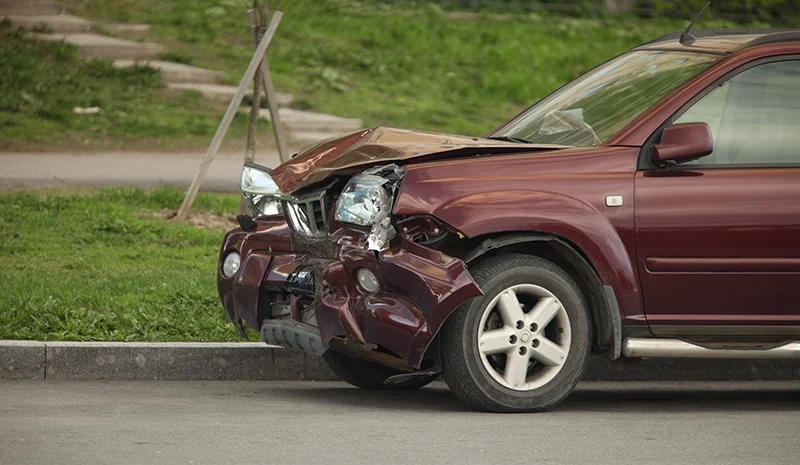
A car can look immaculate after professional repairs, making it difficult for an ordinary buyer to recognise previous collision damage. Repainted panels, replaced bumpers, and carefully repaired bodywork may conceal evidence of an earlier accident.
A VIN-based vehicle history report can sometimes identify recorded collisions, insurance claims, or damage events associated with that vehicle. The information available depends on the country, reporting organisations, insurance databases, and the specific history service being used.
When records exist, they may provide dates, damage descriptions, or other details that help buyers understand what happened before the vehicle reached the current seller.
Accident records are particularly important because not all damage carries the same level of risk. A minor parking incident involving a bumper may have little effect on the vehicle’s structural integrity when repaired correctly. A high-speed collision involving the chassis, suspension mounting points, or crumple zones presents a different concern.
Structural repairs performed incorrectly can affect crash protection, steering behaviour, tyre wear, and long-term reliability. A VIN report may indicate that damage occurred, but it usually cannot establish the full quality of the repairs. A qualified bodywork specialist should inspect the vehicle when a serious collision appears in its history.
Buyers should also look for inconsistencies between recorded damage and the seller’s explanation. For example, a seller might describe a vehicle as accident-free while a report lists a significant insurance claim. That difference deserves clarification and supporting evidence.
Ask for repair invoices, photographs taken before and during the repair process, insurance assessments, and inspection certificates where applicable. These records may establish whether the damage was cosmetic or structural and whether replacement components were fitted properly. If the seller refuses reasonable questions about a documented accident, consider whether the uncertainty is worth accepting at the advertised price.
3. Hidden Flood Damage and Water Exposure
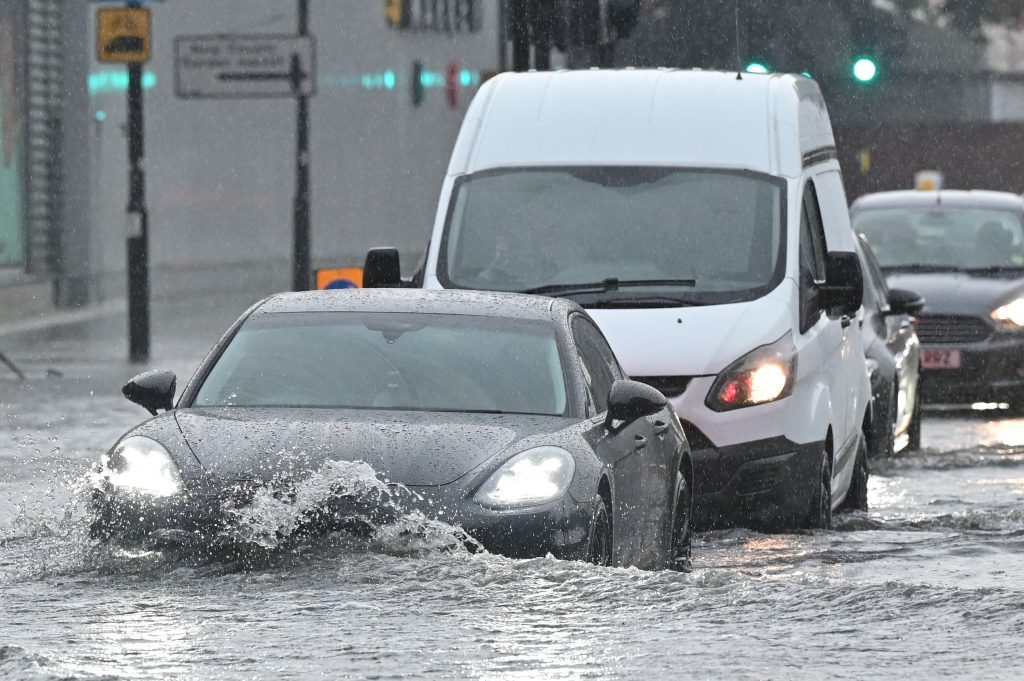
Flood damage can create serious problems that remain hidden long after the visible water has disappeared. Moisture may enter electrical connectors, wiring harnesses, control modules, seat mechanisms, and other components that are difficult to inspect during a quick test drive.
Corrosion can develop gradually, leading to intermittent warning lights, malfunctioning sensors, starting problems, or expensive electrical failures. In some cases, water can also contaminate engine oil, transmission fluid, or other lubricants. A VIN history check may identify a flood-related insurance claim, salvage designation, or recorded damage event, helping buyers recognise risks that would not necessarily be apparent from the vehicle’s clean exterior.
Flood-related records can be especially useful when a vehicle has travelled across regions affected by heavy rainfall, river flooding, or severe storms.
Cars may be transported from a damaged area and offered for sale elsewhere after cosmetic cleaning and partial repairs. A seller might not know the full extent of the earlier damage, or the vehicle may have changed ownership several times before reaching the current market.
A VIN report can connect some of these records to the vehicle’s identity. However, not every flood-damaged car enters an insurance database, and reporting practices differ between countries. A missing flood record should never replace a careful physical inspection.
During an inspection, buyers should pay attention to musty smells, unusually fresh air freshener, damp carpeting, water stains beneath seats, and mud or debris in concealed areas. Check the boot, spare-wheel well, seat rails, and accessible electrical connectors for signs of moisture or corrosion.
Inspect seatbelt webbing for unusual staining or dirt accumulation, and examine the condition of exposed metal components. No single sign confirms flood damage, since moisture can result from other causes. However, several unusual findings combined with inconsistent documentation should prompt an independent assessment before the purchase proceeds.
4. Odometer Tampering and Mileage Inconsistencies
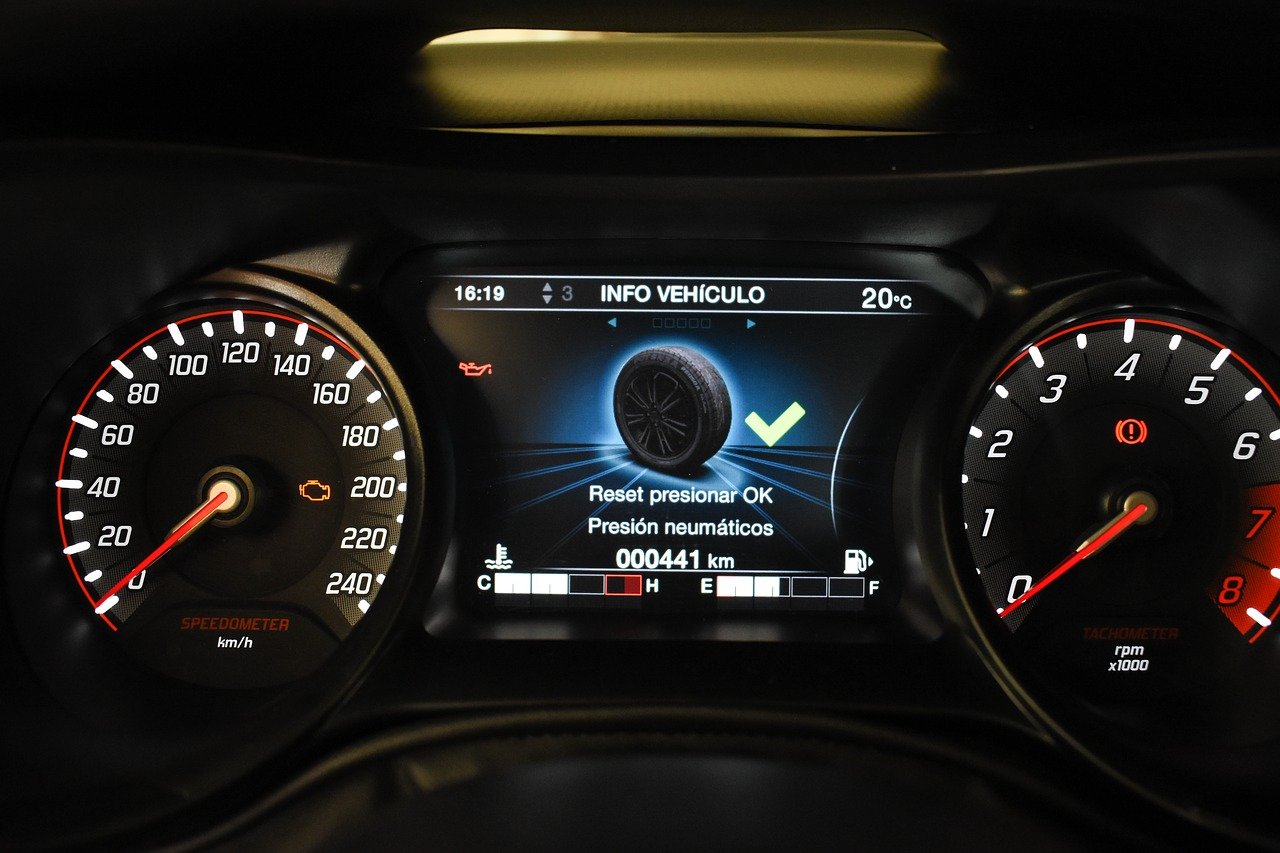
Mileage has a substantial influence on a used car’s price because buyers often use the odometer reading to estimate wear and remaining service life. A vehicle showing 45,000 kilometres may attract more interest than an otherwise similar car displaying 145,000 kilometres.
Unfortunately, odometer tampering can make a heavily used vehicle appear less worn than it actually is. A VIN-based history report may reveal mileage readings recorded during previous inspections, ownership transfers, maintenance visits, or insurance events. Comparing those entries with the current odometer can uncover inconsistencies that deserve further investigation.
For example, a maintenance record might show 118,000 kilometres two years ago, while the current dashboard displays 82,000 kilometres. Unless the earlier reading was entered incorrectly or the instrument cluster was replaced with proper documentation, the difference raises a serious concern.
A reliable history service may arrange these readings by date, allowing buyers to identify sudden decreases or suspicious gaps.
Mileage patterns should be evaluated carefully because different countries use kilometres or miles, and records may contain administrative errors. Nevertheless, a current reading that is lower than a credible earlier reading requires a clear explanation supported by documents.
Not every mileage discrepancy means deliberate fraud. Instrument clusters can fail and require replacement, and certain vehicles may have documented odometer repairs. When this happens, responsible owners should retain invoices showing the original reading, the replacement date, and the mileage displayed after the work.
Digital service records can also help establish the vehicle’s usage history. Buyers should compare workshop invoices, inspection certificates, registration records, and previous sale documents whenever possible. If the seller cannot explain an inconsistency, it is wise to obtain professional advice before treating the advertised mileage as accurate.

5. Outstanding Finance and Ownership Complications
A vehicle’s ownership history can be more complicated than the seller’s advertisement suggests. Depending on the country, a car may have been purchased through a loan, hire-purchase agreement, leasing arrangement, or another financing structure. In some jurisdictions, a lender or finance company may retain a legal interest in the vehicle until the agreement is settled.
If the seller attempts to transfer the car without resolving that interest, the buyer could face financial or legal complications. A standard VIN decoder cannot establish whether every financial obligation has been cleared, but specialised vehicle checks may identify recorded finance interests where the relevant database is available.
This issue matters because possession of the vehicle does not always prove that the seller has unrestricted authority to transfer ownership. A person may have the keys, registration documents, and physical control of the car while an outstanding agreement remains active.
The precise consequences depend on local law and the type of financing contract. In some cases, the lender may have rights that affect a subsequent purchaser. Buyers should therefore verify the seller’s legal authority to sell and establish whether any finance agreement needs to be settled before the transfer can proceed.
A VIN-based finance check, where available, can provide an early warning. However, the result should be considered alongside the seller’s identity, registration documents, and any relevant lender confirmation. Some databases cover only participating financial institutions or particular types of agreements.
6. Theft Records and Possible Vehicle Cloning
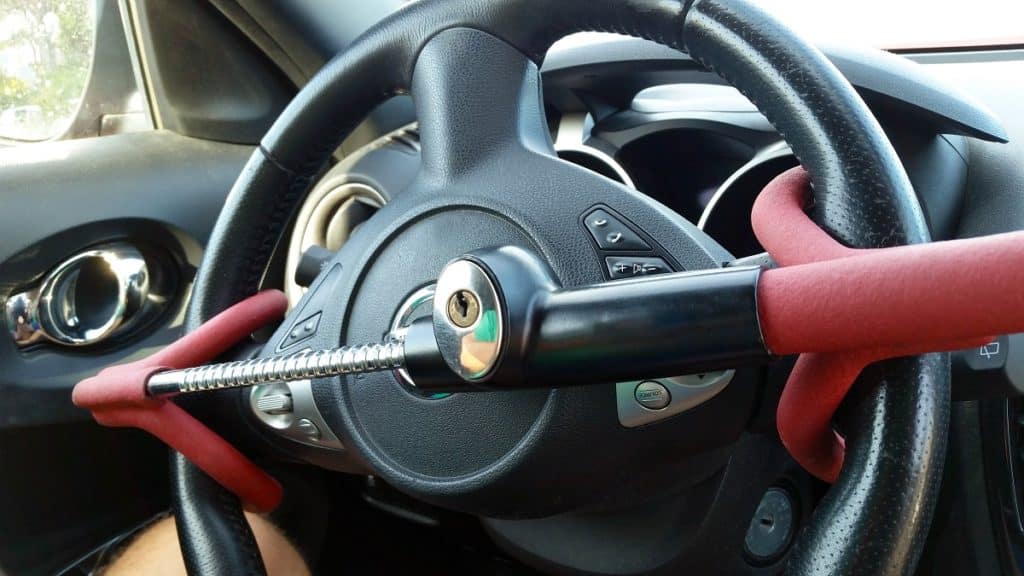
Vehicle theft is another issue that deserves attention before a used car purchase. A stolen vehicle may be offered for sale using forged documents, altered identification markings, or an identity copied from a legally registered vehicle. This practice is often described as vehicle cloning.
A VIN check can help identify a reported theft where the relevant police, insurance, or vehicle-history database contains the information. The result may reveal that the vehicle has been flagged as stolen or that its recorded identity conflicts with other available information.
Such a warning requires immediate verification through the appropriate authorities rather than a private arrangement with the seller.
Vehicle cloning can be difficult to identify because the copied VIN may belong to a genuine vehicle of the same make, model, and colour. The documents may look convincing, and a superficial inspection may not reveal that the physical car has a different history.
Buyers should compare the VIN displayed at the dashboard, on the manufacturer’s identification label, and at other designated locations with the number recorded in official paperwork.
The number should match exactly, and the surrounding markings should appear consistent with the manufacturer’s original installation. Any evidence of tampering, grinding, replacement labels, or unexplained inconsistencies requires specialist inspection.
Registration documents should also be checked for discrepancies involving the make, model, colour, engine details, or registered owner’s information. A cloned vehicle may not match all the characteristics of the car associated with the copied identity. Small differences can matter, particularly when the paperwork describes a different body style or manufacturing specification.
However, legitimate changes such as repainting or authorised engine replacement can also create discrepancies. Buyers should request documentary evidence for significant modifications and verify the vehicle’s identity through the relevant registration authority. An independent check is preferable to accepting an informal explanation from the seller.
If a VIN report identifies a theft record, do not assume that the seller’s explanation resolves the issue. Contact the appropriate police service or registration authority and provide the vehicle identification details through official channels.
Do not attempt to investigate a suspected stolen vehicle by confronting anyone who may be involved in criminal activity.
7. Salvage Titles and Write-Off History
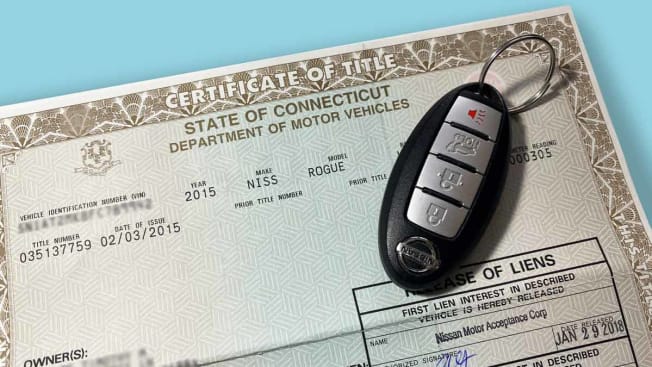
A salvage or write-off designation can significantly affect a vehicle’s value, insurability, and future resale prospects. The terminology and legal categories differ by country, but such records generally indicate that a vehicle sustained damage or met another threshold that resulted in a particular administrative or insurance classification.
A VIN history report may identify a salvage title, insurance write-off, or similar event recorded in the relevant database. This information matters because a vehicle may have been repaired and returned to the road without the buyer understanding the seriousness of its earlier condition.
A write-off classification does not always mean that a vehicle is beyond repair. Insurers may classify a vehicle as uneconomical to repair when the estimated repair costs are high relative to its value. The rules differ between jurisdictions, and some classifications reflect specific types or levels of damage.
A car with cosmetic damage may receive a different treatment from a vehicle with substantial structural damage or a serious flood history. Buyers must understand the actual category recorded for the vehicle rather than assuming that every write-off designation carries identical implications.
The main concern is whether the vehicle was repaired safely and whether it is legally permitted to return to the road. Depending on local requirements, a repaired vehicle may need an inspection, certification, or specific administrative approval before registration can continue. Ask for evidence that all required procedures were completed.
Repair invoices, photographs, parts receipts, and inspection reports can help establish the quality and extent of the work. A seller’s verbal assurance that the car has been fully restored is not a substitute for documents showing what was repaired and whether the vehicle meets the applicable requirements.

8. Previous Owners and Vehicle Usage Patterns
A vehicle’s ownership history can help buyers understand how it was used before reaching the current market. Depending on the country and available database, a VIN report may provide information about recorded registration changes, ownership events, or the number of previous keepers.
These details can help establish whether the seller’s account broadly matches the vehicle’s documented history. However, a recorded keeper is not necessarily the same as the legal owner, and some records count transfers between businesses, leasing companies, or family members differently.
Buyers should interpret ownership information carefully rather than treating a single number as definitive proof of the vehicle’s past.
Frequent ownership changes may justify additional questions, particularly when a car has passed through several owners within a short period. Repeated transfers can occur for legitimate reasons, including relocation, changing family needs, company fleet management, or financial circumstances.
In other cases, rapid resale may indicate that previous buyers encountered mechanical problems or discovered issues they did not expect. A VIN report cannot determine the reason for every transfer, but it can help establish a timeline. Ask the seller why the vehicle changed hands and request service records that demonstrate how it was maintained throughout those periods.
The type of previous use can also affect wear and maintenance requirements. A car used as a taxi, rental vehicle, driving-school car, or commercial fleet vehicle may have experienced frequent starts, stops, short trips, or extensive daily mileage. Such use is not automatically harmful, since fleet vehicles may receive regular servicing and documented maintenance.
Still, the buyer should understand the operating conditions before estimating the car’s remaining service life. Some service histories may record commercial use or fleet registration, but this information is not consistently available. Service invoices, previous advertisements, registration records, and inspection findings can provide additional context.

9. Manufacturer Recalls and Unresolved Safety Issues
Manufacturer recalls address defects or safety-related problems identified after a vehicle has entered service. Depending on the issue, a recall may involve airbags, braking components, steering systems, fuel systems, electrical components, or other equipment.
A VIN can help determine whether a particular vehicle is covered by a recall campaign in markets where manufacturers and authorities provide VIN-specific lookup services. This is more precise than searching by model name alone because a recall may apply only to vehicles produced within a particular manufacturing period or equipped with certain components.
A recall notice does not automatically mean that the vehicle is currently unsafe to drive in every circumstance. The nature of the defect, the manufacturer’s instructions, and any temporary safety guidance determine the appropriate response. However, an unresolved recall should not be ignored simply because the car appears to operate normally.
Some defects cannot be identified through a routine test drive, and certain safety systems may fail only under specific conditions. Buyers should check official manufacturer or government recall resources using the full VIN and confirm whether the required repair has been completed.
The repair status matters as much as the existence of a recall. A vehicle history report may list a recall campaign without confirming whether the work was completed. Contact an authorised dealer or manufacturer representative to establish the current status and ask whether the repair is available at no charge under the relevant recall programme.
Keep any confirmation in writing. Where the vehicle has been imported, recall coverage and repair arrangements may differ depending on the market, model specification, and manufacturer policy. The VIN can help identify the correct vehicle, but local recall eligibility should be verified directly.
10. Service History, Maintenance Gaps, and Future Repair Costs
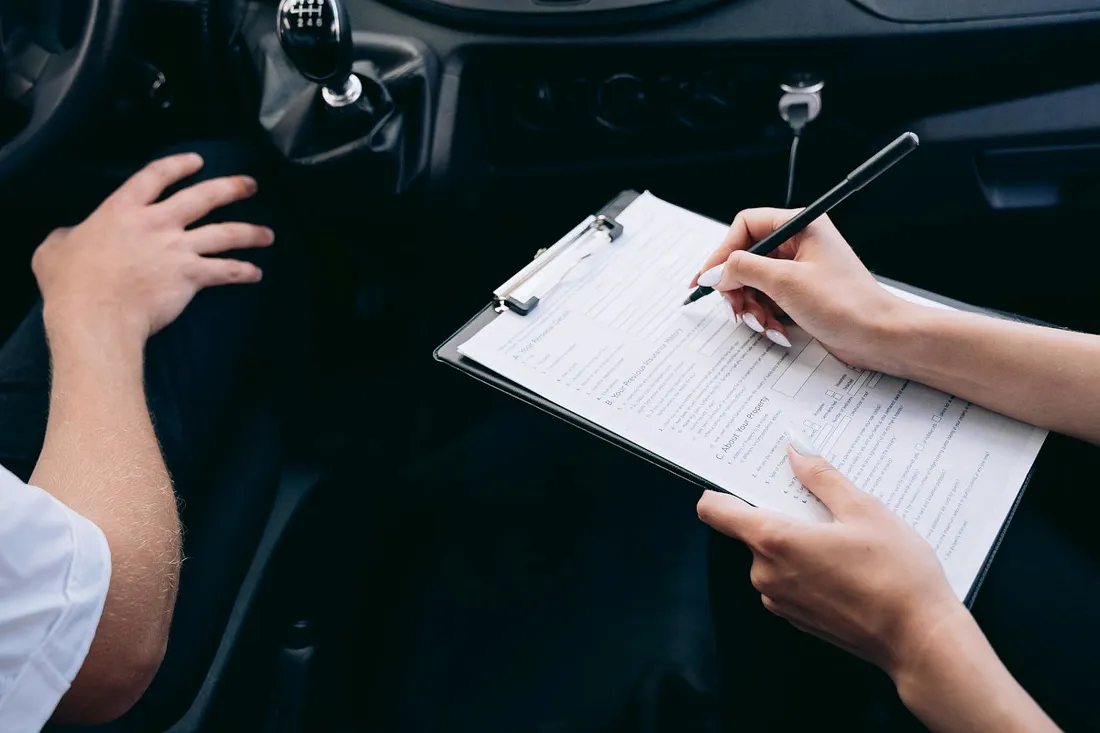
A VIN can help connect a vehicle to certain service records, inspection entries, manufacturer databases, and maintenance events, depending on the available information. These records may show when the car received scheduled servicing, underwent inspections, or had particular components repaired.
For buyers, a consistent maintenance timeline offers useful evidence that the previous owner followed the recommended service schedule. However, there is no universal database containing every repair performed on every vehicle. Independent garages, private mechanics, and owners who perform their own maintenance may not submit records to the services used by a VIN history provider.
Service history becomes more valuable when the entries include dates, mileage readings, workshop details, and descriptions of completed work. These details allow buyers to compare maintenance intervals with the manufacturer’s recommendations and the vehicle’s recorded usage.
Regular oil changes, appropriate fluid replacement, brake servicing, and timely attention to scheduled components can help support reliability. Still, a stamped service book alone does not guarantee that every task was completed correctly.
Buyers should examine invoices where possible and confirm whether major scheduled work, such as timing-belt replacement when applicable, has been documented.
Gaps in the service timeline deserve attention because they create uncertainty about how the vehicle was maintained. A missing invoice does not necessarily mean that servicing was neglected, particularly when the owner used an independent mechanic or lost older paperwork.