

The United States is preparing for several vehicle-related legal changes scheduled for January 1, 2027. These updates affect drivers, vehicle owners, repair businesses, and motorists who modify their cars.
From license plate visibility and exhaust compliance to vehicle data privacy and windshield repairs, understanding the rules can help drivers avoid penalties and prepare for new responsibilities.
However, state laws differ significantly, and a requirement in California or Hawaii may not apply elsewhere. Knowing which changes affect your state, your vehicle, and your driving habits is essential for staying informed.

1. Hawaii’s New Ban on License Plate Covers
Hawaii is introducing a stricter rule for license plate covers and shields starting January 1, 2027. Under Act 12, enacted through House Bill 1510 in 2026, vehicles must not have a cover or shield installed over a license plate to qualify for a safety inspection certificate. The measure also broadens enforcement against plate covers that obstruct visibility or readability.
This change matters to drivers who use clear plastic covers, tinted shields, reflective films, or other accessories over their registration plates. The state aims to make plates easier for law enforcement and traffic enforcement systems to identify.
The practical effect is that drivers should reconsider accessories installed over their plates, even if those accessories appear transparent or have been marketed as protective products. A clear cover may seem harmless because the registration number remains readable to the human eye under normal lighting.
However, glare, dirt, reflections, weather, and camera angles can affect how a plate appears to an officer or enforcement camera. The new requirements make it especially important to distinguish between a plate frame that surrounds the plate and a cover that sits over its surface. Drivers should check the law’s precise wording before assuming a particular accessory is permitted.
Vehicle owners should inspect both front and rear plates where applicable and remove prohibited covers before their next safety inspection. It is also sensible to check that each plate is securely mounted, free of dirt, and displayed in the required position.

2. Louisiana’s Stricter Rules on Obscured License Plates
Louisiana has enacted House Bill 846 as Act 322, with an effective date of January 1, 2027. The measure addresses coverings and films that obscure vehicle license plates. Its purpose is to prevent drivers from using materials that make registration information difficult to read.
License plates help authorities identify vehicles involved in traffic violations, crashes, and other incidents, so keeping them visible is an important part of vehicle compliance. The change is especially relevant to drivers who use tinted plate shields, reflective films, or accessories that interfere with the display of required registration details.
Drivers should understand that the legal concern is not limited to a plate that is completely hidden. An accessory can create a problem when it reduces the visibility of letters, numbers, registration stickers, or other required information.
Some covers are marketed as protection against road debris or weather, while others are designed to reduce the effectiveness of automated enforcement cameras.
Regardless of the advertised purpose, motorists should confirm whether the item complies with Louisiana law. A product’s availability in a retail store does not guarantee that using it on public roads is lawful.
Before the effective date, vehicle owners should examine how their plates are mounted and whether any film, shield, or covering is attached. Drivers who recently purchased a vehicle with aftermarket accessories should check those items instead of assuming that the previous owner installed legal equipment.
A clean plate, secure mounting hardware, and a standard frame that does not conceal information are safer choices. If there is uncertainty about an accessory, removing it and consulting official state guidance can be more practical than risking a citation.
The law also highlights a broader issue for motorists who travel between states. A vehicle registered elsewhere may still need to comply with Louisiana’s traffic rules while being driven on Louisiana roads.

3. California’s New Exhaust Compliance Requirements
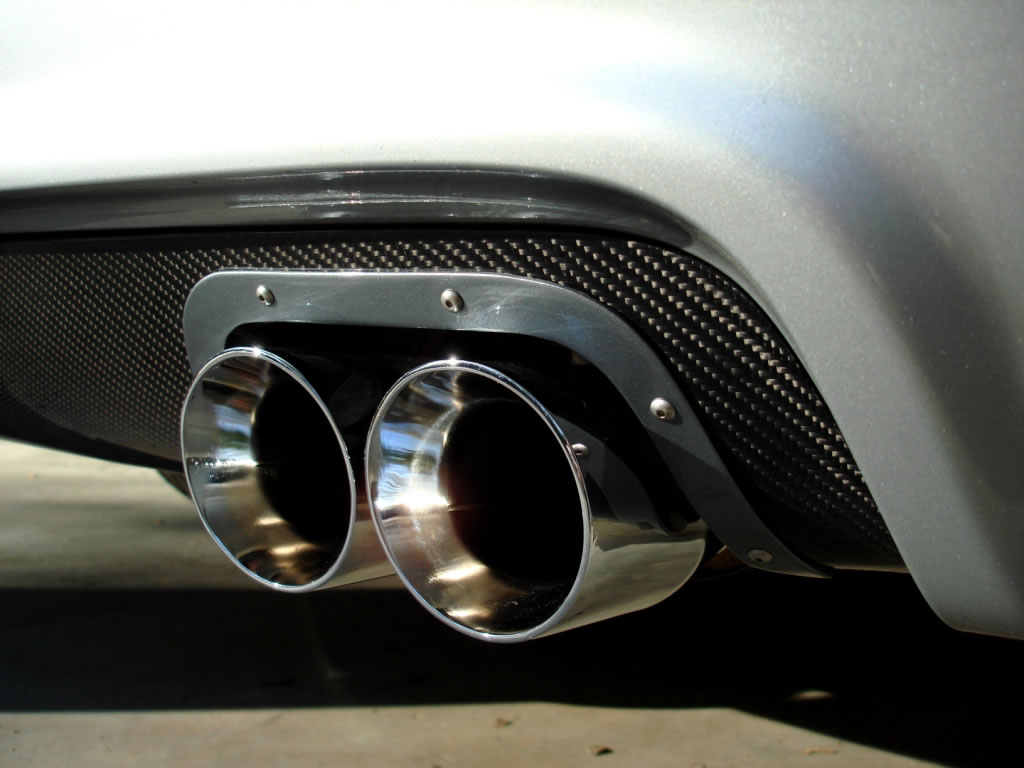
California is introducing a stricter process for handling certain vehicle exhaust violations beginning January 1, 2027. Under the relevant provisions of Assembly Bill 2496, courts must require a certificate of compliance for qualifying exhaust-system violations involving vehicles with a gross vehicle weight rating below 14,000 pounds.
The certificate must demonstrate that the vehicle’s exhaust system complies with applicable requirements. This change is particularly important for owners of modified cars, performance vehicles, and vehicles fitted with aftermarket exhaust components that may exceed legal noise limits.
The new process makes it important for drivers to understand that a modified exhaust is not automatically legal just because it fits the vehicle or is sold by a reputable retailer. Exhaust systems must meet the requirements applicable to the vehicle and the jurisdiction where it is operated.
A replacement component that changes exhaust noise levels or removes required equipment can create compliance problems. Owners should therefore review the relevant California vehicle code provisions before making modifications, particularly when purchasing performance parts for street-driven cars.
Drivers cited for a qualifying violation will need to pay attention to the court’s instructions and the required compliance documentation.
Under the cited provision, the certificate must be provided within three months of the violation date. Failure to submit it can trigger additional consequences under the relevant statutory process.
Vehicle owners should keep copies of inspection records, repair invoices, and any certificate issued by an authorized testing station. Having these documents readily available can make it easier to demonstrate that corrective work has been completed.
Car enthusiasts should also consider the long-term implications before installing a louder exhaust system. A modification that appears inexpensive at the time of purchase may create further costs if the vehicle needs repairs, testing, or replacement parts to meet legal standards.
Checking the product’s specifications and confirming that the intended configuration is lawful can help prevent these problems. Professional advice may be particularly useful when a vehicle has undergone several modifications that could affect noise levels or emissions-related equipment.
4. California May Refuse Registration Renewal for Unresolved Exhaust Violations
A related change scheduled for January 1, 2027, concerns vehicle registration renewal. California Vehicle Code Section 27151.1 directs the Department of Motor Vehicles to check for a qualifying court-issued registration hold connected to specified exhaust violations.
When such a hold applies, the DMV must refuse to renew the vehicle’s registration until it receives confirmation from the court that a certificate of compliance has been issued. This makes resolving a covered exhaust citation more important than simply paying the initial fine.
For drivers, the practical concern is that an unresolved exhaust matter may interfere with routine vehicle administration. Registration renewal is essential to keeping a vehicle legally on the road, and a hold can create complications if the owner waits until the final days before the renewal deadline.
A driver who receives a qualifying citation should read the court notice carefully, determine what corrective action is required, and find out how compliance must be documented. Ignoring correspondence can make a manageable issue more complicated.
Owners of older cars and modified vehicles should review their exhaust equipment before a registration deadline approaches. If the system has been altered, it may be worth arranging a professional inspection to identify potential problems.
Drivers should not assume that passing an unrelated vehicle inspection automatically satisfies the specific certificate requirement associated with an exhaust citation. Each process may have its own rules, documentation, and deadlines, so the instructions provided by the relevant authority matter.
Keeping organized records is another useful precaution. Repair receipts, testing documents, court notices, and certificates should be stored together until the matter has been resolved.
5. California’s Updated Child Seat Belt Requirements
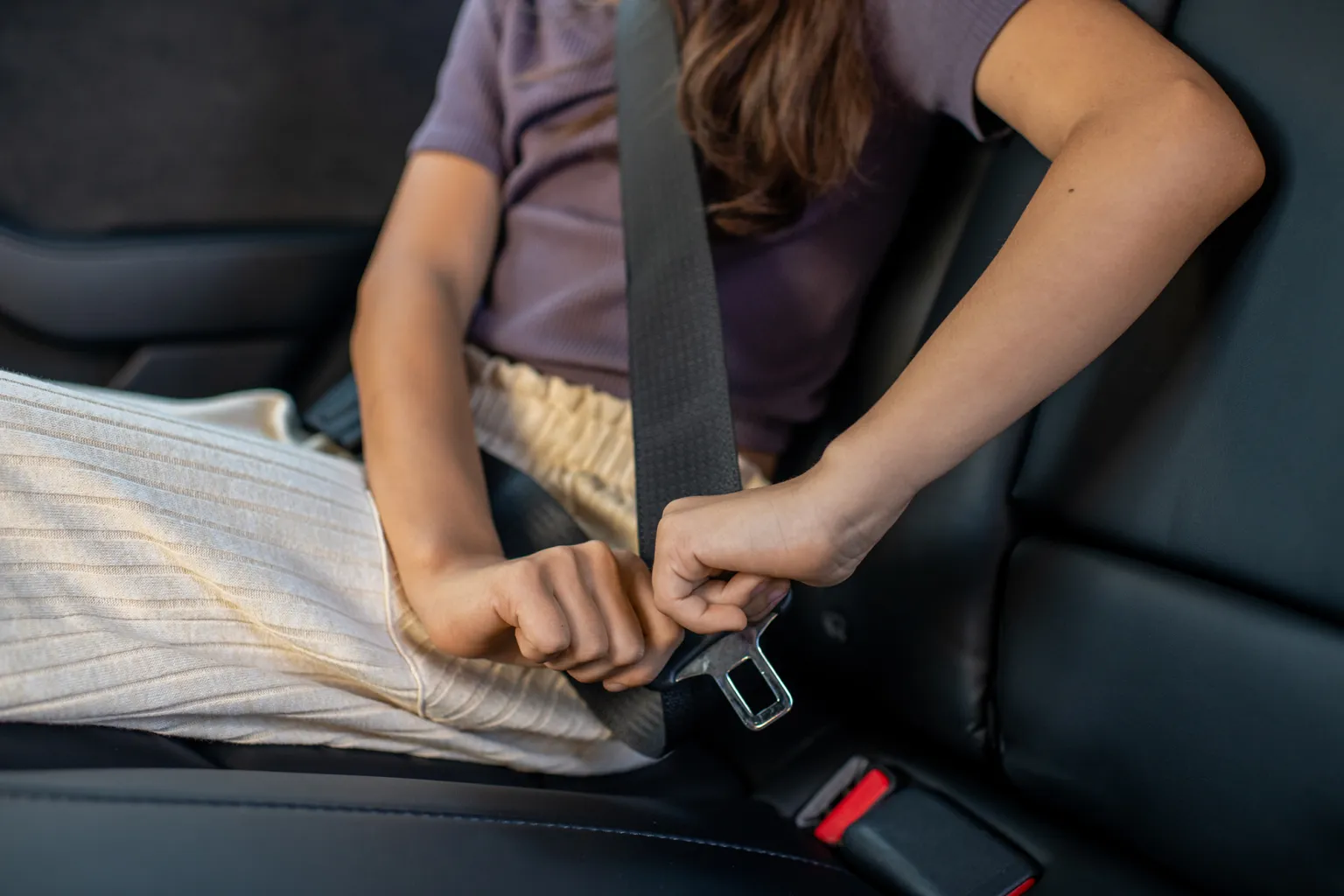
California is changing the legal definition of proper seat belt use for children under the provisions of Assembly Bill 435 that become operative on January 1, 2027. The revised definition uses a five-step test to assess whether a child can fit an adult seat belt correctly.
The test looks at the child’s seating position, knee bend, shoulder belt placement, lap belt position, and ability to remain properly seated for the entire journey. This change gives families a clearer way to judge whether a child is ready to use a seat belt without an appropriate child restraint.
The first part of the test checks whether the child can sit with their back against the vehicle seat and bend their knees over the seat’s edge. These details matter because a child who is too small for the seat may slide forward to make their legs more comfortable.
That position can place the lap belt incorrectly and increase the risk of injury in a collision. Families should check the child’s actual fit in the vehicle rather than relying solely on age, appearance, or a quick estimate of height.
The shoulder belt must cross the middle of the child’s shoulder and chest rather than resting against the neck. The lap belt should sit low and touch the thighs, not ride up across the abdomen.
A belt that crosses the wrong part of the body may not provide the protection intended by the vehicle’s restraint system. Parents should check the belt in the specific seat the child uses, since seat shapes and belt geometry can differ between vehicles.
The final part of the test considers whether the child can maintain the correct position throughout the trip. A child who initially sits properly but repeatedly slouches, leans sideways, or moves the shoulder belt behind the back may not be ready to use the adult belt alone.
Families should repeat the assessment when changing vehicles or moving a child to a different seating position. A suitable booster seat can help position the belt correctly when the child does not yet meet all five criteria.
6. California’s Motor Vehicle Glass Act and Repair Shop Requirements
California’s Motor Vehicle Glass Act, Senate Bill 988, is listed among the vehicle-related legal changes scheduled to take effect on January 1, 2027. The measure introduces requirements for motor vehicle glass repair businesses, including customer notices about advanced driver assistance systems, or ADAS.
These systems can include cameras and sensors used for functions such as lane assistance, collision warnings, and automatic emergency braking. Because windshield work can affect the equipment’s positioning or performance, customers need to understand when further checks may be necessary.
A windshield is no longer simply a piece of glass in many modern vehicles. Cameras and sensors may be mounted near it, and replacing the glass can affect the relationship between those components and the road.
Depending on the vehicle and the work performed, the manufacturer’s procedures may call for inspection or calibration. A repair shop should explain relevant ADAS considerations so the customer can make an informed decision about the repair process and any necessary follow-up work.
The law also establishes requirements relating to insurance claim numbers and estimates. According to the published report, covered repair businesses must obtain claim numbers before contracting with insurers and provide good-faith estimates.
These requirements are intended to improve transparency in transactions involving motor vehicle glass work. Customers should ask for a written estimate, understand which services are included, and clarify whether calibration or other related work may involve additional charges.
7. New Consumer Protections for California Windshield Repairs
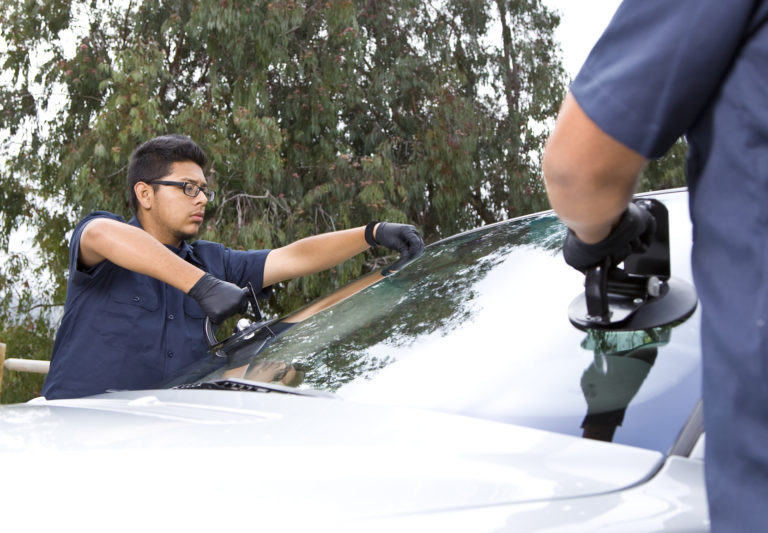
The California Motor Vehicle Glass Act also changes how covered glass repair businesses handle the paperwork involved in insurance-related repairs. Under the published law, shops must obtain claim numbers before contracting with insurers and provide customers with good-faith estimates.
These requirements are intended to make the repair process more transparent and help customers understand the proposed work before agreeing to it. For motorists, the important point is to ask how the repair will be billed and what documentation will be provided.
A written estimate gives vehicle owners a clearer starting point for comparing repair options. It can identify the proposed work, expected charges, and services that may be needed to complete the job. Customers should review the estimate carefully and ask the shop to explain unfamiliar charges before authorizing repairs.
If the vehicle has a complicated windshield design or integrated electronic equipment, the owner should also ask whether the estimate accounts for any required inspection or calibration procedures.
Insurance claims can create confusion when the customer, repair shop, and insurer have different expectations about the scope of work. A claim number helps identify the relevant claim, while clear estimates help document the anticipated cost.
Drivers should keep copies of the estimate, invoices, claim communications, and any records of work completed. If a disagreement arises, these documents can help clarify what was originally proposed and whether the completed repair matches the agreed terms.
Customers should also distinguish between a repair estimate and an insurer’s final coverage decision. A shop’s estimate does not necessarily mean every listed service will be covered under the customer’s policy.
Deductibles, coverage limits, policy exclusions, and claim assessments can affect the amount paid by the insurer and the amount owed by the customer. Contacting the insurer before authorizing costly work can help prevent unexpected expenses.

8. Restrictions on Incentives for Auto Glass Insurance Claims
California’s Motor Vehicle Glass Act also addresses rebates and incentives associated with insurance claims. The published reports states that covered motor vehicle glass repair businesses may not offer rebates or other incentives for insurance claims.
This provision is relevant to drivers who receive promotional offers promising cash, gifts, discounts, or similar benefits if they choose a particular repair shop and submit a claim. Consumers should pay attention to the actual repair terms instead of making a decision based on a promotional reward.
An insurance claim should reflect a genuine repair need and follow the terms of the customer’s policy. Drivers should not feel pressured to file a claim simply because a business advertises an attractive incentive.
They should first consider the damage, obtain an estimate, review the policy deductible, and determine whether paying directly or using insurance is more appropriate. The best option depends on the circumstances and should be based on accurate information rather than a promise of a personal reward.
The restriction also makes it important for repair businesses to review how their marketing campaigns are structured. Promotions that tie a benefit directly to the filing of an insurance claim may raise compliance concerns under the new requirements.
Businesses should seek qualified legal guidance if they are uncertain whether a discount, loyalty benefit, or other offer falls within the prohibition. A clear and compliant marketing policy can reduce disputes with customers and insurers.

9. California’s Five-Step Test for Child Passengers
California’s updated child restraint rules also have practical implications for families transporting children in different types of vehicles. Assembly Bill 435 changes the legal definition of proper seat belt use, with the revised definition becoming operative on January 1, 2027.
The five-step test examines whether a child can sit correctly, bend their knees at the seat edge, wear the shoulder belt across the chest and shoulder, position the lap belt low against the thighs, and maintain that posture for the entire trip.
Parents should not assume that a child is ready for an adult seat belt simply because the child has reached a particular birthday. Children’s bodies grow at different rates, and the shape of a vehicle seat can influence belt fit. A child may fit correctly in one vehicle but not another.
Checking the five criteria in the actual seating position helps parents make a more informed decision about whether a booster seat remains necessary.
Correct belt placement is especially important because seat belts are designed to restrain occupants at specific points on the body. The lap belt should sit low across the upper thighs, while the shoulder belt should cross the center of the chest and shoulder.

10. California’s New Rules for Personal Vehicle Sharing Insurance
California has also listed a change involving insurance for personal vehicle sharing among its scheduled January 1, 2027, legal updates. Assembly Bill 2361 concerns liability coverage when a vehicle is used through a personal vehicle sharing program.
These arrangements allow vehicle owners to make their cars available for use by other people through a sharing service. The legal issue is who must assume responsibility for certain injuries and property damage when an incident occurs during a covered sharing period.
Personal vehicle sharing can create insurance questions that do not always arise during ordinary private driving. The owner may have a personal auto policy, while the sharing platform or program may provide separate coverage subject to specific conditions.
Drivers should not assume that their usual insurance arrangements automatically cover every activity connected with renting or sharing their vehicle. Owners should review the terms of the program and understand when its coverage begins and ends.
The change is particularly relevant to people who regularly share their cars to earn additional income or reduce ownership costs. Before listing a vehicle, an owner should check whether the program has insurance requirements, what liability limits apply, and which circumstances may be excluded.
It is also sensible to confirm how claims are handled, what records must be retained, and whether the personal policy contains restrictions on commercial or sharing-related use.
