Tesla has told federal regulators that a driver-assistance system was verified as engaged shortly before a fatal crash in New Jersey, adding an important detail to an incident initially described by state police as a driver losing control.
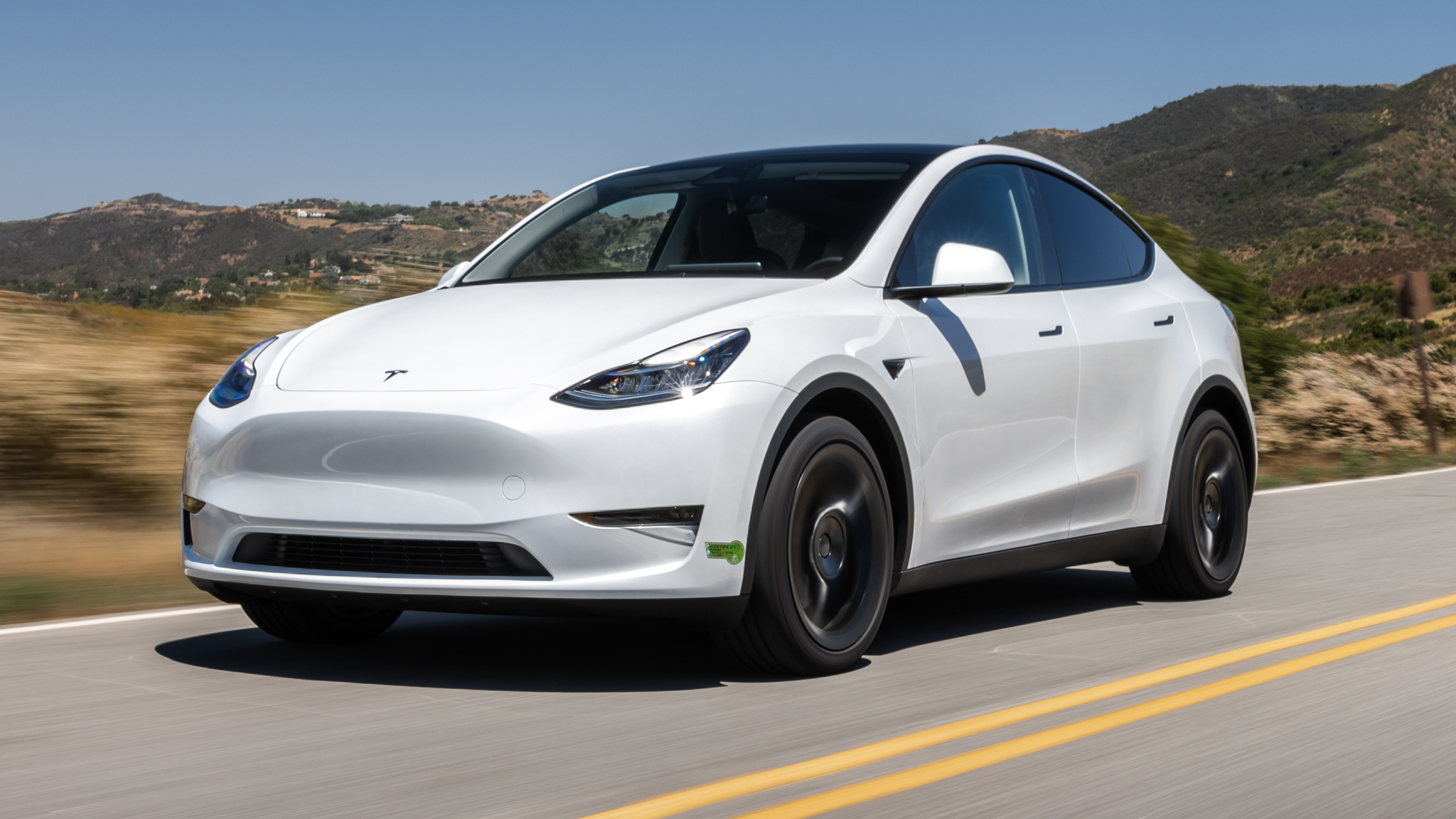
The company’s mandatory filing identifies a 2021 Tesla Model Y involved in an August 22, 2026, collision on Route 55 in Vineland, Cumberland County. The crash killed Phillip Eastman, 68, of Springfield, Pennsylvania, and left two other people moderately injured.
The disclosure is significant because the automation status comes from Tesla’s own report under the National Highway Traffic Safety Administration’s Standing General Order, rather than solely from a lawsuit or a reporter’s account.
Tesla recorded the system status as “Verified Engaged.” That establishes that the company’s filing identified driver assistance as active, but it does not establish that the system caused the collision or determine what the driver was doing immediately before impact.
The distinction matters. State police initially described the crash in terms of the driver losing control, while the filing adds information about the vehicle’s automation status.
The public report leaves key details unresolved, including the software version and the narrative describing the crash sequence. Those fields were redacted as confidential business information, leaving unanswered whether the vehicle was using Autopilot or Full Self-Driving.
Tesla’s Filing Adds an Important Detail to the Route 55 Crash
According to the filing described in reporting published October 15, the crash occurred at approximately 8:31 a.m. on August 22, 2026, on southbound Route 55 near milepost 34.6 in Vineland, New Jersey.
The 2021 Model Y’s recorded pre-crash speed was 37 mph. The incident record lists the time as 12:29 UTC, which corresponds to 8:29 a.m. in New Jersey during daylight saving time. The small difference between the reported approximate crash time and the logged time may reflect separate timestamps in the record.
The collision involved a Chevrolet SUV driven by Eastman. He died in the crash, while two other people sustained moderate injuries. Eastman had recently been sworn in as a school board member, according to reports identifying him after the collision.
The fatality made the crash especially consequential, but the central new detail in Tesla’s filing is the recorded automation status.
New Jersey State Police initially characterized the incident as a loss of control by the driver. Tesla’s report does not automatically conflict with that account, since a driver may lose control even when a driver-assistance system is engaged. The system’s status alone cannot establish what actions or events caused the crash.
What it does add is evidence that the vehicle’s driver-assistance system was recorded as engaged around the crash.
That distinction is important for a factual account of the incident. The filing does not, by itself, establish whether the system failed, whether the driver intervened, whether another vehicle’s movement contributed, or whether roadway conditions played a role. It also does not establish fault or provide a complete reconstruction of the crash.
The report’s redactions limit what can be concluded from the public record. Tesla’s narrative and software-version fields were withheld as confidential business information, so the available disclosure does not provide the full sequence of events or identify precisely which Tesla driving-assistance software was operating. Without those details, assigning causation would go beyond the evidence available.
What “Verified Engaged” Means and What It Does Not Prove
The phrase “Verified Engaged” is central to the story because it describes the system’s reported status, not a conclusion about responsibility for the crash. Tesla’s filing indicates that its records verified the driver-assistance system was engaged.
It does not establish that the system made the wrong decision, that the driver was relying on it improperly, or that either factor caused the fatal collision. Those questions require additional evidence.
Driver-assistance systems can help control steering, acceleration, and braking, but systems classified as SAE Level 2 require the human driver to remain attentive and responsible for driving.
The driver must monitor the road and be ready to steer, brake, or accelerate as needed. NHTSA explicitly distinguishes these systems from higher levels of automation designed to perform the entire driving task within defined operating conditions.
That distinction is especially relevant when discussing Tesla’s Autopilot and Full Self-Driving products. Their names can lead drivers to overestimate what the technology permits, but the relevant question is what system was active and what it was designed and authorized to do in the circumstances.
Because the software version and narrative fields in this filing are redacted, the public record described in the reports does not identify whether Autopilot or Full Self-Driving was operating.
The possibility that the driver was overriding or interacting with the system also remains unresolved. An engagement status does not necessarily show whether the driver was steering, braking, accelerating, or attempting to take control at the moment of the crash.
Nor does it reveal whether the system issued alerts or how the vehicle responded to conditions on the road.
A proper determination would require more information, potentially including vehicle telemetry, event data, crash-scene evidence, witness accounts, and the results of any law enforcement or regulatory investigation. The filing is an important piece of evidence, but it is not a substitute for a complete reconstruction.
Why Federal Crash Reporting Matters for Driver-Assistance Safety
NHTSA’s Standing General Order requires designated manufacturers and operators to report certain crashes involving automated driving systems and Level 2 driver-assistance technologies.
The purpose is to give federal regulators more timely information about serious incidents that may warrant further examination.
For Level 2 systems, reportable crashes include qualifying incidents involving a fatality, an airbag deployment, a person transported to a hospital for medical treatment, or a vulnerable road user being struck, provided the system was in use within the required period before the crash.
The order is a reporting mechanism, not a declaration that a system caused a crash. A report may be required even when the manufacturer has not completed its own investigation or reached a conclusion about fault.
NHTSA uses the submissions to identify potential safety concerns and decide whether additional investigation or enforcement action may be appropriate.
The data also have limitations. NHTSA warns that reporting can vary with manufacturers’ access to vehicle telemetry and crash information. Some companies may learn about incidents quickly through connected vehicles, while others may depend on later reports from owners.
As a result, the published crash data should not automatically be treated as a complete or directly comparable count of all incidents involving driver-assistance systems.
For this New Jersey case, the most important point is that Tesla’s filing provides a documented automation-status detail that was not included in the initial public description cited in coverage. It creates a clearer basis for asking further questions, but the available redacted information does not answer them all.
The fatal crash highlights why precise reporting matters as vehicles increasingly combine human driving with automated steering and speed control.
Tesla’s records confirm that the system was active at the time, but this alone does not establish that Autopilot or Full Self-Driving caused the crash. Based on the available public information, the exact software involved, the driver’s actions, and the sequence of events leading to the collision remain unclear.
Any conclusion about responsibility should await further evidence rather than be inferred from the engagement status alone.
The case also illustrates the difference between a technology being active and a technology being responsible. A vehicle can have driver assistance engaged during a crash without the system being the cause, just as a driver can make an error while assistance features are operating.
Understanding the crash requires a detailed examination of the moments leading up to the impact rather than relying on a single system status entry. The redacted account and software details are therefore important because they may help investigators determine how the system operated and whether it contributed to the collision, provided that the relevant information becomes available.
For regulators, the filing offers a starting point for evaluating whether the crash raises broader safety questions. For drivers, it reinforces the need to understand the limits of Level 2 assistance and remain ready to take control.
Until more evidence becomes available, the findings support a limited but significant conclusion. Tesla’s mandatory report indicated that its driver-assistance system was active before the fatal collision, but the cause of the crash has yet to be established.