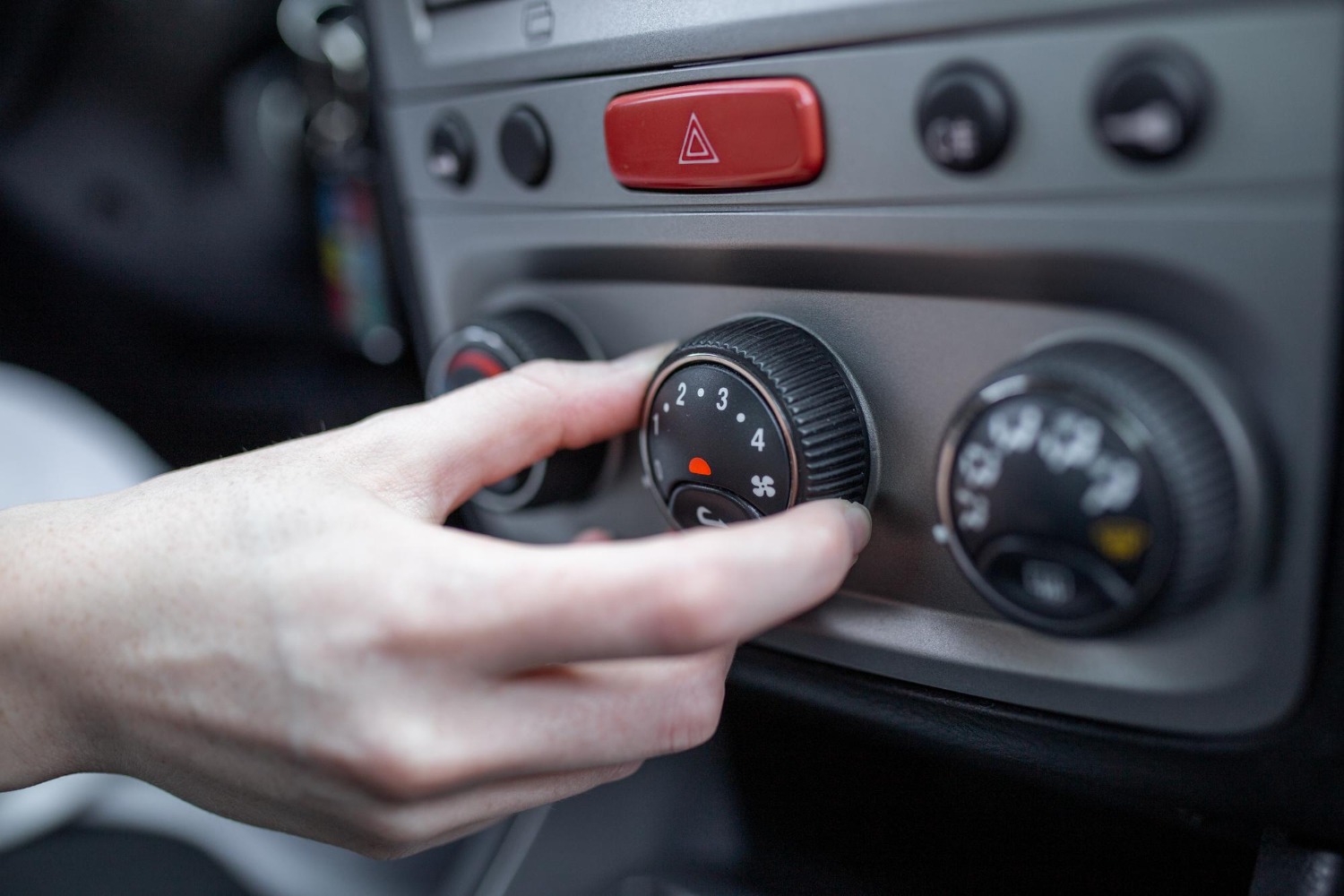
Few things are more frustrating than having your car’s AC blow cold air while driving, only to turn warm when you stop at a traffic light. When the vehicle starts moving again, the air becomes cold once more. This pattern may indicate an issue with the AC system, refrigerant levels, or electrical components rather than just a loss of comfort.
The good news is that several common faults can explain this behavior, and identifying the symptoms can help you avoid unnecessary repairs. From a failing cooling fan to a worn compressor, here are seven likely causes of an AC that cools while driving but blows warm air at stoplights.
1. A Faulty Condenser Cooling Fan
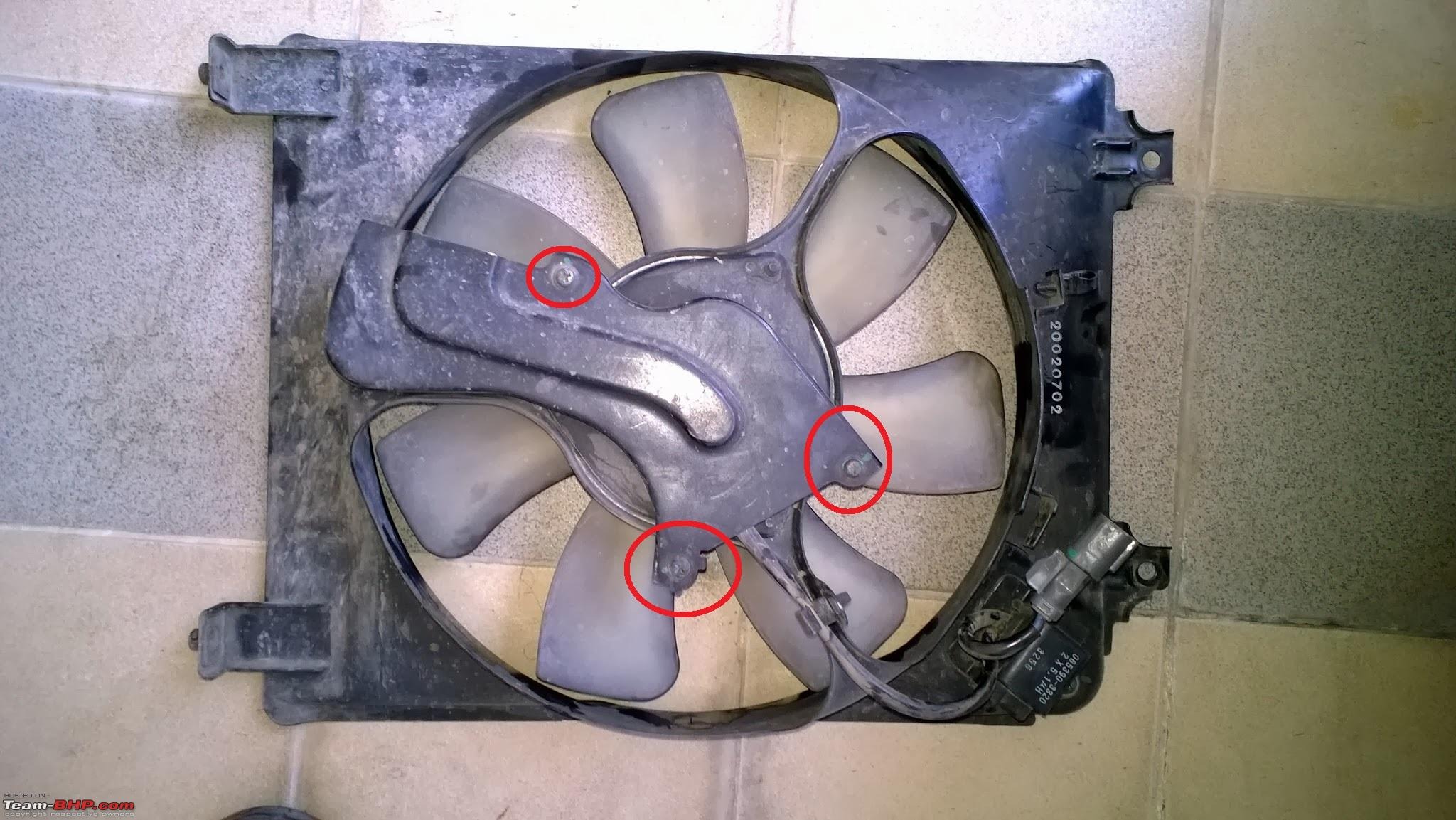
Your car’s condenser releases heat from the refrigerant before it returns to the cooling cycle. While driving, outside air flows through the condenser naturally. When the vehicle stops, the cooling fan must provide enough airflow to keep the refrigerant cool.
If the fan motor fails, a relay stops working, or damaged wiring interrupts the electrical supply, the condenser may struggle to release heat at idle. The refrigerant pressure can rise, reducing the system’s ability to cool the cabin. Once you accelerate, incoming air may temporarily compensate for the faulty fan.
What should you look for? The AC becomes warm at stoplights but cools again when you drive. You might also notice the engine temperature rising in traffic.
A technician can inspect the fan motor, fuses, relays, wiring, and fan control module. Replacing a defective component may restore reliable cooling.
If the engine begins overheating, turn off the AC, stop somewhere safe, and arrange an inspection rather than continuing to drive.
2. Low Refrigerant Levels
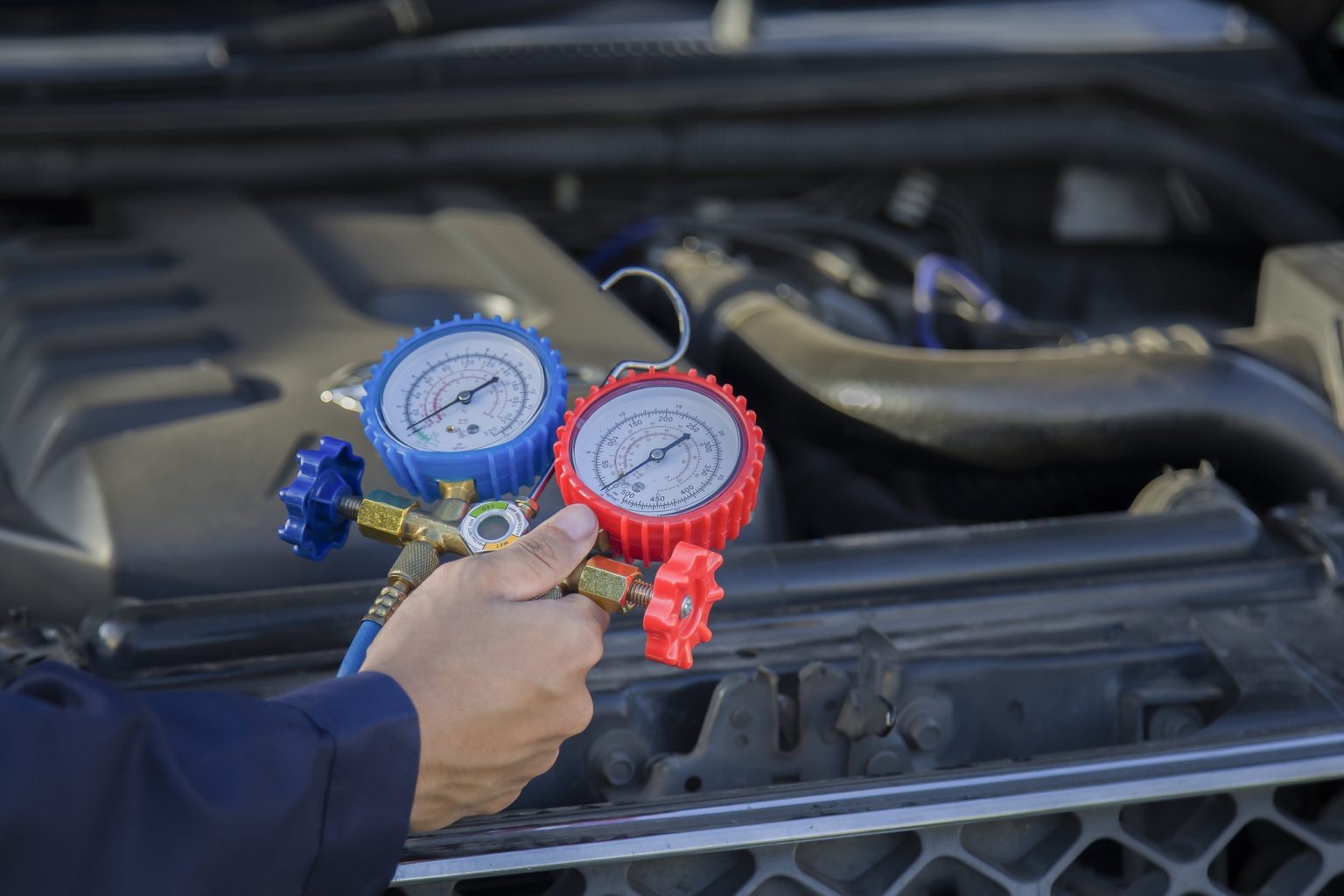
Refrigerant carries heat away from the passenger compartment. When its quantity drops below the manufacturer’s specified charge, the AC system may struggle to maintain consistent cooling, particularly during hot weather or at idle.
A refrigerant shortage usually develops because of a leak rather than ordinary consumption. Potential leak locations include hose connections, seals, service ports, the condenser, and the compressor.
At higher engine speeds, the compressor may circulate refrigerant more effectively, temporarily masking the problem. When engine speed falls at a stoplight, cooling performance may deteriorate.
Other clues include weak cooling, inconsistent vent temperatures, and a compressor that switches on and off frequently. However, these symptoms can also indicate other faults.
A qualified technician should measure refrigerant pressures, check for leaks, and recharge the system to the manufacturer’s specification after addressing the cause.
Simply adding refrigerant without finding a leak may provide only temporary relief. Too much refrigerant can also create pressure problems, so avoid guessing the required amount.
3. A Weak or Failing AC Compressor
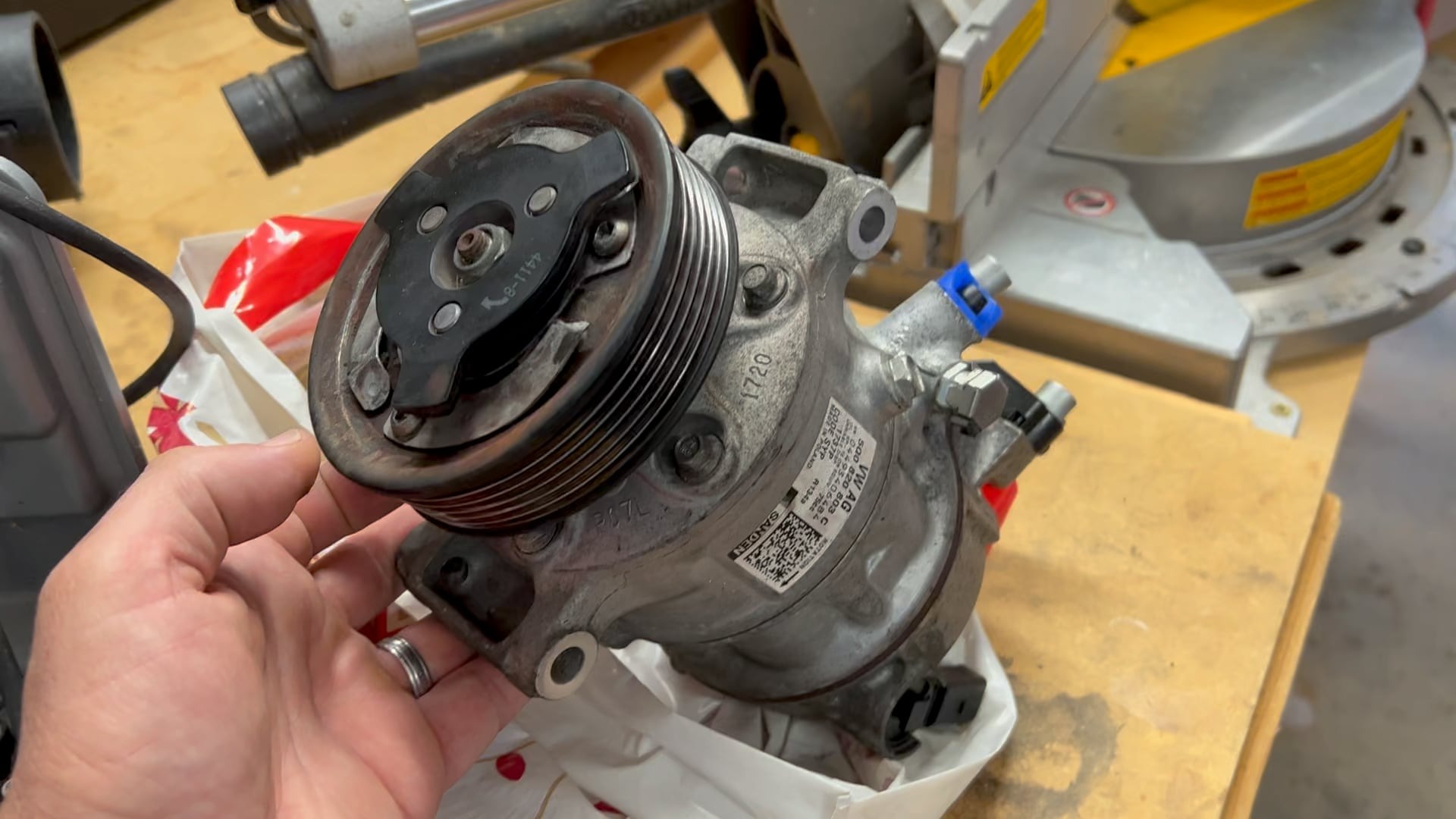
The compressor circulates refrigerant through the air-conditioning system and creates the pressure differences needed for heat transfer. If its internal components wear out, it may struggle to deliver sufficient cooling when the engine runs at low speed.
While driving, higher engine RPM can sometimes help a weakened compressor maintain acceptable cooling. At idle, its reduced output may become apparent, allowing vent temperatures to rise.
Listen for unusual clicking, grinding, or whining noises when the AC operates. You may also notice inconsistent cooling or a compressor that repeatedly engages and disengages. These signs do not prove the compressor has failed, but they warrant further testing.
A technician can compare refrigerant pressures at idle and higher engine speeds, inspect compressor operation, and check related controls.
If the compressor is defective, replacement may be necessary. Depending on the failure, the system may also require cleaning to remove internal debris before a replacement unit is installed.
Early diagnosis matters because a severely damaged compressor can spread contamination through other AC components.
4. A Dirty or Blocked Condenser
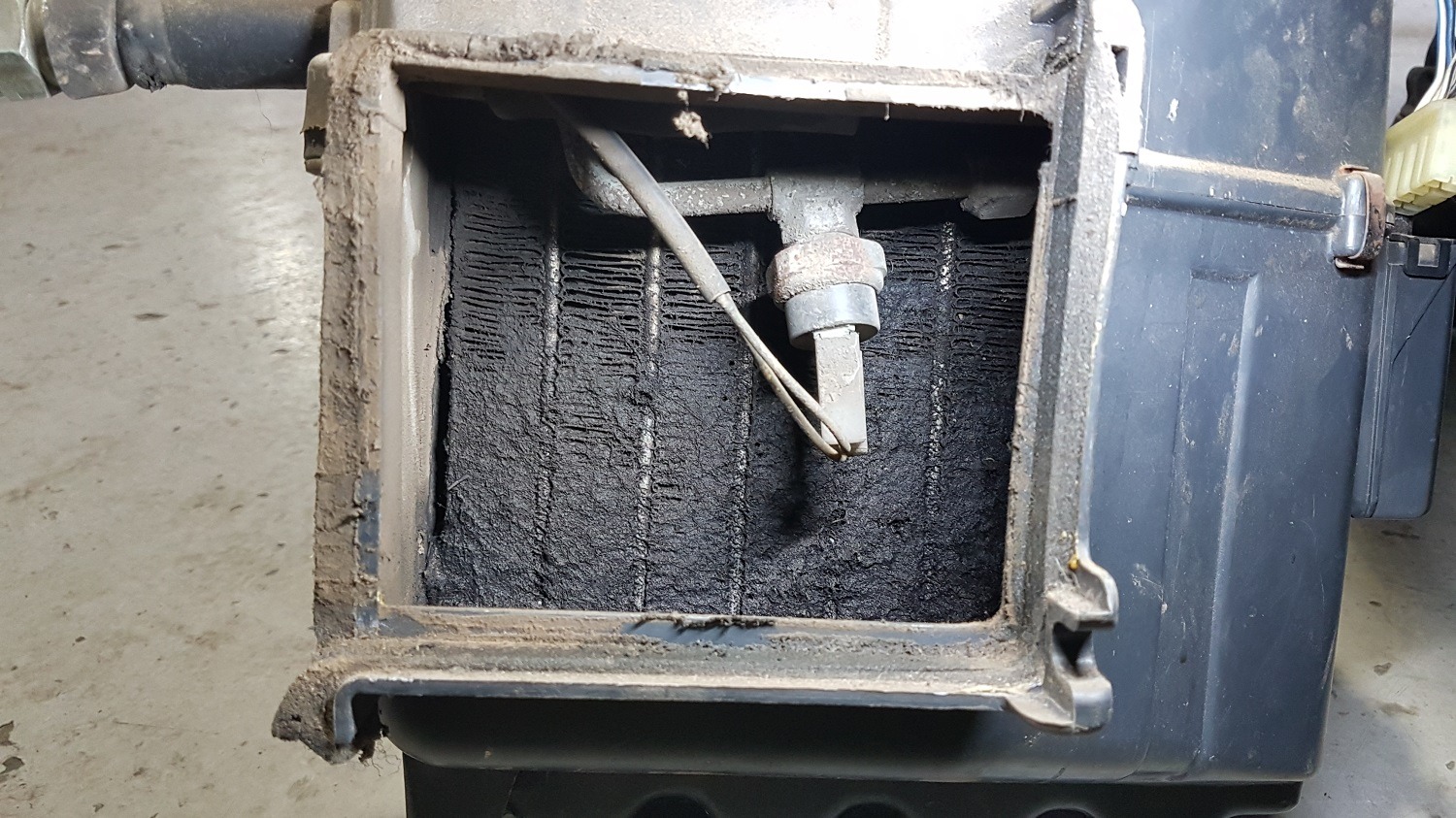
Even when the cooling fan works properly, a condenser covered in dirt, leaves, insects, or road debris may not release heat efficiently. Bent fins and obstructions around the radiator area can also restrict airflow.
At highway speeds, the stronger flow of outside air may help the condenser compensate for a partial blockage. At stoplights, airflow decreases, making the restriction more apparent.
Refrigerant temperatures and pressures may rise, and the air from your vents can become warm. You may notice that cooling deteriorates during slow traffic, particularly on hot days, but improves shortly after the car begins moving.
With the engine switched off and cool, inspect the visible front of the condenser through the grille for debris. Avoid touching hot components or reaching near cooling fans, which can start unexpectedly.
Delicate condenser fins can bend easily, so aggressive brushing or high-pressure washing is not recommended. If the blockage is difficult to reach or the fins are badly damaged, have an automotive technician clean or assess the condenser.
Restoring proper airflow can improve cooling without requiring expensive compressor replacement.
5. A Worn Compressor Clutch or Electrical Fault
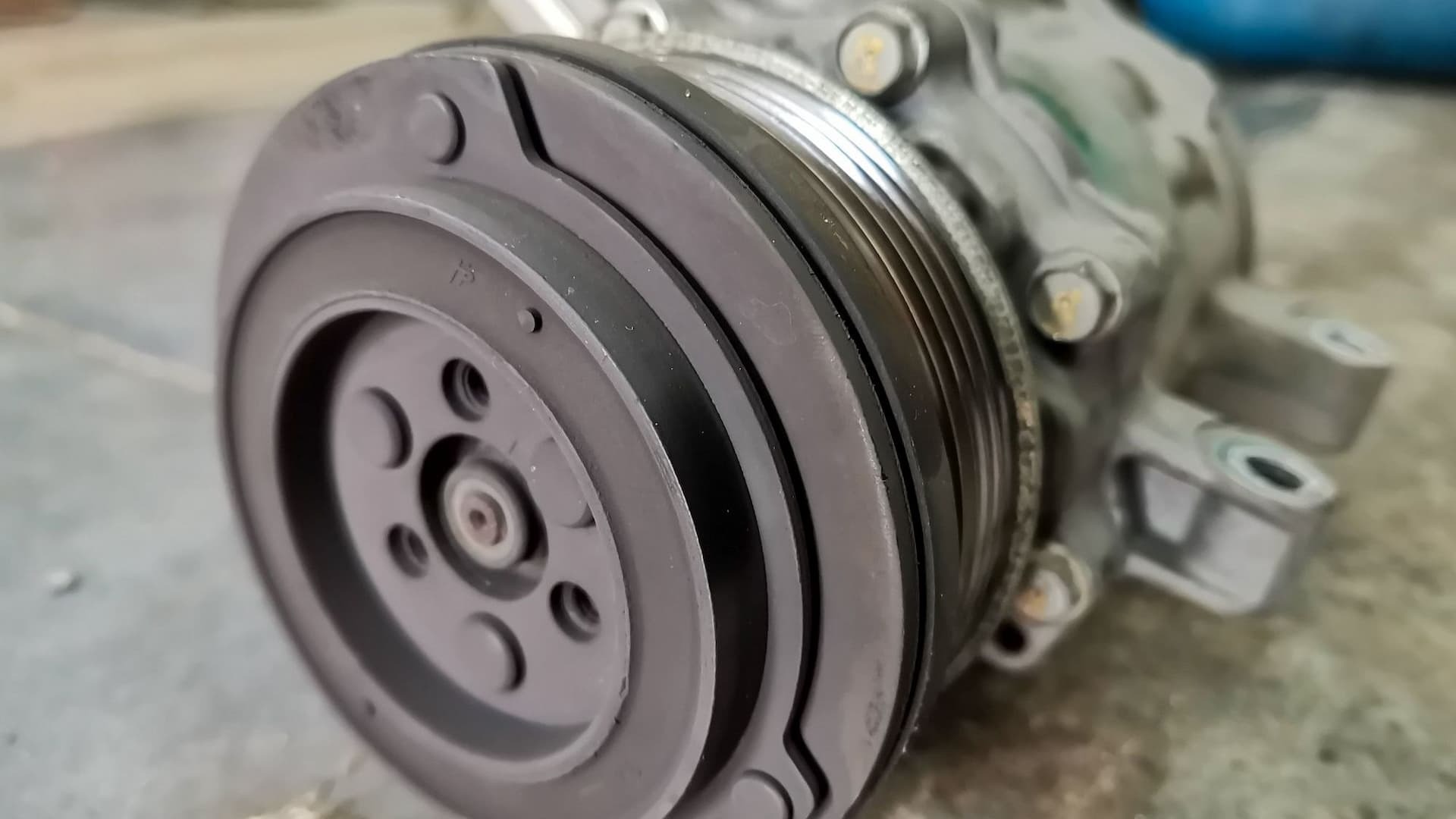
Some vehicles use an electromagnetic clutch to engage and disengage the AC compressor. The clutch must operate correctly for refrigerant circulation to continue when cooling is required.
If the clutch wears out, slips, or develops an excessive air gap, it may struggle to engage reliably. Electrical faults involving a relay, fuse, damaged connector, pressure sensor, or control module can also interrupt compressor operation.
The result may be cold air while driving followed by warm air at idle. In some cases, cooling returns unexpectedly when engine speed increases or an electrical connection begins working again.
Pay attention to whether the temperature changes suddenly or gradually. Sudden warming accompanied by a clicking sound may suggest that the compressor has disengaged, although normal compressor cycling can produce similar sounds.
A technician can monitor clutch engagement, test electrical connections, scan the climate-control system, and measure refrigerant pressures. The repair may involve a relay, wiring repair, clutch service, or a replacement compressor, depending on the findings.
Avoid replacing parts based on sound alone. Proper testing helps identify the actual fault and prevents unnecessary spending.
6. Engine Cooling System Problems
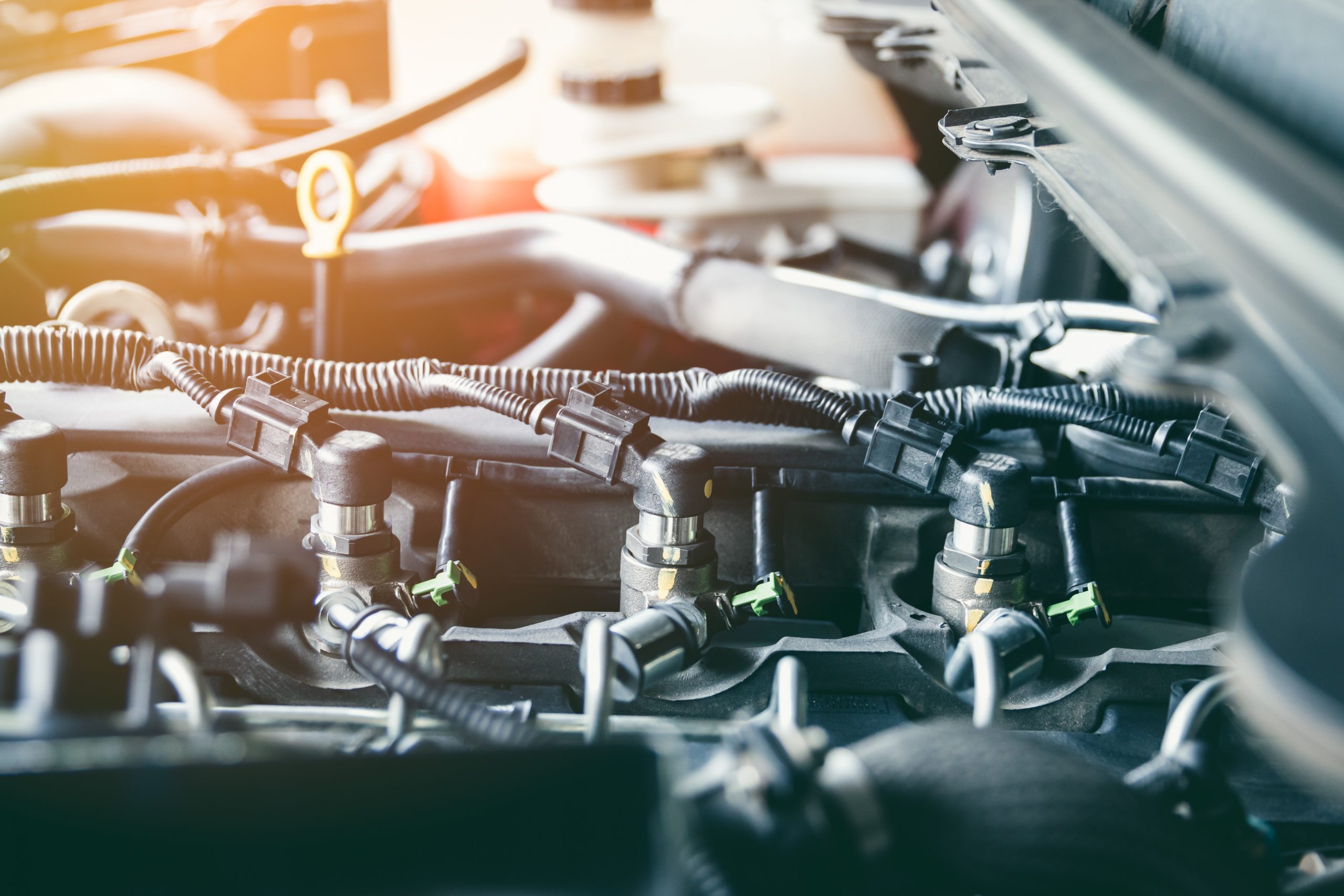
Your car’s engine cooling system and AC condenser operate near each other, and their performance can affect one another. Both depend on adequate airflow around the radiator area, especially when the vehicle is stationary.
A failing radiator fan, damaged fan-control circuit, restricted radiator, or another engine-cooling fault may allow heat to build up in traffic.
Depending on the vehicle’s design and operating conditions, the AC system may reduce or stop compressor operation to protect components when temperatures or pressures become excessive.
Check whether the engine temperature gauge rises at the same time the AC begins blowing warm air. If both symptoms appear together, the problem may involve more than the air-conditioning system.
A technician should inspect the cooling fans, coolant level, radiator, thermostat, and related controls as appropriate. Never remove a radiator cap while the engine is hot because pressurized coolant can cause severe burns.
If the temperature gauge enters the overheating range or a temperature warning appears, pull over safely and switch off the engine. Continuing to drive with an overheating engine can cause expensive damage.
7. Restricted Airflow or a Faulty Temperature Blend Door
Not every warm-air complaint comes from the refrigerant circuit. Air must also pass through the correct passages inside the dashboard before reaching the cabin.
A clogged cabin air filter can restrict airflow across the evaporator, making the cooling feel weak. However, a dirty filter alone is less likely to explain a clear pattern in which the air becomes warm specifically at stoplights.
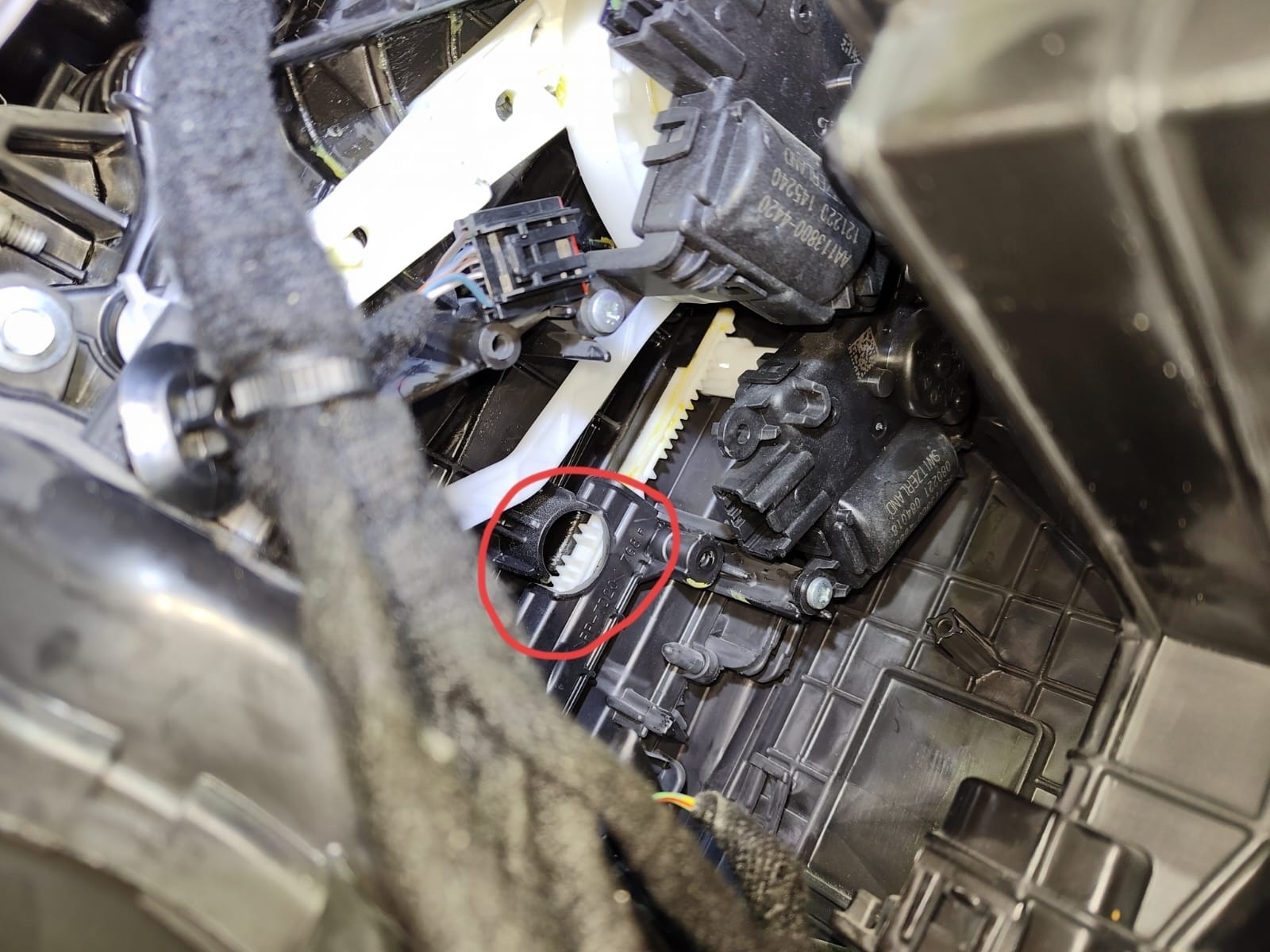
A faulty blend door actuator is another possibility. The blend door directs air through the appropriate heating and cooling passages. If its actuator sticks, loses calibration, or develops an electrical fault, warm air may mix with cooled air unexpectedly.
Notice whether the airflow becomes weaker when the temperature rises or remains strong but feels warm. Reduced airflow may point toward a filter or blower problem, while strong airflow at the wrong temperature may indicate a blend door or refrigerant-control fault.
Check the cabin filter according to your owner’s manual and replace it if necessary. If the problem continues, a technician can test the actuator, inspect the air distribution system, and check the AC controls before recommending repairs.