An engine failure shortly after a factory warranty expires can turn a dependable-looking used car into an expensive ownership problem. Excessive oil consumption, worn timing chains, coolant entering cylinders, and connecting-rod bearing damage can develop gradually before becoming serious enough to require major repairs.
In some cases, the driver receives warning signs. In others, the first obvious symptom is a sudden loss of power or an engine that will no longer start.
NHTSA complaints, manufacturer service bulletins, recalls, warranty extensions, and class-action settlements help identify engines with documented trouble histories.
These records do not prove that every engine will fail or that manufacturers deliberately designed engines to break after coverage expires. They do, however, provide useful information for buyers evaluating older vehicles.
The following 10 engines deserve careful research when shopping for a used car. Each has a documented problem affecting certain models or production years, but the risk depends on the exact engine, maintenance history, vehicle identification number (VIN), and repair history. Warranty limits also differ, and many historical programs have already expired.
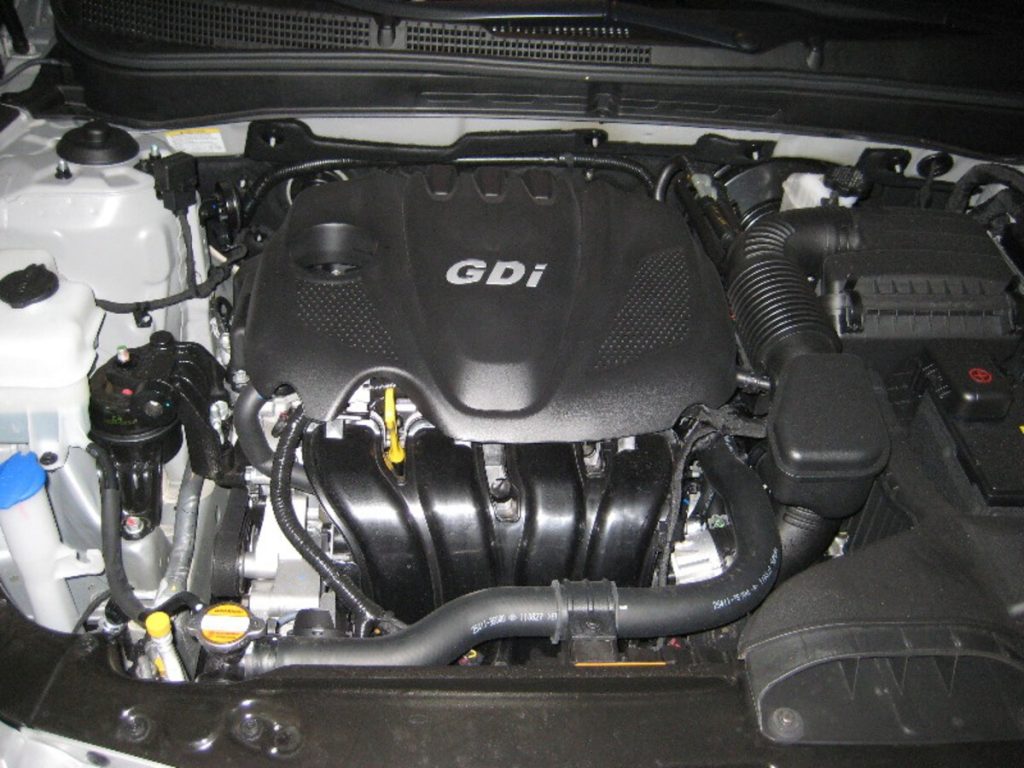
1. Hyundai and Kia 2.0L and 2.4L Theta II GDI Engines
Main problem: Connecting-rod bearing wear and engine seizure
Certain Hyundai and Kia vehicles equipped with 2.0-liter and 2.4-liter Theta II gasoline direct-injection engines developed serious connecting-rod bearing problems. Applications included selected Hyundai Sonata and Santa Fe Sport models and Kia Optima, Sorento, and Sportage vehicles.
Not every vehicle with a Theta II engine is affected, so model year, engine configuration, and recall eligibility must be checked individually.
Connecting-rod bearings help the connecting rods rotate around the crankshaft. If bearing wear becomes excessive, the engine may produce a repetitive metallic knocking noise. Continued operation can cause further damage, potentially resulting in engine seizure or loss of motive power while driving.
An oil-pressure warning may appear, but the absence of a warning does not guarantee that the engine is healthy.
The National Highway Traffic Safety Administration (NHTSA) announced consent orders with Hyundai and Kia in November 2020, imposing combined penalties of $210 million over the handling of recalls involving more than 1.6 million vehicles equipped with Theta II engines. The agency cited untimely recalls and inaccurate reporting of certain information.
Mileage and warranty coverage: There is no single mileage at which these engines inevitably fail. Some reported problems occurred at relatively modest mileage, while other engines accumulated substantially more miles. Original warranties and subsequent engine-related protections varied according to the vehicle and applicable campaign.
Before purchasing one, check the VIN for open recalls and ask a Hyundai or Kia dealer to confirm completed campaigns and any remaining coverage. Request invoices for oil changes, engine inspections, and previous engine replacements.
A cold-start inspection can help identify unusual knocking, although professional diagnosis is necessary to confirm its cause.
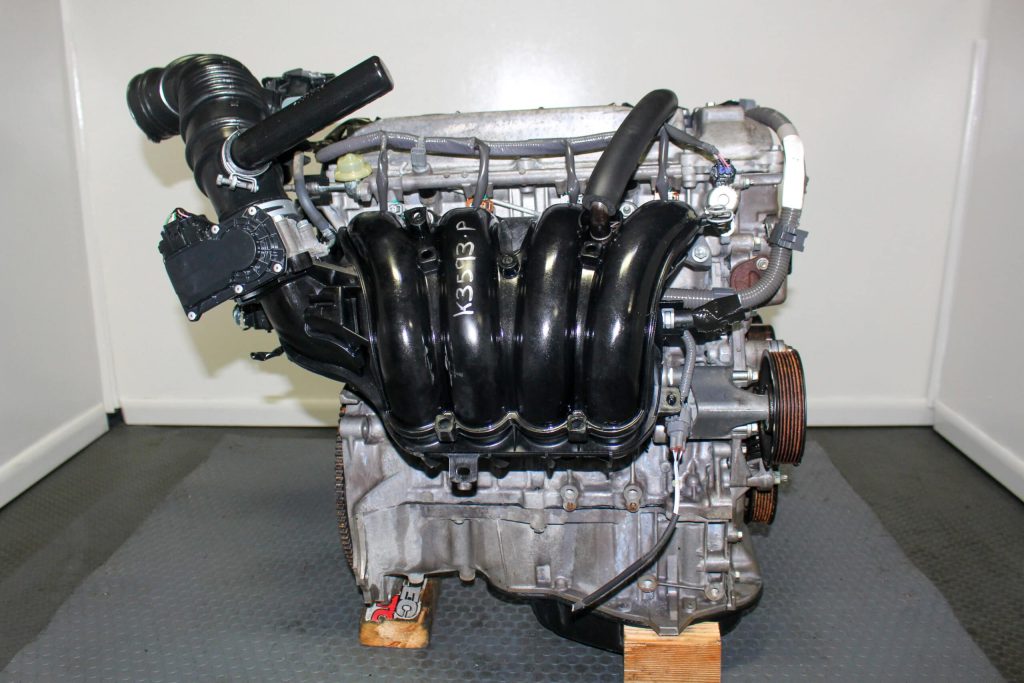
2. Toyota 2.4L 2AZ-FE Four-Cylinder Engine
Main problem: Excessive engine oil consumption
Toyota’s 2AZ-FE 2.4-liter four-cylinder engine appeared in selected Camry, RAV4, Corolla, Matrix, and Scion vehicles. Certain applications became associated with excessive oil consumption, which can be difficult to notice if the owner checks the dipstick only during scheduled oil changes.
An engine that consumes too much oil may continue running normally while its oil level gradually falls. If the driver does not replenish the oil, insufficient lubrication can eventually damage internal components. Warning signs may include repeated oil top-ups, blue exhaust smoke, low-oil warnings, and an oil level that drops noticeably between services.
Toyota introduced Warranty Enhancement Program ZE7 for excessive oil consumption in certain vehicles equipped with the 2AZ engine. The program established a procedure for testing oil consumption and addressed eligible vehicles under specified conditions. It did not apply universally to every vehicle using the engine.
Mileage and warranty coverage: Oil consumption does not begin at one predictable odometer reading. An individual vehicle may develop symptoms earlier than another, depending on its condition and maintenance history.
Toyota’s historical program also had time and eligibility requirements, meaning many older vehicles may no longer qualify.
Used-car buyers should ask whether the vehicle underwent an official oil-consumption test and whether any repairs were completed. Maintenance invoices are particularly useful because they can reveal frequent oil additions or repeated complaints.
A short test drive may not expose the issue. Have a mechanic check the oil level, inspect for external leaks, and assess whether internal consumption is likely. Do not assume that an engine is healthy simply because it starts easily and runs quietly.
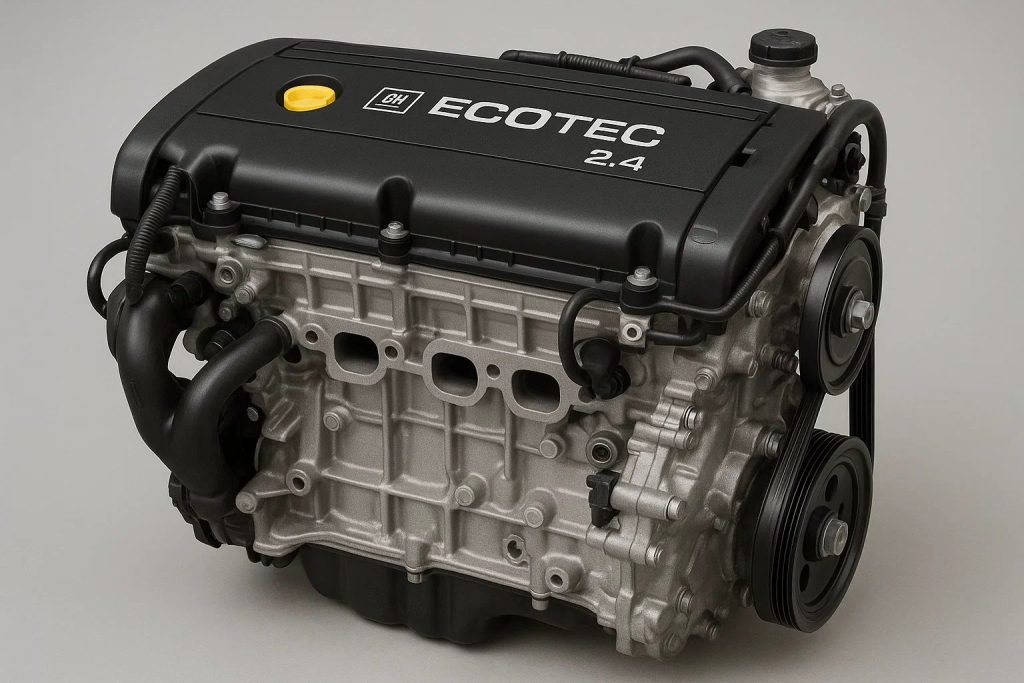
3. General Motors 2.4L Ecotec Four-Cylinder Engine
Main problem: Piston-ring wear and excessive oil consumption
The 2.4-liter Ecotec engine used in certain Chevrolet Equinox and GMC Terrain models developed documented excessive oil-consumption problems. One clearly defined example involved the 2010 Chevrolet Equinox and 2010 GMC Terrain equipped with the LAF engine.
GM’s Special Coverage Adjustment bulletin 14159C described excessive oil consumption caused by piston-ring wear. It identified consumption of less than 2,000 miles per quart as a condition requiring investigation in the specified vehicles.
Symptoms could include an illuminated oil warning or dashboard messages indicating low oil or low oil pressure.
Piston rings help seal the combustion chamber and control oil on the cylinder walls. When they fail to control oil effectively, the engine may burn excessive quantities. If the driver continues operating the vehicle with insufficient oil, internal damage can follow. The initial complaint may seem manageable, but neglected consumption can become a major repair.
Mileage and warranty coverage: Bulletin 14159C provided coverage for the specified 2010 vehicles for 10 years or 120,000 miles from the original in-service date, whichever came first. The prescribed repair involved replacing the four piston assemblies. These terms should not be applied to every 2.4-liter Ecotec engine or every Equinox and Terrain model year.
Most vehicles covered by this historical program are now beyond its time limit. Buyers should nevertheless request records showing whether the repair was completed and whether the engine has continued consuming oil.
Check the dipstick, review maintenance invoices, and ask about previous low-oil warnings. A professional oil-consumption assessment can distinguish an internal problem from an external leak. If the engine has no documented history and the seller reports frequent oil additions, obtain a repair estimate before committing to the purchase.
4. Subaru 2.5L FB25 Boxer Engine
Main problem: Excessive oil consumption in selected applications
Subaru’s FB25 2.5-liter horizontally opposed four-cylinder engine was installed in selected Forester, Legacy, Outback, Impreza, and XV Crosstrek vehicles. Certain early FB-series applications developed excessive oil consumption, leading Subaru to issue service information and an extended warranty for specified vehicles.
The engine may burn oil without leaving obvious puddles beneath the vehicle. Owners might notice that the dipstick level falls between oil changes, requiring repeated top-ups. If the oil level becomes too low, the engine’s internal components may not receive sufficient lubrication. In severe cases, continued driving can cause expensive damage.
Subaru’s service bulletin 02-157-14R identified eligible vehicles and described an extension of powertrain warranty coverage for the specified oil-consumption condition to eight years or 100,000 miles from the original warranty start date. Eligibility depended on the vehicle and engine application listed in the bulletin.
Mileage and warranty coverage: The problem does not begin at a universal mileage. Some engines may show excessive consumption earlier, while others operate without significant symptoms. The historical eight-year or 100,000-mile coverage was not a lifetime guarantee, and its time limit may have expired for many vehicles.
Ask the seller whether the vehicle ever underwent an oil-consumption test or received engine repairs. Review invoices for oil changes and any documented replacement of affected components. A statement that an older engine uses some oil is not enough to determine whether consumption is acceptable.
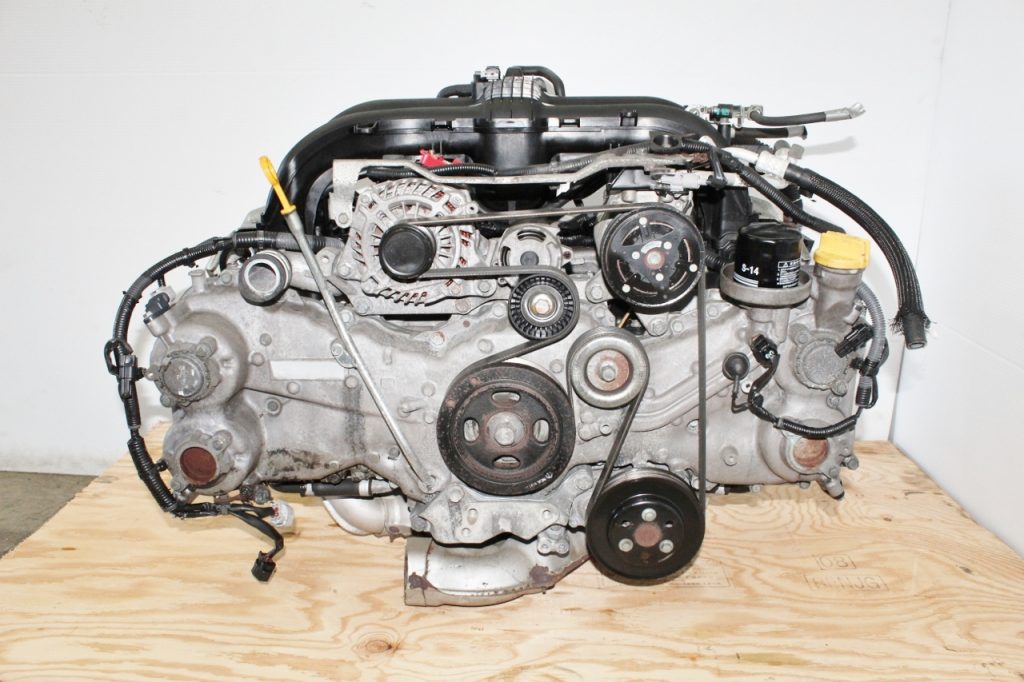
A pre-purchase inspection should include an oil-level check and an examination for external leaks. If the service history is incomplete, ask a mechanic to assess the engine before purchase. A clean test drive cannot establish that oil consumption will remain normal over the next several thousand miles.
5. Ford 1.5L EcoBoost Four-Cylinder Engine
Main problem: Coolant intrusion into the cylinders
Certain Ford Escape and Fusion models equipped with the 1.5-liter EcoBoost engine developed a documented coolant-intrusion problem. In affected vehicles, coolant could enter the cylinder bores, potentially causing misfires, rough running, and internal engine damage.
The early symptoms can resemble ordinary ignition problems. The engine may run unevenly, the check-engine light may illuminate, or the coolant reservoir may lose fluid without an obvious external leak.
White exhaust smoke may also appear. Replacing spark plugs or ignition coils without investigating unexplained coolant loss may fail to address the underlying cause.
Ford Customer Satisfaction Program 21N12 covered certain 2017-2019 Escape and Fusion vehicles equipped with the 1.5-liter GTDI engine. The program provided a one-time, no-cost short-block repair when the specified condition was confirmed.
Its coverage terms were seven years or 84,000 miles from the warranty start date, whichever came first, subject to the program’s detailed provisions.
Mileage and warranty coverage: Not every 1.5-liter EcoBoost engine will develop coolant intrusion, and there is no guaranteed failure mileage. The stated coverage limit defines the program’s terms, not the point at which the engine must fail.
Before buying an affected Escape or Fusion, ask a Ford dealer to check the VIN and retrieve the vehicle’s campaign and repair history. Look for records of coolant loss, repeated misfires, overheating, or short-block replacement. A vehicle that has already received the appropriate repair may present a different risk from one with unexplained coolant loss.
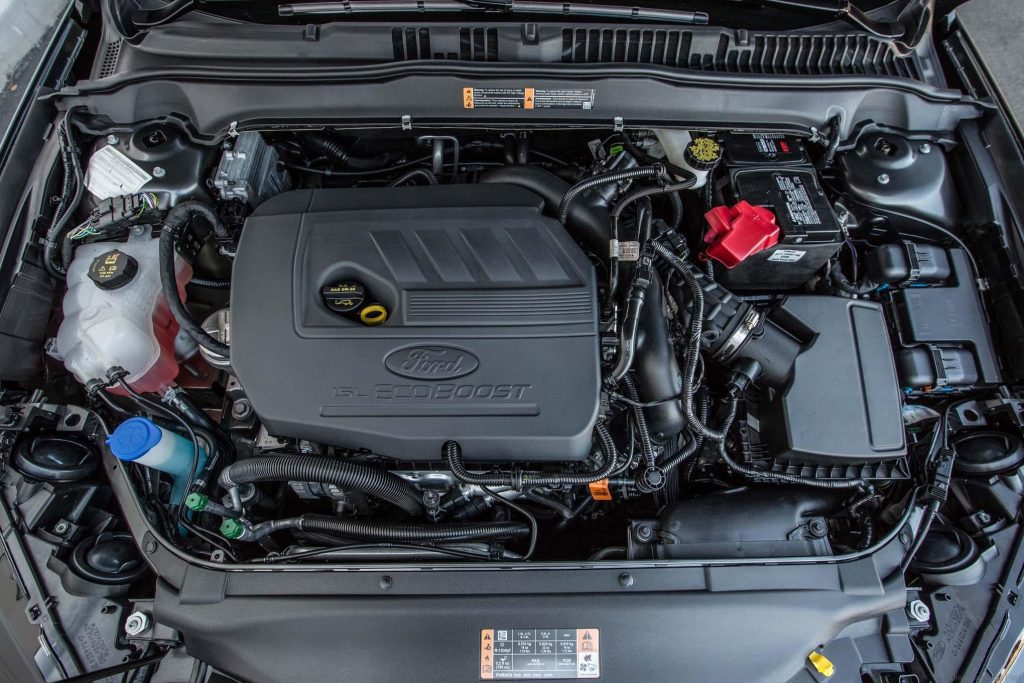
Do not continue driving an engine that is overheating or losing coolant rapidly. Continued operation can worsen damage. A cooling-system pressure test, diagnostic scan, and inspection by a qualified mechanic are sensible precautions when the vehicle’s history is uncertain.
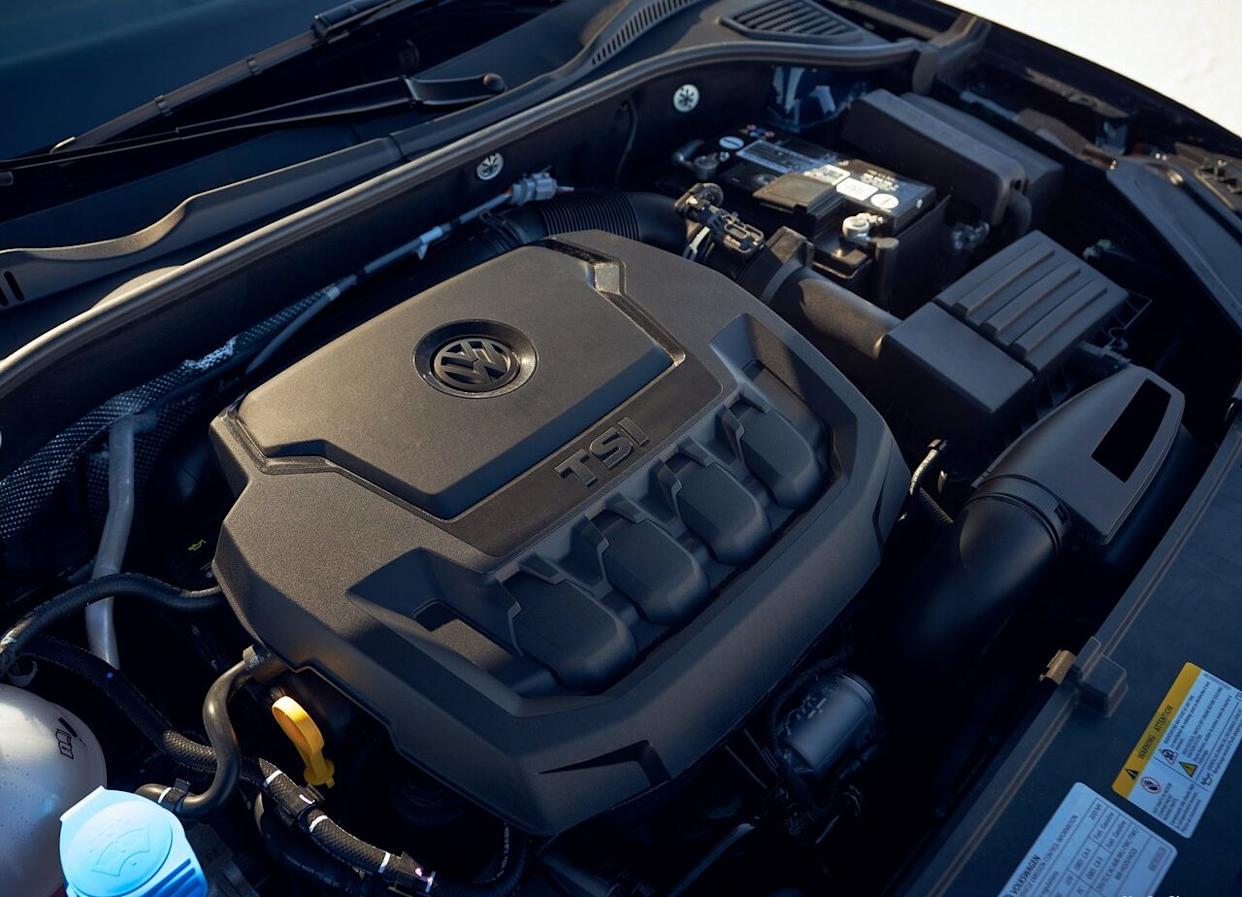
6. Volkswagen and Audi 2.0L TSI Engines
Main problem: Timing-chain and tensioner failure
Certain earlier Volkswagen and Audi vehicles equipped with 2.0-liter TSI engines developed timing-chain and tensioner problems. The affected applications vary by engine version and production year, so the issue should not be generalized to every Volkswagen or Audi with a 2.0-liter turbocharged engine.
The timing chain synchronizes the crankshaft and camshafts, allowing the valves to operate at the correct time. A worn chain or faulty tensioner can cause abnormal movement and disrupt that synchronization. Drivers may notice rattling at startup, rough running, or a check engine light associated with camshaft timing. Severe failure can cause internal engine damage.
Warranty and settlement documents addressed timing-chain or tensioner failures in specified vehicles. Some eligible vehicles received extended coverage within a 10-year or 100,000-mile period, with terms and repair contributions depending on the applicable program. The protection was not universal across every model or engine variant.
Mileage and warranty coverage: Timing-system problems do not occur at one fixed mileage. Engine version, production date, maintenance, and previous repairs can influence risk. A vehicle that has passed 100,000 miles without trouble does not prove that every similar engine is safe.
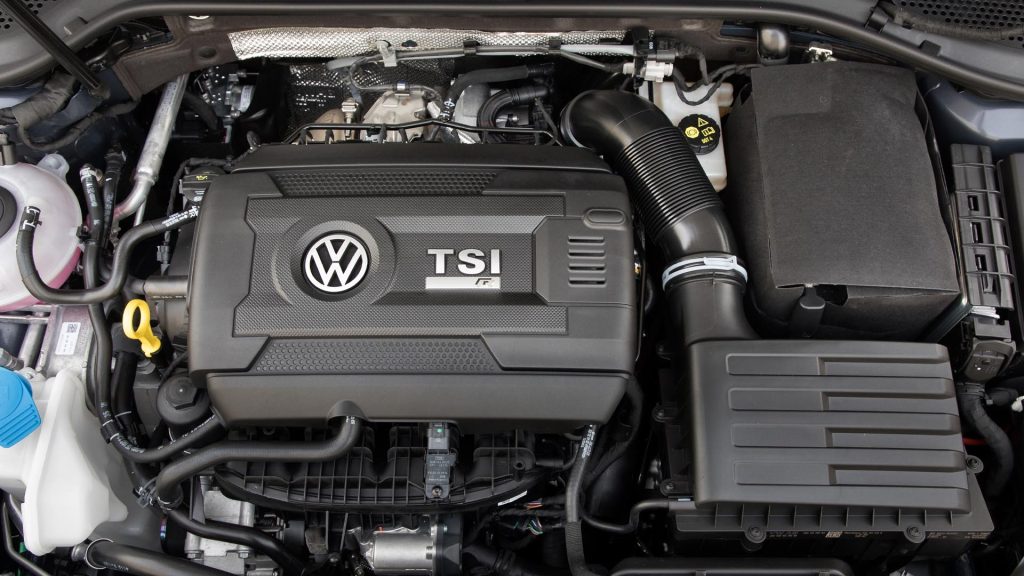
Buyers should identify the exact engine code and ask a dealer to check VIN-specific coverage. Request invoices for any previous timing-chain or tensioner replacement, including details of the parts installed.
A cold start may reveal unusual rattling, but sound alone does not confirm a failure. A specialist should check diagnostic codes, timing measurements, and service records. If a vehicle has persistent timing-chain noise, arrange prompt diagnosis rather than waiting for the engine to develop more serious symptoms.
7. BMW N20 and N26 2.0L Turbocharged Engines
Main problem: Timing-chain and oil-pump drive-chain wear
BMW’s N20 and related N26 2.0-liter turbocharged engines powered selected 3 Series, 5 Series, X1, X3, and other models. Certain applications developed timing-chain and oil-pump drive-chain concerns that can become expensive if they are not diagnosed promptly.
The timing chain keeps the crankshaft and camshafts synchronized. The oil-pump drive chain serves a different purpose by transmitting power to the oil pump. Problems with the timing chain can cause valve-timing faults and internal engine damage. Failure of the oil-pump drive chain can compromise lubrication, potentially placing the engine at serious risk.
BMW issued a component-specific limited-warranty extension for eligible N20 and N26 vehicles. The published terms extended coverage for the timing-chain and oil-pump drive-chain modules to seven years or 70,000 miles from the original in-service date. The program applied only to specified vehicles and components.
Mileage and warranty coverage: The 70,000-mile limit does not mean that every engine will fail at that mileage. Some vehicles may develop symptoms earlier, while others operate beyond the threshold. The original in-service date also matters, so a relatively low-mileage car may already be outside the extension.
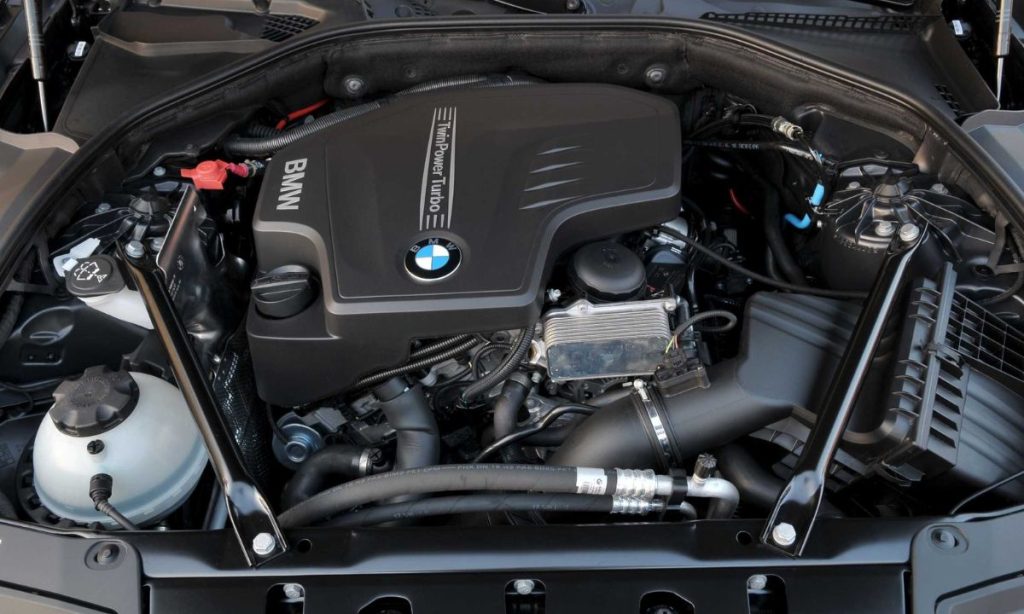
Ask a BMW specialist to check the VIN, engine code, production date, and maintenance history. Listen for unusual rattling and look for relevant diagnostic codes, but do not assume every engine noise indicates timing-chain damage.
Request documentation of previous timing-system repairs and confirm which components were replaced. If the vehicle has no clear history, obtain an independent inspection before purchase. A lower purchase price may not compensate for the financial risk of an unresolved chain or lubrication problem.
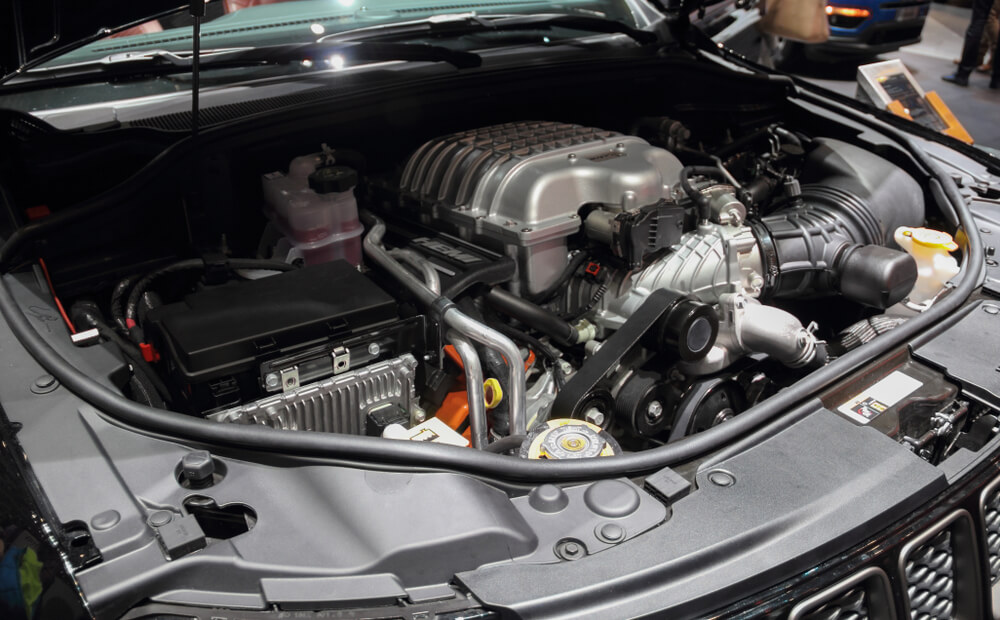
8. Chrysler 2.4L Tigershark Four-Cylinder Engine
Main problem: Excessive oil consumption and possible unexpected shutdown
The 2.4-liter Tigershark engine appeared in selected Chrysler, Dodge, Jeep, Ram, and Fiat vehicles. Certain applications became associated with excessive oil consumption, which could contribute to serious engine problems if the oil level was not monitored and maintained.
Affected vehicles may consume oil without producing obvious external leaks. The driver might repeatedly add oil between scheduled services or discover that the dipstick level has dropped significantly.
If the engine continues running with insufficient oil, lubrication problems can lead to internal damage. In some circumstances, the reported issue was associated with unexpected vehicle shutdown.
The Tigershark oil-consumption issue was addressed through a class-action settlement covering specified vehicles. The settlement included 2015-2017 Chrysler 200, 2013-2016 Dodge Dart, selected Jeep Cherokee and Renegade models, 2017-2018 Jeep Compass, 2015-2018 Ram ProMaster City, and 2016-2018 Fiat 500X vehicles.
Eligible class vehicles received an extension of the powertrain limited warranty to seven years or 100,000 miles from the in-service date, whichever came first.
Mileage and warranty coverage: The settlement does not establish a universal failure mileage, and the stated warranty terms do not guarantee that every vehicle remains covered today. Eligibility and benefits depend on the exact vehicle and settlement requirements.
Before buying one, request oil-change records and documentation of any oil-consumption test or engine repair. Repeated oil top-ups, low-oil messages, or an unexplained drop in oil level should prompt a professional inspection.
Check the VIN and ask an authorized dealer whether applicable service actions were completed. If the engine has already received a replacement or major repair, obtain the invoices and warranty details. A used vehicle with a documented repair history may be less uncertain than one with unexplained oil consumption and no supporting records.
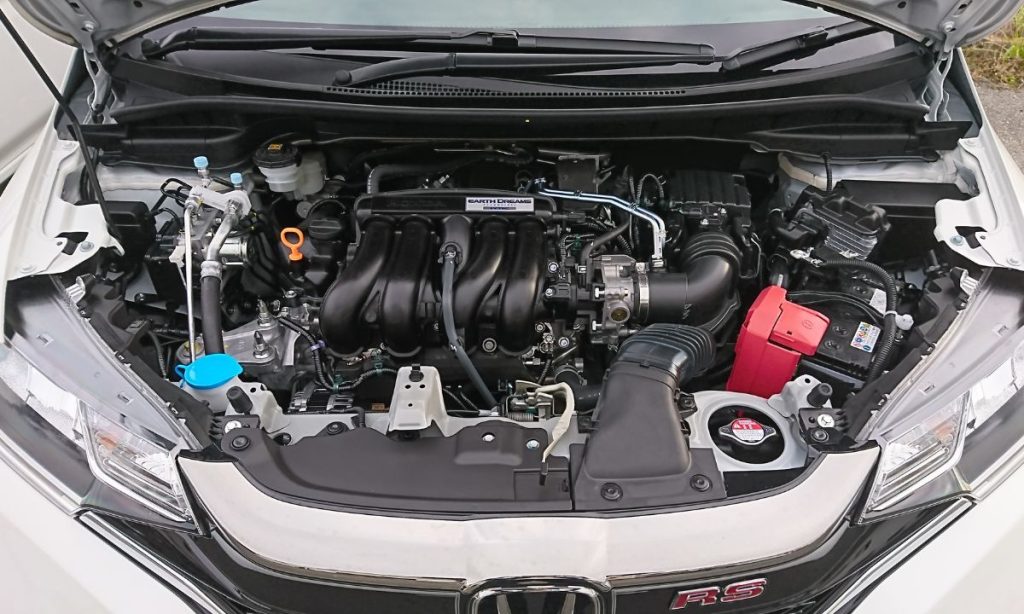
9. Honda 1.5L Turbocharged Engine
Main problem: Fuel dilution of engine oil under certain conditions
Honda’s 1.5-liter turbocharged direct-injection engine, fitted to certain 2017 and 2018 CR-V models, became associated with reports of fuel dilution in engine oil. Unlike excessive oil consumption, fuel dilution occurs when gasoline enters the oil, potentially changing its properties and reducing its ability to lubricate engine components effectively.
The issue was particularly relevant to repeated short trips in very cold weather, when the engine might not reach a stable operating temperature.
Honda’s campaign documentation described possible symptoms including a malfunction indicator light, engine misfires, excessively rich running, and, in exceptional circumstances, abnormal camshaft noise associated with wear in rocker-arm roller bearings. Product updates and warranty-extension campaigns were issued for specified vehicles and markets.
Mileage and warranty coverage: Fuel dilution does not begin at a predictable odometer reading. Driving conditions and vehicle use can matter as much as mileage. Therefore, a low-mileage CR-V is not automatically free of risk, while another vehicle with similar mileage may have no symptoms.
Ask whether the applicable product update was completed and check the VIN with a Honda dealer. Review service records for repeated misfires, warning lights, oil changes, or engine-related repairs. A rising oil level or a strong gasoline smell in the oil can warrant investigation, but neither should be used alone to confirm the diagnosis.
Warranty extensions varied according to the vehicle and campaign terms, so buyers should verify the actual time and mileage limits rather than assuming that coverage remains active.
For vehicles used mainly on short journeys, follow the specified maintenance schedule and oil requirements. If the engine runs roughly or displays warning lights, have it checked promptly. The aim is to identify an operating problem before it develops into more serious mechanical damage.
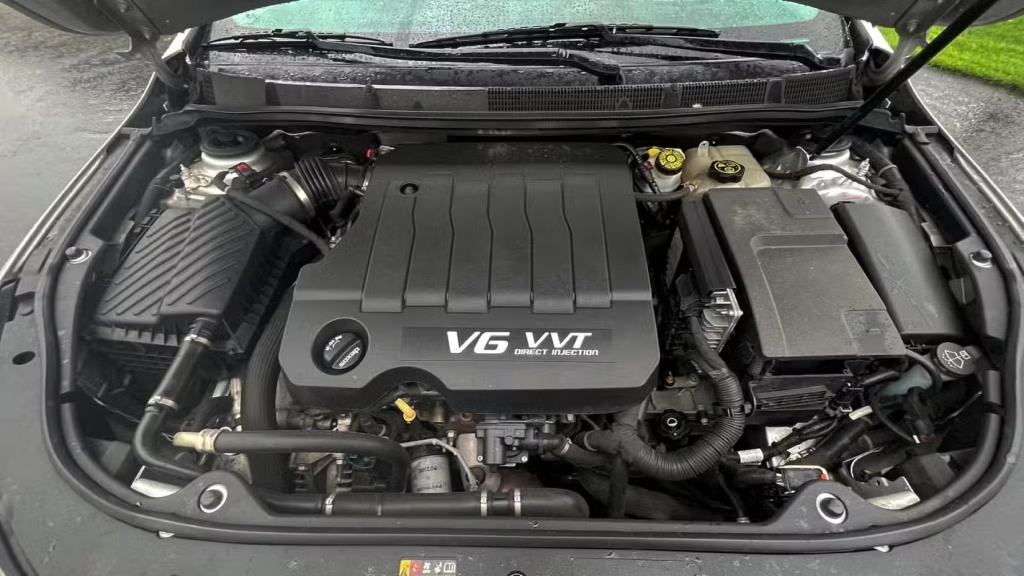
10. General Motors 3.6L High-Feature V6 Engine
Main problem: Timing-chain wear and camshaft timing faults in selected applications
General Motors’ 3.6-liter High-Feature V6 family powered selected Chevrolet, Cadillac, Buick, and GMC vehicles. The family includes different generations and configurations, so the timing-chain problems documented in certain earlier applications should not be attributed automatically to every 3.6-liter V6.
In affected applications, timing-chain wear could disrupt the relationship between the crankshaft and camshafts.
The engine control module may record camshaft timing or crankshaft-correlation codes, and the driver may notice rough running, reduced performance, or unusual mechanical noise. If the timing system deteriorates severely, the engine may suffer substantial internal damage.
Timing-chain wear can be difficult for buyers to assess because early symptoms may be intermittent. A vehicle may start and idle normally during a short inspection but still have stored diagnostic codes or a history of timing-related repairs.
Maintenance records are important because engine oil condition and service history can influence the assessment.
Mileage and warranty coverage: There is no universal failure mileage for the 3.6-liter V6 family. Risk depends on the specific engine version, production year, maintenance, driving history, and whether previous repairs were completed correctly. Coverage must be checked against the exact vehicle and engine application.
A technical service bulletin is not automatically a recall or a warranty extension. Ask a GM dealer to check the VIN for applicable recalls, special coverage, and service information. Request evidence of previous timing-chain repairs and have a mechanic scan for camshaft and crankshaft correlation codes.
A vehicle with documented maintenance and no unresolved timing problems should not be rejected solely because it has this engine. However, an unexplained warning light, persistent startup noise, or missing repair history should prompt further inspection before purchase.