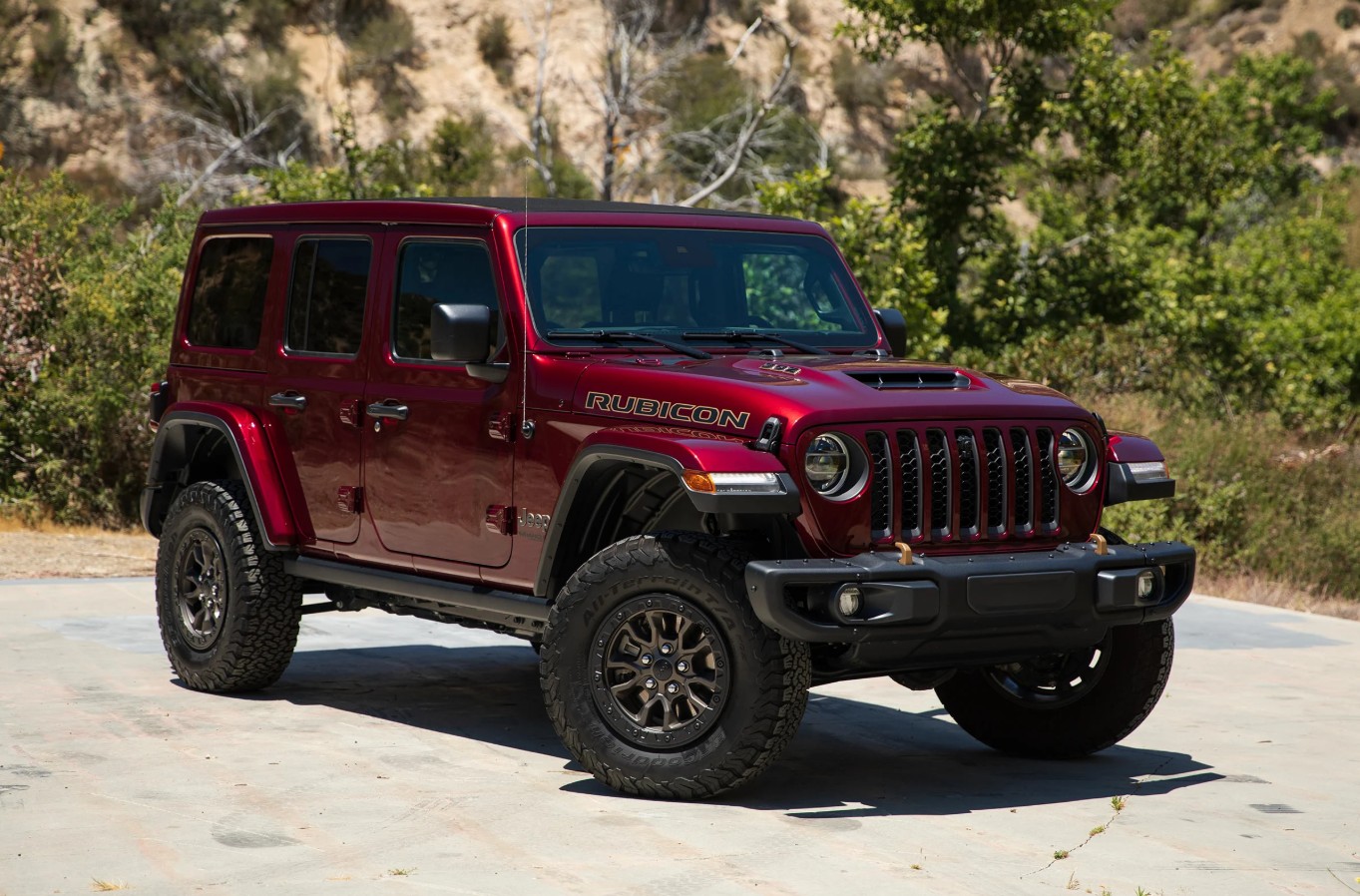
Jeep’s 2027 Wrangler Switchback combines factory-installed off-road equipment with a distinctive two-tone design, creating a limited special edition based on the Wrangler Rubicon X.
Announced on October 12, 2026, as the final entry in Jeep’s Twelve 4 Twelve series, the Switchback comes with 35-inch all-terrain tires, beadlock-capable wheels, a Rock-Trac part-time four-wheel-drive system, and electronic locking differentials at both axles.
Its U.S. starting price is $66,695 for the two-door version, including destination, while the four-door model starts at $69,995.
The Switchback is more than a cosmetic package, but it is not an entirely new Wrangler platform or a separate high-performance model. Its appeal rests on the combination of proven Rubicon X hardware, factory-backed equipment, and exclusive styling.
For buyers who want a Wrangler configured for challenging trails straight from the dealership, the key question is whether those additions justify the price compared with a regular Rubicon X.
The Off-Road Hardware That Sets the Switchback Apart
The Switchback starts with the Wrangler Rubicon X, giving it a serious off-road foundation before its special-edition equipment is considered.
Jeep’s official specification page confirms 17-inch Lustre Grey beadlock-capable wheels with Gecko-colored rings, 35-inch all-terrain tires, a Rock-Trac part-time 4×4 system, and Tru-Lok electronic locking differentials at the front and rear. Black front and rear tow hooks complete the functional exterior equipment.
The locking differentials are particularly important when traction becomes uneven. An open differential can allow a wheel with little grip to spin while the wheel on the same axle receives less useful drive force. Locking a differential helps keep the two wheels turning together, allowing the tire with better traction to help move the vehicle forward.
With both front and rear Tru-Lok units, the Switchback has equipment intended for situations where rocks, ruts, or loose surfaces leave individual tires struggling for grip.
The Rock-Trac transfer case adds another useful tool. Its part-time four-wheel-drive system includes a low-range setting for slow, controlled movement over difficult terrain.
Low range multiplies torque at the wheels and allows the driver to progress at lower speeds, which is useful on steep climbs, rocky sections, and controlled descents. It is not a substitute for careful driving, and drivers still need to select the correct mode for the surface.
The 35-inch all-terrain tires also help distinguish the Switchback from less specialized Wrangler configurations. Larger tires can improve clearance beneath the axles and help the vehicle roll over certain obstacles, although the actual benefit depends on tire dimensions, suspension geometry, and the obstacle itself.
Larger tires can also increase rotating mass, affect braking response, and reduce fuel economy. Their advantages are most apparent when the vehicle is used on trails rather than exclusively on paved roads.
Jeep’s official Switchback page confirms the tire size and locking differentials, but the model should not be confused with a completely new mechanical package developed from scratch. Its Rubicon X base already supplies much of the core off-road capability.
The Switchback combines that foundation with a specific factory configuration, making it attractive to buyers who would otherwise consider adding equipment to a Rubicon X after purchase.
A Factory-Built Custom Look Inside and Out
The Switchback’s most obvious difference from a regular Rubicon X is its deliberately mismatched bodywork. Jeep offers Gloss Black and Sting-Gray combinations, with the hood and doors finished in contrasting colors.
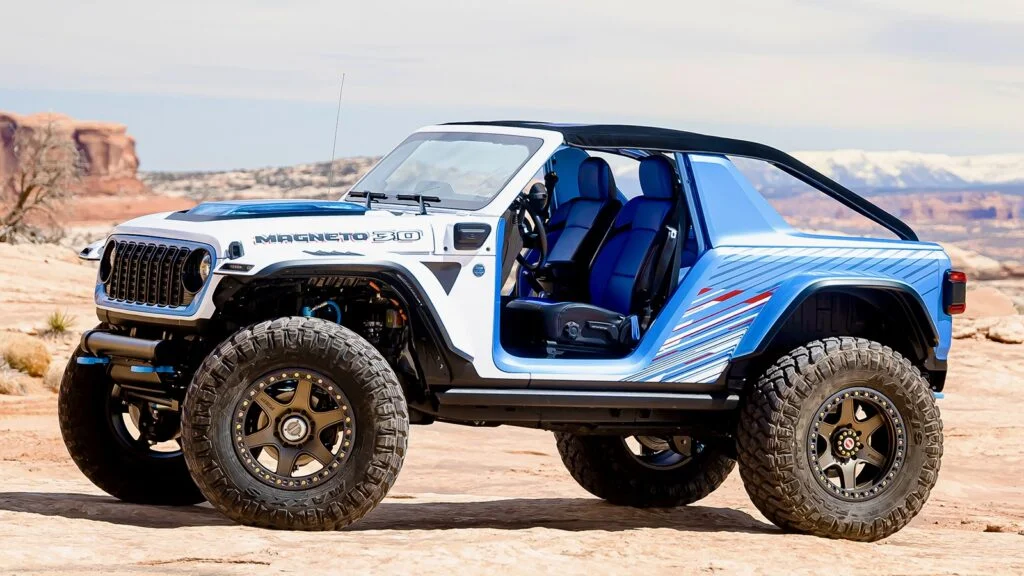
Gecko accents appear around the grille, on the hood graphic, across the beadlock wheel rings and on the rear swing-gate decal. The three-piece hardtop is also available in contrasting Gloss Black or Sting-Gray, while black badging keeps the exterior details coordinated.
The contrasting panels are not simply a dealer-installed collection of replacement parts. Jeep says the vehicles are sequenced together during production, with doors exchanged on the assembly line and hoods swapped later at an upfitting center.
That process turns the idea of a customized Wrangler into a coordinated factory build, with the two color combinations designed to complement each other.
The interior follows the same approach but uses more subtle contrasts. Global Black Nappa leather seats feature an exclusive debossed Switchback logo, while Sea Salt Nappa leather covers selected surfaces, including the instrument-panel surround, door armrests, and center-console lid.
Pearl and Lime stitching connects the cabin to the exterior’s Gecko accents. Special cupholder and swing-gate plaques add identifying details, including graphics inspired by Wrangler design and manufacturing.
These changes give the Switchback a more distinctive appearance than a standard Rubicon X, but their value is subjective. Buyers who prefer a traditional single-color Wrangler may see the contrasting panels as unnecessary.
Those who want a factory-custom look without choosing aftermarket paintwork or swapping body panels themselves may find the design more appealing.
Jeep has also positioned the Switchback as the final release in its Twelve 4 Twelve series, a yearlong collection of special Wrangler editions celebrating the brand’s 85-year heritage. That limited-edition context adds exclusivity, although Jeep has not published a precise production quantity in its announcement.
The company says quantities will be limited, so buyers interested in the vehicle should confirm availability with dealers rather than assume every configuration will remain easy to order.
Does the $66,695 Price Make Sense?
Jeep lists the two-door Switchback at $66,695 and the four-door at $69,995, with both prices including a $1,995 destination charge. The Switchback package itself costs $2,870.
Orders are scheduled to open in November 2026. These figures establish the cost of the special edition, but they do not include taxes, registration, dealer-installed accessories, or any dealer markup.
The best comparison is with the Rubicon X, because that is the vehicle on which the Switchback is based. A buyer should compare the two models’ final equipment lists and prices, not the Switchback’s total MSRP against the starting price of a less expensive Wrangler trim.
The Switchback bundles its specific wheel-and-tire configuration and exclusive appearance details into a factory package, so the value depends on whether those are features the buyer actually wants.
The added equipment can make sense for someone who intends to use the vehicle off-road regularly. The 35-inch tires, locking differentials, and low-range four-wheel-drive system provide tangible benefits on difficult terrain.
Purchasing a Rubicon X and then modifying it can involve selecting compatible components, arranging installation, and checking how changes affect the vehicle’s warranty and handling. A factory-configured special edition offers a more straightforward route for buyers who want this combination from the outset.
However, not every owner needs the Switchback’s full setup. Drivers who spend most of their time commuting or traveling on paved highways may receive less practical benefit from 35-inch tires and locking differentials than dedicated trail users.
Larger tires can add road noise, increase rolling resistance, and affect fuel economy. A more conventional Wrangler trim could make better financial sense if the main priorities are styling, everyday comfort, and occasional light off-roading.
The four-door model costs $3,300 more than the two-door. That difference buys a longer body and easier access to the rear seats, which can be useful for families or drivers who regularly carry passengers.
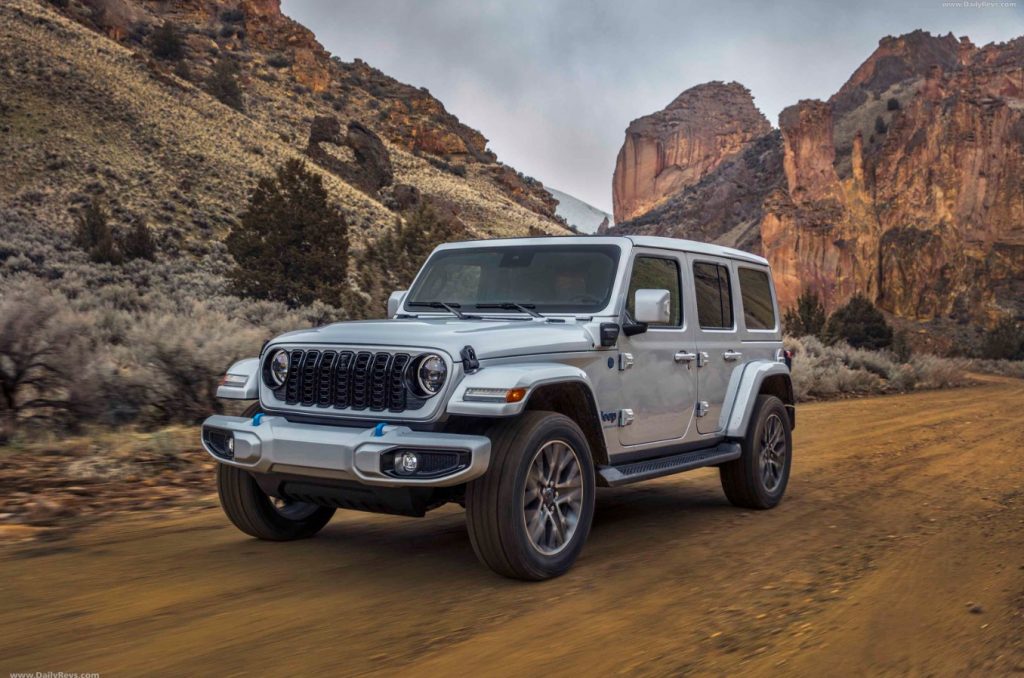
The two-door’s shorter wheelbase can be advantageous on narrow trails and in tight turns, although trail performance also depends on factors such as approach and departure angles, ground clearance, tire placement, and driver skill.
Jeep has not provided Switchback-specific EPA fuel-economy figures, towing ratings, or a complete separate powertrain specification in its announcement.
Buyers should verify the final U.S. order guide for the exact engine, transmission, and equipment configuration before placing an order. Those details matter because the Switchback’s price is substantial, and its suitability depends on how it will actually be driven.
The 2027 Wrangler Switchback is therefore best understood as a Rubicon X-based special edition that combines genuine off-road equipment with an unusually distinctive factory appearance.
Its locking differentials and 35-inch all-terrain tires give it functional trail credentials, while its contrasting panels and exclusive cabin details set it apart visually. The $66,695 starting price is easiest to justify for buyers who want both the specialized hardware and the limited-edition styling.
For everyone else, a regular Wrangler configuration may deliver the capability they need without paying for details they would rarely use.